

Last Updated on November 26, 2025 by Ilayda Cengizhan
Understanding the Immunology of Infectious Diseases is essential for recognizing how hematology, immunology, and infectious disease medicine work together. These three fields are closely connected and play a vital role in maintaining overall health. The Immunology of Infectious Diseases provides a scientific framework for understanding how the immune system responds to various pathogens, making it a critical area of modern medicine. Our team is committed to delivering top-quality care with a strong focus on the Immunology of Infectious Diseases, advanced diagnostics, and effective treatment strategies.
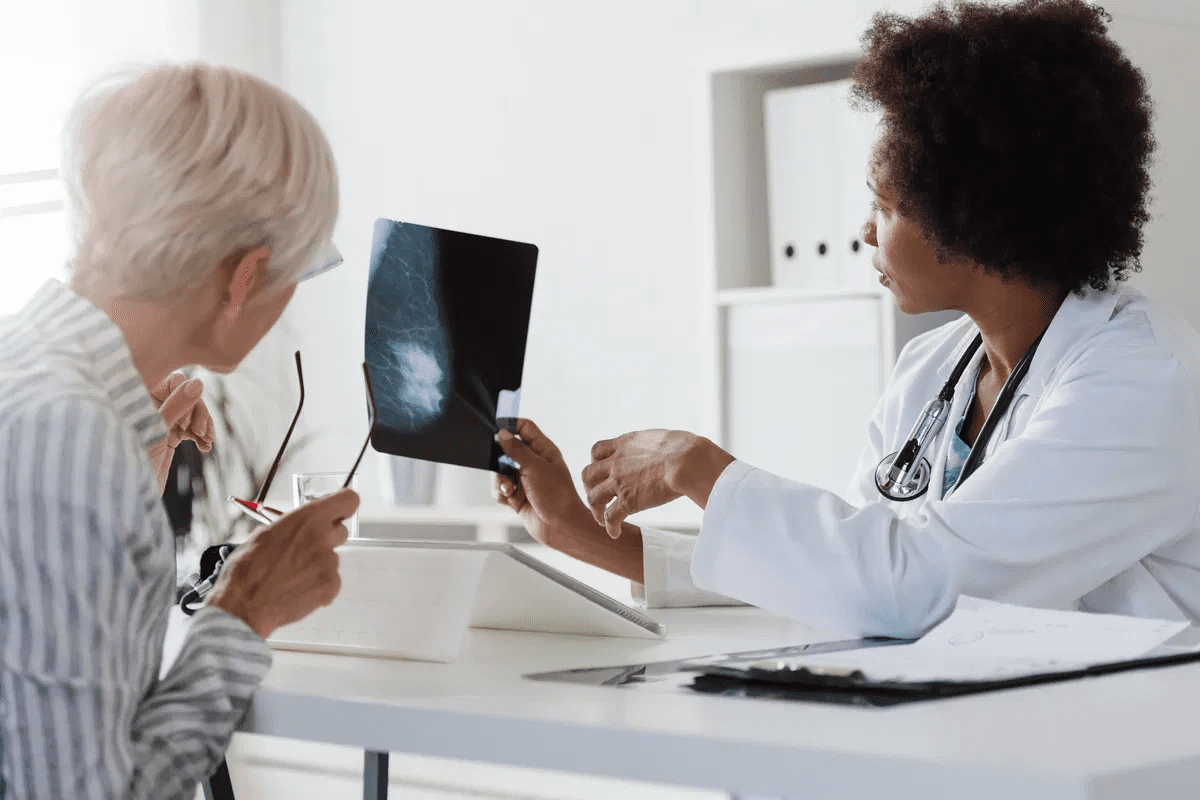
A solid understanding of hematology, immunology, and the Immunology of Infectious Diseases allows clinicians to see the full picture of immune function, blood health, and pathogen behavior. These three areas overlap extensively, with disruptions in one field often impacting the others, making the Immunology of Infectious Diseases a critical framework for clinical practice.
The Immunology of Infectious Diseases explains how infections can alter hematologic parameters and trigger immune responses, highlighting the importance of an integrated approach to patient care.
Major milestones that shaped modern healthcare include:
| Field | Major Discovery | Impact |
| Hematology | Identification of blood groups | Enabled safe blood transfusions |
| Immunology | Development of vaccines | Prevented widespread infectious diseases |
| Infectious Diseases | Discovery of antibiotics | Revolutionized treatment of bacterial infections |
These advancements laid the foundation for modern research in the Immunology of Infectious Diseases, influencing everything from vaccine development to immune-modulating therapies.
The immune system plays a central role in the Immunology of Infectious Diseases, involving cells, tissues, and signaling molecules that work together to protect the body. Understanding how these components respond to pathogens is key to diagnosing and treating infectious conditions effectively.
Neutrophils: First responders to bacterial infections.
Lymphocytes (B cells & T cells): Mediate adaptive immunity and long-term memory.
Monocytes/Macrophages: Phagocytose pathogens and present antigens.
Eosinophils: Combat parasitic infections and contribute to allergy responses.
The Immunology of Infectious Diseases highlights how each leukocyte type contributes to pathogen elimination and immune regulation.
Bone marrow: Produces all blood cells, including immune cells.
Lymph nodes: Filter lymph, trap pathogens, and initiate immune responses.
Spleen: Filters blood, removes old red cells, and houses immune cells.
Hematopoiesis and lymphoid organ function are core concepts in the Immunology of Infectious Diseases, helping explain immune deficiencies and hyperactive responses.
Hematopoiesis is how all blood cells, including leukocytes, are made. It happens mainly in the bone marrow. It’s a complex process that involves the growth of hematopoietic stem cells into different blood cell types.
The growth of immune cells is carefully controlled by growth factors and cytokines. Problems in this process can lead to weak immunity or leukemia. This shows how crucial it is for keeping our immune system balanced.
The Immunology of Infectious Diseases shows how pathogens and the host’s immune system interact. Knowing these basics is key to finding good treatments and ways to manage diseases.

The immune system has two main arms:
The Immunology of Infectious Diseases demonstrates how these systems coordinate to fight infections and maintain immune memory.
Understanding these mechanisms allows clinicians to develop targeted treatments and immunomodulatory therapies.
The Immunology of Infectious Diseases explores host defenses against all classes of pathogens.
Integrating this knowledge enhances vaccine development, immunotherapy, and patient-specific infection management.
Infections can disrupt blood cell production and function, a concept central to the Immunology of Infectious Diseases.
The Immunology of Infectious Diseases provides insights into preventive strategies, vaccinations, and therapeutic interventions for immunocompromised patients.
Studying these mechanisms through the Immunology of Infectious Diseases helps prevent and manage infection-induced autoimmunity.
All of these approaches are informed by the Immunology of Infectious Diseases, ensuring accurate diagnosis and treatment.
Emerging technologies like single-cell analysis, CRISPR, and immunometabolism studies are revolutionizing the Immunology of Infectious Diseases. Interdisciplinary collaboration between hematologists, immunologists, and infectious disease specialists continues to drive novel therapeutics and personalized medicine approaches.
The future of patient care relies on a deep understanding of the Immunology of Infectious Diseases, integrating diagnostics, immunotherapy, and precision medicine to combat infections effectively.
Learning how pathogens dodge the immune system is key to fighting infections. Pathogens use many ways to avoid being caught by the host’s immune system. This helps them survive and spread inside the host.
Pathogens also use immunosuppressive tactics to weaken the host’s immune system. For example, some pathogens make molecules that stop immune cells from working or make the body produce anti-inflammatory cytokines. This weakens the immune response. Human Immunodeficiency Virus (HIV) is a good example, as it attacks and kills CD4+ T cells, which are important for the immune system.
The immunosuppressive actions of pathogens can make the host more open to other infections. So, it’s important to understand these tactics to find ways to boost the immune system.
Another strategy pathogens use is forming biofilms. Biofilms are groups of microorganisms stuck together, protected by a matrix. They are hard to fight, both for the host’s immune system and for treatments. Pathogens like Pseudomonas aeruginosa and Staphylococcus aureus often form biofilms, causing long-lasting infections, especially in people with weak immune systems or chronic conditions.
“Biofilms represent a significant challenge in the treatment of infectious diseases, as they can persist despite aggressive antimicrobial therapy.” –
A leading researcher in the field of microbiology
By studying how biofilms form and stick around, researchers can work on treatments that target these structures. This could help improve treatment results for patients with biofilm-related infections.
The human immune system has developed complex ways to fight off viral infections. It must recognize and respond to these pathogens effectively. This keeps our body in balance.
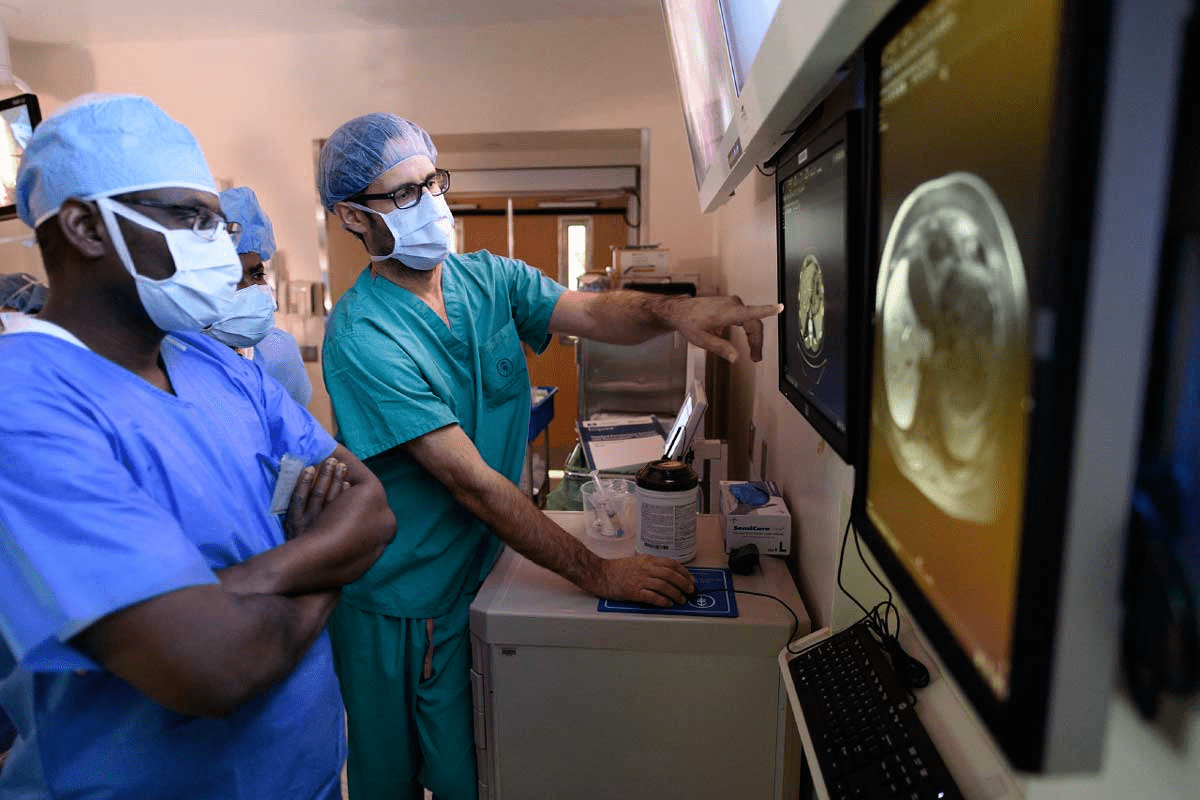
The immune system’s ability to spot viral parts is key to fighting viruses. Viral recognition happens through pattern recognition receptors (PRRs). These receptors find viral nucleic acids or proteins.
This recognition starts a chain of signals. It activates the immune response. We have cells like dendritic cells and macrophages to find and process viral antigens. They then show viral peptides to T cells, starting the immune fight.
The interferon response is a major defense against viruses. Interferons are proteins made when we get infected. They make other cells ready to fight viruses.
This response is key to stopping viruses from spreading. It quickly makes a tough environment for viruses. This protects healthy cells.
T cell-mediated immunity is crucial in fighting viruses. T cells, especially CD8+ T cells, find and kill infected cells. This lowers the virus count. CD4+ T cells help by activating B cells and other T cells.
The success of T cell immunity depends on T cells recognizing viral antigens. This is helped by major histocompatibility complex (MHC) molecules on antigen-presenting cells.
Knowing how we recognize viruses, respond with interferons, and use T cells is vital. It helps in infectious disease research and finding new treatments. Advances in the Immunology of Infectious Diseases lead to new ways to fight viral infections.
Parasitic and fungal infections are big challenges for our immune system. We need to understand how our body fights these infections to find better treatments. This knowledge helps improve how we care for patients.
The fight against parasites involves many immune cells and cytokines. Innate immunity is the first defense, with cells like macrophages and dendritic cells fighting off parasites.
Adaptive immunity is key in controlling these infections. T cells and B cells work together to get rid of the parasite. The roles of Th1 and Th2 responses are very important in this fight.
| Immune Cell | Function in Parasitic Infections |
| Macrophages | Phagocytosis and antigen presentation |
| Dendritic Cells | Antigen presentation and activation of T cells |
| T Cells | Cell-mediated immunity and cytokine production |
Antifungal immunity uses both innate and adaptive responses. Innate immune cells like neutrophils and macrophages are crucial in fighting off fungal pathogens.
The adaptive response, especially through Th1 and Th17 cells, is vital for fighting fungal infections. These cells help eliminate the infection and stop it from spreading.
Chronic parasitic and fungal infections happen when pathogens evade or suppress our immune system. Knowing how they do this is key to finding treatments.

Managing chronic infections requires careful immune regulation. We need to balance pro-inflammatory and anti-inflammatory responses to avoid too much inflammation and damage.
Western infectious disease consultants stress the need for a complete approach to chronic infections. This includes using immunomodulatory therapies along with antimicrobial treatments.
Infectious diseases can deeply affect the blood and blood-making parts of our body. This system is key to keeping us healthy. When infections hit this system, they can cause serious problems.
Anemia is a common problem caused by infections. It happens when there are fewer red blood cells or when more are destroyed. Diseases like malaria, tuberculosis, and HIV can cause anemia by attacking red blood cells or weakening the bone marrow.
Malaria, for example, makes red blood cells break down, leading to anemia. Chronic infections, like tuberculosis, can also slow down the making of new red blood cells by causing long-term inflammation.
Thrombocytopenia, or low platelet count, is another issue linked to infections. It can be caused by weakened bone marrow, immune attacks on platelets, or platelets being trapped in the spleen. Infections such as dengue fever, HIV, and sepsis can lead to this problem.
Dengue fever, for instance, can infect the bone marrow, reducing platelet production. Immune reactions can also destroy platelets.
Leukocytes, or white blood cells, are essential for fighting off infections. However, infections can disrupt their numbers and function. Leukopenia, or fewer white blood cells, can happen if infections or treatments harm the bone marrow.
On the other hand, some infections can cause leukocytosis, an increase in white blood cells. This is the body’s way of fighting off the infection. Knowing about these changes is important for diagnosing and treating infections.
Infectious diseases can greatly affect the blood and blood-making parts of our body, leading to various disorders. To manage these disorders, we need to understand the underlying causes and use the right treatments.
Immunodeficiency disorders weaken the body’s defense against infections. These conditions make people more likely to get sick from various pathogens.
Primary immunodeficiencies are genetic issues that harm the immune system. They come from gene mutations that affect immune cells. Examples include Severe Combined Immunodeficiency (SCID), Common Variable Immunodeficiency (CVID), and Chronic Granulomatous Disease (CGD). These conditions often start early in life and need quick diagnosis and treatment.
Secondary immunodeficiencies are caused by outside factors like infections (e.g., HIV/AIDS), medicines (e.g., immunosuppressants), or treatments (e.g., chemotherapy). Immunosuppressive drugs, for example, weaken the immune system’s fight against pathogens. Treating secondary immunodeficiencies means fixing the cause and boosting the immune system.
Handling infections in those with weakened immune systems needs a detailed plan. This includes preventive steps like vaccines and antimicrobial prophylaxis, and quick action when infections happen. Keeping an eye on these patients’ immune health is key to adjusting treatments. Teaching them how to prevent infections is also vital.
Understanding and managing the causes of immunodeficiency can greatly improve life for those affected.
Infectious agents can start an autoimmune response, causing the immune system to attack itself. This complex interaction between the immune system and pathogens is key to understanding autoimmune disorders. Knowing how infections lead to autoimmunity is vital for finding treatments.
Molecular mimicry happens when pathogens share parts with host cells. This can cause the immune system to attack itself. For example, Streptococcus pyogenes infections can lead to rheumatic fever. Here, antibodies against the bacteria also attack heart tissue.
| Infectious Agent | Autoimmune Disease | Molecular Mimicry Mechanism |
| Streptococcus pyogenes | Rheumatic Fever | Antibodies against bacterial antigens cross-react with heart tissue |
| Campylobacter jejuni | Guillain-Barré Syndrome | Molecular mimicry between bacterial lipopolysaccharides and gangliosides on peripheral nerves |
Bystander activation happens when immune cells attack the body during an infection. This can lead to autoimmunity. Epitope spreading occurs when the immune response against a pathogen also attacks self-antigens. These processes can cause and worsen autoimmune diseases.
In multiple sclerosis, for instance, the immune response against viruses can activate T cells that attack myelin proteins. This makes the disease worse.
Some autoimmune syndromes start after infections, like Guillain-Barré Syndrome after Campylobacter jejuni infection. Understanding these syndromes helps doctors diagnose and treat patients with autoimmune issues after infections.
The relationship between infections and autoimmunity is complex. More research is needed to understand how infections trigger autoimmunity. By studying these connections, we can find better ways to prevent and treat autoimmune diseases.
Understanding how the immune system fights off pathogens is key. This knowledge helps us find better treatments for infectious diseases.
Serological tests are crucial for diagnosing diseases. They check for antibodies or antigens in the blood. This shows if you’ve had an infection before.
Enzyme-linked immunosorbent assay (ELISA) is a top choice because it’s very accurate. Other tests like Western blotting and immunofluorescence assays give more detailed info on how the immune system reacts to pathogens.
These tests help not just in diagnosing but also in studying how widespread diseases are. By looking at the data, scientists can spot trends. This helps shape public health plans.
Checking how cells work in the immune system is very important. Flow cytometry lets us see how different immune cells function. This is key for diagnosing and tracking infections.
Tests like the interferon-gamma release assay (IGRA) check how cells fight off specific germs. This helps diagnose diseases like tuberculosis.
New tech has made diagnosing diseases much better. Molecular diagnostics like polymerase chain reaction (PCR) and next-generation sequencing (NGS) spot pathogens fast and accurately. They give us genetic info on the germs, helping us target treatments.
Point-of-care testing and biosensors are also big steps forward. They’re quick and easy to use, especially in places where lab facilities are scarce.
Immunomodulation is key in fighting infectious diseases. It’s important to know how to use it for treatment. Hematology, immunology, and infectious disease all work together, with immunomodulation playing a big role.
Vaccines are a big part of keeping us healthy. They help our immune system learn to fight off diseases without getting sick. New vaccine technologies, like mRNA and subunit vaccines, let us target more diseases.
Vaccines have helped control outbreaks and lower infection rates. For example, they’ve been crucial in protecting people from flu and pneumococcal disease.
Immunotherapy is a new way to treat infections by changing how our immune system works. It can make our immune system stronger or calm down inflammation. Tools like monoclonal antibodies and cytokines help fight off infections.
But, there’s a risk of harming our own immune system. It’s important to understand how pathogens evade our immune system to make safe treatments.
Treating infections often means using both medicines and immunomodulation. Medicines fight the infection, while immunomodulation helps our immune system. Finding the right balance is key to avoid too much inflammation or weakening our immune system.
Good treatments need to understand how the pathogen and our immune system interact. By knowing how pathogens evade our immune system, we can make treatments that help our body fight off infections safely.
The field of Immunology of Infectious Diseases is seeing big changes. New technologies and targets are leading the way. We’re learning more about how the immune system, blood, and pathogens interact.
Our goal is to find new treatments and understand how the immune system fights infections.
New tools like single-cell analysis, CRISPR gene editing, and advanced imaging are changing the game. Single-cell analysis lets us see the diversity of immune cells. CRISPR technology helps us edit genes involved in the immune response.
“These technologies are giving us a deeper look into how the immune system works and doesn’t work.” For example, a study used single-cell RNA sequencing to find new immune cell types in viral infections.
Scientists are searching for new ways to treat infectious diseases. They’re working on targeted therapies that focus on specific parts of the immune system. For instance, they’re looking at therapies that boost memory T cells to fight off infections better.
“Finding new targets is key to making treatments that work against diseases that are hard to fight.”
They’re also looking into immunometabolism to find new ways to influence immune responses.
Dealing with infectious diseases requires teamwork. Immunologists, hematologists, microbiologists, and clinicians are working together.
This teamwork is leading to new diagnostic tools and treatments. For example, it’s helped create personalized medicine approaches. These are tailored to each patient, making treatments more effective and safer.
The Immunology of Infectious Diseases connects hematology, immunology, and infectious diseases into a comprehensive framework for modern medicine. By leveraging advanced research, diagnostics, and immunomodulatory therapies, clinicians can improve patient outcomes and address complex infections with precision.
Hematology, immunology, and infectious diseases are closely linked. They are key to keeping us healthy. Knowing about these fields helps us understand how our immune system, blood, and pathogens interact.
Leukocytes, or white blood cells, are vital for our immune system. They fight infections and protect us from harmful pathogens. Different types of leukocytes, like neutrophils and lymphocytes, play unique roles in fighting off infections.
Pathogens use tricks to avoid our immune system. They change their appearance, suppress our immune response, and form biofilms. Knowing these tricks helps us find better ways to treat infections.
When we get a bacterial infection, our immune system springs into action. It recognizes the bacteria, sends in neutrophils, and builds up adaptive immunity. Understanding this process is key to treating bacterial infections.
Viral infections also trigger a strong immune response. Our immune system recognizes the virus, sends out interferons, and uses T cells to fight it. Knowing how this works is important for treating viral infections.
Some infections can cause blood disorders like anemia, low platelets, and abnormal white blood cells. Understanding these disorders is crucial for finding effective treatments.
Immunodeficiency means our immune system is weakened, making us more vulnerable to infections. There are primary and secondary types of immunodeficiency. Knowing about these conditions helps us find better treatments.
Some infections can lead to autoimmunity by mimicking our body’s proteins, activating immune cells, and spreading immune responses. Understanding these mechanisms is important for treating autoimmune diseases.
In infectious immunology, we use tests like blood tests, cellular immunity checks, and advanced technologies. Knowing these methods is key to finding effective treatments.
Immunomodulation involves using vaccines, immunotherapy, and balancing treatments to fight infections. Understanding these strategies is crucial for developing effective treatments.
