Last Updated on November 27, 2025 by Ugurkan Demir
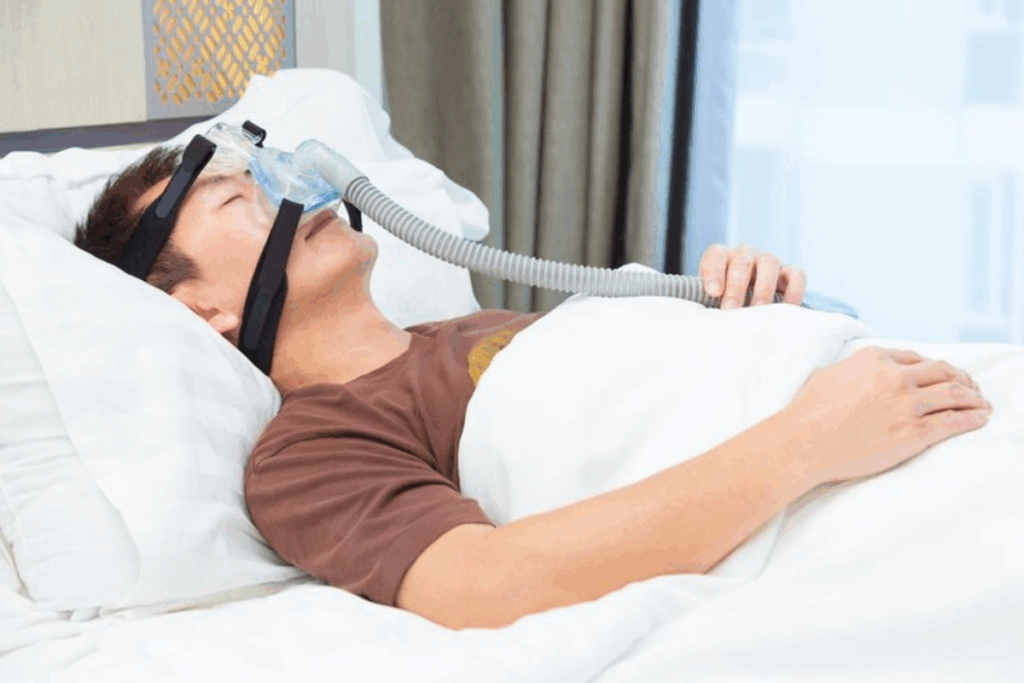
Sleep apnea affects millions worldwide. About 80% of those with moderate to severe obstructive sleep apnea don’t know they have it. We get how tough and sleepless nights can be.
CPAP therapy isn’t for everyone because it’s uncomfortable or hard to use. That’s why innovative alternatives are a ray of hope for those looking for relief.
New implantable solutions and devices are changing how we treat sleep apnea. We’re here to offer caring, patient-focused care. We want to help you find lasting health and wellness.
The 5 best implant for sleep apnea options, focusing on hypoglossal nerve stimulation devices like Inspire.
Key Takeaways
- Millions worldwide suffer from sleep apnea, with many remaining undiagnosed.
- CPAP therapy is not suitable for everyone, highlighting the need for alternative treatments.
- New implantable solutions and devices are revolutionizing sleep apnea treatment.
- Patient-centered care is key for supporting those with sleep apnea.
- Advancements in technology offer new hope for those seeking relief from sleep apnea.
The Growing Crisis of Undiagnosed Sleep Apnea
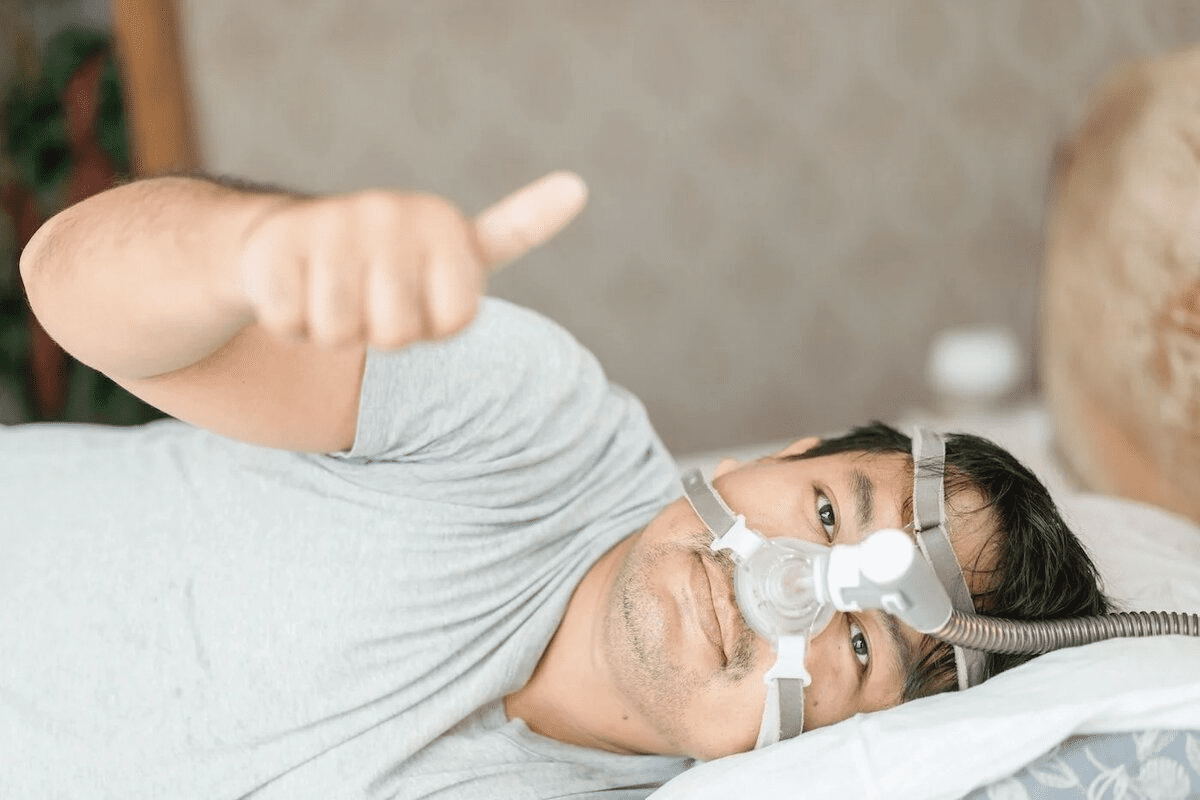
Undiagnosed sleep apnea is a big problem worldwide. It affects a person’s breathing while they sleep. If not treated, it can lead to serious health issues.
Studies show that sleep apnea is common and often goes unnoticed. It’s not just a minor issue. It can greatly impact a person’s life and health.
Understanding Obstructive Sleep Apnea
Obstructive Sleep Apnea (OSA) is the most common type. It happens when the throat muscles relax, blocking the airway. This can cause loud snoring and gasping for air.
Being overweight, older, or a smoker increases the risk of OSA. Knowing these risk factors helps identify who might need treatment.
The 80% Problem: Why Most Cases Go Undiagnosed
Up to 80% of sleep apnea cases are not diagnosed. This is a huge problem in healthcare. It’s due to lack of awareness, misdiagnosis, and limited access to tests.
- Lack of awareness among both the general public and healthcare providers
- Misdiagnosis due to symptoms being attributed to other conditions
- Limited access to sleep studies and diagnostic facilities
We need to tackle these issues to find more undiagnosed cases. This ensures those affected get the right treatment.
Health Consequences of Untreated Sleep Apnea
Untreated sleep apnea can cause serious health problems. These include heart disease, diabetes, and brain function issues. The breathing interruptions can lead to poor sleep quality and low blood oxygen levels.
- Increased risk of heart attacks and strokes
- Development or worsening of diabetes
- Daytime tiredness and lower productivity
It’s important to recognize sleep apnea symptoms and seek help. New treatments, like sleep apnea implants and oral devices, offer hope for those who can’t use CPAP machines.
As we face the crisis of undiagnosed sleep apnea, awareness and access to treatments are essential. Understanding the condition helps us find better ways to diagnose and treat it.
Why Traditional CPAP Therapy Falls Short
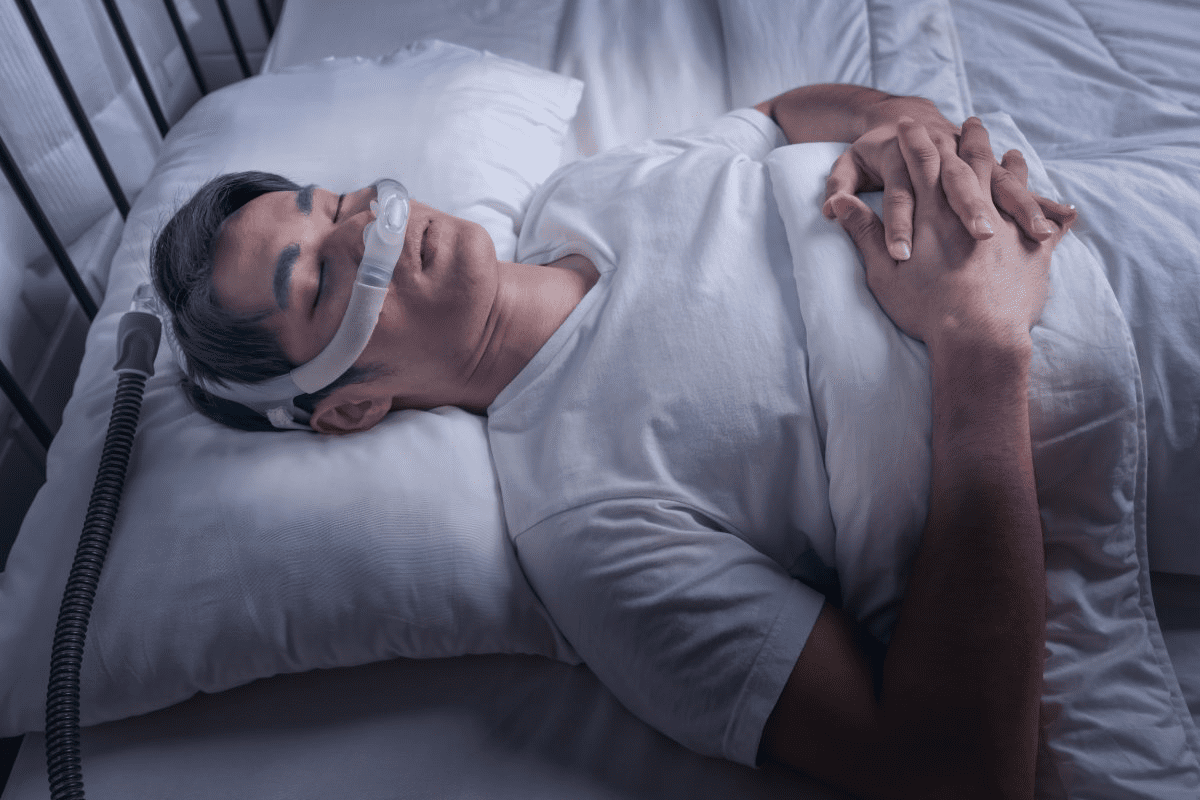
Traditional CPAP therapy often doesn’t meet the needs of sleep apnea patients. CPAP machines can be life-changing but come with drawbacks.
One big problem is that many patients can’t stick with CPAP therapy. This is because of the apnea machine discomfort and side effects.
The Challenge of CPAP Compliance
Getting patients to use CPAP machines consistently is tough. Many stop using them or use them less than they should. This is because of discomfort, noise, and other issues.
Manufacturers have tried to make CPAP machines more comfortable and easy to use. But, many patients are not seeing the improvements they need.
Common Complaints About CPAP Machines
Patients often have several complaints about CPAP machines. These include:
- Dry mouth and nasal congestion
- Discomfort from the mask
- Noise from the machine
- Claustrophobia
These problems can really affect a patient’s life. This is why there’s a growing interest in best apnea devices that are more comfortable and convenient.
When Patients Need Alternative Solutions
For those who can’t use CPAP machines, other treatments are needed. APAP for sleep apnea is one option. It adjusts air pressure automatically, which might make it more comfortable and effective.
Other options include oral appliances and mandibular advancement devices. These are for patients with mild to moderate sleep apnea. For more severe cases, or when other treatments don’t work, implantable devices like the Inspire Upper Airway Stimulation System might be considered. The Inspire device, FDA-approved in 2014, is the only hypoglossal nerve stimulator approved in the U.S.
Every patient is different, and what works for one might not work for another. So, it’s important to look at different treatment options to find the best one.
Implant for Sleep Apnea: A Revolutionary Approach
A new era in sleep apnea management has started with the creation of implantable devices. These devices target the root cause of sleep apnea. They offer an alternative to traditional CPAP therapy.
How Hypoglossal Nerve Stimulation Works
Hypoglossal nerve stimulation is a cutting-edge technology. It involves implanting a device that stimulates the nerve controlling tongue movement. This helps keep the airway open during sleep, reducing sleep apnea events.
Clinical data shows that 79% of patients using the Inspire sleep device see a significant reduction in sleep apnea events.
The device senses the patient’s breathing patterns and delivers gentle stimulation to the hypoglossal nerve. This nerve controls the tongue. It prevents the tongue from falling back and obstructing the airway, a common cause of sleep apnea.
The Surgical Procedure and Recovery Process
The implantation procedure involves a surgical operation. The device is placed under the skin in the upper chest area. The surgery takes a few hours, and patients usually recover within a few days to a week.
The procedure is considered minimally invasive. Most patients experience little discomfort post-surgery.
Procedure Aspect | Description | Recovery Time |
Surgery Duration | A few hours | N/A |
Hospital Stay | Typically outpatient | N/A |
Full Recovery | N/A | A few days to a week |
Ideal Candidates for Sleep Apnea Implants
Ideal candidates for sleep apnea implants are those with moderate to severe obstructive sleep apnea. They must also have trouble with CPAP therapy. Candidates undergo a thorough evaluation, including sleep studies, to determine their suitability for the implant.
As new sleep apnea solutions emerge, it’s vital for patients to consult with healthcare professionals. This helps determine the best treatment option for their specific condition.
Inspire Upper Airway Stimulation System
For those who can’t use CPAP, the Inspire Upper Airway Stimulation System offers hope. It’s a top choice for managing sleep apnea in a new way.
This device is implanted and stimulates the tongue’s movement nerve. It keeps the airway open at night, cutting down on sleep apnea.
The Gold Standard in Sleep Apnea Implants
The Inspire device is FDA-approved and works well. Studies show it greatly reduces sleep apnea.
It’s a big plus that the Inspire gives a natural sleep feel. Unlike CPAP, it’s under the skin and quiet. It keeps the airway open without the hassle.
Transformative results are seen in those who couldn’t handle CPAP. The Inspire boosts sleep quality, cuts down on daytime tiredness, and improves life overall.
As a leading solution, the Inspire Upper Airway Stimulation System is a big step forward. For those looking for CPAP alternatives, the Inspire is definitely worth exploring.
aura6000 Sleep Therapy System by LivaNova
The aura6000 Sleep Therapy System by LivaNova is changing how we treat sleep apnea. It uses a new way to help people sleep better. This is different from traditional CPAP therapy.
The aura6000 is a big step forward in treating sleep apnea. It works by stimulating the hypoglossal nerve. This keeps the airway open during sleep, reducing apnea events.
Clinical Efficacy and Trial Results
Clinical trials show the aura6000 works well. It lowers apnea-hypopnea index (AHI) rates in sleep apnea patients. This is good news for those looking for better sleep apnea treatment.
Some important findings from the trials are:
- A big drop in AHI rates for those using the aura6000.
- Patients say they sleep better with the device.
- Less sleep apnea symptoms, making patients feel better overall.
These results make the aura6000 a good choice for some patients. It’s a new option for managing sleep apnea. As we learn more about it, it looks promising.
When comparing the aura6000 to APAP for sleep apnea, we must think about each patient’s needs. The aura6000’s unique way of working is exciting. It’s a new approach in treating sleep apnea.
Nyxoah Genio System
The Nyxoah Genio System is changing how we treat sleep apnea. It uses new technology called bilateral stimulation. This is a different way to help people sleep better than traditional CPAP therapy.
This system is special because it stimulates both sides of the tongue’s nerve. This helps keep the airway open while you sleep. It reduces apnea episodes.
Bilateral Stimulation Technology
The Nyxoah Genio System’s technology is a big step forward. It’s different from other devices that only work on one side. This system works both sides to keep the airway open better.
Key benefits of bilateral stimulation include:
- More effective airway opening
- Improved patient outcomes
- Enhanced comfort during treatment
The system is implanted under the skin. It has electrodes that stimulate the tongue’s nerve on both sides. This ensures the airway stays open all night.
The Nyxoah Genio System offers a natural and effective way to manage sleep apnea. It’s considered one of the best apnea devices for those who don’t want CPAP therapy. Its technology and approach are promising for better sleep and health.
Apnex Medical HGNS System
The Apnex Medical HGNS System is a big step in treating sleep apnea. It offers a new way to help patients, different from CPAP therapy. This implant for sleep apnea is getting a lot of attention for its unique approach.
This system works by sending targeted stimulation to the tongue base. This is key to keeping the airway open during sleep. It helps lessen the number of sleep apnea episodes.
Targeted Tongue Base Stimulation
The Apnex Medical HGNS System focuses on the tongue base. It stimulates the hypoglossal nerve. This keeps the tongue and airway muscles active, stopping the airway from collapsing.
This new sleep apnea solution is great for those who didn’t do well with CPAP therapy. Its technology is a big leap in treating sleep apnea.
Remede System for Central Sleep Apnea
Now, patients with central sleep apnea can try the Remede System. It’s a new, implantable device made just for this sleep disorder. Central sleep apnea happens when the brain can’t tell the breathing muscles what to do, making it hard to treat.
The Remede System works by helping the brain control breathing during sleep. It does this by stimulating the phrenic nerve, which controls the diaphragm. This can help make breathing patterns better, reducing sleep apnea episodes.
Addressing a Different Type of Sleep Apnea
Central sleep apnea needs a special treatment, unlike obstructive sleep apnea. The Remede System is made just for central sleep apnea. It offers a targeted therapy that gets to the heart of the problem.
The Remede System has many benefits:
- It helps regulate breathing during sleep.
- It can make sleep apnea episodes less severe.
- It can improve the quality of life for those with central sleep apnea.
If you’re looking for “sleep apnea treatment near me,” the Remede System is a big step forward. It’s seen as a top choice for treating central sleep apnea, better than CPAP for some.
The Remede System is a key player in finding new ways to treat sleep disorders. Its unique method of stimulating the phrenic nerve gives hope to those looking for relief from central sleep apnea.
APAP Machines: Smart Alternatives to Traditional CPAP
Traditional CPAP therapy has its limits. APAP machines offer a smarter solution by adjusting pressure based on breathing patterns. This makes treatment more personalized and comfortable for patients.
How Automatic Positive Airway Pressure Technology Works
APAP machines use advanced algorithms to monitor breathing and adjust air pressure. This ensures the airway stays open, reducing apneic events at night.
Unlike CPAP machines, APAP devices adjust pressure between a minimum and maximum setting. This flexibility makes treatment more tailored, potentially improving its effectiveness.
Benefits of Pressure Adaptation
APAP machines adapt pressure in real-time, which has several benefits. It can make treatment more comfortable by adjusting pressure during exhalation. It also ensures the airway stays open, even as sleep position and breathing patterns change.
APAP machines also track data, helping healthcare providers monitor treatment success. This data is key for adjusting treatment plans as needed.
Top APAP Devices on the Market
Many APAP devices are available, each with unique features. Here’s a comparison of some top models:
Device Model | Pressure Range | Key Features | Data Tracking |
ResMed AirSense 10 | 4-20 cmH2O | Auto-adjusting pressure, integrated humidifier | Yes, via ResMed Cloud |
Philips DreamStation | 4-25 cmH2O | Advanced algorithms, integrated humidifier | Yes, via Philips DreamStation App |
DeVilbiss IntelliPAP | 4-20 cmH2O | SmartFlex technology, easy data access | Yes, via DeVilbiss SleepCare |
Choosing an APAP device should be done with a healthcare professional. They can help pick the best model based on individual needs. APAP machines offer advanced technology for better sleep apnea management.
Oral Appliances and Mandibular Advancement Devices
Oral appliances and mandibular advancement devices are now seen as good treatments for sleep apnea. They are custom-made for people with mild to moderate sleep apnea. This makes them a promising option for many.
Custom-Fitted Solutions for Mild to Moderate Sleep Apnea
These devices are worn at night and are easy to use. They are made to fit each person’s mouth perfectly. This ensures they work well and are comfortable.
To get one, you need to see a dental specialist. They check your mouth and how bad your sleep apnea is. This careful check helps pick the right device for you.
How These Devices Prevent Airway Collapse
Mandibular advancement devices move your lower jaw forward. This keeps your airway open while you sleep. It stops your airway from collapsing, which is a big problem for sleep apnea patients.
These devices are good because they move your jaw in a steady way. This helps you sleep better. It also makes you feel healthier and happier.
Most Effective Designs and Brands
There are many types of oral appliances out there. Each has its own special features. Some of the best include:
- Mandibular advancement devices with adjustable protrusion
- Custom-fitted oral appliances made from advanced materials
- Devices with built-in mechanisms for gradual adjustment
Well-known brands offer a variety of sleep apnea treatments. When choosing, think about comfort, how adjustable it is, and how well it fits you.
Emerging Technologies and Clinical Trials
New technologies are changing how we treat sleep apnea. Research is leading to new solutions for this complex issue. These new methods aim to make treatments better and more comfortable for patients.
Promising New Sleep Apnea Solutions
New sleep apnea devices are being developed. One example is hypoglossal nerve stimulation devices that are smaller and easier to use. They aim to treat sleep apnea with less discomfort.
Wearable technology is also being researched. It can track sleep and detect apnea events. This technology could alert patients and doctors to any sleep issues, helping to make timely changes.
Devices Currently in Development
Many devices are being worked on to tackle different parts of sleep apnea. For example, oral appliances are being made with new materials and 3D printing. This makes them fit better and feel more comfortable. Also, implantable devices are being improved to better stimulate airway muscles.
Clinical trials are testing these new devices. These trials are key to seeing if these technologies will become standard treatments for sleep apnea.
How to Participate in Sleep Apnea Clinical Trials
Joining clinical trials can give patients new treatments and help improve sleep apnea care. To join, talk to your doctor about if you qualify. You can also look for trials on ClinicalTrials.gov.
It’s important to know what the trial is about and if you can join. By joining, patients help shape the future of sleep apnea treatment.
Conclusion: Finding Your Optimal Sleep Apnea Treatment
Sleep apnea is a complex condition that needs a treatment plan made just for you. While CPAP therapy is common, many find it hard to use. Luckily, there are now many other ways to treat sleep apnea without CPAP.
We’ve looked at some great alternatives to CPAP, like the Inspire Upper Airway Stimulation System and oral appliances. These options can really help improve your life and health. It’s important to talk to your doctor to find the best treatment for you.
There are many choices out there, from new devices to advanced APAP machines. New technologies and studies are always coming up with new ways to treat sleep apnea. By working with your doctor, you can find a treatment that works for you and get the sleep you need.
FAQ
What is sleep apnea, and how is it typically treated?
Sleep apnea is a serious sleep disorder where breathing stops during sleep. Traditional treatments include CPAP therapy. But, sleep apnea implants and oral appliances are becoming more popular.
What are the limitations of CPAP therapy?
CPAP therapy can be hard to use because it’s uncomfortable and noisy. It can also make people feel claustrophobic. This is why some people look for other treatments.
How do sleep apnea implants work?
Sleep apnea implants, like those using hypoglossal nerve stimulation, help keep the airway open. They do this by stimulating nerves that control the tongue.
What is the Inspire Upper Airway Stimulation System?
The Inspire Upper Airway Stimulation System is a well-known sleep apnea implant. It uses hypoglossal nerve stimulation to treat moderate to severe sleep apnea.
Are there newer alternatives to CPAP beside Inspire?
Yes, newer devices like the aura6000 Sleep Therapy System and Nyxoah Genio System offer hypoglossal nerve stimulation. Apnex Medical HGNS System is another option.
What is the difference between APAP and CPAP machines?
APAP machines adjust pressure levels automatically throughout the night. This makes them more flexible than CPAP machines, which have a fixed pressure.
Can oral appliances effectively treat sleep apnea?
Yes, oral appliances, like mandibular advancement devices, can treat mild to moderate sleep apnea. They work by advancing the lower jaw to keep the airway open.
What are the benefits of hypoglossal nerve stimulation for sleep apnea?
Hypoglossal nerve stimulation can greatly reduce sleep apnea events. It also improves sleep quality and reduces daytime fatigue. This makes it a good alternative to CPAP therapy.
How do I know if I’m a candidate for a sleep apnea implant?
Good candidates for sleep apnea implants have moderate to severe sleep apnea. They should have failed or be intolerant to CPAP therapy. A healthcare professional will evaluate them.
Are there clinical trials available for new sleep apnea treatments?
Yes, many clinical trials are ongoing for new sleep apnea treatments. This includes novel implantable devices and other innovative therapies. Patients can join by talking to their healthcare provider.
What is the Remede System used for?
The Remede System is designed to treat central sleep apnea. It uses transvenous phrenic nerve stimulation, providing a unique way to manage this condition.
Can I use a new sleep apnea device without surgery?
Some alternatives, like APAP machines and oral appliances, don’t require surgery. But, devices like hypoglossal nerve stimulators need to be implanted surgically.
References
National Center for Biotechnology Information. (2025). 5 Best Sleep Apnea Implants and Alternatives to. Retrieved from https://www.ncbi.nlm.nih.gov/pmc/articles/PMC10080405/