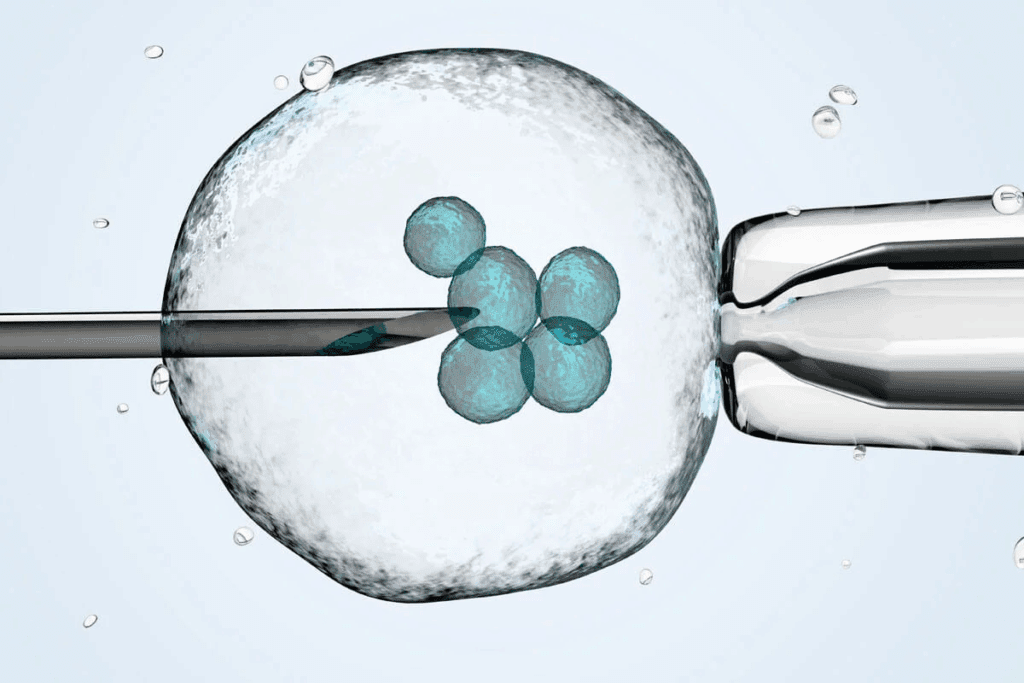
Many women dream of having a family, even as they get older. Thanks to medical progress, IVF is now an option for women over 40. At Liv Hospital, we know how tough it can be to try in vitro fertilization when you’re older.Considering in vitro fertilization after 40? This guide reveals the real success rates, challenges, and amazing options available.
It’s true that IVF success rates drop with age. For example, a 16% live birth rate is seen at 40. But, success can vary a lot. Your health, egg quality, and past medical history all matter a lot.
Women in their 40s face special challenges. Our team at Liv Hospital is here to offer personalized care and support. We want to help you understand what IVF can do for you.
Key Takeaways
- IVF success rates decline significantly after the age of 40.
- Individual factors such as health and egg quality influence IVF success.
- Personalized care is key for women over 40 trying IVF.
- Knowing the ups and downs of IVF helps you make better choices.
- Liv Hospital provides expert care and support for women over 40.
The Reality of IVF Success Rates After 40

As women get older, IVF success rates change a lot. It’s important to know this to make good choices about fertility treatments.
Statistical Overview by Age Group
IVF success rates differ a lot by age. The Society for Assisted Reproductive Technology (SART) says women 40-42 have about a 20% chance of a live birth with their own eggs. For women 43 and older, the chance drops to about 8%. This shows how age matters when thinking about IVF.
Let’s look at the data in more detail:
Age Group | Approximate Live Birth Rate |
40-42 years | 20% |
43 years and older | 8% |
Under 35 years | 47.7% |
35-37 years | 37.7% |
38-40 years | 23.4% |
Comparing to Younger Age Groups
Looking at these rates compared to younger women shows how age affects IVF success. Women under 35 have a live birth rate of about 47.7%. Those 35-37 have a rate of about 37.7%. The rate drops to 23.4% for women 38-40.
What These Numbers Mean for Patients
These numbers mean a lot for people thinking about IVF. Even though success rates are lower for women over 40, they’re not zero. It’s key for patients to know these numbers to have realistic hopes and make smart choices about fertility treatments.
Remember, age is just one factor in IVF success. Health, egg quality, and the clinic’s expertise also matter a lot.
Why Age Impacts Fertility and IVF Outcomes
[Add image here]
Age is key in IVF success, mainly because it affects egg quality and quantity. As women get older, their fertility and IVF success rates change. This is due to biological changes.
Declining Egg Quality and Quantity
Egg quality and quantity are critical for IVF success. With age, women have fewer eggs and lower quality ones. This is because of increased oxidative stress and environmental exposures over time.
By the 40s, the chance of having healthy eggs drops. This makes it harder to succeed with IVF.
Increased Chromosomal Abnormalities
Older women face higher risks of chromosomal problems in their eggs. This is because older eggs often have errors during formation. Such problems can cause failed implantation, miscarriage, or chromosomal disorders like Down syndrome.
The risk of chromosomal issues increases with age, affecting IVF success rates. Genetic testing can help find healthy embryos, boosting success chances.
Impact on Embryo Development
Egg quality affects embryo quality. As eggs decline with age, embryo development suffers. This can lead to poor implantation or early loss.
Even if an embryo implants, older women face higher miscarriage risks. Knowing these risks helps manage expectations and make informed IVF decisions.
In Vitro Fertilization After 40: The Process and Expectations
Understanding IVF for women over 40 is key to making informed decisions. IVF is a process where an egg is fertilized with sperm outside the body. Then, the embryo is transferred to the uterus.
Different Protocols for Older Women
For women over 40, IVF protocols are adjusted to increase success chances. “Tailoring the treatment to each woman’s needs is essential,” says Medical Expert, a fertility specialist. This might include using different medications or protocols to get more eggs.
Every woman’s body is unique. So, we take a personalized approach to IVF. We monitor and adjust the treatment as needed.
Medication Adjustments and Considerations
Medication is vital in IVF, more so for women over 40. The goal is to get multiple eggs to increase the chances of healthy eggs. Older women might need different medications due to lower egg count.
- Adjustments in medication dosages to optimize ovarian response
- Use of mild stimulation protocols to reduce risks associated with high doses of fertility drugs
- Consideration of alternative protocols, such as natural cycle IVF, for women with very low ovarian reserve
We work with our patients to find the best medication plan. We consider their medical history, egg count, and overall health.
Setting Realistic Expectations
Setting realistic expectations is critical for IVF in women over 40. While IVF can be effective, age affects success rates. “It’s important to understand that success rates drop with age, but it’s not impossible,” says Medical Expert, a reproductive endocrinologist.
“Success is not just about achieving pregnancy; it’s about having a healthy baby. We help our patients understand the factors that influence their chances of success and make informed decisions about their treatment options.”
We provide detailed information and support. This helps our patients navigate their IVF journey with confidence and clarity.
Success Rate Breakdown for Different Age Brackets
Looking at IVF success rates by age helps women over 40 know what to expect. Success rates change a lot with age. Knowing this helps women make better choices about fertility treatments.
Women Age 40-42: 10-16% Live Birth Rate
Women aged 40 to 42 have a 10% to 16% chance of a live birth per IVF cycle. This shows that even at this age, there’s a good chance of having a baby. Health, egg quality, and the IVF method used can affect these chances.
- Key factors influencing success: Egg quality, overall health, and IVF protocol.
- Success rate range: 10-16% live birth rate per cycle.
Women Age 43-44: Around 5% Success Rate
Women aged 43 to 44 see a big drop in IVF success, with a 5% live birth rate per cycle. At this age, egg quality and quantity drop sharply. This makes getting pregnant and having a baby harder.
At this age, thinking about other options like egg donation is key. Talking to a fertility specialist about the pros and cons is important.
Women 45 and Above: Below 1% with Own Eggs
Women 45 and older have less than a 1% chance of a successful IVF cycle with their own eggs. The sharp drop in egg quality and quantity makes pregnancy very hard. While it’s not impossible, the chances are very low.
In such cases, looking into donor eggs or other ways to have a child might be better. A fertility specialist can help explore these options.
These numbers might seem tough, but they help women understand what’s possible. By looking at these age-related success rates, women can make better choices about their fertility treatments.
Understanding Miscarriage Risk After 40
Women over 40 face a higher risk of miscarriage during IVF. This can be a scary time for them. It’s important to give them accurate info and support.
Age-Related Miscarriage Statistics
Miscarriage rates jump up after 40. For women over 40, the rate can hit 55.3%. This is because egg quality drops and chromosomal issues rise with age.
Age Group | Miscarriage Rate |
Under 35 | 10-15% |
35-39 | 20-25% |
40-44 | 40-50% |
45 and above | 55.3% or higher |
Genetic Testing Options to Reduce Risk
Genetic testing can lower miscarriage risk. Preimplantation Genetic Testing for Aneuploidy (PGT-A) checks embryos for chromosomal issues. It helps pick healthy embryos, boosting pregnancy chances.
Talk to your fertility doctor about genetic testing. They can help choose the right test for you.
Emotional Considerations and Support
Dealing with miscarriage risk is tough emotionally. It’s key to have emotional support and counseling. We offer counseling and support groups to help.
Knowing the risks and having support can help women over 40 in IVF. Being informed and supported can lead to better decisions for their care.
Multiple IVF Cycles: Improving Cumulative Success Rates
IVF success isn’t just about one try; it’s about all the attempts together. For women over 40, trying multiple times can really up their chances of having a baby. We’ll look into how many cycles are needed, how to plan your finances, and when it’s time to think about other ways to have a child.
Research on Multiple Cycle Outcomes
Research shows that the success rate of IVF can go from 12% to 42%. This depends on the woman’s age and how many eggs she has left. It shows that each cycle is important and that more cycles can lead to higher success rates.
A study in the Journal of Assisted Reproduction and Genetics found interesting results. For women 40-42, the chance of a live birth after three to four cycles is 20-25%. Even for women 43-44, the chances are lower but can reach 5-10% after several cycles. These numbers show that sticking with it can lead to success, even at older ages.
Financial Planning for Multiple Attempts
Thinking about money is key when you’re doing multiple IVF cycles. IVF is pricey, and the cost of doing it more than once can be overwhelming. But, many clinics have payment plans, and some insurance might cover it. It’s important to talk about money with your clinic and think about the total cost of treatment.
It’s smart to make a detailed budget that includes all costs of IVF, like meds and tests. Knowing all the costs helps you make better choices about your treatment.
When to Consider Alternatives
Even with more cycles, success rates can drop off after a certain point. For women over 45, using their own eggs is usually less than 1% successful. At this point, looking into donor egg IVF or other ways to have a child might be a better option.
Talking openly with your doctor about your chances and other options is key. Knowing your situation and the choices you have helps you make the best decision for you.
Age Limits for IVF with Own Eggs in US Clinics
In the US, IVF age limits vary by clinic. Most follow medical guidelines. Knowing these limits is key for women over 40 thinking about fertility treatments.
Clinic Policies on Age Limits
Most US IVF clinics set age limits from 42 to 45 for using your own eggs. These limits are based on research and data on IVF success and egg quality.
Let’s look at typical clinic policies:
Age Range | Typical Clinic Policy | Success Rate |
40-42 | Often considered on a case-by-case basis | 10-16% live birth rate |
43-44 | Some clinics may offer treatment | Around 5% success rate |
45 and above | Generally not recommended with own eggs | Below 1% success rate |
Medical Rationale Behind Age Limits
The main reason for these age limits is the decline in egg quality and quantity with age. As women get older, the risk of egg abnormalities increases. This leads to lower IVF success rates and higher miscarriage risks.
Key factors influencing age limits include:
- Egg quality and quantity
- Risk of chromosomal abnormalities
- IVF success rates
- Miscarriage risk
Questions to Ask Your Fertility Clinic
When thinking about IVF with your own eggs, ask the right questions at your fertility clinic. Knowing their policies and the reasons behind them helps you make informed choices about your fertility treatment.
Consider asking:
- What is your clinic’s age limit for IVF with own eggs?
- How do you determine suitability for IVF based on age?
- What are the success rates for women in my age group?
- Are there any additional tests or evaluations recommended based on age?
Understanding IVF age limits and the factors that influence them helps women navigate their fertility options. This way, they can make informed decisions about their treatment.
Alternative Pathways to Parenthood After 40
Women over 40 have many ways to become parents. Each option has its own pros and cons. Thanks to new technology, women in their 40s can now have children.
Donor Egg IVF: Success Rates and Considerations
Donor egg IVF is a top choice for women over 40. It uses eggs from younger women, improving the chances of a healthy baby. Even for women over 40, live birth rates are above 50%, making it a great option.
Choosing an egg donor is the first step. The donor’s eggs are then mixed with the father’s sperm and put in the mother’s womb. This method is very successful but comes with emotional and financial costs.
Age Group | Live Birth Rate with Donor Egg IVF |
40-42 years | 54.4% |
43-44 years | 52.3% |
45-50 years | 51.1% |
Embryo Adoption Options
Embryo adoption is another way to become parents. It involves adopting embryos from others who don’t want them. It’s a fulfilling choice for those who want to experience pregnancy and give a loving home to embryos.
Choosing an embryo is the first step. The embryo is then transferred to the mother’s womb. Success rates are lower than donor egg IVF but it’s a viable option.
Surrogacy and Gestational Carriers
For women who can’t carry a baby, surrogacy is an option. It means another woman carries the baby for them. Surrogacy is complex and needs careful thought.
First, a gestational carrier is chosen, usually through an agency. Then, IVF is done to create embryos. The embryos are then transferred to the carrier’s womb. Success rates are high, similar to IVF.
In conclusion, women over 40 have many ways to become parents. Each option has its own success rates and considerations. Understanding these can help make informed choices about starting a family.
Conclusion: Making Informed Decisions About Fertility After 40
Knowing about IVF success rates is key for women over 40 thinking about fertility treatments. Age plays a big role in fertility, with egg quality and quantity dropping as we get older. This affects how well IVF works.
Being well-informed about the IVF process and its success rates helps patients make smart choices. We’ve looked at how age affects success rates and the risks of miscarriage and genetic problems.
Choosing the right path to parenthood after 40 means understanding all your options. This includes using donor eggs, adopting embryos, or using a surrogate. With the right information, women can make decisions that fit their unique situations.
Our clinics offer top-notch healthcare and support for patients from around the world. We urge women to talk to our fertility experts. They can help create a treatment plan that’s right for them.
FAQ
What are the IVF success rates for women over 40?
IVF success rates drop a lot after 40. For women 40-42, the live birth rate is about 10-16%. It falls to 5% for those 43-44. Women 45 and older have less than 1% success with their own eggs.
How does age affect IVF success?
Age greatly affects IVF success. Egg quality and quantity decline, and chromosomal issues rise. As women get older, IVF success drops, and miscarriage risk goes up.
What is the IVF process like for women over 40?
IVF for women over 40 involves special protocols. These might include adjusting medications and monitoring closely. It’s key to have realistic hopes and know the challenges.
Can genetic testing reduce the risk of miscarriage in IVF?
Yes, genetic testing like PGT-A can find healthy embryos. This lowers miscarriage risk and boosts IVF success.
What are the benefits of multiple IVF cycles?
Doing multiple IVF cycles can up your chances of success. Studies show more cycles can lead to more live births, making it a good option for many.
What is the typical age limit for IVF with own eggs in US clinics?
US clinics usually stop IVF with own eggs at 42 to 45. Success rates are low, and risks are high at this age.
What are the alternative pathways to parenthood after 40?
Options include donor egg IVF, embryo adoption, and surrogacy. These are good alternatives for women over 40 facing IVF challenges.
How do IVF success rates compare for women over 40 versus younger age groups?
Younger women have much higher IVF success rates. Success rates drop with age. Knowing this helps set realistic hopes.
Is IVF worth considering after 40?
IVF is worth thinking about for women over 40, even with lower success rates. Understanding the challenges and exploring other options is key.
How can I improve my chances of IVF success after 40?
To boost IVF success, try multiple cycles, genetic testing, and adjust treatments. Stay healthy and follow your clinic’s advice.
What should I ask my fertility clinic about IVF after 40?
Ask about success rates, age limits, treatment plans, genetic testing, and other options. Knowing what your clinic offers helps you make a good choice.
References
National Center for Biotechnology Information. IVF Success Rates in Women Over 40. Retrieved from https://pmc.ncbi.nlm.nih.gov/articles/PMC7139227/