Last Updated on December 2, 2025 by Bilal Hasdemir

A craniotomy is a complex surgery. It involves removing part of the skull to reach the brain. This is done for serious reasons like brain tumors, aneurysms, and severe brain injuries Indications for Craniotomy.
Having a craniotomy can be frightening; understanding the reasons behind it may provide patients and families with clarity and reassurance. We hope to offer clarity and comfort during this tough time.
Key Takeaways
- A craniotomy is a surgical procedure that involves removing a portion of the skull.
- It is performed to diagnose and treat serious brain conditions.
- The surgery is critical for addressing life-threatening brain injuries and diseases.
- Understanding the reasons behind a craniotomy can help patients and families feel more informed.
- The procedure is performed by highly skilled neurosurgeons in a controlled medical environment.
What is a Craniotomy?

In neurosurgery, a craniotomy is a key procedure. It lets surgeons access the brain directly. A craniotomy means removing a bone flap from the skull. This allows neurosurgeons to do different surgeries.
Definition and Basic Concept
A craniotomy is a surgery where part of the skull is taken off to see the brain. It’s done to ease brain pressure, remove tumors, or fix blood vessel problems. The craniotomy medical term is a key surgery method in neurosurgery.
The main idea of craniotomy is to get to the brain’s inside. Surgeons can fix many brain issues this way. Doctors decide on a craniotomy after checking with tests and exams.
Historical Development of Craniotomy
Craniotomy’s history goes back to ancient times. Early skull surgeries, like trephining, were found in many cultures. Over time, the surgery has changed a lot.
Now, craniotomy uses new tech like MRI and CT scans for better planning. New surgical methods and monitoring tools make the surgery safer and more effective.
Knowing about the craniotomy meaning and its history helps us see how neurosurgery has grown. Today, craniotomy is a crucial treatment for many brain issues, showing its value in medicine.
Craniotomy vs. Craniectomy: Understanding the Difference
Craniotomy and craniectomy are two surgical methods that differ in their approach. Both involve removing a part of the skull to reach the brain. The main difference is whether the bone flap is put back.
Defining Characteristics of Each Procedure
A craniotomy removes a part of the skull temporarily to access the brain. The bone flap is usually put back after the surgery, keeping the skull intact.
A craniectomy also removes a part of the skull but might not replace the bone flap right away. This is often done to reduce brain pressure from swelling or injury.
When Each Procedure is Preferred
The choice between craniotomy and craniectomy depends on the patient’s condition and the surgery’s goals. Here are some key points:
- Craniotomy is often used for:
- Tumor removal
- Aneurysm clipping
- Certain types of epilepsy surgery
- Craniectomy is usually chosen for:
- Decompressive surgery to relieve pressure from brain injury or stroke
- Infections or abscesses needing drainage
It’s important to know the differences between craniotomy and craniectomy for informed surgical decisions. Both are crucial in neurosurgery, but the right choice depends on the specific situation.
Indications for Craniotomy: An Overview

A detailed cross-section diagram of the human skull, showcasing the key anatomical structures and surgical entry points associated with a craniotomy procedure. The image should depict the frontal, parietal, and temporal bones, as well as the dura mater, cerebral cortex, and other relevant brain structures. The illustration should be rendered in a clean, technical style, with precise line work and subtle shading to convey depth and volume. The lighting should be neutral, emphasizing the clarity and precision of the medical illustration. The overall mood should be informative and educational, conveying the essential anatomical knowledge required for understanding the indications and considerations for a craniotomy surgery.
It’s important for patients and doctors to know when a craniotomy is needed. This surgery removes part of the skull temporarily. It’s done for serious reasons, like brain injuries or tumors.
The choice to have this surgery depends on the condition’s severity and how it can be helped by surgery.
Emergency vs. Planned Craniotomies
Craniotomies are either emergency or planned. Emergency craniotomies are for urgent cases like brain injuries or bleeding. They’re done quickly to avoid more damage or save lives.
Planned craniotomies are for conditions like tumors or aneurysms. These surgeries are scheduled ahead of time. This allows for better planning and preparation.
Diagnostic Criteria for Determining Necessity
To decide if a craniotomy is needed, doctors look at several things. They use:
- CT scans, MRI, or angiography to see the brain’s condition.
- They check the patient’s brain function and overall health.
- They also look at the patient’s medical history.
Doctors use these steps to figure out if surgery is the best choice. They aim for the best outcome, whether it’s an emergency or a planned surgery.
Brain Tumors as an Indication for Craniotomy
Craniotomy is key in treating brain tumors. It gives hope to those facing this serious condition. Whether the tumor is benign or malignant, surgery is often needed. It helps ease symptoms and can improve life quality.
Types of Brain Tumors Requiring Surgical Intervention
Several brain tumors need surgery through craniotomy. These include:
- Glioma: A tumor from the brain’s glial cells.
- Meningioma: Tumors in the meninges, the brain’s protective membranes.
- Metastatic Tumors: Tumors in the brain from other body parts.
Each tumor type is unique. The choice to do a craniotomy depends on the tumor’s size, location, and the patient’s health.
Benefits of Craniotomy for Tumor Removal
Craniotomy for tumor removal has many benefits. These include:
- It can lead to complete tumor removal, improving outcomes.
- It relieves symptoms like headaches, seizures, and neurological issues.
- It opens up options for treatments like radiation or chemotherapy after surgery.
Removing the tumor can greatly improve life quality. In some cases, it can even lead to a cure. Our team carefully considers the benefits and risks. We work closely with patients to find the best treatment plan.
Traumatic Brain Injury Management Through Craniotomy
Craniotomy is key in managing severe brain injuries. It helps by easing pressure on the brain and fixing serious problems. Traumatic brain injury (TBI) can happen from many types of head trauma, from mild to severe.
Types of Brain Trauma Requiring Surgical Intervention
Not every brain injury needs surgery. But some types need quick action to avoid more damage. These include:
- Epidural hematomas, which are blood clots between the skull and the brain’s outer layer.
- Subdural hematomas, where blood bleeds into the space around the brain.
- Intracerebral hematomas, where blood bleeds inside the brain tissue.
- Depressed skull fractures, where skull pieces press on the brain.
These can cause high brain pressure, brain herniation, and even death if not treated fast.
Emergency Craniotomy for TBI Management
In urgent cases, a craniotomy can save lives. Emergency craniotomy lets neurosurgeons quickly ease brain pressure, remove blood clots, and fix damaged blood vessels. The choice to do an emergency craniotomy depends on how bad the patient’s condition is, what the scans show, and the doctor’s judgment.
Having a craniotomy can be scary for patients and their families. But for TBI, it’s often a crucial step towards getting better and starting the healing process.
Cerebrovascular Conditions Requiring Craniotomy
Cerebrovascular diseases can be very dangerous. Craniotomy is sometimes the only way to treat them. These diseases affect the brain’s blood vessels, needing quick and precise treatment.
We will look at two serious cerebrovascular conditions that might need craniotomy: aneurysms and arteriovenous malformations. We will also discuss how stroke can lead to the need for this surgery.
Aneurysms and Arteriovenous Malformations
Aneurysms are blood vessel bulges that can burst, causing severe bleeding. Arteriovenous malformations (AVMs) are tangled blood vessels that can also bleed, harming the brain. Both can be deadly and might need surgery to fix or prevent rupture.
Choosing to do a craniotomy for aneurysms or AVMs depends on several things. These include the size, location, and risk of rupture. Advanced imaging techniques are key in diagnosing and planning treatment for these complex issues.
Stroke-Related Indications
Some strokes, especially those with a lot of bleeding or swelling, might need craniotomy. Decompressive craniectomy, a type of craniotomy, is used to reduce brain pressure from swelling.
We carefully decide if surgery is needed for stroke patients. We look at how severe their symptoms are, how much of the brain is affected, and how well they might recover. Quick action can greatly improve their chances of getting better.
Infections and Inflammatory Conditions as Indications
Craniotomy is key in treating severe brain infections and inflammation. These conditions can be deadly and need quick, effective treatment. We’ll look at how craniotomy helps manage these issues, focusing on brain abscess and empyema.
Brain Abscess and Empyema
Brain abscess and empyema are serious infections inside the brain. A brain abscess is a pocket of pus in the brain, caused by bacteria or fungus. Empyema is pus in the space around the brain.
Surgical Management of Intracranial Infections
Surgery is often needed to treat these infections. Craniotomy helps drain abscesses or empyema. This lowers brain pressure and stops more damage.
The choice to do a craniotomy depends on the infection’s severity, the patient’s health, and the abscess or empyema’s details.
Craniotomy for intracranial infections has many benefits:
- It drains the infection effectively
- It lowers brain pressure
- It prevents more brain damage
But, the decision to have a craniotomy must be thoughtfully made. It’s important to weigh the surgery’s risks and complications.
In summary, craniotomy is crucial for treating severe brain infections like brain abscess and empyema. Understanding its role helps healthcare providers offer the best treatments for these serious conditions.
Types of Craniotomy Procedures
Craniotomies are divided into types based on where they are done and the methods used. This helps neurosurgeons pick the best way to treat different brain conditions.
Classification Based on Location
Craniotomies are sorted by the part of the skull they reach. This depends on the brain area needing surgery.
- Frontal Craniotomy: This type targets the frontal lobe. It’s used for tumors, aneurysms, or injuries in this area.
- Temporal Craniotomy: It involves the temporal lobe. This is for conditions like certain types of epilepsy or tumors.
- Parietal Craniotomy: This focuses on the parietal lobe. It’s involved in processing sensory information.
- Occipital Craniotomy: It accesses the occipital lobe. This part is mainly for visual processing.
Specialized Craniotomy Techniques
There are special craniotomy techniques for specific brain challenges. These methods aim to reduce brain damage and improve results.
Some of these techniques include:
- Supraorbital Craniotomy: This is a less invasive method. It makes an incision above the eyebrow for access with less tissue damage.
- Retrosigmoid Craniotomy: It’s used for the posterior fossa. This technique is for tumors or vascular issues in this complex area.
- Orbital Craniotomy: This involves removing part of the orbit. It’s for lesions or tumors affecting the orbit and nearby structures.
Craniotomy Type | Location | Common Indications |
Frontal Craniotomy | Frontal lobe | Tumors, aneurysms, traumatic injuries |
Temporal Craniotomy | Temporal lobe | Epilepsy, tumors |
Supraorbital Craniotomy | Above the eyebrow | Minimally invasive access to certain brain areas |
Retrosigmoid Craniotomy | Posterior fossa | Tumors, vascular lesions |
The Craniotomy Procedure: What to Expect
Craniotomy is a surgery where a part of the skull is temporarily removed. It’s a complex process that patients need to understand. We’ll walk you through the key steps, from preparation to aftercare.
Preoperative Preparation
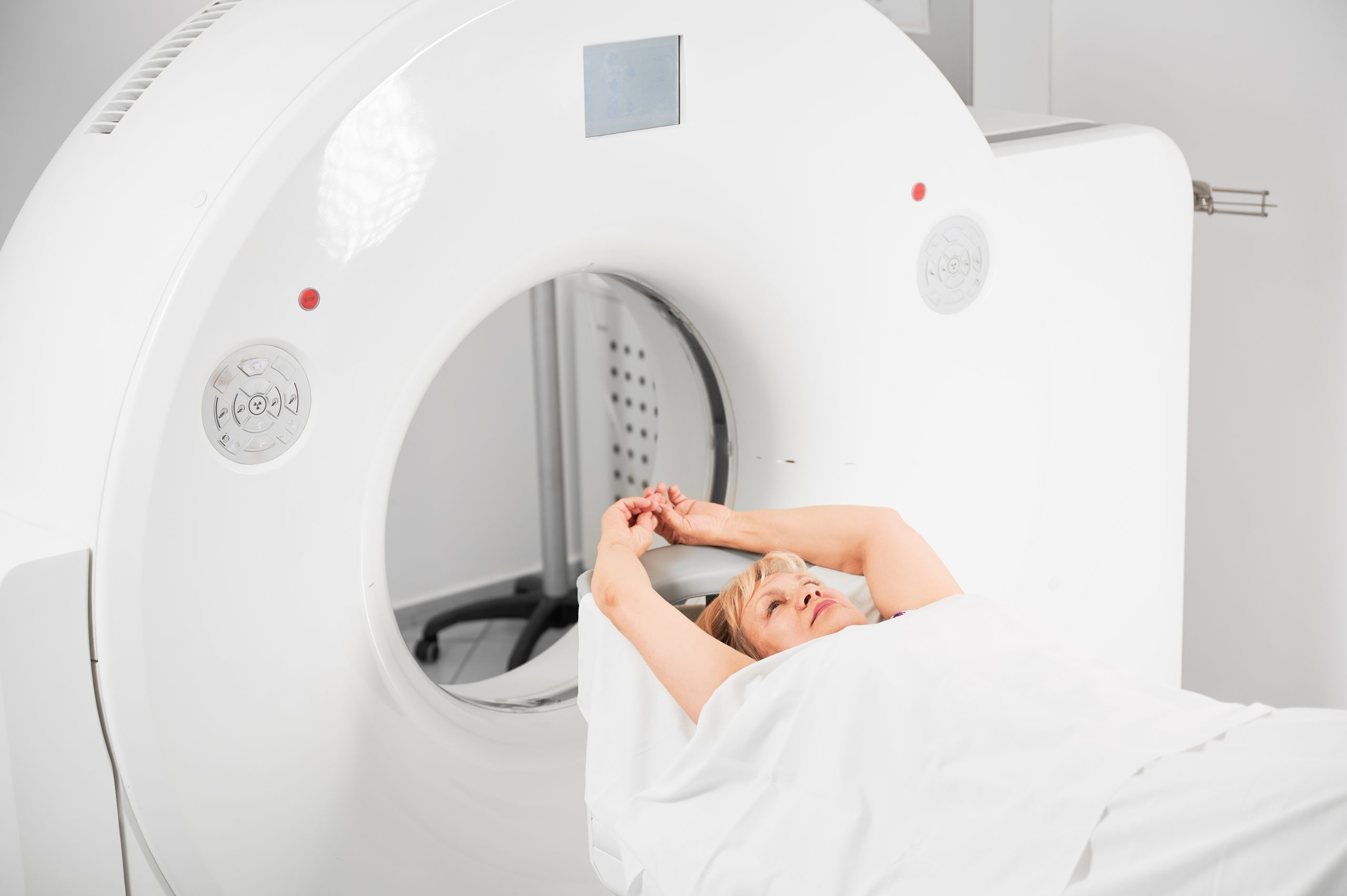
Before a craniotomy, thorough preparation is key. This includes tests like MRI and CT scans to find the exact brain area to operate on. We also review your medical history and current health to spot any risks.
Patients are also told about lifestyle changes needed. This includes stopping certain medications that could affect surgery or healing. We stress the importance of:
- Following a specific diet for optimal health before surgery
- Avoiding smoking and alcohol
- Preparing for post-operative care and support at home
During the Surgery
During the procedure, patients are under general anesthesia to stay comfortable and pain-free. Our team then removes a part of the skull to access the brain. The goal, whether it’s to remove a tumor, repair an aneurysm, or relieve pressure, is done with great care.
The surgery uses advanced imaging and monitoring to ensure the best results. The time it takes can vary based on the complexity of the case.
Immediate Post-Operative Care
After surgery, patients go to the ICU for close monitoring. We manage pain, watch for complications, and start rehabilitation early. Post-operative care includes:
- Monitoring for neurological status and potential complications
- Managing pain effectively through medication and other strategies
- Starting physical therapy and rehabilitation to aid recovery
The post-operative period can be tough, but our team is here to support you. We aim to ensure a smooth recovery.
Risks and Side Effects of Craniotomy
Craniotomy is a lifesaving surgery, but it comes with risks and side effects. Knowing these risks is key for making informed choices.
Common Complications
Like other surgeries, craniotomy has its own set of complications. Some common ones include:
- Infection: There’s a risk of infection with craniotomy. Antibiotics are often used to prevent this.
- Bleeding: Bleeding is a big risk during and after the surgery. Monitoring and sometimes more surgery may be needed.
- Neurological deficits: There’s a risk of brain function problems after the surgery. Planning before surgery helps reduce this risk.
A study in a medical journal found that complications after craniotomy vary. This depends on the patient’s condition and the surgery’s purpose.
“Surgical complications can have a significant impact on patient outcomes, emphasizing the need for meticulous preoperative planning and postoperative care.”
Long-Term Effects and Management
Some patients may face long-term effects after craniotomy, such as:
- Seizures: There’s a chance of seizures after the surgery. Anticonvulsants may be given to manage this.
- Cognitive changes: Some may experience brain function or memory issues. Rehabilitation programs can help manage these effects.
- Physical limitations: Surgery can lead to physical limitations. Physical therapy can help regain strength and mobility.
Managing long-term effects requires a team effort. This includes neurological care, rehabilitation, and sometimes psychological support. Regular follow-up care is important to catch and treat any complications early.
Dealing with a craniotomy can be scary, but knowing the risks helps. Our team is dedicated to providing full care and support during this time.
Recovery After Craniotomy
The recovery after a craniotomy is a long journey. It includes hospital care, long-term rehab, and getting back to daily life. We know it’s tough, but with the right help, patients can get better.
Hospital Recovery Phase
The first part of recovery happens in the hospital. Our team watches over the patient closely. Close monitoring helps catch any problems early and makes recovery smoother. How long you stay in the hospital depends on your health and the surgery.
In the hospital, we manage pain, prevent infections, and watch for brain problems. Patients usually start in the ICU and then move to a regular ward.
Long-Term Rehabilitation
After leaving the hospital, the next step is long-term rehabilitation. This is key for getting strong again, improving thinking, and adjusting to surgery changes. You might need physical, occupational, and speech therapy.
We make a rehab plan just for you. We also offer support and advice for any challenges you face.
Returning to Normal Activities
As you get better, we encourage you to slowly get back to normal. This means doing daily things, exercising, and going back to work or school. It’s important to listen to our advice for a safe return.
Remember to be patient and don’t rush back too fast. With time and the right support, most people can fully recover and live their lives as usual.
Alternatives to Craniotomy and Decision-Making
Exploring options other than craniotomy is key when dealing with brain conditions. The choice to have surgery depends on the patient’s health, the disease’s severity, and the surgery’s benefits and risks.
Non-Surgical Alternatives
There are non-surgical options for some conditions. These include:
- Medication Management: For some brain issues, like tumors or epilepsy, medicine can be a good choice instead of surgery.
- Radiation Therapy: This method treats brain tumors or other conditions without open surgery.
- Minimally Invasive Procedures: Options like stereotactic radiosurgery or endovascular procedures offer alternatives to traditional surgery.
We look at each patient’s case to find the best treatment. The choice between surgery and non-surgical options depends on the condition, its severity, and the patient’s health.
When Craniotomy is the Preferred Option
Craniotomy is often chosen in emergencies, like traumatic brain injury, or when quick surgery is needed. It’s also considered when other treatments have not worked or are unlikely to work.
Condition | Preferred Treatment | Alternative Options |
Brain Tumors | Surgery (Craniotomy) | Radiation Therapy, Chemotherapy |
Traumatic Brain Injury | Emergency Craniotomy | Monitoring, Medication Management |
Aneurysms | Clipping (Craniotomy) | Coiling (Endovascular Procedure) |
The decision to have a craniotomy is made after a detailed review by a team of healthcare experts. We weigh all factors to choose the best treatment for each patient.
Conclusion
Knowing when a craniotomy is needed is key for both patients and doctors. We’ve looked at why a craniotomy might be required. This includes brain tumors, injuries, blood vessel problems, and infections.
Craniotomy is a big surgery that needs a lot of thought and planning. By going over why it’s done, we see how complex it is. This shows why knowing about it is so important for taking care of patients.
In short, understanding craniotomy is vital. We’ve learned it can save lives in many situations. Knowing its reasons helps us make better choices about treatment.
FAQ
What is a craniotomy?
A craniotomy is a surgery where a part of the skull is removed. This lets surgeons access the brain. They can then remove tumors, relieve pressure, or fix vascular issues.
Why is a craniotomy performed?
It’s done for many reasons. This includes removing brain tumors, managing brain injuries, treating blood vessel problems, and handling infections or inflammation in the brain.
What is the difference between a craniotomy and a craniectomy?
The main difference is in the bone flap. In a craniotomy, the bone is put back after surgery. But in a craniectomy, it’s not replaced right away. It might stay out or be put back later.
How is the necessity of a craniotomy determined?
Doctors decide if a craniotomy is needed based on tests like MRI or CT scans. They also look at the patient’s health and symptoms. A neurosurgeon makes the final decision with other doctors.
What are the risks and side effects associated with craniotomy?
Risks include infection, bleeding, swelling, seizures, and brain problems. The risks depend on the surgery, the reason for it, and the patient’s health.
What is the recovery process like after a craniotomy?
After surgery, patients stay in the hospital for monitoring. Then, they start rehabilitation. The length and type of rehab depend on the surgery and the patient’s condition. With time, they can get back to normal activities with their healthcare team’s help.
Are there alternatives to craniotomy?
Yes, there are other options. These include non-surgical treatments and less invasive surgeries. The choice depends on the condition, the patient’s health, and what the healthcare team recommends.
What types of brain tumors require a craniotomy?
Many brain tumors need a craniotomy. This includes both benign and malignant types. The decision depends on the tumor’s size, location, and type, along with the patient’s symptoms and health.
Can a craniotomy be performed in emergency situations?
Yes, it can be done in emergencies. This includes severe brain injuries or acute subdural hematomas. It’s a lifesaving procedure that helps relieve brain pressure.
How long does a craniotomy surgery take?
The surgery time varies. It depends on the complexity of the procedure, the reason for the surgery, and the patient’s condition. It can take anywhere from a few hours to several hours.
References
National Center for Biotechnology Information. Evidence-Based Medical Insight. Retrieved from https://www.ncbi.nlm.nih.gov/books/NBK560922/