Starting infant physical therapy early can change a child’s life for the better. Studies show that early help leads to better motor skills and function later on.
If a baby is slow to develop, recovering from an illness, or needs help with big steps like rolling and walking, a therapist can help. They offer care that fits the family’s needs.
We know how vital early childhood development is. Physical therapy is key in this process. Our guide helps parents understand the benefits and how to start therapy for their babies.
Key Takeaways
- Early intervention physical therapy improves long-term functional outcomes.
- Personalized therapy supports infants in reaching developmental milestones.
- Family-centered care is vital for a child’s growth.
- Physical therapy can help with developmental delays and conditions.
- A skilled therapist offers custom support for each baby.
What Is Infant Physical Therapy and Why It Matters
Many parents may not know about “infant physical therapy.” It’s a key service that helps babies grow and develop. We’ll explain what it is, why it’s important, and the science behind it.
Definition and Purpose of Baby PT
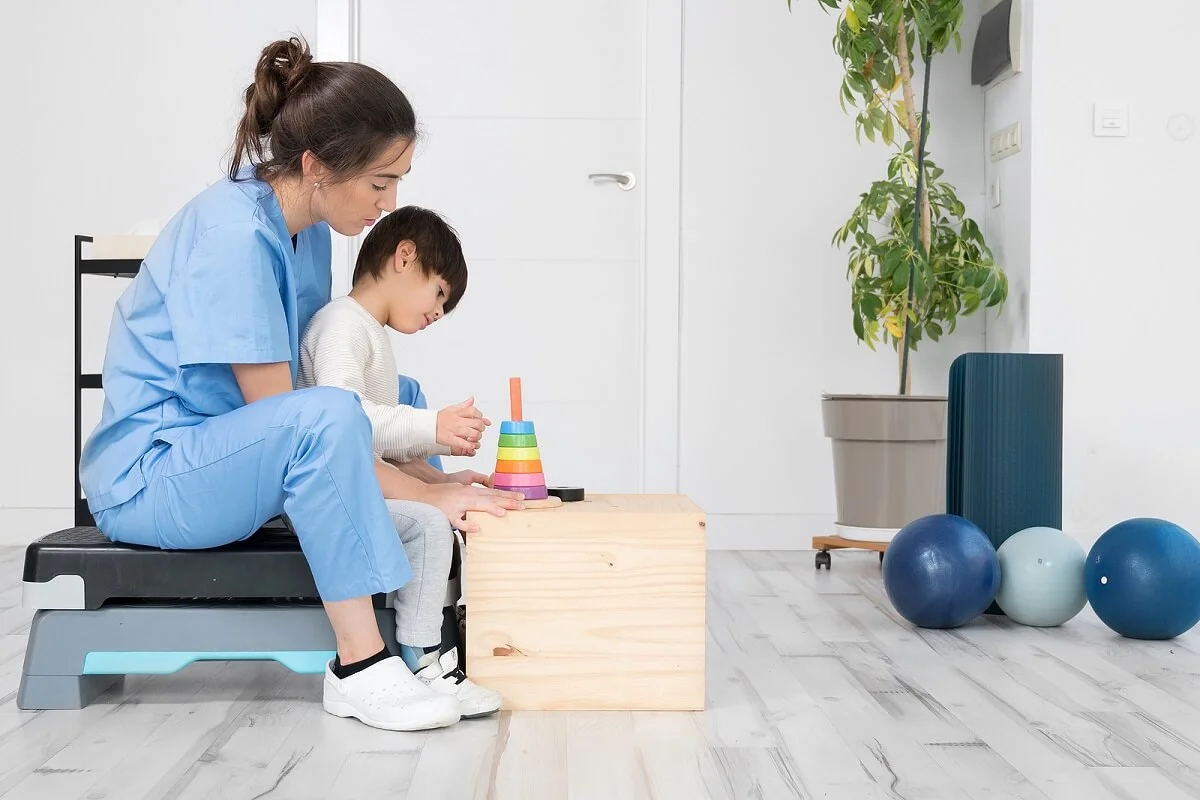
Infant physical therapy, or baby PT, is for babies from birth to age two. It helps them develop the skills they need to grow and move. It builds strength, coordination, balance, and helps them move around. The therapy is fun and fits each baby’s needs.
The Science Behind Early Intervention
Early intervention through infant physical therapy is based on brain science. It shows that early help can greatly improve a child’s development. This includes better motor skills, thinking, and overall life quality. Early help takes advantage of the brain’s ability to change and adapt.
Age Range and Development Stages
Infant physical therapy is important from birth to two years. This time is key for physical growth, with big milestones like sitting and walking. Physical therapists help at each stage, giving each baby the right support. It’s vital for babies to get the help they need, whether it’s for strength or learning new skills.
Signs Your Baby May Need Physical Therapy
It’s important to know when your baby might need physical therapy early on. As a parent, knowing your baby’s developmental milestones is key. This helps you spot if they might need help from an infant physical therapist.
Developmental Milestones and Red Flags
Babies grow at their own pace, but there are certain milestones they should hit by certain ages. If your baby isn’t sitting by 9 months, talk to a pediatrician or physical therapist. Other signs to watch for include:
- Not holding their head up by 4 months
- Not rolling over by 6 months
- Not crawling or trying to move by 10 months
- Not standing with support by 12 months
Getting help early is key for a child’s development. Research shows that eighty-eight percent of babies whose parents got guidance on positioning showed better motor skills.
Common Conditions That Benefit from Early Intervention
Some conditions really benefit from early physical therapy. These include:
Condition | Description | Benefits of Physical Therapy |
Cerebral Palsy | A neurological disorder affecting movement and muscle tone | Improved mobility, muscle strength, and coordination |
Torticollis | A condition causing the head to tilt due to muscle tightness | Relief from muscle tension, improved neck mobility |
Developmental Delay | Significant lag in achieving developmental milestones | Enhanced developmental progress, improved functional abilities |
If you’re worried about your baby’s development or think they might have one of these conditions, see an infant physical therapist. They can offer valuable insights and support.
The Benefits of Infant Physical Therapy
Early physical therapy can change a baby’s life. It helps them grow and develop better. It tackles delays early, making a big difference in their life.
Building Essential Strength and Coordination
Physical therapy is key for babies to get strong and coordinated. It helps them reach important milestones. Babies learn to move better, setting the stage for more complex actions later.
Improving Balance and Functional Mobility
Therapists work on balance and moving around for babies. They help babies do everyday tasks and move around better. This is vital for their independence and growth.
Supporting Healthy Growth and Independence
Infant physical therapy supports healthy growth and independence. It lets babies explore and interact with their world. This boosts their physical, cognitive, and emotional development.
Long-term Quality of Life Improvements
The effects of infant physical therapy last a lifetime. It tackles issues early, preventing bigger problems later. This ensures babies have a healthy start, leading to a better future.
Every baby is different, and physical therapy benefits vary. But, it gives babies a strong start for life-long health and happiness. Parents can make a big difference by adding physical therapy to their baby’s care plan.
Getting a Referral for Infant Physical Therapy
Getting a referral for infant physical therapy is a big step for your baby’s growth. As a parent, you might wonder how to start this process.
Speaking with Your Pediatrician
Talking to your pediatrician is the first step. They can check your baby’s health and see if they need physical therapy. Share any worries you have about your baby’s growth or movements.
It’s good to bring a list of your baby’s milestones to your appointment. This can help your pediatrician decide if physical therapy is needed.
Understanding Insurance Coverage
Knowing what your insurance covers is key. Many plans include physical therapy for babies, but coverage varies. Call your insurance to find out what’s covered.
Insurance Plan | Coverage for Infant PT | Out-of-Pocket Costs |
Plan A | Yes, up to 20 sessions | $20 copay per session |
Plan B | Yes, with pre-authorization | 20% coinsurance |
Plan C | No coverage for PT | N/A |
Early Intervention Programs and Resources
Early intervention programs can also help. They offer services like physical therapy for babies from birth to three years old. These programs include physical, occupational, and speech therapy.
To find these programs, contact your local early intervention office or ask your pediatrician about options in your area.
Self-Referral Options
In some cases, you can refer yourself to a physical therapist. But, check with your insurance first to see if they cover self-referred sessions.
When looking for a physical therapist, make sure they have experience with infants. This is important for your baby’s care.
Finding the Right Infant Physical Therapist
Finding the right infant physical therapist is a big step. You want someone who specializes in infant care and meets your baby’s needs. It’s not just about finding any physical therapist.
Qualifications and Certifications to Look For
When searching for an infant physical therapist, check their qualifications and certifications. A great pediatric PT creates fun sessions that motivate young clients. Look for a therapist who is licensed and has specialized training in pediatric physical therapy.
Certifications like PT, DPT, or PCS show they’re experts in physical therapy and pediatric care. Also, consider their experience with infants and their knowledge of developmental challenges.
Questions to Ask Potencial Therapists
After finding possible therapists, ask important questions. Ask about their approach to infant physical therapy and their experience with cases like yours. Find out how they measure progress.
Also, ask about their therapy techniques and how they engage with infants. Knowing their approach to parent-therapist collaboration is key.
“A good therapist will not only work with your baby but also empower you with the knowledge and skills to support their development at home.”
Evaluating Specialized Experience
Experience is key when finding an infant physical therapist. Look for therapists with a track record of working with infants. Their experience can make a big difference in therapy success.
Ask for references or testimonials from other parents. This can give you insights into the therapist’s abilities and approach.
The Importance of Parent-Therapist Rapport
A strong rapport between the therapist and your family is essential. You should feel comfortable and confident in their abilities. A good therapist will listen to your concerns, answer your questions, and work with you to meet your baby’s goals.
By focusing on these aspects, you can find an infant physical therapist who is qualified and has the right approach for your baby’s development.
What to Expect at Your First Infant PT Session
Going to your first infant physical therapy session is a big step. It’s a chance to help your baby grow and develop. You might wonder what will happen and how it will help your child.
Initial Assessment Process
The first thing is an in-depth initial assessment. The therapist will watch how your baby moves, their muscle tone, and reflexes. They’ll also check if your baby can roll, reach, and sit.
This helps the therapist know what your baby can do well and what they struggle with. This info is key to making a therapy plan just for your baby.
You’ll also talk about your baby’s health history, milestones, and any worries you have. This way, the therapist gets a full picture of your baby’s needs.
Setting Treatment Goals
After the assessment, you and the therapist will set goals for your baby. These goals aim to tackle specific challenges and fit your baby’s unique needs. Having clear goals helps you and the therapist see how your baby is doing and adjust the plan if needed.
Creating a Personalized Therapy Plan
The therapist will then make a therapy plan just for your baby. This plan will say how often and long therapy sessions will be. It will also list specific activities and strategies to help your baby grow.
The goal is to make a plan that works well for your baby and keeps them interested.
Frequency and Duration of Sessions
How often and long therapy sessions will be depends on your baby’s needs and the plan. Sessions might be once or twice a week, lasting 30 to 60 minutes. The therapist will help figure out the best schedule for your baby’s progress.
Session Frequency | Session Duration | Typical Progress |
1-2 times per week | 30-60 minutes | Noticeable improvement in 3-6 months |
More frequent sessions | Varied duration | Rapid progress in specific areas |
Knowing what to expect at your first infant PT session helps you support your baby’s growth. It lets you work together with the therapist to get the best results.
Types of Infant Physical Therapy Techniques
Infant physical therapy uses many methods to help babies reach their milestones. These methods are fun, effective, and meet each baby’s special needs.
Play-Based Therapeutic Approaches
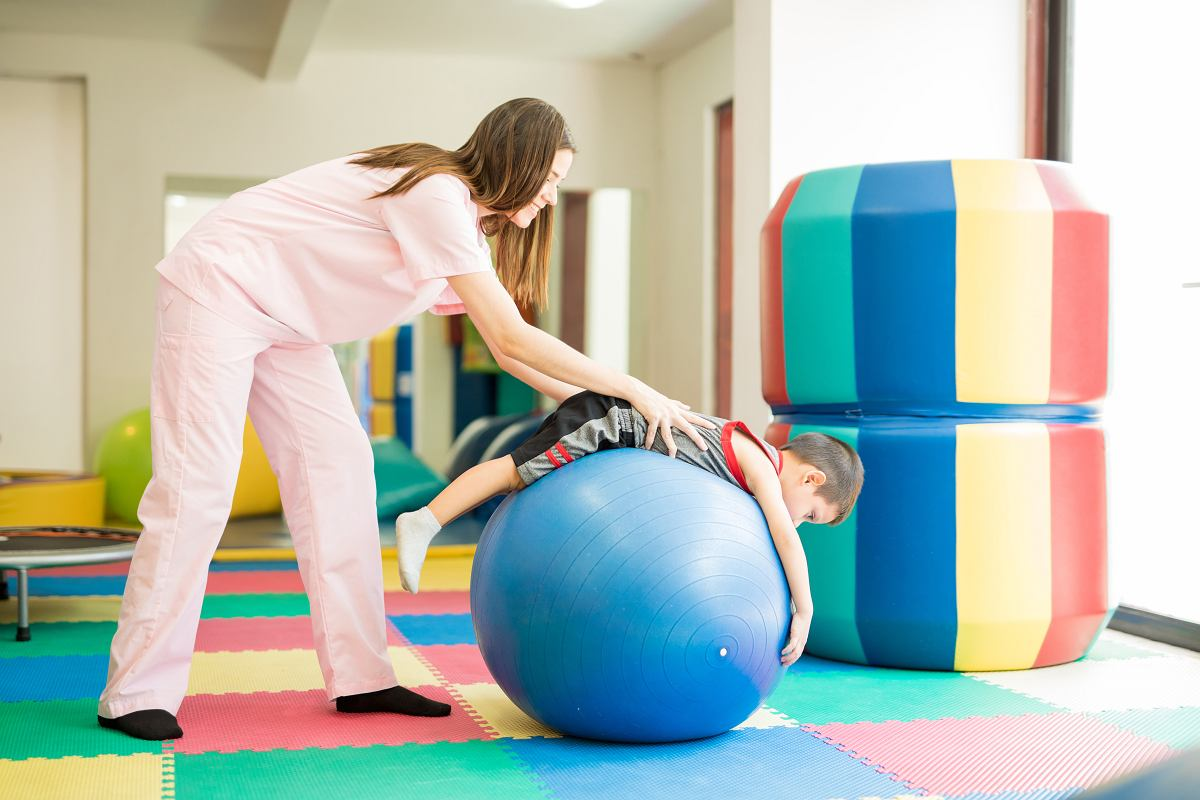
Play-based therapy is very effective, mainly for preterm babies and those at risk of developmental issues. Activities like tummy time, bear crawls, and using therapy balls are both enjoyable and essential for building strength and coordination.
Tummy time helps babies strengthen their neck and back muscles. It’s key for learning to crawl and sit up. Bear crawls improve coordination and balance by mimicking crawling while supporting the body.
Positioning and Handling Techniques
Correct positioning and handling are vital in infant physical therapy. Therapists use different methods to help babies develop good posture and movement. This includes gentle handling during daily tasks like feeding or bathing to ensure comfort and prevent delays.
- Supporting the baby’s head and neck during feeding
- Using pillows or other supportive devices to maintain proper alignment during sleep or play
- Assisting with transitions, such as moving from a lying down to a sitting position
Sensory Integration Methods
Sensory integration techniques help infants process sensory information from their environment. Activities like textured toys or gentle vibrations stimulate the senses, promoting awareness and integration.
Sensory integration is essential for infants. It helps them understand and interact with their surroundings. By adding sensory experiences to therapy, we support the development of complex motor skills and enhance sensory processing.
Equipment and Tools Used in Baby PT
Infant physical therapy uses various equipment and tools to aid in therapy. Items like therapy mats, sensory balls, and adaptive toys are designed to stimulate development and encourage participation.
Equipment/Tool | Purpose |
Therapy Mats | Provide a safe and comfortable surface for play and exercise |
Sensory Balls | Stimulate sensory awareness and promote motor skill development |
Adaptive Toys | Encourage active participation and engagement |
By using these techniques and tools, we create a detailed and engaging therapy program for each baby.
Supporting Infant Physical Therapy at Home
You can make a big difference in your baby’s physical therapy by doing simple exercises at home. As a parent, you’re already your baby’s main caregiver. With some guidance, you can help them reach their physical therapy goals.
Implementing Home Exercise Programs
Home exercise programs are key for infant physical therapy. They include simple exercises you can do with your baby during daily activities. For example, tummy time strengthens your baby’s neck and back muscles.
Start with short sessions and increase the time as your baby gets more comfortable. Other exercises might include propped sitting to improve balance and posture. Always follow the specific exercises and guidelines from your baby’s physical therapist.
Creating a Therapy-Friendly Environment
Creating a safe and stimulating home environment is vital for your baby’s physical therapy. Make sure the space is clear of hazards and offers chances for your baby to explore and move. For instance, you can set up a tummy time area with toys and mats.
Incorporating Therapy into Daily Routines
Making physical therapy part of your daily routines can be easier and more fun for both you and your baby. For example, you can do gentle stretching during bath time or use playtime to practice sitting and standing with support. This helps your baby develop and strengthens your bond.
Parent Training and Positioning Guidance
Your baby’s physical therapist will teach you how to position your baby correctly during activities. Proper positioning is key for your baby’s comfort, safety, and development. You’ll learn how to support your baby’s head, neck, and body during feeding, carrying, and play.
Activity | Benefit | Tips |
Tummy Time | Strengthens neck and back muscles | Start with short sessions, use toys to encourage movement |
Propped Sitting | Improves balance and posture | Support your baby’s back, gradually reduce support as they improve |
Gentle Stretching | Enhances flexibility and range of motion | Do during bath time or play, be gentle and follow therapist’s guidance |
Special Considerations for NICU Babies and Physical Therapy
Physical therapy in the NICU is very important for preterm infants. It’s not just about helping them grow. It also helps with their medical needs and prepares them for life outside the hospital.
The Role of PT in Neonatal Intensive Care
In the NICU, physical therapists are part of a team. They help preterm babies with their muscle tone, flexibility, and growth. Each baby gets a plan tailored to their needs.
Key interventions include:
- Positioning and handling techniques to promote comfort and development
- Sensory integration methods to help babies respond to their environment
- Range of motion exercises to maintain flexibility and prevent contractures
Transitioning from NICU to Home Therapy
As NICU babies get ready to go home, physical therapy is key. We teach parents how to help their baby grow at home. We show them exercises and activities for daily routines.
Going home can be tough, but with support, parents can care for their baby well.
Aspect of Care | NICU Setting | Home Therapy |
Monitoring | Continuous monitoring by medical staff | Parental observation and periodic check-ins with therapists |
Therapy Focus | Immediate medical needs and developmental support | Continued developmental support and integration into daily routines |
Parental Involvement | Learning and participating in care under staff guidance | Leading care and therapy sessions with therapist guidance |
Addressing Preterm Development Concerns
Preterm babies face special challenges. Physical therapists spot these early and help. We work with parents to track progress and adjust plans as needed.
Working with a Multidisciplinary Team
In the NICU and beyond, physical therapists team up with many healthcare professionals. This team ensures a baby gets all the care they need. From medical to developmental support, they cover it all.
Together, we give NICU babies a strong start in life. We support their growth and help them thrive as they grow up.
Tracking Your Baby’s Progress in Physical Therapy
Tracking your baby’s progress in physical therapy is a mix of watching for developmental milestones and talking with your therapy team. Being involved as a parent can really help your baby’s therapy.
Developmental Milestones to Monitor
It’s important to watch for developmental milestones to see how your baby is doing. These include things like rolling over, sitting up, crawling, and walking. Your physical therapist will tell you which milestones to look for based on your baby’s age and stage.
Key milestones to monitor:
- Physical strength and coordination improvements
- Enhanced balance and functional mobility
- Progress in sensory integration
Ability to achieve specific motor skills like rolling, sitting, or standing
A pediatric physical therapy expert says, “Celebrating small victories and making achievements visible can motivate progress.” This approach motivates your baby and keeps you updated on their development.
“The most important thing is to never give up on your child’s potential. Every small step forward is a victory.”
Documentation Methods for Parents
Keeping a record of your baby’s progress is very helpful. You can use:
- Maintaining a therapy journal
- Taking videos or photos of milestones
- Using mobile apps designed for tracking baby development
These tools help you stay organized and give valuable info to share with your therapy team.
When to Expect Results
The speed of progress in infant physical therapy varies. It depends on the condition, how often therapy happens, and your baby’s health.
Some improvements might show up in a few weeks, but others take longer. Keeping up with therapy and doing exercises at home is key for the best results.
Communicating Effectively with Your Therapy Team
Talking well with your baby’s therapy team is important. Sharing updates, concerns, or changes in their condition helps the team adjust the therapy.
Tips for effective communication:
- Ask questions about your baby’s therapy plan
- Share observations and concerns
- Discuss any challenges you’re facing with home exercises
By working together, you and your therapy team can make sure your baby gets the best care. This helps their development journey.
Conclusion: Embracing Your Role in Your Baby’s Therapy Journey
Infant physical therapy is key in helping your baby grow and catch up if they’re behind. As a parent, you play a big part in their therapy. Working with your therapy team is key for their success.
Knowing how you can help in infant PT is important. You can do exercises at home, make their space good for therapy, and fit therapy into their day. Your help will help your baby reach their best and live a better life.
We suggest you team up with your infant physical therapist to make a therapy plan just for your baby. This way, you’ll learn how to support your baby’s growth and help them get past any hurdles.
FAQ
What is infant physical therapy, and how can it benefit my baby?
Infant physical therapy helps babies grow strong and move well. It’s great for babies who are slow to reach milestones or have conditions like cerebral palsy. It boosts their strength, balance, and overall function.
How do I know if my baby needs physical therapy?
Watch for signs like delayed milestones, stiffness, or trouble moving. If you see these, talk to your pediatrician. They can check your baby and suggest therapy if needed.
What can I expect during my baby’s first physical therapy session?
The first session is an assessment. The therapist will check your baby’s development and movement. Then, they’ll plan a therapy program just for your baby.
What techniques are used in infant physical therapy?
Therapists use play, positioning, and sensory methods to help babies. They might use special tools like wedges or balls to help with therapy.
How can I support my baby’s physical therapy at home?
You can do exercises with your baby and make their environment therapy-friendly. Your therapist will show you how to do this.
Are there any special considerations for NICU babies and physical therapy?
Yes, NICU babies need special care. Physical therapy is key in their recovery. Therapists work with the team to help them get ready for home therapy.
How do I track my baby’s progress in physical therapy?
Keep an eye on developmental milestones and record progress. Talk often with your therapy team. This helps you see how therapy is working.
Can I self-refer my baby for physical therapy, or do I need a doctor’s referral?
It depends on your insurance. Often, a doctor’s referral is needed. Check with your insurance and talk to your pediatrician for the best plan.
What qualifications should I look for in an infant physical therapist?
Look for a DPT or PT certification. Check their experience with infants. Choose someone who communicates well and works with you and your baby.
How often will my baby need to attend physical therapy sessions?
Sessions depend on your baby’s needs and the therapy plan. They might be weekly, biweekly, or monthly. The length of sessions changes based on progress and goals.
Reference
National Center for Biotechnology Information. Evidence-Based Medical Guidance. Retrieved from https://www.ncbi.nlm.nih.gov/pmc/articles/PMC9039636/