Top Causes of Infertility in Women: Complete Guide
Infertility in women is a major health issue worldwide, affecting about 13.4% of women of reproductive age. In the U.S., around 1 in 8 couples struggle with infertility, and women account for roughly one-third of these cases. Understanding infertility in women and its causes is essential for making informed reproductive health decisions.

Key Takeaways
- Infertility in women affects a significant percentage of the global population.
- Recognizing causes of female infertility is crucial for timely treatment.
- Around 1 in 8 U.S. couples face fertility challenges.
- Women represent about one-third of infertility cases.
- Early awareness of infertility in women helps access appropriate medical care.
Understanding Infertility in Women: A Global Health Concern
Infertility in women is a big issue worldwide. We need to understand its causes and effects. It affects many people and families deeply.
Definition and Diagnosis
Infertility is defined as the inability to conceive after 12 months of unprotected intercourse. Diagnosis involves:
- Checking ovulation
- Assessing fallopian tube patency
- Evaluating uterine health
Accurate diagnosis of infertility in women helps guide proper treatment.
The Prevalence of Infertility Among Women
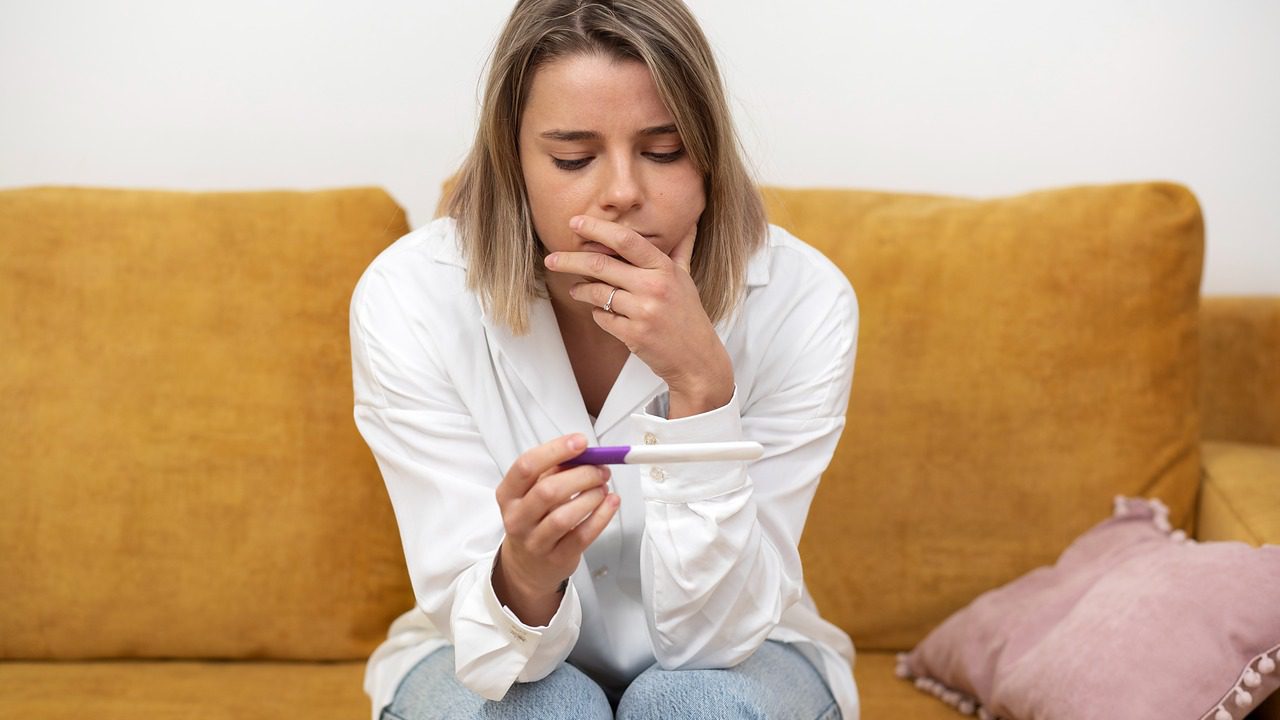
Studies show that many women of childbearing age struggle with infertility. About 13.4% of women in this age group face these challenges. This shows we need to help and support them more.
“Infertility is a big health problem,” experts say. It affects not just the person but also society. The issue is more common in some areas, making local health care key.
How Infertility Is Defined and Diagnosed ?
Infertility means not getting pregnant after a year of trying. Doctors use tests to find out why. They check if the woman is ovulating, if the tubes are open, and if the uterus is healthy.
Finding out what’s wrong can take time and many doctors. Knowing the cause helps find the right treatment.
Emotional and Physical Impact
Infertility in women is not just physical it also affects emotional well-being. Stress, anxiety, and sadness often accompany fertility challenges. Treatments may involve hormone therapy, surgery, or assisted reproductive technologies, all of which can be physically and emotionally demanding.
What Causes Infertility in Women: An Overview
Knowing what causes infertility is key to finding a solution. Women can face infertility due to health issues, lifestyle choices, and medical problems.
Understanding the main causes of infertility in women helps identify the right solutions.
Primary vs. Secondary Infertility
Primary infertility means a woman can’t get pregnant after a year of trying. Secondary infertility is when a woman who has had a baby before can’t conceive again.
The CDC says tubal problems cause 20–25% of infertility in women. This shows why knowing the difference between primary and secondary infertility matters.
The Role of Reproductive Health in Fertility
Reproductive health is very important for fertility. Issues like ovulation problems, endometriosis, and uterine issues can make it hard to get pregnant.
“Reproductive health is fundamental to the overall health and well-being of individuals and couples.”
Risk Factors That Contribute to Infertility in Women
Many things can lead to Infertility in Women. Age, lifestyle, and medical conditions are big factors. As women get older, their eggs quality and number go down, making it harder to conceive.
- Age-related decline in egg quality
- Lifestyle factors such as smoking and excessive alcohol consumption
- Medical conditions like polycystic ovary syndrome (PCOS)
Ovulatory Disorders: The Leading Cause of Infertility in Women
Ovulatory disorders account for about 40% of infertility in women. They include:
- Anovulation: No egg release
- Oligo-ovulation: Irregular ovulation
- Luteinized unruptured follicle syndrome: Egg fails to release
Treating hormonal imbalances is key to restoring ovulation and improving fertility.
Normal Ovulation Process
Ovulation is a complex process that needs hormones working together. It starts with the hypothalamus telling the pituitary gland to send out hormones. These hormones make the ovaries produce eggs.
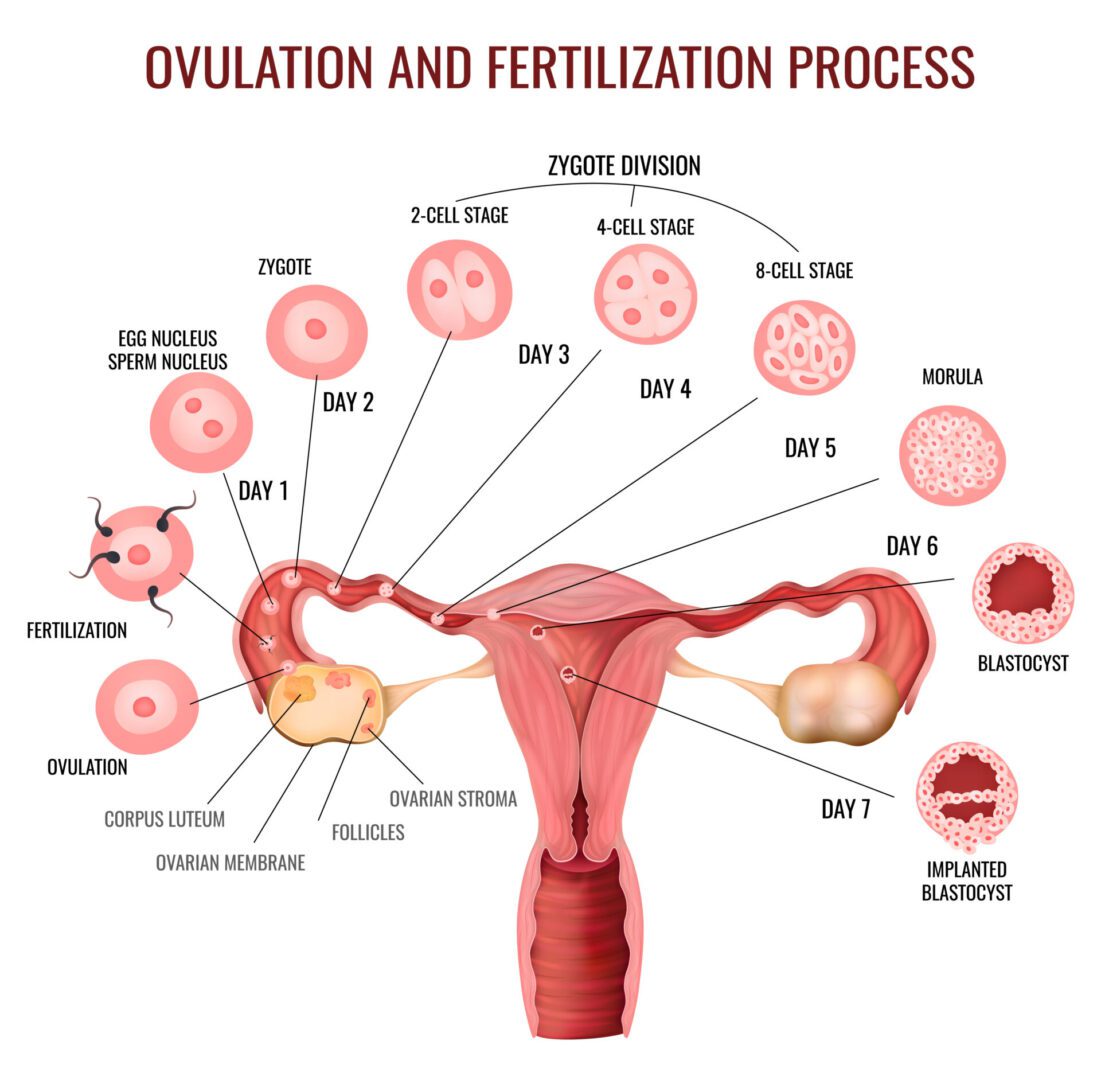
As the egg gets ready, a hormone surge makes it leave the ovary. This egg then moves through the fallopian tube. There, it can meet sperm and get fertilized.
Types of Ovulatory Dysfunction
Ovulatory dysfunction affects about 40% of infertility in women. There are several types, including:
- Anovulation: When the ovaries don’t release an egg.
- Oligo-ovulation: When ovulation happens too often or not enough.
- Luteinized unruptured follicle syndrome: When the egg doesn’t come out even though it’s ready.
PCOS and hypothalamic amenorrhea are common causes of these problems.
Hormonal Imbalances and Their Impact
Hormonal imbalances are a big deal in ovulatory disorders. Issues with hormones like estrogen, progesterone, and testosterone can mess up ovulation. For example, in PCOS, hormonal problems cause cysts, irregular periods, and ovulation issues.
Understanding and fixing these hormonal imbalances is key to treating ovulatory disorders and boosting fertility.
Ovulatory disorders are a big hurdle for women trying to get pregnant. By knowing the causes and types, we can tackle the problem and find the right treatments.
Polycystic Ovary Syndrome (PCOS): A Growing Concern
Polycystic Ovary Syndrome (PCOS) is a big health problem for women around the world. It’s a common endocrine disorder in women of childbearing age. PCOS causes symptoms that can hurt your quality of life and make it hard to get pregnant.
Understanding PCOS and Its Symptoms
PCOS affects women in different ways. Symptoms include irregular periods, high male hormone levels, and polycystic ovaries seen on ultrasound. These can lead to infertility, metabolic problems, and mental health issues.
To diagnose PCOS, doctors look for at least two signs. These are infrequent ovulation, high male hormone levels, and polycystic ovaries on ultrasound.
The Rising Prevalence of PCOS
PCOS cases have gone up a lot in recent years. From about 6 million in 1990 to 12.13 million in 2019. This increase is due to lifestyle changes, diet, and better ways to diagnose it.
PCOS is a big deal for women’s health, mainly because it affects fertility. It’s a commonest cause of infertility in women. Knowing about PCOS is key to finding good treatments.
How PCOS Affects Fertility ?
PCOS is a major reason for ovulation problems, which hurts fertility. Women with PCOS often can’t ovulate, making it hard to get pregnant. PCOS also leads to insulin resistance and metabolic syndrome, making fertility issues worse.
Dealing with PCOS-related infertility needs a mix of treatments. This includes changing your lifestyle, hormone therapy, and using advanced fertility technologies. Understanding PCOS and its effects on fertility helps doctors give better care.
Fallopian Tube Damage and Blockage
It’s important to know how fallopian tubes work to understand female infertility. These tubes are key for getting pregnant. They help the egg move from the ovary to the uterus.
The Role of Fallopian Tubes in Conception
Fallopian tubes are vital for making a baby. They are where the egg meets sperm. After ovulation, the egg goes into the tube. There, it gets fertilized and then goes to the uterus to grow into an embryo.
Common Causes of Tubal Damage
Many things can harm or block the fallopian tubes, making it hard to get pregnant. These include:
- Pelvic inflammatory disease (PID), often caused by infections like chlamydia or gonorrhea.
- Endometriosis, where uterine tissue grows outside the uterus.
- Previous pelvic surgery, leading to scar tissue or adhesions.
- Ectopic pregnancies, where the fertilized egg implants in the tube.
Diagnostic Methods for Tubal Issues
There are several ways to find out if the fallopian tubes are damaged or blocked. These include:
Diagnostic Method | Description |
Hysterosalpingogram (HSG) | An imaging test that uses dye to check if the fallopian tubes are open. |
Laparoscopy | A surgical procedure that allows direct visualization of the fallopian tubes and other pelvic organs. |
Sonohysterography | An ultrasound test that evaluates the uterus and fallopian tubes. |
Knowing the causes and how to diagnose fallopian tube damage is key for women with infertility. By finding the problem, doctors can suggest treatments to help with fertility.
Endometriosis and Its Impact on Fertility
It’s important to understand how endometriosis affects fertility. This condition affects many women, causing pain and possibly making it hard to get pregnant.
Defining Endometriosis
Endometriosis happens when tissue like the lining of the uterus grows outside the uterus. This tissue bleeds and thickens with each menstrual cycle. It can cause a lot of pain and problems.
Key aspects of endometriosis include:
- Presence of endometrial-like tissue outside the uterus
- Inflammation and scarring due to the ectopic tissue
- Adhesions that can distort pelvic anatomy
The Link Between Endometriosis and Infertility
Research shows that up to 50% of women with infertility have endometriosis. This condition can make it hard to get pregnant. It can cause inflammation, scarring, and adhesions that block the fallopian tubes.
Endometriosis doesn’t make someone completely infertile, but it can lower chances of getting pregnant. The extent of the condition, other fertility issues, and overall health are important factors.
Stages of Endometriosis and Fertility Implications
Endometriosis is staged based on how widespread and deep the implants are. The stages range from minimal to severe. The stage doesn’t always match the severity of symptoms or infertility.
Knowing the stage of endometriosis helps tailor treatments. Treatments include surgery, hormonal therapies, and IVF. These options aim to reduce symptoms and improve fertility.
It’s important to focus on treating the condition, not trying to make yourself infertile. Understanding and managing factors that affect fertility is key.
Uterine Abnormalities and Structural Problems
The uterus is key to fertility. Problems with its structure can stop conception. These issues can make it hard for a fertilized egg to implant or raise the risk of miscarriage.
Types of Uterine Structural Issues
Uterine issues affecting infertility in women include:
- Uterine fibroids
- Polyps
- Adhesions
- Congenital anomalies (such as a unicornuate or bicornuate uterus)
These issues can be present at birth or develop later due to surgery, infection, or trauma.
Fibroids and Their Effect on Conception
Fibroids are non-cancerous growths in or around the uterus. They can make it hard to get pregnant by:
- Changing the shape of the uterine cavity
- Getting in the way of implantation
- Affecting blood flow to the endometrium
Research shows women with fibroids have a lower chance of getting pregnant than those without.
Other Structural Abnormalities Affecting Fertility
Other issues like polyps and adhesions can also impact fertility. Polyps grow on the uterine lining, while adhesions are scar tissues inside the uterus.
Structural Abnormality | Effect on Fertility |
Fibroids | Distorts uterine cavity, interferes with implantation |
Polyps | Interferes with implantation, affects endometrial function |
Adhesions | Can cause Asherman’s syndrome, leading to menstrual abnormalities and infertility |
It’s important to understand and address these uterine issues for women facing infertility. Identifying and treating these problems can help improve the chances of getting pregnant.
Age-Related Infertility
Fertility declines with age due to:
- Reduced egg quality and quantity
- Higher miscarriage and chromosomal risk
- Diminished ovarian reserve
Early intervention is essential for age-related infertility in women.
How Age Affects Egg Quality and Quantity
Fertility starts to drop in the early 30s and falls faster after 35. This is because the ovaries age, reducing egg number and quality. This makes it harder to get pregnant and raises the risk of miscarriage and genetic problems.
Fertility specialists stress that egg quality is key for getting pregnant. Older eggs are more likely to have genetic issues. This makes it harder to conceive and increases pregnancy risks.
Understanding Diminished Ovarian Reserve
Diminished ovarian reserve means the ovaries don’t work well, leading to fewer and lower quality eggs. This can be due to age or other factors like genetics, medical treatments, or lifestyle.
Women with this condition may find it hard to get pregnant because of fewer eggs. IVF can help, but success depends on age and egg quality.
Reproductive Tract Infections and Infertility
Reproductive tract infections, like PID, can harm fertility. These infections can damage reproductive organs, leading to infertility or ectopic pregnancy risks.
It’s important to treat these infections quickly to avoid lasting damage. Women should watch for symptoms like pelvic pain or unusual discharge and see a doctor.
In summary, age and infections are big factors in female infertility. Knowing about these and getting medical help early can help women make smart choices about their reproductive health.
Conclusion: Addressing Infertility in women Through Early Intervention
Understanding what causes infertility in women is key for early action and effective treatment. Many factors can lead to infertility, such as ovulation problems, PCOS, and fallopian tube damage. Other causes include endometriosis, uterine issues, and age-related egg quality decline.
Getting a diagnosis and treatment early can greatly improve a woman’s chances of getting pregnant. If you’re having trouble getting pregnant, it’s important to see a doctor. They can help find the best treatment for you, which might include medication, surgery, or IVF.
By tackling the main causes of infertility and getting the right treatment, many women can overcome their fertility issues. Early action is essential for success. We urge those facing infertility to talk to healthcare experts to find their best options.
Frequently Asked Questions
What are the most common causes of infertility in women?
Common causes include ovulatory disorders and polycystic ovary syndrome (PCOS). Fallopian tube damage, endometriosis, and uterine abnormalities also play a role. Age is another factor.
Can ovulatory disorders be treated?
Yes, they can. Medications like clomiphene citrate or gonadotropins help. Lifestyle changes, such as losing weight and reducing stress, are also beneficial.
How does PCOS affect fertility?
PCOS disrupts ovulation, causing irregular cycles and reduced fertility. It also leads to insulin resistance, affecting fertility further.
What are the symptoms of endometriosis?
Symptoms include pelvic pain and heavy or irregular bleeding. Infertility and bowel or urinary issues are also common.
Can uterine abnormalities be corrected?
Yes, some can. Surgery can fix issues like fibroids or a septate uterus. This improves fertility and reduces miscarriage risk.
How does age affect female fertility?
Age significantly impacts fertility. Egg quality and quantity decline with age. Women over 35 face reduced fertility and higher chromosomal risk.
Can reproductive tract infections cause infertility?
Yes, they can. Infections like PID damage the fallopian tubes and other organs, leading to infertility.
What is the difference between primary and secondary infertility?
Primary infertility is the inability to conceive after a year of trying. Secondary infertility is when a woman can’t conceive again after a previous pregnancy.
Can lifestyle factors contribute to infertility?
Yes, they can. Smoking, excessive alcohol, and obesity affect fertility in both men and women.
How can I reduce my risk of infertility?
A healthy weight, balanced diet, and regular exercise help. Managing stress and avoiding smoking and alcohol also reduce risk.