Last Updated on November 26, 2025 by Bilal Hasdemir
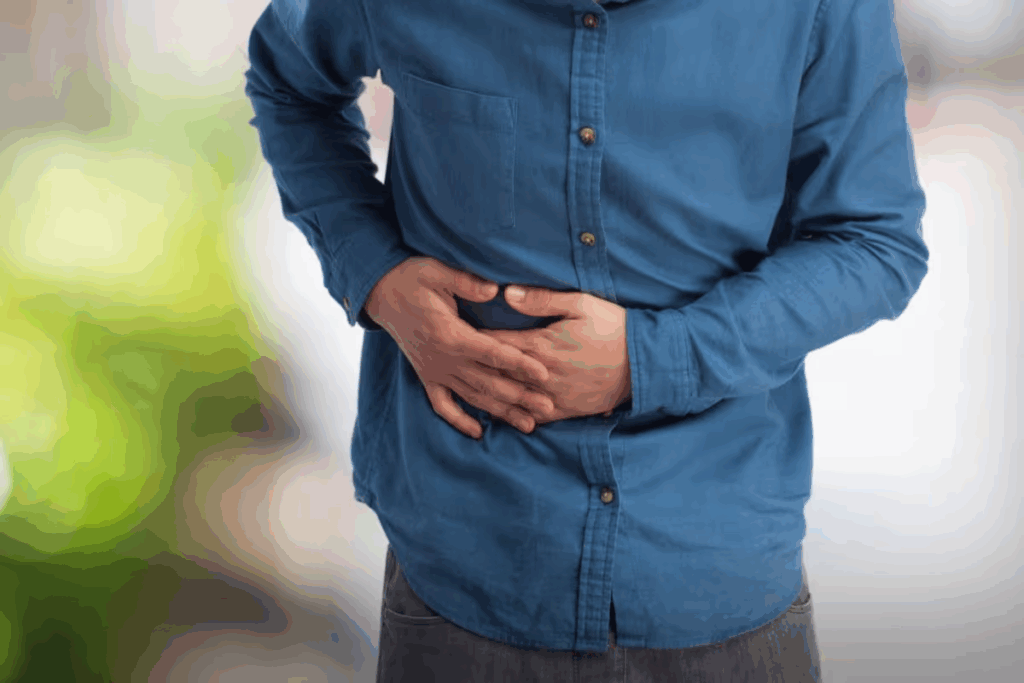
Acalculous cholecystitis is a serious condition where the gallbladder inflames without gallstones. It makes up to 10 percent of all acute cholecystitis cases. It often happens due to serious illness, fasting for a long time, trauma, infection, or less blood flow to the gallbladder.
This condition is serious because it can cause severe problems if not treated quickly. Knowing what causes and risks acalculous cholecystitis is key to treating it well.
Liv Hospital’s team offers care focused on the patient. They tackle this tough condition with the latest diagnostic and treatment methods.
Key Takeaways
- Acalculous cholecystitis is a form of gallbladder inflammation without gallstones.
- It accounts for up to 10% of acute cholecystitis cases.
- Causes include serious illness, trauma, infection, and reduced blood flow.
- Prompt diagnosis and treatment are critical to avoid complications.
- Liv Hospital provides expert care for this condition.
Understanding Gallbladder Inflammation
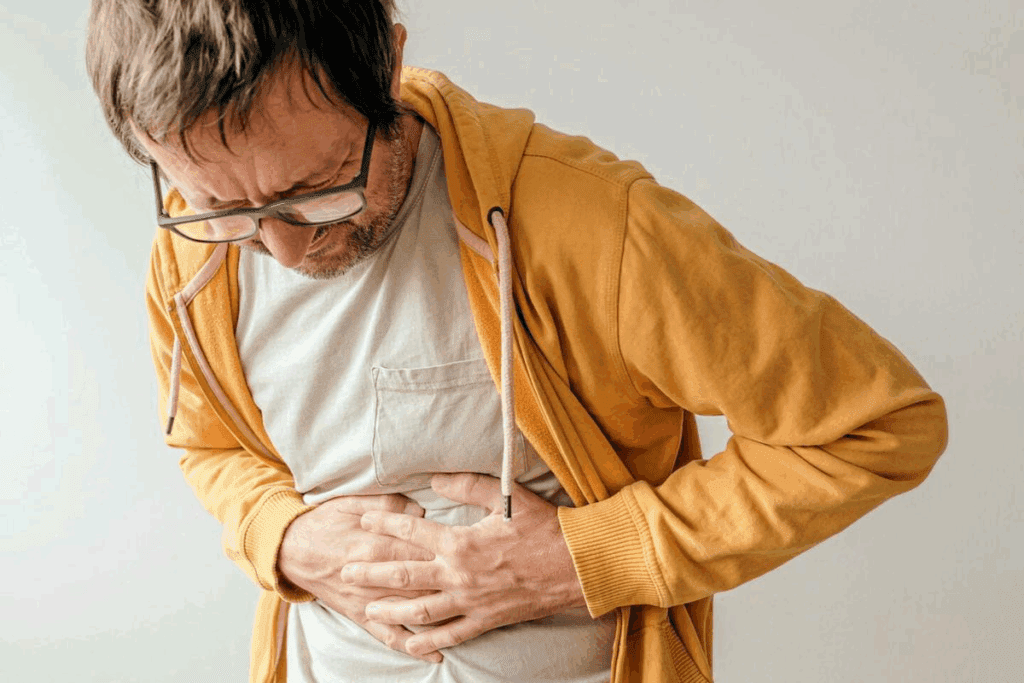
Gallbladder inflammation happens when the gallbladder gets irritated. This is often because of gallstones, but sometimes there are no stones. This condition, called cholecystitis, can really affect the gallbladder’s work and your health.
The Function of the Gallbladder
The gallbladder is key in the digestive system. It stores bile made by the liver. This bile helps break down fats in the small intestine. A healthy gallbladder is key for good nutrient absorption.
When the gallbladder gets inflamed, it can’t store or release bile well. This can cause digestive problems.
Types of Gallbladder Inflammation
Gallbladder inflammation can be different based on how long it lasts and why it happens. Acute cholecystitis is sudden and needs quick medical help. On the other hand, chronic cholecystitis is ongoing and keeps coming back.
It can also be either calculous (with gallstones) or acalculous (without gallstones). Knowing the type helps doctors figure out the best treatment.
Acalculous cholecystitis is tricky to diagnose. It can look different and might lead to serious problems.
Acalculous Cholecystitis: Inflamed Gallbladder Without Gallstones

Acalculous cholecystitis is a serious condition where the gallbladder gets inflamed without gallstones. It mainly affects very sick patients. This condition is different from calculous cholecystitis.
Definition and Prevalence
Acalculous cholecystitis is an inflammation of the gallbladder without gallstones. It’s a big part of acute cholecystitis cases, mostly in the hospital and among very sick patients.
This condition is common in intensive care units. It happens in patients with severe trauma, burns, or those having major surgery. It’s very serious and can be deadly if not treated quickly.
Key statistics on acalculous cholecystitis include:
- Accounts for approximately 5-10% of all acute cholecystitis cases
- Higher incidence in critically ill patients and those with significant comorbidities
- Mortality rates ranging from 10-50% due to delayed diagnosis and severe underlying conditions
How It Differs from Calculous Cholecystitis
Calculous cholecystitis is caused by gallstones blocking the cystic duct. Acalculous cholecystitis happens without gallstones. It’s often seen in very sick patients or those with conditions that cause gallbladder problems.
The causes of acalculous cholecystitis are complex. They include poor blood flow to the gallbladder, bile stasis, and sometimes, bacterial infections. This is different from calculous cholecystitis, where the main problem is the gallstones.
“The absence of gallstones in acalculous cholecystitis necessitates a different diagnostic and therapeutic approach compared to calculous cholecystitis.”
It’s important for doctors to know the difference. This helps them treat acalculous cholecystitis better. They need to be quick and careful to avoid serious problems.
Primary Causes of Gallbladder Inflammation Without Stones
It’s important to know what causes acalculous cholecystitis to treat it well. This condition, where the gallbladder gets inflamed without stones, has many causes.
Reduced Blood Flow to the Gallbladder
Reduced blood flow to the gallbladder is a main cause. This can happen for many reasons like shock, trauma, or big surgeries. It leads to the gallbladder not getting enough blood, causing it to get inflamed.
Bacterial Infections
Bacterial infections are another big reason for this condition. Bacteria can get into the gallbladder through the blood or bile. This is a big worry for people who are very sick or have weak immune systems.
Gallbladder Stasis
Gallbladder stasis is when the gallbladder doesn’t move much. This can happen if someone fasts for a long time or is on total parenteral nutrition (TPN). Without movement, bile can stay in the gallbladder, causing it to get inflamed.
Systemic Inflammation
Systemic inflammation is also a cause. This happens in severe illnesses or after big injuries. The body’s inflammation can affect the gallbladder, making it inflamed without stones.
In short, acalculous cholecystitis comes from many things like less blood flow, infections, stasis, and body-wide inflammation. Knowing these causes helps doctors diagnose and treat it quickly.
Risk Factors for Developing Acalculous Cholecystitis
Knowing the risk factors for acalculous cholecystitis is key to catching it early. This is important because it can be very serious. Several things can make you more likely to get it, even without gallstones.
Critical Illness and Hospitalization
People who are very sick, like those in intensive care units (ICUs), face a higher risk. Prolonged hospitalization and needing intensive care ups this risk. These cases often involve serious illnesses that need a lot of medical help.
Prolonged Fasting
Going without food for a long time or using total parenteral nutrition (TPN) can harm the gallbladder. When we don’t eat normally, the gallbladder might not work right. This can cause inflammation.
Trauma and Major Surgery
People who have been hurt badly or are having major surgery are also at risk. The body’s stress from trauma or surgery can mess with the gallbladder. This risk is higher with severe injuries or complex surgeries.
Other Predisposing Conditions
Other things can also make you more likely to get acalculous cholecystitis. These include sepsis, shock, and some vascular diseases. These can cut off blood to the gallbladder, causing inflammation. Also, people with past infections or on certain meds might be at higher risk.
Recognizing the Symptoms of Gallbladder Inflammation Without Stones
Knowing the signs of gallbladder inflammation without stones is key to getting the right treatment. Acalculous cholecystitis is less common but has severe symptoms that need quick medical check-ups.
Common Symptoms
Acalculous cholecystitis symptoms are strong and can really affect your life. They include pain in the right upper abdomen, fever, nausea, and vomiting. These signs need attention right away.
Right upper quadrant pain is a main symptom, feeling sharp and intense. It might spread to the right shoulder or back, making it hard to breathe or move.
Gallbladder Pain When Breathing
Gallbladder pain when breathing is a big symptom of acalculous cholecystitis. This pain gets worse with deep breaths, making it hard to breathe normally. Seeing a doctor is important if you have this symptom.
How Symptoms Compare to Calculous Cholecystitis
The symptoms of acalculous cholecystitis are similar to those of calculous cholecystitis but have key differences. Both have right upper quadrant pain and symptoms like fever and nausea. But acalculous cholecystitis often happens in very sick patients or after big surgeries, unlike calculous cholecystitis, which is linked to gallstones.
When to Seek Medical Attention
If symptoms get worse or don’t go away, you should see a doctor. Severe pain, high fever, or signs of sepsis need urgent care. Quick diagnosis and treatment are important to manage acalculous cholecystitis well and avoid serious problems.
Doctors will do a detailed check-up, including physical exams, lab tests, and imaging, to correctly diagnose acalculous cholecystitis. Early treatment can greatly help patients with this condition.
Diagnostic Approaches for Acalculous Cholecystitis
Diagnosing acalculous cholecystitis involves several steps. These include a physical exam, lab tests, and imaging studies. This condition is hard to diagnose because it doesn’t have gallstones and its symptoms are not clear. Many patients are very sick, making it even harder to diagnose.
Physical Examination
The first step is a detailed physical exam. Doctors look for signs like pain in the right upper abdomen, fever, and signs of infection. They need to be very careful because sick patients might not show typical symptoms.
Laboratory Tests
Lab tests are key in diagnosing this condition. They include:
- Complete Blood Count (CBC) to check for signs of infection or inflammation.
- Liver function tests to see if the liver is working right.
- Other tests might include blood cultures and markers of inflammation.
These tests help figure out how serious the condition is and rule out other causes.
Imaging Techniques
Imaging is very important for diagnosing acalculous cholecystitis. The main imaging methods are:
- Ultrasound: It’s often the first choice because it’s easy to use, doesn’t use radiation, and can spot problems with the gallbladder.
- Computed Tomography (CT): It gives detailed pictures of the gallbladder and can find serious problems like gangrene or perforation.
- Hepatobiliary Iminodiacetic Acid (HIDA) scan: It checks how well the gallbladder works and helps confirm the diagnosis when ultrasound results are not clear.
Differential Diagnosis
It’s important to rule out other conditions that might look like acalculous cholecystitis. These include gallstone-related cholecystitis, hepatitis, and pancreatitis. A thorough diagnostic process helps confirm the diagnosis and guide treatment.
| Diagnostic Method | Key Findings |
| Physical Examination | Right upper quadrant tenderness, fever |
| Laboratory Tests | Leukocytosis, abnormal liver enzymes |
| Ultrasound | Gallbladder distension, wall thickening |
| CT Scan | Gallbladder inflammation, possible complications |
Treatment Options for Inflamed Gallbladder Without Gallstones
Understanding the treatment options for acalculous cholecystitis is key. This includes both conservative and surgical methods. The right treatment depends on the condition’s severity, the patient’s health, and any complications.
Conservative Management
For many, the first step is conservative management. This is for those not ready for surgery or when caught early. It includes:
- Antibiotics to fight or prevent infection
- Supportive care like staying hydrated and getting enough nutrients
- Watching for signs of complications or worsening symptoms
Antibiotics are vital in managing the infection. The choice of antibiotic depends on the bacteria involved and the patient’s kidney function.
Surgical Interventions
When conservative methods fail or the condition is severe, surgery is considered. The main surgical option is cholecystectomy (gallbladder removal). There are two main types:
- Laparoscopic cholecystectomy, a less invasive procedure
- Open cholecystectomy, a more traditional surgery
A study in the Journal of Surgical Research found early surgery improves outcomes in acalculous cholecystitis.
“The decision to proceed with surgical intervention should be based on a thorough assessment of the patient’s condition and the risks and benefits of surgery.”
— Surgical Clinics of North America
Comparing Traditional and Modern Treatment Approaches
Traditionally, surgery was the first step for acalculous cholecystitis. Now, we start with more conservative methods. Surgery is reserved for when it’s truly needed.
| Treatment Aspect | Traditional Approach | Modern Approach |
| Initial Management | Immediate surgery | Start with antibiotics and supportive care |
| Surgical Intervention | Open cholecystectomy | Prefers laparoscopic cholecystectomy when possible |
Recovery and Follow-up Care
Recovery from acalculous cholecystitis, whether by conservative or surgical means, needs careful follow-up. This ensures healing and prevents complications. It includes:
- Watching for signs of infection or complications
- Making dietary changes to manage digestive issues
- Regular check-ups with healthcare providers
Managing acalculous cholecystitis effectively requires a detailed approach. It must consider the patient’s overall health and their specific situation.
Potential Complications of Untreated Acalculous Cholecystitis
If acalculous cholecystitis is not treated, it can cause severe and dangerous problems. These risks are high, and it’s key to know them to see why quick medical help is vital.
Gallbladder Perforation
Gallbladder perforation is a serious issue. It happens when inflammation weakens the gallbladder wall, causing bile to leak into the belly. This can lead to peritonitis, a dangerous infection that needs surgery right away.
Sepsis and Systemic Infection
Untreated acalculous cholecystitis can cause sepsis. This is when bacteria from the gallbladder get into the blood. Sepsis is very serious and can be deadly. It needs quick treatment with antibiotics and care.
Gallbladder Gangrene
Gallbladder gangrene is another problem. It happens when the gallbladder’s blood supply is cut off by inflammation, causing tissue death. This is a big emergency that needs surgery fast to avoid more serious issues.
Mortality Risks
The risk of death from untreated acalculous cholecystitis is high. Without quick treatment, patients face a higher chance of dying from sepsis, gangrene, and perforation. Getting help fast is key to lowering this risk.
In summary, untreated acalculous cholecystitis can lead to severe and deadly complications. Knowing these risks shows why getting medical help quickly is so important.
Prognosis and Long-term Outlook
Knowing how acalculous cholecystitis will turn out is key for setting patient hopes and making treatment plans. The future looks different for everyone, depending on how bad the condition is, how well treatment works, and the patient’s health.
Factors Influencing Recovery
The recovery timeline for acalculous cholecystitis can take a while and is different for each person. How fast and well treatment works, if there are any complications, and the patient’s health before getting sick all play a part.
Quality of life after treatment is a big worry for patients. If acalculous cholecystitis is managed well, people can get back to normal. But, how much they recover depends on how bad the condition was and if there were any problems later on.
Recurrence and Follow-up
Recurrence rates for acalculous cholecystitis are low if the causes are handled right. But, people with certain health issues might face a higher risk of it coming back.
Follow-up care is key for keeping an eye on the patient and catching any problems early. Regular visits to the doctor can help manage the condition well and lead to better long-term results.
Long-term Health Outcomes
The long-term health outcomes for acalculous cholecystitis depend on many things. This includes how well the first treatment worked and if there are any underlying health issues. People who get timely and right treatment usually do better.
In short, the outlook for acalculous cholecystitis is shaped by many factors. These include how severe the condition is, how well treatment goes, and the patient’s health. Knowing these things is important for managing patient hopes and improving long-term results.
Conclusion: Addressing Gallbladder Inflammation Effectively
Gallbladder inflammation without gallstones, known as acalculous cholecystitis, is a serious condition. It needs quick diagnosis and effective treatment. Knowing the causes, risk factors, and symptoms is key to managing it.
Getting a diagnosis and the right treatment early is vital. This can help improve patient outcomes. Treatment options range from conservative management to surgery, based on the severity and patient’s condition.
Effective treatment of acalculous cholecystitis involves addressing the underlying causes. This includes reduced blood flow, bacterial infections, or systemic inflammation. Recognizing symptoms and risk factors early can greatly impact treatment success.
Understanding acalculous cholecystitis and its implications helps healthcare providers create targeted treatment plans. These plans can improve patient recovery and reduce complications. Effective management of gallbladder inflammation is essential for better patient quality of life.
FAQ
What is acalculous cholecystitis?
Acalculous cholecystitis is a serious condition where the gallbladder gets inflamed without gallstones. It often happens in very sick patients. If not treated quickly, it can cause serious problems.
What causes the gallbladder to inflame without gallstones?
Several things can cause acalculous cholecystitis. These include poor blood flow to the gallbladder, infections, and inflammation. It’s more common in very sick patients.
Who is at risk of developing acalculous cholecystitis?
People who are very sick, in the hospital, or have had major surgery are at risk. Also, those who haven’t eaten for a long time or have certain health problems.
What are the symptoms of acalculous cholecystitis?
Symptoms include severe pain in the abdomen, fever, nausea, and vomiting. These symptoms are similar to those of gallstones but happen in different people.
How is acalculous cholecystitis diagnosed?
Doctors use a physical exam, lab tests, and imaging like ultrasound or CT scans. These help see the gallbladder and check for other problems.
What are the treatment options for acalculous cholecystitis?
Treatment can be antibiotics and supportive care or surgery, like cholecystectomy. It depends on how bad the condition is and the patient’s health.
What complications can arise from untreated acalculous cholecystitis?
Untreated, it can lead to serious problems. These include perforation, sepsis, and gangrene of the gallbladder. These can be life-threatening.
What is the prognosis for acalculous cholecystitis?
The outcome depends on how severe it is, how quickly and well it’s treated, and the patient’s health. Quick treatment can help a lot, but it can be more deadly than gallstones.
Can acalculous cholecystitis recur?
Yes, it can come back. It’s important to follow up and watch for signs of it coming back, even more so in people at risk.
How can acalculous cholecystitis be prevented?
Prevention involves managing risks. This includes good nutrition, taking care of critical illness, and watching for gallbladder problems in at-risk groups.