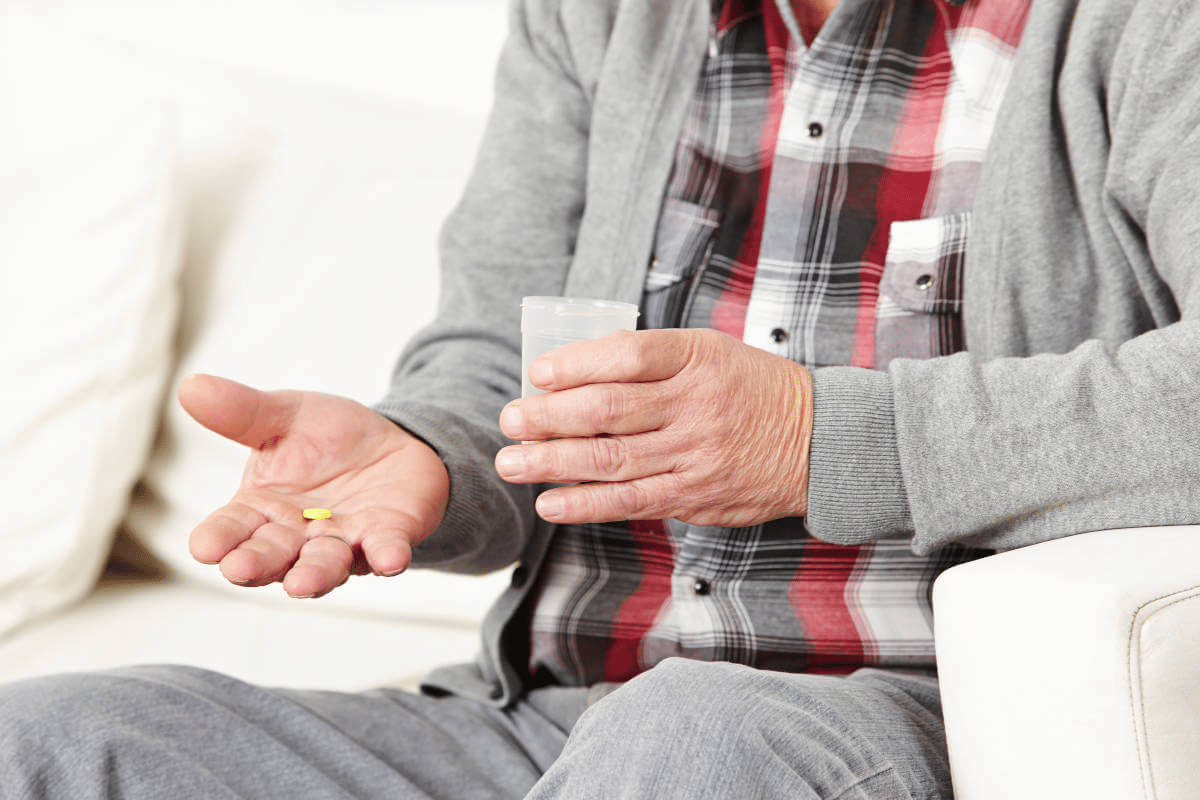
Knowing the right dosage and timing of allopurinol is key to managing gout and stopping future attacks. At Liv Hospital, we stress the need for following medication instructions closely. This is to get the best results from treatment. Guide to allopurinol dosage during gout attack, stressing that the dose should not be started or changed acutely.
Allopurinol helps by reducing uric acid in the body. This stops urate crystals from forming, which cause gout symptoms. To get the most out of it, patients must stick to the dosage and timing guidelines.
We help our patients with detailed gout management plans. We make sure they get care that focuses on both quick relief and preventing the disease long-term.
Key Takeaways
- Allopurinol is a xanthine oxidase inhibitor used to lower uric acid levels.
- Proper dosage and timing are critical for effective gout management.
- Liv Hospital provides complete care for gout management.
- Following medication is key for the best treatment results.
- Guidance based on evidence helps prevent the disease long-term.
Understanding Allopurinol and Its Purpose
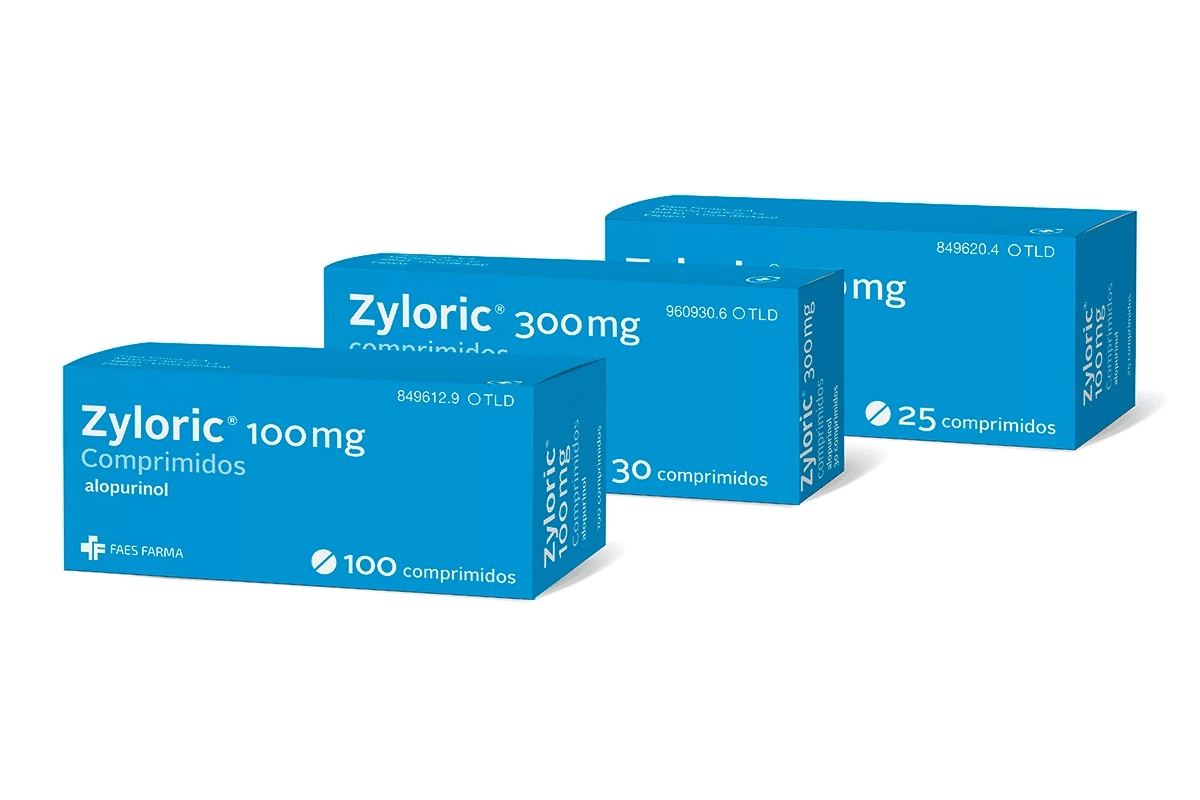
Allopurinol helps lower uric acid in the body. This stops gout attacks and kidney stones. It’s key for those with too much uric acid.
What Is Allopurinol?
Allopurinol is a xanthine oxidase inhibitor. It’s been used for decades to treat gout and high uric acid levels. It reduces uric acid production in the body, stopping urate crystals that cause pain and inflammation.
As stated by the
“American College of Rheumatology, Allopurinol is a first-line treatment for gout due to its efficacy in reducing uric acid levels and preventing future gout attacks.”
This shows how vital Allopurinol is for managing gout.
How Allopurinol Works as a Xanthine Oxidase Inhibitor
Allopurinol blocks the enzyme xanthine oxidase. This enzyme makes uric acid in the body. By stopping uric acid production, Allopurinol prevents urate crystals in joints. This reduces gout attacks.
|
Mechanism |
Effect |
|---|---|
|
Inhibition of xanthine oxidase |
Reduced uric acid production |
|
Lower uric acid levels |
Prevention of urate crystal formation |
|
Reduced urate crystal formation |
Decreased frequency and severity of gout attacks |
Medical Conditions Treated with Allopurinol
Allopurinol mainly treats gout. It’s for sudden, severe joint pain and inflammation. It also manages high uric acid from cancer treatment and prevents kidney stones.
The table below summarizes the medical conditions treated with Allopurinol:
|
Condition |
Description |
|---|---|
|
Gout |
A condition causing sudden, severe joint pain and inflammation |
|
High Uric Acid Levels |
Often caused by cancer treatment, leading to possible kidney damage |
|
Kidney Stones |
Small, hard mineral deposits that can cause severe pain |
Standard Dosage Guidelines for Allopurinol
Knowing the right dose of Allopurinol is key for managing gout and other conditions. We’ll cover the standard guidelines doctors use to find the best dose for patients.
Initial Dosing Recommendations
Adults with gout usually start with 100 mg of Allopurinol once a day. This dose helps avoid sudden gout attacks. We then increase the dose every 2 to 5 weeks based on how the patient responds and their serum urate levels.
For those with mild gout, this initial dose might be enough. But for more severe cases, we may need to adjust the dosage.
Maintenance Dosage Ranges
Once the initial dose is set, we adjust it to get the best results. The maintenance dosage range is usually 200 mg to 600 mg per day. This can be split into one or two doses.
|
Condition |
Typical Maintenance Dosage |
|---|---|
|
Gout |
200-600 mg/day |
|
Hyperuricemia |
100-300 mg/day |
Maximum Daily Dose Limitations
The highest safe dose of Allopurinol is 800 mg per day. Taking more than this can increase the risk of side effects.
We look at several factors to find the right dose, like kidney function, age, and other medications. We also check serum urate levels and how the patient responds. This helps us adjust the dose to keep it within the safe range.
Allopurinol 100mg Dosage Frequency
To get the most out of Allopurinol, knowing the right dosage frequency is key. How often you take Allopurinol 100mg affects its success in treating your condition. We’ll look at what decides if you should take it once or twice a day.
Once Daily vs. Twice Daily Regimens
Allopurinol 100mg is usually taken once or twice a day. The choice depends on how severe your condition is and your doctor’s advice. Once-daily dosing is simpler and easier to stick to. But twice-daily dosing might be needed for some to get the best results.
Factors That Determine Dosing Frequency
Several things affect how often you should take Allopurinol 100mg. These include the severity of your gout or other conditions being treated, your overall health, and how well you react to the drug. Your doctor will consider these to decide the best dosing schedule for you.
Adjusting Frequency Based on Response
Your response to Allopurinol 100mg might change how often you take it. If your symptoms are well-controlled, your doctor might keep the current schedule. But if your symptoms don’t improve or get worse, your doctor might adjust the frequency or dosage to help more.
Best Time to Take Allopurinol: Morning or Night?
Finding the best time to take Allopurinol is key to its success. Whether morning or night, it depends on your lifestyle and how your body reacts.
Benefits of Morning Administration
Starting your day with Allopurinol can be beneficial. It helps create a routine, making it easier to remember your meds. Morning use can also lower the chance of stomach problems by being taken with breakfast.
Doctors say taking meds with food can lessen stomach issues. Morning doses help keep drug levels steady all day. This is important for managing gout well.
Benefits of Evening Administration
Evening use of Allopurinol, after dinner, has its perks too. Some find fewer side effects in the evening. It’s also good for those with high uric acid levels at night.
“The timing of Allopurinol administration should be tailored to the individual patient’s needs and response to the medication.”
Medical Guidelines
Maintaining Consistent Timing
It doesn’t matter if you take Allopurinol in the morning or evening. What’s key is to keep a consistent schedule. This keeps drug levels steady, which is vital for managing gout and other conditions.
Choosing a set time and sticking to it ensures you get the most from your meds. Remember to drink plenty of water and follow your doctor’s advice.
Allopurinol With or Without Food
It’s important to know how food affects Allopurinol for the best results. Many patients ask if they should take it with or without food.
Effects of Food on Absorption
Allopurinol can be taken with or without food. But, eating a meal with it might make your stomach feel better. Studies show that food doesn’t change how Allopurinol is absorbed in the body. This makes it easy for patients to take it at any time.
Key considerations when taking Allopurinol with food:
- Eating can help ease stomach problems.
- Food in your stomach might slow down how fast Allopurinol is absorbed. But, it doesn’t change how well it works.
Reducing Gastrointestinal Side Effects
Some people might feel sick or have stomach pain when taking Allopurinol. To lessen these issues, we suggest:
- Take Allopurinol with a meal or snack to protect your stomach.
- Stay away from foods that can make stomach problems worse.
Hydration Requirements When Taking Allopurinol
Drinking enough water is key when taking Allopurinol. It helps your kidneys work right and lowers the chance of kidney stones.
Hydration tips:
- Drink 8-10 glasses of water every day.
- Check your urine to make sure it’s pale yellow or clear. This means you’re drinking enough water.
Knowing how to take Allopurinol, with or without food, and staying hydrated helps patients get the most from their treatment. It also reduces side effects.
Allopurinol Dosage During Gout Attack
When you have a gout attack, knowing how to take your Allopurinol is key. It’s important to keep taking Allopurinol, even during attacks. Stopping it can make uric acid levels go up.
Continuation During Flares
Keeping up with Allopurinol during gout attacks is vital. It helps keep uric acid levels in check. If you stop Allopurinol, gout attacks might get worse and happen more often.
Using Complementary Medications
Along with Allopurinol, doctors might give you anti-inflammatory drugs. These help with the pain and swelling of a gout attack.
Understanding Treatment Continuity
Many think you should stop Allopurinol during a gout attack. But, we advise to keep taking it as directed. Using other treatments for the flare helps manage gout better in the long run.
FAQ
What is Allopurinol used for?
Allopurinol is a medicine that lowers uric acid in the body. It helps manage gout and other conditions caused by too much uric acid.
How should I take Allopurinol?
Take Allopurinol by mouth, with or without food, as your doctor tells you. It’s important to take it at the same time every day to keep the medicine levels steady.
What is the standard dosage of Allopurinol?
The dose of Allopurinol varies. You might start with a low dose. Then, your doctor might increase it to 100mg to 300mg a day. But, there’s a maximum dose you can’t go over.
How often should I take Allopurinol 100mg?
How often you take Allopurinol 100mg depends on your health and how you react to the treatment. Your doctor might tell you to take it once or twice a day.
Is it better to take Allopurinol in the morning or at night?
Taking Allopurinol in the morning or at night has its own benefits. Pick a time that fits your schedule best to keep the medicine levels steady.
Should I take Allopurinol with or without food?
You can take Allopurinol with or without food. Food might help with stomach side effects. But, always drink plenty of water to avoid risks.
What happens if I overdose on Allopurinol?
Taking too much Allopurinol can cause serious side effects. If you think you’ve taken too much, get help right away.
Can I stop taking Allopurinol during a gout attack?
No, you should keep taking Allopurinol as your doctor says, even during a gout attack. Stopping it can make uric acid levels go up, making your condition worse.
How do I adjust the dosage frequency of Allopurinol based on my response?
Your doctor will change how often you take Allopurinol based on how you’re doing. They’ll look at your uric acid levels and how often you get gout attacks.
What are the hydration requirements when taking Allopurinol?
Drinking plenty of water is key when taking Allopurinol. It helps prevent kidney stones and helps get rid of uric acid.
Reference
National Center for Biotechnology Information. Allopurinol Dosing: Guidelines, Monitoring, and Side Effects. Retrieved from https://www.ncbi.nlm.nih.gov/pmc/articles/PMC3845316/



 Departments
 Related Videos
 Our Doctors
 News
News