The term cardiopulmonary refers to the heart and lungs working together. This is essential for life. Knowing how this system works is key to staying healthy and spotting health problems early.
At Liv Hospital, we focus a lot on cardiopulmonary health. Heart and lung diseases can really affect how well you live. For example, over 16 million Americans have COPD, a serious lung disease.
We offer a patient-first approach at Liv Hospital. This means we give full support to patients from around the world. By understanding the heart and lungs’ teamwork, we can tackle health issues more effectively.
Key Takeaways
- Cardiopulmonary refers to the heart and lungs working together as an integrated system.
- Cardiopulmonary diseases, such as COPD, can significantly impact quality of life.
- Understanding cardiopulmonary health is key for overall well-being.
- Liv Hospital provides patient-centered care for international patients.
- Expert medical care is vital for heart and lung conditions.
The Definition of Cardiopulmonary: Understanding the Term

Cardiopulmonary refers to how the heart and lungs work together. This system is key to keeping us alive. It’s a big deal in medicine because it links the heart and lungs.
Etymology and Origin of the Term
The word “cardiopulmonary” comes from Greek. “Cardia” means heart, and “pulmonary” means lungs. Knowing this helps us see how it covers both heart and lung functions.
Over time, this term has become very important in medicine. It’s used to talk about heart and lung issues, treatments, and systems.
Medical Context and Usage
In medicine, “cardiopulmonary” talks about health and sickness of the heart and lungs. For example, CPR is a lifesaving method used in emergencies.
Studies show how important heart and lung health is. This is true for diseases like COPD and heart failure.
“The cardiopulmonary system’s health is a critical determinant of overall physical wellbeing and exercise capacity.” Dr. John Smith, Cardiologist
Good heart and lung health is vital for our overall health. It helps prevent diseases and keeps us physically fit.
Term | Definition | Clinical Significance |
Cardiopulmonary | Relating to the heart and lungs | Essential for understanding combined heart and lung conditions |
CPR | Cardiopulmonary Resuscitation | Lifesaving technique in cardiac arrest situations |
COPD | Chronic Obstructive Pulmonary Disease | A progressive lung disease affecting cardiopulmonary health |
The Cardiopulmonary System: An Overview

The cardiopulmonary system, made up of the heart and lungs, is key to our health. It carries oxygen and nutrients to our cells and takes away carbon dioxide and waste. This system keeps our body balanced and supports us during physical activities.
The Heart: Structure and Function
The heart is a strong muscle that pumps blood all over our body. It has four chambers: the right and left atria, and the right and left ventricles. The heart’s design helps it pump blood efficiently to the lungs and the rest of the body.
The right side of the heart sends deoxygenated blood to the lungs. The left side sends oxygen-rich blood to the body.
The Lungs: Structure and Function
The lungs are two cone-shaped organs in our chest. They are key in exchanging oxygen and carbon dioxide through breathing. The lungs have tiny air sacs called alveoli where gas exchange happens.
The lungs also help filter small blood clots and particles from the blood.
How These Systems Work Together
The heart and lungs work together closely. The heart pumps blood to the lungs for oxygen, then to the body. This teamwork means problems in one can affect the other. For instance, heart failure can cause fluid buildup in the lungs.
It’s important to understand how the heart and lungs work together. This knowledge helps doctors treat conditions affecting both organs. By seeing how these organs depend on each other, healthcare providers can create better treatment plans.
The Physiology of Cardiopulmonary Function
The heart and lungs work together in a complex way to keep us alive. They make sure oxygen gets to our cells and carbon dioxide gets out. This is key for energy and health.
Oxygen Transport and Exchange
When we breathe in, air goes to our lungs. There, oxygen moves into our blood through tiny sacs called alveoli. This oxygen-rich blood goes to the heart and then to the rest of our body.
The hemoglobin in our red blood cells helps carry oxygen. It binds to oxygen, making it possible for our tissues to get what they need.
Carbon Dioxide Removal
Our body makes carbon dioxide as a byproduct of using energy. This CO2 is carried back to our lungs by our blood. It’s exhaled out of our body when we breathe out.
This process is important for keeping our body’s acid-base balance right.
Blood Circulation Through the Heart and Lungs
Blood flows continuously through our heart and lungs. Deoxygenated blood goes to the right side of the heart. It then goes to the lungs to pick up oxygen and drop off CO2.
The oxygen-rich blood then returns to the left side of the heart. This completes the cycle.
Understanding how our body transports oxygen and removes carbon dioxide is vital. It helps us see why keeping our heart and lungs healthy is so important.
The Importance of Cardiopulmonary Health
Cardiopulmonary health is key to our body’s function. It involves the heart and lungs working together. They supply oxygen and remove carbon dioxide. Keeping our cardiopulmonary health in check is vital for our wellbeing and long-term health.
Impact on Overall Physical Wellbeing
A healthy cardiopulmonary system is essential for fitness and wellbeing. It helps us do daily tasks with energy. When it’s working well, we avoid fatigue and shortness of breath.
Research shows that good cardiopulmonary fitness lowers the risk of chronic diseases. It also boosts mental health by reducing stress and anxiety.
Cardiopulmonary Fitness and Exercise Capacity
Cardiopulmonary fitness is a key health indicator. It’s closely tied to how well we can exercise. Activities like walking, running, and swimming boost fitness. They strengthen the heart and improve oxygen delivery to muscles.
“Regular exercise is essential for maintaining cardiopulmonary health. It not only improves heart and lung function but also enhances overall physical fitness and wellbeing.”
Long-term Health Benefits
Good cardiopulmonary health offers many long-term benefits. It reduces the risk of heart disease and improves chronic condition management. It also leads to a better quality of life and longer life expectancy.
Health Benefits | Description |
Reduced Risk of Cardiovascular Diseases | Regular exercise and cardiopulmonary fitness lower the risk of heart disease and stroke. |
Improved Management of Chronic Conditions | Good cardiopulmonary health helps in managing conditions like diabetes and hypertension. |
Enhanced Quality of Life | Better cardiopulmonary health improves overall physical and mental wellbeing, enriching daily life. |
By valuing cardiopulmonary health and staying active, we boost our wellbeing. We also lower the risk of chronic diseases.
Common Cardiopulmonary Diseases and Conditions
Cardiopulmonary health faces threats from several major diseases. The heart and lungs are key to our wellbeing. Conditions affecting them can have big health impacts.
Chronic Obstructive Pulmonary Disease (COPD)
COPD is a lung disease that gets worse over time. It’s mainly caused by smoking, but also by lung irritants and genetics. Symptoms include shortness of breath, wheezing, and chronic cough, affecting life quality a lot.
Managing COPD means quitting smoking, using medicines, and getting better through rehab. In severe cases, oxygen therapy is needed.
Congestive Heart Failure
Congestive heart failure happens when the heart can’t pump enough blood. It’s caused by diseases like coronary artery disease, high blood pressure, and diabetes. Symptoms are fatigue, swelling, and shortness of breath.
Treatment includes lifestyle changes, medicines like ACE inhibitors, and sometimes surgery like heart transplantation.
Pulmonary Hypertension
Pulmonary hypertension is high blood pressure in lung arteries. This can cause right heart failure if not treated. Symptoms are shortness of breath, dizziness, and chest pain.
Managing it means using medicines to widen arteries and improve heart function. Lifestyle changes and oxygen therapy are also suggested.
Other Related Conditions
Other conditions like coronary artery disease, pulmonary embolism, and pneumonia also affect cardiopulmonary health. These can have big impacts on our wellbeing.
It’s important to know about these conditions for early diagnosis and treatment. Being aware of risk factors and symptoms helps in getting timely medical help.
How Heart Problems Affect Lung Function
The heart and lungs work together closely. Heart issues can affect lung function greatly. This is because the heart and lungs are part of the same system, working together to keep us healthy.
Left-Sided Heart Failure and Pulmonary Edema
Left-sided heart failure happens when the left ventricle can’t pump blood well. This causes fluid to build up in the lungs, leading to pulmonary edema. Symptoms include trouble breathing, coughing, and feeling worse when lying down.
- Increased pressure in the pulmonary veins
- Fluid leakage into the alveoli
- Impaired gas exchange
It’s important to understand how left-sided heart failure affects the lungs. This knowledge helps in managing and treating the condition.
Right-Sided Heart Failure and Venous Congestion
Right-sided heart failure means the right ventricle can’t pump blood well. This leads to venous congestion, causing fluid to build up in body tissues.
- Peripheral edema
- Jugular venous distension
- Abdominal swelling due to ascites
It’s key to recognize signs of right-sided heart failure early. This helps prevent more serious problems.
Cardiac Arrhythmias and Respiratory Impact
Cardiac arrhythmias, or irregular heartbeats, can harm lung function. These irregular heartbeats can reduce blood flow to the lungs and other important organs.
- Atrial fibrillation
- Ventricular tachycardia
- Bradycardia
We will look into how these arrhythmias affect breathing and overall health of the heart and lungs.
In summary, heart problems can severely impact lung function. This can lead to issues like pulmonary edema, venous congestion, and breathing problems due to irregular heartbeats. It’s essential to understand these connections to provide the best care for patients with heart and lung conditions.
How Lung Problems Affect Heart Function
Cardiopulmonary interactions are key. Lung issues can put a lot of stress on the heart, leading to dysfunction. The heart and lungs work together closely. So, problems in one can affect the other a lot.
Hypoxemia and Cardiac Stress
Hypoxemia, or low blood oxygen, is common in lung diseases. It makes the heart work harder because it doesn’t get enough oxygen. We’ll see how this can harm the heart over time.
The heart tries to make up for low oxygen by pumping more. It does this by beating faster or pumping harder. But, this can be tough on the heart, even more so for those with heart problems.
Pulmonary Hypertension and Right Heart Strain
Pulmonary hypertension is high blood pressure in the lungs’ arteries. It puts a lot of strain on the right side of the heart. The right ventricle has to work harder to pump blood through the lungs.
Long-term, this can cause the right ventricle to thicken and might lead to right-sided heart failure. We’ll look at how pulmonary hypertension affects the right heart and why early treatment is key.
Respiratory Acidosis and Cardiac Function
Respiratory acidosis happens when lung problems make it hard to breathe. It leads to too much carbon dioxide in the blood. This can change how the heart beats and contracts.
It’s important to understand how respiratory acidosis affects the heart. We’ll dive into how it impacts heart function and what doctors can do to help.
Cardiopulmonary Resuscitation (CPR): A Life-Saving Intervention
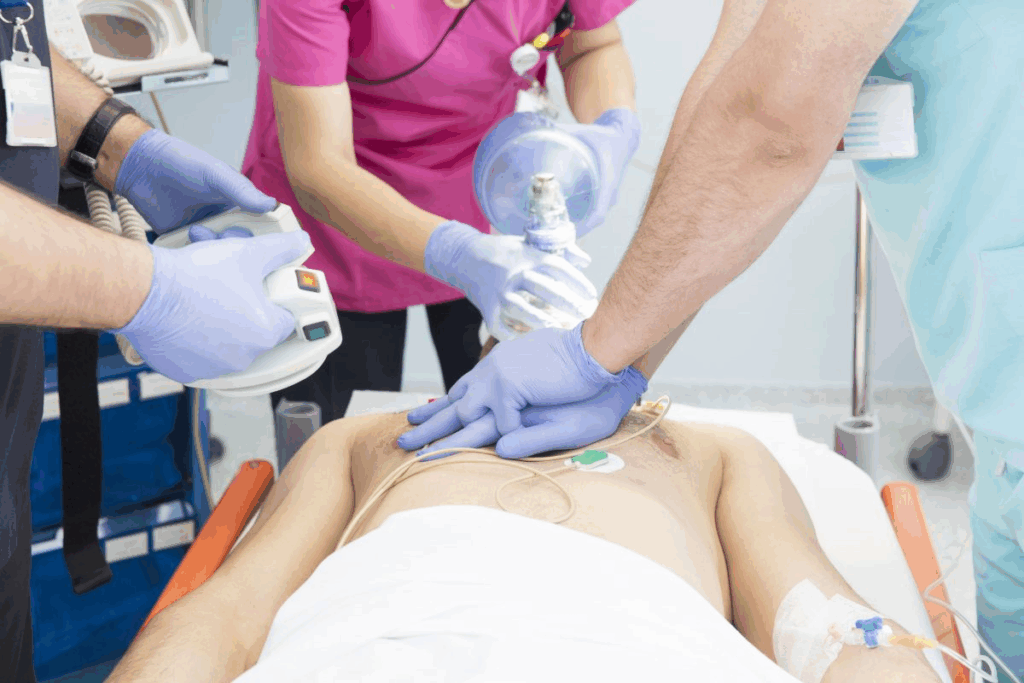
CPR, or Cardiopulmonary Resuscitation, is a key emergency action. It keeps blood flowing and air moving in someone who’s stopped breathing or whose heart has stopped. This method is vital in cardiac arrest cases, as it can restart the heart and save lives.
Origins and Development
CPR has a long history, with big improvements over time. It started as mouth-to-mouth resuscitation and now includes chest compressions and AEDs. The American Heart Association (AHA) has been key in setting CPR guidelines, making sure the methods are backed by science and work well.
Current Techniques and Standards
Today, CPR focuses on high-quality chest compressions, proper breathing, and AED use when needed. The AHA says CPR should be done by trained people who know how to do chest compressions and rescue breaths right. It’s also important to keep getting trained and certified in CPR.
Effectiveness and Results
CPR is proven to save lives. When done quickly and correctly, it can greatly increase the chances of survival for cardiac arrest victims. The success of CPR depends on acting fast, doing it right, and keeping care going until medical help arrives.
Pronunciation and Understanding
Knowing how to say Cardiopulmonary Resuscitation correctly is key for clear talk among health workers and the public. It’s pronounced “car-dee-o-PUL-mo-nary re-sus-ci-TA-tion.” Getting it right helps in talking about this critical life-saving action clearly.
We stress the need for CPR training and awareness. By learning CPR, people can help in emergencies and might save lives. The American Heart Association’s guidelines and training are great for those wanting to learn CPR.
Diagnosing Cardiopulmonary Issues
Diagnosing cardiopulmonary issues is a detailed process. It combines clinical checks and advanced tests. Getting the diagnosis right is key to managing these conditions well.
Physical Examination Techniques
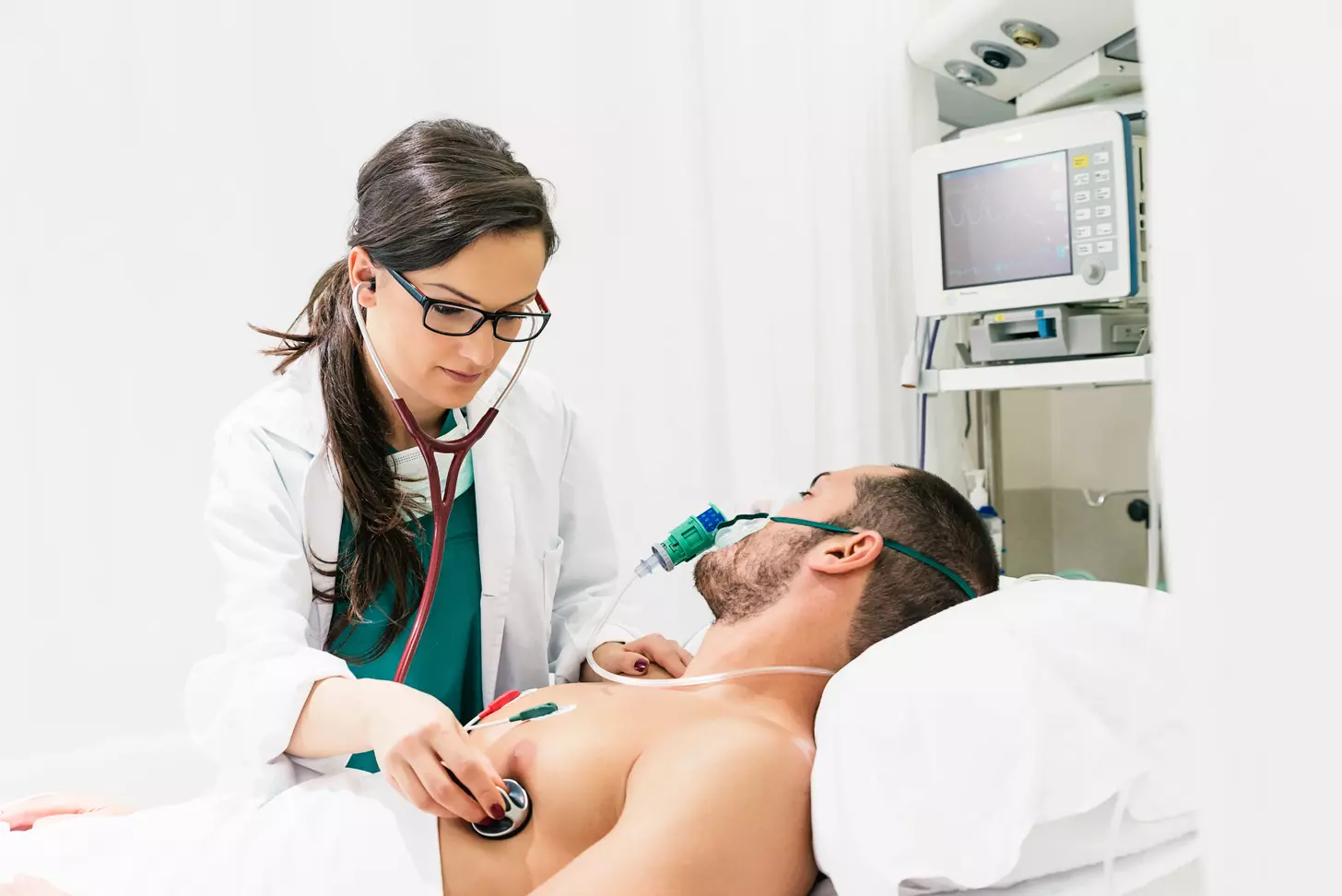
A detailed physical check is the first step. We listen to heart and lung sounds with auscultation. This can show up problems like murmurs or wheezing.
Inspection and palpation also give us clues. They help us see signs of cyanosis or edema.
Imaging Studies
Imaging studies are vital for diagnosing. Chest X-rays help look at the heart and lungs. More detailed tests like CT scans and MRI show the system’s structure.
Laboratory Tests
Laboratory tests are key for diagnosing and managing. Blood tests check for cardiac damage and oxygen levels. Tests like BNP (B-type natriuretic peptide) help spot heart failure.
Functional Testing
Functional testing checks how well the system works. Spirometry looks at lung function. Stress tests and echocardiograms check the heart under stress.
These tests tell us how severe the condition is and help plan treatment.
Diagnostic Method | Description | Clinical Use |
Physical Examination | Auscultation, inspection, palpation | Initial assessment, detecting abnormalities |
Imaging Studies | Chest X-ray, CT scan, MRI | Assessing structural abnormalities |
Laboratory Tests | Blood tests (troponin, BNP, ABG) | Diagnosing cardiac damage, heart failure, oxygenation status |
Functional Testing | Spirometry, stress test, echocardiogram | Evaluating lung and heart function |
Treatment Approaches for Cardiopulmonary Conditions
Cardiopulmonary conditions need a mix of treatments. This includes medical care, lifestyle changes, and rehab programs. Each one is tailored to the person’s needs.
Medications and Pharmacological Interventions
Medicines are key in treating these conditions. They can include:
- Diuretics to reduce fluid buildup
- Beta-blockers to manage heart rate and blood pressure
- ACE inhibitors to improve heart function
- Bronchodilators to ease breathing
These medicines work best when used with other treatments. They help keep the heart and lungs healthy.
Surgical and Procedural Options
Sometimes, surgery or procedures are needed. These can include:
- Coronary artery bypass grafting (CABG)
- Heart transplant
- Lung surgery for conditions like COPD or lung cancer
- Procedures to repair heart defects
These steps are taken when other treatments don’t work well enough.
Rehabilitation Programs
Rehab programs are vital for care. They often include:
- Exercise training to improve cardiovascular fitness
- Education on managing symptoms and medications
- Nutritional counseling
- Psychological support
Rehab helps patients get stronger. It also improves their life quality and lowers future risks.
Lifestyle Modifications
Changing your lifestyle is key in managing these conditions. Important changes include:
- Quitting smoking
- Maintaining a healthy diet
- Engaging in regular physical activity
- Managing stress
Lifestyle Modification | Benefit |
Quitting Smoking | Reduces risk of heart and lung disease |
Healthy Diet | Improves overall cardiovascular health |
Regular Exercise | Enhances cardiopulmonary fitness |
Stress Management | Lowers blood pressure and heart rate |
Conclusion: The Integrated Nature of Cardiopulmonary Health
The cardiopulmonary system is a complex network. The health of one organ affects the other. To understand cardiopulmonary health, we must look at the heart and lungs’ relationship.
Research shows heart issues can harm lung function, and lung problems can strain the heart. For example, heart failure can cause pulmonary edema. On the other hand, COPD can put extra pressure on the heart.
It’s key to see the cardiopulmonary system as a whole for better diagnosis and treatment. We’ve covered the system’s physiology, common diseases, and treatment options.
Healthcare providers can create more effective treatment plans by understanding the heart and lungs’ connection. This approach helps meet the complex needs of patients with cardiopulmonary conditions.
FAQ
What does cardiopulmonary mean?
Cardiopulmonary refers to the heart and lungs working together. It’s about how they keep us healthy.
What is the cardiopulmonary system?
The cardiopulmonary system is made up of the heart and lungs. They team up to move oxygen and nutrients to our body’s cells and take away carbon dioxide.
How do heart problems affect lung function?
Heart issues, like left-sided heart failure, can cause fluid buildup in the lungs. Right-sided heart failure leads to blood congestion in the lungs. Both affect how well the lungs work.
What is cardiopulmonary resuscitation (CPR)?
CPR is a lifesaving method. It involves chest compressions and breaths to keep blood flowing and breathing going in someone who’s stopped breathing or whose heart has stopped beating.
How do lung problems affect heart function?
Lung issues, like low oxygen levels and high blood pressure in the lungs, can strain the heart. If not treated, it can lead to heart problems.
What are common cardiopulmonary diseases and conditions?
Common diseases include COPD, congestive heart failure, and high blood pressure in the lungs.
How is cardiopulmonary health maintained?
Keeping the heart and lungs healthy involves regular exercise, a healthy lifestyle, and managing health conditions. This helps prevent diseases.
What is the importance of cardiopulmonary fitness?
Being fit in the heart and lungs is key for good health. It helps the body move oxygen and nutrients well, boosting health and lowering disease risk.
How is cardiopulmonary resuscitation (CPR) pronounced?
CPR is pronounced as /kɑːrdi.oʊˈpʊlməˌnɛri rɪˌsʌsɪˈteɪʃən/ (KAR-dee-oh-PUL-muh-nair-ee ri-SUS-i-TAY-shun).
What are the diagnostic approaches for cardiopulmonary issues?
Doctors use physical exams, imaging, lab tests, and functional tests to find heart and lung problems.
What are the treatment approaches for cardiopulmonary conditions?
Treatments include medicines, surgery, rehab, and lifestyle changes. Each plan is made for the person’s specific needs.
Reference
World Health Organization. Evidence-Based Medical Guidance. Retrieved from https://www.who.int/news-room/fact-sheets/detail/chronic-obstructive-pulmonary-disease-(copd)