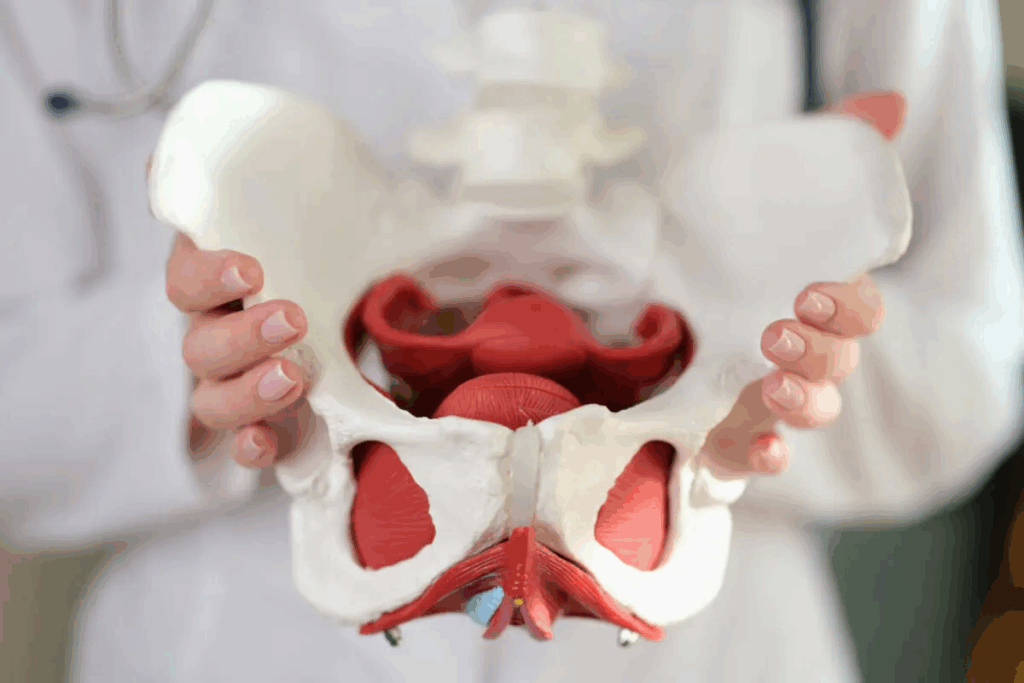
Feeling stuck with gas or like you can’t pass it can be really embarrassing and uncomfortable. Trapped gas in the pelvic area is a common problem for many people around the world.
Explaining the causes of gas in pelvic area and strategies for safely releasing trapped intestinal gas and discomfort.
Pelvic floor muscle dysfunction is often the main reason for this issue. It can cause symptoms like bloating and discomfort in one area. At Liv Hospital, we take these sensitive issues seriously and aim to provide thorough care.
Learning about the causes and finding effective treatments can help you feel better and more confident. We’ll talk about how pelvic floor muscle dysfunction works and offer ways to ease your symptoms. This can help improve your overall quality of life.
Key Takeaways
- Trapped gas in the pelvic area is a prevalent condition.
- Pelvic floor muscle dysfunction is a primary cause.
- Symptoms include bloating and localized discomfort.
- Liv Hospital offers comprehensive care for this condition.
- Evidence-based treatment options are available to manage symptoms.
Understanding Trapped Gas and Its Effects
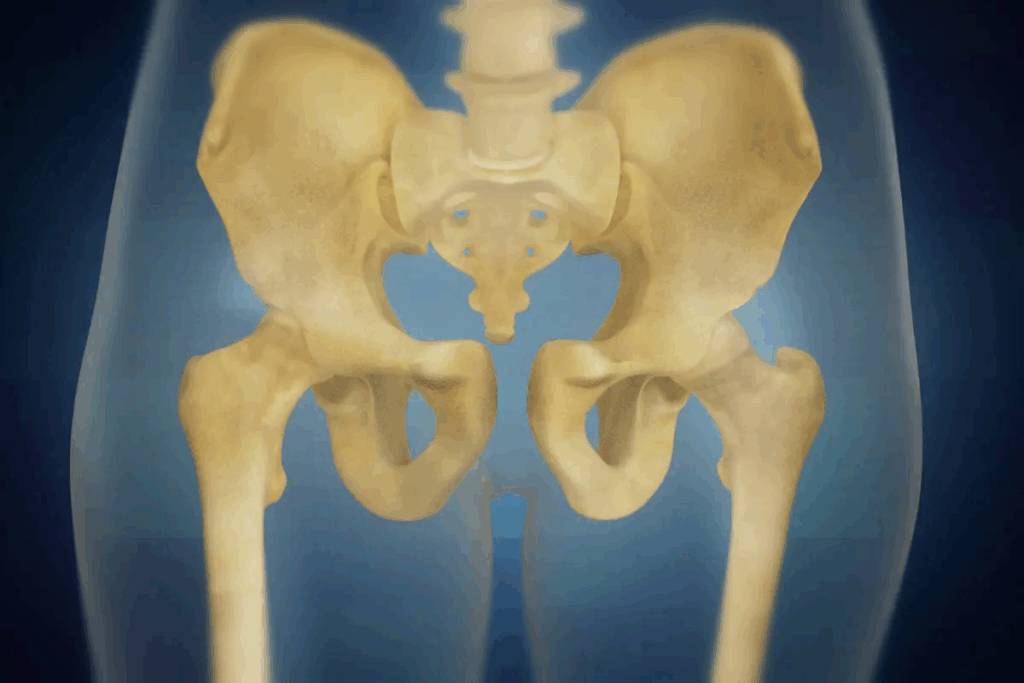
Trapped gas in the pelvic area can cause discomfort and trouble passing gas. It can lead to bloating, pain, and other issues. Knowing about trapped gas is key for those with these problems.
What Causes Gas Formation in the Body
Gas forms mainly in the digestive system. Here, food breaks down with enzymes and bacteria. Foods like beans and broccoli make more gas because they’re hard for the body to digest.
Gas production is normal and usually safe. But trapped gas can be uncomfortable. Trapping can happen for many reasons, like the body’s design, food choices, and digestive problems.
Normal Gas Production vs. Problematic Retention
Passing gas is a natural part of life, happening 10 to 20 times daily. But trapped gas can cause pain and discomfort. This can happen due to pelvic floor dysfunction, where gas release muscles are weak.
Knowing the difference between normal gas and trapped gas is important. By finding out why gas gets trapped, people can fix their symptoms. This might mean changing what they eat, doing exercises, or getting medical help.
Our lifestyle also affects gas. Things like eating habits and physical activity levels play a role. Making smart choices in these areas can help manage gas issues.
Gas in Pelvic Area: Anatomy and Physiology
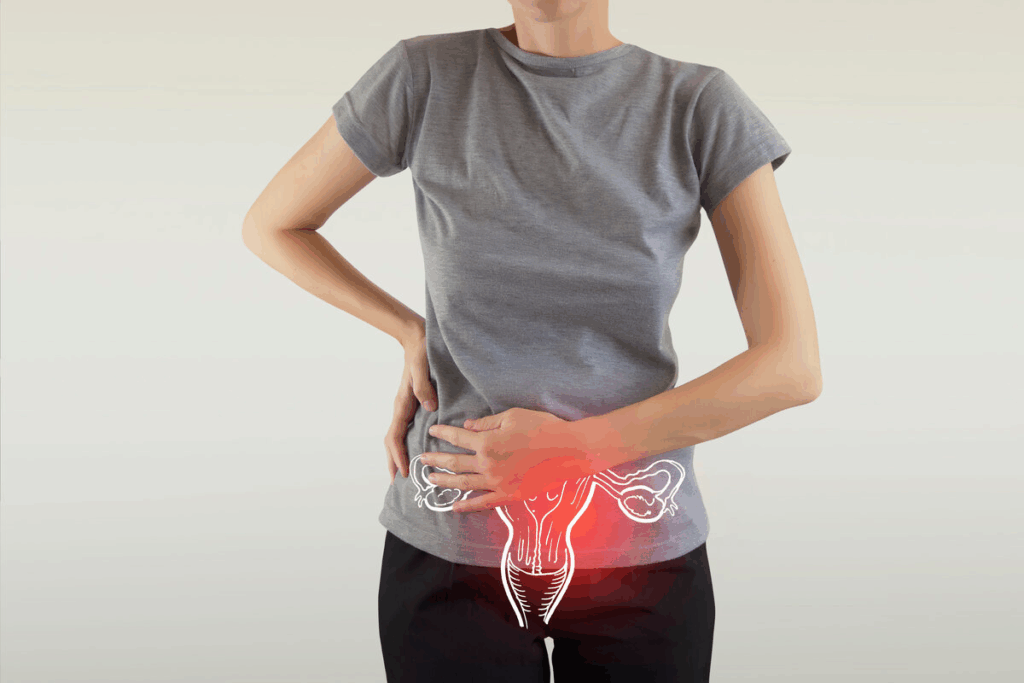
The pelvic area’s anatomy and physiology are key to understanding trapped gas. It’s a complex region with many organs, including parts of the digestive system. Knowing how these parts work together helps us understand why gas can get trapped.
Digestive System’s Role in Gas Movement
The digestive system breaks down food, absorbs nutrients, and gets rid of waste. Gas is a natural result of this process. Several factors, like the food we eat and digestive enzymes, affect how gas moves through our system.
When we digest food, gases like nitrogen and methane are made. These gases leave our body through belching or flatulence. The digestive system’s ability to move gas out is key to avoiding gas buildup.
Pelvic Floor Muscle Structure and Function
The pelvic floor muscles are vital for gas control. They form a sling that supports the pelvic organs. These muscles must work right to keep gas in and out as needed.
These muscles and the anal sphincters work together. They help us release gas on purpose while keeping things inside. If they don’t work right, gas can get trapped.
Muscle Group | Function | Impact of Dysfunction |
Pelvic Floor Muscles | Support pelvic organs, control gas and stool release | Trapped gas, incontinence |
Anal Sphincters | Control the release of stool and gas | Incontinence, difficulty releasing gas |
Knowing about the pelvic area’s anatomy and how the digestive system and pelvic floor muscles work is important. It helps us understand gas retention and why pelvic floor function matters.
Common Symptoms of Trapped Pelvic Gas
Trapped pelvic gas can cause many uncomfortable symptoms that affect daily life. These symptoms can be very distressing and often lead people to seek medical help.
We will look at the common symptoms of trapped pelvic gas. These include bloating and abdominal distension, pelvic pressure and discomfort, and referred pain patterns. Knowing these symptoms is key to understanding the condition and finding relief.
Bloating and Abdominal Distension
Bloating is a main symptom of trapped pelvic gas. It feels like your belly is full or swollen. This can also cause abdominal distension, where your belly looks swollen.
A medical expert says, “Bloating and distension are common complaints among patients with trapped gas. They significantly impact their quality of life.”
“Bloating and distension are common complaints among patients with trapped gas, significantly impacting their quality of life.” – Medical Expert
Bloating happens when gas builds up in your digestive system. This can be due to what you eat and your digestive health. Abdominal distension is a visible sign of bloating, causing discomfort and making you feel self-conscious.
Pelvic Pressure and Discomfort
Trapped gas in the pelvic area can cause pelvic pressure and discomfort. This pressure feels like a heavy or aching sensation in your pelvic area. It can be constant and bothersome.
This pressure and discomfort can make daily activities hard and affect your overall well-being. It’s important to address these symptoms to improve your quality of life.
Referred Pain Patterns
In some cases, trapped pelvic gas can cause referred pain patterns. This means the pain is felt in areas other than the pelvic region. It can be in the lower back, hips, or thighs.
This happens because the nerves that supply the pelvic area also innervate these other regions. This leads to referred pain.
Understanding referred pain patterns is key to diagnosing and treating trapped pelvic gas effectively. By knowing that pain may not always be in the pelvic area, healthcare providers can offer better care.
Why Farts Won’t Come Out: Primary Causes
Trapped gas in the pelvic area can be very uncomfortable. Knowing what causes it is key to managing it. We’ll look at the main reasons, covering both the body’s functions and its structure.
Pelvic Floor Dysfunction Explained
Pelvic floor dysfunction is a big reason for trapped gas. The pelvic floor muscles help control gas and stool. If these muscles don’t work right, passing gas can be hard. Many things can cause this, like muscle tension, weakness, or poor coordination. Birth, surgery, or some nerve problems can make it worse.
A study in the Journal of Pelvic Floor Medicine says, “Pelvic floor dysfunction is a complex condition that needs a full treatment plan.”
“To manage pelvic floor dysfunction, we use physical therapy, change behaviors, and sometimes surgery.”
Having to Push Hard to Fart: Mechanical Issues
Problems in the digestive system can also cause trapped gas. If you have to push hard to fart, there might be a mechanical issue. Constipation is a common problem that can trap gas, as it keeps stool in, putting pressure on the rectum. Other issues like rectal prolapse or intussusception can also block gas passage.
Mechanical Issue | Description | Effect on Gas Passage |
Constipation | Retention of stool | Pressure on rectum, hindering gas passage |
Rectal Prolapse | Protrusion of rectum through anus | Obstruction of normal gas flow |
Intussusception | Telescoping of intestine into itself | Blockage of gas passage |
Trapped Gas in Rectum: Anatomical Factors
Anatomical factors can also affect trapped gas, mainly in the rectum. The shape and surroundings of the rectum can impact gas movement. For example, scarring or adhesions in the rectum can narrow it, making gas hard to pass. Also, hemorrhoids can swell and trap gas.
Knowing the main causes of trapped gas is key to finding good treatments. By tackling pelvic floor issues, mechanical problems, and anatomical factors, people can feel better.
Dietary Factors Contributing to Trapped Gas
Knowing what foods cause trapped gas can help ease pelvic pain. The food we eat greatly affects gas production and how it stays in the pelvic area. Making smart food choices can lower the risk of trapped gas and ease symptoms.
Foods That Increase Gas Production
Some foods make more gas in our digestive system. These include:
- Beans and legumes, which have sugars not fully digested in the small intestine. These sugars are then fermented by bacteria in the colon, making gas.
- Cabbage and other cruciferous vegetables, which have raffinose. This complex sugar is hard for some to digest, leading to gas.
- Carbonated drinks, which add carbon dioxide to our digestive system, causing gas.
- Onions and garlic, which have fructans. These can be hard for some to absorb, causing gas.
Eating these foods in small amounts or avoiding them can cut down gas. Also, eating foods like bananas, rice, and toast can help manage symptoms.
Dehydration and Its Effects on Gas Passage
Not drinking enough water can hurt how our body moves gas. When we’re dehydrated, our body takes water from the colon. This can cause constipation and trap gas.
It’s key to drink enough water to avoid dehydration. This helps our digestive system work right. It makes stool softer and helps us go to the bathroom regularly. This can stop gas from getting trapped.
“Adequate hydration is key for a healthy digestive system and avoiding trapped gas.” Medical Expert
Food Intolerances and Sensitivities
Food intolerances and sensitivities can also cause trapped gas. Common ones include lactose intolerance and gluten sensitivity. Eating foods we’re intolerant to can cause bloating, discomfort, and gas.
It’s important to find and manage food intolerances to ease trapped gas symptoms. This might mean cutting out suspected foods and watching for symptom changes.
By understanding and tackling these dietary issues, we can greatly reduce trapped gas. This helps ease pelvic pain caused by it.
Medical Conditions Associated with Trapped Gas
It’s important to know the medical conditions linked to trapped gas. This issue can be a sign of several health problems. These range from digestive issues to pelvic organ prolapse.
Digestive Disorders
Digestive problems are a big factor in gas buildup. Issues like irritable bowel syndrome (IBS), inflammatory bowel disease (IBD), and gastroparesis can slow down gas movement.
- IBS can cause stomach pain, bloating, and bowel changes, leading to gas buildup.
- IBD, including Crohn’s disease and ulcerative colitis, can cause inflammation and scarring, trapping gas.
- Gastroparesis, where the stomach empties slowly, also leads to gas accumulation.
Pelvic Organ Prolapse and Gas Retention
Pelvic organ prolapse happens when pelvic muscles and tissues weaken. This causes organs to drop into the vagina. It can block gas passage, making you feel like gas is trapped.
Symptoms of pelvic organ prolapse include:
- Pelvic pressure or heaviness
- Bloating and discomfort
- Difficulty emptying the bowel
Constipation’s Role in Gas Entrapment
Constipation also plays a big role in gas entrapment. Stool staying in the colon too long traps gas, causing discomfort and bloating.
Constipation can be caused by:
- A diet low in fiber
- Inadequate hydration
- Physical inactivity
- Certain medications
Changing your diet, drinking more water, and exercising regularly can help with constipation. This can also reduce trapped gas.
Psychological and Lifestyle Factors
Understanding the psychological and lifestyle factors that contribute to trapped gas is key. These factors can greatly affect how well gas moves through the body. This can lead to discomfort and other symptoms.
Anxiety and Pelvic Tension
Anxiety can make the pelvic muscles tense. This tension can make it harder for gas to pass. Relaxation techniques like deep breathing and muscle relaxation can help relax these muscles.
- Practice relaxation techniques to reduce anxiety and pelvic tension.
- Engage in stress-reducing activities, such as meditation or yoga.
- Consider seeking professional help if anxiety is impacting daily life.
Social Constraints and Voluntary Gas Retention
Social norms can also affect trapped gas. People might hold in gas due to fear of embarrassment. This can cause discomfort and might lead to more serious gas issues.
It’s important to balance social awareness with allowing the body to function normally. Knowing your body’s needs and managing gas passage healthily can help ease symptoms.
Sedentary Lifestyle Effects
A sedentary lifestyle can make gas stay trapped. This is because gas doesn’t move as much. Regular exercise can help the muscles involved in gas passage work better.
To fight the effects of a sedentary lifestyle, add more physical activity to your day. Try walking, jogging, or other exercises that are good for your health.
- Engage in regular physical activity to stimulate digestive health.
- Aim for at least 30 minutes of moderate-intensity exercise per day.
- Incorporate activities that promote relaxation and reduce stress.
Diagnosing Problems with Gas Passage
Figuring out gas issues in the pelvic area needs a detailed plan. If symptoms don’t go away or get worse, seeing a doctor is key. This helps find out if there’s something serious causing the problem.
When to Consult a Healthcare Provider
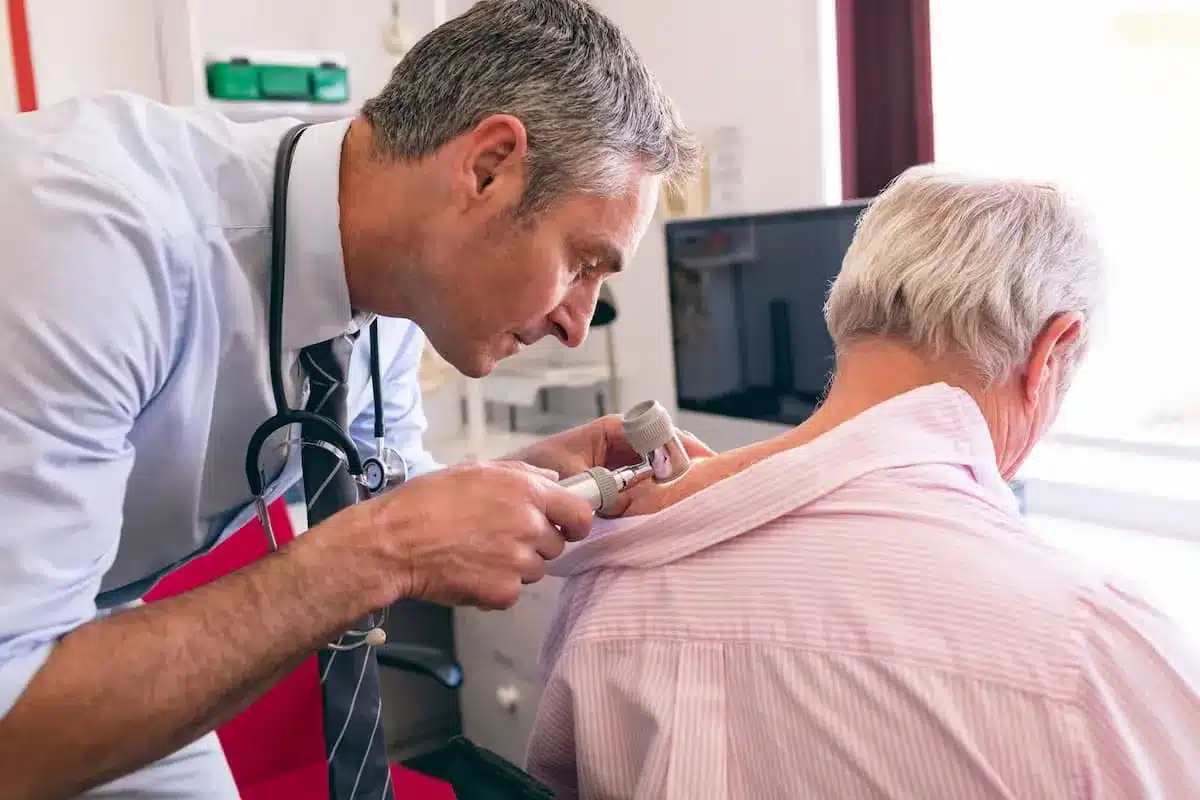
If you’re dealing with trapped gas symptoms like bloating or pelvic pain, see a doctor. They can find out why you’re feeling this way and suggest how to feel better.
Here are times when you should see a doctor:
- Severe abdominal pain
- Persistent bloating or distension
- Blood in the stool or vomit
- Fever or chills
- Difficulty passing gas or stool
Diagnostic Approaches
Doctors use several ways to figure out trapped gas. They’ll ask about your symptoms, what you eat, and your health history. They might also do a physical check to look for signs of trouble.
They might use tests like:
- Imaging studies (e.g., X-rays, CT scans)
- Endoscopy or colonoscopy
- Pelvic floor function tests
Differentiating Gas Pain from Other Pelvic Conditions
It can be hard to tell if you have trapped gas or another pelvic issue. Problems like IBS, PID, or endometriosis can also cause pain and discomfort.
Your doctor will use tests and your health history to figure out what’s going on. It’s important to tell them everything about your symptoms. This includes when they happen and what makes them better or worse.
Knowing how doctors diagnose problems can help you get the right treatment. It’s all about finding the right solution for your health.
Conclusion: Finding Long-Term Relief
Trapped gas in the pelvic area can be very uncomfortable. Knowing what causes it is the first step to feeling better. We’ve looked at how pelvic floor issues, what we eat, and our lifestyle play a part.
To find lasting relief, we need to tackle the root causes. This might mean working with a doctor to create a plan. This plan could include physical therapy, changing our diet, and learning to manage stress.
By making smart choices and getting help from experts, we can reduce gas symptoms. Improving our life quality comes from a mix of medical help and taking care of ourselves.
Getting rid of trapped gas for good is possible with the right approach. We urge those dealing with this issue to get help from doctors. Together, we can make a plan that works for you.
FAQ
What is trapped gas in the pelvic area?
Trapped gas in the pelvic area is when gas gets stuck. This causes discomfort, bloating, and pressure. It can happen for many reasons, like pelvic floor issues, what you eat, and some health problems.
What causes gas formation in the body?
Gas in the body is a normal part of digestion. Foods like beans and cabbage can make more gas. Swallowing air and breaking down nutrients also adds to gas.
How does pelvic floor dysfunction contribute to trapped gas?
Pelvic floor issues can trap gas. This is because the muscles that support the rectum and anal sphincters don’t work right. This makes gas stay, causing discomfort and other symptoms.
Can certain foods exacerbate trapped gas?
Yes, some foods can make trapped gas worse. Foods high in fiber, like beans and cabbage, can increase gas. Also, foods hard to digest, like dairy for those with lactose intolerance, can contribute to trapped gas.
How is trapped gas diagnosed?
Doctors use a few ways to find trapped gas. They look at your medical history and do a physical exam. They might also use tests like X-rays or ultrasound to see if gas is trapped.
Can trapped gas cause pelvic pain?
Yes, trapped gas can cause pelvic pain. The pain might be in the pelvic area or spread to the lower back or thighs. Sometimes, it’s hard to figure out where the pain comes from.
What are the treatment options for trapped gas?
There are a few ways to treat trapped gas. Changing your diet, doing pelvic floor physical therapy, and making lifestyle changes can help. Doctors might also suggest medicines or other treatments to help manage symptoms.
Can anxiety contribute to trapped gas?
Yes, anxiety can make trapped gas worse. Anxiety can tighten the pelvic muscles. This can make it harder for gas to move out.
How can I prevent trapped gas?
To avoid trapped gas, eat wisely, drink plenty of water, and live a healthy lifestyle. Avoid foods that cause gas, exercise often, and manage stress. These steps can help prevent trapped gas and its symptoms.
When should I consult a healthcare provider about trapped gas?
See a doctor if you have ongoing or severe trapped gas symptoms. This includes belly pain, bloating, or trouble passing gas. If you have health issues or concerns, it’s important to get medical help.
References
Government Health Resource. Evidence-Based Medical Guidance. Retrieved from https://gi.org/topics/gas-in-the-digestive-tract/