Last Updated on November 20, 2025 by Ugurkan Demir
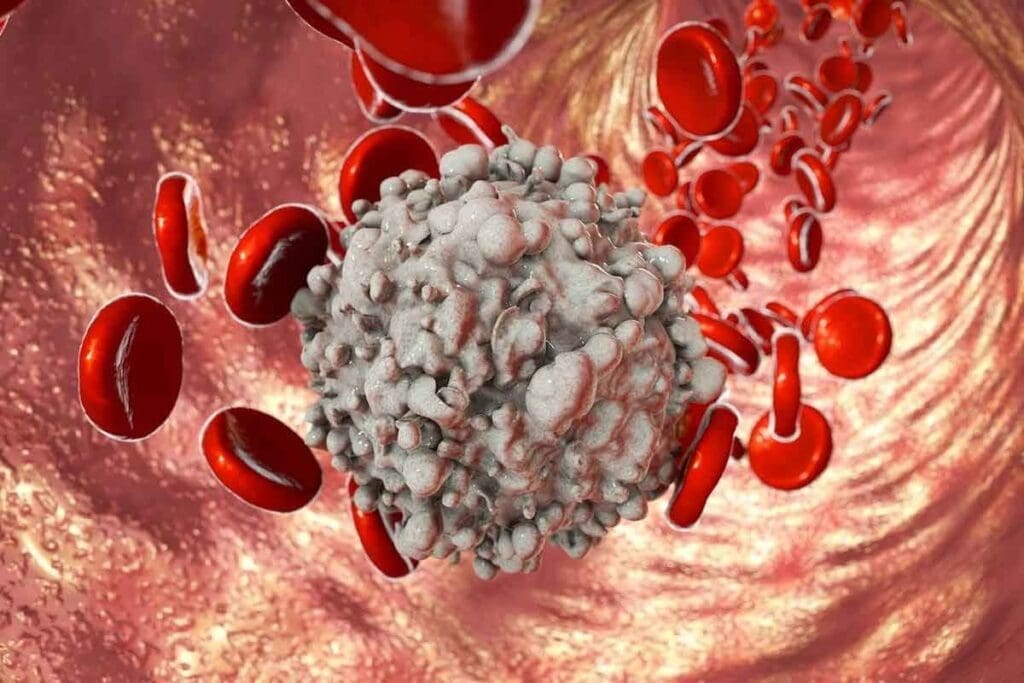
Leukemia is a complex group of blood cancers. They affect the body’s blood-forming tissues, like bone marrow and the lymphatic system. It’s not a single disease, but a collection of different cancers, each with its own challenges. At Liv Hospital, we offer world-class healthcare and support for international patients.
Patients and their families need to understand interesting facts on leukemia. This helps them navigate diagnosis and treatment options. We use the latest scientific discoveries to help those facing leukemia cancer.
Key Takeaways
- Leukemia is a group of blood cancers affecting blood-forming tissues.
- It’s a complex disease with various types and characteristics.
- Liv Hospital provides extensive care for international patients.
- Understanding leukemia is key to effective diagnosis and treatment.
- The latest scientific discoveries are being used to treat leukemia.
What Makes Leukemia Different From Other Cancers

Leukemia is not just one disease. It’s a group of blood cancers. This makes a big difference in how we diagnose, treat, and understand it. We’ll look at two important facts that show why leukemia is unique.
Fact 1: Leukemia Is a Group of Blood Cancers, Not a Single Disease
Leukemia includes several types of blood cancers. They are mainly divided by the type of blood cell affected and how fast the disease grows. The main types are Acute Lymphoblastic Leukemia (ALL), Acute Myeloid Leukemia (AML), Chronic Lymphocytic Leukemia (CLL), and Chronic Myeloid Leukemia (CML).
Each type has its own symptoms and treatment. Knowing these differences is key to managing and treating the disease well.
Fact 2: Leukemia Affects Blood Cell Production in Bone Marrow
Leukemia affects the bone marrow, where blood cells are made. It causes the marrow to make abnormal white blood cells. These cells don’t work right.
This can cause problems like anemia, infections, and bleeding issues. The bad cells also take up space in the marrow. This makes it hard for the body to fight off infections and heal.
Understanding how leukemia affects blood cell production is important. It helps us see why targeted treatments are needed. It also shows why early diagnosis and treatment are critical to stop the disease from getting worse.
The Surprising Prevalence of Leukemia
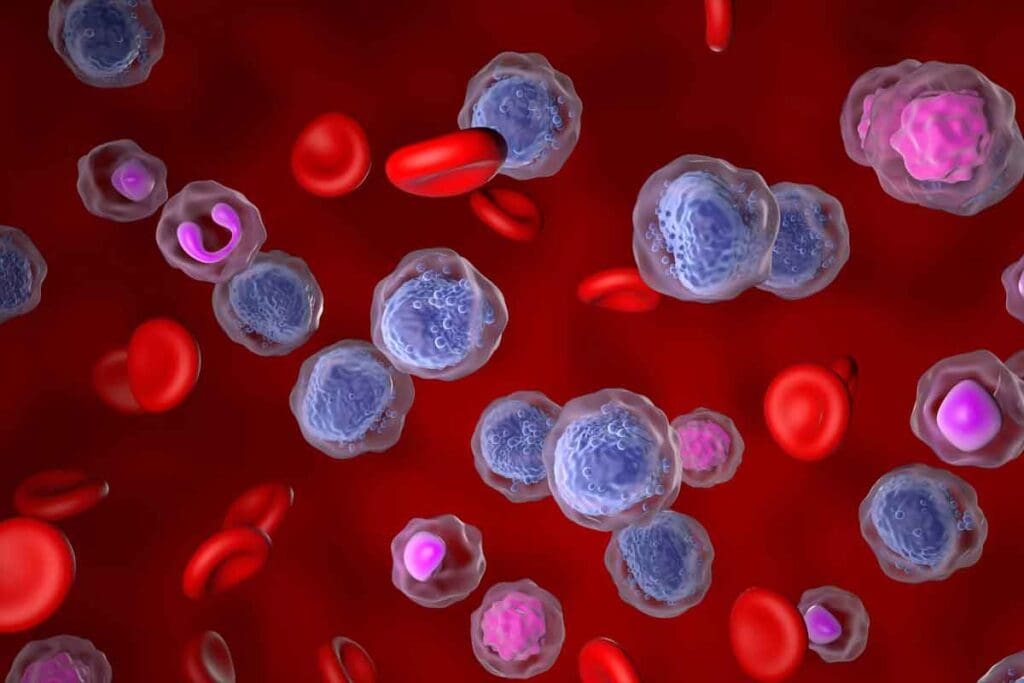
Leukemia is often seen as rare, but it’s actually a big part of new cancer cases. It’s more common than many think, affecting public health a lot.
Leukemia’s numbers are quite striking. It makes up 3.3% of all new cancer cases in the US. This might seem small, but it means a lot of people are dealing with it.
Fact 3: Leukemia Accounts for 3.3% of All New Cancer Cases in the US
This shows how important leukemia is for public health. Cancer is a big killer worldwide, and leukemia is a big part of that.
Fact 4: 66,890 New Cases Expected in 2025
Experts predict about 66,890 new leukemia cases in the US by 2025. This shows we need more research into leukemia.
These numbers are more than just stats. They’re about people and families touched by leukemia. We must keep supporting research and awareness to fight this disease.
Looking into leukemia facts shows how key understanding its spread is. By knowing its scope, we can improve health strategies and support those affected.
- Leukemia is a big public health worry because of its commonness.
- It hits thousands of people around the world every year.
- We need to keep researching to find better ways to diagnose and treat it.
In summary, leukemia’s widespread nature is key to understanding it. By looking at the stats and facts, we can see its big impact on health worldwide.
Age and Demographic Patterns
Leukemia is a complex disease with different patterns in various age groups. Age is key in how the disease is diagnosed, progresses, and treated.
Fact 5: Over 90% of Leukemia Cases Occur in Adults Over 20
Many think leukemia is a children’s disease, but it mainly affects adults. Over 90% of cases are in people over 20, with most being over 60. This shows why adults, as they get older, need to be aware and get screened.
Fact 6: Different Types of Leukemia Affect Different Age Groups
Each type of leukemia affects different ages. For example, Acute Lymphoblastic Leukemia (ALL) is common in kids under 5. Acute Myeloid Leukemia (AML) is more common in older adults. Chronic Lymphocytic Leukemia (CLL) and Chronic Myeloid Leukemia (CML) are found in adults, with CLL more common in the elderly.
Here’s a table showing the age ranges for different leukemia types:
| Type of Leukemia | Typical Age Group | Characteristics |
| Acute Lymphoblastic Leukemia (ALL) | Children under 5 | Rapid progression requires immediate treatment |
| Acute Myeloid Leukemia (AML) | Older adults | Aggressive, often requires intensive chemotherapy |
| Chronic Lymphocytic Leukemia (CLL) | Older adults | Slow progression, often monitored |
| Chronic Myeloid Leukemia (CML) | Adults | Slow progression, managed with targeted therapy |
Knowing these patterns helps doctors tailor treatments. By understanding which age groups are most affected, we can give better care and improve outcomes.
The Four Major Types of Leukemia
Leukemia is divided into four main types. These types are based on the cell type affected and how fast the disease progresses. Each type affects either lymphoid or myeloid cells, leading to four main categories.
Acute Lymphoblastic Leukemia (ALL)
Acute Lymphoblastic Leukemia (ALL) is a fast-moving leukemia. It affects lymphoid cells, which are key for our immune system. ALL is common in kids, but also happens in adults.
Acute Myeloid Leukemia (AML)
Acute Myeloid Leukemia (AML) is a fast-moving leukemia that affects myeloid cells. These cells help make different types of blood cells. AML makes too many abnormal cells, stopping normal blood cell production. It’s more common in adults and can be caused by genetic changes or chemicals.
Chronic Lymphocytic Leukemia (CLL)
Chronic Lymphocytic Leukemia (CLL) is a slow-moving leukemia. It builds up mature lymphocytes in the blood and bone marrow. CLL is common in older adults and can progress slowly, sometimes allowing for a “watch and wait” approach.
Chronic Myeloid Leukemia (CML)
Chronic Myeloid Leukemia (CML) is a slow-moving leukemia that affects myeloid cells. It causes too many white blood cells in the blood. CML is linked to a specific genetic change called the Philadelphia chromosome. New treatments have greatly improved CML management.
Each type of leukemia has its own traits and needs a specific treatment plan. Knowing the exact type of leukemia is key to finding the best treatment.
Treatment Approaches and Misconceptions
Many people think you need to start treatment right away for leukemia. But the truth is, treatment plans vary a lot. This depends on the type of leukemia, how advanced it is, and the patient’s health.
Fact 7: Not All Leukemia Requires Immediate Treatment
Leukemia is a complex disease. Its treatment isn’t the same for everyone. Some types of leukemia grow slowly. In these cases, doctors might not rush to start treatment.
They might suggest watching the disease for a while. This lets doctors:
- Avoid unnecessary treatment side effects
- Closely monitor the disease’s progression
- Intervene at the most appropriate time
Fact 8: “Watch and Wait” Is Sometimes the Best Approach
The “watch and wait” or “active surveillance” strategy is used for some leukemia patients. It involves regular check-ups and tests to keep an eye on the disease.
Key parts of this approach include:
- Regular monitoring of blood cell counts
- Periodic bone marrow biopsies
- Imaging tests as needed
This strategy helps avoid over-treatment. It shows the importance of care tailored to each patient.
It’s important for patients to know that a “watch and wait” approach doesn’t mean they’re not being treated. It means they’re being closely watched. This can help reduce anxiety and make patients feel more at ease with their treatment plan.
Survival Statistics That May Surprise You
Leukemia survival rates have improved a lot in recent years. This gives hope to those affected by the disease. New treatments and better care are making a big difference.
The five-year survival rate for leukemia patients is about 67.8%. This means over two-thirds of people with leukemia can live for at least five years after being diagnosed. This shows how far we’ve come in fighting this tough disease.
Improving Survival Rates
The five-year survival rate is very important. It shows how well treatments and care are working. Here are some important points:
- The overall five-year survival rate has gone up, thanks to better treatments.
- Leukemia types have different survival rates. Some have seen bigger improvements than others.
- Finding and treating leukemia early is key to better survival rates.
Declining Death Rates
Death rates from leukemia are also going down. They are dropping by 1.8% each year. This is due to:
- New targeted therapies and treatments.
- Better care and support for patients.
- Understanding the disease better leads to better management.
These numbers show we’re making progress against leukemia. As we learn more and improve treatments, we’ll see even better survival rates and outcomes for patients.
Interesting Facts on Leukemia in Children
Childhood leukemia, like Acute Lymphoblastic Leukemia (ALL), is a big win in medicine. New treatments have greatly helped kids with this disease.
Cure Rates for Childhood ALL
One amazing fact is that most kids with ALL can be cured. 80-90% of children diagnosed with ALL can be cured today. This shows how far we’ve come in fighting this disease.
Children’s Response to Treatment
Children often do better with leukemia treatment than adults. They are healthier and the disease acts differently in them. So, children are more likely to get better and live with leukemia.
| Age Group | Cure Rate for ALL | Response to Treatment |
| Children (0-19) | 80-90% | Very Good |
| Adults (20-59) | 40-50% | Good |
| Adults (60+) | 10-20% | Fair |
These numbers show why we need more research and treatments for all ages. By understanding these differences, we can help more people, no matter their age.
The Frequency of Blood Cancer Diagnosis
Every three minutes, someone in the US is diagnosed with a blood cancer. This shows how common these diseases are. It also shows how much they affect public health.
Blood cancers, like leukemia, lymphoma, and myeloma, are a big worry. They affect many people. Knowing how many are diagnosed is key to spreading the word and finding cures.
Someone Is Diagnosed Every Three Minutes in the US
Every three minutes, someone in the US gets diagnosed with blood cancer. This means a lot of people get sick every year. We need to keep studying these diseases to find better treatments.
Key statistics include:
- A lot of new cases are diagnosed every day in the US.
- Blood cancers hit people of all ages, from kids to seniors.
- The number of diagnoses varies by type of blood cancer.
Leukemia, Lymphoma, and Myeloma Combined Statistics
Looking at leukemia, lymphoma, and myeloma together shows an even bigger picture. These blood cancers make up a big part of cancer cases and deaths.
Combined, they:
- Make up a big part of blood cancers.
- Have different survival rates based on type and stage at diagnosis.
- Need different treatments, like chemo, radiation, and targeted therapies.
Understanding these combined statistics is key for doctors, researchers, and patients. It helps with planning, finding treatments, and raising awareness about these diseases.
Research Breakthroughs Changing Outcomes
Recent discoveries in leukemia research are changing how we treat the disease. We’re seeing big improvements in treatments that help patients live longer and better lives.
Targeted Therapies
Targeted therapies are key in fighting leukemia. They attack specific problems in the disease, unlike old treatments. For example, tyrosine kinase inhibitors (TKIs) have changed how we treat Chronic Myeloid Leukemia (CML).
These new treatments are making patients feel better and have fewer side effects.
Immunotherapy Advances
Immunotherapy uses the body’s immune system to fight cancer. CAR-T cell therapy, a type of immunotherapy, is working well against some leukemias, like Acute Lymphoblastic Leukemia (ALL). We’re also looking into other ways to boost treatment results.
Gene Therapy Promise
Gene therapy is a new hope for treating leukemia. It aims to fix the genetic problems that cause the disease. Early tests show promise, and we’re excited for what’s to come.
These breakthroughs are not just better treatments. They’re also helping us learn more about leukemia. As we keep pushing forward, we expect even better results for patients.
Risk Factors and Prevention
Leukemia’s exact cause is unknown, but some risk factors have been found. Knowing these can help prevent and detect leukemia early.
Previous Cancer Treatments and Leukemia Risk
Chemotherapy and radiation therapy can raise leukemia risk. These treatments kill cancer cells but can harm healthy cells too. This can lead to secondary cancers like leukemia.
Cancer treatment survivors need to talk to their doctors about follow-up care. This includes checking for secondary leukemia and how to monitor it.
Genetic and Environmental Factors
Genetic disorders, like Down syndrome, and certain genetic mutations increase leukemia risk. Exposure to toxins, like benzene, also raises the risk.
Environmental factors, like radiation, also affect leukemia risk. For example, those exposed to high radiation, like nuclear accident survivors, face a higher risk.
While some risks can’t be avoided, knowing them helps in prevention and early detection. We suggest talking to a healthcare professional about any leukemia risk concerns.
Conclusion: The Evolving Landscape of Leukemia Treatment
As we’ve looked into leukemia facts and interesting facts, it’s clear the field is moving fast. Our knowledge of the disease has grown, leading to new treatments and better results for patients.
The future of treating leukemia is bright, with new therapies like immunotherapy and targeted therapy on the horizon. These include antibody-based therapies, bispecific antibodies, and CAR-T therapy. They aim to fight the disease more effectively.
These new treatments might raise costs, but they could greatly benefit patients. As research keeps advancing, we’ll see even better treatments and higher survival rates for those with leukemia.
By keeping up with the latest cancer leukemia facts and research, patients and doctors can work together. This will help navigate the changing world of leukemia treatment and improve outcomes.
FAQ
What is leukemia?
Leukemia is a type of blood cancer. It affects the body’s blood-making tissues. This includes bone marrow and the lymphatic system.
How common is leukemia?
Leukemia is a common cancer in the US. It makes up 3.3% of all new cancer cases. About 66,890 new cases are expected in 2025.
What are the different types of leukemia?
There are four main types of leukemia. These are Acute Lymphoblastic Leukemia (ALL), Acute Myeloid Leukemia (AML), Chronic Lymphocytic Leukemia (CLL), and Chronic Myeloid Leukemia (CML).
Does leukemia always require immediate treatment?
No, not all leukemia needs urgent treatment. Some types, like slow-progressing ones, might just need to be watched and waited on.
What are the survival statistics for leukemia?
The five-year survival rate for leukemia patients is about 67.8%. Death rates from leukemia are dropping by 1.8% each year.
How does leukemia affect children?
Childhood Acute Lymphoblastic Leukemia (ALL) has high cure rates. These range from 80-90%. Kids often respond better to treatment than adults.
What are the risk factors for developing leukemia?
Certain factors can raise your risk of getting leukemia. These include past cancer treatments, genetic disorders, and exposure to toxins.
Is leukemia a rare disease?
No, leukemia is not rare. In the US, someone gets diagnosed with blood cancer, including leukemia, every three minutes.
What are the latest advancements in leukemia treatment?
New treatments like targeted therapies, immunotherapy, and gene therapy are helping. They are improving outcomes for leukemia patients.
Can leukemia be prevented?
Some risk factors can’t be avoided. But knowing them helps. Regular check-ups can catch leukemia early, which is key to prevention.
References
- Pulte, D., et al. (2013). Recent trends in survival of adult patients with acute lymphoblastic leukemia. Leukemia & Lymphoma, 54(9), 1904-1908.
- Global Cancer Observatory. (2023). Leukaemia fact sheet. World Health Organization / International Agency for Research on Cancer.