Last Updated on November 27, 2025 by Ugurkan Demir
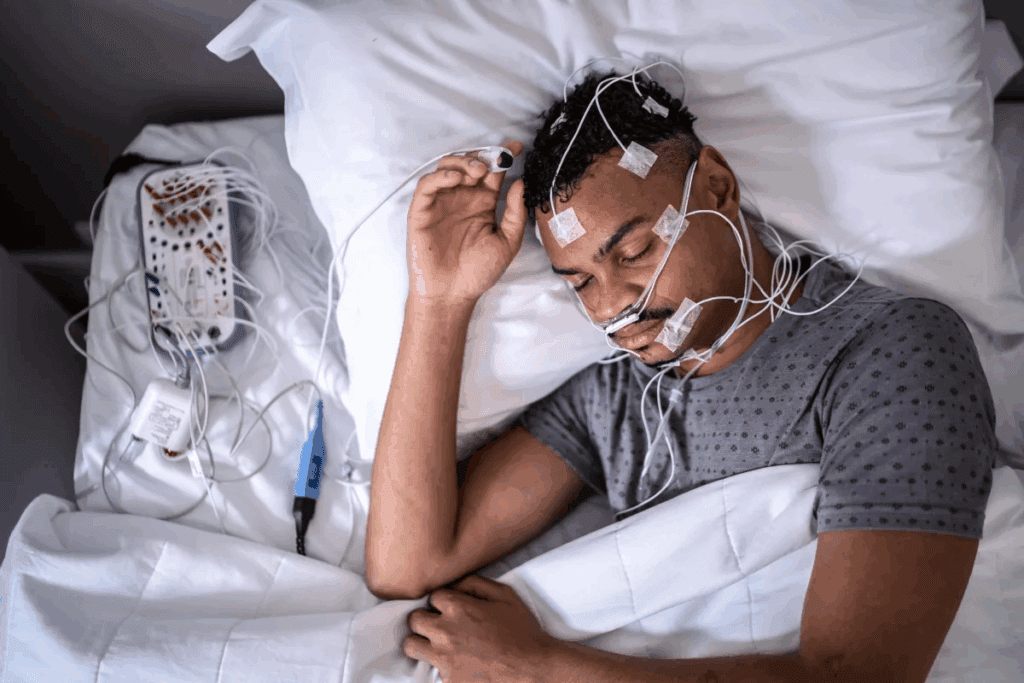
Millions of people worldwide struggle with sleep apnea. Many give up on CPAP treatment because it’s uncomfortable and inconvenient. If you’re among the 30 to 40 percent who can’t stand CPAP devices, there are better options out there.
We know traditional sleep apnea treatment has its limits. That’s why we’re looking into five effective alternatives. From FDA-approved internal nerve stimulation devices to custom oral appliances, we aim to help you find a solution that works.
The term “internal cpap” is often used to describe surgical implants. Learn the 5 best alternatives for sleep apnea.
Key Takeaways
- Effective alternatives to CPAP therapy can significantly improve sleep quality.
- FDA-approved internal nerve stimulation devices offer a promising solution.
- Custom oral appliances provide a comfortable and convenient treatment option.
- Several alternatives are available for those who struggle with traditional CPAP devices.
- Consulting a healthcare professional is essential to determine the best treatment plan.
Understanding Sleep Apnea and Its Impact
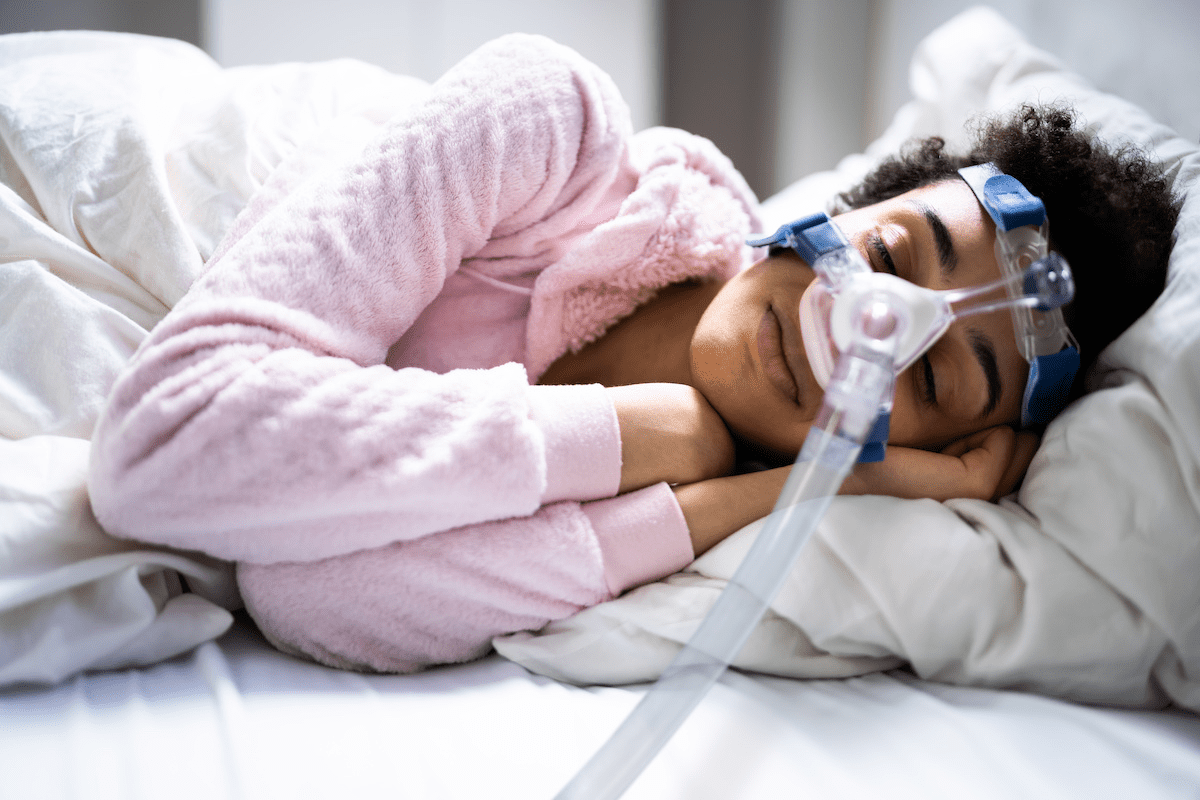
Sleep apnea affects more than just sleep. It impacts health and well-being. It’s when breathing stops and starts during sleep, breaking the normal sleep cycle. This can cause health problems if not treated.
The Prevalence of Sleep Apnea in the United States
Sleep apnea is more common than many think. Studies show 10% to 30% of adults in the U.S. have it. This shows the need for awareness and sleep apnea treatment options.
It can happen to anyone, at any age. But, being overweight, older, or having a family history can raise your risk.
Health Consequences of Untreated Sleep Apnea
Untreated sleep apnea can lead to serious health issues. Some risks include:
- Cardiovascular disease: The breathing stops can cause high blood pressure and heart disease.
- Daytime sleepiness: It can make you very tired during the day, affecting work and daily life.
- Metabolic changes: Sleep apnea can lead to insulin resistance and type 2 diabetes.
- Cognitive impairment: It can also harm memory and concentration.
Knowing these risks shows why finding sleep apnea solutions is key. There are many treatments, from lifestyle changes to medical options, including the newest treatment for sleep apnea.
By treating sleep apnea, people can reduce its health effects and improve their life quality.
Why Many Patients Seek CPAP Alternatives
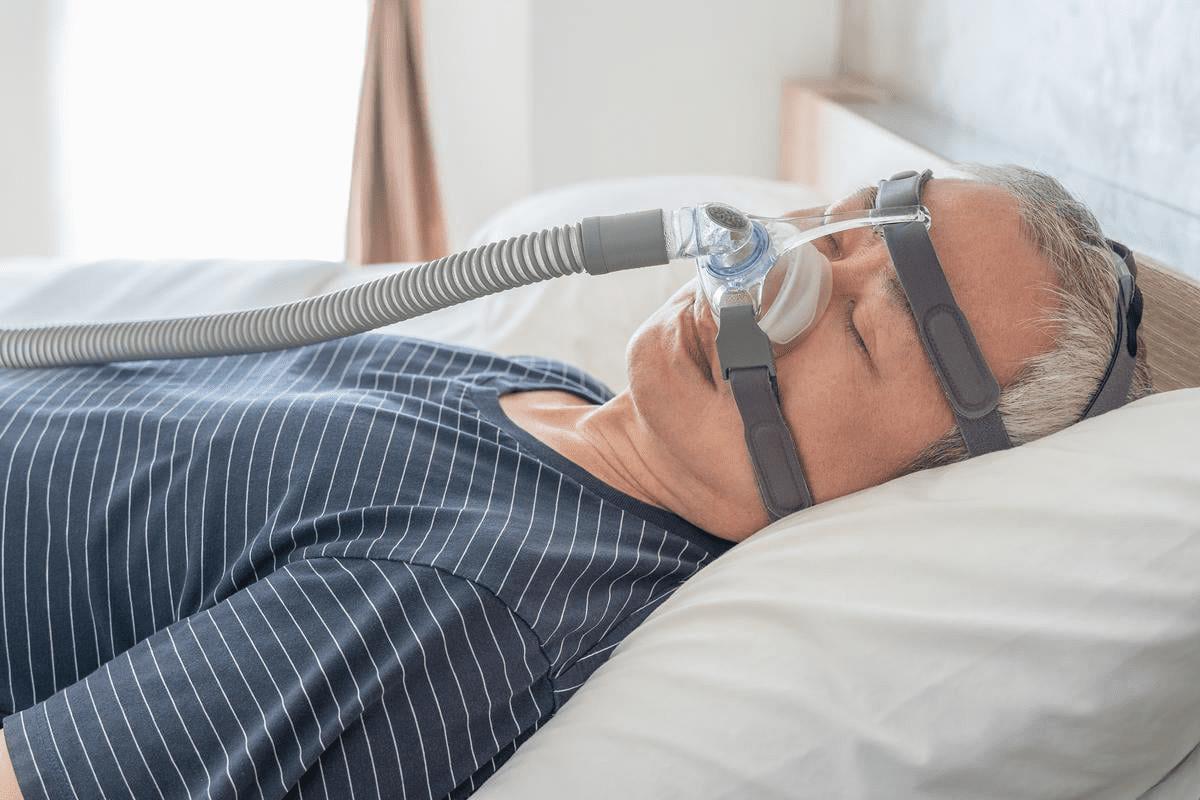
Many patients look for other treatments because of CPAP’s limits. Research shows that 30 to 40 percent of those given CPAP don’t stick with it. This is mainly because of discomfort and tolerance problems.
Common CPAP Compliance Issues
Several reasons lead to low CPAP use rates. Discomfort is a big problem, causing skin irritation and feeling trapped. The CPAP machine’s noise also bothers both the user and their partner.
Traveling with a CPAP machine and needing a power source are other barriers. Some patients also face air leaks or dry mouth, making treatment harder.
The Need for Effective Alternative Treatments
There’s a strong need for better treatments because of CPAP’s issues. Patients want best alternatives to CPAP that work well without the hassle and discomfort.
Options like APAP for sleep apnea are more comfortable and flexible. Other choices, like oral appliances and positional therapy, meet specific patient needs.
For those looking for sleep apnea treatment near me, talking to sleep specialists is key. They can find the best alternative based on individual needs and sleep apnea severity.
Alternative #1: Inspire Upper Airway Stimulation
For those with moderate to severe sleep apnea, the Inspire Upper Airway Stimulation device is a game-changer. It’s an FDA-approved, implantable nerve stimulator. It has shown great promise in boosting sleep quality and lessening sleep apnea symptoms.
Inspire Sleep Device Mechanism
The Inspire device stimulates the hypoglossal nerve, which controls the tongue. It detects breathing patterns during sleep and sends mild stimulation. This keeps the airway open, preventing sleep apnea episodes.
Key Benefits: The Inspire device beats traditional CPAP therapy in many ways. It’s more comfortable, has fewer side effects, and patients stick to it better. People have seen big improvements in their sleep and overall health.
“The Inspire Upper Airway Stimulation system is a game-changer for sleep apnea treatment, providing a safe and effective alternative to CPAP therapy.” – Dr. [Last Name], Sleep Specialist
Clinical Evidence and Outcomes
Studies have shown the Inspire device’s success in lowering sleep apnea severity. A New England Journal of Medicine study found it greatly reduced apnea-hypopnea index (AHI) compared to sham treatment.
Treatment Outcome | Inspire Device | Sham Treatment |
AHI Reduction | 68% | 6% |
Oxygen Desaturation Index (ODI) Reduction | 70% | 8% |
While the Inspire device has many benefits, it’s important to know its risks and limits. These include surgical complications, device failure, or temporary discomfort. It’s key to talk to a sleep specialist to see if it’s right for you.
As with any medical treatment, individual results may vary, and careful patient selection is critical for the best results.
Alternative #2: Oral Appliances for Sleep Apnea
Oral appliances are a good choice for those who don’t like CPAP therapy. They help keep the airway open by moving the lower jaw forward. This makes sleep apnea symptoms less severe.
These devices are great for people with mild to moderate sleep apnea. They are more comfortable than CPAP machines. This makes it easier for patients to stick with their treatment.
Custom-Fitted Mandibular Advancement Devices
Custom-fitted mandibular advancement devices are made just for you. They move your lower jaw forward. This keeps your airway open while you sleep.
Studies show these devices work well for sleep apnea. They cut down on apneic events and improve sleep quality. They also reduce snoring.
Key Features of Custom-Fitted Mandibular Advancement Devices:
- Custom-made to fit the individual’s mouth
- Adjustable to accommodate changes in the jaw position
- Designed for comfort and durability
Device Type | Custom-Fitted | Over-the-Counter |
Comfort Level | High | Variable |
Effectiveness | High | Moderate |
Cost | Higher | Lower |
Before trying oral appliances, talk to a healthcare professional. They can help pick the best one for you. This depends on how bad your sleep apnea is and what you prefer.
Alternative #3: Auto-Adjusting Positive Airway Pressure (APAP)
APAP devices are a great option for those looking beyond traditional CPAP therapy. They adjust air pressure as needed, making treatment more personal for sleep apnea patients.
APAP devices are great for people whose sleep apnea changes throughout the night. They keep the air pressure right, ensuring a better night’s sleep.
Key Features of APAP Devices
APAP devices have some standout features:
- Real-time adjustments: They adjust air pressure as you sleep, matching your needs.
- Personalized treatment: They adapt to your specific sleep apnea needs, providing a tailored approach.
- Enhanced comfort: Adjusting pressure levels can make you more comfortable, improving therapy compliance.
Popular APAP Devices
Two top APAP devices are the ResMed AirSense 10 AutoSet and the Philips Respironics DreamStation. Both offer advanced technology and better comfort.
The ResMed AirSense 10 AutoSet is known for its small size and smart algorithms. It also has a built-in humidifier for extra comfort.
The Philips Respironics DreamStation is another top choice. It has a modular design for easy upgrades and customization. It also has a heated humidifier and Wi-Fi for tracking data.
Choosing APAP therapy? Talk to a healthcare professional to find the best device for you.
Alternative #4: Positional Therapy Devices
Positional therapy devices are a good option for sleep apnea, mainly for those who sleep on their backs. These devices help prevent sleeping on the back, which can reduce apnea episodes.
Philips NightBalance and Slumberbump
The Philips NightBalance and Slumberbump are two examples of these devices. The Philips NightBalance is a wearable that helps users change positions during sleep. It’s made to be comfortable and not bother you too much.
The Slumberbump is a simple device that vibrates when you roll onto your back. It attaches to your clothes or belt. This vibration helps you switch positions and reduce sleep apnea.
Key Benefits of Positional Therapy Devices:
- Non-invasive and comfortable to wear
- Effective for positional sleep apnea
- Easy to use and integrate into daily sleep routine
Positional therapy devices are a promising solution for some. But, it’s important to talk to a healthcare professional. They can help find the best treatment for you based on your needs and sleep apnea severity.
Alternative #5: Internal CPAP and Emerging Technologies
Internal CPAP devices are becoming a new hope for sleep apnea treatment. They aim to offer better and easier ways to manage the condition for patients.
Devices like the airing Micro-CPAP are big steps forward in treating sleep apnea. They are made to be more comfortable and less noticeable than old CPAP machines.
Minimally Invasive Solutions
The airing Micro-CPAP is a standout in new sleep apnea treatments. It’s small, portable, and simple to use. This makes it a great choice for those who find traditional CPAP hard to handle.
The benefits of internal CPAP devices include:
- Increased comfort: They are smaller and less intrusive than traditional CPAP machines.
- Improved compliance: They are easier to use, which might lead to better treatment adherence.
- Enhanced portability: They are made for travel, making it easier to keep up with treatment while on the move.
Even with their promise, it’s important to look at their limits and the need for more research. This will help us understand how well they work and any possible downsides.
Future Directions
As research goes on, we’ll see more improvements in internal CPAP technology and other sleep apnea treatments. These advancements could greatly improve life for those with sleep apnea.
Some key areas of ongoing research include:
- Improving device comfort and usability.
- Enhancing the effectiveness of internal CPAP devices.
- Exploring new materials and technologies to further miniaturize and improve these devices.
By keeping up with these advancements, healthcare providers can give their patients the best care. They can use the most effective and innovative treatments available.
Surgical Options for Sleep Apnea Treatment
Surgical treatments for sleep apnea are becoming more common. They offer hope to those who haven’t found relief with other treatments. Surgery is considered when lifestyle changes and non-invasive treatments don’t work.
Uvulopalatopharyngoplasty (UPPP)
Uvulopalatopharyngoplasty, or UPPP, removes excess throat tissue to widen the airway. It’s for those with sleep apnea due to throat tissue. UPPP can lessen sleep apnea, but it might not stop it completely.
Maxillomandibular Advancement (MMA)
Maxillomandibular advancement moves the upper and lower jaws to open the airway. It’s for severe sleep apnea cases. MMA is effective but needs a long recovery and is considered last.
Hypoglossal Nerve Stimulation
Hypoglossal nerve stimulation is a new treatment. It implants a device to move the tongue and keep the airway open. It’s good for those who can’t use CPAP or other treatments.
Each surgery has its own benefits and risks. The right choice depends on the patient’s condition and history. Talking to a sleep specialist is key to finding the best surgery.
Lifestyle Modifications as Complementary Treatments
There are ways to help with sleep apnea that don’t involve medicine. Making lifestyle changes can help manage symptoms. These changes can also make other treatments work better.
Weight Management Strategies
Keeping a healthy weight is key for sleep apnea patients. Too much weight can make symptoms worse. Weight management strategies include eating right, exercising more, and other lifestyle changes.
- Eat a diet full of fruits, veggies, and whole grains
- Do regular physical activities like walking or swimming
- Stay away from quick diets and focus on losing weight slowly
Even a small weight loss of 5-10% can greatly improve sleep apnea symptoms.
Sleep Position Training
How you sleep can affect sleep apnea. Sleeping on your side can help. This is because it keeps your airway open better.
- Use a body pillow to stay on your side
- Try a device that stops you from sleeping on your back
- Put a tennis ball in a pocket on your back to stop rolling over
These methods can help you sleep better and reduce sleep apnea episodes.
Alcohol and Sedative Reduction
Drinking alcohol and taking sedatives can make sleep apnea worse. Cutting down or stopping these can help symptoms improve.
- Don’t drink alcohol close to bedtime
- Talk to a doctor about safer alternatives to sedatives
- Slowly stop taking sedatives with a doctor’s help
By making these lifestyle changes, people with sleep apnea can feel better and live a better life.
How to Choose the Right Alternative for Your Needs
First, understand how severe your sleep apnea is. There are many options, like Inspire Upper Airway Stimulation, oral appliances, and positional therapy devices. Choosing the right one can be tough.
When looking at CPAP alternatives, think about what you need based on your sleep apnea’s severity. Sleep apnea severity is key to picking the best treatment.
Factors to Consider Based on Sleep Apnea Severity
Mild, moderate, or severe sleep apnea needs different treatments. For mild, lifestyle changes and positional therapy might work. But for severe, treatments like Inspire Upper Airway Stimulation or surgery might be needed.
Sleep specialists say, “The severity of sleep apnea determines the treatment’s intensity.” This shows why getting a detailed diagnosis and talking to a healthcare expert is vital.
Consulting with Sleep Specialists
Talking to sleep specialists is a big step in finding the right CPAP alternative. They can give you advice tailored to your condition and medical history.
- Share your symptoms and worries with your sleep specialist.
- Get a detailed sleep study to find out how severe your sleep apnea is.
- Look at different treatment options with your specialist.
Trial Periods and Adaptation Considerations
Many CPAP alternatives let you try them out first. It’s important to remember that getting used to a new treatment takes time. Be patient.
“Adapting to a new sleep apnea treatment requires patience and commitment. It’s not just about trying something new; it’s about reclaiming a good night’s sleep.” – Sleep Apnea Expert
By thinking about these points and talking to sleep specialists, you can choose the best CPAP alternative for you.
Insurance Coverage and Cost Comparison
The cost of CPAP alternatives changes a lot, based on insurance and what you pay out-of-pocket. It’s key to know the financial side when looking at these options.
Medicare and Private Insurance Coverage
Insurance for CPAP alternatives varies a lot. Medicare and many private plans cover some, but how much can differ. For example, oral appliances might be covered by dental insurance, while upper airway devices might be under medical.
It’s smart to check with your insurance about each CPAP option. Some plans need you to get approval first or meet certain rules before they cover it.
Out-of-Pocket Expenses for Each Alternative
The costs you pay yourself for CPAP alternatives can be big and change based on what you choose. Oral appliances might cost for fitting, while Inspire Upper Airway Stimulation has surgery costs.
Cost Comparison Table
CPAP Alternative | Average Cost | Insurance Coverage | Out-of-Pocket Expenses |
Inspire Upper Airway Stimulation | $20,000 – $30,000 | Partially covered by many plans | $1,000 – $5,000 |
Oral Appliances | $1,500 – $3,000 | Covered under dental insurance | $500 – $1,500 |
Positional Therapy Devices | $100 – $500 | Partially covered by some plans | $50 – $200 |
Long-Term Cost Analysis
Looking at CPAP alternatives, think about the long-term costs. Some might cost more at first but could save money over time by needing less CPAP machine care and supplies.
For instance, devices like Inspire might need less upkeep than CPAPs, saving money over time. But, oral appliances might need adjustments or new ones, affecting their total cost.
Conclusion
Sleep apnea treatment has grown a lot, with many cpap alternatives available. Options like Inspire Upper Airway Stimulation, oral appliances, and internal cpaps are now available. This makes choosing the right one a bit tricky.
What treatment is best depends on your personal needs and how severe your sleep apnea is. It’s important to talk to sleep specialists to find the right fit. Your lifestyle, how severe your sleep apnea is, and what you prefer also matter a lot.
Knowing about the different treatments for sleep apnea helps you make better choices. Whether it’s auto-adjusting positive airway pressure devices or surgery, the goal is to improve your life and health.
We suggest that people with sleep apnea look into these options. Working with healthcare professionals can help find the best treatment for you.
FAQ
What are the most common alternatives to CPAP therapy for sleep apnea?
Alternatives to CPAP therapy include oral appliances and Inspire Upper Airway Stimulation. Auto-Adjusting Positive Airway Pressure (APAP) devices and positional therapy devices are also options. Lifestyle changes are another way to manage sleep apnea.
How does the Inspire Upper Airway Stimulation device work?
The Inspire device stimulates the hypoglossal nerve. This nerve controls the tongue’s movement. It keeps the airway open during sleep, reducing sleep apnea episodes.
Are oral appliances effective for treating sleep apnea?
Yes, oral appliances like mandibular advancement devices can treat mild to moderate sleep apnea. They advance the lower jaw to keep the airway open.
What is the difference between APAP and CPAP machines?
APAP machines adjust air pressure throughout the night. They adapt to changes in sleep position and airway resistance. CPAP machines provide a constant air pressure flow.
Can positional therapy devices really help with sleep apnea?
Yes, devices like Philips NightBalance and Slumberbump can prevent sleep apnea episodes. They encourage sleeping on the side instead of the back.
Are there any new sleep apnea devices or emerging technologies available?
Yes, new technologies like internal CPAP devices and minimally invasive solutions are being developed. They offer alternatives to traditional CPAP therapy.
How do I choose the right alternative to CPAP therapy for my needs?
Consider your sleep apnea severity, personal preferences, and consult sleep specialists. They can help find the best treatment option for you.
Will my insurance cover alternative sleep apnea treatments?
Insurance coverage varies by treatment and provider. Some alternatives, like oral appliances and Inspire therapy, might be covered under certain plans.
What lifestyle modifications can help manage sleep apnea?
Lifestyle changes like weight management and sleep position training can help. Reducing alcohol and sedative use also complements other treatments.
Are there any surgical options available for sleep apnea treatment?
Yes, surgical options like Uvulopalatopharyngoplasty (UPPP) and Maxillomandibular Advancement (MMA) are available. Hypoglossal Nerve Stimulation is another option. But, they carry risks and should be considered carefully.
Can I try out different alternatives before committing to one?
Yes, many alternatives, such as oral appliances and APAP devices, offer trial periods. This allows you to test their effectiveness before making a decision.
Reference
National Center for Biotechnology Information. (2025). 5 Best CPAP Alternatives for Sleep Apnea Treatment. Retrieved from https://www.ncbi.nlm.nih.gov/pmc/articles/PMC3738032/