Are you looking into fertility treatments but feeling lost? Intravaginal insemination (IVI) is a simpler, cheaper way to try for a baby. It’s a natural option for couples wanting to conceive.
At Liv Hospital, we focus on new ways to help with fertility. IVI is a simple method that puts sperm right where they need to be. It’s a gentler choice than in vitro fertilization (IVF) or intrauterine insemination (IUI).
Key Takeaways
- IVI is a noninvasive fertility treatment that can be done at home.
- It’s a natural and affordable option compared to other treatments.
- IVI has shown great success, making it a good first step for many.
- Liv Hospital offers IVI as part of our full fertility services.
- Our team is here to support you every step of the way.
Understanding intravaginal insemination

Exploring fertility treatments, we find intravaginal insemination (IVI) is key. It’s simple: sperm is placed directly into the vagina to help conceive. This differs from intrauterine insemination (IUI), where sperm goes into the uterus.
Definition and Basic Concept of IVI
Intravaginal insemination is a fertility treatment. It involves placing sperm directly into the vagina. This method is seen as more natural and less invasive than others.
IVI is suggested for those facing fertility issues. It can be done in a clinic or at home with proper guidance.
The success of IVI depends on timing and sperm quality. Knowing the woman’s ovulation cycle and having good sperm is essential. This makes IVI both simple and timing-critical.
Historical Development of Artificial Insemination Techniques
The history of artificial insemination spans centuries. Early attempts were found in various cultures. Modern techniques, like IVI, have improved a lot.
IVI emerged as a simpler, less invasive option. Medical advancements have made it more effective. It offers hope to those facing fertility challenges.
How Intravaginal Insemination Works

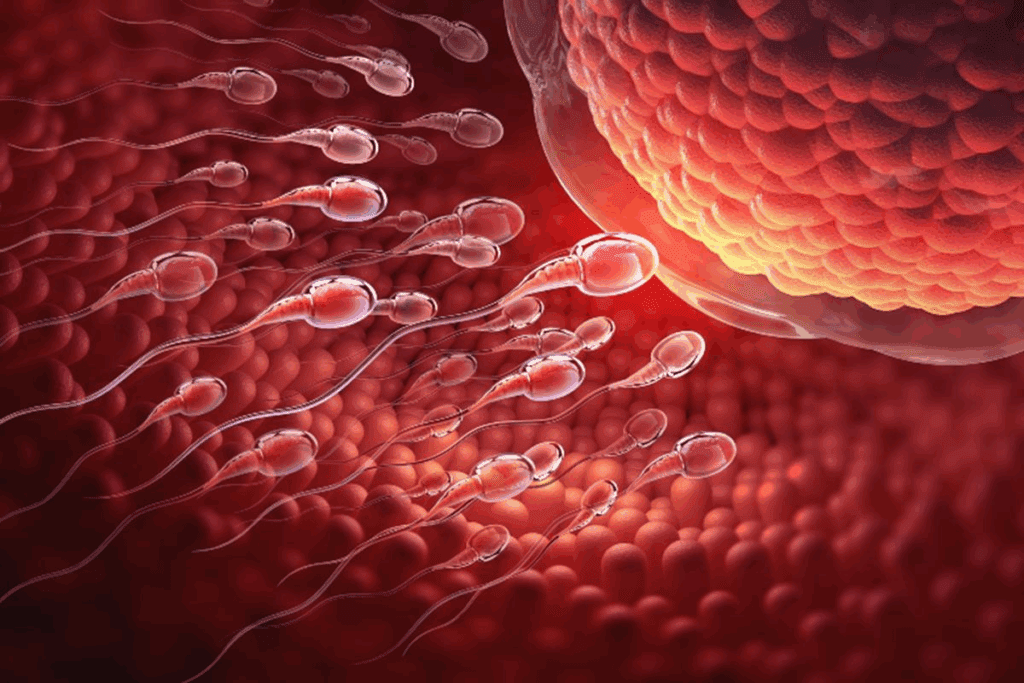
Intravaginal insemination (IVI) is a simple yet effective fertility treatment. It involves placing sperm directly into the vagina, near the cervix, to help fertilize an egg.
The Biological Process Behind IVI
IVI works by putting sperm into the vagina during the fertile window. This allows for natural fertilization to happen. The process includes several important steps:
- Sperm preparation: Sperm is washed and prepared to increase the chances of successful fertilization.
- Timing: Insemination is timed to coincide with ovulation, when the egg is released from the ovary.
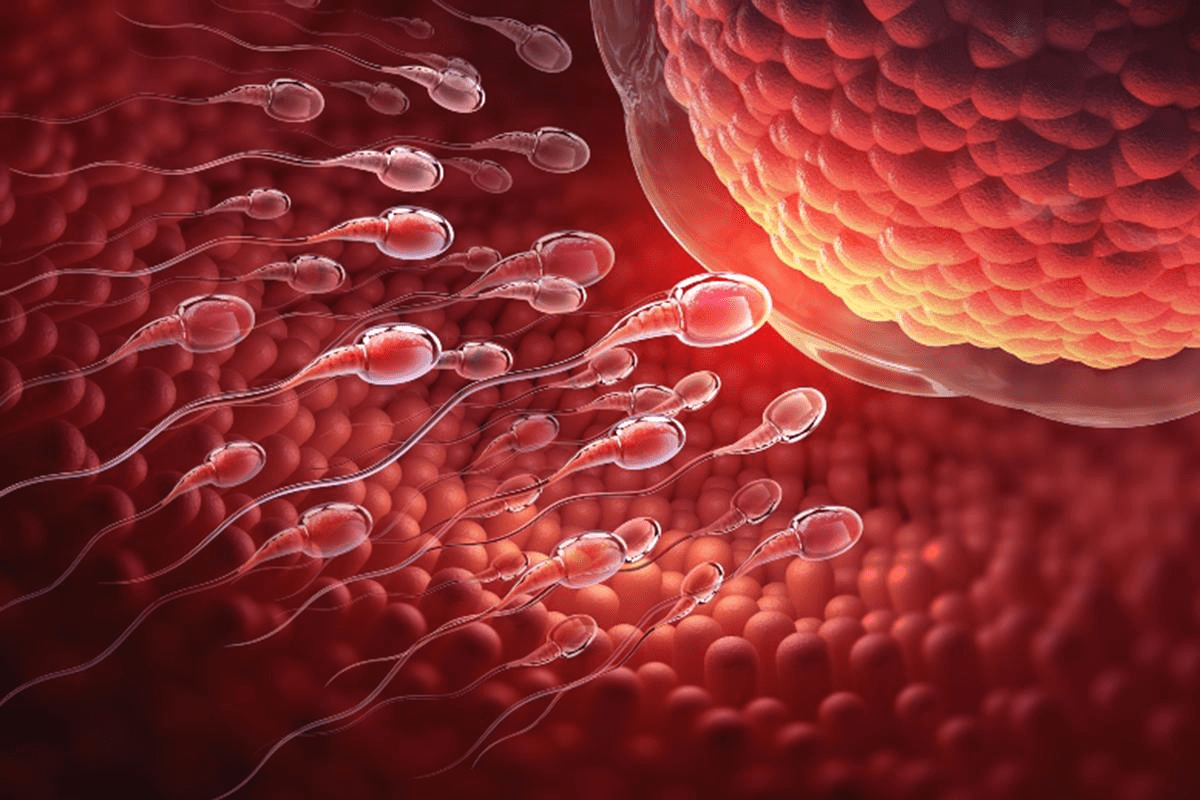
- Fertilization: Sperm travels through the cervix and uterus to reach the egg in the fallopian tube.
Timing is key in IVI. Knowing the menstrual cycle and tracking ovulation are vital for success.
Timing and Ovulation Tracking for Optimal Results
To get the best results from IVI, you need to track ovulation accurately. You can use:
- Basal body temperature tracking
- Ovulation predictor kits
- Ultrasound monitoring
At-home insemination works best right before, during, or after ovulation. Knowing your body’s signals and using the right tools can greatly improve your chances of fertilization.
| Ovulation Tracking Method | Description | Effectiveness |
|---|---|---|
| Basal Body Temperature | Tracking temperature changes to predict ovulation | Moderate |
| Ovulation Predictor Kits | Using urine tests to detect LH surge before ovulation | High |
| Ultrasound Monitoring | Direct visualization of follicle release | Very High |
What “Inseminated” Means in Medical Terms
In medical terms, “inseminated” means introducing sperm into the reproductive tract. In IVI, it means placing sperm directly into the vagina. This term is often used with “artificial insemination,” but IVI is specific to intravaginal insemination.
Knowing the terms helps understand the procedure and its goals. IVI is very effective for couples facing sexual dysfunction or other fertility challenges.
IVI vs. Other Fertility Treatments
When looking at fertility treatments, it’s key to know the differences between IVI, IUI, and IVF. Each has its own benefits and fits different needs and situations.
IVI vs. Intrauterine Insemination (IUI)
IVI and IUI help with getting pregnant. The main difference is how the sperm is placed. In IVI, sperm goes into the vagina. In IUI, a doctor puts sperm directly into the uterus.
This change affects how easy the procedure is and its cost.
Comparison of IVI and IUI:
| Characteristics | IVI | IUI |
|---|---|---|
| Sperm Placement | Vagina | Uterus |
| Procedure Complexity | Less invasive | More invasive, requires medical professional |
| Cost | Generally less expensive | More expensive due to medical procedure |
IVI vs. In Vitro Fertilization (IVF)
IVF is a more complex treatment. It involves fertilizing an egg outside the body and then transferring the embryo to the uterus. Unlike IVI, IVF doesn’t involve insemination.
The main differences between IVI and IVF include the complexity of the procedure, the cost, and the level of medical intervention required.
- IVI is less invasive and less expensive, making it a more accessible initial option for many.
- IVF offers higher success rates per cycle but is more costly and invasive.
When to Choose IVI Over Other Fertility Options
IVI is a cost-effective choice for those looking for a simpler first step in fertility treatment. It’s good for people with no known fertility issues or where a natural approach is preferred.
The choice between IVI, IUI, and IVF depends on many factors. These include medical history, the cause of infertility, and personal preferences. Always talk to a healthcare provider to find the best treatment plan.
Success Rates and Effectiveness of IVI Treatment
It’s important to know the success rates of IVI if you’re thinking about it. The results can change a lot based on several things. These include the semen quality, when the insemination happens, and the health of the person or couple.
Clinical Research and Pregnancy Statistics
Research shows IVI can be a good choice for fertility help. It has a pregnancy rate similar to other fertility treatments. Studies found a 40.3% pregnancy rate for IVI, with 66.7% getting pregnant in three cycles. These numbers are good news for those looking into IVI.
Factors Affecting IVI Success Rates
Many things can affect how well IVI works. Here are some key ones:
- Age: The woman’s age is very important because fertility goes down with age.
- Semen Quality: How good and active the sperm are can really impact chances of getting pregnant.
- Timing of Insemination: Getting the timing right with ovulation is key for better chances of pregnancy.
- Underlying Fertility Issues: Any fertility problems can also affect IVI success rates.
Multiple Cycle Attempts and Cumulative Success
Trying IVI more than once can lead to better success rates. Research shows that after six tries, the chances of getting pregnant can really add up. Here’s a table showing how success rates grow with more cycles:
| Cycle Number | Pregnancy Rate (%) | Cumulative Pregnancy Rate (%) |
|---|---|---|
| 1 | 15.2 | 15.2 |
| 2 | 18.5 | 33.7 |
| 3 | 20.1 | 53.8 |
| 4 | 12.8 | 66.6 |
| 5 | 8.5 | 75.1 |
| 6 | 5.2 | 80.3 |
The table shows that while each cycle’s success rate might change, the overall success rate goes up with more cycles. This gives hope to those trying IVI.
Who Should Consider Intravaginal Insemination
Intravaginal insemination (IVI) is a fertility treatment for many people and couples. It helps those who can’t conceive naturally. IVI is a good option for those looking for help.
Ideal Candidates for IVI Fertility Treatment
IVI works well for couples facing sexual issues. This includes problems like erectile dysfunction. It’s also good for those with unexplained infertility, as a first step before more complex treatments.
The best candidates for IVI are those with:
- A condition that stops natural conception
- Unexplained infertility and want a simple first treatment
- Have tried other fertility treatments without success
Medical Conditions Where IVI Is Recommended
IVI is suggested for some medical conditions. These include:
- Endometriosis: It’s a good option for mild to moderate cases.
- Ovulation Disorders: Women with irregular ovulation can benefit, if timed right.
- Cervical Factor Infertility: Issues with the cervix that stop conception can be overcome with IVI.
Sexual Dysfunction and Other Indications for IVI
Sexual problems, like erectile dysfunction, are a big reason for IVI. It helps conceive without needing natural sex. This way, it tackles the problem and helps with pregnancy.
Other reasons for IVI include:
- Same-sex couples wanting to conceive
- Single women wanting to get pregnant without a partner
- People or couples needing donor sperm
Knowing who IVI is for helps us support people on their path to parenthood. We can offer a treatment that fits their needs.
The IVI Procedure: Step-by-Step Guide
Understanding the IVI procedure is key for those thinking about it. It’s simple and doesn’t hurt much, making it popular. We’ll show you what happens from start to finish, including aftercare.
Preparation Before the Insemination Procedure
Before starting the IVI procedure, several steps are taken. This includes tracking ovulation to find the best time for insemination. Women might use special kits or ultrasounds to track when an egg is released.
Both partners also get health screenings to check for any problems. This could be a semen test for the man and a look at the woman’s medical history.
The Insemination Process: What to Expect
The insemination itself is easy. A soft-tipped syringe is used to put the semen near the cervix. It’s like using a tampon and doesn’t hurt.
At-home kits usually have a soft-tipped syringe and containers for the sample. It’s important to follow the kit’s instructions well to handle the sample right.
Post-Insemination Care and Follow-up
After insemination, there are steps to help success. These include staying calm for a bit and not doing too much for a day or two.
| Post-Insemination Care | Recommendation |
|---|---|
| Rest | Remain calm for 15-30 minutes |
| Activity Level | Avoid hard activities for 1-2 days |
| Follow-up | See your healthcare provider as advised |
Following these steps can help get the best results from the IVI procedure.
At-Home IVI vs. Clinical IVI
Choosing between at-home IVI and clinical IVI depends on personal preference and medical needs. At-home IVI lets you do fertility treatment at home, which is convenient. On the other hand, clinical IVI offers the safety of medical supervision.
DIY Intravaginal Insemination Kits and Tools
At-home IVI is possible with DIY intravaginal insemination kits. You can buy these online or at fertility clinics. These kits usually have a syringe for insemination and tools for tracking ovulation. It’s important to pick FDA-cleared kits for safety and effectiveness.
Safety Considerations for Home Insemination
At-home IVI is convenient but safety is key. Always follow the kit’s instructions and know the risks of misuse. If you have health concerns, talk to a doctor before using at-home IVI.
When Professional Medical Supervision Is Necessary
In some cases, you need professional medical supervision. This is true for those with fertility issues, medical history, or safety concerns. Clinical IVI is best in these situations, as it allows for medical monitoring and help when needed.
So, the choice between at-home IVI and clinical IVI depends on your situation. Always talk to a healthcare provider for advice.
Cost Considerations and Insurance Coverage for IVI
It’s important to know the costs of intravaginal insemination (IVI) before starting. This fertility treatment is more affordable than others. Let’s look at the costs and how they compare.
Average Costs of IVI Fertility Treatment
The price of IVI changes based on several things. These include the clinic, where you are, and if you need extra treatments. On average, it costs between $500 and $1,500 per cycle. This price includes the procedure, sperm preparation, and any needed talks with doctors.
What affects IVI costs includes the doctor’s experience, if you need extra fertility meds, and the type of sperm preparation used.
Comparing IVI Costs to IUI and IVF Expenses
Cost is a big deal when choosing fertility treatments. IVI is cheaper than In Vitro Fertilization (IVF). IVF can cost $15,000 to $20,000 or more per cycle. Intrauterine Insemination (IUI) is similar to IVI, costing $500 to $1,000 per cycle. But, costs can change based on the procedure’s complexity and extra treatments.
- IVI: $500 – $1,500 per cycle
- IUI: $500 – $1,000 per cycle
- IVF: $15,000 – $20,000+ per cycle
Insurance and Financing Options
Insurance for IVI varies a lot. Some plans cover it, while others don’t. It’s key to check with your insurance to see what’s covered.
There are financing options for fertility treatments too. Many clinics offer payment plans or packages to help make IVI more affordable. Some groups also offer grants or help with the costs of fertility treatments.
Knowing the costs of IVI and looking into insurance and financing can help you make a smart choice for your fertility treatment.
Conclusion: Is IVI Right for You?
Exploring intravaginal insemination (IVI) shows it might be right for you. It’s a popular choice for couples facing fertility issues. Knowing if IVI fits your needs is key.
Think about your medical history and the reasons behind your fertility problems. We’ve looked at how IVI compares to IUI and IVF. This helps you decide what’s best for you.
Choosing IVI should be a careful thought. It’s important to talk to a healthcare expert. They can help you figure out the best treatment for you.
Understanding IVI’s pros and cons helps you decide if it’s for you. It’s a big step towards starting a family.
FAQ
What does IVI stand for in fertility treatments?
IVI stands for Intravaginal Insemination. It’s a fertility treatment where sperm is inserted into the vagina.
What is the difference between IVI and IUI?
IVI means sperm is put into the vagina. IUI, or Intrauterine Insemination, puts sperm directly into the uterus.
How does IVI work?
IVI works by putting sperm into the vagina during the fertile window. This allows for natural fertilization to happen.
What is the meaning of “inseminated” in medical terms?
“Inseminated” means introducing sperm into the reproductive tract. This can be through IVI or other methods.
Is IVI a painful procedure?
Generally, IVI is not painful. It’s a minimal invasion and is straightforward.
What are the success rates of IVI?
IVI success rates vary. They depend on age, sperm quality, and timing. It can be effective for some fertility challenges.
Can I do IVI at home?
Yes, you can do IVI at home with DIY kits. But, it’s important to follow guidelines and think about safety and hygiene.
How much does IVI cost?
IVI costs vary. They depend on location, clinic, or if it’s done at home. It’s generally cheaper than IVF.
Is IVI covered by insurance?
Insurance coverage for IVI differs. It depends on your provider and policy. Always check with your insurance to see what’s covered.
When is IVI preferred over IVF?
IVI might be preferred for some. It’s less invasive and less expensive than IVF. It’s good for those with certain fertility challenges.
What are the advantages of IVI over other fertility treatments?
IVI is less invasive and less expensive. It’s also less emotionally taxing than IVF. This makes it a more accessible option for some.
References
National Center for Biotechnology Information. Intravaginal Insemination: A Simple, Natural Fertility Option. Retrieved from https://www.ncbi.nlm.nih.gov/pmc/articles/PMC8022094/