Last Updated on November 27, 2025 by Bilal Hasdemir
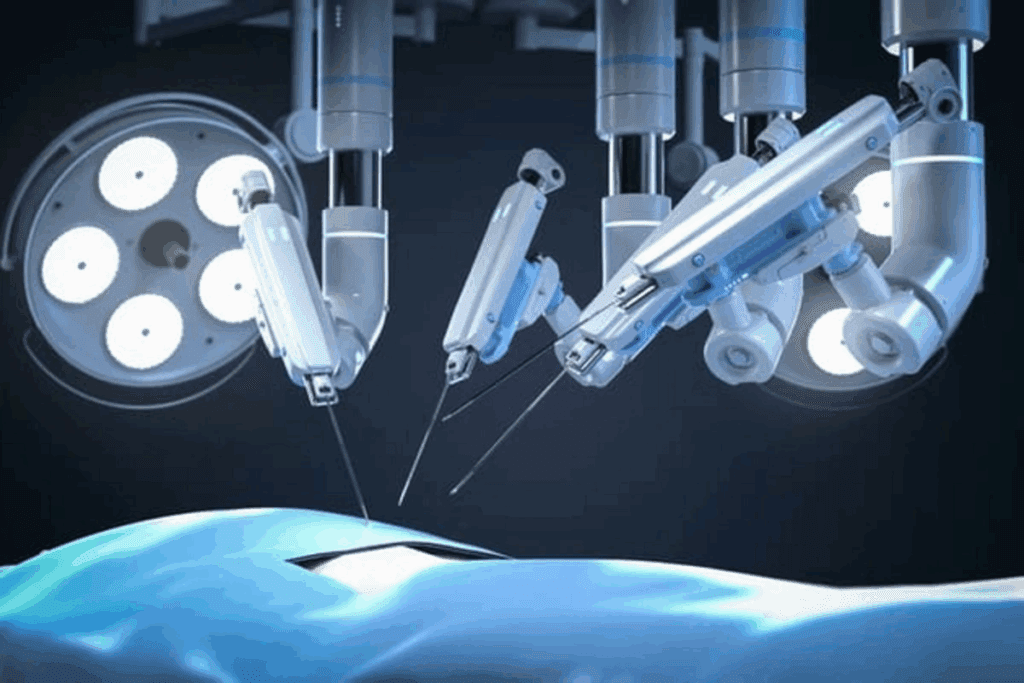
Robotic surgery has changed the medical world, bringing precision and less harm. But, like all new tech, it can fail. Over 6 million procedures have been done with the da Vinci system worldwide. Yet, some surgeries have gone wrong, causing serious problems.
We look into the dangers of robotic surgery, focusing on the Intuitive Surgical robot. We also talk about how to lower these risks. Our goal is to help patients get the best results, even in tough cases.
Key Takeaways
- Robotic surgery is getting more popular because it’s less invasive.
- The da Vinci system is a top choice for robotic surgery.
- Even with its benefits, robotic surgery can have risks and complications.
- It’s important for patients to know these risks before choosing robotic surgery.
- Getting full care and support is key to the best results.
Understanding the Intuitive Surgical Robot Technology
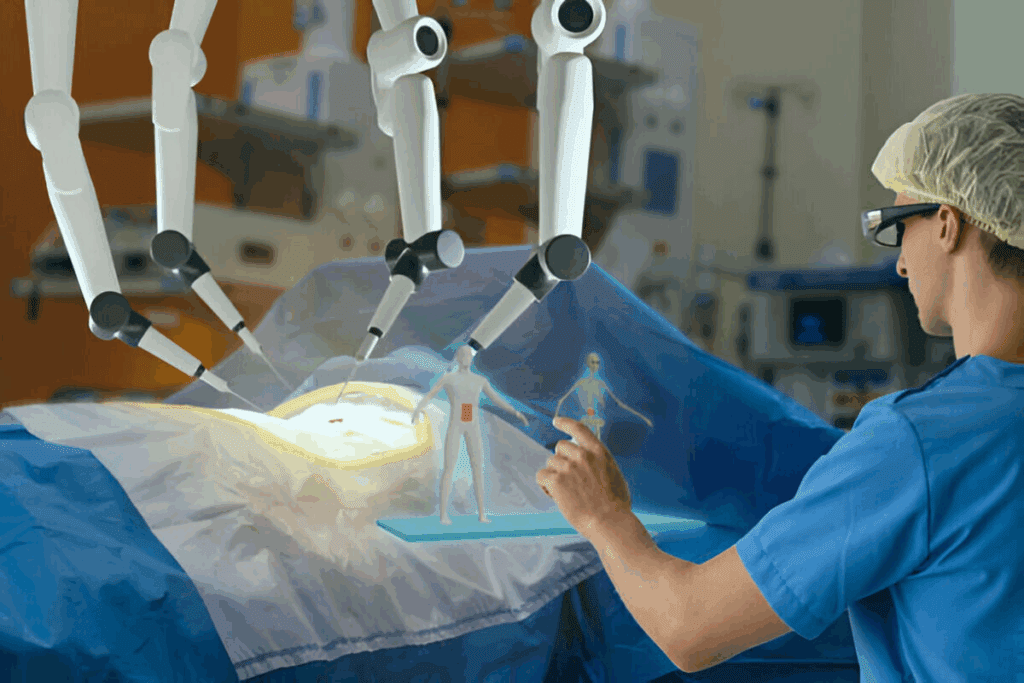
The da Vinci system is a complex tool that needs careful handling. Knowing its parts and how it works is key for safe use. We’ll look into its technology and main components.
How the Da Vinci System Works
The da Vinci system has a surgeon’s console, a patient-side cart, and a vision system. The surgeon’s console gives a detailed 3D view of the surgery area. This lets the surgeon control the instruments with great precision.
The patient-side cart holds EndoWrist instruments. These instruments move like a human wrist, giving more movement than regular surgical tools.
The system’s main goal is to improve the surgeon’s skills. The high-definition 3D vision system shows a clear view of the area. The EndoWrist instruments help with detailed movements, making complex surgeries easier and more precise.
Key Components and Functionality
The da Vinci system includes the surgeon’s console, patient-side cart, and vision system. Each part is vital for the system’s function. The surgeon’s console controls the instruments, the patient-side cart attaches them to the patient, and the vision system gives the needed visual feedback.
The da Vinci system’s design boosts enhanced dexterity, precision, and control in surgery. This is thanks to the high-definition 3D vision and the EndoWrist instruments. Together, they allow surgeons to do complex surgeries with precision hard to achieve with traditional methods.
Types of Procedures Performed with the Da Vinci System
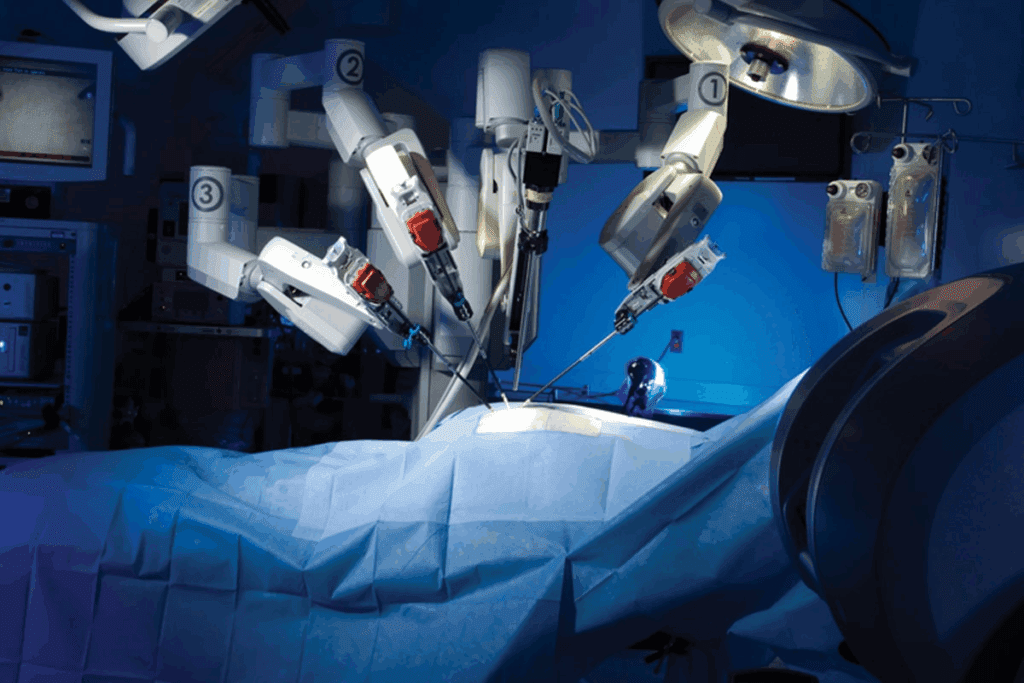
The Da Vinci System is very versatile. It’s used in many surgical procedures. This robotic system is known for its precision and flexibility. It helps patients get better results from their surgeries.
Common Urological Applications
In urology, the Da Vinci System is used for many procedures. These include prostatectomies, nephrectomies, and pyeloplasties. Its precision is key in delicate operations like nerve-sparing prostatectomies.
This is important for patient recovery and quality of life.
Gynecological Procedures
The Da Vinci System is also used in gynecology. It’s used for hysterectomies, myomectomies, and treatments for endometriosis. The system’s robotic arms give surgeons better dexterity.
This is helpful in complex procedures.
Cardiac and General Surgery Uses
The Da Vinci System is used in cardiac surgery too. It’s used for mitral valve repairs and CABG. In general surgery, it’s used for cholecystectomies, hernia repairs, and other abdominal surgeries.
It allows for minimally invasive surgery. This reduces recovery time and scarring for patients.
Emerging Applications
As technology improves, the Da Vinci System is being used in new ways. It’s being explored for complex oncological surgeries and procedures in specialties like otolaryngology. Research and development are ongoing to expand its capabilities.
Here’s a summary of the various surgical specialties and procedures performed using the Da Vinci System:
| Specialty | Common Procedures | Benefits |
| Urology | Prostatectomies, Nephrectomies, Pyeloplasties | Precision, nerve-sparing capabilities |
| Gynecology | Hysterectomies, Myomectomies, Endometriosis treatment | Enhanced dexterity, precise dissections |
| Cardiac Surgery | Mitral valve repairs, CABG | Minimally invasive, reduced recovery time |
| General Surgery | Cholecystectomies, Hernia repairs, Abdominal surgeries | Less scarring, quicker recovery |
Notable Robotic Surgery Failures and Complications
Robotic systems in surgery have caused serious injuries and deaths. Robotic surgery is precise and minimally invasive. Yet, it’s important to look at the complications it has caused.
Documented Cases of Serious Injuries
Studies have shown serious injuries from robotic surgery. These include internal bleeding, organ damage, and issues with the robotic tools. For example, a Journal of Urology study found robotic prostatectomy has more complications than traditional surgery.
Common serious injuries reported include:
- Internal bleeding or hemorrhage
- Organ perforation or damage
- Nerve injury leading to temporary or permanent deficits
- Complications related to carbon dioxide insufflation, such as gas embolism
Fatal Incidents During Robotic Procedures
Fatalities have occurred during robotic surgery. These are often due to internal bleeding or organ damage. FDA data and medical literature show that while rare, deaths can happen.
| Year | Procedure | Reported Cause of Death |
| 2013 | Robotic-assisted hysterectomy | Bowel injury leading to sepsis |
| 2015 | Robotic-assisted prostatectomy | Excessive bleeding |
| 2018 | Robotic-assisted colorectal surgery | Perforation of the intestine leading to peritonitis |
High-Profile Cases in the Media
Some robotic surgery complications have gotten a lot of media attention. This is often because of the severity of the outcome or the fame of those involved. These cases can greatly affect how people view robotic surgery.
A well-known case of a fatal outcome during robotic surgery highlighted its risks. Such cases stress the importance of thorough patient consent and strict safety measures.
In conclusion, robotic surgery has changed surgical care for the better but comes with risks. It’s vital for patients and healthcare providers to understand these risks to make informed choices.
Mechanical Failures of the Intuitive Surgical Robot
Mechanical failures in the Intuitive Surgical robot are a big worry. They can lead to serious problems during surgeries. These issues can affect how safe and effective the surgery is.
System Crashes During Operations
One major problem is system crashes during surgery. System crashes happen for many reasons like software bugs or hardware problems. This makes the team have to switch to a different kind of surgery quickly.
This change can make the surgery longer and riskier for the patient.
Component Malfunctions
Another big issue is when parts of the robot don’t work right. The robot has many complex parts. If any of these parts fail, it can ruin the whole surgery.
For example, if the instrument fails or the camera malfunctions, the surgeon can’t do the surgery as planned.
Electrical Issues and Burns
Electrical problems, like electrical burns, are also a danger. Robotic surgery needs precise electrical systems. If these systems fail, it can cause serious injuries, like burns.
Keeping these systems working right is key to avoiding such injuries.
Instrument Breakage and Detachment
Tools breaking or falling off during surgery is another problem. If a tool breaks or falls off, it can cause internal injuries or need more surgery to fix. This makes the surgery harder and riskier for the patient.
Knowing about these mechanical failures helps make robotic surgeries safer. By understanding these risks, doctors and hospitals can find ways to avoid them. This helps improve care for patients.
Software Glitches and Their Consequences
Robotic surgery has many benefits, but it also comes with risks. Software glitches can be a big problem. The Da Vinci robot’s complex systems can lead to serious issues during surgery. It’s important to understand these risks to prevent them.
Unintended Movements and Actions
One major concern is when the robot moves on its own. This can happen because of malfunctions in the control algorithms or issues with sensor feedback. If the robot’s arm moves unexpectedly, it can hurt the patient or ruin the surgery area.
To fix this, we need manufacturers and surgeons to work together. They should create strong testing and training programs. These programs should prepare surgeons for unexpected robot movements.
Communication Failures Between Components
The Da Vinci System needs all its parts to talk to each other well. But, software glitches can cause communication failures. This can lead to small problems or big issues.
It’s key to make sure all parts work together well. We also need to have backup systems in place to prevent these failures.
System Latency and Response Issues
System latency, or delays in the system’s response, is another problem. Latency can make the robot slow to react to the surgeon’s commands. This can cause problems during precise surgeries.
To solve this, we need to improve the system’s software and hardware. This will help make operations smoother and more precise.
Human Error Factors in Robotic Surgery Complications
Human mistakes are a big part of the problems in robotic surgery. This shows we need better training and rules. Even with advanced robotic tools, a surgeon’s skills and decisions are key to success.
Several factors lead to human errors in robotic surgery, including:
- Inadequate training on the robotic system
- The learning curve associated with mastering new technology
- Communication breakdowns among the surgical team
- Overreliance on automation, potentially leading to complacency
Training Inadequacies
It’s vital for surgeons to get the right training for robotic systems. Inadequate training can increase the chance of problems. We need to focus on training that covers both theory and practice.
Experience Curve and Learning Challenges
Learning new robotic tech is a big challenge for surgeons. Simulation training and mentorship can help. They make it easier and safer for surgeons to get good at it.
Communication Breakdowns in the Operating Room
Good communication among the surgical team is essential for robotic surgery success. Clear and concise communication stops misunderstandings that could cause problems. Using standard communication rules can make the team work better and keep patients safer.
Overreliance on Automation
Robotic systems are very helpful, but relying too much on them can be a problem. It’s important to use technology wisely and not forget the value of human judgment and skill.
By tackling these human error issues, we can reduce problems in robotic surgery and better care for patients.
Surgeon Training and Certification for Robotic Surgery
Robotic surgery is becoming more common. This means surgeons need better training and certification. They must be ready for the challenges of these advanced systems.
Current Training Requirements
Training for robotic surgery varies a lot. Some places offer detailed training, while others are more basic.
We think a standard training program is key. It should include:
- Simulation training to practice skills safely
- Watching and helping during real surgeries
- Getting hands-on experience with supervision
Simulation vs. Real-World Experience
There’s a debate about simulation training versus real surgeries. Simulation training is safe and controlled. Real surgeries offer real challenges.
The best approach is a mix of both. As one expert said:
“Simulation training builds skills and confidence. But real surgeries prepare surgeons for the real world.”
Certification Standards and Variations
Certification for robotic surgery also varies. Different groups have different rules. Key factors include:
| Certifying Body | Training Hours Required | Examination Requirements |
| American Board of Surgery | 40 hours | Written examination |
| International Society for Medical Robotics | 80 hours | Practical skills assessment |
We support uniform certification standards. Standardization is vital for patient safety and robotic surgery success.
In summary, while progress has been made, more standard and detailed training is needed. By combining simulation, real-world experience, and strict certification, surgeons can be well-prepared for robotic surgery.
FDA Reports and Recalls Related to Da Vinci Systems
The FDA is key in making sure medical devices, like the da Vinci Surgical System, are safe and work well. As the da Vinci System is used more in surgeries, the FDA’s watchful eye is vital. It helps spot and fix any safety problems.
History of Device Recalls
The da Vinci System has faced recalls from the FDA due to different issues. These recalls are important for keeping patients safe and making sure devices work right. Some recalls were about software problems, while others were about hardware parts.
- Software Updates: The FDA has ordered updates to fix safety issues.
- Hardware Modifications: Some parts have been changed or replaced because of problems.
- Labeling Changes: The FDA has asked for label changes to warn users about risks.
Adverse Event Reporting Statistics
Reporting adverse events is a big way the FDA keeps an eye on the da Vinci System’s safety. These reports show what kinds of problems have happened. They help find patterns.
- Problems with the da Vinci System have included bleeding inside the body, organ damage, and other surgery issues.
- The FDA has heard about deaths linked to the da Vinci System. But, finding the exact cause can be hard.
- There have also been reports of the device not working right, like tools failing or the system crashing.
Regulatory Responses to Incidents
When there are problems or malfunctions, the FDA takes action. This includes sending out safety alerts, recalling devices, and making manufacturers fix their products.
The FDA has used different methods, like warning letters and mandatory recalls, to make sure devices meet safety standards.
Mandatory vs. Voluntary Reporting Issues
It’s tricky to know the difference between mandatory and voluntary reports on the da Vinci System’s safety. Some incidents must be reported to the FDA, but others might be shared by doctors or patients on their own.
The FDA is working to make its reporting rules better. It wants to get all the safety information it needs about the da Vinci System quickly and fully.
Legal Cases Against Intuitive Surgical
Intuitive Surgical has faced many legal challenges over its da Vinci system. These concerns include patient safety and device reliability. The company has been involved in several lawsuits and settlements, affecting both the manufacturer and patients who have had robotic surgery.
Major Lawsuits and Settlements
Several major lawsuits have been filed against Intuitive Surgical. They claim the da Vinci system caused serious injuries or complications during surgery. Some of these lawsuits claim the company didn’t warn patients and surgeons about the risks.
In some cases, Intuitive Surgical has settled lawsuits out of court. Others have gone to trial. The results have varied, with some plaintiffs receiving significant awards.
Legal Arguments and Outcomes
The legal arguments often focus on product liability, negligence, and failure to warn. Courts have considered if Intuitive Surgical informed users about risks and if they took steps to mitigate them.
The outcomes have had a big impact on Intuitive Surgical. They have changed how they approach patient safety and device reliability.
Impact on Company Policies and Procedures
The legal challenges have led to changes in Intuitive Surgical’s policies and procedures. In response to lawsuits and settlements, the company has introduced new safety protocols and enhanced training for surgeons.
These changes show a bigger effort to improve patient safety and reduce complications in robotic surgery. Intuitive Surgical keeps working with regulatory bodies, healthcare providers, and patients to address concerns and improve its devices’ safety and efficacy.
Comparing Complication Rates: Robotic vs. Traditional Surgery
When we look at robotic surgery versus traditional surgery, we see a mix of results. It’s important to understand what affects these rates.
Statistical Analysis of Adverse Events
Many studies have compared robotic and traditional surgeries. A meta-analysis in a top medical journal showed robotic surgery has lower rates of blood transfusions and longer hospital stays. But, it also found longer operation times with robotic surgery.
The data on complications can change a lot. This depends on the surgery type, the surgeon’s skill, and the patient’s health.
Risk Factors Specific to Robotic Procedures
Robotic surgery has many benefits, like more precision and quicker recovery. But, it also has unique risks. These include system crashes and part failures.
“The complexity of robotic systems can sometimes lead to unforeseen technical issues during surgery, highlighting the need for robust safety protocols.”
It’s key for surgeons and patients to know these risks. This helps them make better choices.
Cost-Benefit Analysis of Robotic Surgery
Looking at robotic surgery, we must think about costs and benefits. Robotic surgery is pricier than traditional surgery because of the equipment and upkeep costs. But, it might save money in the long run because of quicker recovery and fewer complications.
- Initial costs: Equipment and training expenses
- Long-term savings: Reduced hospital stay and fewer complications
- Patient benefits: Less pain and quicker return to normal activities
As robotic surgery improves, we must weigh its advantages against its risks and complications.
Patient Outcomes and Recovery Complications
It’s key to understand the complications from robotic surgery to better care for patients. We need to look at patient outcomes and recovery issues from all angles.
Long-term Effects of Robotic Surgery Errors
Robotic surgery, like any surgery, can have errors with long-term effects. These can include chronic pain, discomfort, and severe complications needing more treatment. We must study these effects to give full care.
Common long-term effects include:
- Chronic pain
- Adhesions or scar tissue formation
- Organ dysfunction
Revision Surgeries and Their Risks
Some patients need revision surgeries due to initial robotic surgery complications. These surgeries have risks like infection, bleeding, and bad reactions to anesthesia. It’s vital for doctors to talk about these risks and find ways to lessen them.
| Complication | Risk Factors | Mitigation Strategies |
| Infection | Poor wound care, compromised immune system | Proper wound care, antibiotic prophylaxis |
| Bleeding | Anticoagulant use, surgical technique | Careful surgical technique, monitoring of anticoagulant therapy |
| Adverse reactions to anesthesia | Allergies, previous adverse reactions | Thorough preoperative assessment, alternative anesthesia options |
Psychological Impact on Affected Patients
The mental impact of robotic surgery complications is significant. Patients might feel anxious, depressed, or have PTSD. Healthcare providers must be ready to help with these mental health needs.
Support strategies may include:
- Counseling or therapy
- Support groups
- Mindfulness and relaxation techniques
Institutional Responses to Robotic Surgery Complications
Institutions are taking steps to improve robotic surgery safety. We will look at how hospitals and manufacturers are tackling these issues.
Hospital Protocols for Adverse Events
Hospitals have set up special plans for when things go wrong during robotic surgeries. They watch patients closely before and after surgery. They also make sure the robotic equipment is in good shape and train everyone involved.
Manufacturer Response to Reported Issues
Robot surgery system makers are working to fix problems. They update software to solve issues, offer more training, and sometimes recall products.
Changes in Informed Consent Practices
How doctors talk to patients before robotic surgery has changed. Now, they discuss all the possible risks and benefits. They also make sure patients know about the surgeon’s experience and what to expect.
| Institutional Response | Description | Benefit |
| Enhanced Monitoring | Close surveillance of patients during and after robotic surgery | Early detection of complications |
| Regular Equipment Maintenance | Systematic checking and maintenance of robotic systems | Reduced risk of mechanical failure |
| Surgeon and Staff Training | Comprehensive training programs for medical staff | Improved proficiency in robotic surgery techniques |
| Software Updates | Regular updates to address known software issues | Enhanced system reliability |
| Informed Consent Changes | More detailed and transparent informed consent process | Better patient understanding and trust |
Improving Safety in Robotic Surgery
Robotic surgery is getting better, and safety is a big focus. To make it safer, we need to look at many parts of the process.
Enhanced Training Requirements
Training surgeons better is key to safety. We need to teach them both the technical skills and how to handle problems. Simulation training helps them practice in a safe space.
It’s also important for surgeons to keep learning. They should go to workshops, conferences, and use online resources to stay up-to-date.
Technological Safeguards and Improvements
New tech is important for safety. We need robots with safety features like automatic shut-off and collision avoidance.
Also, better vision systems help surgeons see clearly. High-definition 3D vision and artificial intelligence are making big improvements.
Procedural Checklists and Safety Protocols
Checklists and protocols are vital. They make sure everything is done right before, during, and after surgery. This lowers the chance of problems.
For example, a checklist can check the robot and the patient’s setup. It also makes sure all needed tools are ready. During surgery, watching the patient and the robot helps catch any issues early.
Industry-Wide Standards Development
Standards for robotic surgery are needed. They help make sure safety is the same everywhere. Manufacturers, regulators, and doctors need to work together.
Standards should cover training, equipment care, and who can have surgery. This way, robotic surgery is safe everywhere.
| Safety Measure | Description | Benefit |
| Enhanced Training | Comprehensive training programs for surgeons | Improved technical skills and complication management |
| Technological Safeguards | Advanced robotic systems with safety features | Reduced risk of mechanical failures |
| Procedural Checklists | Pre-operative and intra-operative checklists | Minimized risk of human error |
| Industry Standards | Uniform guidelines for robotic surgery | Consistency and high safety standards across practices |
Patient Considerations Before Undergoing Robotic Surgery
Thinking about robotic surgery? There are important things to consider before making a decision.
Questions to Ask Your Surgeon
Talk to your surgeon before robotic surgery. Ask about their experience with the robotic system. Also, ask about the complexity of your procedure and the risks.
Knowing your surgeon’s expertise and your case’s challenges is key. It helps you feel more comfortable and set the right expectations.
Understanding the Risks vs. Benefits
Every surgery has risks and benefits. Robotic surgery is no different. We need to think about these carefully.
Robotic surgery might mean smaller cuts and quicker recovery. But, we must also consider possible complications. It’s important to decide if the benefits are worth the risks for your condition.
Alternatives to Consider
Look into other treatment options too. Traditional open surgery or laparoscopic surgery might be good alternatives. Talk to your healthcare provider about the pros and cons of each.
This way, you can choose the best option for your health and situation.
Insurance and Cost Implications
Think about the cost of robotic surgery too. Check with your insurance to see what’s covered. Also, ask about any costs you might have to pay yourself.
By considering these points and talking to your healthcare team, you can make a well-informed choice about robotic surgery.
Conclusion: Balancing Innovation with Patient Safety
As we explore new limits in robotic surgery, we face a big challenge. We must make sure new tech is safe for patients. This is key to keeping patients safe and getting the best results.
Robotic surgery has many good points, like being more precise and helping patients recover faster. But, it also brings new risks. By focusing on better training, tech, and safety rules, we can lower these risks. This way, we can make robotic surgery safer and more beneficial.
The future of robotic surgery relies on finding a balance between new ideas and keeping patients safe. By doing this, we can improve care for those with complex conditions. This will help make the field more trusted and effective.
FAQ
What is the da Vinci system, and how does it work?
The da Vinci system is a high-tech robotic platform for complex surgeries. It has a surgeon’s console, a patient-side cart, and a vision system. This setup offers better dexterity, precision, and control during operations.
What types of surgical procedures are performed with the da Vinci system?
The da Vinci system is used in many surgical fields. These include urology, gynecology, cardiothoracic surgery, and general surgery. It’s used for procedures like prostatectomies, hysterectomies, and treating endometriosis.
Have there been instances of robotic surgery going wrong?
Yes, there have been cases of serious injuries and deaths linked to the Intuitive Surgical robot. These issues include mechanical failures, software bugs, and human mistakes.
What are the risks associated with robotic surgery?
Risks include mechanical failures, software bugs, and human errors. There can also be complications from the surgery itself, like injuries or the need for more surgeries.
How can patients minimize risks when undergoing robotic surgery?
Patients can reduce risks by knowing about the procedure and asking their surgeon questions. They should understand the risks and benefits, consider other options, and know about insurance and costs.
What measures are in place to improve safety in robotic surgery?
To improve safety, there are enhanced training, technological safeguards, and checklists. There’s also a push for industry-wide standards to ensure robotic surgery systems are used safely.
What is the role of surgeon training and certification in robotic surgery?
Surgeon training and certification are key to safe and effective robotic surgery. Training requirements vary, and there’s a need for standardized approaches.
How does the FDA monitor the safety of the da Vinci system?
The FDA watches the da Vinci system through recalls, adverse event reports, and regulatory actions. This ensures a thorough safety assessment of the system.
What are the long-term effects of robotic surgery errors?
Robotic surgery errors can have lasting effects. These include the need for more surgeries, psychological impacts, and possible long-term health issues.
How do complication rates compare between robotic and traditional surgery?
To compare complication rates, we look at adverse event data and identify specific risks for robotic procedures. We also do cost-benefit analyses to understand the pros and cons of robotic surgery.
What should patients consider before undergoing robotic surgery?
Patients should ask their surgeon questions, understand the risks and benefits, and consider other options. They should also know about insurance and costs to make informed choices.
References
- Rajih, E., Ashrafian, H., Harling, L., & Athanasiou, T. (2017). Error reporting from the da Vinci surgical system in robotic surgery: a retrospective cohort study from a tertiary referral center. Journal of Cellular and Molecular Medicine, 21(2), 380-388. https://www.ncbi.nlm.nih.gov/pmc/articles/PMC5426941/