At Liv Hospital, we know how important clear information about medical procedures is. An invasive medical procedure means a treatment that gets into the body through cuts, natural openings, or needle punctures. These steps are key for finding and fixing many health issues.
We aim to give top-notch care and invasive treatments. Our focus is on the patient, making sure they get all the help and advice they need. Knowing what invasive procedures are helps us give care that fits each person’s needs.
Key Takeaways
- An invasive medical procedure involves accessing the body through incisions or natural orifices.
- Liv Hospital is committed to delivering high-quality invasive treatments.
- Our patient-centered approach ensures complete support and guidance.
- Invasive procedures are vital for diagnosing and treating health issues.
- We offer advanced treatments with clear and precise care.
The Fundamental Concept of Medical Invasiveness
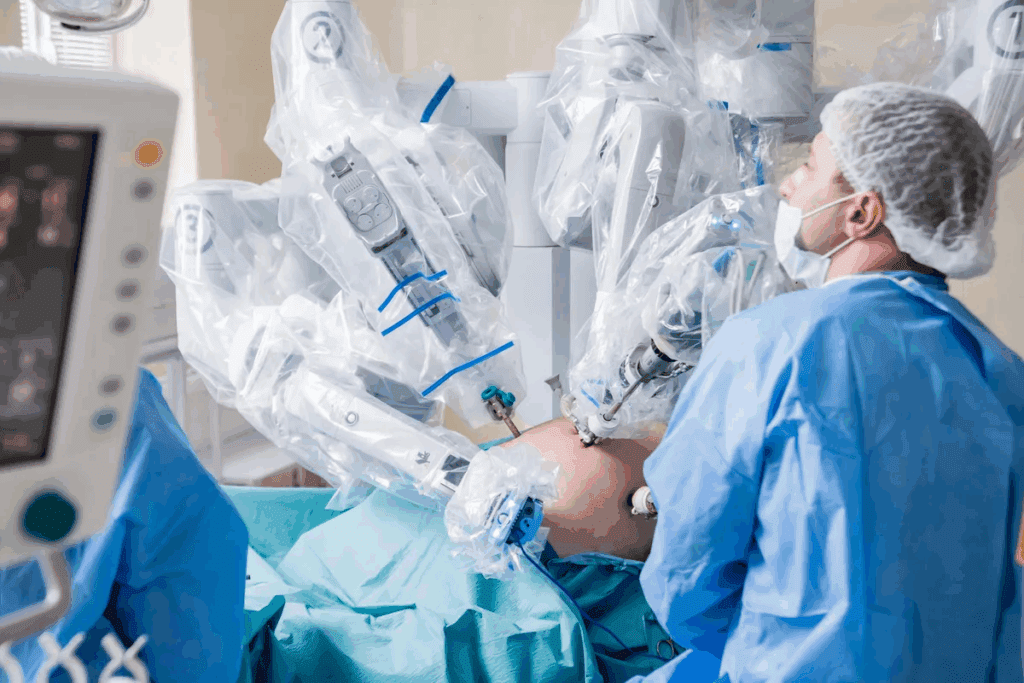
Invasive surgery means a medical intervention that requires entering the body through incisions or punctures. We will dive deep into this concept. Knowing invasive procedure definition is key for both patients and healthcare providers. It’s the foundation of many treatments.
Core Characteristics of Invasive Approaches
Invasive medical procedures involve accessing the body’s internal structures or organs. This can be done through surgical incisions, percutaneous punctures, or natural orifice access. To define invasive surgery, we look at the level of body intrusion and the intervention’s purpose.
The main traits include:
- Purposeful entry into the body
- Use of specialized instrumentation
- Aim to diagnose or treat a medical condition
Historical Evolution of Invasive Medicine
The history of invasive medicine has seen major milestones. From the early days of surgery to the advent of modern minimally invasive techniques. Over time, what does invasive surgery mean has changed. New technologies and methods have improved patient outcomes and reduced recovery times.
Important advancements include the introduction of anesthesia, antiseptics, and robotic-assisted surgery. These have made invasive procedures safer and more effective.
As we continue to explore medical invasiveness, it’s clear that grasping its fundamental principles is vital. It helps us understand the complexities of modern healthcare.
Defining an Invasive Operation: Technical and Clinical Parameters
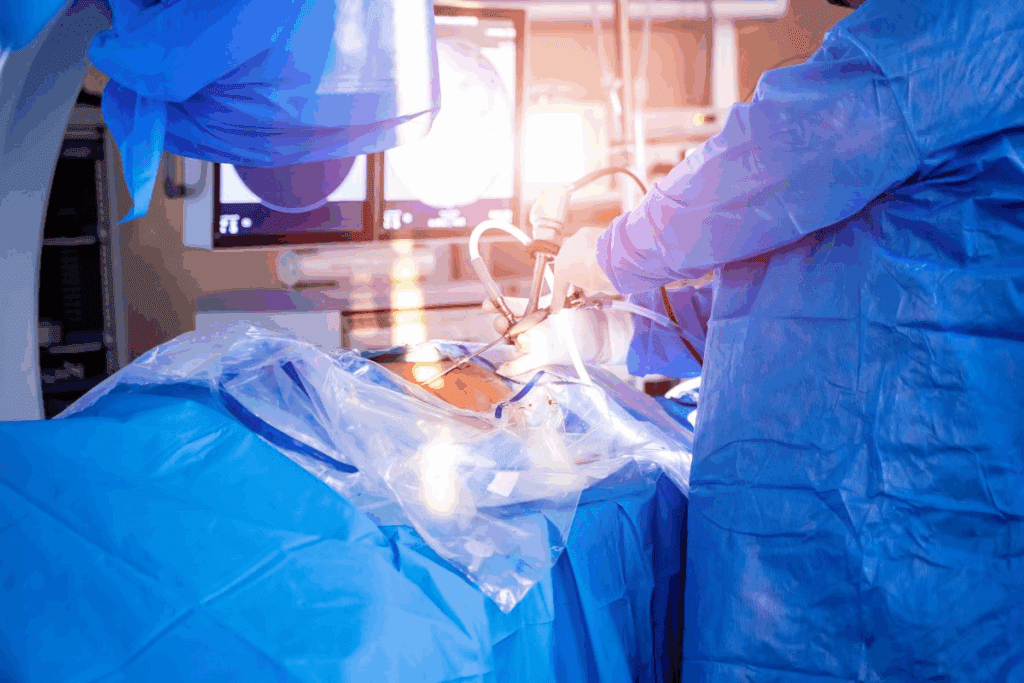
To understand what makes an operation invasive, we need to look at technical and clinical factors. Invasive procedures involve going into the body through cuts or natural openings. They help diagnose or treat health issues.
“Invasive procedures are known for reaching inside the body,” say doctors. This is key in telling them apart from non-invasive ones.
Essential Components of the Medical Definition
The medical term for an invasive procedure includes a few important parts. These are the tools used to enter the body, how invasive it is, and its purpose. This can be for checking or fixing health problems.
- Special tools like needles or surgical instruments are used to get inside the body.
- The level of invasiveness varies, from small procedures to big surgeries.
- The setting and the team doing the procedure also matter.
Boundary Between Invasive and Non-invasive Interventions
The line between invasive and non-invasive procedures is clear. Invasive ones cross the body’s natural barriers. Non-invasive ones don’t.
Risk is a big factor here. Invasive procedures are riskier because they go deeper into the body. So, they need careful planning and evaluation.
As technology gets better, so does our understanding of invasive procedures. This opens up new ways to diagnose and treat diseases.
Methods of Bodily Access in Invasive Procedures
There are many ways to get into the body during invasive procedures. Each method has its own benefits. Choosing the right way to access the body is key for a successful procedure and quick recovery.
Surgical Incisions and Entry Points
Surgical incisions are a common way to get inside the body. The size and where the incision is made depends on the procedure and body area. New surgical methods have made it possible to use smaller incisions, causing less damage.
Laparoscopic surgery is a good example. It uses small incisions for a camera and tools. This way, surgeries like gallbladder removal or hysterectomy can be done with less pain and faster recovery.
Natural Orifice Access Techniques
Natural orifice transluminal endoscopic surgery (NOTES) uses the body’s natural openings, like the mouth or vagina. This method avoids external cuts, which can lead to less recovery time and less scarring.
NOTES is growing and has been used for surgeries like appendectomies and cholecystectomies. It’s seen as a good alternative to traditional surgery.
Percutaneous Puncture and Needle-Based Entry
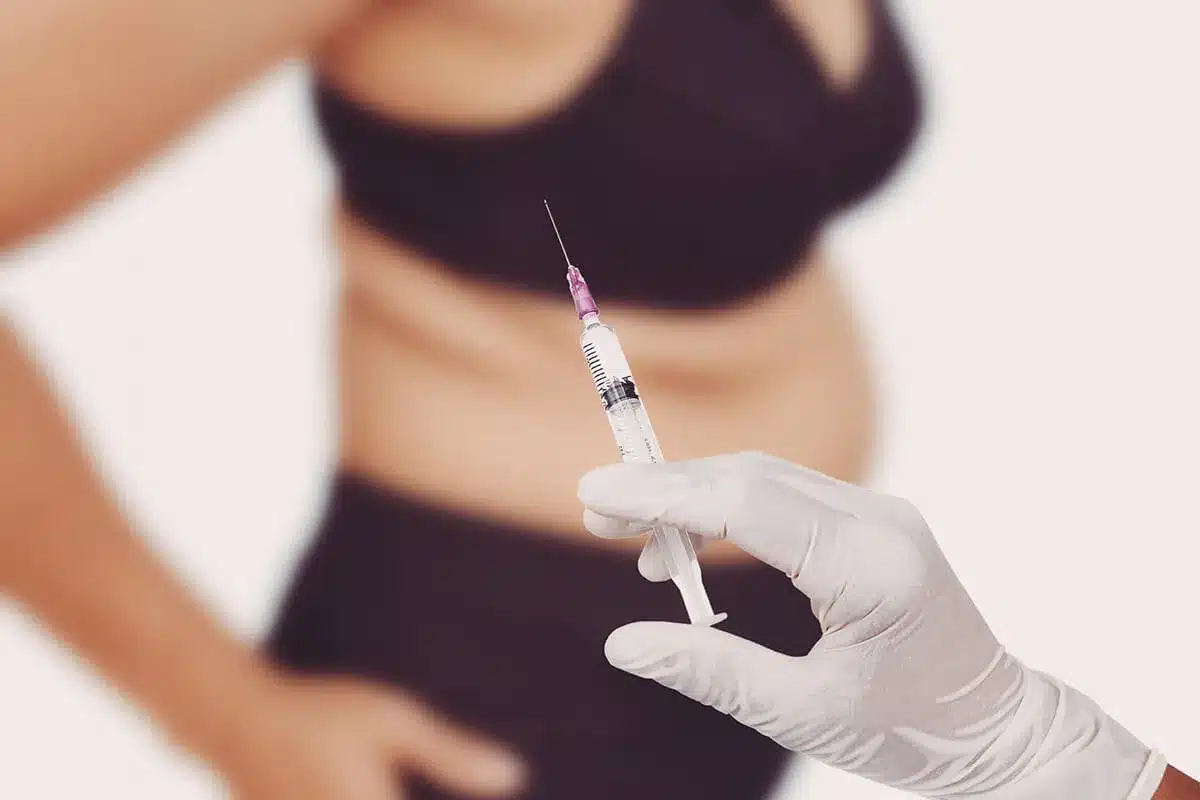
Percutaneous puncture uses needles or catheters through the skin to reach different parts of the body. It’s often used for tests like biopsies or to drain fluids. This method is precise thanks to imaging like ultrasound or CT scans.
Imaging helps guide the needle or catheter to the right spot. This makes the procedure more accurate.
| Access Method | Description | Examples of Procedures |
| Surgical Incisions | Traditional method involving external incisions | Laparoscopic surgery, open-heart surgery |
| Natural Orifice Access | Access through natural body orifices | NOTES for appendectomy, cholecystectomy |
| Percutaneous Puncture | Needle or catheter insertion through the skin | Biopsies, fluid drainage, vascular access |
Each method has its own uses, benefits, and risks. The choice depends on the patient’s health, the procedure, and the doctor’s skills.
Instrumentation and Technology in Invasive Medical Procedures
Advanced tools and technology are key in making invasive medical procedures safe and effective. We use a variety of instruments and technologies to do these procedures with great precision and low risk to patients.
Needles, Catheters, and Vascular Access Devices
Needles, catheters, and vascular access devices are essential for many invasive procedures. Needles are used for injections, biopsies, and drainage. Catheters let us put materials or instruments into the body. Vascular access devices help doctors give medications and fluids directly into the blood.
| Device Type | Common Uses | Key Features |
| Needles | Injections, biopsies, drainage | Varied gauge sizes, some with safety features |
| Catheters | Vascular access, drainage, stenting | Flexible materials, balloon-expandable |
| Vascular Access Devices | Medication administration, fluid resuscitation | Central or peripheral insertion, some with antimicrobial coatings |
Endoscopic and Imaging-Guided Tools
Endoscopic and imaging-guided tools have changed invasive medicine a lot. Endoscopy lets us see inside organs and cavities. This helps with procedures like removing polyps and getting tumor biopsies. Tools like ultrasound and fluoroscopy give us real-time guidance during procedures.
“The integration of imaging technologies into invasive procedures has significantly enhanced our ability to diagnose and treat complex conditions with precision.”
Dr. Jane Smith, Interventional Radiologist
These technologies have made patient care better by reducing the need for big surgeries and shortening recovery times.
Advanced Surgical Instruments and Robotic Systems
Advanced surgical tools and robotic systems have changed the operating room. Robotic-assisted surgery gives us better dexterity, precision, and vision. This makes complex procedures easier to do.
The use of these advanced technologies in invasive medical procedures has greatly improved patient care. It has also opened up new ways to treat complex conditions. As technology keeps getting better, we can expect even more improvements in the safety and success of invasive interventions.
Categories of Invasive Procedures Across Medical Specialties
Invasive procedures are used in many medical fields. They help diagnose and treat various health issues. We’ll look at the different types of invasive procedures and their importance in medicine.
General and Specialized Surgical Interventions
General surgeries, like removing the appendix or gallbladder, treat abdominal problems. Specialized surgeries, like neurosurgery or orthopedic surgery, need special skills. These specialized surgeries are key for treating specific body parts.
Neurosurgery can save lives by treating brain tumors or injuries. Orthopedic surgeries, like joint replacements, greatly improve life for those with damaged joints.
Cardiovascular and Interventional Radiology Procedures
Cardiovascular procedures, like angioplasty and stenting, treat heart disease. They use a catheter to reach the heart’s blood vessels. Interventional radiology, including embolization and biopsy, helps diagnose and treat conditions like cancer and vascular malformations.
Diagnostic Invasive Techniques and Biopsies
Diagnostic techniques, like biopsies, are key for finding diseases like cancer. They take tissue samples for microscopic examination. These steps are vital for accurate diagnoses and treatment plans.
Endoscopic procedures let doctors see inside the body with a camera and light. This helps in diagnosing and treating various conditions.
Emergency and Trauma-Related Invasive Interventions
In emergencies, invasive procedures are often needed to save lives. Emergency thoracotomy, for example, accesses the chest in severe trauma. Trauma-related interventions, like exploratory laparotomy, check and fix internal organ injuries.
These urgent procedures need quick decisions and precise skills. They aim to give the best care to patients.
The Spectrum of Invasive Operations: From Minimal to Major
Invasive operations in medicine range from small to big surgeries. It’s important for doctors and patients to understand this range. This helps in making the right treatment choices.
Minimally Invasive Surgical Approaches
Minimally invasive surgery uses small cuts and new tech to heal faster. It’s less damaging and quick to recover from. Tools like laparoscopes and robots are used.
Key benefits of minimally invasive surgery include:
- Less postoperative pain
- Shorter hospital stays
- Reduced risk of complications
- Smaller scars
Examples include laparoscopic cholecystectomy and arthroscopic knee surgery. New tech lets us do more with less.
Moderately Invasive Therapeutic Procedures
Moderately invasive procedures aim for a balance. They use bigger cuts than minimally invasive but are less than major surgeries. They’re a middle ground.
“The development of new technologies has enabled surgeons to perform complex procedures with greater precision and less morbidity.” –
A leading surgeon in the field of minimally invasive surgery
Examples include some orthopedic and vascular surgeries. The choice depends on the patient’s health, the disease, and the surgeon’s skill.
| Procedure Type | Typical Incision Size | Recovery Time |
| Minimally Invasive | Small (less than 1 cm) | 1-3 weeks |
| Moderately Invasive | Moderate (3-10 cm) | 3-6 weeks |
| Major Surgery | Large (greater than 10 cm) | 6-12 weeks or more |
Major Invasive Surgical Operations and Interventions
Major surgeries have big cuts and a lot of tissue damage. They’re needed for serious conditions like some cancers and major injuries.
Major surgeries require:
- Careful preoperative planning
- Advanced surgical techniques
- Comprehensive postoperative care
Though major surgeries are riskier, better techniques and care have improved results. Patients are doing better than before.
Patient Experience During and After Invasive Procedures
Invasive medical procedures need a full care plan. This includes getting ready for the procedure, the experience during it, and healing afterwards. This way, patients get the support they need from start to finish.
Pre-procedure Preparation and Informed Consent Process
Getting ready for an invasive procedure is key. Patients learn about the procedure, its risks, and benefits. They also give their consent. Good communication helps reduce anxiety and makes sure patients know what’s coming.
Before the procedure, patients do tests and talks with doctors. These steps check their health and if they’re ready for the procedure. Checking thoroughly helps find and fix any possible problems.
“The informed consent process is not just a legal requirement; it’s an opportunity to build trust between the patient and the healthcare provider.” – Dr. Jane Smith, Medical Ethicist
Intraoperative Experience and Anesthesia Considerations
The care during the procedure greatly affects the patient’s experience. It’s not just the surgery but also the anesthesia to reduce pain.
Anesthesia care is very important. Anesthesiologists work with the surgical team to pick the right anesthesia. This makes the procedure safer and more comfortable for the patient.
Post-procedure Recovery and Rehabilitation Pathways
After the procedure, recovery and rehabilitation start. This is when patients heal and get back to normal. A good recovery plan includes managing pain, wound care, and physical therapy.
Rehab plans are made for each patient. Some need rest, while others need more active programs. It depends on the procedure and the patient’s needs.
- Effective pain management strategies
- Comprehensive wound care instructions
- Personalized physical therapy plans
- Follow-up appointments for monitoring recovery
By caring for patients fully, healthcare providers make the experience better. This is true for both the procedure and the recovery.
Safety Protocols and Environmental Controls for Invasive Treatments
Keeping patients safe during invasive medical procedures is a big challenge. It needs strict safety rules and a controlled environment. These treatments risk infection and other problems because they break the body’s natural barriers. So, a clean and controlled space is key for their success.
Infection Prevention and Sterile Technique Standards
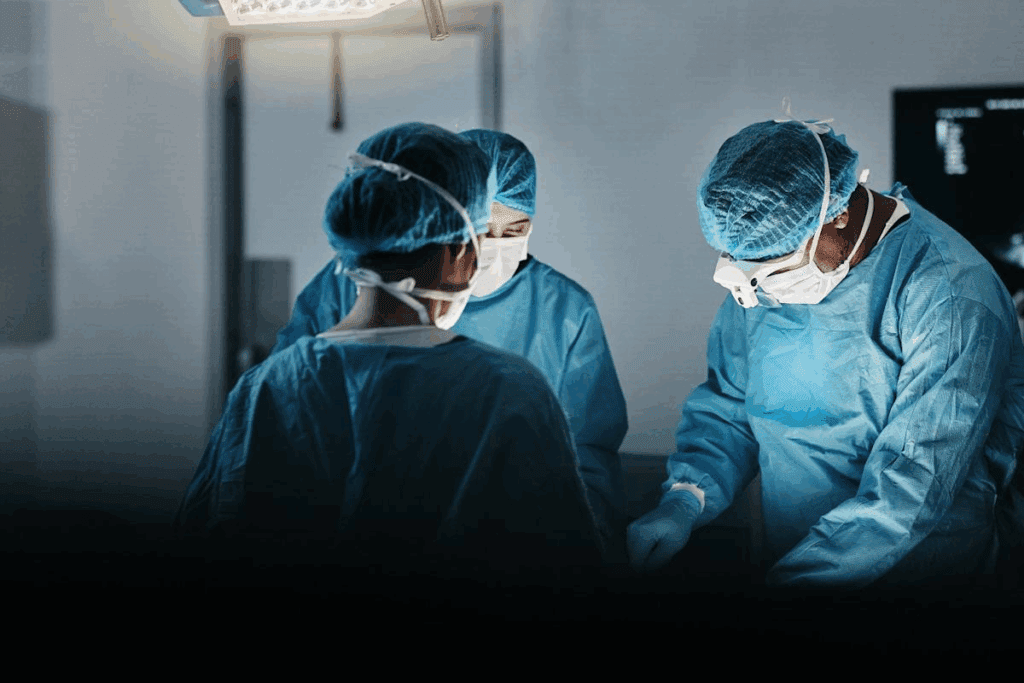
Stopping infections is vital for invasive treatments. This means following strict clean techniques to avoid germs. Sterilizing equipment, washing hands, and wearing personal protective equipment (PPE) are basic steps.
Clean techniques are not just for the operating room. They apply everywhere invasive treatments happen, like prep and recovery areas. Regular training and checks for healthcare workers are important to keep these standards.
Operating Room Design and Environmental Controls
How operating rooms are set up and the controls used are very important. Modern rooms have features like laminar airflow systems to lower infection risk. They also have easy-to-clean surfaces that fight off germs.
Keeping the room’s temperature and humidity right is also key. It keeps patients comfortable and avoids problems like getting too cold during long procedures.
Risk Management and Complication Prevention Strategies
Managing risks well is essential to avoid problems during and after invasive treatments. This means doing a full check before surgery, watching closely during it, and caring for the patient after. This approach helps catch and fix issues early.
| Risk Management Strategy | Description | Benefits |
| Preoperative Assessment | Identifying patient-specific risks before the procedure | Reduced risk of complications, tailored treatment plans |
| Intraoperative Monitoring | Continuous monitoring during the procedure | Early detection of complications, prompt intervention |
| Postoperative Care | Comprehensive care after the procedure | Effective management of recovery, reduced risk of postoperative complications |
By using these safety steps and controls, healthcare teams can make invasive treatments safer and more effective. Our goal is to provide top-notch care by following the highest standards.
Professional Requirements for Performing Invasive Procedures
Doing invasive medical procedures is a big job. It needs special training, certification, and ongoing learning to keep up. It’s key to do these procedures well to help patients.
Training, Certification, and Credentialing Standards
Healthcare pros must go through tough training. This includes learning theory and getting hands-on practice. After training, they get certified by passing a test.
Credentialing checks if a doctor is ready to do certain procedures. It’s how hospitals know a doctor is good to go.
Training, certification, and credentialing rules can change. But the main goal is always the same: making sure doctors are ready.
| Specialty | Typical Training Duration | Certification Examination |
| Cardiovascular Surgery | 6-7 years | American Board of Thoracic Surgery |
| Interventional Radiology | 5-6 years | American Board of Radiology |
| General Surgery | 5-6 years | American Board of Surgery |
Maintaining Competency and Continuous Professional Development
It’s vital for doctors to keep up their skills. They need to keep learning, know the newest methods, and work on improving care. This keeps them good at their job.
Doctors should always be learning. They can do this by going to conferences, taking online courses, and joining quality checks. This keeps their skills sharp.
Global Landscape of Invasive Medical Procedures
Invasive medical procedures vary worldwide. They are influenced by healthcare systems, training, and culture. Understanding these differences is key to better patient care and healthcare systems.
Worldwide Statistics and Prevalence Data
Millions of invasive procedures are done every year. Cardiovascular interventions like angioplasty and stenting are very common. These numbers show how big a part invasive procedures play in healthcare.
| Region | Number of Invasive Procedures (per 100,000 population) | Common Types of Procedures |
| North America | 450-500 | Cardiovascular interventions, orthopedic surgeries |
| Europe | 400-450 | Oncological surgeries, gastrointestinal endoscopies |
| Asia-Pacific | 300-400 | Orthopedic surgeries, neurosurgical interventions |
These numbers show how important invasive procedures are in healthcare worldwide.
Regional Variations in Practice and Access
Many factors affect invasive procedure use and access. These include healthcare policies, trained professionals, and the economy. For example, some areas have more procedures due to local health needs or practices.
Regional disparities in access can affect health outcomes. Places with less access to care may see more complications or deaths from invasive treatments.
Future Trends and Evolving Patterns in Procedure Utilization
Invasive procedures are changing with new technology, patient needs, and healthcare goals. We’re seeing more minimally invasive procedures. These are better because they have less recovery time and fewer risks.
Future trends include more robotic surgeries, better imaging for procedures, and treatments tailored to each patient. It’s important to watch these changes to improve healthcare.
As we look ahead, we must keep an eye on global trends, regional differences, and how procedures affect patients. This will help shape healthcare policies and practices.
Ethical and Decision-Making Frameworks in Invasive Medicine
Invasive medicine faces many ethical challenges. Healthcare providers must make tough decisions to give patients the best care. We aim to respect their choices and dignity.
Risk-Benefit Analysis and Clinical Decision Making
Invasive procedures come with risks. It’s our job to weigh these against the benefits. We look at the latest research, patient wishes, and their unique situation.
For example, when deciding on an invasive surgery, we think about more than just the surgery itself. We consider how it might affect the patient’s life. This means looking at the invasive surgery meaning in the patient’s health and treatment goals.
“The decision to proceed with an invasive procedure should be based on a thorough look at the benefits and risks. We also need to talk with the patient about their values and preferences.”
Patient Autonomy and Shared Decision-Making Models
Respecting patient autonomy is key in medical ethics. We support models that let patients help decide their care, including invasive procedures.
| Key Elements | Description |
| Patient Education | Providing clear, understandable information about the procedure, its risks, and benefits. |
| Patient Preferences | Understanding and respecting the patient’s values, beliefs, and wishes regarding their care. |
| Clinical Expertise | Bringing the latest medical knowledge and experience to the decision-making process. |
Resource Allocation and Healthcare Justice Considerations
Deciding how to use healthcare resources is also important. We must make sure invasive procedure choices are fair. This means considering the needs of all patients and the healthcare system’s limits.
In conclusion, making decisions in invasive medicine is complex. We need to balance patient needs with broader ethical issues. By focusing on patient autonomy, careful analysis, and fair resource use, we can handle these challenges with integrity and care.
Conclusion: The Dynamic Nature of Invasive Procedures in Contemporary Healthcare
Invasive medical procedures are key in today’s healthcare. They range from small, minimally invasive surgeries to big operations. We’ve looked at what makes these procedures, how they’re done, and the tools used.
The world of invasive medicine keeps changing. This is thanks to new tech, patient needs, and shifts in healthcare. At Liv Hospital, we focus on top-notch, patient-focused care with the newest treatments.
Looking ahead, we expect to see better invasive techniques, safer care, and faster recovery times. By leading in these areas, we aim to give our patients the best care. The future of invasive medicine looks bright, and we’re excited to be part of it.
FAQ
What is an invasive medical procedure?
An invasive medical procedure is a treatment or test that goes into the body. It uses tools to reach inside organs or structures.
What does invasive surgery mean?
Invasive surgery means making cuts or using tools to enter the body. It’s used to fix or check medical issues, often needing to cut through tissues.
How are invasive procedures defined?
Invasive procedures are when doctors go inside the body. They use special tools to help diagnose or treat conditions that can’t be fixed without going inside.
What are the different methods of bodily access used in invasive procedures?
Doctors use different ways to get inside the body. This includes making cuts, using natural openings, or making small punctures. Each method has its own use in different areas of medicine.
What is the difference between invasive and non-invasive interventions?
Invasive methods go into the body through the skin. Non-invasive methods don’t go inside. They use outside tools to help diagnose or treat conditions.
What are the risks associated with invasive medical procedures?
Invasive procedures can have risks like infections and bleeding. But, doctors follow strict rules to keep patients safe. They also make sure patients are the right fit for the procedure.
How have advances in technology impacted invasive medical procedures?
New technology has made invasive procedures safer and more effective. It allows for more precise and less invasive treatments. This improves care for patients by giving doctors better tools.
What is the role of patient consent in invasive medical procedures?
Getting patient consent is key in invasive procedures. Patients need to know the risks, benefits, and other options before agreeing to a procedure.
How are invasive procedures categorized across different medical specialties?
Invasive procedures are sorted by medical field. This includes surgeries, radiology, diagnostic tests, and emergency care. Each area has its own set of procedures.
What are the professional requirements for performing invasive procedures?
Doctors need special training and licenses to do invasive procedures. They must keep learning and stay up-to-date to ensure they’re doing their best work.
What is the significance of infection prevention and sterile technique in invasive procedures?
Keeping infections away is very important in invasive procedures. Doctors use strict cleanliness rules to protect patients. This makes sure the environment is safe for these treatments.
How do regional variations impact access to invasive medical procedures?
Different places have different access to medical procedures. This can lead to unfair healthcare. It’s important to have the same standards everywhere to ensure everyone gets the care they need.
What are the future trends in invasive medical procedures?
The future looks bright for invasive procedures. We’ll see more precise and less invasive methods. New technologies like robotics and artificial intelligence will also play a big role.
How do ethical considerations impact decision-making in invasive medicine?
Ethics are very important in invasive medicine. Doctors must weigh risks and benefits, respect patient choices, and make fair decisions. This ensures care is given with the right values and goals in mind.
References
Mauri, G., et al. (2025). Evaluating the quality of online medical information videos on vertebroplasty and kyphoplasty for spinal fractures. Skeletal Radiology, 54, 1343–1352. https://pubmed.ncbi.nlm.nih.gov/40473987/