Last Updated on November 26, 2025 by Bilal Hasdemir
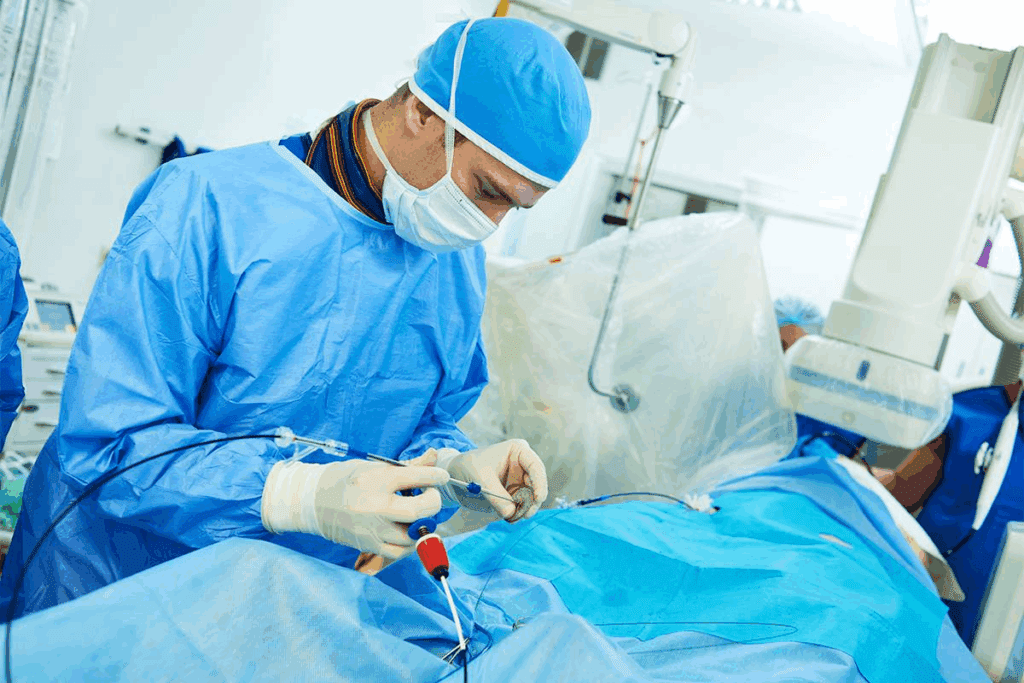
We are on the cusp of a revolution in medical treatments, thanks to IR Interventional Radiology. This medical specialty is changing patient care. It uses advanced imaging tools like CT and ultrasound to guide procedures. This makes treatments less invasive, reducing recovery times and complications. Discover 15 amazing facts about IR interventional radiology. Learn what these specialists do and the powerful procedures they perform.
At Liv Hospital, we are committed to delivering world-class healthcare. We offer complete international patient support. Interventional radiologists are key in this effort. They use their skills to perform procedures that were once major surgeries.
As the global IR market grows, it’s vital for patients to know about this specialty. The market is expected to exceed USD 60 billion by 2034. This makes understanding IR Interventional Radiology more important than ever for those seeking advanced medical care.
Key Takeaways
- IR Interventional Radiology uses imaging tools for minimally invasive treatments.
- It reduces the need for major surgery and decreases recovery times.
- Interventional radiologists are critical in performing these advanced procedures.
- Liv Hospital is dedicated to providing complete care for international patients.
- The global IR market is projected to exceed USD 60 billion by 2034.
What Is IR Interventional Radiology?
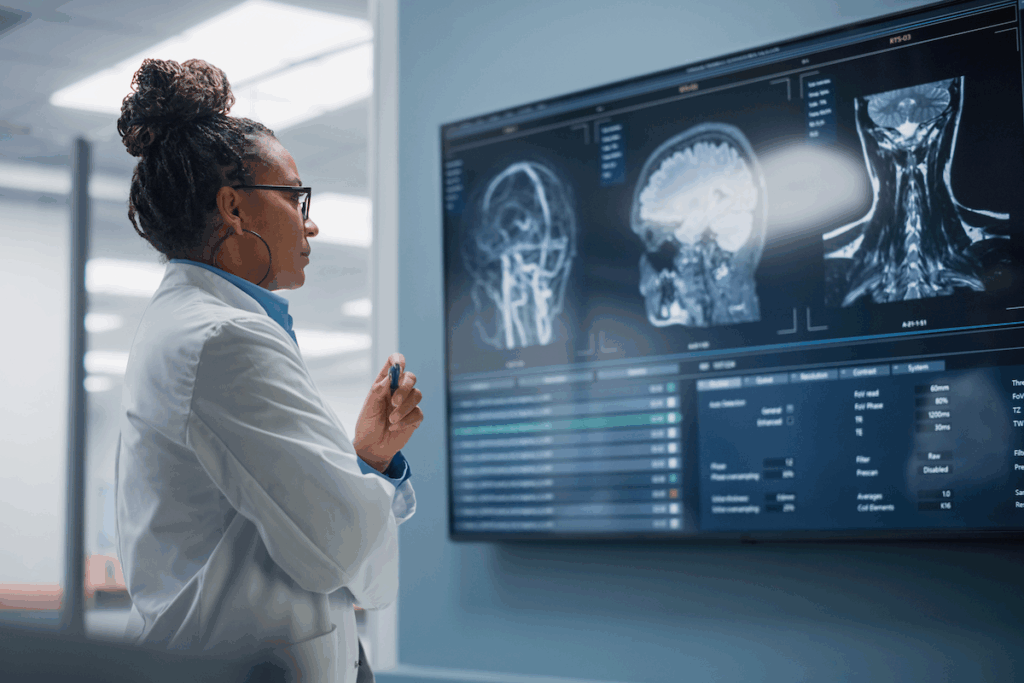
Interventional Radiology (IR) is a cutting-edge field that uses advanced imaging and minimally invasive methods to diagnose and treat diseases. We use tools like X-rays, CT scans, MRI, and ultrasound to guide doctors during treatments inside the body. This ensures treatments are precise and effective.
Definition and Basic Principles
IR interventional radiology uses advanced imaging to perform procedures that were once very invasive. Interventional radiologists use these technologies to navigate through complex vascular structures. They treat conditions with minimal disruption to the body.
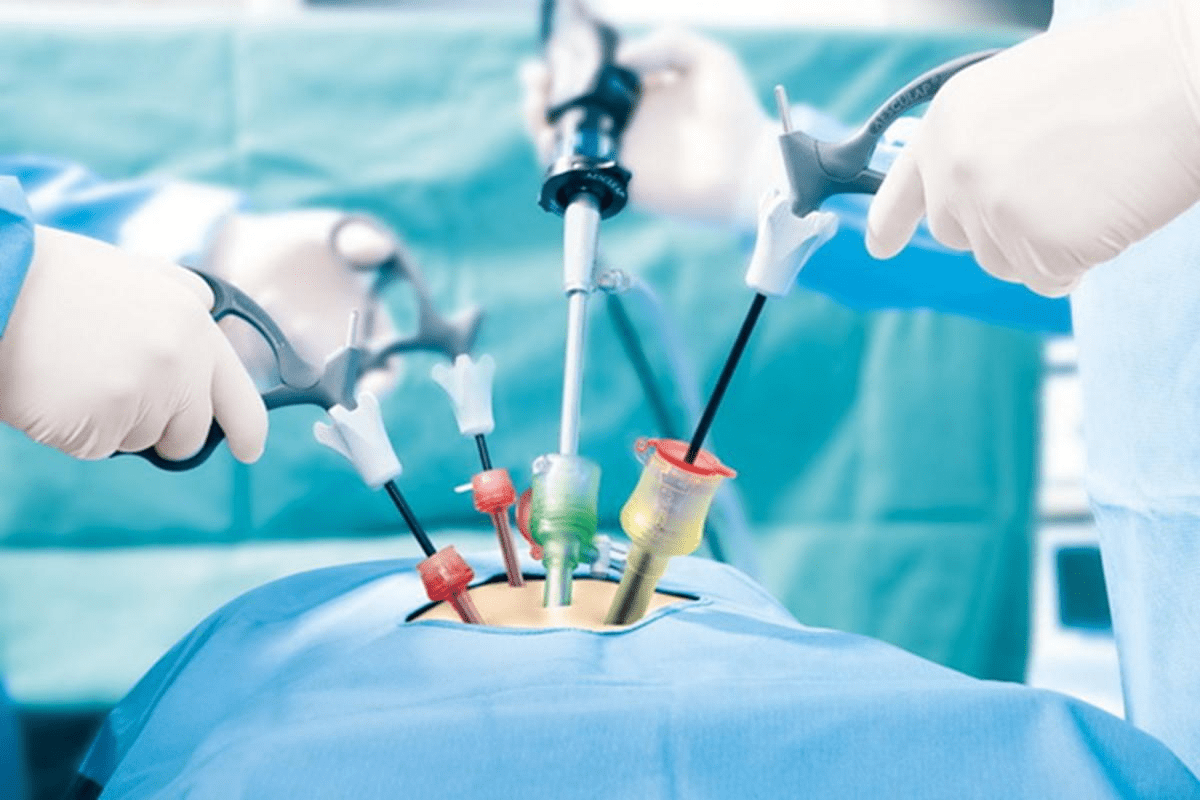
This approach reduces recovery time and lowers the risk of complications from traditional surgery. The basic principles of IR radiology focus on using imaging to guide minimally invasive procedures. Small catheters or instruments are inserted through tiny incisions in the skin. They are then guided to the target area using real-time imaging.
The Evolution of Interventional Medicine
The field of interventional medicine has seen a lot of growth. At first, radiologists used imaging mainly for diagnosis. But as technology improved, using imaging for treatments became possible. Now, IR includes a wide range of procedures, all guided by advanced imaging.
The growth of IR has been fueled by better imaging technology, like CT scanning and ultrasound. These advancements have made complex procedures safer and more precise. IR has become a key part of healthcare, providing patients with new, minimally invasive treatment options.
The Revolutionary Approach of Minimally Invasive Procedures
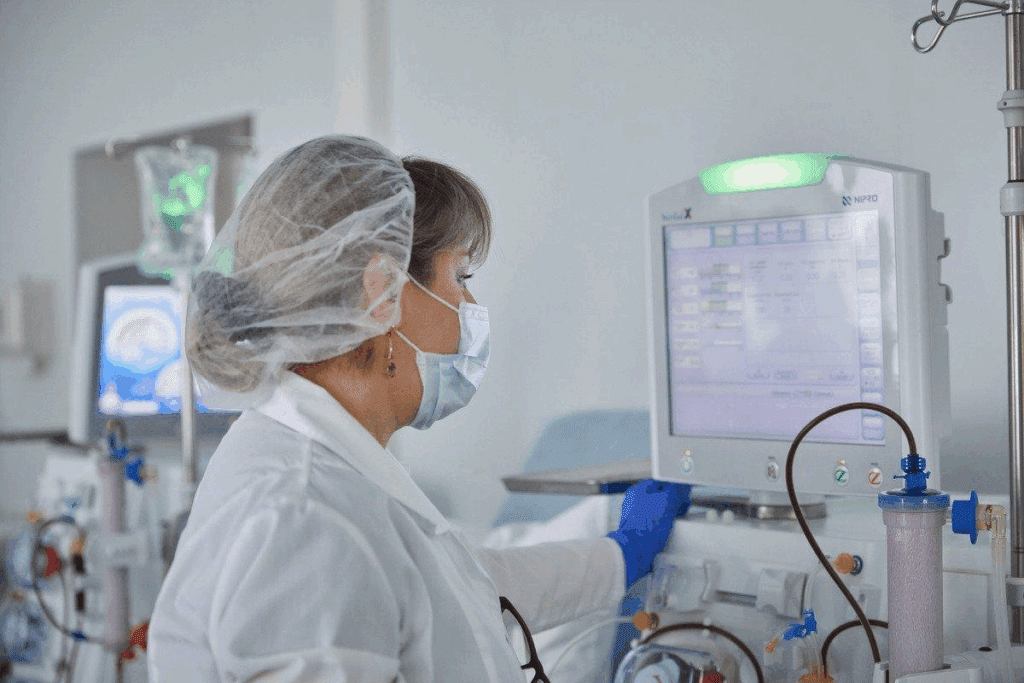
IR surgery has changed medicine by using new, less invasive methods. These methods help patients recover faster. Interventional radiology leads this change, making treatments safer and more effective than old surgeries.
How IR Surgery Differs from Traditional Surgery
IR surgery is different from old surgeries in many ways. The main differences are in the size of cuts, the tools used, and how they affect the body.
- Smaller Incisions: IR uses tiny cuts, just a few millimeters, for thin instruments.
- Less Tissue Damage: IR’s small approach means less harm to tissues, less pain, and quicker healing.
- Reduced Risk of Complications: Smaller cuts and less damage mean fewer risks like infections.
Benefits of Minimally Invasive Techniques
Minimally invasive IR surgery offers many benefits. Some key advantages are:
- Shorter Hospital Stays: IR patients often leave the hospital sooner because they heal faster.
- Less Post-Operative Pain: IR’s small cuts and gentle approach mean less pain after surgery.
- Quicker Return to Normal Activities: Faster recovery means patients can get back to their lives sooner, improving their well-being.
As interventional radiologists keep improving, patients will see even more advanced and effective treatments in the future.
Advanced Imaging Technologies in IR Interventional Radiology
Interventional Radiology (IR) uses advanced imaging to guide procedures. These tools help make treatments precise and effective.
CT Scanning in Interventional Procedures
CT scanning is key in IR. It gives detailed images that help doctors navigate the body. CT-guided interventions make it easier to target specific areas for biopsies and more.
CT scanning has made treatments safer and more effective. It reduces the chance of complications and boosts treatment success.
Ultrasound and Other Imaging Modalities
Ultrasound is vital in IR, providing live images during procedures. It’s great for vascular work, helping see blood flow and device placement.
Other tools like fluoroscopy and MRI are also important. Fluoroscopy shows X-ray images continuously, useful for tracking devices. MRI offers clear images of soft tissues, ideal for nervous system and liver work.
| Imaging Modality | Key Features | Common Applications in IR |
| CT Scanning | High-resolution cross-sectional images | Biopsies, drainages, tumor ablations |
| Ultrasound | Real-time imaging, portable | Vascular access, biopsies, drainage |
| Fluoroscopy | Continuous X-ray imaging | Angioplasty, stenting, embolization |
The IR Suite: A Specialized Environment
The IR suite is a special place for advanced imaging. It has top-notch equipment and a team ready to help. This includes interventional radiologists and radiographers.
This suite is safe and efficient for complex procedures. It has advanced monitoring and safety for radiation.
The IR Radiologist: Training and Expertise
Interventional Radiology (IR) is a specialized field. Radiologists in this area need a lot of training and unique skills. Let’s explore the education and training IR radiologists go through to become experts.
Who Is an Interventionist Radiologist?
An interventionist radiologist, or IR radiologist, is a doctor with a focus on IR. They use imaging like X-ray or MRI for procedures. They help diagnose and treat conditions without open surgery.
Educational Path and Specialization
Becoming an IR radiologist is a challenging journey. It includes:
- Getting an MD or DO degree from medical school
- Completing a diagnostic radiology residency
- Doing an IR fellowship for specialized training
This training prepares IR radiologists for complex procedures. It helps them make important decisions under pressure.
The Interventional Radiographer’s Role
Interventional radiographers are key in IR procedures. They run imaging equipment, prepare patients, and help during procedures. Their skills are essential for safe and smooth procedures.
There’s a big need for IR professionals, including IR radiologists and radiographers. As technology advances, more skilled people are needed. This will improve patient care and treatment results.
Common Vascular Interventions in Radiology IR
Interventional radiology (IR) is key in vascular health. It helps diagnose and treat blood vessel issues. IR offers minimally invasive treatments that reduce recovery time and improve patient results.
Angioplasty and Stenting
Angioplasty and stenting are common in IR. Angioplasty uses a balloon to open blocked arteries. Stenting places a mesh tube (stent) to keep arteries open. These methods treat diseases like PAD and coronary artery disease.
These procedures have many benefits. They reduce symptoms and improve blood flow. A study showed angioplasty leads to shorter hospital stays and faster recovery than surgery.
Embolization Procedures
Embolization is a vital part of IR. It blocks or reduces blood flow to certain areas. This is often for tumors, aneurysms, or bleeding.
- Reduces tumor size by cutting off blood supply
- Prevents bleeding in trauma or surgery
- Treats vascular malformations
Embolization uses materials like coils or liquid agents. These are delivered through catheters to the target area.
Thrombolysis and Thrombectomy
Thrombolysis and thrombectomy treat acute thrombotic events. Thrombolysis dissolves blood clots with medications. Thrombectomy mechanically removes the clot.
| Procedure | Description | Common Indications |
| Angioplasty | Balloon angioplasty to widen narrowed arteries | PAD, coronary artery disease |
| Stenting | Placement of a stent to keep arteries open | PAD, coronary artery disease |
| Embolization | Blocking blood flow to specific areas | Tumors, aneurysms, bleeding |
| Thrombolysis | Dissolving blood clots using medications | Stroke, DVT |
| Thrombectomy | Mechanical removal of blood clots | Stroke, DVT |
These vascular interventions show IR’s versatility and effectiveness. IR offers minimally invasive treatments that improve patient care and outcomes.
IR in Cancer Treatment: A Game-Changing Approach
IR is changing how we fight cancer, bringing hope to people all over the world. It uses new, less invasive methods that work well and fast.
IR has made treating cancer better, focusing on the bad cells without harming good ones. We use top-notch imaging to guide these treatments, making them more precise and effective.
Tumor Ablation Techniques
Tumor ablation kills cancer cells with heat, cold, or chemicals. IR experts use imaging to find and destroy tumors, cutting down on side effects and helping patients heal faster.
Some key tumor ablation methods are:
- Radiofrequency ablation (RFA)
- Cryoablation
- Microwave ablation (MWA)
Targeted Drug Delivery
Targeted drug delivery sends cancer-fighting meds straight to the tumor, cutting down on side effects. This makes chemotherapy work better and is safer for healthy tissues.
IR uses chemoembolization and radioembolization to get drugs to the tumor, boosting treatment success.
Palliative Interventions
Palliative care aims to ease symptoms and improve life for those with advanced cancer. IR can help manage pain, reduce tumor problems, and make patients more comfortable.
| Procedure | Benefits |
| Tumor ablation | Minimally invasive, precise, and effective |
| Targeted drug delivery | Reduces systemic side effects, enhances chemotherapy effectiveness |
| Palliative interventions | Improves quality of life, manages pain and symptoms |
By adding IR to cancer treatment, we offer patients better, less invasive options. This improves their chances of success and quality of life.
Non-Vascular IR Procedures You Should Know About
Interventional Radiology (IR) does more than just vascular work. It offers many non-vascular procedures for diagnosing and treating different health issues. These methods are less invasive, helping to avoid big surgeries and improve patient results.
Biopsies and Drainage Procedures
IR experts do biopsies to find out if cancer is present. They use imaging to guide the needle to the right spot. This way, they get tissue samples for lab tests.
They also do drainage procedures. IR specialists use catheters to remove abscesses or fluid. This helps symptoms go away and speeds up healing.
A percutaneous biopsy is when a needle goes through the skin to get tissue. It’s used for many conditions like liver or lung problems. Abscess drainage uses a catheter to drain infected fluid. It lowers the chance of sepsis and helps the body heal.
Biliary and Urinary Interventions
IR is key in dealing with biliary and urinary blockages. They do percutaneous transhepatic cholangiography (PTC) and nephrostomy to clear blockages. These are important for patients with bile duct or urinary issues.
| Procedure | Description | Indications |
| PTC | Percutaneous transhepatic cholangiography accesses the bile ducts through the liver to clear blockages. | Bile duct obstruction, jaundice |
| Nephrostomy | It involves putting a catheter into the kidney to drain urine directly from the kidney. | Urinary obstruction, kidney stones |
Vertebroplasty and Kyphoplasty
Vertebroplasty and kyphoplasty treat vertebral compression fractures, often from osteoporosis. They’re minimally invasive, injecting bone cement into the vertebra to stabilize it and ease pain. Kyphoplasty also inflates a balloon before cement to help restore height.
Both are done under imaging, ensuring the cement is placed right. They help a lot with pain and mobility for those with vertebral fractures.
Patient Recovery and Reduced Complications
IR Interventional Radiology has changed patient care for the better. It makes recovery times shorter and complications fewer. We focus on getting patients back to their lives quickly and safely.
Shorter Hospital Stays
IR procedures are a big win for patients. They often go home the same day or within 24 hours. This is much shorter than the usual time after traditional surgery.
Decreased Pain and Recovery Time
IR procedures are designed to be gentle. They cause less tissue damage and trauma. This means patients feel less pain and heal faster.
Lower Risk of Infection and Complications
The small incisions of IR procedures also lower the risk of infection and complications. We’ve seen a big drop in post-procedure infections and bad outcomes.
| Benefits | IR Procedures | Traditional Surgery |
| Hospital Stay | Typically | Often several days |
| Pain Level | Lower due to minimally invasive techniques | Higher due to more extensive tissue damage |
| Risk of Infection | Lower | Higher |
Understanding these benefits helps patients see the value of IR in their care. Our goal is to offer top-notch treatment. We aim to reduce recovery times and complications.
Economic Impact: Cost-Effectiveness of Medicine IR
Interventional Radiology is changing patient care and making it cheaper than old surgical ways. It’s showing how IR can save money in healthcare.
IR is getting popular because it’s cheaper. It cuts down on hospital stays and recovery times. This helps save money in healthcare, which is very important today.
Reduced Healthcare Costs
IR is often cheaper than surgery because it uses less hospital resources and has shorter recovery times. A study showed IR saves a lot of money compared to surgery. Using IR can help healthcare systems save money and improve care.
IR also saves money in other ways. It shortens hospital stays and cuts down on post-operative care. This leads to big savings for healthcare systems.
The Growing Global IR Market
The IR market is growing fast because more people want less invasive treatments. IR’s benefits are being seen more, so the market is expected to keep growing.
Experts think the IR market will hit USD 60 billion by 2034. This shows how important IR is becoming in healthcare. It’s changing how we get care.
As the IR market grows, we’ll see more new IR methods and tech. This will make IR even more cost-effective and effective. It will help meet the changing needs of healthcare around the world.
How to Prepare for an IR CT or Interventional Procedure
To have a smooth IR CT or interventional procedure, follow certain steps before, during, and after. Knowing these can help you feel less anxious and improve your results.
Before Your Appointment
Start preparing before you go to the hospital or clinic. It’s key to follow the instructions from your healthcare team. They might tell you to:
- Tell them about any medicines you’re taking, like blood thinners
- Not eat or drink for a certain time before the procedure
- Make sure someone can drive you home after
- Tell your doctor about any allergies or sensitivities
Also, ask any questions you have during your pre-procedure talk. This is your chance to know what to expect and clear up any worries.
What to Expect During the Procedure
During the procedure, a team of experts will take care of you. The procedure will happen in a special IR suite with the latest imaging tech:
| Procedure Aspect | Description |
| Imaging Technology | Advanced imaging like CT or ultrasound helps guide the procedure |
| Anesthesia | Local anesthesia is used, with sedation if needed |
| Monitoring | Your vital signs will be watched closely during the procedure |
Post-Procedure Care
After the procedure, it’s important to follow the care instructions. This might include:
- Resting for a while before doing normal activities again
- Watching the procedure site for infection or complications
- Taking medicines as your healthcare provider says
- Going to follow-up appointments to check on your recovery
Your healthcare team will give you specific instructions. By following these, you can avoid problems and get the best results from your IR CT or interventional procedure.
Access Challenges in Invasive Radiology
Even with the progress in IR interventional radiology, getting to these services is hard all over the world. The problem of not having enough access to IR services is complex. It’s affected by where you live, how much money you have, and if there are skilled doctors nearby.
Global Disparities in IR Availability
How easy it is to get IR services changes a lot from place to place. In rich countries, these services are more common and accepted. But in poorer areas, getting this special care is hard.
| Region | Availability of IR Services | Primary Challenges |
| Developed Countries | High | Cost, Insurance Coverage |
| Developing Countries | Limited | Infrastructure, Trained Professionals |
| Rural Areas | Low | Accessibility, Awareness |
A recent study found that not having IR services in some areas is a big problem.
“Improving access to IR services requires a multifaceted approach, including education, infrastructure development, and policy support.”
Addressing the Shortage of Interventional Radiologists
There’s a big need for more IR doctors all over the world. Not having enough IR doctors is a big reason why people can’t get these services. To fix this, we need more training programs and to make more doctors interested in IR.
To solve the problem of not having enough IR services, we need a big plan. We must improve the places where these services are given, train more IR doctors, and make policies that help IR services grow everywhere.
Conclusion: Why IR Matters for Your Healthcare Decisions
Interventional radiology has changed how we see healthcare. It offers new ways to treat many conditions without big surgeries. IR includes a wide range of procedures that have greatly improved patient care.
IR brings many benefits. It means patients can recover faster, face fewer risks, and save money. These points make IR a key part of healthcare choices. It gives patients safer and quicker treatment options.
As IR keeps getting better, it will play an even bigger role in healthcare. Knowing about IR helps both patients and doctors make better choices. They can use the newest medical tech to get better results.
IR is important because it’s moving healthcare towards being more focused on the patient. It’s making healthcare more efficient and effective. As we go forward, IR will be key in changing how we treat medical conditions. This will help improve many lives.
FAQ
What is IR interventional radiology?
IR interventional radiology is a medical field. It uses advanced imaging to do procedures without big surgery. This makes treatments less invasive.
How does IR differ from traditional surgery?
IR is different because it’s less invasive. This means less pain, shorter stays in the hospital, and fewer problems. It’s a more modern approach.
What kind of training does an IR radiologist have?
IR radiologists get a lot of education. They learn about interventional procedures and imaging. This makes them experts in their field.
What are some common vascular interventions in IR?
IR does many vascular interventions. These include angioplasty, stenting, and embolization. They help treat many vascular conditions.
How does IR contribute to cancer treatment?
IR helps with cancer treatment. It uses techniques like tumor ablation and targeted drug delivery. This improves patient outcomes and quality of life.
What are non-vascular IR procedures?
Non-vascular IR procedures include biopsies and drainage. They also include biliary and urinary interventions, and vertebroplasty and kyphoplasty. These are used to diagnose and treat various conditions.
How does IR impact patient recovery?
IR helps patients recover faster. It reduces hospital stays, decreases pain, and lowers the risk of infection and complications.
Is IR cost-effective?
Yes, IR is cost-effective. It reduces healthcare costs by minimizing the need for traditional surgery and shortening recovery times.
How do I prepare for an IR CT or interventional procedure?
To prepare, follow your healthcare provider’s instructions. This may include dietary restrictions, medication adjustments, and other preparations.
What can I expect during an IR procedure?
During an IR procedure, you’ll be monitored by a team. The procedure will be guided by advanced imaging technologies.
What are the access challenges in IR?
IR faces access challenges. There are global disparities in availability and a shortage of interventional radiologists. This limits access to IR services.
What is the IR suite?
The IR suite is a specialized area for interventional procedures. It’s equipped with advanced imaging technologies and staffed by trained professionals.
What is the role of an interventional radiographer?
An interventional radiographer supports IR procedures. They operate imaging equipment and assist the IR radiologist.
How is IR evolving?
IR is evolving with new technologies and techniques. This improves patient care and outcomes.
What is the global IR market projected to be?
The global IR market is expected to grow. It’s projected to exceed USD 60 billion by 2034, showing IR’s growing importance in healthcare.
References:
- Mashoufi, R. (2023). Interventional Radiology for Disease Management: A Narrative Review. PMC. https://pmc.ncbi.nlm.nih.gov/articles/PMC10711338/