Last Updated on November 26, 2025 by Bilal Hasdemir
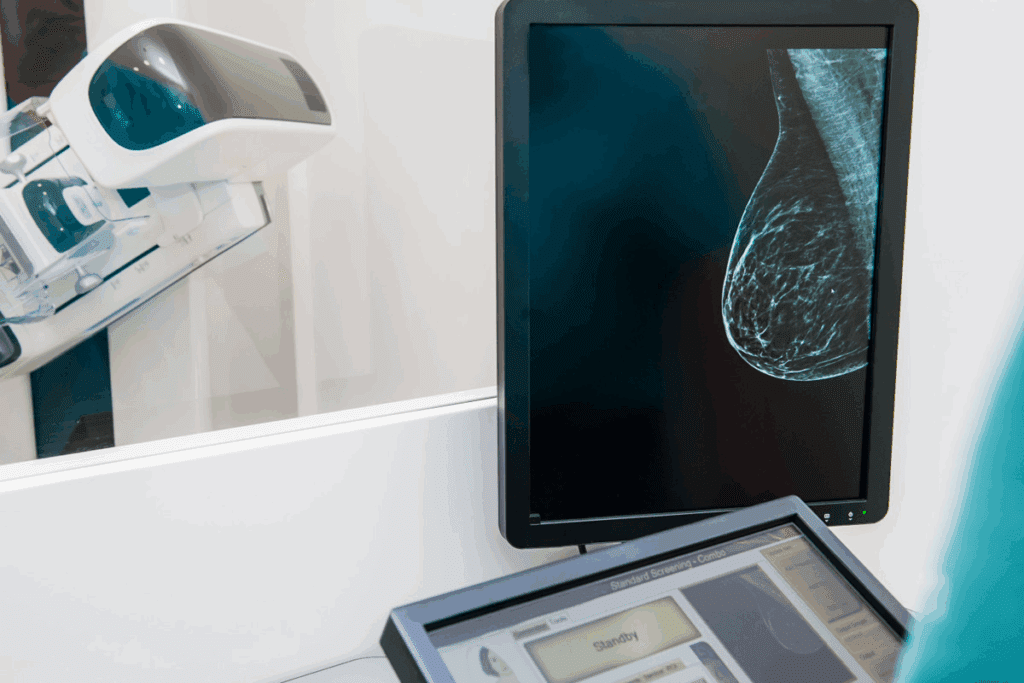
We are looking into the important role of Interventional Radiology Physician Assistants in today’s healthcare. These experts focus on non-invasive, image-guided procedures. They work with radiologists to find and treat different health issues. What is an IR PA? Get the ultimate career guide on what an interventional radiology physician assistant does, job duties, and salary.
An Interventional Radiology Physician Assistant is a trained professional. They check patients, look at imaging studies, and help with treatments. Their skills make a big difference in patient care and results in radiology.
Key Takeaways
- Interventional Radiology Physician Assistants play a key role in delivering non-invasive, image-guided procedures.
- They work with radiologists to diagnose and treat health issues using advanced imaging.
- IR PAs do patient assessments and review imaging studies.
- Their skills improve patient care and results in radiology departments.
- Interventional Radiology Physician Assistants are highly trusted by patients and known for their contributions to medical advancements.
The Expanding Role of IR PAs in Modern Healthcare
Interventional Radiology Physician Assistants (IR PAs) are playing a key role in healthcare. They help with minimally invasive procedures, which are becoming more common. IR PAs are now a big part of the healthcare team, helping with diagnosis and treatment.
Definition and Scope of Interventional Radiology
Interventional radiology uses imaging to guide procedures. IR PAs work with doctors to do things like angiography and biopsies. They help with many vascular and non-vascular procedures.
Key Procedures in Interventional Radiology:
- Angiography and angioplasty
- Embolization procedures
- Biopsies and drainages
- Vascular access placement
Evolution of the Physician Assistant Role in Radiology
The role of Physician Assistants in radiology has changed a lot. This is because of new imaging tech and more need for radiology services. IR PAs now help with patient care, assist in procedures, and take care of patients after procedures.
| Year | Role of IR PAs | Key Developments |
| 2000s | Limited to basic radiology tasks | Introduction of PAs in radiology departments |
| 2010s | Expansion into interventional procedures | Advancements in imaging technologies |
| 2020s | Integral to IR teams, performing complex procedures | Increased recognition of IR PA role |
The role of IR PAs is set to grow even more. This is because healthcare needs are changing. IR PAs are now vital for better patient care and outcomes.
Educational Pathway to Becoming an IR PA
Becoming an Interventional Radiology Physician Assistant requires hard work and dedication. You need to go through a detailed educational journey. This includes getting a bachelor’s degree, PA school, specialized training in interventional radiology, and getting certified.
Undergraduate Prerequisites and PA School Requirements
First, you’ll need a bachelor’s degree with prerequisites in sciences like biology, chemistry, and anatomy. These courses are key for PA school. You don’t have to major in a specific field, but biology or health sciences are common choices.
Then, you apply to a Commission on Accreditation of Allied Health Education Programs (CAAHEP)-accredited PA program. PA school lasts about 27 months. It includes classroom learning and clinical rotations, giving you a solid medical foundation.
Specialized Training in Interventional Radiology
After PA school, you need specialized training in interventional radiology. You can get this through residency programs or fellowships. These programs offer hands-on experience and the chance to work with experienced radiologists.
Many IR PAs also take continuing education courses and certifications from organizations like the Society of Interventional Radiology (SIR). This keeps them updated on new techniques and technologies.
Certification, Licensing, and Continuing Education
To work as a PA, including in interventional radiology, you must get certified by passing the PANCE. To keep your certification, you need to complete CME courses and follow NCCPA’s rules.
Licensing rules for PAs differ by state, so it’s important to know the laws in your area. Staying current with new developments in interventional radiology is also key for IR PAs.
Core Clinical Responsibilities of an IR PA
In the world of interventional radiology, IR PAs are key players. They provide top-notch care to patients. Their duties are vital for the success of these procedures.
Pre-Procedure Patient Assessment and Consultation
IR PAs start by assessing patients before any procedure. They look over medical histories, do physical checks, and order tests. They also talk to patients about the procedure, its risks, and benefits.
Good communication is important here. It helps reduce patient anxiety and prepares them for the procedure.
Procedural Assistance and Independent Performance
During procedures, IR PAs help radiologists. They get the patient ready, sterilize the area, and use instruments. In some cases, they can do procedures on their own with a radiologist’s watch.
Being able to stay calm and make fast decisions is critical for IR PAs during these times.
Post-Procedure Care and Patient Management
After the procedure, IR PAs watch over patients. They manage pain and handle any issues that come up. They also give care instructions to patients and their families.
By focusing on quality care after procedures, IR PAs greatly improve patient outcomes and happiness.
The need for skilled IR PAs is growing. This means more chances for those looking to join this fulfilling field.
Collaboration Between IR PAs and Interventional Radiologists
IR PAs and interventional radiologists work together to give patients the best care. They make sure patients get top-notch treatment and support every step of the way.
Team-Based Approach to Patient Care
In interventional radiology, teamwork is key. IR PAs and radiologists team up to create treatment plans that fit each patient’s needs. This teamwork makes sure all parts of patient care are covered, from start to finish.
This team effort brings many benefits:
- Patients get better care because everyone works together.
- Patients are safer because of careful checks before and after procedures.
- Things get done faster because each team member knows their role.
Scope of Practice and Supervision Requirements
IR PAs know what they can do based on their training and rules. Even though they can do a lot on their own, they always work with radiologists. This is true for tricky cases or new procedures.
Supervision rules change depending on where you are and the healthcare setting. But, it usually means checking on patient care and results often. This helps IR PAs keep getting better and stay focused on top-quality care.
Shared Decision-Making and Treatment Planning
IR PAs and radiologists make decisions together. They look at patient histories, talk about treatment choices, and plan the best course of action. This way, they make sure they understand the patient’s needs and the latest medical knowledge.
Shared decision-making includes:
- Looking at the patient’s medical history and current state.
- Talking about treatment options and what might happen.
- Creating a treatment plan that’s just right for the patient.
By working together, IR PAs and radiologists offer care that’s all about the patient. They make sure each treatment is personalized and meets the patient’s unique needs and wishes.
Common Interventional Procedures Performed by IR PAs
IR PAs are key in interventional radiology, helping with many important procedures. These tasks need a lot of skill and precision. IR PAs are vital to the success of these procedures.
Vascular and Angiographic Procedures
Vascular and angiographic procedures are central to interventional radiology. IR PAs help with these, which include:
- Angioplasties and stenting to improve blood flow
- Embolization to block blood flow to specific areas
- Thrombectomy to remove blood clots
These procedures are key for diagnosing and treating vascular conditions. A study in the Journal of Vascular and Interventional Radiology shows IR PAs are playing a bigger role. This is improving patient outcomes.
“The role of IR PAs in vascular and angiographic procedures is critical, as they provide the necessary support to interventional radiologists, ensuring the smooth execution of these complex interventions.”
Diagnostic and Therapeutic Interventions
IR PAs are involved in many diagnostic and therapeutic interventions. These include biopsies and drainages. They are essential for diagnosing and treating conditions.
| Procedure | Description | Role of IR PA |
| Biopsy | Sampling tissue for diagnostic purposes | Assisting in image-guided biopsy procedures |
| Drainage | Draining fluid collections or abscesses | Performing drain placements and management |
Vascular Access and Catheter Management
Vascular access and catheter management are key in interventional radiology. IR PAs handle:
- Placing central venous catheters and ports
- Managing catheter care and maintenance
- Removing catheters when necessary
Good vascular access and catheter management are vital for patient safety and comfort. IR PAs work closely with radiologists to ensure these procedures are done safely and well.
The role of IR PAs in interventional radiology is multifaceted and essential for delivering high-quality patient care. As the field evolves, the need for skilled IR PAs will grow. This makes it a rewarding career for those interested in this specialty.
Work Environment and Lifestyle of an IR PA
IR PAs work in many places, like hospitals and clinics. Each place has its own challenges and chances. This variety makes the job of an IR PA exciting and full of different experiences.
Clinical Settings: Hospital vs. Outpatient
The place where IR PAs work can really affect their day. Hospitals are busy with many cases, including emergencies. Clinics, on the other hand, have a more set schedule, with planned procedures and follow-ups.
Recent data shows that radiology PAs have many job options. This means IR PAs can pick the place that fits their skills and likes best.
| Setting | Characteristics | Benefits |
| Hospital | Fast-paced, varied cases, emergency procedures | Opportunity to work on complex cases, collaborative environment |
| Outpatient Clinic | Scheduled procedures, follow-up care, more controlled environment | Predictable schedule, focus on patient education and follow-up |
Typical Schedules and On-Call Responsibilities
IR PAs usually work full-time. They might work days, nights, or both, depending on the place. They also have to be ready to work outside regular hours for emergencies.
A survey found that many IR PAs like the flexible hours. But, being on call can be tough.
“The role of an IR PA is both challenging and rewarding. The variety in our work environment keeps our job exciting and engaging.”
— An experienced IR PA
Work-Life Balance Considerations
IR PAs need to balance work and personal life well. The job can be demanding, with long hours and on-call duties. They must find time for family and personal activities.
To keep a good balance, IR PAs use time management and get support from family and colleagues. Employers also help by being flexible and providing wellness programs.
As more people want to be IR PAs, it’s important to know what the job is like. With the right mindset and support, IR PAs can have a rewarding and balanced career.
Essential Skills and Qualities for Success as an IR PA
To be successful as an IR PA, you need a mix of technical, clinical, and people skills. The work in interventional radiology is complex. It requires skill in both technical and clinical areas. You also need to communicate well with patients and healthcare teams.
Technical and Clinical Competencies
IR PAs must know a lot about technical skills for interventional radiology. This includes vascular access, angiography, and more. They also need to be good at using complex imaging equipment like fluoroscopy and ultrasound.
Key technical competencies include:
- Proficiency in sterile technique and radiation safety
- Ability to assist in complex vascular procedures
- Knowledge of imaging modalities and contrast agents
- Skill in using various medical devices and instruments
Clinical skills are also very important. IR PAs check patients before and after procedures. They manage care after procedures and watch for complications. They must make good decisions and care for patients well.
Communication and Patient Education Skills
Good communication is key for IR PAs. They need to explain procedures, risks, and benefits clearly to patients. They also give instructions after procedures. IR PAs work with many healthcare professionals, needing strong teamwork and people skills.
Key aspects of communication and patient education include:
- Clear explanation of complex medical information
- Empathetic patient interaction and support
- Collaboration with healthcare teams to develop care plans
- Documentation of patient information and procedural details
Adaptability and Stress Management
The work in interventional radiology is fast-paced and unpredictable. IR PAs need to be adaptable and handle stress well. They must be ready for emergencies, adjust to changes during procedures, and stay calm under pressure.
| Skill/Quality | Description | Importance in IR PA Role |
| Technical Proficiency | Ability to assist in and perform interventional radiology procedures | High |
| Clinical Judgment | Capacity to assess patients and make informed decisions | High |
| Communication Skills | Ability to effectively interact with patients and healthcare teams | High |
| Adaptability | Flexibility in responding to changing situations and emergencies | High |
With these skills and qualities, IR PAs can provide top-notch care. They are a valuable part of the interventional radiology team.
IR PA Salary, Benefits, and Job Market Outlook
The healthcare world is changing fast, and IR PAs are in high demand. This means good salaries and job security. IR PAs play a key role in healthcare today, thanks to the growing use of medical imaging.
Compensation Across Practice Settings
IR PAs earn competitive salaries in different places. Average salaries range from $120,000 to over $150,000 a year. This depends on where they work, how long they’ve been doing it, and who they work for.
- Hospital settings: $125,000 – $140,000 per year
- Outpatient clinics: $130,000 – $145,000 per year
- Private practices: $140,000 – $160,000 per year
IR PAs also get great benefits. These include health insurance, retirement plans, and paid vacation. These extras add to their total pay.
Geographic Variations in Demand and Pay
Where you live affects how much IR PAs get paid. Big cities and places with lots of hospitals usually pay more.
| Region | Average Salary | Demand Level |
| Northeast | $135,000 | High |
| South | $128,000 | Moderate |
| West Coast | $145,000 | Very High |
Knowing about these differences helps IR PAs find better jobs and negotiate salaries.
Future Growth Projections for IR PA Jobs
The outlook for IR PA jobs is very good. They’re expected to grow faster than most jobs. This is because more people are needing less invasive treatments, and IR PAs are playing a bigger role in healthcare teams.
As healthcare keeps getting better, the need for skilled IR PAs will keep growing. This makes for a bright future in this field.
Conclusion: Evaluating a Career as an IR PA
Thinking about a career as an interventional radiology physician assistant (IR PA) needs careful thought. You must consider the job’s duties, education needed, and the job market. Becoming a radiology PA requires a lot of education, clinical training, and getting certified and licensed.
The job of an IR PA is complex. It includes checking patients before procedures, helping during them, and caring for them after. IR PAs work with radiologists, helping to care for patients together.
The need for skilled IR PAs is increasing. This is because of new advances in radiology and the need for better patient care. When thinking about this career, look at the education needed, the job’s tasks, and the job market.
We suggest that those interested in IR PA jobs look into the specific needs of their area. This includes knowing about certification and licensing rules. By understanding the job well, you can decide if it’s right for you, matching your skills and interests.
FAQ
What is an Interventional Radiology Physician Assistant (IR PA)?
An IR PA is a healthcare worker. They help interventional radiologists with procedures. These are minimally invasive and guided by images.
What kind of education and training is required to become an IR PA?
To be an IR PA, you need to finish college first. Then, you go to PA school. After that, you get specialized training in interventional radiology. You also need to get certified and licensed.
What are the core clinical responsibilities of an IR PA?
IR PAs do a lot. They assess patients before procedures and help during them. They also take care of patients after the procedure.
How do IR PAs collaborate with interventional radiologists?
IR PAs and radiologists work together. They share in making decisions and planning treatments. This team approach helps patient care.
What kind of procedures do IR PAs typically perform?
IR PAs do vascular and angiographic procedures. They also do diagnostic and therapeutic interventions. Plus, they manage vascular access and catheters.
What is the average salary for an IR PA?
IR PA salaries vary. They depend on where you work, where you are, and how much experience you have. But, they are usually competitive.
What are the job prospects for IR PAs?
Jobs for IR PAs are growing. This is because more people need minimally invasive procedures. IR PAs are also playing a bigger role in healthcare.
What skills and qualities are essential for success as an IR PA?
To succeed, IR PAs need technical skills and knowledge. They must also be good at communicating and teaching patients. Being able to handle stress is important too.
Can IR PAs work independently?
IR PAs work under radiologists but can do some things on their own. This depends on their training and experience.
What is the typical work environment for an IR PA?
IR PAs work in hospitals or clinics. Their schedules and on-call duties can vary.
How does the role of an IR PA contribute to patient care?
IR PAs are key in patient care. They help with procedures and take care of patients before and after. This ensures high-quality care.