Last Updated on November 26, 2025 by Bilal Hasdemir
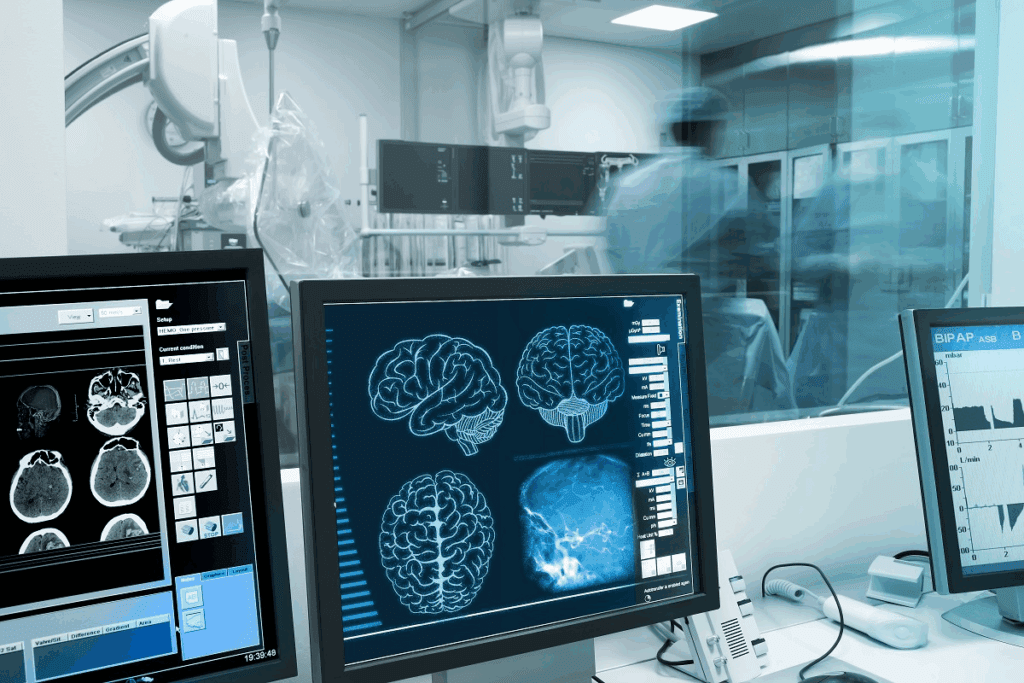
For doctors looking for a new challenge, an interventional radiology residency is a great choice. At places like Liv Hospital, they get world-class training. This training is designed to meet international standards.
The time you spend in an interventional radiology residency changes based on the program you pick. There are two main types: integrated and independent. Each has its own length and rules. It’s important to know these differences if you’re thinking about joining.
We’ll look at the different interventional radiology programs and explain what each IR program includes. We’ll cover their lengths and important details to give you a full picture of what this field offers and help you choose the right IR program for your career goals.
Key Takeaways
- The length of an interventional radiology residency depends on the program type.
- Integrated interventional radiology residency is a 5-year program, followed by a preliminary clinical internship year.
- Independent IR residency typically lasts 2 years.
- Candidates with ESIR status may complete the independent pathway in 1 year.
- Understanding the different pathways is essential for prospective residents.
Understanding Interventional Radiology as a Medical Specialty

Interventional Radiology (IR) is a key medical field that’s changing how we care for patients. It uses new, less invasive methods to treat diseases. Let’s explore what IR is, how it’s evolved, and why more doctors are needed in this field.
Definition and Scope of Interventional Radiology
IR combines diagnostic imaging with image-guided treatments. This mix lets IR doctors find and fix health problems without big surgeries. They use techniques like angiography and biopsies to help patients heal faster and with less pain.
Evolution of IR as a Distinct Specialty
IR has come a long way from its start. It’s grown from a part of radiology into a full-fledged field with its own training and rules. This growth shows IR’s dedication to making healthcare better for everyone.
The Growing Demand for Interventional Radiologists
More people need IR doctors because of our aging population and the desire for less invasive treatments. As technology gets better, IR’s role in healthcare is becoming even more important. We need more IR experts to give top-notch care using the latest tools.
Integrated IR Residency
The Integrated IR Residency program is a new way to train IR doctors. It teaches both imaging and treatments, getting residents ready for today’s IR challenges. This program is a big step towards better training for IR specialists, helping them meet the changing needs of healthcare.
The Integrated Interventional Radiology Residency Path
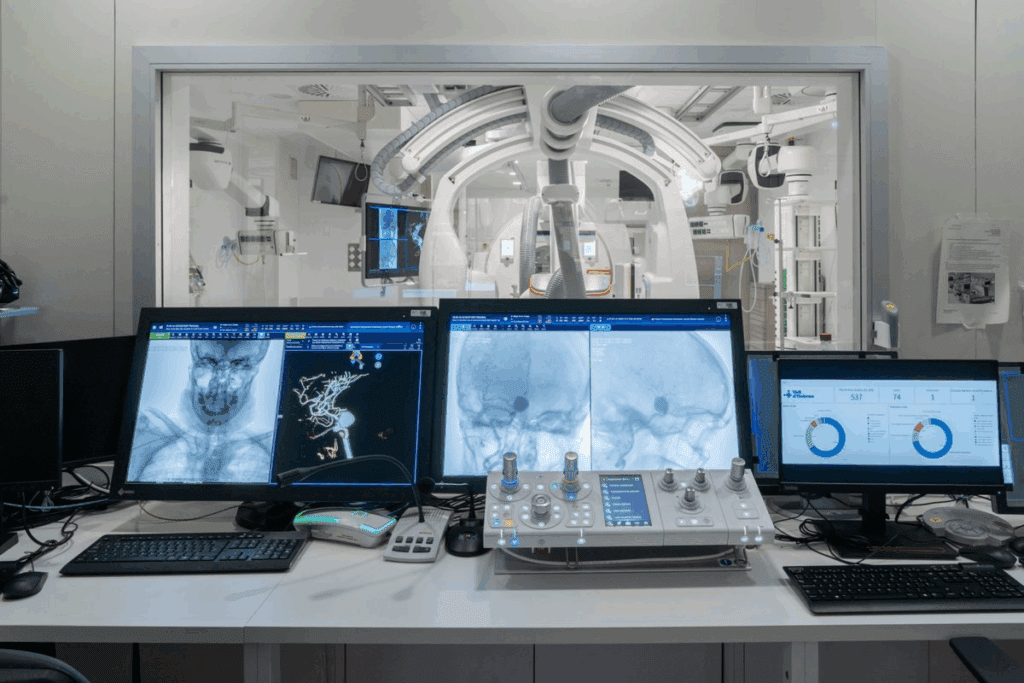
The 5+1-year integrated interventional radiology residency program is designed to equip residents with the necessary skills and knowledge in both diagnostic radiology and interventional radiology. This training program is structured to provide a seamless transition from foundational clinical practice to specialized IR training.
Structure of the 5+1 Year Program
The integrated IR residency program is divided into two main components: a preliminary clinical year and a 5-year radiology residency. The preliminary clinical year provides hands-on experience in patient care. The subsequent 5 years focus on radiology training, with an increasing emphasis on interventional radiology.
Preliminary Clinical Year Requirements
The preliminary clinical year is critical for developing fundamental clinical skills. Residents are typically required to complete this year in an Accreditation Council for Graduate Medical Education (ACGME)-accredited program. The year involves rotations in various clinical departments, such as internal medicine, surgery, and pediatrics, to ensure a broad understanding of patient care principles.
Year-by-Year Curriculum Breakdown
The 5-year radiology residency is carefully structured to progressively build expertise in diagnostic and interventional radiology. Here is an overview of the typical curriculum:
| Year | Curriculum Focus | Key Skills/Procedures |
| 1 (Preliminary Clinical Year) | Foundational clinical skills | Patient assessment, basic procedural skills |
| 2 | Introduction to radiology | Basic imaging interpretation, radiation safety |
| 3 | Diagnostic radiology | Advanced imaging techniques, contrast media usage |
| 4 | Introduction to IR | Basic IR procedures, patient preparation |
| 5 | Advanced IR training | Complex IR procedures, patient management |
| 6 | Specialized IR training | Advanced techniques, research, and leadership skills |
Throughout the 5+1-year program, residents gain extensive training in both diagnostic radiology and interventional radiology. This prepares them for a successful career in IR. The structured curriculum ensures that residents are exposed to a wide range of procedures and techniques, making them proficient in the field.
Independent IR Residency: The Alternative Pathway
If you’ve finished a diagnostic radiology residency, there’s a special path for you. The independent IR residency is a way to dive deeper into interventional radiology. It uses what you learned before to teach you more about IR techniques and procedures.
Prerequisites and Eligibility
To start an independent IR residency, you need to have done a diagnostic radiology residency first. You also need a valid medical license and a solid background in radiology. Each program has its own rules, so make sure to check what they require.
Standard 2-Year Program Structure
The usual independent IR residency lasts two years. In this time, you’ll learn a lot about interventional radiology. You’ll get both the theory and the hands-on skills needed for IR.
You’ll also get to try out different IR specialties. This lets you see how each one works. Plus, you’ll help with patient care, helping plan treatments for IR procedures.
Accelerated 1-Year Option with ESIR Status
If you have ESIR status, you might qualify for a faster 1-year program. This quick path is for those who already know a lot about IR. It’s shorter because it builds on what you already know.
ESIR status means you’re really good at IR. You got it by showing you know a lot, through training, experience, and tests. This fast program gives you more advanced training, fitting your career goals.
Comparing IR Residency Lengths and Training Requirements
Choosing a path to specialize in IR means looking at different residency lengths and training needs. It’s key to know the total training time, the pros and cons of each, and how to pick the right one for your career goals.
Total Training Duration Comparison
The main difference between the integrated and independent IR residency paths is their total training time. The integrated path takes six years, including a preliminary clinical year. On the other hand, the independent path requires at least seven years after medical school. This includes four years of diagnostic radiology residency and a 2-year IR fellowship, or a direct 2-year IR residency for those with ESIR status.
| Residency Pathway | Total Training Duration | Preliminary Clinical Year |
| Integrated IR Residency | 6 years | Included |
| Independent IR Residency (Standard) | 7 years | Not Included |
| Independent IR Residency (Accelerated with ESIR) | 6 years | Not Included |
Advantages and Disadvantages of Each Pathway
Each path has its advantages and disadvantages. The integrated path offers a smooth start into IR training with early exposure. But it means committing to a longer program from the start. The independent path, with a 2-year IR residency after radiology, builds a broader radiology base before specializing in IR. Yet, it takes more years overall.
The right choice depends on your career goals and past training. If you’re sure about IR early, the integrated path might fit. But, if you want a wider radiology base before specializing, the independent path could be better.
Making the Right Choice for Your Career Goals
When choosing IR residency paths, think about your long-term career goals. If you’re set on a specific IR area, like neurointervention or oncology, pick the path with the most relevant training. Also, look at the procedural variety and research opportunities each program offers.
In the end, your decision should be based on your career dreams, the program’s curriculum, and the training environment. Knowing the differences in IR residency lengths and training needs helps you make a choice that fits your professional goals.
Daily Life and Experiences in IR Programs
Being an IR resident is a mix of clinical work, learning new procedures, and personal growth. They face tough training to get ready for the challenges of this field.
Typical Rotations and Schedules
IR residents move through different areas like diagnostic radiology, vascular surgery, and interventional radiology. These spots give them a full view of the field and its connections.
- Diagnostic radiology rotations help IR residents get better at reading images.
- Vascular surgery rotations give them hands-on experience with surgeries.
- IR-specific rotations focus on procedures like angiography and embolization.
Residents follow a set schedule, with a mix of morning meetings, procedural training, and clinical work. This setup helps them build the skills and confidence they need.
Procedural Volume and Variety
IR residency is all about doing a lot of different procedures. IR residents do everything from simple angiography to complex tumor embolizations.
“The variety of cases and the hands-on experience are unparalleled. As an IR resident, you’re constantly learning and adapting to new procedures and technologies.” – IR Resident.
The experience they get from doing these procedures is priceless. It prepares them for the real world of medicine.
Call Responsibilities and Work-Life Balance
Like other medical residents, IR residents have to be ready for emergencies outside of work hours. The call schedule can change based on the program and where they work.
- Some programs have a night-float system, where residents work a series of night shifts.
- Others may have a more traditional on-call schedule, with residents taking turns being available 24/7.
Programs try to keep a balance between work and personal life. Good time management and support from colleagues are key to this balance.
Understanding the daily life and experiences of IR residents shows us their dedication and hard work. It’s what makes them great interventional radiologists.
Application Process and Matching into IR Residency Programs
Applying for IR residency programs requires careful planning and knowing the competition well. We’ll help you understand what makes your application stand out.
Application Timeline and Requirements
The application for IR residency programs starts a year before you want to start. Candidates must register with the Electronic Residency Application Service (ERAS) and apply by September.
Key parts of your application are:
- A personal statement that shows why you want to be an IR doctor
- Transcripts and letters from respected professionals
- USMLE or COMLEX scores to show your medical skills
- Any research or publications you’ve done
Make sure to submit everything on time and meet each program’s needs.
Competitive Factors for Successful Matching
Getting into a top IR residency program is tough. Being smart, having clinical experience, and doing research are key to impressing program directors.
| Competitive Factor | Importance Level | Tips for Enhancement |
| USMLE Scores | High | Study hard for the exams, focusing on clinical knowledge |
| Research Experience | High | Do meaningful research and publish in good journals |
| Clinical Experience | Medium | Get different clinical experiences, including IR |
| Letters of Recommendation | High | Build good relationships with mentors and ask early |
Interview Preparation and Program Selection
After applying, it’s time to prepare for interviews. Learn about the program, practice interview questions, and show your interest in IR.
When choosing programs, think about:
- The program’s reputation and whether it’s accredited
- The curriculum and rotations
- The expertise of the faculty and the research chances
- The location and quality of life
Plan well, highlight your strengths, and prepare for interviews. This will help you get into a top IR residency program. Becoming an interventional radiologist is hard, but with hard work and determination, you can reach your goals.
Certification and Board Requirements for IR Residents
IR residents must go through the American Board of Radiology (ABR) certification process. This is a key step in their career. It shows their expertise and dedication to interventional radiology.
ABR Certification Process
The ABR certification for interventional radiology has several steps. First, residents need to finish their accredited training. Then, they can take the certifying exam. This exam checks their knowledge and skills in IR.
Key components of the ABR certification process include:
- Completion of an accredited IR residency program
- Application for certification through the ABR
- Passing the certifying examination in interventional radiology
Dual Certification in Diagnostic and Interventional Radiology
Many IR residents get certified in both diagnostic and interventional radiology. This dual certification makes them more versatile. It also opens up more career paths.
| Certification Type | Description | Benefits |
| Diagnostic Radiology Certification | Certification in interpreting diagnostic imaging | Broadens understanding of radiological imaging, enhances IR practice |
| Interventional Radiology Certification | Certification in performing IR procedures | Demonstrates expertise in minimally invasive procedures |
Maintenance of Certification Requirements
To keep their certification, IR professionals must follow the ABR’s Maintenance of Certification (MOC) rules. This includes ongoing education and professional growth. They also need to follow ethical standards.
The MOC program includes:
- Continuing medical education (CME) in IR and related fields
- Participation in quality improvement initiatives
- Adherence to professional standards and ethics
By meeting these certification and maintenance needs, IR residents can prove their competence. They also stay up-to-date in the changing field of interventional radiology.
Conclusion: Career Outcomes and Future of IR Training
Interventional radiology (IR) residency programs are changing fast. There are two main paths: the integrated 5+1-year program and the independent 2-year program. Each has its own benefits and drawbacks, depending on your career goals.
IR specialists have a fulfilling career ahead, with many opportunities in patient care, research, and teaching. The need for skilled interventional radiologists is increasing. This is because of new technology and techniques. Top programs are updating their training to keep up with these changes.
The future of IR training looks bright, with a focus on innovation and excellence. Knowing about the different IR residency options helps aspiring radiologists make the right career choices. This way, they can help advance this exciting field.
FAQ
How long is an interventional radiology residency?
The length of an interventional radiology residency varies. The integrated IR residency is 5 years, plus a 1-year clinical internship. This totals 6 years of training. The independent IR residency is 2 years long, or 1 year for those with ESIR status.
What are the different types of IR residency programs?
There are two main types of IR residency programs. The integrated pathway is a 5+1-year program. It offers education in both diagnostic radiology and interventional radiology. The independent pathway is for those who have already completed a diagnostic radiology residency. It provides advanced training in interventional radiology.
What is the structure of the integrated IR residency path?
The integrated IR residency path is 5+1 years long. It includes a 1-year clinical internship and 5 years of IR training. The clinical year gives hands-on experience in patient care. The 5-year IR training covers both diagnostic radiology and interventional radiology.
What are the prerequisites for the independent IR residency pathway?
To apply for the independent IR residency pathway, you need to have finished a diagnostic radiology residency. Candidates with ESIR status can apply for the 1-year option.
How do I apply for IR residency programs?
To apply for IR residency programs, submit your application through ERAS. You’ll also need to interview with program directors. The application process starts in the summer, with interviews in the fall.
What are the certification requirements for IR residents?
IR residents must get certified by the American Board of Radiology (ABR). To do this, they need to pass a written and oral exam in diagnostic and interventional radiology.
What is the demand for interventional radiologists?
The demand for interventional radiologists is increasing. This is because more minimally invasive procedures are needed. They are key members of the healthcare team.
What is the typical daily life of an IR resident like?
IR residents have a demanding schedule. They do various rotations, perform many procedures, and have call duties. Their training is intense but prepares them well for the specialty.
How do I choose between the integrated and independent IR residency pathways?
Choosing between the integrated and independent IR residency pathways depends on your career goals and past training. The integrated pathway is best for starting in IR from the beginning. The independent pathway is for those who have already done a diagnostic radiology residency.
What are the advantages and disadvantages of each IR residency pathway?
The integrated pathway offers a broad education in both diagnostic and interventional radiology. It takes longer, though. The independent pathway focuses on advanced IR training, but you need to have done a diagnostic radiology residency first.
References
- Spieler, B., & Agarwal, V. (2021). Evolution of the Interventional Radiology (IR) Pathway—Various Changes and Interrelation to Diagnostic Radiology (DR). Radiology, 299(2), 337-347. https://pubmed.ncbi.nlm.nih.gov/33906805/