Last Updated on October 21, 2025 by mcelik

Iron deficiency symptoms affect millions of people worldwide, often reducing their quality of life without them even realizing it. Many suffer from this condition because its signs can be subtle and easily mistaken for other health issues.
Anemia occurs when the body doesn’t have enough healthy red blood cells, and iron deficiency is one of the most common causes. It often leads to symptoms like fatigue, weakness, and shortness of breath.
Recognizing iron deficiency symptoms early helps ensure timely diagnosis and treatment. Understanding these signs can prevent the condition from worsening and improve overall health outcomes.
Key Takeaways
- Anemia is a widespread health condition affecting millions globally.
- Iron deficiency is a common cause of anemia.
- Common symptoms include fatigue, weakness, and shortness of breath.
- Early recognition of symptoms is key for timely diagnosis.
- Understanding anemia symptoms can help prevent its progression.
Understanding Anemia: Definition and Overview
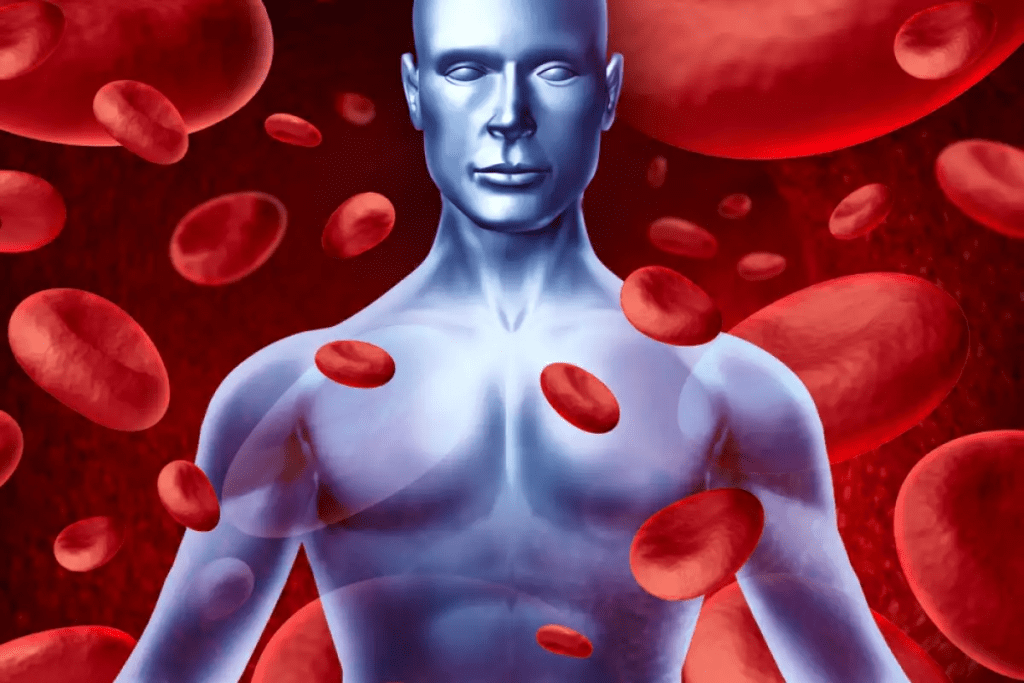
Anemia is a condition where the body has too few red blood cells or they don’t have enough hemoglobin. This makes it hard for the body to get enough oxygen. It leads to physical symptoms and health problems.
What Is Anemia and How Common Is It?
Anemia can happen to anyone, no matter their age or gender. It’s estimated that a lot of people worldwide have anemia. The number of people affected changes based on things like diet, health conditions, and genetics.
“Anemia is not just a single condition but a sign of something deeper,” says a health expert. Knowing what causes and types of anemia is key to treating it.
The Role of Red Blood Cells and Hemoglobin
Red blood cells carry oxygen from the lungs to the body’s tissues. Hemoglobin, a protein in these cells, binds oxygen. Without enough red blood cells or hemoglobin, you get anemia. This shows how important these parts are for our health.
Things that can cause anemia include:
- Iron deficiency
- Vitamin deficiency
- Chronic diseases
- Genetic disorders
Understanding the role of red blood cells and hemoglobin in anemia is important. It shows how complex the condition is and why we need a full treatment plan.
Common Iron Deficiency Symptoms to Recogni
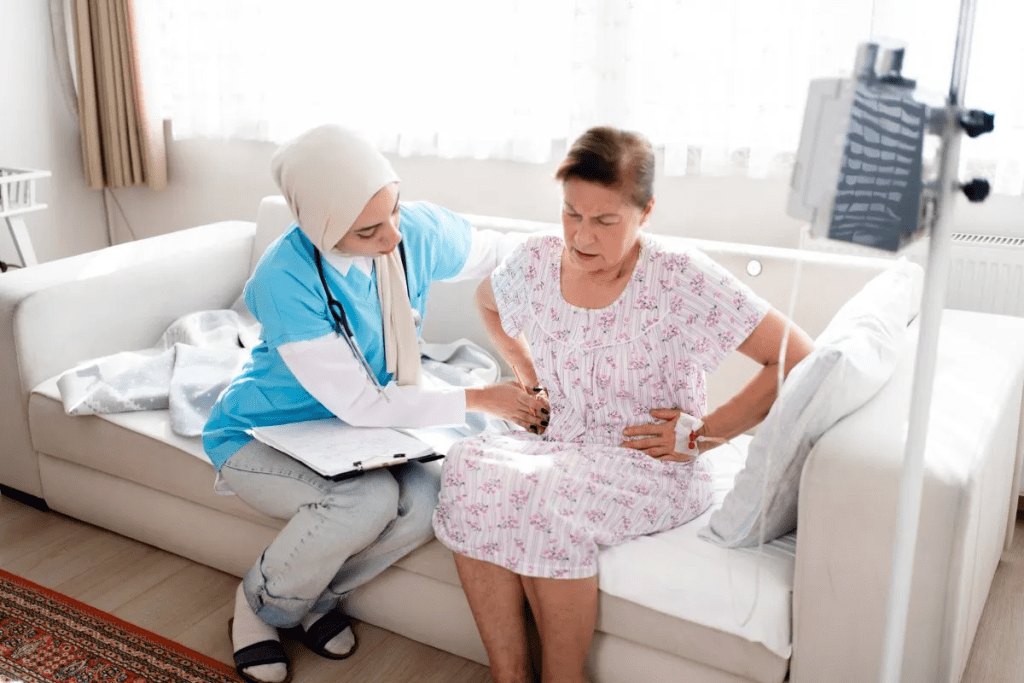
Iron deficiency can sneak up on you, with symptoms that aren’t easy to spot at first. Knowing the early signs is key to stopping it from turning into anemia.
Early Warning Signs of Iron Deficiency
Iron deficiency starts with small symptoms that can get worse if ignored. Early signs include fatigue, weakness, and pale skin. These happen because the body lacks iron to make hemoglobin, a key protein in red blood cells.
As iron deficiency gets worse, people might feel shortness of breath, dizziness, and hair loss. These signs show a big drop in iron levels and a high chance of anemia.
| Symptom | Description |
| Fatigue | Persistent feeling of tiredness or lack of energy |
| Weakness | Feeling of being weak or lacking strength |
| Pale Skin | Loss of skin color or pallor due to reduced hemoglobin |
| Shortness of Breath | Difficulty breathing or feeling winded even at rest |
How Iron Deficiency Progresses to Anemia
Iron deficiency anemia happens when iron stores run low, causing less hemoglobin. This makes it hard for oxygen to reach tissues and organs, leading to symptoms.
If iron deficiency isn’t treated, it can cause serious health problems. Knowing how it turns into anemia is key for early action.
Spotting iron deficiency symptoms early can stop anemia. It’s important to listen to your body’s signals and see a doctor if symptoms don’t go away.
General Symptoms of Anemia
Anemia shows up in many ways, affecting how well you live. It happens because your body’s tissues don’t get enough oxygen. Oxygen is key for your body to work right.
Fatigue and Weakness
Fatigue and weakness are big signs of anemia. Your cells don’t get enough oxygen to make energy. So, you might feel very tired or weak, even when you’re not doing much.
Pale Skin and Mucous Membranes
Pale skin and mucous membranes are other signs. This paleness comes from having less hemoglobin in your blood. Hemoglobin is what carries oxygen to your body’s parts. With less of it, your skin looks pale or washed out.
Shortness of Breath and Dizziness
Shortness of breath and dizziness are common too. You might breathe faster because your body needs more oxygen. Dizziness happens when your brain doesn’t get enough oxygen, making you feel dizzy.
Cold Hands and Feet
Some people with anemia have cold hands and feet. This is because of poor blood flow. Without enough hemoglobin or red blood cells, your body can’t keep its temperature right, making your hands and feet cold.
| Symptom | Description |
| Fatigue and Weakness | Feeling tired or weak due to insufficient oxygen delivery to body tissues. |
| Pale Skin and Mucous Membranes | Paleness due to reduced hemoglobin levels in the blood. |
| Shortness of Breath and Dizziness | Increased breathing rate and impaired brain function due to lack of oxygen. |
| Cold Hands and Feet | Poor circulation leading to cold extremities. |
Specific Symptoms Based on Anemia Types
It’s important to know the symptoms of different anemia types. Anemia is not just one condition. It includes many disorders where there are fewer red blood cells or less hemoglobin in the blood.
Iron Deficiency Anemia Symptoms
Iron deficiency anemia is common, mainly in women. Symptoms are fatigue, weakness, and pale skin. Severe cases can lead to shortness of breath and dizziness.
Vitamin Deficiency Anemia Symptoms
Vitamin deficiency anemia, often from a lack of vitamin B12 or folate, can cause numbness or tingling in the hands and feet. It also leads to fatigue and weakness, like iron deficiency anemia.
Hemolytic Anemia Symptoms
Hemolytic anemia happens when red blood cells are destroyed too fast. Symptoms include jaundice, fatigue, and shortness of breath. Some people may also have dark urine from broken-down red blood cells.
Aplastic Anemia Symptoms
Aplastic anemia is rare and serious. The bone marrow doesn’t make enough blood cells. Symptoms are fatigue, infections, and bruising or bleeding easily.
Knowing the symptoms of these anemia types is key for getting the right treatment.
How Anemia Symptoms Differ in Women
Anemia is a big health issue for women, with symptoms that change a lot. This is because of menstruation and pregnancy. Knowing these differences helps find and treat anemia early.
Menstruation-Related Anemia
Menstruation plays a big role in anemia in women. The blood lost each month can cause iron loss. Women with heavy periods are at higher risk.
Key symptoms to watch for include:
- Prolonged or heavy menstrual periods
- Fatigue and weakness
- Pale skin
- Shortness of breath
Pregnancy and Anemia
Pregnancy raises the need for iron because of the baby’s growth. Not getting enough iron can cause anemia.
| Risk Factors | Symptoms | Preventive Measures |
| Multiple pregnancies | Severe fatigue | Iron supplements |
| Poor diet | Dizziness | Balanced diet rich in iron |
| Previous history of anemia | Shortness of breath | Regular prenatal check-ups |
Pregnant women need to know about anemia risks. Talking to a doctor and eating well can help prevent it.
Anemia Symptoms in Men
It’s important for men to know about anemia symptoms. Anemia can happen for many reasons. It’s serious and needs to be treated right away.
Why Men Develop Anemia
Men can get anemia for many reasons. Chronic diseases like kidney disease and cancer can cause it. So can not getting enough iron, vitamin B12, or folate.
- Nutritional deficiencies in iron, vitamin B12, and folate can cause anemia.
- Bleeding from injuries or ulcers can also lead to anemia.
- Chronic infections and inflammation can lower red blood cell production.
Unique Presentation in Male Patients
Anemia symptoms in men can be different from women’s. Common signs include:
- Fatigue and weakness
- Shortness of breath
- Dizziness or lightheadedness
- Pale skin
Men might also feel cold hands and feet, headaches, or chest pain. If you have these symptoms, see a doctor right away.
Getting anemia treated early can really help. Men should watch for symptoms and risk factors. This way, they can get help fast.
Recognizing Anemia in Children and Infants
Anemia in children and infants needs quick attention because it can harm their growth. It happens when the body lacks red blood cells or has low hemoglobin. Hemoglobin carries oxygen to the body’s parts.
Developmental Impacts
Anemia can slow down a child’s growth and make them less focused. It also makes them more likely to get sick. Early detection is key to avoid these problems.
Anemia can affect a child’s health, mind, and feelings. Kids with anemia might find it hard to learn and pay attention. This can hurt their school grades.
Signs Parents Should Watch For
Parents should look out for signs of anemia in their kids. These include pale skin, being easily upset, not having much energy, and not wanting to eat. Infants might not want to eat well or get tired while feeding.
Spotting these signs early can help kids with anemia get better faster.
| Signs of Anemia | Infants | Children |
| Pale Skin | Yes | Yes |
| Irritability | Yes | Yes |
| Lack of Energy | Yes | Yes |
| Poor Appetite | Yes | Yes |
| Poor Feeding Habits | Yes | No |
Knowing the signs of anemia and its effects helps parents get their kids the right care.
Severe Anemia: Recognizing Critical Symptoms
Severe anemia can be very dangerous. It’s important to spot its critical signs early. When anemia is severe, the body’s tissues and organs don’t get enough oxygen. This can lead to serious problems.
When Anemia Becomes Life-Threatening
Anemia becomes dangerous when it stops the body from getting oxygen to important organs. This can happen if the condition is not treated or is very aggressive. Symptoms of severe anemia include extreme tiredness, shortness of breath, and chest pain.
If you’re experiencing these symptoms, you need to see a doctor right away. Quick action can prevent serious problems.
Emergency Signs That Require Immediate Care
Certain symptoms mean severe anemia has reached a critical point. These emergency signs include:
- Severe shortness of breath
- Chest pain or palpitations
- Extreme weakness or fatigue
- Dizziness or fainting
Spotting these signs is key to getting the right medical care quickly.
Knowing the critical symptoms of severe anemia helps people manage their condition better. They can get the medical help they need when it’s necessary.
The Connection Between Low Hemoglobin and Anemia Symptoms
Hemoglobin is key for carrying oxygen to the body’s tissues. Its lack can cause anemia symptoms. It’s a protein in red blood cells that brings oxygen from the lungs to the body.
When hemoglobin levels drop, tissues don’t get enough oxygen. This leads to health problems.
Understanding Hemoglobin Levels
Hemoglobin levels are checked through a blood test, often as part of a CBC. Men and women have different normal levels because of size and muscle differences. Adult men usually have levels between 13.8 to 17.2 grams per deciliter (g/dL). Women’s levels are between 12.1 to 15.1 g/dL.
Low hemoglobin levels show anemia. Age, sex, and health affect what’s normal.
How Low Hemoglobin Manifests in the Body
Low hemoglobin means tissues and organs don’t get enough oxygen. This causes fatigue and weakness. Muscles and organs can’t work right without enough oxygen.
Other signs include shortness of breath and dizziness or lightheadedness. The body tries to get more oxygen by breathing more and gets less to the brain.
People with low hemoglobin might also have cold hands and feet. The body focuses on delivering oxygen to vital organs first. Knowing how low hemoglobin affects the body helps spot anemia symptoms and get medical help.
Diagnosing Anemia: Tests and Procedures
To find out if someone has anemia, doctors use many tests and checks. They look at blood tests and physical exams. This helps them find out what’s causing the anemia.
A Complete Blood Count (CBC) is a key test for anemia. It checks the number of red blood cells and how much hemoglobin is in the blood. A CBC shows if there’s a problem with red blood cells that might cause anemia.
Complete Blood Count (CBC)
A CBC is a basic test that gives a lot of info about the blood. It looks at things like:
- Red Blood Cell (RBC) count
- Hemoglobin (Hb) level
- Hematocrit (Hct)
- Red blood cell indices (MCV, MCH, MCHC)
These details help doctors figure out how bad the anemia is and what might be causing it.
Additional Blood Tests
There are more tests needed to find out what kind of anemia someone has and why. These include:
- Iron level tests to find iron deficiency anemia
- Vitamin B12 and folate tests to check for deficiencies that cause anemia
- Reticulocyte count to see how the bone marrow is working
These tests give important info that helps doctors make a treatment plan just for that person.
Physical Examination
A physical examination is also very important. Doctors look for signs like pale skin, tiredness, and trouble breathing. These signs can mean someone has anemia. The exam also helps find other health problems that might be causing the anemia.
Medical History Assessment
Looking at a patient’s medical history is key to understanding anemia. Doctors check things like diet, menstrual history, chronic diseases, and medicines. These can affect red blood cell production and lead to anemia.
By using lab tests, physical exams, and medical history, doctors can accurately diagnose anemia. Then, they can make a good treatment plan.
Treatment Options for Different Types of Anemia
Knowing the cause of anemia is key to finding the right treatment. Because anemia can come from many sources, treatments differ for each person.
Dietary Changes and Supplements
For many anemia types, like iron deficiency, dietary adjustments are a first step. Eating more iron-rich foods like red meat, spinach, and fortified cereals helps. Foods high in vitamin C, like citrus fruits and tomatoes, also help iron absorption.
Supplements are often needed to fill specific nutrient gaps. Iron supplements treat iron deficiency anemia, while vitamin B12 supplements help with vitamin deficiency anemia. Always take supplements as advised by a healthcare provider to avoid too much.
Medications for Anemia
In some cases, medications are needed to treat anemia’s cause or boost red blood cell production. For example, erythropoietin-stimulating agents help with anemia caused by chronic disease or treatments like chemotherapy.
Blood Transfusions
For severe anemia, blood transfusions might be needed. This involves putting blood into the patient’s bloodstream to quickly raise red blood cell count. It helps improve oxygen delivery to tissues.
Treating Underlying Causes
Fixing the root cause of anemia is essential. This could mean treating chronic diseases, managing menstrual blood loss, or stopping gastrointestinal bleeding. If anemia is caused by medication, changing or stopping the drug might be necessary.
Medical experts say,
“Treating anemia effectively requires not just alleviating its symptoms but also addressing its root cause to prevent recurrence and complications.”
When to See a Doctor About Anemia Symptoms
Knowing the signs of anemia and when to see a doctor is key. Anemia symptoms can differ from person to person. It’s important to know when to seek medical help.
Self-Assessment Guidelines
Check if your symptoms are severe and last long. Ask yourself:
- Have I experienced persistent fatigue or weakness?
- Do I have shortness of breath or dizziness?
- Have I noticed pale skin or cold hands and feet?
If you’ve said “yes” to any of these, you should see a doctor.
| Symptom | Severity | Action |
| Fatigue | Mild to Severe | Consult a doctor if persistent |
| Shortness of Breath | Moderate to Severe | Seek immediate medical attention |
| Pale Skin | Mild to Moderate | Schedule a doctor’s visit |
Questions to Ask Your Healthcare Provider
Being ready for your doctor’s visit is important. Think about asking:
- What is the underlying cause of my anemia?
- What treatment options are available for my condition?
- Are there any lifestyle changes I can make to improve my symptoms?
It’s vital to be open with your healthcare provider about your symptoms and medical history. This helps them give you the best care.
Conclusion
Anemia is a big health problem all over the world. It’s important to know its symptoms, causes, and how to treat it. This knowledge helps manage the condition and improve life quality.
Spotting anemia’s signs, like iron deficiency symptoms, is the first step. Getting medical help quickly is key. This way, people can get the right treatment and avoid serious problems. Learning about anemia is essential for better health.
Knowing about anemia helps people take care of their health. This summary shows why it’s vital to understand anemia’s effects on well-being.
FAQ
What are the common symptoms of anemia?
Anemia symptoms include feeling tired, weak, and having pale skin. You might also feel short of breath, dizzy, or have cold hands and feet. These happen because your body doesn’t get enough oxygen.
What is iron deficiency anemia, and how does it occur?
Iron deficiency anemia happens when you don’t have enough iron. This is needed to make hemoglobin, a key protein in red blood cells. It can come from not eating enough iron, losing blood too much, or needing more iron during pregnancy.
How does menstruation affect the risk of anemia in women?
Menstruation can cause iron deficiency anemia in women because of blood loss. Women who lose a lot of blood during their period are at higher risk.
Can anemia occur in men, and what are the causes?
Yes, men can get anemia too. It’s often due to chronic diseases, a bad diet, or certain health conditions. If you’re feeling tired, weak, or short of breath, see a doctor.
How does anemia affect children and infants?
Anemia in kids and babies can slow their growth and health. Look for pale skin, irritability, and tiredness. Catching it early is key to avoiding lasting problems.
What are the critical symptoms of severe anemia?
Severe anemia shows up with serious symptoms like hard breathing, chest pain, and extreme tiredness. These need quick medical help.
How is anemia diagnosed?
Doctors use lab tests, like a Complete Blood Count (CBC), to find anemia. This checks red blood cell count and hemoglobin levels. More tests might be needed to find the cause.
What are the treatment options for anemia?
Treatment for anemia depends on why you have it. It might include eating better, taking supplements, or medicines. In severe cases, you might need a blood transfusion.
How can low hemoglobin levels affect the body?
Low hemoglobin levels mean your body doesn’t get enough oxygen. These symptoms can interfere with daily life.
When should I see a doctor about anemia symptoms?
If you’re always tired, weak, or have trouble breathing, see a doctor. These are signs of anemia that need attention.
Reference
- Camaschella, C. (2015). Iron-deficiency anemia. New England Journal of Medicine, 372(19), 1832“1843. https://pubmed.ncbi.nlm.nih.gov/25970184
- Short, M. W., & Domagalski, J. E. (2013). Iron deficiency anemia: Evaluation and management. American Family Physician, 87(2), 98“104. https://pubmed.ncbi.nlm.nih.gov/23317073