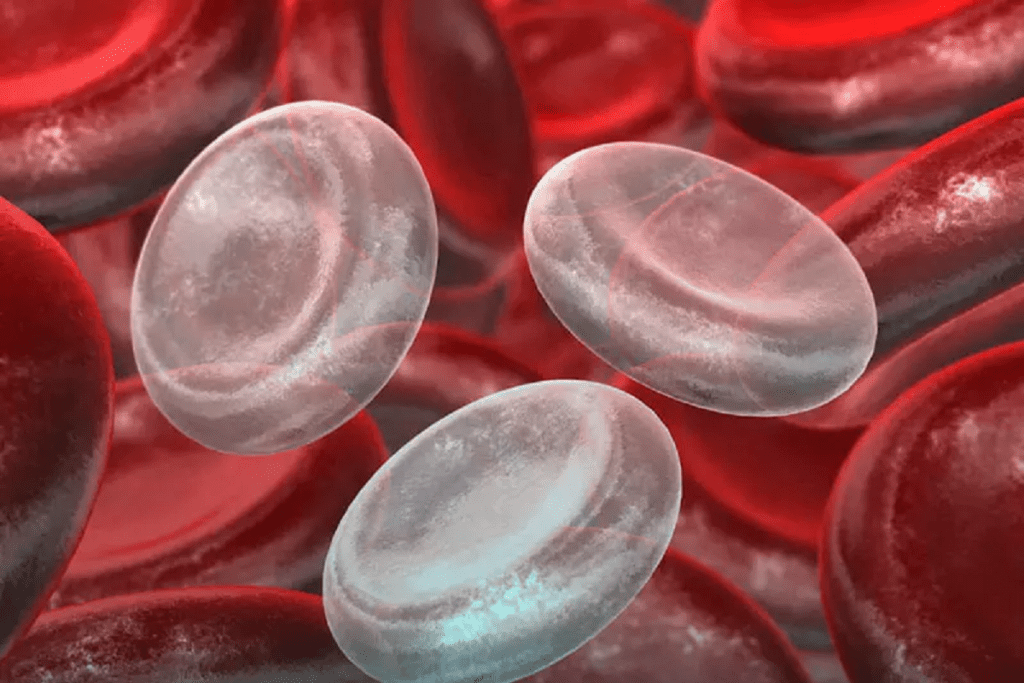
About one in four people worldwide have anemia, with iron deficiency being a main reason. This happens when the body doesn’t have enough iron to make hemoglobin. Hemoglobin is a protein in red blood cells that carries oxygen.
Iron deficiency anemia is a big health problem, hitting women of childbearing age hard. It also affects people who can’t eat certain foods. Knowing why this happens is key to stopping it and treating it well. What causes iron deficiency with anemia? Learn the iron deficiency symptoms. This master guide helps you identify the crucial signs
Key Takeaways
- Iron deficiency anemia is a widespread health issue affecting a large population worldwide.
- The condition is caused by insufficient iron to produce hemoglobin.
- Women of childbearing age and individuals with certain dietary restrictions are at higher risk.
- Understanding the causes is essential for effective prevention and treatment.
- Iron deficiency anemia can have significant health implications if left untreated.
Understanding Iron Deficiency Anemia

Iron deficiency anemia is a common problem worldwide. It happens when the body doesn’t have enough iron. This lack affects not just health but also public health.
What Is Iron Deficiency Anemia?
Iron deficiency anemia means the body can’t make enough hemoglobin. Hemoglobin is a protein in red blood cells that carries oxygen. This issue often comes from not getting enough iron, losing blood too much, or needing more iron. Symptoms can be mild or severe, like feeling tired, weak, and pale, or having trouble breathing.
How Iron Functions in the Body
Iron is key for making hemoglobin. It also helps with many body functions, like carrying oxygen. Iron is used to make myoglobin, which helps muscles get oxygen, and it’s needed for making certain hormones.
- Iron is essential for the formation of hemoglobin.
- It supports the oxygen transport system.
- Iron is vital for healthy red blood cells.
Prevalence and Demographics
Iron deficiency anemia affects different groups in different ways. Women of childbearing age, pregnant women, and kids are at higher risk. Things like diet, money status, and health issues can raise the risk of getting this condition.
| Demographic Group | Prevalence Rate |
| Women of Childbearing Age | High |
| Pregnant Women | Very High |
| Children | Moderate to High |
The Role of Iron in Blood Health
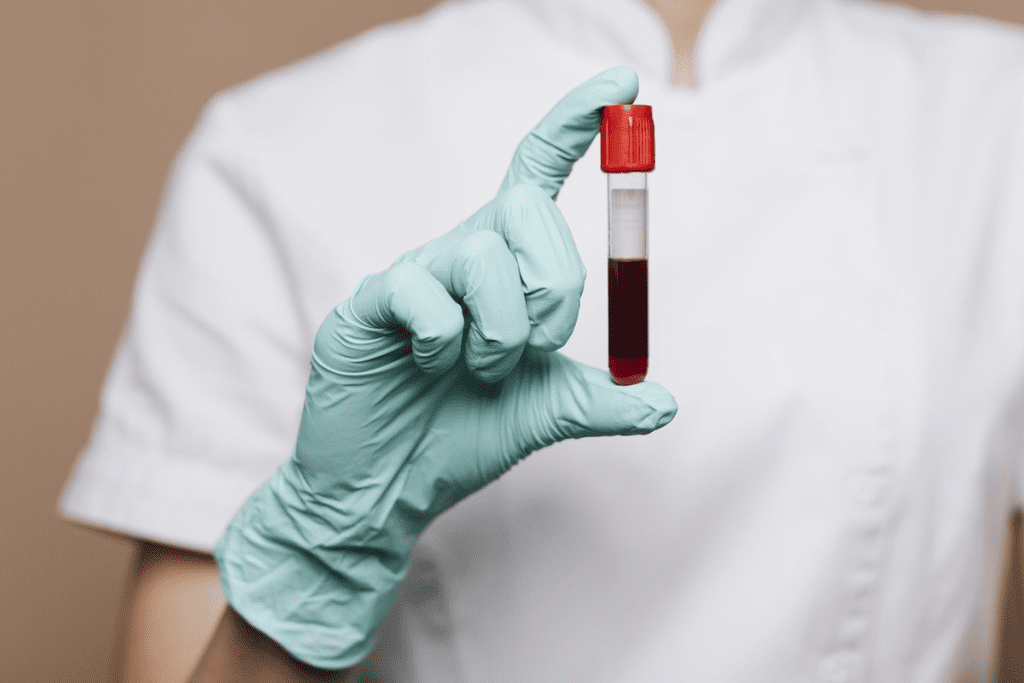
Iron is key for making hemoglobin, a protein in red blood cells. It carries oxygen around the body. Without enough iron, the body can’t transport oxygen well, causing health problems.
How Iron Contributes to Hemoglobin Production
Hemoglobin is vital for carrying oxygen from the lungs to the body. Iron is a main part of hemoglobin. It helps make heme, the iron part that holds oxygen.
The Oxygen Transport System
The oxygen transport system needs iron. Hemoglobin carries oxygen to tissues and organs. Enough iron is needed for this process to work well.
Normal Iron Levels and Requirements
Keeping iron levels right is important for health. The amount needed changes with age, sex, and other factors. Adult men need 8 milligrams of iron daily, while women need 18 milligrams. Pregnant women need about 27 milligrams.
| Group | Daily Iron Requirement (mg) |
| Adult Men | 8 |
| Adult Women | 18 |
| Pregnant Women | 27 |
Knowing these needs helps people get enough iron. This keeps their blood healthy and their overall well-being good.
The Progression from Iron Deficiency to Anemia
It’s important to know how iron deficiency turns into anemia. This happens over time, due to diet, health issues, and blood loss.
Stages of Iron Depletion
The journey from iron deficiency to anemia has several steps. First, the body’s iron stores start to run low, called iron depletion. At this point, you might not feel any symptoms, but your iron levels are dropping.
Next, the body’s ability to make red blood cells is affected, leading to iron-deficient erythropoiesis. If this isn’t fixed, it can turn into iron deficiency anemia. This makes it hard for the body to carry oxygen.
How the Body Compensates for Low Iron
The body tries to handle low iron levels in different ways. It uses stored iron and tries to make more red blood cells. But, as iron levels get lower, these efforts aren’t enough.
The body also tries to absorb more iron from food. But, if the diet lacks iron or if iron absorption is poor, it’s not enough.
When Deficiency Becomes Anemia
Iron deficiency turns into anemia when the body can’t make enough hemoglobin. Hemoglobin is key for carrying oxygen in red blood cells. At this point, you might feel tired, weak, and have trouble breathing.
Knowing the stages of iron deficiency and when it turns into anemia is key. It helps get medical help early to avoid serious health problems.
Primary Causes of Iron Deficiency Anemia
It’s important to know what causes iron deficiency anemia. This condition happens when the body can’t make enough hemoglobin. Hemoglobin is a protein in red blood cells that carries oxygen. Several things can cause this problem.
B :—[1] Blood Loss as a Leading Causeinta
Blood loss is a big reason for iron deficiency anemia. Blood loss is a major contributor to iron deficiency anemia because it depletes the body’s iron stores.
- Menstruation: Women with heavy periods are at risk.
- Gastrointestinal issues: Ulcers, colon cancer, and other problems can cause blood loss.
- Surgery or injury: Losing a lot of blood during surgery or an injury can also cause it.
Chronic blood loss quietly takes away the body’s iron stores.
Inadequate Dietary Iron Intake
What we eat affects our iron levels. Not getting enough iron can lead to deficiency. Some reasons for this include:
- Dietary restrictions: Vegetarians and vegans need to focus on iron-rich foods.
- Poor diet: Eating foods low in iron can cause deficiency.
- Limited access to nutritious food: Some communities may not have access to iron-rich foods.
Eating more iron-rich foods can help prevent anemia.
Malabsorption Issues
Some people might eat enough iron but not absorb it well. This can happen due to:
- Celiac disease: This disease damages the small intestine, making it hard to absorb nutrients.
- Crohn’s disease and ulcerative colitis: These diseases can also affect iron absorption.
- Surgeries: Some surgeries can change the digestive system and affect how it absorbs nutrients.
Fixing malabsorption issues is key to managing iron deficiency anemia.
| Cause | Description | Risk Factors |
| Blood Loss | Loss of iron due to bleeding | Menstruation, gastrointestinal issues, surgery, injury |
| In nut Inadequate Dietary Iron Intakeera | Low intake of iron-rich foods | Dietary restrictions, poor diet, access Master Datainedming to nutritious food |
| Malabsorption Issues | Poor absorption of iron | Celiac disease, inflammatory bowel disease, certain Master Data-Jun surgeries |
Blood Loss-Related Causes
Blood loss is a key factor in iron deficiency anemia. It depletes iron stores, leading to anemia if not treated.
Menstruation and Women’s Health
Menstruation is a big reason for iron deficiency anemia in women. The monthly blood loss can drain iron stores over time. Women with heavy or long periods are more at risk.
About 10% to 15% of women have menorrhagia, or heavy bleeding. This makes iron loss worse.
Doctors often check for iron deficiency anemia in women with heavy periods. They might suggest iron supplements or treatments to cut down menstrual blood loss.
Gastrointestinal Bleeding
Gastrointestinal bleeding is another major cause of iron deficiency anemia. It can come from ulcers, inflammation, or cancer. Slow bleeding can quietly deplete iron stores, often without symptoms until anemia shows up.
Common causes of bleeding include stomach ulcers, colon cancer, and angiodysplasia. Tests like endoscopy are key to finding and treating the source of bleeding.
Other Sources of Chronic Blood Loss
Other chronic blood loss can also lead to iron deficiency anemia. This includes frequent nosebleeds, blood in the urine, and bleeding from injuries or surgery. Sometimes, blood loss is hidden and not seen right away.
Finding and treating the cause of chronic blood loss is vital for managing iron deficiency anemia. This might mean medical treatment, lifestyle changes, or other specific interventions.
Dietary Causes of Iron Deficiency
Diet plays a big role in iron deficiency. Malnutrition, bad diet choices, and certain diets can cause it. The type of iron, diet quality, and how well the body absorbs iron are all important.
Vegetarian and Vegan Diets
People on vegetarian and vegan diets might get iron deficiency more often. This is because plant-based iron is not as easily absorbed as animal-based iron. But, it’s possible to get enough iron from plants if you eat a variety of iron-rich foods.
- Legumes, such as lentils and chickpeas, are good sources of iron.
- Nuts and seeds, including pumpkin seeds and sesame seeds, are also rich in iron.
- Dark leafy greens like spinach and kale contribute to iron intake.
To help your body absorb iron better, eat foods high in vitamin C (like citrus fruits, bell peppers, and tomatoes) with your iron-rich plant foods.
Malnutrition and Food Insecurity
Malnutrition and lack of food are big reasons for iron deficiency. This is true in places where good food is hard to find. Poverty, war, or natural disasters make it worse.
To fight malnutrition, we need to improve food access, teach about good nutrition, and offer iron-rich foods or supplements when needed.
Poor Dietary Choices
Poor dietary choices can also cause iron deficiency. Eating too much processed food and not enough healthy food can lead to iron shortage. Foods high in sugar, salt, and unhealthy fats can crowd out better choices.
- Try to eat less processed and fast food.
- Eat more whole foods like fruits, veggies, whole grains, and lean proteins for better nutrition.
Knowing how diet affects iron levels and making better choices can help avoid iron deficiency. This way, you can keep your iron levels where they should be.
Malabsorption and Digestive Conditions
Certain gastrointestinal conditions can severely impact the body’s ability to absorb iron, leading to deficiency over time. Iron deficiency anemia can result from various factors, including malabsorption issues related to digestive health. Understanding how different digestive conditions affect iron absorption is key to managing and preventing iron deficiency anemia.
Celiac Disease
Celiac disease is an autoimmune disorder that results in the immune system reacting to gluten. This reaction damages the small intestine. The damage makes it hard for the intestine to absorb nutrients, including iron.
Celiac disease is a well-known cause of iron deficiency anemia due to malabsorption of iron. A strict gluten-free diet is the primary treatment. It helps heal the intestine and improve iron absorption.
Inflammatory Bowel Disease
Inflammatory bowel disease (IBD), including Crohn’s disease and ulcerative colitis, causes chronic inflammation in the gastrointestinal tract. This inflammation makes it hard to absorb nutrients and can lead to iron deficiency anemia. Managing IBD through medication and lifestyle changes is essential to improve iron levels.
Helicobacter Pylori Infection
Helicobacter infection is a bacterial infection that affects the stomach. It increases the risk of developing iron deficiency anemia. The infection can cause chronic gastritis and impair iron absorption.
Eradicating the infection through appropriate antibiotic therapy can help improve iron levels.
In conclusion, digestive conditions like celiac disease, inflammatory bowel disease, and Helicobacter pylori infection play a big role in iron malabsorption. They contribute to the risk of iron deficiency anemia. Managing these conditions is key to improving iron absorption and overall health.
Iron Deficiency Symptoms: Recognizing the Warning Signs
Spotting the early signs of iron deficiency can stop anemia from getting worse. Iron deficiency can sneak up on you, and its signs are often mild at first. It’s key to know the warning signs.
Early Symptoms of Iron Deficiency
In the early stages, iron deficiency may cause:
- Fatigue and weakness
- Pale skin
- Shortness of breath
- Dizziness or lightheadedness
- Headaches
These symptoms happen because your body’s iron stores are low. This affects hemoglobin, a protein in red blood cells that carries oxygen.
Advanced Symptoms of Anemia
As iron deficiency turns into anemia, symptoms get worse. You might feel:
- Increased fatigue and weakness
- Poor concentration and memory
- Mood changes, such as irritability
- Cold hands and feet
- Rapid heartbeat
It’s vital to see a doctor if these symptoms don’t go away or get worse.
Unusual Symptoms to Watch For
Some people might notice odd symptoms, like:
- Pica (craving for non-food items like ice or dirt)
- Restless leg syndrome
- Brittle or spoon-shaped nails
Spotting these signs and getting medical help can lead to a quick diagnosis and treatment. This can greatly improve your health.
High-Risk Populations for Iron Deficiency Anemia
Iron deficiency anemia is common in certain groups. These include women of childbearing age, older adults, and athletes. Each group faces unique challenges that raise their risk of iron deficiency anemia.
Women of Childbearing Age
Women of childbearing age often face a higher risk of iron deficiency anemia. This is mainly due to menstrual blood loss. Heavy or prolonged menstrual bleeding, known as menorrhagia, increases this risk even more. Pregnancy also raises iron needs due to increased blood volume and the fetus’s growth.
It’s vital for women in this age group to check their iron levels. They should eat iron-rich foods or take supplements if needed. Eating foods high in vitamin C with iron-rich foods can help iron absorption.
Older Adults
Older adults are also at risk for iron deficiency anemia. Causes include chronic diseases, gastrointestinal bleeding, and some medications. Chronic diseases like ulcers, cancer, or kidney disease can lead to anemia.
Nutritional deficiencies are another factor. Older adults might not get enough iron due to reduced appetite, dental issues, or swallowing problems. It’s important for them to get enough iron through diet or supplements.
Athletes and Active Individuals
Athletes, mainly those in endurance sports, face a higher risk of iron deficiency anemia. Physical activity can cause iron loss through sweating, bleeding, and red blood cell breakdown. Female athletes are at even greater risk due to menstrual blood loss and sport demands.
Athletes should watch their iron levels, noticing symptoms like fatigue, weakness, or poor performance. Getting dietary advice can help them keep iron levels up with iron-rich foods and absorption strategies.
The Diagnosis Process for Iron Deficiency Anemia
To diagnose iron deficiency anemia, doctors use blood tests and lab analyses. They look at different signs of iron deficiency and how they affect the patient’s health.
Blood Tests and Lab Values
Blood tests are key in diagnosing iron deficiency anemia. They check the body’s iron levels. Important tests include:
- Complete Blood Count (CBC)
- Serum Iron Test
- Total Iron Binding Capacity (TIBC)
- Transferrin Saturation
- Ferritin Test
These tests give a full picture of the patient’s iron levels. For example, a CBC shows hemoglobin and hematocrit levels. These are often low in iron deficiency anemia.
| Test Normal Range Iron Deficiency Anemia | ||
| Hemoglobin (g/dL) | 13.8-17.2 (men), 12.1-15.1 (women) | Below normal range |
| Ferritin (ng /mL) | 20-250 (men), 10-120 (women) | Low |
| TIBC (μg/dL) | 240-450 | High |
Understanding Ferritin Levels
Ferritin stores iron in the body. Ferritin levels show the body’s iron stores. Low ferritin means iron deficiency. Normal ferritin ranges are 20-250 ng/mL for men and 10-120 ng/mL for women. Levels below this indicate low iron.
Differential Diagnosis
Differential diagnosis rules out other conditions that might cause similar symptoms. This includes other anemias or chronic diseases. Accurate diagnosis is key for the right treatment.
Doctors look at medical history, symptoms, and lab results to diagnose. Understanding iron deficiency anemia helps manage and treat it better.
Complications of Untreated Iron Deficiency Anemia
Untreated iron deficiency anemia can harm your health in many ways. It affects your heart, brain, and more. It can cause serious problems, like heart issues and problems with growing up in kids.
Cardiovascular Issues
Iron deficiency anemia can hurt your heart. It makes your heart beat faster because your body can’t get enough oxygen. This can lead to heart failure or other heart problems.
People with this condition are more likely to get heart disease. This includes heart attacks and irregular heartbeats.
Developmental Concerns in Children
Iron is key for kids’ brains and bodies to grow right. Without enough iron, kids might not develop well. This can affect their schoolwork and happiness.
It’s very important to find and treat iron deficiency early in kids. This helps them grow up healthy and strong.
Pregnancy Complications
Pregnant women with iron deficiency anemia face big risks. They might have early labor, babies that are too small, and get sick more easily. It’s vital to keep iron levels up for mom and baby’s health.
Relationship to Other Health Conditions
Iron deficiency anemia can make other health problems worse. For example, it’s a big problem for people with kidney or stomach diseases. Treating these conditions helps prevent iron deficiency anemia.
Also, iron deficiency anemia makes it harder to fight off infections. This shows why it’s so important to treat it quickly.
Treatment Approaches for Iron Deficiency Anemia
Fixing iron deficiency anemia needs a few steps. We focus on adding iron, easing symptoms, and finding the cause.
Orail Iron Supplements
Oral iron pills are a key treatment. They boost iron levels, making more hemoglobin and easing anemia symptoms. It’s key to take the right amount to avoid side effects and help your body absorb iron well.
Different types of iron pills exist, like ferrous sulfate or iron EDTA. Talking to a doctor helps pick the best one for you.
Managing Side Effects of Iron Supplementation
Iron pills are mostly safe but can upset some stomachs. Side effects include constipation, diarrhea, and stomach pain. Take iron with food or vitamin C to lessen these and help your body absorb it better.
“Taking iron supplements can be tough because of side effects. But, changing when and what you take can help a lot.” Expert in Hematology
- Begin with a small dose and slowly increase it.
- Take iron at night to avoid daytime side effects.
- Try different iron types if you keep having problems.
Addressing Underlying Causes
To really fix iron deficiency anemia, we need to find and fix the main problems. This might mean looking into why you’re losing blood and treating it.
- Eat more iron-rich foods.
- Deal with any health issues that might be causing iron loss.
- Check if any medicines are blocking iron absorption.
By tackling the main issues and using iron pills wisely, you can manage iron deficiency anemia and feel better.
Iron-Rich Foods and Dietary Management
Managing your diet is key to fighting iron deficiency anemia. Eating foods rich in iron can help fix the problem and stop it from coming back.
Animal-Based Iron Sources
Animal foods are packed with heme iron, which the body absorbs better than plant-based iron. Here are some top animal-based iron sources:
- Red meat, such as beef and lamb
- Poultry, like chicken and turkey
- Fish and seafood, including clams, oysters, and sardines
- Organ meats, such as liver
Red meat is a big iron source, with a 3-ounce serving giving about 3 milligrams. Organ meats like liver offer up to 15 milligrams of iron per 3-ounce serving.
Plant-Based Iron Sources
Plant-based iron isn’t absorbed as well as animal-based, but there are plenty of options for vegetarians and vegans. Here are some:
- Legumes, such as lentils, chickpeas, and black beans
- Nuts and seeds, like pumpkin seeds, sesame seeds, and sunflower seeds
- Whole grains, including quinoa, brown rice, and whole-wheat bread
- Dark leafy greens, such as spinach and kale
Lentils are a top plant-based iron source, with 1 cup cooked providing about 6.6 milligrams. Dark leafy greens like spinach are also good, but iron content can change with cooking.
Foods That Inhibit Iron Absorption
Some foods can block iron absorption, making it harder to fight iron deficiency anemia. These include:
- Dairy products, which contain calcium that can block iron absorption
- Foods high in phytates, such as whole grains and legumes (soaking, fermenting, or sprouting can help)
- Beverages like tea and coffee, which have polyphenols that reduce iron absorption
It’s okay to eat these foods, but knowing when to eat them can help you get more iron.
Meal Planning for Optimal Iron Intake
Good meal planning can really boost iron intake. Here are some tips:
| Food Combination | Effect on Iron Absorption |
| Vitamin C-rich foods (like citrus fruits or bell peppers) with iron-rich foods | Enhances non-heme iron absorption |
| Cooking in cast-iron cookware | Increases iron intake, specially if cooking acidic foods |
| Avoiding tea and coffee with meals | Reduces inhibition of iron absorption |
By using these strategies in your meal planning, you can improve your iron intake and manage iron deficiency anemia better.
“A well-planned diet that includes a variety of iron-rich foods can significantly impact the management of iron deficiency anemia.”
Nutritional Expert
Preventing Iron Deficiency Anemia
To prevent iron deficiency anemia, it’s important to use dietary strategies, get regular health screenings, and make lifestyle adjustments. Knowing and using these steps can greatly lower the risk of getting iron deficiency anemia.
Dietary Strategies
Eating a diet full of iron is key to preventing iron deficiency anemia. Iron-rich foods like red meat, poultry, fish, beans, lentils, and fortified cereals are essential. Foods high in vitamin C, like citrus fruits and bell peppers, help the body absorb iron better.
People who don’t eat meat or animal products need to pay extra attention to their iron intake. Plant-based iron sources are harder for the body to absorb. Cooking in cast-iron cookware, like when making acidic foods like tomatoes, can boost iron intake.
Regular Health Screenings
Getting regular health screenings is important for catching iron deficiency anemia early. Blood tests can spot iron deficiency before it turns into anemia. Pregnant women and those with a history of anemia should get checked more often.
Doctors can give advice tailored to your health and risk factors. They might also suggest iron supplements if needed.
Lifestyle Modifications
Making lifestyle changes can also help prevent iron deficiency anemia. For those who menstruate, managing menstrual blood loss is key. Treating any issues that cause chronic blood loss is also important.
Try not to drink too much tea and coffee, as they can lower iron absorption. Being careful about what you eat and avoiding foods that block iron absorption can also help keep iron levels healthy.
When to See a Doctor About Iron Deficiency
Knowing when to see a doctor about iron deficiency is key. Iron deficiency can cause various symptoms. Some may seem minor but can become serious if ignored.
Warning Signs That Require Medical Attention
It’s important to know the signs that mean you need to see a doctor. Key symptoms include:
- Persistent fatigue or weakness
- Shortness of breath or dizziness
- Pale skin or brittle nails
- Headaches or poor concentration
If you notice any of these, seeing a healthcare provider is a must. They can find the cause and suggest the right treatment.
Preparing for Your Doctor’s Appointment
Before your visit, prepare by:
- Listing your symptoms and when they started
- Noting any medications or supplements you’re taking
- Preparing questions for your healthcare provider
Being ready can make your appointment more effective. It ensures your healthcare provider has all the info they need.
Questions to Ask Your Healthcare Provider
Consider asking these questions:
- What is the likely cause of my iron deficiency?
- What diagnostic tests are needed to confirm the diagnosis?
- What treatment options are available, and which are most suitable for my condition?
- Are there any lifestyle changes or dietary adjustments I can make to help manage my iron deficiency?
Asking the right questions helps you understand your condition better. It also helps you make informed decisions about your care.
Follow-up Care and Monitoring
After your diagnosis and treatment plan, follow-up care is vital. It involves:
- Regular blood tests to check iron levels
- Adjustments to your dietary plan or supplements
- Ongoing monitoring of your symptoms and overall health
Good follow-up care ensures your iron deficiency is managed well. It helps you recover effectively.
Conclusion
It’s important to understand iron deficiency anemia to manage it well. This condition happens when the body doesn’t have enough iron. Iron is needed to make hemoglobin, which carries oxygen to our body’s parts.
The causes of iron deficiency anemia are varied. They include blood loss, not getting enough iron from food, and problems absorbing iron. Finding out why someone has this condition is key to treating it.
Managing iron deficiency anemia involves making dietary changes, taking iron supplements, and fixing any health issues. These steps help improve iron levels in the body.
Knowing about iron deficiency anemia and its causes is essential. By recognizing symptoms and taking preventive steps, we can lower our risk of getting it.
Being aware and proactive is key to dealing with iron deficiency anemia. Eating foods rich in iron, using supplements if needed, and getting health check-ups regularly help keep iron levels right. This way, we can stay healthy and feel our best.
FAQ
What is iron deficiency anemia?
Iron deficiency anemia happens when the body lacks enough iron. This is needed to make hemoglobin, a key protein in red blood cells. Hemoglobin carries oxygen to all parts of the body.
What are the symptoms of iron deficiency anemia?
Symptoms include feeling very tired, weak, and having pale skin. You might also feel short of breath, dizzy, or have headaches. Some people get cravings for non-food items, restless legs, or brittle nails.
Who is at risk for iron deficiency anemia?
Women of childbearing age and pregnant women are at higher risk. So are older adults and those with certain health conditions. People who eat mostly plants and don’t get enough iron are also at risk.
How is iron deficiency anemia diagnosed?
Doctors use blood tests to check for iron deficiency anemia. They look at hemoglobin, iron, and ferritin levels. They might also do a physical exam and ask about your health history.
What are the treatment options for iron deficiency anemia?
Treatment often includes taking iron supplements by mouth. Sometimes, iron is given through a vein. Eating foods high in iron and vitamin C can also help.
Can iron deficiency anemia be prevented?
Yes, it can be prevented by eating a balanced diet. Include foods rich in iron and vitamin C. Avoid things that block iron absorption. Regular health checks can catch iron deficiency early.
What are some iron-rich foods?
Foods high in iron are red meat, poultry, seafood, beans, lentils, spinach, and fortified cereals. Cooking in cast-iron cookware also boosts iron intake.
How can I improve iron absorption?
Vitamin C helps iron absorption. Eat foods high in vitamin C like citrus fruits, bell peppers, and tomatoes with iron-rich foods. Avoid drinking tea, coffee, and milk with meals as they can block iron absorption.
What are the complications of untreated iron deficiency anemia?
Untreated iron deficiency anemia can cause serious problems. These include heart issues, poor pregnancy outcomes, and problems with thinking and physical growth in children.
Can lifestyle changes help manage iron deficiency anemia?
Yes, changing your diet to include more iron and vitamin C can help. Avoiding things that block iron absorption is also key. Regular health check-ups are important too.
Reference
- Lopez, A., Cacoub, P., Macdougall, I. C., & Peyrin-Biroulet, L. (2016). Iron deficiency anaemia. The Lancet, 387(10021), 907“916. https://pubmed.ncbi.nlm.nih.gov/26314490/
- Rubio-Tapia, A., & Hill, I. D. (2019). Diagnostic approach to iron deficiency anemia in adults. Clinical Gastroenterology and Hepatology, 17(2), 354“361. https://pubmed.ncbi.nlm.nih.gov/30292604/