Last Updated on November 17, 2025 by Ugurkan Demir
Iron deficiency anemia is a common problem where people don’t have enough iron, leading to low hemoglobin levels. At Liv Hospital, we focus on giving top-notch care for those with anemia, including careful management of iron dosing. The typical oral iron dose for anemia treatment in adults is around 150-200 mg of elemental iron per day, often divided into multiple doses to improve absorption and reduce side effects. A common regimen might include ferrous sulfate 325 mg tablets taken two to three times daily, providing about 65 mg of elemental iron per tablet. Treatment usually continues for several months to correct anemia and replenish iron stores fully. Monitoring response and adjusting dosage based on individual tolerance and hemoglobin levels is important for effective management. For patients who cannot tolerate oral iron or have severe anemia, intravenous iron may be considered.
Finding the right iron dose is key to treating anemia well. The dose depends on how bad the anemia is, the person’s age, and any other health issues. Usually, it starts at 65-200 mg of iron each day.
Key Takeaways
- Iron deficiency anemia is a common condition worldwide.
- Effective treatment requires understanding the appropriate iron dose.
- Initial oral iron replacement is typically 65-200 mg daily.
- The severity of anemia determines the treatment approach.
- Patient-centered care is important for the best results.
The Clinical Significance of Iron Deficiency Anemia
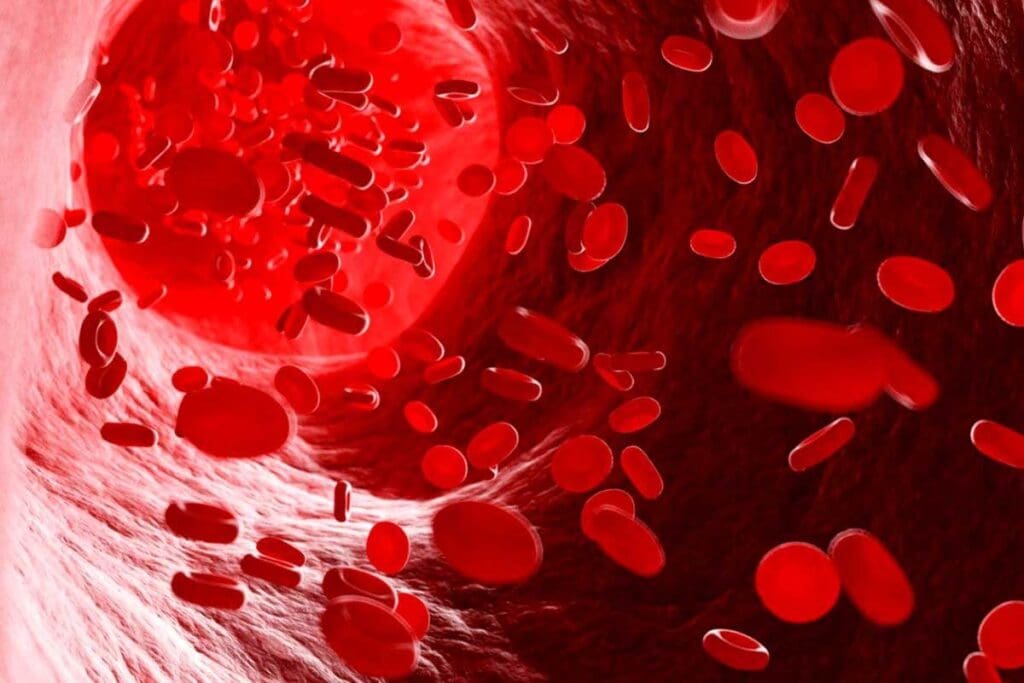
Iron deficiency anemia is a big health problem worldwide. It happens when there’s not enough iron, which is needed to make hemoglobin. Hemoglobin carries oxygen to our bodies.
This condition affects many groups, like pregnant women, kids, and people with chronic diseases. The World Health Organization says about 30% of people globally have iron deficiency anemia. This makes it a major health issue.
Prevalence and High-Risk Populations
Some groups face a higher risk of iron deficiency anemia. This includes pregnant women and people with certain diseases. For example, pregnant women need more iron for their babies.
People with diseases like celiac or ulcers also face a higher risk. Their bodies might not absorb enough iron from food.
The following table highlights the prevalence of iron deficiency anemia in different populations:
| Population Group | Prevalence of Iron Deficiency Anemia |
| Pregnant Women | 40-50% |
| Children Under 5 | 20-30% |
| Individuals with Chronic Diseases | 30-40% |
Health Impact and Complications
Iron deficiency anemia can cause fatigue, weakness, and poor thinking. If not treated, it can lead to serious problems. These include a weak immune system, more infections, and bad pregnancy outcomes.
It’s important to understand how iron deficiency anemia affects health. This knowledge helps us find better ways to prevent and treat it. We need to take this condition seriously to help those affected.
Comprehensive Iron Deficiency Anemia Workup
To diagnose iron deficiency anemia, doctors use a detailed workup with many tests. This thorough check is key to finding iron deficiency anemia and its causes. We’ll look at the main parts of this workup, including lab tests and what they mean.
Essential Laboratory Tests in Iron Studies: Anemia
A detailed iron deficiency anemia workup includes several lab tests. These are complete blood count (CBC), ferritin, iron, total iron-binding capacity (TIBC), and transferrin saturation. These tests give important information on the patient’s iron levels and help decide treatment.
The CBC is a basic test that checks blood components like hemoglobin and red blood cells. It’s often the first test for anemia.
Interpreting CBC Results
When we look at CBC results, we check for signs of anemia, like low hemoglobin. The mean corpuscular volume (MCV) is also important. It helps us know if the anemia is microcytic, normocytic, or macrocytic. In iron deficiency anemia, the MCV is usually low, showing microcytic anemia.
Anemia with Low Ferritin: Diagnostic Significance
Ferritin levels are very important in diagnosing iron deficiency anemia. Low ferritin means the body has less iron, a key sign of iron deficiency anemia. We look at ferritin levels with other tests to confirm the diagnosis and see how severe the iron deficiency is.
Guideline 1: Establishing Iron Deficiency Levels for Diagnosis
To diagnose iron deficiency anemia, we first look at the patient’s iron levels. Knowing these levels helps us choose the right treatment.
Ferritin Thresholds According to AAFP and ASH Guidelines
Ferritin levels are key in spotting iron deficiency. The American Academy of Family Physicians (AAFP) and the American Society of Hematology (ASH) set these levels. They say ferritin below 45 ng per mL means iron deficiency anemia.
It’s vital to know these levels for a correct diagnosis. We follow these guidelines to make sure our diagnosis is right and up-to-date.
Transferrin Saturation Interpretation
Transferrin saturation is also key in diagnosing iron deficiency anemia. It shows how much iron is in transferrin. A low percentage means a higher chance of iron deficiency anemia.
When we look at transferrin saturation, we must think about the patient’s whole situation. We use this, along with ferritin levels and other signs, to accurately diagnose.
Iron Deficiency Anemia Table for Clinical Reference
We’ve made a table for quick reference on iron deficiency anemia signs:
| Indicator | Normal Range | Iron Deficiency Anemia |
| Ferritin (ng/mL) | 30-400 | <45 |
| Transferrin Saturation (%) | 20-50 | <20 |
| Hemoglobin (g/dL) | Male: 13.8-17.2; Female: 12.1-15.1 | <12 (varies by gender and age) |
This table helps doctors quickly diagnose and treat iron deficiency anemia.
Guideline 2: Determining the Appropriate Iron Dose for Anemia
The right iron dose for anemia varies from person to person. Healthcare providers must look at several important factors to find the best iron dosage for each patient.
Factors Influencing Dosage: Severity, Age, and Comorbidities
Several things affect the right iron dose. These include how severe the anemia is, the patient’s age, and any other health issues they might have. For example, those with more severe anemia or chronic diseases might need different doses.
Severity of Anemia: Patients with more severe anemia often need more iron to fill their stores.
Age Considerations: Older adults might need different amounts of iron because their bodies absorb it less efficiently, and they might have other health issues.
Standard Dosing: 65-200 mg Elemental Iron Daily
The usual dose for iron deficiency anemia is between 65 to 200 mg of elemental iron each day. This range helps doctors adjust the dose based on each patient’s needs and how well they can tolerate it.
For instance, doctors often start with 65 mg of elemental iron daily. They can then adjust this based on how the patient responds and tolerates it. Some might need more, like at the higher end of this range, if their deficiency is severe or they’re losing blood often.
Divided Dosing Strategies for Optimal Absorption
Breaking up iron doses can help your body absorb it better. Taking smaller amounts several times a day can improve absorption and reduce stomach side effects.
- Take iron on an empty stomach when possible to enhance absorption.
- Consider vitamin C supplementation to further boost iron absorption.
- Divide doses to reduce gastrointestinal side effects and improve tolerance.
By adjusting the iron dose for each patient and using divided dosing, we can make treatment more effective for those with iron deficiency anemia.
Guideline 3: Implementing Oral Iron Supplementation Protocols
Oral iron supplements are key in treating iron deficiency anemia. They have specific guidelines to work best. We’ll look at how to use these supplements, including the best types, when to take them, and how to handle side effects.
Ferrous Sulfate as First-Line Treatment
Ferrous sulfate is the top choice for treating iron deficiency anemia. It’s effective, safe, and affordable. Starting with ferrous sulfate helps with iron absorption and keeps patients on track.
Key benefits of ferrous sulfate include:
- High elemental iron content
- Well-tolerated when taken appropriately
- Extensive clinical evidence supports its use
Administration Timing and Absorption Enhancers
For better iron absorption, take ferrous sulfate on an empty stomach. Do this 1 hour before or 2 hours after eating. If stomach issues happen, try taking it with a bit of food to ease discomfort without losing absorption.
Enhancing absorption: Vitamin C boosts non-heme iron absorption. Drinking orange juice or eating citrus fruits with ferrous sulfate can make it more effective.
Managing Common Side Effects
Side effects like nausea, constipation, and diarrhea are common with iron supplements. Start with a low dose and slowly increase it. If problems persist, consider switching to a different iron type.
| Side Effect | Management Strategy |
| Nausea | Take with a small snack or switch to a different formulation |
| Constipation | Increase fluid intake, dietary fiber, or consider a stool softener |
| Diarrhea | Reduce the dose temporarily or take it with food |
Guideline 4: Indications for Intravenous Iron Therapy

Intravenous iron therapy is used when oral iron doesn’t work. This is true for severe iron deficiency anemia or when iron needs to be quickly replenished.
When to Transition from Oral to IV Iron
Switching to IV iron is needed in some cases. This includes those with severe side effects from oral iron, malabsorption, or not respond well to oral iron. Also, patients with chronic diseases like kidney or heart issues might benefit from IV iron for quick iron correction.
Patient Selection Criteria
Choosing the right patients for IV iron therapy is key. Look for those with iron deficiency anemia who can’t take oral iron. Also, consider the severity of anemia, any other health issues, and the patient’s overall health.
- Documented iron deficiency anemia
- Failure or intolerance to oral iron therapy
- Severe anemia requiring rapid correction
- Presence of comorbid conditions such as chronic kidney disease
Available IV Iron Formulations and Safety Profiles
There are different IV iron options, each with its own safety and benefits. Iron sucrose, ferric gluconate, and ferric carboxymaltose are common. The right choice depends on the patient’s kidney function, how often they need treatment, and the risk of side effects.
| IV Iron Formulation | Key Characteristics | Safety Profile |
| Iron Sucrose | Stable complex, low risk of anaphylaxis | Generally well-tolerated |
| Ferric Gluconate | Less likely to cause anaphylaxis compared to iron dextran | Common side effects include hypotension and cramps |
| Ferric Carboxymaltose | Allows for higher doses with fewer infusions | Risk of hypophosphatemia; generally safe |
Understanding when to use IV iron therapy, who should get it, and the different types available helps doctors give better care to patients with iron deficiency anemia.
Guideline 5: Identifying and Addressing Underlying Causes
It’s key to find the main reasons for iron deficiency anemia to treat it well. This condition can come from many sources, like blood loss in the gut, gynecological issues, or problems absorbing nutrients.
Gastrointestinal Sources of Blood Loss
Bleeding in the gut is a big reason for iron deficiency anemia. This bleeding can come from ulcers, varices, or tumors. It can be either obvious or hidden, so finding the source is critical.
Some common gut problems include:
- Peptic ulcer disease
- Gastritis
- Colorectal cancer
- Angiodysplasia
Gynecological Causes in Women
In women, issues related to the reproductive system often lead to iron deficiency anemia. Heavy menstrual bleeding is a big factor, as is menorrhagia. Other problems, like uterine fibroids and endometrial polyp, also play a part.
Knowing about a woman’s menstrual history is very important. Doctors need to ask about how often she bleeds, how long it lasts, and how heavy it is.
“Menstrual blood loss is a significant contributor to iron deficiency anemia in women, highlighting the need for a detailed menstrual history.”
Malabsorption Syndromes and Nutritional Deficiencies
Some conditions make it hard for the body to take in iron, leading to anemia. These include celiac disease, Crohn’s disease, and after gastric bypass surgery.
Not getting enough iron from food can also cause anemia. This is true for people who don’t eat meat or follow a vegan diet without supplements.
It’s important to check what someone eats to see if they’re getting enough iron.
Guideline 6: Monitoring Treatment Response and Adjusting Therapy
It’s key to watch how a patient responds to iron treatment for anemia. We check how well iron supplements work. This helps us decide if we need to change the treatment.
Hemoglobin Response Timeline
The body’s reaction to iron therapy follows a certain pattern. We look for:
- An increase in reticulocyte count in 2-3 days
- A rise in hemoglobin levels at 1-2 weeks
- Hemoglobin levels are getting back to normal in 2 months, depending on the anemia.
The speed of hemoglobin increase can differ from person to person. This depends on the anemia’s severity, the iron type and dose, and other health issues.
Follow-up Testing Schedule
Having a set schedule for follow-up tests is important. We suggest:
- First check-up in 2-4 weeks to see how the body is doing
- Another CBC at 8-12 weeks to check if hemoglobin is back to normal
- Check ferritin levels after 3-6 months to see if iron stores are full
Regular check-ups help us catch if a treatment isn’t working. This lets us change the treatment plan if needed.
When to Consider Alternative Approaches
If a patient doesn’t respond well to iron therapy, we might need to try something else. Reasons for this include:
- Not enough hemoglobin increase despite taking iron as directed
- Ongoing blood loss or other anemia causes
- Can’t tolerate iron pills
- Health issues that affect iron use or absorption
In these cases, we might look into intravenous iron, more tests, or changes to the treatment plan.
Special Considerations in Iron Deficiency Anemia Management
Managing iron deficiency anemia needs careful planning for different groups. This condition affects people in different ways, so we must tailor our treatments.
Pregnancy and Postpartum Anemia
Pregnant women need more iron because of their growing baby and increased blood volume. Iron supplements are key during pregnancy to avoid anemia, which can cause early labor and small babies. After giving birth, women also risk anemia from blood loss. We must consider how severe the anemia is and the patient’s health to choose the right iron dose.
Elderly Patients with Multiple Comorbidities
Elderly patients often face many health issues that make managing anemia harder. Chronic diseases like heart failure and kidney disease affect treatment choices. We must look at the patient’s kidney and heart health, along with other factors, to ensure safe and effective care.
Chronic Kidney Disease and Anemia
People with chronic kidney disease (CKD) often have anemia because their kidneys don’t make enough erythropoietin or iron. IV iron therapy is often best for CKD patients because it quickly boosts iron levels and helps with anemia. We need to watch these patients for signs of too much iron and adjust their treatment as needed.
| Patient Group | Common Causes of Anemia | Preferred Treatment Approach |
| Pregnant Women | Increased fetal demand, blood loss | Oral iron supplementation |
| Elderly Patients | Chronic diseases, malabsorption | Tailored oral or IV iron based on comorbidities |
| CKD Patients | Decreased erythropoietin, iron deficiency | Intravenous iron therapy |
In conclusion, managing iron deficiency anemia in special groups requires a deep understanding of their unique needs. By tailoring our care to each patient, we can offer better results.
Empiric Iron Therapy for Microcytosis Without Anemia
Starting iron therapy for microcytosis without anemia needs careful thought. Microcytosis means small red blood cells, which can show iron deficiency early. If a patient has microcytosis and iron deficiency, starting iron therapy might be considered.
Diagnostic Approach to Non-Anemic Iron Deficiency
To diagnose iron deficiency without anemia, doctors use tests and clinical checks. They look at serum ferritin and transferrin saturation levels. Low serum ferritin means iron stores are low, and transferrin saturation shows if iron is ready for making red blood cells.
Doctors also consider the patient’s symptoms and risk factors for iron deficiency. For example, people with certain health issues or irregular periods might be at higher risk.
Treatment Thresholds and Monitoring
Starting iron therapy depends on several factors. These include risk factors, symptoms, and lab results showing iron deficiency. The right time to start treatment can vary based on the patient and medical guidelines.
After starting iron therapy, patients need regular check-ups and blood tests. These tests help see if iron levels and blood counts are improving. If needed, the treatment plan might be changed based on how the patient is doing.
A hematology expert, says, “Empiric iron therapy is useful for patients with microcytosis without anemia, when iron deficiency is likely.”
“The key is to balance the benefits of empiric therapy against the possible risks and to watch the patient’s response closely.”
| Parameter | Pre-Treatment | Post-Treatment (6 weeks) |
| Serum Ferritin (ng/mL) | 20 | 50 |
| Transferrin Saturation (%) | 15 | 25 |
| Hemoglobin (g/dL) | 12 | 13 |
It’s important to check how well the iron therapy is working at 6 weeks. Based on the patient’s progress, the treatment plan can be adjusted.
Clinical Case Studies: Applying Iron Deficiency Anemia Treatment Guidelines
Understanding how to treat iron deficiency anemia is key. Clinical case studies show us how. They help doctors deal with different patients in real life.
Case 1: Severe Anemia Requiring IV Iron
A 45-year-old woman had severe fatigue and shortness of breath. Her hemoglobin was 7 g/dL, and ferritin was 5 ng/mL. This showed she had severe iron deficiency anemia.
Because her symptoms were so bad, doctors gave her IV iron therapy. She got 200 mg of iron sucrose twice a week.
In six weeks, her hemoglobin went up to 12 g/dL, and ferritin to 100 ng/mL. This shows IV iron works well for severe cases where oral iron doesn’t.
Case 2: Management of GI-Related Iron Deficiency
A 30-year-old man with Crohn’s disease had iron deficiency anemia. His hemoglobin was 9 g/dL, and ferritin was 10 ng/mL. He had gastric ulcers, which were causing his iron loss.
Doctors gave him oral iron with ferrous sulfate, 325 mg twice daily. They also used proton pump inhibitors to treat his ulcers. In three months, his hemoglobin and ferritin levels got better.
| Parameter | Baseline | 3 Months |
| Hemoglobin (g/dL) | 9 | 14 |
| Ferritin (ng/mL) | 10 | 50 |
Case 3: Refractory Iron Deficiency Anemia
A 60-year-old woman had iron deficiency anemia that kept coming back. Her hemoglobin was 8 g/dL, and ferritin was 8 ng/mL. She had malabsorption because of celiac disease.
Doctors made her follow a gluten-free diet and gave her IV iron. They also treated her menorrhagia with hormones. After six months, her hemoglobin and ferritin levels improved.
These cases show how important it is to tailor treatments to each patient. By doing so, doctors can really help their patients.
Conclusion: Optimizing Iron Deficiency Anemia Management
Managing iron deficiency anemia well needs a full plan. This includes correct diagnosis, right treatment, and keeping an eye on how it’s going. We’ve shared six main tips for doctors to care for patients with this condition.
By sticking to these, we make sure patients get the right It’s not just about treating the symptoms. We also look for and fix the root causes.
Our way of handling focuses on the patient. We consider things like age, other health issues, and how bad the anemia is. This approach helps patients get better and live better lives.
By following these guidelines and focusing on quality care, we can really help patients with iron deficiency anemia. It’s a big step towards improving their lives.
FAQ
What is iron deficiency anemia, and how is it diagnosed?
Iron deficiency anemia happens when you don’t have enough iron. This leads to low hemoglobin levels. Doctors use tests like a complete blood count (CBC) and check ferritin levels to diagnose it.
What are the guidelines for establishing iron deficiency levels for diagnosis?
The American Academy of Family Physicians (AAFP) and American Society of Hematology (ASH) set guidelines. They say ferritin levels below a certain point mean you have iron deficiency anemia.
How is the appropriate iron dose for anemia determined?
The right amount of iron depends on how severe your anemia is, your age, and any health issues you have. Doctors usually recommend 65-200 mg of elemental iron each day. They might suggest taking it in smaller doses to help your body absorb it better.
What is the preferred first-line treatment for iron deficiency anemia?
Ferrous sulfate is usually the first choice for treating iron deficiency anemia. It’s effective and safe for most people.
When is intravenous iron therapy considered, and what are the available formulations?
If you can’t take iron by mouth or your body doesn’t absorb it well, doctors might suggest IV iron. There are different types of IV iron, like iron dextran, iron sucrose, and ferric carboxymaltose. Each has its own safety record.
How is treatment response monitored, and when is therapy adjusted?
Doctors check your hemoglobin levels to see how well the treatment is working. They might ask you to come back for more tests based on guidelines. If the treatment isn’t working, they might try something else.
What are the special considerations for managing iron deficiency anemia in pregnant women?
Pregnant women need special care because they need more iron. Doctors often recommend taking iron by mouth. They also keep a close eye on your hemoglobin levels.
Can empiric iron therapy be considered for patients with microcytosis without anemia?
Yes, doctors might give iron therapy even if you don’t have anemia but have low iron levels. They carefully decide if this is right for you based on your situation.
What are the underlying causes of iron deficiency anemia that need to be addressed?
Iron deficiency anemia can come from losing blood in your gut, menstrual issues, or problems absorbing iron. Finding and fixing these causes is key to treating the anemia.
How do comorbidities influence the management of iron deficiency anemia?
Other health problems, like chronic kidney disease, can affect how you’re treated for iron deficiency anemia. Doctors tailor your treatment to fit your specific health situation.
References:
- Evangelista, L. S. (2025). Announcing the new aims and scope of Healthcare. Healthcare, 2227-9032. https://pmc.ncbi.nlm.nih.gov/articles/PMC12469543/