Last Updated on November 20, 2025 by Ugurkan Demir
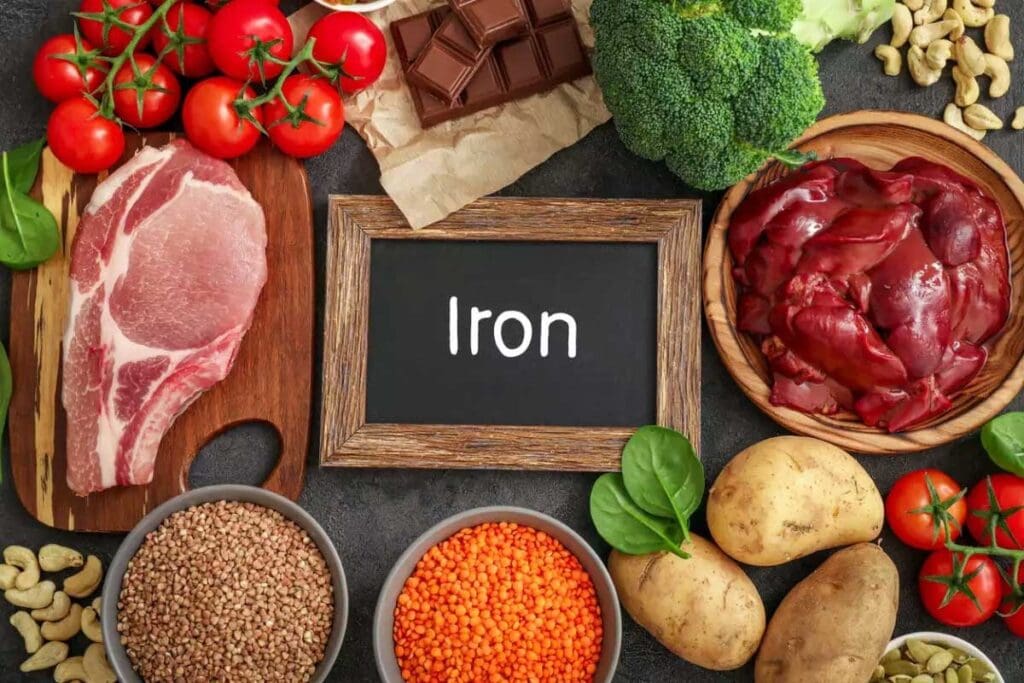
IronWhat vitamin deficiency causes thalassemia? is an essential nutrient vital for making red blood cells. It helps carry oxygen all over the body. You can find iron in many foods, some products, and supplements.
The amount of iron you need changes with age and gender. It’s important to know how much iron you need for good health. Liv Hospital offers a patient-focused approach to learning about iron.
Key Takeaways
- Iron is key to carrying oxygen and making energy.
- How much iron you need changes with age and gender.
- Not getting enough iron can cause serious health problems.
- Eating a balanced diet helps meet your iron needs.
- Iron supplements are an option for those who don’t get enough.
Fact 1: Iron Is Essential for Oxygen Transport and Energy Production
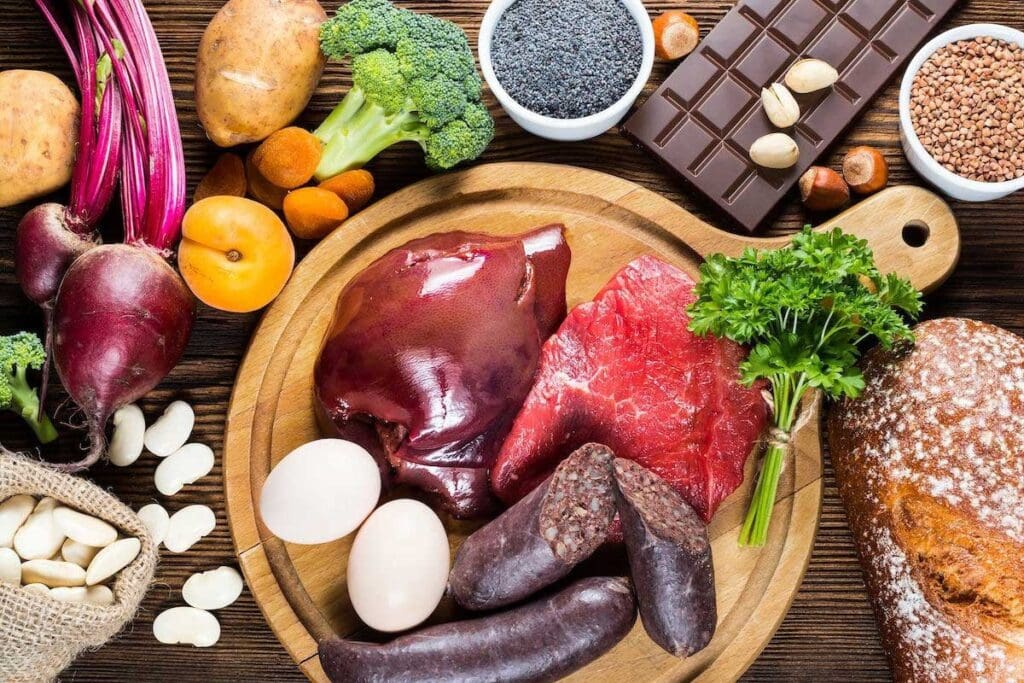
Oxygen transport and energy production are key functions that need iron. Iron is a vital nutrient for many bodily processes. Its importance is huge.
How Iron Carries Oxygen Throughout the Body
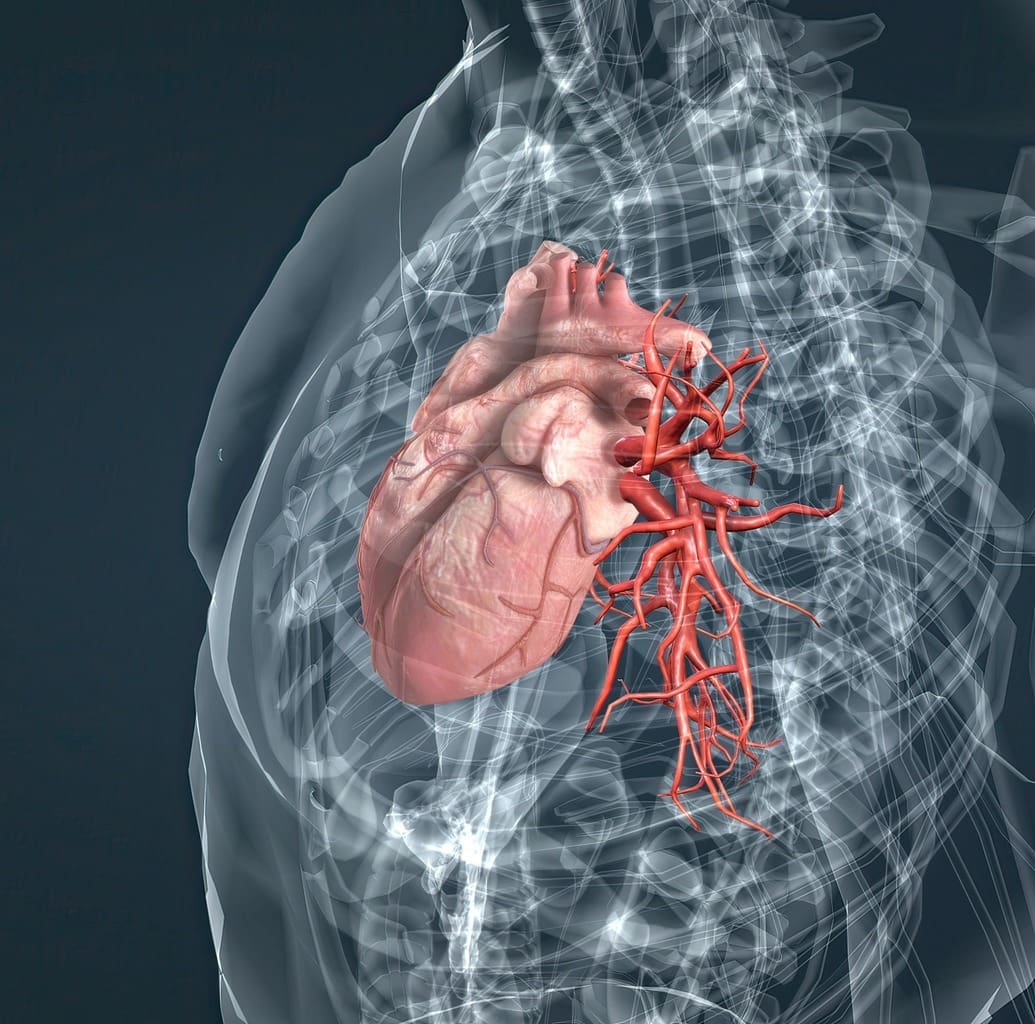
Iron is a key part of hemoglobin, a protein in red blood cells. It carries oxygen from the lungs to the body’s tissues. This is essential for healthy tissues and organs.
Without enough iron, the body can’t transport oxygen well. This leads to fatigue and other health problems.
- Hemoglobin contains iron, which binds to oxygen in the lungs.
- This oxygen-rich blood is then transported to various parts of the body.
- Iron’s role in oxygen transport is vital for maintaining energy levels and overall health.
Iron’s Role in Cellular Energy Production
Iron is also key for cellular energy production. It’s a part of myoglobin, a protein that stores oxygen in muscles. It helps make ATP (adenosine triphosphate), the energy cells use.
- Myoglobin stores oxygen for muscle cells, helping with energy production during activity.
- Iron is needed for the electron transport chain to make ATP.
- Enough iron helps cells make energy efficiently.
In summary, iron is vital for oxygen transport and energy production. It’s important to get enough iron every day to keep these functions working well.
Fact 2: Iron Requirements by Age Vary Significantly
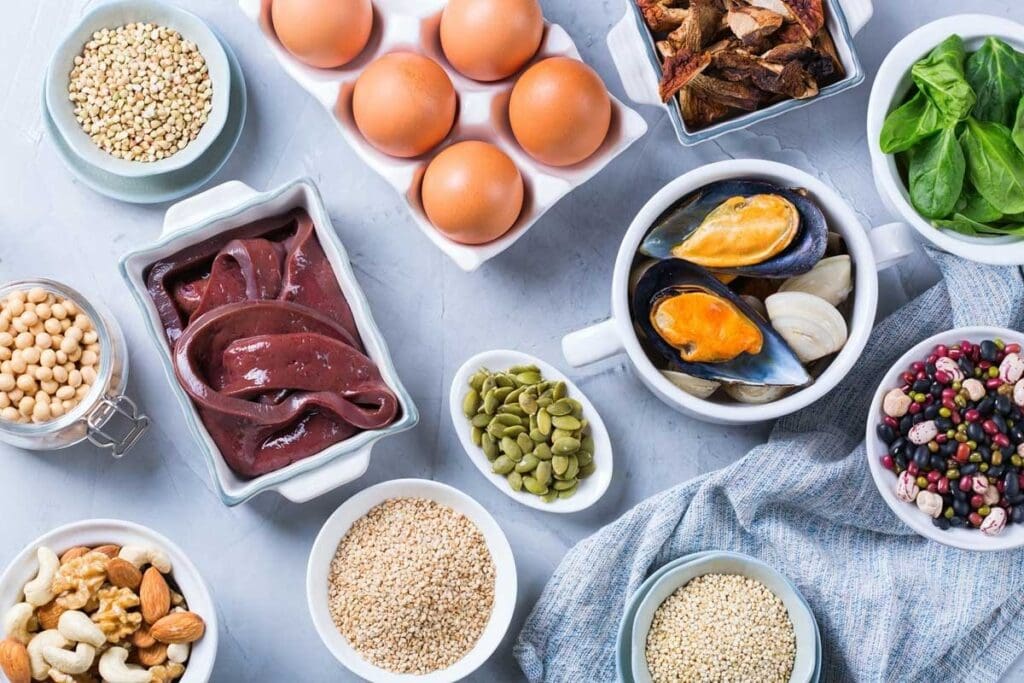
Iron needs change a lot as people grow up. It’s important to know how much iron each age group needs. This helps keep everyone healthy.
Infants Need 11 mg Daily (7-12 months)
Infants from 7 to 12 months need 11 mg of iron every day. This is because they grow and develop so fast. Iron helps make hemoglobin and hormones.
They get iron from breast milk or formula. When they start eating solid foods, iron-rich foods are key.
Children Ages 4-8 Require 10 mg Daily
C.hildren aged 4 to 8 need 10 mg of iron each day. Iron is important for their growth and energy. It helps make red blood cells.
It’s important to make sure kids get enough iron. This helps them grow well and avoid delays.
Adolescent Requirements Differ by Gender
Iron needs change for boys and girls during adolescence. Boys need about 8 mg of iron daily. Girls need 8 mg before they start menstruating.
After menstruation starts, girls need 15 mg or more of iron daily. This shows why iron needs are different for boys and girls at this age.
| Age Group | Daily Iron Requirement (mg) |
| Infants (7-12 months) | 11 |
| Children (4-8 years) | 10 |
| Adolescent Boys (14-18 years) | 8 |
| Adolescent Girls (14-18 years, pre-menstruation) | 8 |
| Adolescent Girls (14-18 years, post-menstruation) | 15 |
Knowing these iron needs is key. It helps make sure everyone gets enough iron for their health and growth.
Fact 3: Men and Women Have Different Iron Needs
Men and women need different amounts of iron every day. This is because of how their bodies work. Women lose iron because of their menstrual cycle.
Adult Men Need 8 mg Daily.
Adult men need 8 mg of iron each day. This amount doesn’t change much as they get older. But health problems can affect it.
Women Ages 19-50 need 18 mg Daily.
Women between 19 and 50 need 18 mg of iron daily. They need more because of menstrual blood loss. This loss can lead to iron deficiency if not balanced by diet or supplements.
The main reason for the difference in iron needs is menstrual blood loss in women. Women of childbearing age lose iron regularly. This means they need more iron to keep their iron levels healthy.
It’s important to get the right amount of iron to keep red blood cells healthy. Both men and women should know their iron needs. This helps avoid iron deficiency or too much iron.
In short, men need 8 mg of iron daily, and women aged 19-50 need 18 mg. Knowing these amounts helps people make better food choices.
Fact 4: Pregnancy Increases Iron Requirements Dramatically
Pregnancy is a time when the body needs more nutrients, like iron. This is because the blood volume increases, and the fetus needs iron, too.
Why Pregnant Women Need 27 mg Daily
Pregnant women need 27 mg of iron per day. This is much more than before they were pregnant. It helps the mother’s blood and makes sure the fetus gets enough iron.
Iron is key to making hemoglobin. Hemoglobin carries oxygen to all parts of the body.
The daily recommended dose of iron for women during pregnancy is more than double that of non-pregnant women. This shows how important iron is during this time.
Strategies for Meeting Pregnancy Iron Needs
To get enough iron during pregnancy, women can try a few things:
- Eat foods rich in iron, like red meat and beans.
- Drink vitamin C-rich foods with iron-rich foods to help absorb iron better.
- Take iron supplements if you can’t get enough from food, but only with a doctor’s advice.
It’s very important to meet the pregnancy iron needs for the health of both the mother and the baby. Getting enough iron helps avoid iron deficiency anemia, which is serious.
The DV iron (Daily Value for iron) is on nutrition labels. During pregnancy, it’s important to aim for the higher daily amount to keep both mother and baby healthy.
Fact 5: There Are Two Principal Forms of Dietary Iron
Iron in our diet comes in two main types: heme and non-heme iron. These types vary in where they come from and how well our bodies absorb them.
Heme Iron: Found in Animal Products
Heme iron comes from animal sources, like the hemoglobin in meat, poultry, and fish. It’s also found in high amounts in organ meats and red meat. This type of iron is easier for our bodies to absorb than non-heme iron.
Non-Heme Iron: Found in Plant Sources
Non-heme iron is found in plant foods like beans, lentils, spinach, and fortified cereals. It’s also in animal products, but in smaller amounts than heme iron. While it’s not absorbed as well as heme iron, eating it with foods high in vitamin C can help.
It’s important to know the difference between heme and non-heme iron, mainly for those on a vegetarian or vegan diet. By understanding where these irons come from and how they’re absorbed, we can make better food choices. This helps keep our iron levels where they should be.
Fact 6: Iron Absorption Rates Differ Between Food Sources
Iron absorption rates change a lot depending on the food source. This change mainly comes from the different types of iron: heme and non-heme.
Heme Iron Is Absorbed More Efficiently
Heme iron is found in animal products like meat, poultry, and fish. It is absorbed better by the body than non-heme iron. This means more of the iron from these sources is used by the body.
Factors Affecting Non-Heme Iron Absorption
Non-heme iron is in plant-based foods like beans, lentils, and fortified cereals. It’s not as easily absorbed as heme iron. But some things can help it get absorbed better. Vitamin C is key to improving non-heme iron absorption. Eating foods high in vitamin C, like citrus fruits and tomatoes, with non-heme iron can boost absorption.
Other things can also affect how well non-heme iron is absorbed. For example, calcium can lower non-heme iron absorption. But vitamin A and beta-carotene can help increase it. Knowing these details can help people get more iron, even if they eat mostly plant-based foods.
Fact 7: RDA and DV for Iron Reflect Different Purposes
The RDA and DV for iron are two measures with different goals. They guide how much iron we should eat, but for different reasons. They help different people in different ways.
Understanding the Recommended Daily Allowance (RDA)
The RDA for iron is set by health experts. It tells us how much iron we need based on our age, gender, and whether we’re pregnant. It’s tailored for different groups because they need different amounts.
| Age Group | RDA for Iron (mg/day) |
| Infants 7-12 months | 11 |
| Children 4-8 years | 10 |
| Men 19+ years | 8 |
| Women 19-50 years | 18 |
| Pregnant Women | 27 |
Daily Value (DV) on Nutrition Labels Uses 18 mg Reference
The DV for iron on food labels is a standard value. It shows how much iron a food has compared to what we need daily. For adults, it’s set at 18 mg.
Key differences between RDA and DV:
- RDA is specific to age and gender, while DV is a single value for labels.
- RDA helps health experts figure out what we need, and DV gives a general guideline on labels.
A nutrition expert says, “Knowing the difference between RDA and DV is key for both health experts and us. It helps us make smart choices about iron in our diet.”
“The RDA gives a personalized plan for nutrients, while the DV is a standard for comparing food values.”
In summary, RDA and DV are both important for iron intake advice. But they have different roles and are used in different ways. Understanding these differences helps us manage our iron intake better.
Fact 8: Iron-Rich Foods Come from Both Animal and Plant Sources
A balanced diet includes foods rich in iron from animals and plants. Adding these to your meals helps keep iron levels right.
Top Animal-Based Iron Sources
Animal-based iron is heme iron, which the body absorbs better. Here are the top animal sources:
- Red meat: Beef, lamb, and venison are iron-rich.
- Organ meats: Liver is very high in iron.
- Poultry: Chicken and turkey have iron, but less than red meat.
- Seafood: Clams, oysters, and sardines are great iron sources.
Best Plant-Based Iron Sources
Plant-based iron is non-heme iron, which the body absorbs less, but is important. Here are the best plant sources:
- Legumes: Beans, lentils, and chickpeas are iron-rich.
- Leafy greens: Spinach, kale, and collard greens have lots of iron.
- Nuts and seeds: Pumpkin seeds, sesame seeds, and sunflower seeds are good sources.
- Whole grains: Quinoa, brown rice, and whole-wheat bread provide iron.
Fortified Foods Provide Significant Iron
Many foods are fortified with iron, adding value to an iron-rich diet. These include:
- Fortified cereals: Many breakfast cereals are iron-fortified.
- Iron-enriched grains: Some bread and pasta are enriched with iron.
By adding these iron-rich foods to your diet, you meet your daily iron needs.
Fact 9: Vitamin C Enhances Iron Absorption
Vitamin C is key in helping the body absorb iron, mainly from plant sources. It’s essential for better iron absorption from foods like spinach and beans.
How Vitamin C Improves Iron Bioavailability
Vitamin C, or ascorbic acid, makes non-heme iron easier to absorb. It does this by changing it into a form the body can use better. This happens in the stomach and small intestine.
Key mechanisms by which vitamin C improves iron bioavailability include:
- Reducing ferric iron to ferrous iron, making it more soluble and absorbable.
- Creating iron-ascorbate complexes that help the body take in iron.
- Overcoming the effects of polyphenols and phytates that block iron absorption.
Optimal Food Pairings for Maximum Iron Absorption
To get the most iron, eat foods high in vitamin C with iron-rich foods. Here are some great pairings:
| Iron-Rich Food | Vitamin C-Rich Food | Combined Dish Example |
| Spinach (non-heme iron) | Strawberries (high in vitamin C) | Spinach salad with strawberries and nuts |
| Lentils (non-heme iron) | Orange slices (high in vitamin C) | Lentil soup with a side of orange slices |
| Fortified cereals (non-heme iron) | Kiwi (high in vitamin C) | Cereal with sliced kiwi and milk |
Knowing how vitamin C boosts iron absorption helps a lot. Adding these food pairs to your meals can greatly improve your iron levels and health.
Fact 10: Certain Substances Inhibit Iron Absorption
Iron is key to our health, but some substances can block its absorption. Iron absorption is complex and can be affected by what we eat. Knowing these factors helps keep our iron levels right.
Tannins and Polyphenols in Tea and Coffee
Tannins and polyphenols in tea, coffee, and some fruits and veggies can stop iron from being absorbed. These compounds can tie up iron, making it hard for the body to use. Drinking tea or coffee with meals can cut down on iron absorption a lot. It’s better to have these drinks between meals, not with iron-rich foods.
Tips for Tea and Coffee Drinkers:
- Drink tea or coffee between meals.
- Wait at least 1-2 hours after an iron-rich meal before consuming tea or coffee.
- Consider increasing your iron intake on days when you consume more tea or coffee.
Calcium and Phytates as Iron Inhibitors
Calcium can also block iron absorption, mainly non-heme iron. Foods high in calcium, like dairy, can lower iron absorption when eaten together. Phytates in whole grains, legumes, nuts, and seeds also block iron absorption. Soaking, sprouting, or fermenting these foods can cut down phytates and boost iron absorption.
| Inhibitor | Food Sources | Effect on Iron Absorption |
| Tannins | Tea, coffee, some fruits, and vegetables | Reduces non-heme iron absorption |
| Polyphenols | Tea, coffee, fruits, vegetables, and some legumes | Reduces non-heme iron absorption |
| Calcium | Dairy products, fortified plant-based milk, and some leafy greens | Reduces non-heme iron absorption |
| Phytates | Whole grains, legumes, nuts, seeds | Reduces non-heme iron absorption |
By knowing about these inhibitors and adjusting our diet, we can improve iron absorption. It’s all about finding the right balance and understanding how different foods work together.
Fact 11: Iron Deficiency Is the Most Common Nutritional Deficiency Worldwide
Iron deficiency is the most common nutritional problem globally. It affects many people, including pregnant women, children, and those with certain health issues. This is a big health problem worldwide.
Signs and Symptoms of Iron Deficiency
Iron deficiency can show in many ways. You might feel tired, weak, or have pale skin. In serious cases, it can cause anemia, where your body doesn’t get enough oxygen.
Common signs of iron deficiency anemia include:
- Extreme fatigue and weakness
- Pale skin and lips
- Shortness of breath
- Dizziness or lightheadedness
- Headaches
High-Risk Groups for Iron Deficiency
Some groups are more likely to get an iron deficiency. These include:
- Pregnant women: They need more iron for the baby.
- Children and adolescents: They grow fast and need more iron.
- Women with heavy menstrual periods: They lose a lot of blood each month.
- Individuals with certain health conditions, Like celiac disease or Crohn’s disease.
- Vegetarians and vegans: They might not get enough iron from animal sources.
It’s important to know about iron deficiency and its symptoms. People at high risk need to check their iron levels and take steps to keep them high.
Fact 12: Iron Overload Can Be Dangerous
Too much iron in the body is called iron overload. It can cause serious health problems. This happens when there’s more iron than needed.
Hemochromatosis and Iron Toxicity
Hemochromatosis is a genetic disorder. It makes the body absorb too much iron. This leads to iron overload.
People with hemochromatosis risk damage to organs like the liver, heart, and pancreas. Symptoms of iron toxicity include fatigue, weakness, and stomach pain. If not treated, it can cause cirrhosis, diabetes, and heart issues.
Safe Upper Limits for Iron Intake
Knowing the safe iron intake limits is key to avoiding iron overload. The Tolerable Upper Intake Level (UL) for adults is 45 mg per day.
| Age Group | Safe Upper Limit for Iron Intake (mg/day) |
| Adults | 45 |
| Pregnant Women | 45 |
| Children (1-13 years) | 40 |
Knowing these limits helps avoid too much iron. This is important, even when taking supplements. Always talk to a doctor before starting iron supplements.
Fact 13: Iron Supplements Come in Various Forms
Iron supplements come in many forms, each with its own special features. Our bodies need iron to keep red blood cells healthy. If we don’t get enough from food, supplements can help fill the gap.
Types of Iron Supplements
There are different types of iron supplements, like ferrous and ferric iron salts. Ferrous iron supplements, like ferrous sulfate and ferrous gluconate, are popular because they are well absorbed by the body.
| Type of Iron Supplement | Characteristics | Examples |
| Ferrous Iron | Good absorption, commonly used | Ferrous sulfate, ferrous gluconate |
| Ferric Iron | Less soluble, less commonly used | Ferric citrate, ferric EDTA |
When Supplementation Is Recommended
Iron supplements are advised for those with iron deficiency or at risk. This includes pregnant women, people with chronic diseases, and those not getting enough iron from food. The amount of iron needed varies by age and gender. Adult men need 8 mg daily, while women aged 19-50 need 18 mg.
Always talk to a healthcare provider before starting iron supplements. They can help choose the right type and amount for you.
Fact 14: Meal Timing Affects Iron Absorption
Knowing how meal timing impacts iron absorption is key. It helps us get the most from iron-rich foods and supplements. Eating these at the right time boosts absorption, making sure we get enough iron.
Optimal Timing for Iron-Rich Meals
Eating iron-rich foods with meals can be good. But the timing with other nutrients matters. Vitamin C, found in citrus fruits and bell peppers, boosts iron absorption from plant-based foods.
Spacing Iron Supplements from Certain Foods and Medications is also important. Some foods and meds can block iron absorption. Taking iron supplements on an empty stomach is best. But if you have stomach issues, a small snack might help.
Spacing Iron Supplements from Certain Foods and Medications
To get the most iron, space supplements from foods and meds that block it. Calcium, antacids, and some antibiotics can reduce iron absorption. So, wait at least 2 hours after taking these before iron supplements.
- Don’t drink tea or coffee with iron-rich meals. Polyphenols in them lower iron absorption.
- High-phytate foods like whole grains and legumes also lower iron absorption. But soaking, sprouting, or fermenting them can reduce phytates.
By paying attention to meal timing and spacing iron supplements, we can better absorb iron. This helps keep our iron levels healthy.
Conclusion: Maintaining Optimal Iron Levels Throughout Life
Keeping iron levels right is key at every stage of life, from babyhood to adulthood. The amount of iron we need changes as we grow, with different needs for men and women, and even more during pregnancy. Knowing iron facts nutrition helps make sure we get enough.
Eating a balanced diet with iron-rich foods is important. These include lean meats, seafood, nuts, beans, and fortified grains. Also, knowing how to boost or block iron absorption, like with vitamin C and phytates, helps in making better food choices.
If you’re at risk of iron deficiency or too much iron, supplements might be needed. Always talk to a healthcare expert to figure out the best plan for you. By focusing on iron intake and understanding how it’s absorbed, we can keep our iron levels in check all our lives.
FAQ
What is the daily recommended intake of iron for women?
Women aged 19-50 need 18 mg of iron daily. Pregnant women require 27 mg.
How much iron do men need daily?
Adult men should get 8 mg of iron daily.
What are the different forms of dietary iron?
There are two main types: heme iron in animal products and non-heme iron in plants.
Which form of iron is absorbed more efficiently?
Heme iron is better absorbed than non-heme iron.
How can I enhance iron absorption from plant-based sources?
Vitamin C boosts non-heme iron absorption. Eating foods high in vitamin C with iron-rich plants helps.
What substances inhibit iron absorption?
Tea, coffee, calcium, and phytates in foods can block iron absorption.
What is the Recommended Daily Allowance (RDA) for iron?
The RDA changes with age and gender. For example, it’s 8 mg for adult men and 18 mg for women aged 19-50. Pregnant women need 27 mg.
What is the Daily Value (DV) for iron used on nutrition labels?
The Daily Value for iron is 18 mg, shown on nutrition labels.
What are some iron-rich foods?
Foods high in iron include red meat, poultry, fish, beans, lentils, and fortified cereals.
Who is at risk for iron deficiency?
At-risk groups include pregnant women, children, people with certain health issues, and those not getting enough iron.
What are the signs and symptoms of iron deficiency?
Signs include fatigue, weakness, pale skin, and shortness of breath.
Can iron overload be dangerous?
Yes, too much iron can cause conditions like hemochromatosis and iron toxicity, which are dangerous if not treated.
What are the safe upper limits for iron intake?
Adults should not take more than 45 mg of iron daily from all sources.
When is iron supplementation recommended?
Iron supplements are needed for those with iron deficiency anemia, pregnant women, and others not get enough iron.
How should I time my iron supplements?
Take iron supplements away from foods and meds that block absorption, like tea, coffee, calcium, and antacids.
References
- Office of Dietary Supplements. (2025). Iron – Health Professional Fact Sheet. National Institutes of Health. https://ods.od.nih.gov/factsheets/Iron-HealthProfessional/