As a parent, it’s natural to worry about your teenager’s menstrual health. Many teens face irregular periods during their teenage years. Knowing what’s normal and what’s not can help ease your worries.
At Liv Hospital, we use proven medical methods and caring support. We help teenagers and their families understand menstrual health better. It’s common for girls to have irregular periods in the first few years after they start menstruating.
We know every teenager is different. Our approach focuses on each person’s needs. In this article, we’ll look at why teens have irregular periods. We’ll also talk about when it’s time to see a doctor.
Key Takeaways
- Irregular periods are common in teenagers, specially in the first few years after menarche.
- A patient-centered approach is key in addressing menstrual health concerns.
- Evidence-based medical protocols can help regulate menstrual cycles.
- Compassionate care is vital in supporting teenagers and their families.
- Understanding normal versus concerning menstrual irregularities can ease parental anxiety.
Understanding Normal vs. Irregular Menstrual Cycles in Teenagers

Menstruation is a big step for teenagers. But, irregular periods can worry them. It’s key to know the difference between normal and irregular cycles, mainly in teens.
What Constitutes a “Normal” Menstrual Cycle
A normal cycle has a regular time between periods. It usually lasts between 21 to 45 days. By the third year after starting their period, most girls have cycles in this range.
Several things make a cycle normal. These include:
- Regular Interval: Cycles that happen at about the same time.
- Duration: Bleeding that lasts 3 to 7 days.
- Flow: It’s okay if the flow changes from light to heavy. But, too much or too little bleeding might mean a problem.
Defining Irregular Periods in Adolescents
Irregular periods are common in teens. About 41.3% of teenage girls have them. These can be cycles that are too short, too long, or change a lot in length and flow.
Signs of irregular periods include:
- Oligomenorrhea: Periods that happen more than 45 days apart.
- Polymenorrhea: Periods that happen less than 21 days apart.
- Menstrual irregularity: Cycles that change a lot in length or flow.
Dr. [Last Name] said, “The first few years after starting their period are key for a regular cycle. But, it’s normal for teens to have irregular periods during this time.”
“The changes in menstrual cycles during adolescence come from the maturing of the body’s hormone system.”
Knowing these details helps figure out if a teen’s cycle is normal or if they need to see a doctor.
The Prevalence of Irregular Periods Among Teenagers

Menstrual irregularity is common in teens. As they start menstruating, many experience irregular periods. This worries teens, parents, and doctors.
Statistical Overview: How Common Are Irregular Periods?
Irregular periods are a big worry for teens. Research shows many young people have irregular cycles.
Studies reveal irregular periods are common among teens. Younger teens, about 44.6%, face this issue more than older teens, at 39.2%. This shows irregular periods decrease as teens get older.
Age Group | Prevalence of Irregular Periods |
Younger Adolescents (11-13 years) | 44.6% |
Older Adolescents (14-16 years) | 39.2% |
Late Adolescents (17+ years) | 20.5% |
Age-Related Differences in Menstrual Irregularity
The difference in irregular periods among teens is key to understanding menstrual health.
As teens get older, their periods become more regular. This is because their body’s systems mature. Younger teens have less mature systems, leading to more irregular periods.
The Biological Development of the Menstrual Cycle
It’s important to understand how the menstrual cycle develops in teenagers. The cycle is a complex process. It’s controlled by hormones and body processes.
In adolescence, the menstrual cycle changes a lot. This is because of the hypothalamic-pituitary-ovarian axis. This system is key to regulating the cycle.
The Hypothalamic-Pituitary-Ovarian Axis
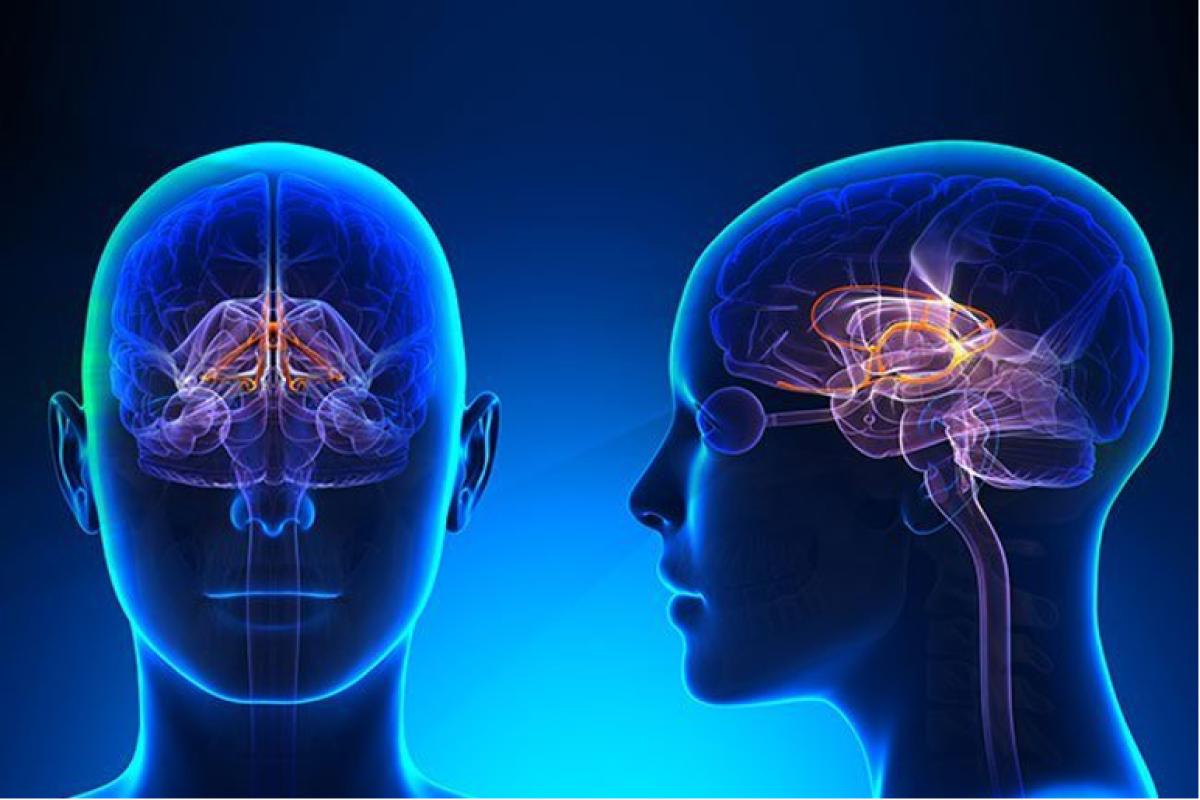
The hypothalamic-pituitary-ovarian axis is a complex system. It controls the menstrual cycle. It involves the hypothalamus, pituitary gland, and ovaries working together.
- The hypothalamus makes gonadotropin-releasing hormone (GnRH). This hormone tells the pituitary gland what to do.
- The pituitary gland then releases follicle-stimulating hormone (FSH) and luteinizing hormone (LH). These hormones come from GnRH.
- The ovaries make estrogen and progesterone in response to FSH and LH. These hormones control the cycle.
Hormonal Maturation During Adolescence
In adolescence, the hypothalamic-pituitary-ovarian axis gets better. This leads to more stable hormone levels. But, it takes time, and menstrual cycles can stay irregular for two to three years after the first period.
Several factors affect how hormones mature:
- GnRH levels increase slowly. This helps the hormonal feedback loop work better.
- The ovaries develop follicles. This affects estrogen levels.
- The pituitary gland learns to respond to GnRH. This ensures FSH and LH are released correctly.
As the axis matures, menstrual cycles usually become more regular. But, how long it takes can vary a lot from person to person.
Common Causes of Irregular Periods in Teenagers
Teenagers face many challenges, including irregular periods. These can come from many sources like body changes, lifestyle, and mind factors.
Physiological Causes
Body changes are a big reason for irregular periods in teens. Right after they start getting their periods, their body’s hormone system is not fully grown. This can make their periods come at different times and be different in how heavy they are.
Hormonal Imbalance: The growth of the hormone system can cause irregular periods. This system controls the menstrual cycle with a fine balance of hormones.
Lifestyle Factors
Lifestyle choices also affect menstrual regularity. Changes in weight, what you eat, and how active you are can all change your periods.
- Weight Changes: Big changes in weight can mess with hormone levels, causing irregular periods.
- Dietary Habits: Not eating the right foods can upset hormone balance and make periods less regular.
- Exercise: Too much or too little exercise can also lead to irregular periods.
Psychological Factors
Stress is another big factor that can mess with menstrual regularity. Stress can upset the hypothalamus, which controls the menstrual cycle.
Factor | Impact on Menstrual Cycle |
Physiological Changes | Hormonal fluctuations during adolescence |
Lifestyle Changes | Weight changes, dietary habits, exercise levels |
Psychological Stress | Disruption of normal hypothalamic function |
Why Irregular Periods Are Normal During Early Adolescence
Teenagers often experience irregular periods when they start menstruating. This is because their bodies are going through big changes. Hormonal shifts can make periods unpredictable.
Menarche, or the first period, is a big factor. Early menarche can lead to shorter and more irregular cycles. It takes time for the body to adjust to regulating periods.
The Impact of Early Menarche on Cycle Patterns
Girls who start menstruating early often have irregular periods at first. This is because their body’s systems are not fully developed. The systems that control the menstrual cycle need time to mature.
Research shows that girls with early menarche may have more irregular cycles at first. But, as they get older, their cycles tend to become more regular.
Gynecologic Age and Cycle Predictability
Gynecologic age, or the time after menarche, affects how regular periods are. As gynecologic age grows, periods tend to become more predictable.
The table below shows how regular periods become more common with age.
Gynecologic Age (Years) | Percentage of Regular Cycles | Percentage of Irregular Cycles |
0-1 | 20% | 80% |
1-2 | 40% | 60% |
2-3 | 60% | 40% |
3+ | 80% | 20% |
This data shows that as gynecologic age increases, regular cycles become more common. Irregular cycles decrease. Knowing this can help ease worries about irregular periods in early teens.
In summary, irregular periods are normal for many teens at the start of menstruation. Early menarche and gynecologic age are key factors. As gynecologic age grows, periods tend to become more regular.
Medical Conditions That May Cause Irregular Periods
Medical conditions like PCOS and thyroid disorders can lead to irregular periods in teens. This shows the importance of a full medical check-up. Irregular periods are common in teens, but some health issues can make them worse.
Polycystic Ovary Syndrome (PCOS)
PCOS is a hormonal disorder that affects women of childbearing age. It causes irregular periods, cysts on the ovaries, and hormonal imbalances. Symptoms include acne and too much hair growth.
To diagnose PCOS, doctors use clinical exams and ultrasounds. Treatment often includes hormonal medicines and lifestyle changes. These help manage symptoms and regularize periods.
Thyroid Disorders
The thyroid gland is key in controlling menstrual cycles through hormones. Thyroid problems, like hypothyroidism and hyperthyroidism, can mess with this balance. This leads to irregular periods.
Symptoms include tiredness, weight changes, and mood swings. Doctors diagnose these issues with blood tests. Treatment involves medicines to fix thyroid hormone levels.
Other Medical Conditions
Other health issues can also cause irregular periods. These include adrenal gland disorders, hyperprolactinemia, and uterine abnormalities. Each has its own symptoms and treatment.
For example, adrenal gland disorders might need hormonal therapy. Uterine problems might require surgery.
Getting a detailed medical check-up is key. It helps find the cause of irregular periods and plan the right treatment.
When Will My Teenager’s Irregular Periods Regulate?
Many parents wonder when their teenager’s irregular menstrual cycles will become more predictable. Knowing the typical timeline and what affects it can help a lot.
Typical Timeline for Menstrual Regulation
Menstrual cycles usually start to get regular a few years after the first period. Studies show that by 2-3 years after the first period, cycles become more regular. As girls get older, their cycles tend to become more predictable.
The time it takes for cycles to regulate can vary a lot. Some teens might get regular cycles in a year or two, while others might take longer. It’s important for parents to be patient and understanding during this time.
Factors Affecting the Regulation Timeline
Many things can affect how fast menstrual cycles regulate. These include health, lifestyle, and medical conditions. For example, staying at a healthy weight, eating well, and managing stress can help cycles become more regular.
To show how different factors can affect menstrual regulation, here’s a table:
Factor | Influence on Menstrual Regulation |
Healthy Weight | Maintaining a healthy weight can help regulate menstrual cycles. |
Balanced Diet | A diet rich in essential nutrients supports hormonal balance. |
Stress Management | Effective stress management techniques can help stabilize menstrual cycles. |
Medical Conditions | Conditions like PCOS or thyroid disorders can affect menstrual regularity. |
As the table shows, many factors can influence menstrual cycle regulation. Keeping overall health good and managing any medical conditions is key.
By knowing these factors and being supportive, parents can help their teens through the menstrual regulation process.
When to Seek Medical Attention for Irregular Periods
It’s important to know when to see a doctor for irregular periods in teens. While it’s normal for periods to be irregular during adolescence, some signs mean you should get checked out.
Warning Signs That Require Medical Evaluation
Here are some signs that mean you should see a doctor:
- Severe pain during periods that makes it hard to do daily things.
- Heavy bleeding that goes through a pad or tampon every hour for hours.
- Prolonged bleeding that lasts more than 7-10 days.
- Missed periods for more than 2-3 months, unless you’re on certain birth control.
- Irregular periods with other symptoms like too much hair, bad acne, or big weight changes.
These signs might mean there’s a health issue that needs to be checked.
Addressing Common Concerns: Missed Periods and Prolonged Bleeding
Missed periods and long bleeding are big worries for teens with irregular periods. If you miss your period for 2 months or more, see a doctor. They can check for pregnancy, hormonal problems, or other health issues. Long bleeding can cause anemia and other problems, so you should see a doctor too.
What to Expect at a Medical Appointment
At a doctor’s visit for irregular periods, you can expect:
- A detailed medical history, including questions about your menstrual cycle, health, and family history.
- A physical exam to look for signs of health problems.
- Diagnostic tests, like blood tests or ultrasound, if needed.
Knowing what to expect can make you feel less nervous and more ready for your visit.
Conclusion
Irregular periods in teenagers are common and can worry both teens and their parents. Knowing why periods might be irregular and when they might become regular can help ease these worries. It also promotes better menstrual health.
Education and support are key in managing menstrual health. Learning about the normalness of irregular periods in early teens and what affects menstrual regularity helps. This knowledge empowers teenagers and their families to handle this important time more confidently.
If worries about irregular periods don’t go away, it’s important to see a doctor. Medical professionals can offer reassurance and help find the cause of irregular periods. By focusing on menstrual health, we can help teenagers have a healthier future.
FAQ
Why is my period late as a teenager?
Hormonal changes and the growth of the reproductive system can cause irregular periods in teens. It’s common for periods to be unpredictable, mainly in the first years after getting your first period.
How long does it take for periods to regulate?
It can take 2-3 years for periods to settle into a regular pattern after your first period. Lifestyle, diet, and health can affect how long it takes.
What is considered an irregular period in teenagers?
Irregular periods in teens mean your cycle can vary a lot. This includes cycles that are too long, too short, or have too much or too little blood.
Are irregular periods normal in early adolescence?
Yes, it’s normal for teens to have irregular periods. Hormonal shifts and the growth of the reproductive system can lead to these changes.
What are the common causes of irregular periods in teenagers?
Hormonal imbalances, stress, diet, exercise, and mental health issues like anxiety and depression can cause irregular periods in teens.
When should I seek medical attention for irregular periods?
See a doctor if you have severe pain, heavy bleeding, or if you miss periods for a long time. It’s also important to talk to a healthcare provider if you’re worried about your periods.
Can medical conditions cause irregular periods in teenagers?
Yes, conditions like PCOS, thyroid problems, and hormonal imbalances can lead to irregular periods. A doctor can diagnose and treat these issues.
How can I support my teenager with irregular periods?
Educate your teen about menstrual health, promote a healthy lifestyle, and seek medical help if needed. Be open and understanding, creating a safe space for them to talk.
What can I expect at a medical appointment for irregular periods?
At a doctor’s visit, they’ll take your medical history, do a physical exam, and might run tests to find out why your periods are irregular. They’ll then talk about treatment options and how to manage your symptoms.
Are irregular periods a sign of an underlying health issue?
While irregular periods are common in teens, they can sometimes signal a health problem. A doctor can look at your situation and decide if you need further tests or treatment.
References
National Center for Biotechnology Information. Teenage Irregular Periods: A Parent’s Guide. Retrieved from https://pmc.ncbi.nlm.nih.gov/articles/PMC10733621/
National Health Service (NHS). Irregular Teen Periods: Causes, Concerns, and Expected Regulation. Retrieved from https://www.nhs.uk/conditions/period-problems/irregular-periods/