Last Updated on November 4, 2025 by mcelik

Millions of people worldwide suffer from herniated disc irritation, which causes pain, numbness, and weakness, significantly impacting daily life. What irritates herniated disc includes mechanical pressure and chemical inflammation. Activities like improper lifting, twisting, repetitive bending, and physically demanding work strain the spine, worsening the condition. The herniated disc’s jelly-like material can press against nerves and release chemical irritants that inflame nerve roots, causing pain and other symptoms. Smoking, aging, being overweight, and sedentary lifestyle also contribute to irritation and degeneration. Avoiding these triggers can help manage symptoms and improve comfort.
A herniated disc happens when the soft inside of the disc leaks out. This leak goes through a tear in the outer layer. It can irritate nearby nerves. Knowing what causes and symptoms of this irritation is very important for finding relief.
Key Takeaways
- Understanding herniated disc irritation is key to managing pain.
- Identifying the causes of irritation can help in finding relief.
- Symptoms of herniated disc irritation can significantly impact daily life.
- Relieving irritation from herniated discs requires a complete approach.
- Seeking professional help is very important for effective management.
Understanding Herniated Discs
It’s key to know about herniated discs to understand what irritates them and causes pain. A herniated disc is a spine issue that leads to discomfort and symptoms.
What Is a Herniated Disc?
A herniated disc happens when the soft, gel-like center of a spinal disc bulges out. This bulge is through a tear or crack in the tougher, outer layer. It can press on nearby nerves, causing pain, numbness, or weakness in the back or legs.
“The spine is made up of vertebrae and discs, and when a disc herniates, it can disrupt the entire spinal column.”
-As noted by specialists.
How Disc Herniation Occurs
Disc herniation can happen for many reasons, like aging, wear and tear, or sudden injury. When the outer layer of the disc weakens, it can’t hold the soft inner gel anymore. This leads to a herniation.
| Causes | Description |
| Aging | The spinal discs lose their water content and become more prone to herniation. |
| Wear and Tear | Daily activities can cause micro-tears in the disc, leading to herniation over time. |
| Sudden Injury | Lifting heavy objects or sudden twisting can cause immediate herniation. |
Common Locations for Disc Herniation
Herniated discs often happen in the lumbar (lower back) and cervical (neck) regions. The lumbar region is more likely to herniate because it carries a lot of weight.
The lumbar spine bears a significant amount of stress, making it a common site for herniated discs. Knowing where they usually happen helps in diagnosing and treating them well.
Recognizing Symptoms of an Irritated Herniated Disc
It’s important to know the signs of an irritated herniated disc. This knowledge helps in managing and treating the condition. An irritated herniated disc can cause various symptoms that impact daily life.
Pain Patterns and Characteristics
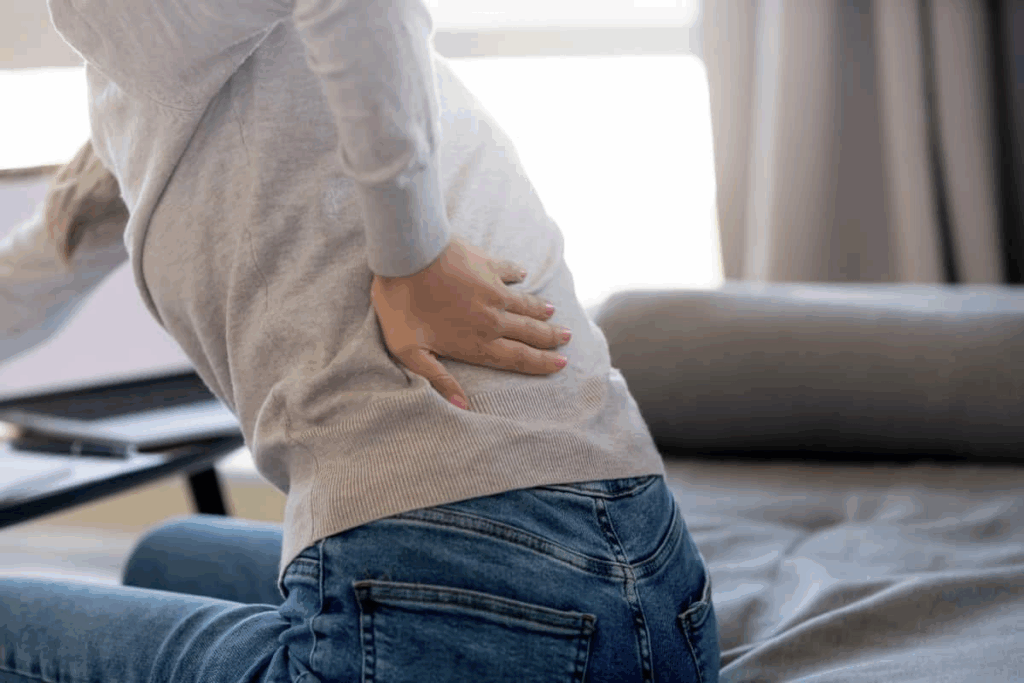
The pain from an irritated herniated disc varies from person to person. It can feel sharp or shooting. The pain can spread to different parts of the body, depending on where the herniated disc is.
A herniated disc in the lower back can cause pain in the legs, known as sciatica. On the other hand, a herniated disc in the neck can cause pain in the arms.
“The pain can get worse with certain movements or positions, like bending, lifting, or sitting for a long time,” says a leading spine specialist. Knowing these pain patterns is key to diagnosing and treating the condition.
Neurological Symptoms
An irritated herniated disc can also cause neurological symptoms. These include numbness, tingling, or weakness in the affected limb. For example, if the herniated disc is in the lumbar region, a person might feel numbness or tingling in their legs or feet.
- Numbness or tingling sensations
- Muscle weakness
- Changes in reflexes
These symptoms can greatly affect a person’s quality of life. It’s important to seek medical attention if they don’t go away or get worse.
When Symptoms Indicate an Emergency
Most herniated discs are not emergencies. But some symptoms can mean a serious condition that needs immediate care. For example, sudden and severe pain, or trouble controlling bladder or bowel movements are emergencies. This is known as cauda equina syndrome, a rare but serious complication of a herniated disc.
“If you experience sudden numbness or weakness in your legs, or if you have trouble with bladder or bowel control, seek immediate medical attention,” advises a medical expert.
Knowing these critical symptoms can help individuals act quickly. This can prevent long-term damage.
What Irritates a Herniated Disc: Primary Factors
Knowing what irritates a herniated disc is key to feeling better. Many things can cause discomfort and pain. Let’s dive into these factors to understand them better.
Mechanical Pressure and Compression
Mechanical pressure and compression are big problems for herniated discs. When a disc bulges or ruptures, it presses on nerves. This can lead to pain, numbness, and weakness.
Things like heavy lifting or bending can make it worse.
Key contributors to mechanical pressure include:
- Lifting heavy objects improperly
- Bending or twisting motions
- Prolonged sitting or standing
| Activity | Effect on Herniated Disc |
| Heavy Lifting | Increases mechanical pressure on the disc |
| Bending/Twisting | Exacerbates pressure on surrounding nerves |
| Prolonged Sitting/Standing | Maintains constant pressure on the disc |
Inflammatory Responses
Inflammation is a big player in irritating herniated discs. When a disc herniates, it can start an inflammatory reaction. This reaction can cause swelling, pain, and more irritation of nerves.
The inflammatory process involves:
- Chemical mediators release pro-inflammatory signals
- Immune cells responding to the perceived injury
- Tissue swelling and pain
Nerve Root Irritation
Nerve root irritation is another big factor. When a herniated disc presses on a nerve root, it can cause pain, numbness, and weakness. The severity of symptoms depends on how much the nerve is irritated.
Understanding these factors is vital for treating herniated discs. By tackling mechanical pressure, inflammation, and nerve root irritation, we can help those with herniated disc pain.
Bending and Its Impact on Herniated Discs
It’s important to know how bending affects herniated discs. Bending is something we do every day. But it can put a lot of strain on our spines, making herniated discs worse.
Forward Bending Risks
Forward bending can make a herniated disc worse. When you bend forward, you put more pressure on the disc. This can make the bulge bigger, which irritates nerves and causes pain. Avoiding heavy lifting and bending is key to preventing more irritation.
To bend safely, don’t bend at the waist. Instead, squat down to pick up things. Keep your back straight and use your leg muscles to lift.
Side Bending Considerations
Side bending can also affect herniated discs. The impact depends on the direction of the bend. If the herniation is on one side, bending towards it can make symptoms worse. It’s important to watch how your body reacts to side bending and adjust your movements.
When you need to side bend, do it carefully and keep your spine straight. Strengthening your core muscles can also help support your spine during these movements.
Safe Alternatives to Bending
There are ways to reduce bending or make it safer. Using ergonomic tools like grabbers or reachers can help. Also, arranging your space so things are within easy reach can cut down on bending.
For those with herniated discs, gentle stretching and strengthening exercises can help. They improve flexibility and lower the risk of injury during bending.
How Lifting Techniques Affect Herniated Discs
Lifting can really hurt herniated discs, and it’s key to lift safely. Knowing how to lift right can make a big difference in feeling better.
Incorrect Lifting Methods
Bad lifting habits often hurt herniated discs. Bending at the waist instead of the knees puts too much stress on the spine. This can make the problem worse.
Lifting Techniques to Avoid:
- Lifting heavy objects without bending knees
- Twisting while lifting
- Lifting with an uneven or uncoordinated motion
Heavy Lifting Dangers
Heavy lifting is risky for people with herniated discs. It can make the disc bulge more, which hurts nerves and causes pain. Always check the weight first and ask for help if it’s too much.
| Lifting Risks | Consequences |
| Heavy Lifting | Increased disc bulge, nerve irritation |
| Improper Technique | Strain on the spine, further herniation |
| Twisting and Lifting | Additional stress on spinal discs |
Safe Lifting Practices
It’s important to lift safely to avoid hurting a herniated disc further. Bend at the knees, keep the object close, and lift with your legs, not your back.
Safe Lifting Tips:
- Bend at the knees, not the waist
- Keep objects close to your body
- Lift with your legs
- Avoid twisting
By knowing the dangers of bad lifting and using safe methods, people with herniated discs can feel better and keep their spines healthy.
Sitting Positions That Worsen Disc Herniation
For those with a herniated disc, knowing how sitting affects them is key. Sitting is a big part of our lives, whether at work or during free time. But some sitting positions can make herniated disc pain worse.
Prolonged Sitting Effects
Sitting for a long time can harm the spine, more so with a herniated disc. Prolonged sitting puts more pressure on the discs. This is because the spine stays in one place too long, cutting off nutrients and oxygen. This can cause inflammation and pain.
Also, sitting for a long time means staying in one spot. This can make the muscles that support the spine get tired. When these muscles are tired, they can’t support the spine as well, making the herniation worse.
Poor Sitting Posture
Poor sitting posture can also aggravate a herniated disc. Slouching or slumping puts extra strain on the spine. This can make the herniated disc hurt more.
Bad sitting posture can also cause uneven weight on the spinal discs. This can irritate the affected disc even more.
Ergonomic Sitting Solutions
Using ergonomic sitting solutions can help with herniated disc pain. Ergonomic changes include using a chair with good lumbar support. Also, make sure the chair height is right and the monitor is at eye level.
It’s also good to stand up, stretch, and move around often. Simple moves like shoulder rolls and neck stretches can help ease tension.
By paying attention to how you sit and using ergonomic tips, people with herniated discs can feel better. They can also stop making their condition worse.
Twisting Motions and Herniated Disc Pain
Knowing how twisting affects herniated discs is key to managing pain. Twisting is common in daily life. But for those with herniated discs, it can be very painful.
How Rotation Stresses Discs
The spine is made for different movements, like rotation. But when a disc is herniated, things change. Twisting motions can make the problem worse by adding more stress to the disc, causing more pain.
Combined Twisting and Bending Dangers
Mixing twisting with bending is risky for those with herniated discs. This combo increases spine stress, making the herniated disc and nerves even more irritated. It’s best to avoid these movements to not make the problem worse.
Safer Ways to Turn and Rotate
It’s hard to avoid twisting completely, but there are safer ways to move. For example, when turning, use your hips and legs to start the movement, not your waist. This method can lessen the stress on your spine.
By knowing how twisting affects herniated discs and using safer ways to move, you can manage your condition better. It’s all about being careful with how we move and protecting our spine.
High-Impact Activities and Exercise Considerations
Exercise can be good or bad for people with herniated discs. It depends on the type and how hard it is. Staying active is key to health and managing back pain. But some exercises can make things worse.
We must find a balance. We want to stay active but avoid things that might hurt the disc more.
Running and Jumping Effects
Running and jumping can hurt the spine. Every step or jump sends a shock through the spine. This can cause a herniated disc.
For people with disc problems, these activities can cause more pain. It’s not about avoiding these activities completely. It’s about knowing how they affect the spine and maybe changing them a bit.
Contact Sports Risks
Contact sports are risky for those with herniated discs. The sudden stops and starts can hurt the spine. This can make the herniation worse and cause pain or other symptoms.
It’s important to think about the risks and find safer activities. This way, you can stay active without making your condition worse.
Beneficial Low-Impact Alternatives
Many low-impact exercises are good for fitness without stressing the spine. Swimming, cycling, and using an elliptical machine are great options. They help keep the heart rate up and build muscle without the stress of running or jumping.
Creating an exercise plan that fits your needs is important. This helps manage symptoms of a herniated disc.
Knowing how different activities affect herniated discs helps keep you healthy. It’s about finding the right balance. Often, this needs advice from healthcare experts.
Sleep Positions That Aggravate Herniated Discs
Knowing how to sleep with a herniated disc is key to managing pain. The right sleep position can help or hurt your back. It’s important to choose wisely.
Problematic Sleeping Postures
Some sleep positions can make herniated disc pain worse. Sleeping on your stomach arches your spine and puts pressure on discs. Side sleeping without support can also cause uneven spine alignment.
Sleeping on your back with your knees straight can also be bad. It arches your spine and adds pressure to the herniated disc. Keeping your spine neutral is best.
Optimal Sleep Positions
So, what’s the best way to sleep with a herniated disc? Sleeping on your back with a pillow under your knees is good. It keeps your lower back curved and reduces disc pressure.
Another great option is sleeping on your side with a pillow between your knees. This keeps your hips aligned and eases spine stress. Side sleepers should use a supportive mattress and a contoured pillow for comfort.
Choosing the Right Mattress and Pillows
The right mattress and pillows can help with herniated disc pain. A medium-firm mattress is often best. It supports without being too hard or too soft.
For pillows, a contoured pillow or cervical pillow is good. They keep your neck and spine aligned. Use a pillow that supports your knees if back sleeping, or between your knees if side sleeping.
By choosing the right sleep positions and bedding, people with herniated discs can feel better. This helps with healing and reduces pain.
Standing and Walking Considerations
For those with a herniated disc, standing and walking can either help or hurt. Knowing how to stand and walk can make a big difference. It helps manage symptoms and improve life quality.
Prolonged Standing Effects
Standing for a long time is hard on those with a herniated disc. The spine gets stressed, which can make pain worse. This is because the disc and nerves get irritated.
To lessen the stress of standing, it’s key to stand right. Keep your shoulders back and your core tight. Also, spread your weight evenly on both feet. Taking breaks to sit or move can help too.
Walking Mechanics and Disc Pressure
Walking is good for those with herniated discs. It keeps the back muscles strong and the spine moving. But how you walk matters. A twisted or uneven gait can put more pressure on the disc.
To walk better with a herniated disc, walk smoothly and evenly. Try to land softly when you step. Wearing shoes that support your feet can also help.
Supportive Techniques for Standing Activities
There are ways to make standing easier for those with herniated discs. Using anti-fatigue mats and taking breaks can help. Gentle stretches and wearing supportive shoes are also important.
| Technique | Description | Benefit |
| Proper Posture | Keep your shoulders back and core engaged | Reduces strain on the spine |
| Regular Breaks | Take breaks to sit or stretch | Alleviates constant stress on the herniated disc |
| Supportive Footwear | Wear shoes with good arch support | Reduces impact on the spine during standing and walking |
By using these techniques, people with herniated discs can manage their symptoms better. This can greatly improve their quality of life.
Footwear Choices and Their Effect on Disc Health
The shoes we wear can greatly affect our spinal health, especially for those with herniated discs. Our shoe choices can either make things worse or help ease the pain.
How Poor Footwear Affects Spinal Alignment
Shoes without proper support or the wrong design can mess up our spine’s natural alignment. For example, shoes without enough arch support can cause our feet to roll in or out too much. This changes how we walk and stand, putting uneven pressure on our spine.
This uneven pressure can strain our spinal discs over time, exacerbating a herniated disc. So, picking shoes that support our spine’s natural curve is key.
High Heels and Disc Pressure
High heels are bad because they change our posture, making our lower back curve unnaturally. This puts more pressure on our spinal discs, which can irritate a herniated disc and cause pain.
To lower the risks of high heels, be careful about how high they are and how often you wear them. Wearing lower heels or flats can help protect our spinal health.
Choosing Supportive Shoes
So, how can we protect our spine from bad footwear? It’s important to choose shoes with good arch support and a comfy, cushioned design. Think about what you’ll be doing in the shoes and pick the right ones for that activity.
- Look for shoes with a strong heel counter and a roomy toe box.
- Consider orthotics or shoe inserts for foot problems.
- Try to avoid high heels or choose lower-heeled ones.
By picking the right shoes, we can help protect our spine and manage herniated disc pain.
Sudden Movements and Herniated Disc Flare-Ups
Sudden movements can really bother people with herniated discs, often causing unexpected flare-ups. To manage symptoms, it’s key to watch out for movements that make things worse.
Unexpected Movements and Reflexes
Unexpected movements, like those from reflexes, can stress the spine more, hurting herniated discs. Sudden, unguarded movements can put extra pressure on the disc, causing irritation and pain. It’s smart to know your body’s reflexes and manage them to avoid flare-ups.
Coughing and Sneezing Effects
Coughing and sneezing can really affect herniated discs. These sudden, forceful actions can raise pressure inside the disc, causing pain. People with herniated discs should stay ready for these moments by keeping good posture and using their core muscles for support.
Strategies to Minimize Sudden Stresses
To lessen the stress from sudden movements, try a few things. First, a strong core from regular exercise can help keep the spine stable and reduce the shock of unexpected movements. Second, being careful with your movements and avoiding sudden twists or bends can help prevent irritation. Lastly, using relaxation techniques like deep breathing can help manage sudden stress, possibly making flare-ups less severe.
By knowing how sudden movements affect herniated discs and using strategies to reduce these stresses, people can better handle their condition. This can help cut down on painful flare-ups.
Environmental Factors That Increase Disc Irritation
Many environmental factors can make herniated discs more uncomfortable. These factors can make symptoms worse. It’s important to know and avoid them.
Vibration Exposure
Drivers and heavy machinery operators often face vibrations. Vibration exposure can put extra pressure on the spine. This can make herniation symptoms worse.
Cold Weather Effects
Cold weather makes muscles stiff. This can make herniated discs more uncomfortable. We’ll look at how cold affects discs and how to lessen its impact.
Workplace Ergonomic Hazards
Bad ergonomics at work can hurt discs. Setting up your workspace right and taking breaks can help. This reduces spine pressure.
Vibrations can harm the spine over time. Drivers, for example, may feel more pain from vehicle vibrations. They should take breaks and adjust their driving position for comfort.
Cold weather can make herniated disc symptoms worse. Muscle stiffness and poor blood flow are issues. While you can’t avoid a cold, dressing warmly and staying active helps.
Workplace ergonomics are also key. A well-set-up workstation and regular movement can help. This reduces strain on the spine.
Stress and Its Relationship to Disc Pain
The link between stress and herniated disc pain is key to understanding spinal health. Stress can make herniated disc pain worse, mixing physical and mental factors.
The Stress-Pain Connection
Stress and pain are closely linked. Stress triggers our “fight or flight” response, causing muscle tension and pain sensitivity. For those with herniated discs, this tension can increase pain.
Stress also changes how we feel pain, making it seem worse. Our emotional state, past experiences, and mental health play a role in this.
Muscle Tension and Disc Pressure
Muscle tension makes herniated disc pain worse. Stress causes muscles to tighten, putting more pressure on the spine and discs. This can irritate the disc and nerves, leading to more pain.
Chronic stress can cause long-lasting muscle tension. This creates a cycle of pain and stress, making it hard to break. Knowing this is key to finding effective ways to manage it.
Stress Management Techniques
Managing stress is vital for easing herniated disc pain. There are many ways to reduce muscle tension and improve well-being. These include:
- Meditation and mindfulness practices
- Deep breathing exercises
- Physical therapy and gentle exercise
- Cognitive-behavioral therapy (CBT)
- Relaxation techniques, such as progressive muscle relaxation
By using these techniques daily, people can better handle stress and possibly lessen herniated disc pain. It’s about finding a balance between managing stress and caring for disc health.
Effective Treatments for Irritated Herniated Discs
An irritated herniated disc can be managed in many ways. This includes both non-surgical and surgical options. The right treatment depends on how bad the symptoms are, how big the herniation is, and the patient’s health.
Conservative Treatment Approaches
First, doctors often try non-surgical treatments. These can help a lot. They include:
- Physical therapy to make the spine more flexible and strengthen the muscles around it
- Chiropractic care to align the spine and ease pressure on the disc
- Medications like pain relievers, muscle relaxants, and anti-inflammatory drugs
- Changes in lifestyle, such as staying healthy, improving posture, and doing low-impact exercises
Chiropractic care is generally considered safe and effective for herniated discs. It helps reduce pain and improve function.
Medical Interventions
If non-surgical treatments don’t work, doctors might suggest medical interventions. These include:
- Epidural steroid injections to cut down inflammation and pain
- Nerve root blocks to target specific nerves causing pain
- Facet joint injections to treat pain from the facet joints
| Medical Intervention | Description | Benefits |
| Epidural Steroid Injections | Injecting steroids into the epidural space to reduce inflammation | Reduces pain and inflammation |
| Nerve Root Blocks | Injecting medication into specific nerves to block pain signals | Provides targeted pain relief |
| Facet Joint Injections | Injecting medication into the facet joints to reduce pain | Addresses pain from facet joints |
When Surgery Might Be Necessary
Surgery is usually a last resort for herniated discs. It’s for cases where other treatments haven’t worked and symptoms are severe or getting worse. Surgical options include discectomy, microdiscectomy, or spinal fusion.
“Surgery for a herniated disc is considered when there is significant nerve compression causing severe pain, weakness, or paralysis, and when conservative treatments have not provided adequate relief.”
-Doctors highlight
Knowing about the different treatments for an irritated herniated disc helps patients make better choices. By working with healthcare providers, people can find the best treatment plan for their needs.
Conclusion
Knowing what irritates a herniated disc is key to managing pain and preventing further irritation. We’ve looked at how different activities and conditions can make herniated disc symptoms worse.
By paying attention to mechanical pressure, inflammation, and nerve irritation, people can help manage their pain. This means using safe bending and lifting, keeping good posture, and wearing supportive shoes.
There are many ways to treat a herniated disc, from simple steps to medical treatments and sometimes surgery. Understanding what causes irritation and taking steps to avoid it can help reduce symptoms. This improves life quality.
To prevent herniated disc irritation, a holistic approach is needed. This includes managing stress, sleeping properly, and using ergonomic practices. Adding these to daily life can lower the risk of pain and discomfort from herniated discs.
FAQ
What is a herniated disc, and how does it occur?
A herniated disc happens when the soft center leaks out through a tear. This can be due to wear and tear, injury, or sudden strain. It causes discomfort and pain.
What are the common symptoms of an irritated herniated disc?
Symptoms include sharp or dull pain, numbness, tingling, or weakness. This can affect the back, legs, or arms. It depends on the disc’s location and the nerves involved.
How do bending motions affect a herniated disc?
Bending, like forward bending, can put more pressure on the disc. This can irritate it further and cause pain. Using proper bending techniques can help.
What lifting techniques can help avoid irritating a herniated disc?
When lifting, bend at the knees and keep the object close. Lift with your legs, not your back. This reduces the risk of irritating a herniated disc.
How does prolonged sitting affect a herniated disc?
Prolonged sitting, with poor posture, can worsen a herniated disc. It puts continuous pressure on the spine. Taking breaks to stand and stretch can help.
Can twisting motions worsen herniated disc pain?
Yes, twisting motions, with bending, can increase stress on the disc. This can worsen pain. Using safer alternatives for turning can help manage this risk.
Are high-impact activities safe with a herniated disc?
High-impact activities like running or jumping can make a herniated disc worse. Low-impact exercises, such as swimming or cycling, are safer for staying fit.
How do sleep positions affect a herniated disc?
Certain sleep positions, like sleeping on the stomach, can aggravate a herniated disc. Sleeping on the back with a supportive pillow under the knees can help.
Can footwear choices impact herniated disc health?
Yes, poor footwear, including high heels, can affect spinal alignment. This increases pressure on the discs. Choosing supportive shoes with good arch support can help.
How can sudden movements affect a herniated disc?
Sudden movements, like coughing or sneezing, can trigger flare-ups. Being mindful of body mechanics and using strategies to minimize sudden stresses can help.
What environmental factors can irritate a herniated disc?
Factors like vibration exposure, cold weather, and workplace ergonomic hazards can irritate a disc. Being aware of these risks and taking steps to mitigate them can help manage disc health.
Is there a connection between stress and herniated disc pain?
Yes, stress can make pain worse by increasing muscle tension. This puts additional pressure on the disc. Stress management techniques like meditation or deep breathing can be beneficial.
What are the treatment options for an irritated herniated disc?
Treatment options include physical therapy, pain management, medical interventions, and sometimes surgery. The best treatment depends on the severity of symptoms and individual health.
How can I manage herniated disc pain effectively?
Managing herniated disc pain involves avoiding irritants, maintaining a healthy lifestyle, and exploring treatment options. This helps find relief and prevent future flare-ups.
References
Awadalla, A. M., Al-Dandan, R., Morsi, A. H., & Al-Sarraf, N. (2023). Management of Lumbar Disc Herniation: A Systematic Review. PMC, 1–18. https://www.ncbi.nlm.nih.gov/pmc/articles/PMC10683841/