Last Updated on October 22, 2025 by mcelik
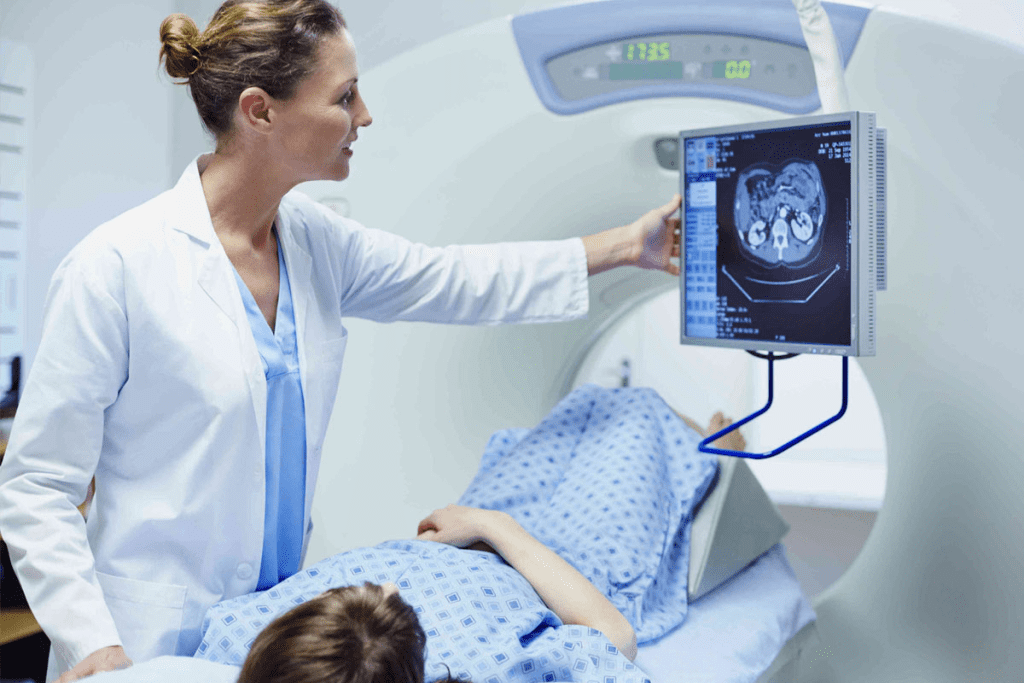
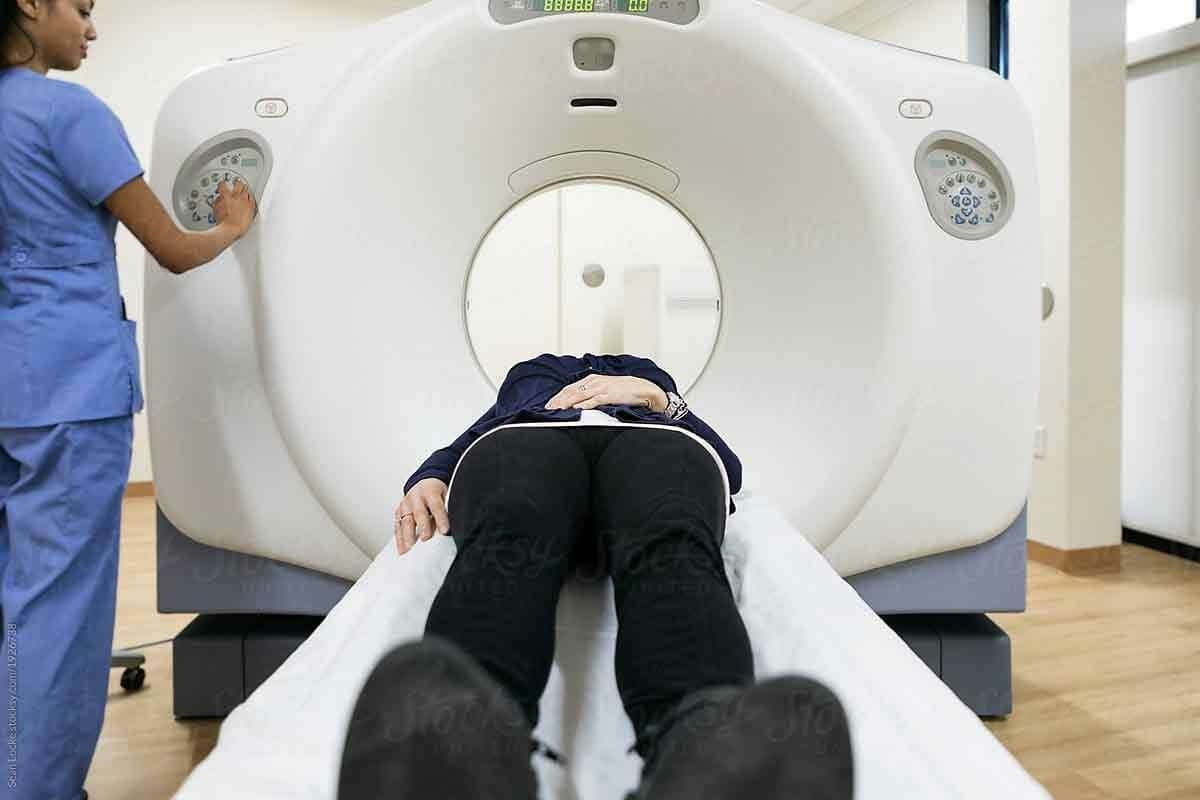
Millions of people get PET scans every year. They help diagnose and monitor health issues. But, many worry about the pain or discomfort they might feel.
So, how uncomfortable is a PET scan, really? The good news is PET scans are usually painless and easy to handle.
Some might feel a bit uncomfortable during the tracer injection or when staying very quiet on the table. But, most people find it okay.
Key Takeaways
- PET scans are generally considered painless and non-invasive.
- Mild discomfort may be experienced during the injection of the radioactive tracer.
- Lying quietly on the scanning table might cause some discomfort.
- The procedure is usually well-accepted by most patients.
- PET scans are a key tool for diagnosing many health issues.
Understanding PET Scans: Basic Overview
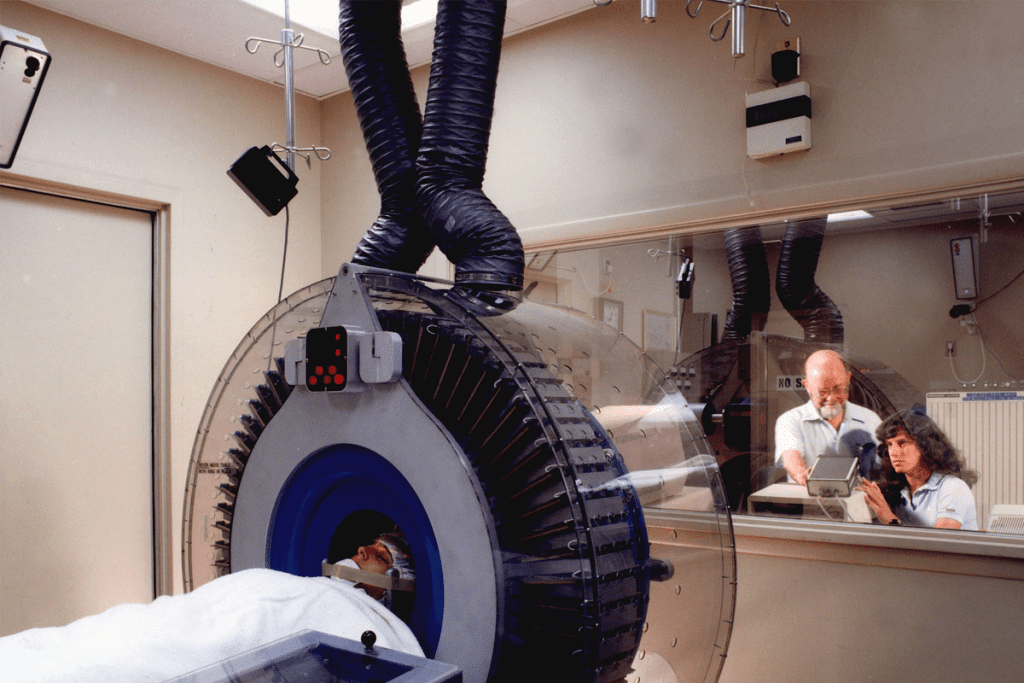
A PET scan is a cutting-edge medical imaging method. It helps doctors see how the body’s cells are working. This tool is key for spotting and treating many health issues.
What is a PET scan?
A PET scan uses a tiny amount of radioactive tracer. This tracer goes into the body and sticks to active cells, like cancer. The PET scanner picks up signals from the tracer, showing detailed images of the body’s inner workings.
Common uses and medical applications
PET scans are used in many ways in medicine, including:
- Cancer diagnosis and staging
- Monitoring treatment response
- Neurological disorder assessment
- Cardiac health evaluation
Medical studies show PET scans are vital in nuclear medicine. They’re like bone scintigraphy for the body’s systems.
How PET scans differ from other imaging tests
PET scans show how the body’s tissues and organs work. They’re different from CT or MRI scans, which mainly show body structure. PET scans give insights into how different parts of the body function.
| Imaging Test | Primary Information | Key Features |
| PET Scan | Metabolic Activity | Detects functional changes, cancer staging |
| CT Scan | Anatomical Details | Quick, detailed structural images |
| MRI | Soft Tissue Details | High-resolution images, no radiation |
Is a PET Scan Painful? The Short Answer

It’s important for patients to know how much pain a PET scan might cause. Usually, PET scans are not very painful. They are a common way to check on health.
General pain level assessment
Most people say they don’t feel much pain during a PET scan. This is because the scan doesn’t hurt because it doesn’t go inside the body. This makes it much less likely to cause pain.
Factors that influence discomfort
There are a few things that can make a PET scan feel more uncomfortable. These include:
- The injection of the radiotracer, which may cause a brief sensation at the injection site.
- Lying very quietly on the scanner table for a long time.
- Feeling scared or anxious because of the scanner.
What most patients report
Most people say the PET scan doesn’t hurt much. Some might feel a little bit of discomfort because of the reasons mentioned before. But this usually goes away quickly.
To wrap it up, even though everyone’s experience is different, most agree that PET scans don’t hurt. Knowing what to expect can help make the experience even less uncomfortable.
Different Types of PET Scans and Their Comfort Levels
Knowing about the different PET scans is key to keeping patients comfortable. PET scans are a big help in medical care, showing how the body works.
Standard FDG-PET Scans
Standard FDG-PET scans are very common. They use a special sugar that cells absorb. This makes the scan comfortable, but the sugar shot might hurt a bit.
PET/CT Combination Scans
PET/CT scans mix PET’s function with CT’s body details. They’re not much different in comfort from PET scans alone. But, staying very quiet for a while might be hard.
PET/MRI Scans
PET/MRI scans add MRI to PET. MRI can be uncomfortable because of its tight space and loud sounds. But, the PET part doesn’t add much discomfort.
Specialized Tracer PET Scans
Special PET scans use different sugars to look at specific things. They’re mostly as comfortable as regular PET scans. But, the special sugar might cause some extra discomfort.
In summary, PET scans are mostly comfortable, no matter the type. Knowing about each scan helps make patients more comfortable.
Before the Scan: Preparation and Expectations
A successful PET scan starts with good preparation. This includes fasting, adjusting activities, and getting mentally ready. Proper preparation is essential for accurate and useful results.
Fasting Requirements
Fasting is a key part of preparing for a PET scan. Patients usually need to fast for 4 to 6 hours before the scan. This time can change based on the doctor’s instructions. It’s important to not eat or drink anything except water during this time.
Fasting ensures the radiotracer is absorbed correctly. It’s also good to avoid sugary drinks and caffeine before the scan. These can affect how the tracer spreads in the body.
Activity Restrictions
Patients may also need to limit certain activities before the scan. This includes avoiding hard exercise or intense physical activity for a while before the scan. This helps keep the radiotracer’s distribution in the body accurate.
It’s important to tell your doctor about any medicines you’re taking. Some might need to be changed or stopped before the scan. Following your doctor’s instructions is key for a successful scan.
Mental Preparation
Mental preparation is also important for a PET scan. Knowing what to expect can help reduce anxiety. It’s good to ask questions and clear up any doubts.
Some people find relaxation techniques helpful before the scan. Staying calm and quiet during the scan is important for clear images.
The Radiotracer Injection Experience
Before your PET scan, it’s good to know about the radiotracer injection. It’s a key part of the scan, helping to show the body’s inner workings.
FDG Tracer Injection Sensation
The FDG tracer is given through a vein in your arm. You might feel a pinch or sting when the needle goes in, like getting blood drawn. The whole thing is over in seconds.
Common sensations during the injection include:
- A brief pinching or stinging feeling
- A mild cold sensation as the tracer is injected
- Possible metallic taste in some cases
Common Feelings at the Injection Site
After the injection, you might feel some things at the site. These can be:
- Mild discomfort or soreness
- Redness or swelling (rare)
- A feeling of warmth or coolness
These feelings are usually mild and go away quickly.
Duration of Injection Discomfort
The discomfort from the injection doesn’t last long. Any soreness or redness at the site usually goes away in a few hours. Sometimes, you might get a small bruise that lasts a few days.
Remember, you’ll need to wait a bit after the injection for the scan. During this time, you’ll be asked to stay calm and not move.
The Waiting Period: Post-Injection Sensations
After getting the radiotracer, patients wait about an hour for it to spread through their body. This time is key for getting accurate scan results.
Physical Sensations During Radiotracer Distribution
During this wait, patients might feel different sensations as the tracer moves through their body. Some might feel a bit cold or warm where they got the injection. Others might not notice anything.
Common physical sensations include:
- Mild discomfort or pain at the injection site
- A feeling of the tracer spreading through the body
- In some cases, a metallic taste
Managing the Waiting Time Comfortably
To make the wait more comfy, patients can try a few things:
- Stay hydrated by drinking water
- Relax in a comfortable position, either sitting or lying down
- Avoid strenuous activities
- Engage in light reading or listen to calming music
One patient said, “Listening to calming music really helped me relax during the wait. It made the time more enjoyable.” – Sarah, PET scan patient
What to Do If You Experience Unusual Reactions
Though rare, some might have unusual reactions to the tracer. If you feel severe pain, trouble breathing, or a rash, tell the medical staff right away.
| Symptom | Action |
| Severe pain or discomfort | Notify the medical staff |
| Difficulty breathing | Seek immediate medical attention |
| Rash or itching | Inform the technologist |
Knowing about these reactions and how to act can make the PET scan better.
The Scanning Process: Physical Experience
The PET scanning process is generally safe. Yet, it can cause some physical discomfort. This is because you need to stay in one place for a long time.
Positioning on the Scanner Table
Patients lie on a table that moves slowly through the scanner during a PET scan. The table is padded for comfort. But, it might be too firm for those with back or joint pain.
Proper positioning is key to get the right images. You might lie on your back. Sometimes, you’ll need to raise your arms or hold a pose, depending on what’s being scanned.
Sensations During the Scan
During a PET scan, you might feel different things. The scanner doesn’t touch you but can make noise. Some people might feel claustrophobic, feeling trapped in a small space.
The radiotracer might make you feel warm or taste metallic. These feelings are usually mild and don’t last long.
Duration and Movement Restrictions
PET scans usually last between 30 to 60 minutes. It’s important to stay very quiet and not move during this time. Movement can ruin the images, making you need to do the scan again.
To help you stay calm, you’ll get instructions on breathing and relaxing. This makes it easier to stay perfectly in place.
| Aspect | Description | Patient Experience |
| Positioning | Lying on a padded table that moves through the scanner | May feel firmness or discomfort, specially with pre-existing back or joint pain |
| Sensations During Scan | Scanner noise, possible claustrophobia | Can be startled by noise; may feel anxious or claustrophobic |
| Duration | Typically 30 to 60 minutes | Must remain stationary, which can be hard for some |
Potential Sources of Discomfort During PET Scans
Patients getting PET scans might feel some discomfort. PET scans are very useful for checking health, but knowing what might hurt can help. It helps patients get ready and feel less worried.
Lying Stil for Extended Periods
Lying on the scanning table for a long time can be hard. It’s tough for those in pain or with other health issues. Scans usually last between 30 to 60 minutes.
Lying very quietly is key for good images. Moving can mess up the scan, so it might need to be done again. Tell the technologist if you’re uncomfortable. They can help or adjust things for you.
Temperature in the Scanning Room
The room’s temperature can also be a problem. Some find it too cold or too warm. The equipment needs a stable temperature, which might not be comfy for everyone.
If you’re too hot or cold, tell the technologist. They might give you a blanket or change the room’s temperature to make you more comfortable.
Scanner Noise Levels
PET scanners make different sounds, like humming or clicking. These sounds are normal and not a sign of trouble. But, they can be scary or uncomfortable for some.
Noise reduction techniques, like earplugs or headphones, might be used. They help make the scanner’s sounds less bothersome.
IV Insertion Discomfort
For many PET scans, a special dye is given through an IV. Getting the IV can hurt a bit. Some might get bruises or swelling where the IV was.
Technologists try to make getting the IV as easy as possible. If you’re scared of needles or have had trouble with IVs before, talk to your doctor about it.
Knowing what might hurt can help patients get ready for their PET scan. By understanding these issues, patients can take steps to feel better. This makes the whole experience smoother.
Claustrophobia and Anxiety: Psychological Aspects
PET scans can cause anxiety and claustrophobia in many patients. It’s important to understand these issues to prepare for the scan.
Common Psychological Reactions to PET Scanners
PET scanners are enclosed spaces that can make people feel claustrophobic. The anxiety comes from being trapped and the fear of the unknown.
Common reactions include:
- Anxiety about being in an enclosed space
- Fear of the scanning process and its implications
- Discomfort due to the requirement to remain silent during the scan
Techniques for Managing Scan-Related Anxiety
To manage anxiety from PET scans, you need to prepare and understand the process. Relaxation techniques can also help. Some effective strategies include:
| Technique | Description |
| Deep Breathing Exercises | Helps calm the mind and body |
| Visualization | Imagining a peaceful, safe space |
| Progressive Muscle Relaxation | Reduces physical tension |
When to Discuss Anxiety Concerns with Your Doctor
If you’re feeling really anxious or claustrophobic about your PET scan, talk to your doctor. They can offer support and solutions to help you feel better.
Discussing your concerns can lead to:
- Pre-scan counseling or relaxation techniques
- Potential use of mild sedation to help relax during the scan
- Support during the scanning process
Communicating Pain Concerns to Healthcare Providers
Talking about pain concerns with healthcare providers can really help during PET scans. It’s important to share any discomfort or anxiety. This way, the scanning process can be smoother and more effective.
When to Speak Up About Discomfort
It’s best to talk about discomfort or anxiety early on. This should be during your first meeting before the PET scan. This lets doctors make changes to make you more comfortable.
- Tell your doctor about any fear of enclosed spaces.
- Share any past experiences with medical imaging that were uncomfortable.
- Let them know about any physical issues that might cause pain during the scan.
Questions to Ask Before Your Scan
Having the right questions ready can help ease your worries. Ask things like:
- What can I do to prepare for the scan to feel less uncomfortable?
- Are there any special steps I should take before the scan?
- Can I have someone I know there for support during the scan?
- What will be done to help with claustrophobia or anxiety during the scan?
How to Describe Your Pain Accurately
It’s important to describe your pain clearly to your healthcare team. When talking about pain, think about:
- Where and how bad the pain is.
- What makes the pain better or worse.
- How the pain affects your ability to stay calm and steady during the scan.
Good communication is key to a comfortable PET scan. By sharing your discomfort, asking questions, and describing your pain well, you can work with your healthcare team. This helps reduce anxiety and makes the scan successful.
Working with Technologists During the Procedure
Technologists are key in making sure you’re comfortable during the PET scan. It’s okay to talk to them if you’re feeling any discomfort:
- If you’re feeling pain or discomfort, tell the technologist right away.
- Don’t be shy about asking to change your position if needed.
- Let them know if you’re feeling anxious or claustrophobic; they’re trained to help.
By working together with healthcare providers and technologists, you can have a more comfortable and less stressful PET scan experience.
PET Scan Side Effects: What to Expect
PET scans are mostly safe, but there are some side effects to know before you get one.
Immediate Side Effects
Most people do well with PET scans, but some might feel a bit uncomfortable right away. This can be because of the radiotracer or the scan itself. Common immediate side effects include:
- Mild discomfort or pain at the injection site
- Nausea or dizziness, though this is rare
- Allergic reactions to the radiotracer, which are extremely rare but can be serious
These side effects are usually short-lived and don’t need medical help.
Delayed Reactions
Some people might feel effects later on after a PET scan. These can include:
- Fatigue or feeling tired for a short period after the scan
- Mild headache
- In some cases, patients may notice a metallic taste in their mouth
These delayed reactions are usually mild and don’t last long.
Distinguishing Between Normal Sensations and Concerning Symptoms
It’s important to know the difference between normal feelings and symptoms that need medical help after a PET scan. If you have any of the following, call your doctor:
- Severe pain or swelling at the injection site
- Increasing redness or signs of infection
- Difficulty breathing or a severe allergic reaction
For most, the side effects are minor, and they can go back to normal activities soon after.
Radiation Exposure Considerations
One big worry with PET scans is radiation. They use a small amount of radiation from the radiotracer. Even though the risk is low, it’s good to talk about the benefits and risks with your doctor, mainly if you need more scans.
Today’s PET scanners are made to use less radiation but get clear images. Your doctor will make sure the scan’s benefits are worth the risks.
Special Considerations for Different Patient Groups
PET scans need special care for different patients. Age, health, and physical ability vary among patients. Tailored approaches help make the PET scan process smoother for everyone.
Pediatric Patients and PET Scan Comfort
Pediatric patients need extra care during PET scans. They might feel anxious or scared. Pediatric patients benefit from gentle handling and reassurance during the scan.
Preparing them with simple explanations and comfort items can help. Using child-friendly language and environments also makes the experience less scary.
Elderly Patients’ Experience
Elderly patients face unique challenges during PET scans. They might have arthritis or trouble lying down for long. Healthcare providers can offer extra pillows or more breaks to help.
Patients with Chronic Pain Conditions
PET scans can be tough for those with chronic pain. Lying down can make pain worse. A pain management specialist says it’s important to tell the technologist about pain levels.
Adjustments can be made to reduce discomfort. This might include changing the position or adding support.
Accommodations for Patients with Disabilities
Patients with disabilities need special care. This includes physical and communication adjustments. Ensuring the PET scan facility meets these needs is key for fair care.
In conclusion, understanding and addressing special needs for different patients can greatly improve their PET scan experience. Tailoring care to each patient’s needs ensures a more comfortable and successful scan.
Pain Management Options for PET Scans
Pain management during PET scans involves many strategies to reduce discomfort. These methods not only make the experience better for patients but also help the scan succeed. They do this by reducing movement and anxiety.
Sedation Options for Anxious Patients
For those who feel anxious or claustrophobic during PET scans, sedation is a good choice. It relaxes the patient, making the scan smoother and less stressful.
- Mild Sedation: For slightly anxious patients, mild sedation uses oral medications to calm nerves.
- Moderate Sedation: This is for those with more anxiety. It needs careful monitoring by medical staff.
Post-Scan Pain Relief Strategies
After the PET scan, some patients might feel discomfort or pain. They need effective strategies for pain relief after the scan.
| Strategy | Description | Applicability |
| Over-the-counter pain relievers | Medications like acetaminophen or ibuprofen can help with mild to moderate pain. | Suitable for most patients |
| Prescription pain medication | For severe pain, doctors might recommend prescription medications. | For patients with severe pain |
| Rest and hydration | Enough rest and staying hydrated help the body recover and reduce discomfort. | Recommended for all patients |
By using these pain management options, patients can greatly improve their PET scan experience. It makes the process less daunting and more comfortable.
Comparing PET Scan Discomfort to Other Imaging Tests
Patients often wonder how PET scans compare to MRI and CT scans in terms of comfort. This is important for those who have had many imaging tests. It helps them know what to expect.
PET vs. MRI Comfort Levels
PET scans and MRI scans are different in how they make patients feel. MRI scans put patients in a small tube for a long time, which can be hard for those with claustrophobia. PET scans, on the other hand, have a table that slides into a scanner. This is more open and less confining than an MRI machine.
But, PET scans involve getting a radiotracer, which some find uncomfortable. A study found that MRI caused more anxiety because of its enclosed nature. But, PET scans were generally well-tolerated.
Key differences in comfort between PET and MRI scans include:
- The openness of the PET scanner compared to the enclosed MRI tube
- The need for a radiotracer injection in PET scans
- The duration of the scan, with PET scans typically being shorter
PET vs. CT Discomfort Comparison
CT scans and PET scans are similar because both use a table that moves through a scanner. But, CT scans are quicker and might not need a radiotracer. Instead, they use contrast dye sometimes. Comfort levels are similar, with the main difference being the radiotracer in PET scans.
Both PET and CT scans are relatively comfortable. The main discomfort is staying very quiet during the scan. The choice between PET and CT scans usually depends on what the doctor needs, not comfort.
Combined PET/CT Experiences
Combined PET/CT scans offer the benefits of both in one session. Patients do a PET scan and then a CT scan without moving. This can be more comfortable than doing two separate scans.
The combined PET/CT experience is generally well-tolerated. The total time is the sum of the PET and CT scan times. Doing both scans at once can also reduce discomfort by needing fewer injections or less time on the table.
Benefits of combined PET/CT scans include:
- Reduced total scan time compared to having two separate scans
- Minimized need for multiple injections or contrast agents
- Enhanced diagnostic accuracy by providing both metabolic and anatomical information
Tips for a More Comfortable PET Scan Experience
Making the PET scan process comfortable is possible with good communication and relaxation. Patients can improve their experience with a few simple steps.
Relaxation Techniques During the Scan
Relaxation techniques are key to a more comfortable PET scan. Some effective methods include:
- Deep breathing exercises to calm the mind and body
- Progressive muscle relaxation to release physical tension
- Meditation or guided imagery to distract from any discomfort
These methods can help lower anxiety and make the scan smoother.
| Relaxation Technique | Benefits |
| Deep Breathing | Reduces stress and anxiety |
| Progressive Muscle Relaxation | Releases physical tension |
| Meditation/Guided Imagery | Distracts from discomfort and promotes calmness |
Communication with Technologists
Talking openly with the technologists is essential for a comfortable PET scan. Patients should:
- Tell technologists about any anxiety or discomfort
- Ask questions about the procedure to clear up concerns
- Talk about any physical needs or limitations that might affect the scan
Open communication helps ensure patients’ needs are met, making the PET scan more bearable.
Real Patient Experiences: Testimonials About PET Scan Comfort
Real patient stories give a clear view of what to expect during a PET scan. They share their experiences to help others get ready for their scan.
Many patients found their PET scan experience quite comfortable. Some even called it “easy” or “painless.” Sarah, who had many PET scans during her cancer treatment, said hers were “not uncomfortable at all.” Such stories can calm those worried about their scan.
Repeat Scan Patients’ Comparative Experiences
Patients who’ve had many PET scans have a special view. They can compare their experiences and see what’s the same or different. John, who had several scans, noticed his comfort grew with each one as he got used to the process.
Some patients found their scans were always the same, while others noticed changes. These changes could be due to their health or the scan’s details.
Unexpected Aspects of the PET Scan Experience
While many know what to expect physically, some surprises come.
“I was surprised by how much I enjoyed the quietness of the scanning room; it was almost therapeutic,”
Emily said, who had a scan for diagnosis. These stories show how varied experiences can be.
Patients also talked about the radiotracer’s injection and the wait that follows. Some found the injection quicker and less painful than they thought. Others appreciated the staff’s detailed explanations during the wait.
By sharing these real experiences, people thinking about or preparing for a PET scan can better understand what to expect. This can help reduce anxiety and make their experience better.
Conclusion: Balancing Minimal Discomfort with Diagnostic Value
PET scans have changed how we diagnose diseases, giving us deep insights into the body. The thought of getting a PET scan might worry some people. But knowing what it involves can help ease those worries.
PET scans are great at finding and tracking diseases early. This means doctors can act fast and treat better. While some might feel a bit uncomfortable during the scan, it’s usually just for a short time.
Learning about PET scans and how to handle any discomfort can help patients get the most out of them. Doctors also help make sure the experience is as comfortable as possible. They listen to patients and make adjustments when needed.
In the end, the good that PET scans do in helping diagnose diseases is much greater than any slight discomfort. As medical tech keeps getting better, PET scans will keep being a key part of healthcare. They help doctors give accurate diagnoses and effective treatments.
Is a PET scan painful?
PET scans are usually painless. But, some people might feel a bit uncomfortable. This could be from lying down for a long time or a slight pinch when getting the radiotracer.
FAQ
What kind of discomfort can I expect during a PET scan?
You might feel a bit uncomfortable from lying down for a long time. Some people might also feel anxious or claustrophobic. The room might be cool, and the scanner makes noise. But, these are usually not big issues.
How long does a PET scan take?
Scanning time varies from 30 to 60 minutes. It depends on the scan type and body area. You’ll need to spend a few hours at the center for prep and waiting after the injection.
What is the radiotracer injection like?
The injection is through an IV. You might feel a pinch when the needle goes in. This is usually quick. Some might feel cold as the tracer goes in.
Can I eat or drink before a PET scan?
Eating and drinking rules change based on the scan type. For a standard FDG-PET scan, fasting for several hours is usually needed. This helps get accurate results.
How can I manage anxiety during a PET scan?
Deep breathing, visualization, or calming music can help with anxiety. Talking about your worries with your doctor or the technologist can also help.
Are there any side effects from the PET scan?
Most people don’t have big side effects from the scan. The tracer is usually okay, but some might get an allergic reaction or feel sick. Serious side effects are rare.
Can patients with claustrophobia undergo a PET scan?
Yes, people with claustrophobia can get a PET scan. There are open scanners for those who feel anxious in small spaces. Sedation might also be an option.
How does PET scan discomfort compare to other imaging tests?
PET scans are often more comfortable than MRI scans. MRI can be more confining and noisy. But, everyone’s experience is different.
Are there any special considerations for pediatric or elderly patients undergoing a PET scan?
Yes, kids and older adults need special care. Kids might get smaller doses of the tracer. Older adults might need help staying calm and steady during the scan.
Can I move during the PET scan?
It’s important to stay as quiet and steady as you can. Moving can make the images blurry. This might mean you need to do the scan again.
What should I do if I experience pain or discomfort during the PET scan?
If you’re in pain or discomfort, tell the technologist. They can adjust your position or offer other ways to make you more comfortable
References
- Goense, L., Wielders, J. P., Raaijmakers, A., & van Dalen, J. (2018). Patient perspectives on repeated MRI and PET/CT: a qualitative study. BMC Medical Imaging. Retrieved from https://www.ncbi.nlm.nih.gov/pmc/articles/PMC6223280/
- Andersson, C., Lindqvist, A., Lithén, N., & Edenbrandt, L. (2015). Patient experience of an 18F-FDG PET/CT examination. Journal of Nuclear Medicine Technology. Retrieved from https://www.sciencedirect.com/science/article/abs/pii/S1546084314001898
- Andersson, C., Lindqvist, A., Lithén, N., & Edenbrandt, L. (2016). Assessment of whether patients’ knowledge, satisfaction, and health-related quality of life differ following PET/CT. Journal of Nuclear Medicine Technology, 44(1), 21“26. Retrieved from https://tech.snmjournals.org/content/44/1/21