Last Updated on December 1, 2025 by Bilal Hasdemir

After a PET scan, many wonder about the risks of radiation to those nearby. Radiation safety is a big worry, and it’s valid.
The radioactive tracer in PET scans stays in your body for hours. This means you might be giving off radiation, which could affect others.
So, people like pregnant women and young children should stay away from you for a while. It’s a bit scary, but we’re here to help you know what to do.
Other tests, like is a stress test dangerous to the elderly, have their own safety rules, mainly for older folks. But we’re focusing on PET scan safety here.
Key Takeaways
- Limit close contact with pregnant women and young children after a PET scan.
- Understand that radiation exposure is a temporary concern.
- Follow specific guidelines provided by your healthcare provider.
- Be aware of the differences in safety considerations between PET scans and other medical procedures.
- Take necessary precautions to minimize radiation exposure to others.
Understanding PET Scans and Radiation Exposure
To understand the need for precautions after a PET scan, it’s key to know what a PET scan is and how it works. A PET scan is a high-tech imaging method. It helps find and treat health issues like cancer, brain disorders, and heart disease.
What is a PET scan and how does it work?
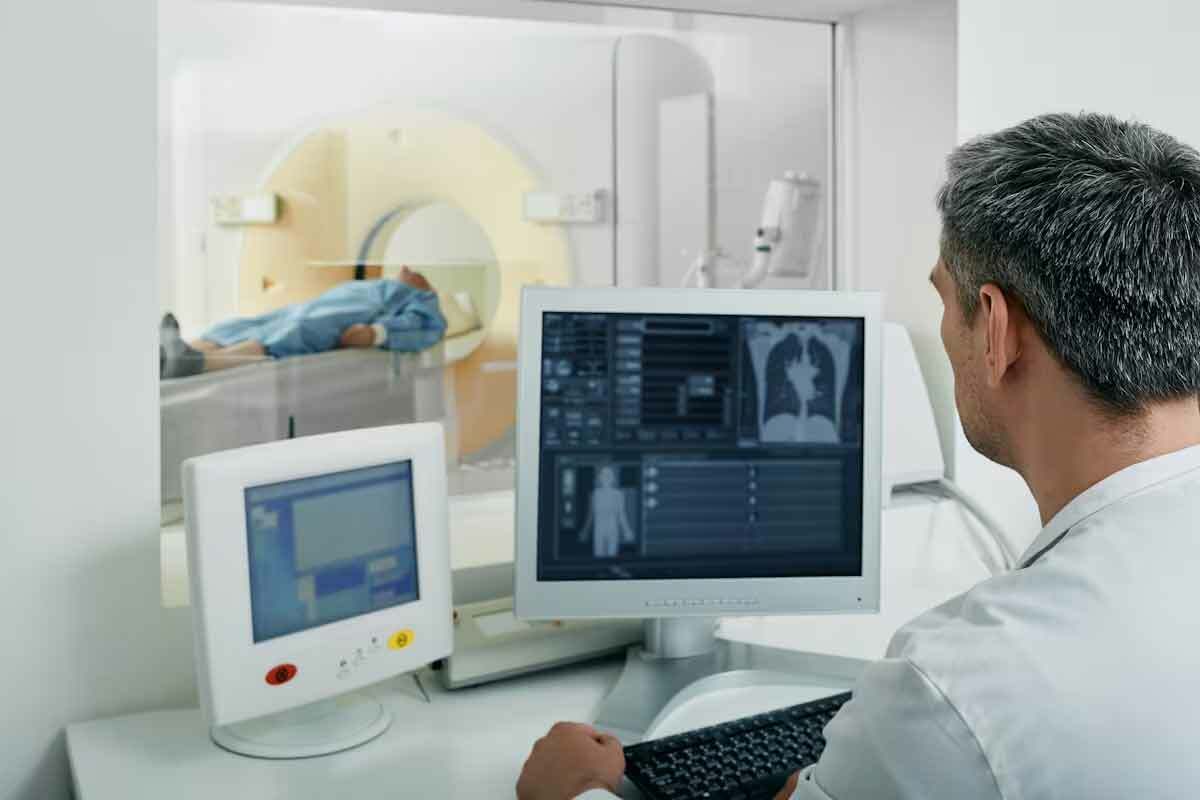
A PET scan uses a small amount of radioactive tracer injected into the body. This tracer goes to areas with high activity, like growing cancer cells. The PET scanner then picks up the radiation from the tracer, making detailed images of the body’s inner workings.
The scan starts with the tracer, usually Fluorodeoxyglucose (FDG), being injected. The patient waits, usually about an hour, for the tracer to spread. During this time, staying calm and not moving helps the tracer work best.
Types of radioactive tracers used in PET imaging
There are many radioactive tracers for PET scans, each for different body parts or functions. Some common ones are:
- Fluorodeoxyglucose (FDG): This is the most used tracer. It goes into cells based on how much glucose they use.
- Oxygen-15: This is for checking blood flow and oxygen use in the brain and heart.
- Nitrogen-13: It helps see how blood flows to the heart muscle.
- Rubidium-82: Used for heart muscle imaging.
Each tracer has a specific half-life, which tells us how long it stays radioactive in the body.
How long radioactive materials remain in your body
The time radioactive materials stay in the body varies. It depends on the tracer type and the patient’s metabolism. For example, FDG’s half-life is about 110 minutes.
Knowing how PET scans work and the tracers used helps patients understand the need for precautions. This is to reduce radiation exposure to others.
Why Radiation Precautions Are Necessary After a PET Scan

After a PET scan, it’s key to know about radiation safety. This is for your health and the safety of those around you. PET scans use small amounts of radioactive tracers to help diagnose and treat diseases like cancer and neurological disorders.
How radiation is emitted from your body post-procedure
The tracer in a PET scan gives off radiation as it breaks down. This process is called radioactive decay. It keeps going until the tracer is gone from your body. The speed at which this happens depends on the tracer type and your metabolism. Usually, most of the tracer is gone a few hours after the scan.
As the tracer decays, it sends out gamma rays, a type of ionizing radiation. This can expose others nearby to radiation, but the risk is low with the right precautions.
Measuring radiation levels after different types of PET scans
The amount of radiation from a PET scan can change based on the tracer used. For example, fluorodeoxyglucose (FDG) is a tracer that emits less radiation. But, the exact amount can vary based on the dose and the tracer’s specific traits.
Research shows that radiation levels drop a lot over time. For instance, one study found that the radiation dose rate from an FDG PET scan went down by about 50% in the first few hours after the scan.
Understanding exposure risk to others around you
It’s important to think about the risk of radiation exposure to others, like family and caregivers. While the risk is low, some people are more sensitive to radiation, like pregnant women and young kids.
To lower exposure, patients should follow certain rules. This includes staying away from others, mainly in the first few hours after the scan. Also, practicing good hygiene helps prevent the spread of radioactive materials.
By knowing how radiation works after a PET scan and taking the right steps, patients can reduce the risk of exposure to others. This ensures a safe recovery for everyone.
High-Risk Groups: Who Needs Extra Protection from Post-PET Scan Radiation
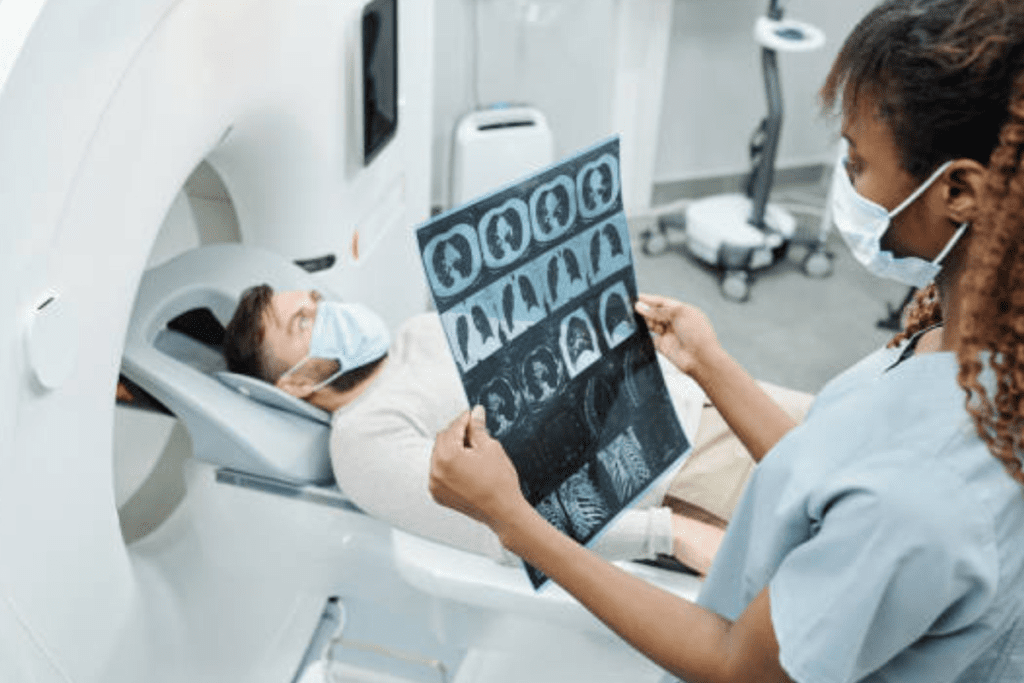
The radiation from a PET scan is not just a worry for the person who had it. Some groups face a higher risk of harm. It’s important to think about those nearby who might be more at risk.
Pregnant Women and Developing Fetuses
Pregnant women need extra care. The growing fetus is very sensitive to radiation because it’s growing fast. Even though the radiation from a PET scan is low, it’s best to keep pregnant women away from it, mainly in the early stages.
Infants and Young Children Under 10
Children under 10 are also at high risk. Their small size and growing bodies make them more vulnerable to radiation. It’s wise to keep them away from you for a bit after your PET scan to protect them.
Individuals with Compromised Immune Systems
Those with weakened immune systems, like those on chemotherapy or with chronic illnesses, are more at risk. It’s key to take steps to reduce their exposure to your radiation when you’re around them.
Let’s look at what precautions are needed for each high-risk group:
| High-Risk Group | Precautions | Duration |
| Pregnant Women | Minimize close contact, maintain distance | At least 24 hours |
| Infants and Young Children | Limit close interaction, avoid sharing food or utensils | 6-24 hours |
| Individuals with Compromised Immune Systems | Avoid close contact, specially if they are undergoing treatment | 24-48 hours |
Knowing who’s at higher risk and taking the right steps can help keep everyone safe after a PET scan. This includes you and those around you.
Specific Timeframes: How Long to Limit Contact with Vulnerable Groups
We suggest specific rules for limiting contact with vulnerable groups after a PET scan. This is to keep them safe from radiation. The amount of radiation you release changes over time. Knowing these timeframes helps keep those around you safe, like pregnant women and people with weak immune systems.
First 6 hours after your PET scan
The first 6 hours after your PET scan are very important. The radioactive tracer is most active then. We tell patients to limit close contact with vulnerable groups as much as they can. This means avoiding hugs and kisses and keeping a safe distance when together.
It’s also good to stay hydrated and go to the bathroom often. This helps get rid of the radioactive tracer faster.
6-24 hours post-procedure guidelines
Between 6 to 24 hours after your PET scan, the radiation in your body goes down a lot. But we’re not out of the woods yet. We suggest being careful when around vulnerable groups. You can start to get back to normal, but don’t get too close for too long.
Keep up with good hygiene, like washing your hands well after using the bathroom. This helps lower the chance of spreading radioactive contamination.
Beyond 24 hours: When normal contact can resume
Usually, after 24 hours, the risk of radiation to others is very low. At this time, you can safely be around family and friends, even vulnerable groups, without worrying about radiation.
But if you got a lot of radioactive tracer or have worries, talk to your doctor. They can give you advice on when it’s safe to go back to normal activities.
Safe Distances and Physical Precautions
Keeping a safe distance and taking precautions is key after a PET scan. This is to protect those who are more vulnerable. After a PET scan, your body releases small amounts of radiation. This can be a worry for pregnant women, babies, and people with weak immune systems.
Recommended Physical Distance from Vulnerable Individuals
To lower radiation risks, keep a safe distance from vulnerable people, mainly in the first few hours after your scan. A distance of at least 3 feet is advised when with others. If you can, increase this to 6 feet or more, around sensitive groups like pregnant women and young kids.
Duration of Contact Considerations
Also, keep interactions short, mainly in the first 6 hours after your scan. Short interactions are recommended to cut down on exposure. For example, if you’re caring for a family member, try to keep your time together short and take breaks to increase distance.
Sleeping Arrangements After Your PET Scan
Think about your sleeping setup after a PET scan too. It’s advisable to sleep in a separate bed from your partner or family members, if they’re vulnerable. If you can’t sleep apart, try to keep as much distance as possible in the bed.
By sticking to these guidelines, you can greatly lower the risk of radiation exposure to those around you. Always talk to your healthcare provider for specific advice on managing radiation safety after a PET scan.
Bathroom and Hygiene Precautions After a PET Scan
After a PET scan, it’s important to take certain precautions. Your body will release small amounts of radiation for a short time. This is generally safe, but it’s good to follow hygiene tips to protect others, like pregnant women and kids.
Proper Toilet Hygiene to Minimize Contamination
To avoid spreading radiation, follow these toilet hygiene tips:
- Flush the toilet twice after use to ensure that radioactive materials are fully cleared.
- Men should sit down to urinate to minimize splashing.
- After using the toilet, wash your hands thoroughly with soap and water.
Handwashing Protocols for Radiation Safety
Handwashing is key to staying safe from radiation. Here’s how to wash your hands:
- After using the toilet.
- Before eating or preparing food.
- After blowing your nose, coughing or sneezing.
Use warm water and soap, and rub your hands together to create a lather. Make sure to clean all surfaces, including the backs of your hands, wrists, between your fingers, and under your nails.
Managing Bodily Fluids and Waste
In the first 24 hours after your PET scan, manage bodily fluids and waste carefully. Here are some tips:
| Bodily Fluid/Waste | Precaution |
| Urine | Flush toilet twice after use. |
| Stool | Wash hands thoroughly after use. |
| Saliva and Mucus | Dispose of tissues in a sealed bag. |
By following these guidelines, you can greatly reduce the risk of radiation exposure to others. If you have any concerns or questions, don’t hesitate to consult your healthcare provider for personalized advice.
Workplace and Public Space Considerations
After a PET scan, it’s important to think about how your actions might affect others. This is true in the workplace and public areas. We’ll cover the steps you should take to keep yourself and others safe.
When it’s Safe to Return to Work
When you can go back to work after a PET scan depends on your job and the tracer used. Usually, you can return within 24 hours. But, if you work closely with others, like kids or pregnant women, you might need to wait longer.
Key considerations for returning to work:
- Know your work environment and the risks.
- Tell your boss or HR about your PET scan and what you need to do.
- Stay away from colleagues, mainly those who are at risk.
Guidelines for Using Public Transportation
Public transport is usually safe after a PET scan, but try to avoid touching others during busy times. Sitting in a less crowded spot or traveling during off-peak hours helps. Always wash your hands and don’t touch your face to lower risks.
Tips for safe public transportation use:
- Take buses or trains that are less crowded.
- Try to avoid busy times when you can.
- Wash your hands often and don’t touch your face.
Attending Social Gatherings and Public Events
When going to social events or public gatherings after a PET scan, keep a safe distance from others. This is true for pregnant people or those with weak immune systems. Also, skip crowded places or events where you’ll be close to many people for a long time. If you must go, think about the timing and how much you’ll interact with others.
- Stay away from people who are vulnerable.
- Avoid crowded events or gatherings.
- Keep your time with others short.
Caring for Pets and Animals After Your PET Scan
After a PET scan, you might worry about your pets’ safety. The tracer used in PET scans can expose pets to radiation. But the risk is usually low. Taking steps to reduce exposure is a good idea.
Is Your Pet at Risk from Radiation Exposure?
The risk to pets depends on several things. These include the tracer type, how much is used, and how long you’re with your pets after the scan. Pets are generally at low risk, but it’s wise to be cautious.
Consider these factors to better understand the risk:
- The half-life of the radioactive tracer used in your PET scan.
- The closeness and duration of your contact with your pets.
- The hygiene practices you follow after your PET scan.
Handling and Interacting with Pets Safely
To lower radiation risk for your pets, follow these tips:
- Maintain Distance: Keep a safe distance from your pets for a few hours after the scan.
- Practice Good Hygiene: Wash your hands well before touching your pets or their food and water.
- Avoid Close Contact: Avoid activities like sleeping next to your pets or letting them lick your face for 24 hours.
By taking these precautions, you can greatly reduce your pets’ radiation exposure.
Precautions for Service Animals and Therapy Pets
For those with service or therapy pets, balancing their needs with safety is key. Try to arrange alternative care for your pet for 24 hours after the scan. If this isn’t possible, keep contact minimal and follow good hygiene practices.
Telling your healthcare provider about your service or therapy animal can help. They can offer advice suited to your situation.
By being careful and mindful of your interactions, you can keep both you and your pets safe after a PET scan.
Is a Stress Test Dangerous to the Elderly? Comparing with PET Scan Risks
Choosing between a stress test and a PET scan for older patients is important. It’s about balancing the risks of radiation against the test’s physical demands. As more people age, knowing these risks helps doctors make better choices.
Radiation Exposure: Nuclear Stress Tests vs. PET Scans
Nuclear stress tests use radioactive tracers, like PET scans, but for heart function under stress. The radiation from these tests is similar to a PET scan, but they serve different purposes.
A study in the Journal of Nuclear Cardiology found the radiation dose from nuclear stress tests is 6 to 25 millisieverts (mSv). A typical PET scan’s dose is about 7 mSv.
Physical Exertion Concerns in Elderly Patients
Stress tests require physical effort, which can be hard for older adults. Older adults face a higher risk of heart problems during stress tests. It’s key to choose who should take this test carefully.
PET scans, on the other hand, are non-invasive and don’t need physical effort. They’re safer for seniors with mobility issues or health problems.
When PET Scans Might Be Preferred Over Stress Tests for Seniors
PET scans are better for seniors who can’t do physical tests or have health risks. They also offer detailed images for diagnosing conditions stress tests might miss.
A medical expert says, “For older patients, the choice between a stress test and a PET scan depends on their health and the doctor’s judgment.”
Choosing between a stress test and a PET scan for older patients should be based on their health and the specific question being asked. Each test has its own risks, and the decision should be made carefully.
Special Considerations for Cancer Patients
Cancer patients need to know how radiation from PET scans affects their health and those around them. It’s important to find a balance between the benefits of PET scans and the risks of radiation.
Managing Radiation Exposure with Frequent PET Scans
Cancer patients often need many PET scans, which can increase radiation exposure. We recommend talking to your healthcare provider about the need and frequency of PET scans to weigh the benefits against the risks. It’s also key to follow instructions after the scan to reduce radiation.
To manage radiation well, patients should:
- Keep a safe distance from others, like pregnant women and young children, for a while.
- Wash hands well after using the restroom.
- Follow guidelines for handling bodily fluids and waste.
Protecting Family Members During Cancer Treatment
Keeping family members safe, like children and pregnant women, is very important. We advise cancer patients to tell their family about the steps they need to take to avoid radiation. This might mean sleeping in separate beds for a few nights and avoiding close contact for a while.
For families with babies or young kids, extra care is needed. This includes:
- Limiting close contact for the recommended time.
- Using good hygiene when handling bodily fluids.
Balancing Diagnostic Needs with Radiation Safety
Finding the right balance between needing diagnostic imaging and keeping radiation risks low is tricky. We stress the importance of personalized care plans that look at the patient’s specific needs. This means weighing the benefits of PET scans against the risks and looking at other options when possible.
In some cases, non-radiation imaging like MRI or ultrasound might be used. But, the choice to use these methods depends on the patient’s specific needs.
By understanding radiation risks and taking steps to reduce them, cancer patients can safely get the diagnostic tests they need for treatment.
Managing Side Effects and Complications
After a PET scan, knowing about side effects and complications is key. PET scans are mostly safe. But, the radioactive tracers can cause issues in some people.
Common Reactions to Radioactive Tracers
Most people do fine with PET scans. But, some might react to the tracers. You might see:
- Mild allergic reactions, like rash or itching
- Temporary changes in blood pressure
- Dizziness or feeling lightheaded
- Nausea or headache
These issues usually go away quickly. But, watch your symptoms and talk to your doctor if you’re worried.
Distinguishing Between Normal and Concerning Symptoms
It’s important to know the difference between normal and serious symptoms. Normal symptoms might be a bit of soreness or a weird taste. But, serious symptoms could be:
- Severe allergic reactions, like trouble breathing or swelling
- Persistent or severe headache
- Big changes in heart rate or blood pressure
If you have any serious symptoms, get help right away.
When to Contact Your Healthcare Provider
If you’re not sure about your symptoms or how to feel better, it’s best to call your doctor. They can help you figure out what to do next.
When you call your doctor, tell them about your symptoms. Say when they started and how bad they are. This helps your doctor give you the best advice.
Practical Tips for Daily Activities After Your PET Scan
Knowing how to safely do daily things after a PET scan is key. We’ll share tips to help you keep up with your routine and reduce radiation risk.
Food Preparation and Dining Considerations
When cooking, take a few precautions. Stay away from others while you’re cooking. If you can, have someone else prepare food for you.
Washing dishes and utensils as you normally do is fine. You don’t need to throw them away.
Eating out or having people over is okay. Just keep a bit of distance from others. Try to avoid crowded places or tight seating for a few hours after your scan.
Handling Personal Items and Laundry
Dealing with personal items and laundry needs some care. Make sure to wash your hands well after touching personal items, like after using the bathroom. For laundry, just wash clothes and bedding as you usually do. No special treatment needed.
- Wash your hands often, mainly after using the bathroom.
- Normal laundry practices are safe; no need for special handling.
- Avoid sharing personal items that may have come into contact with bodily fluids.
Managing Childcare Responsibilities Safely
Looking after kids needs some adjustments to lower radiation risk. Keep a safe distance from them, at least for a few hours after the scan. When you’re with kids, keep a good distance and avoid hugs or kisses for a while.
Try to have another adult help with childcare. If not, avoid activities that bring you close to kids, like feeding or bathing, for 6-24 hours after the scan.
By following these tips, you can safely go back to your daily life. This way, you’ll also lower the risk of radiation to those around you.
Communicating Your Post-PET Scan Status to Others
Telling others about your PET scan status is important for their health too. After a PET scan, let family, friends, and colleagues know about safety steps. This keeps everyone safe.
Explaining Radiation Precautions to Family and Friends
Be clear when talking about radiation safety with loved ones. Start by saying, “After my PET scan, I have radioactive material in my body. I need to take some precautions to avoid exposing you to radiation.”
Here are some key points to discuss:
- Limiting close contact for a few hours
- Avoiding sharing food or utensils
- Maintaining good hygiene practices
Workplace Notifications and Accommodations
If you go back to work after your PET scan, tell your employer. This way, you can get any needed work changes, like working from home.
| Workplace Considerations | Recommendations |
| Returning to work | Discuss your condition with your employer and explore flexible work arrangements |
| Interacting with colleagues | Maintain a safe distance and avoid close contact for a few hours |
Addressing Concerns and Misconceptions About Radiation
Some people might worry about radiation. Be ready to share facts and reassure them you’re taking the right steps.
Common concerns include:
- Fear of radiation exposure
- Misconceptions about the duration of radiation
- Worries about long-term effects
Being open and informed can ease these worries. This helps your recovery go smoothly.
Conclusion: Balancing Medical Necessity with Radiation Safety
As we wrap up our talk on PET scans and radiation safety, it’s clear that finding a balance is key. We’ve looked at how to understand radiation risks, what to do after a PET scan, and special care for certain groups.
When thinking about tests like PET scans and stress tests, weighing the good against the bad is important. The cost of nuclear stress tests and cardiac stress tests can differ. But, the choice to get these tests should be based on real medical needs and your health.
By following the tips in this article, patients can lower their own and others’ radiation exposure. We stress the need for safety while also recognizing the vital role of tests like PET scans in healthcare.
In the end, our aim is to give patients the info they need to make smart choices about their health. By balancing medical needs with safety, we help ensure the best results for those getting tested.
FAQ
What is a PET scan and how does it work?
A PET (Positron Emission Tomography) scan is a medical test. It uses a radioactive tracer to see how the body works. A small amount of radioactive material is injected into the body.
The PET scanner then detects this radiation. It creates detailed images of the body’s internal structures.
How long do radioactive materials remain in the body after a PET scan?
The radioactive materials in PET scans have a short half-life. This means they break down quickly, from minutes to hours. The exact time depends on the tracer and the person’s metabolism. Usually, the radiation levels drop a lot within 24 hours.
Who should avoid contact with patients after a PET scan?
Pregnant women, young children, and people with weak immune systems should stay away. They are at risk from radiation.
How long should patients limit contact with vulnerable groups after a PET scan?
Patients should keep a safe distance from vulnerable groups for at least 6 hours. For the first 6 hours, keep a safe distance and avoid direct contact.After 6 hours, you can start to interact more normally. By 24 hours, the radiation is mostly gone.
What precautions should be taken when interacting with pets after a PET scan?
Patients should avoid close contact with pets for the first 24 hours. Don’t touch their food or water bowls. Wash your hands well after touching pets.
Is it safe for elderly patients to undergo a stress test or PET scan?
Stress tests and PET scans are safe for elderly patients with proper care. PET scans might be better because they don’t require much physical effort. The choice depends on the patient’s health and medical history.
How can cancer patients manage radiation exposure with frequent PET scans?
Cancer patients should follow their doctor’s advice to reduce radiation exposure. This includes staying away from family, washing hands, and being careful with pets.
What are the common side effects of PET scans, and when should patients contact their healthcare provider?
Side effects of PET scans include feeling tired, having headaches, or feeling dizzy. If you have severe allergic reactions, trouble breathing, or chest pain, call your doctor.
How can patients minimize radiation exposure to others during daily activities after a PET scan?
To reduce radiation exposure, follow good hygiene. Wash your hands, avoid close contact, and keep a safe distance from vulnerable people.
How should patients communicate their post-PET scan status to others?
Tell your family and friends about the PET scan. Guide them on how to avoid radiation. Also, let your workplace know and provide any needed documents.
What are the guidelines for returning to work after a PET scan?
You can usually go back to work after a PET scan. But, talk to your doctor first. Some jobs might need special precautions or papers.
Can patients use public transportation after a PET scan?
Yes, you can use public transport after a PET scan. Just keep a safe distance from others and try to avoid busy times.
How should patients handle laundry and personal items after a PET scan?
You can wash your clothes as usual. But, wash what you wore during the scan separately. Also, wash personal items like clothes and towels well to remove radiation.
References
- Nievelstein, R. A. J., et al. (2012). Radiation exposure and mortality risk from CT and 18F-FDG PET. European Journal of Nuclear Medicine and Molecular Imaging, 39(5), 771-778.
- University of California San Francisco. (2023, March 6). PET/CT scan: How to prepare, what to expect & safety tips.