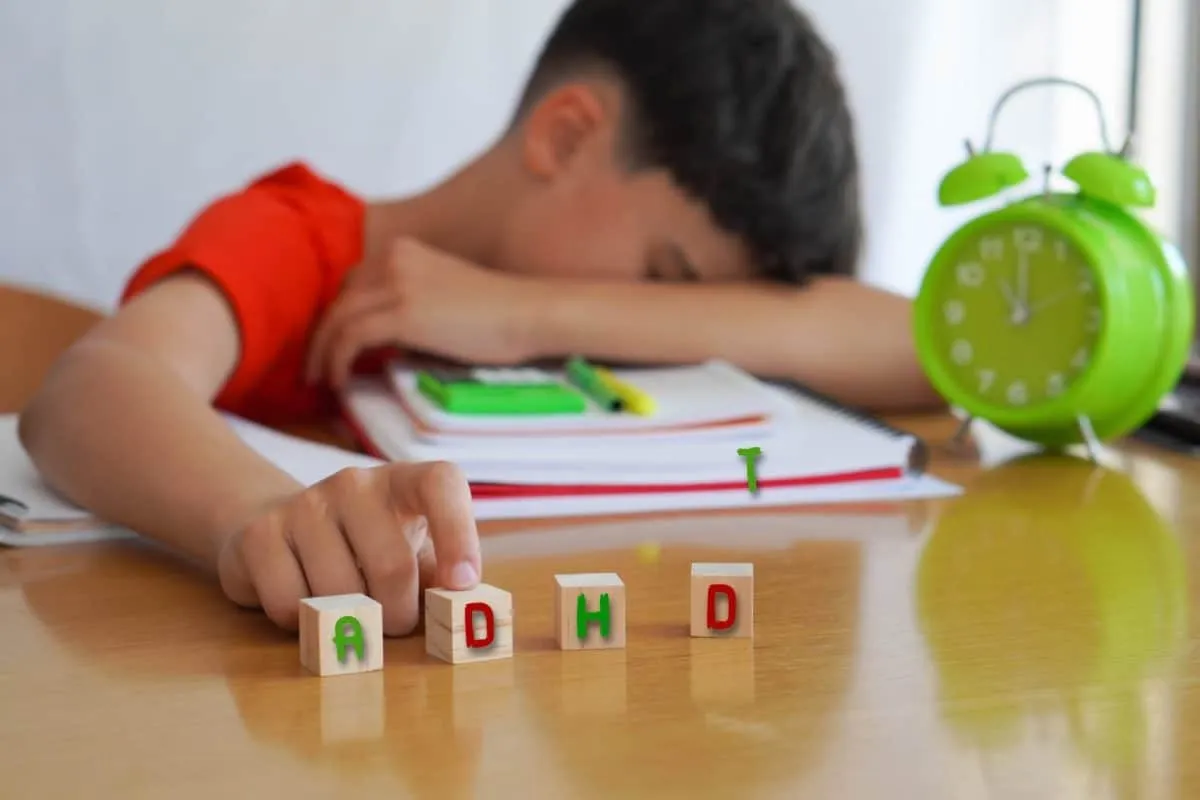

Millions of people worldwide face challenges with focus, impulse control, and attention. Many question if these issues are a real psychiatric condition or just differences in personality.
ADHD is seen as a psychiatric disorder and a neurodevelopmental condition by top medical groups. This label is key for getting treatment, making disability claims, and improving health outcomes.
The Diagnostic and Statistical Manual of Mental Disorders, Fifth Edition, says ADHD has symptoms of not paying attention, being too active, and acting on impulse. These symptoms affect both kids and grown-ups.
Key Takeaways
- ADHD is recognized as a psychiatric disorder by major medical organizations.
- The DSM-5 classifies ADHD as a neurodevelopmental disorder.
- Understanding ADHD’s classification is key for treatment and accommodations.
- ADHD affects both children and adults, with symptoms of inattention, hyperactivity, and impulsivity.
- Accurate diagnosis relies on clinical evaluation and multiple informants.
What Is ADHD and Its Prevalence

ADHD, or Attention Deficit Hyperactivity Disorder, is a condition with symptoms of inattention, hyperactivity, and impulsivity. It affects both kids and adults around the world. For more info, check out the American Psychiatric Association’s page on ADHD.
Core Symptoms of Inattention, Hyperactivity, and Impulsivity
The main symptoms of ADHD include inattention, hyperactivity, and impulsivity. Inattention makes it hard to focus and follow instructions. Hyperactivity is shown through fidgeting and trouble staying quiet. Impulsivity means interrupting others and blurting out answers.
Prevalence Statistics: 8.4% of Children and 2.5% of Adults
ADHD is common worldwide. About 8.4% of children and 2.5% of adults have it. This shows we need to understand and support those with ADHD.
| Age Group | Prevalence of ADHD |
| Children | 8.4% |
| Adults | 2.5% |
Gender Differences in Diagnosis Rates
There are gender differences in ADHD diagnosis. Boys are more likely to be diagnosed than girls. This means we need to make sure everyone gets the right help.
Is ADHD a Psychiatric Disorder? Official Classification

To know if ADHD is a psychiatric disorder, we need to look at the DSM-5. The Diagnostic and Statistical Manual of Mental Disorders, Fifth Edition (DSM-5) is key for mental health experts. It gives clear rules for diagnosing mental health issues.
ADHD in the DSM-5 Diagnostic Manual
The DSM-5 puts ADHD under neurodevelopmental disorders. This is important because it shows ADHD affects both kids and adults. It impacts their growth and how they function.
Key aspects of ADHD’s classification in the DSM-5 include:
- Recognition as a neurodevelopmental disorder
- Diagnostic criteria that include symptoms of inattention and/or hyperactivity-impulsivity
- Emphasis on the persistence of symptoms across different settings
Classification as a Neurodevelopmental Disorder
The DSM-5 calls ADHD a neurodevelopmental disorder. This means ADHD is not just about behavior. It’s about brain differences that affect growth. This shows ADHD is complex and needs detailed care and treatment.
Diagnostic Criteria and Assessment Process
The DSM-5 has clear rules for diagnosing ADHD. It looks for a pattern of inattention and/or hyperactivity-impulsivity that hinders daily life. The process checks the person’s symptoms, history, and how it affects their daily activities.
The diagnostic criteria for ADHD in the DSM-5 are as follows:
- A persistent pattern of inattention and/or hyperactivity-impulsivity
- Symptoms must be present in two or more settings (e.g., home, school, work)
- Symptoms must have a significant impact on social, occupational, or other areas of functioning
- Symptoms are not better explained by another mental disorder
Knowing these criteria is key for correct diagnosis and treatment plans. By seeing ADHD as a neurodevelopmental disorder with clear criteria, doctors can offer better support and help.
ADHD as a Mental Health Condition
ADHD is seen as a mental health issue by the American Psychiatric Association. It affects millions of people worldwide. This view changes how we diagnose, treat, and support those with ADHD.
Meeting the Definition of Mental Illness
The American Psychiatric Association says mental illness affects thinking, feelings, and actions. ADHD fits this description by causing big problems with focus, emotions, and behavior. They say, “mental disorders are marked by big changes in thinking, feeling, or behavior.”
People with ADHD struggle to stay focused, control impulses, and manage their energy. These issues make everyday tasks hard, affect social life, and impact school or work. ADHD’s effects on mental health are wide-ranging, touching both mind and emotions.
“The symptoms of ADHD can have a profound impact on an individual’s daily life, affecting their ability to function effectively in various settings.”
Classification as a Psychiatric Disability
ADHD is also seen as a psychiatric disability. This view comes from legal and medical standards. It shows ADHD can really limit life activities like learning, working, or socializing. So, people with ADHD might get help and support to overcome these challenges.
ADHD isn’t just for kids; it’s a lifelong issue needing constant care. Adults with ADHD face special hurdles, like keeping a job, managing money, and keeping relationships strong.
Impact on Functioning and Development
ADHD’s effects on a person’s life and growth are huge. It impacts not just the person but also their family, teachers, and bosses. Early help is key to lessening ADHD’s impact and helping people reach their goals.
Seeing ADHD as a mental health issue and a disability helps us create a better world for those with it. We can offer the right help, treatments, and support. This way, people with ADHD can succeed in many areas of life.
Conclusion: Understanding the Significance of ADHD’s Classification
It’s important to know if ADHD is a mental illness or a psychological disorder. This knowledge helps in diagnosing, treating, and supporting people with ADHD. ADHD being classified as a psychiatric disorder has big implications for mental health.
ADHD is seen as a neurodevelopmental disorder in the DSM-5 manual. The American Psychiatric Association also calls it a mental illness. This understanding helps those with ADHD get better support and treatment.
Many people wonder if ADHD is a mental illness or a psychological disorder. But, it’s clear ADHD impacts both kids and adults. About 8.4% of kids and 2.5% of adults have it. Seeing ADHD as a mental health issue can lead to better management and treatment.
By accepting ADHD as a psychiatric disorder, we can fight stigma. This helps improve life quality for those with ADHD. We think knowing more about ADHD is essential for giving full support to those affected.
FAQ
Is ADHD considered a psychiatric disorder?
Yes, ADHD is seen as a psychiatric disorder. It’s classified as a neurodevelopmental disorder in the DSM-5.
What are the core symptoms of ADHD?
ADHD’s main symptoms are inattention, hyperactivity, and impulsivity. These symptoms can affect daily life and growth.
How prevalent is ADHD among children and adults?
ADHD affects about 8.4% of kids and 2.5% of adults. The rates vary by gender, showing the need for awareness.
Is ADHD a psychiatric disability?
Yes, ADHD can be seen as a psychiatric disability. It impacts daily life and growth, needing support and accommodations.
How does the DSM-5 classify ADHD?
The DSM-5 sees ADHD as a neurodevelopmental disorder. It has specific criteria for diagnosing and assessing its severity.
What is the impact of ADHD on daily functioning and development?
ADHD can greatly affect daily life and growth. It makes it hard to focus, learn, and interact with others. This highlights the need for effective treatment and support.
Is ADHD considered a mental health condition?
Yes, ADHD is viewed as a mental health condition. It meets the American Psychiatric Association’s criteria for a mental illness, needing full care and support.
Is ADHD a psychological disorder?
Yes, ADHD is seen as a psychological disorder. It affects cognitive, emotional, and behavioral functioning. A multidisciplinary treatment approach is needed.
Can ADHD be considered a mental impairment?
Yes, ADHD can be seen as a mental impairment. It impacts daily tasks, relationships, and academic or professional success.
Is ADHD considered a mental illness?
Yes, ADHD is considered a mental illness. It needs a treatment plan that addresses its effects on mental health and well-being.
References
National Center for Biotechnology Information. Evidence-Based Medical Guidance. Retrieved from https://pubmed.ncbi.nlm.nih.gov/25649325/