Last Updated on November 25, 2025 by Ugurkan Demir
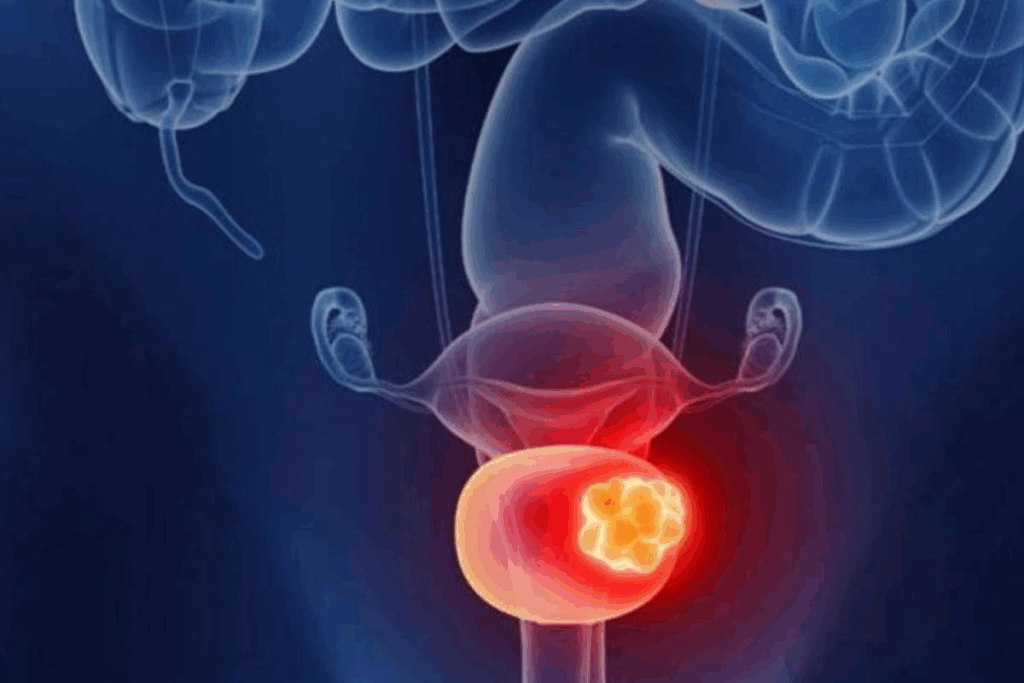
When you get a bladder cancer diagnosis, you might worry about your future. We know it’s scary, but finding it early can really help.
The American Cancer Society says there will be about 84,870 new bladder cancer cases in the U.S. in 2025. Sadly, 17,420 people might die from it. But, with a 78 percent five-year survival rate, there’s hope. Modern medicine is making it possible to beat bladder cancer.
We’ll look into what it means to have bladder cancer. We’ll see how catching it early can change everything. By understanding the stages of bladder cancer, we can grasp the survival chances better is bladder cancer deadly.
Key Takeaways
- The overall five-year survival rate for bladder cancer is 78 percent across all stages.
- Early detection significantly improves bladder cancer outcomes.
- Approximately 84,870 new cases of bladder cancer will be diagnosed in the United States in 2025.
- Modern medical advances are making bladder cancer increasingly curable.
- Understanding the different stages of bladder cancer is key to knowing your prognosis.
Understanding Bladder Cancer and Its Prevalence

Bladder cancer is a big health issue in the United States, hitting thousands yearly. It’s key to know what it is, its types, and how it affects the body. We also need to look at how common it is and how many people die from it.
What is Bladder Cancer?
Bladder cancer starts in the bladder’s lining. It happens when cells grow out of control, making a tumor. There are different types, like:
- Urothelial carcinoma: This is the most common, making up about 90% of cases.
- Squamous cell carcinoma: This is linked to long-term irritation or infection.
- Adenocarcinoma: A rare type that comes from glandular cells.
Bladder cancer can be non-muscle-invasive or muscle-invasive. This depends on if it has spread into the bladder muscle. Knowing the type and stage is key for the right treatment.
Incidence and Mortality Statistics in the United States
In the United States, bladder cancer is the fourth most common cancer in men and the 10th leading cause of death. Looking at the numbers helps us see how big of a problem it is.
| Year | New Cases | Deaths |
| 2020 | 83,730 | 17,200 |
| 2019 | 80,470 | 17,670 |
| 2018 | 81,190 | 17,240 |
These numbers show why we need to keep researching and spreading awareness about bladder cancer. Knowing these rates helps us focus our efforts and support those fighting this disease.
Is Bladder Cancer Deadly? The Truth About Mortality Rates
Knowing the mortality rates of bladder cancer is key for both patients and doctors. This disease is a big health issue, and its effects change based on many things. We’ll look at the five-year survival rate, compare it to other cancers, and talk about what affects mortality risk.
Overall Five-Year Survival Rate of 78%
The five-year survival rate for bladder cancer is 78%. This means many people can live for five years or more after being diagnosed. This good news shows how medical treatments and early detection have improved.
“The five-year survival rate is a critical metric that provides insight into the prognosis of bladder cancer patients,” says a leading oncologist. “With a rate of 78%, it’s clear that while bladder cancer is a serious disease, many patients can achieve long-term survival with appropriate care.”
Comparing Bladder Cancer to Other Cancer Types
It’s important to compare bladder cancer to other cancers. Bladder cancer has a better five-year survival rate than some cancers, like pancreatic or lung cancer. But, it’s not as good as others, like testicular or thyroid cancer. This shows how important it is to know the specific details of bladder cancer and its treatments.
Factors That Influence Mortality Risk
Many things can affect how likely someone is to die from bladder cancer. These include the cancer’s stage, the patient’s health, and the tumor’s characteristics. Finding cancer early is key to better survival chances. Also, patients with other health issues might face higher risks because they can’t handle strong treatments as well.
- Stage at Diagnosis: Early detection improves survival rates.
- Overall Health: Patients with fewer comorbidities tend to have better outcomes.
- Tumor Characteristics: Aggressive tumor types have poorer prognoses.
Doctors can make treatment plans that fit each patient’s needs by understanding these factors. It’s a complex mix, but with the right approach, many patients can get good results.
Stages of Bladder Cancer and Their Impact on Prognosis
The stage of bladder cancer diagnosis greatly affects patient outcomes and survival rates. Knowing the stage is key to choosing the right treatment and predicting results.
TNM Staging System Explained
The TNM staging system is a common way doctors classify cancer spread. TNM stands for Tumor (T), Node (N), and Metastasis (M). The T category shows the tumor’s size and spread. The N category checks if cancer has reached nearby lymph nodes. The M category looks for distant body parts affected by cancer.
Tumor (T) Category: The T category has stages from Ta (non-invasive) to T4 (advanced cancer).
Here’s a simplified breakdown:
- Ta: Non-invasive papillary carcinoma.
- Tis: Carcinoma in situ (flat, non-invasive tumor).
- T1: Tumor invades subepithelial connective tissue.
- T2: Tumor invades muscle.
- T3: Tumor invades beyond muscle into perivesical tissue.
- T4: Tumor invades nearby organs or structures.
How Stage at Diagnosis Affects Survival Rates
The stage at diagnosis is very important for bladder cancer survival rates. Patients with early-stage (non-muscle-invasive) bladder cancer have a better outlook. Those with muscle-invasive or metastatic disease face tougher challenges.
| Stage at Diagnosis | Five-Year Survival Rate |
| Localized (non-muscle-invasive) | 71% |
| Regional (muscle-invasive) | 39% |
| Distant (metastatic) | 8% |
The table shows survival rates drop as the stage advances. Early detection and treatment are vital for better survival chances.
We will look deeper into bladder cancer prognosis in the next sections. We’ll discuss non-muscle-invasive and muscle-invasive bladder cancer, and the challenges of metastatic disease.
Non-Muscle-Invasive Bladder Cancer: High Survival Rates
Non-muscle-invasive bladder cancer makes up about 70% of new cases. It is often caught early, which greatly boosts treatment success.
Carcinoma in Situ: 96-97% Five-Year Survival Rate
Carcinoma in situ is a type of non-muscle-invasive bladder cancer. It has a very good outlook. The five-year survival rate is between 96% and 97%. This means most people with this condition can live for at least five years after being diagnosed.
Localized Cancer: 71% Five-Year Survival Rate
Localized bladder cancer stays within the bladder. It has a five-year survival rate of 71%. This shows how well treatments work for early-stage bladder cancer. It also stresses the need for early detection.
Treatment Success for Early-Stage Disease
The high survival rates for non-muscle-invasive bladder cancer come from effective early-stage treatments. Treatments like TURBT and intravesical therapy help manage the disease and stop it from getting worse.
While these numbers are hopeful, remember that each person’s situation is different. Outcomes can vary based on health, treatment response, and cancer specifics.
Muscle-Invasive Bladder Cancer: Decreased Survival Expectations
Muscle-invasive bladder cancer is a big challenge for doctors. It has lower survival rates. We’ll look at why survival rates drop and the treatment hurdles.
Regional Disease: 39% Five-Year Survival Rate
When bladder cancer invades muscle, it can spread to nearby lymph nodes. This lowers the five-year survival rate to about 39%. Early detection and aggressive treatment are key.
Treatment Challenges for Invasive Disease
Treating muscle-invasive bladder cancer is tough. The cancer is aggressive and hard to treat. Treatments include surgery, chemotherapy, and radiation. But, how well they work depends on the cancer’s stage and spread.
- Radical cystectomy is a major surgery that involves removing the bladder.
- Chemotherapy can be used before surgery to shrink tumors or after surgery to kill remaining cancer cells.
- Radiation therapy is an alternative to surgery for some patients, who are not good candidates for radical cystectomy.
Improving Outcomes Through Multimodal Therapy
Multimodal therapy, combining different treatments, is promising. It aims to improve survival and quality of life for patients. Tailoring treatment plans to each patient’s needs is key.
Key components of multimodal therapy include:
- Neoadjuvant chemotherapy to shrink tumors before surgery.
- Radical cystectomy to remove the bladder and affected lymph nodes.
- Adjuvant chemotherapy or radiation therapy to eliminate any remaining cancer cells.
Metastatic Bladder Cancer: Understanding the Prognosis
Knowing the prognosis for metastatic bladder cancer is key for both patients and doctors. It helps decide the best treatment. This cancer spreads from the bladder to other parts of the body, like lymph nodes, bones, or organs.
8% Five-Year Survival Rate for Distant Disease
The outlook for metastatic bladder cancer is tough, with an 8% five-year survival rate for distant disease. This shows the big challenge in treating cancer that has spread. But, thanks to new treatments, survival rates are getting better.
Several things affect the poor prognosis of metastatic bladder cancer. These include the cancer’s stage and the patient’s overall health. Patients with distant disease face big hurdles in getting better.
Emerging Therapies Showing Promise
New treatments are giving hope to those with metastatic bladder cancer. These include immunotherapies, targeted therapies, and combination treatments. They aim to boost the body’s fight against cancer cells.
Research is moving fast, with many clinical trials underway. They’re testing new treatments for their safety and effectiveness. Some promising areas include:
- Checkpoint inhibitors, which have shown promise in treating metastatic bladder cancer
- Antibody-drug conjugates, designed to target cancer cells more effectively
- Combination regimens that pair different treatments to achieve better outcomes
As research keeps advancing, the outlook for metastatic bladder cancer patients is getting better. It’s important for patients to talk with their doctors about their prognosis and treatment options.
| Treatment Approach | Description | Potential Benefits |
| Immunotherapy | Boosts the body’s immune system to fight cancer | Improved survival rates, durable responses |
| Targeted Therapy | Targets specific cancer cell characteristics | More precise treatment, reduced side effects |
| Combination Therapy | Combines different treatments for enhanced effect | Better outcomes, potentially improved survival |
Gender Differences in Bladder Cancer Prognosis
Gender is key in bladder cancer outcomes. Men and women face different challenges in this disease. Research shows clear differences in how bladder cancer affects each gender.
Bladder Cancer Prognosis in Men vs. Women
Men get bladder cancer more often than women. But, when women do get it, their disease is often more advanced. This makes their prognosis worse.
A study in the Journal of Urology found women face more severe tumors and later stages. This highlights the need for more research on gender differences in bladder cancer.
Why Men Have Higher Incidence Rates
Men are more likely to get bladder cancer due to several reasons. Smoking and work-related hazards are big factors. Men are more exposed to these risks, leading to higher rates.
| Risk Factor | Men | Women |
| Smoking | Higher exposure | Lower exposure |
| Occupational Hazards | Higher exposure | Lower exposure |
Factors Affecting Male Prognosis
Men face a higher risk of bladder cancer. But, early detection can greatly improve their chances. Catching the disease early is key to better outcomes.
Early detection and treatment are critical for men. Regular check-ups and follow-ups are vital. They help catch any problems early, allowing for timely action.
It’s important to understand the gender differences in bladder cancer. This knowledge helps in creating better treatment plans. It ensures care is tailored to each patient’s needs, improving outcomes for both men and women.
Recurrence and Progression: Key Concerns for Survivors
The journey doesn’t end with treatment; bladder cancer survivors must navigate the risks of recurrence and progression. The stage of cancer at diagnosis plays a big role in these risks.
Recurrence Rates by Cancer Stage
Recurrence rates change a lot based on the bladder cancer stage at diagnosis. Non-muscle-invasive bladder cancer has a high recurrence rate but a low risk of becoming muscle-invasive. Muscle-invasive bladder cancer, on the other hand, has a higher risk of spreading.
It’s key to understand these risks to manage patient expectations and plan follow-up care. Here’s a table showing recurrence rates by cancer stage:
| Cancer Stage | Recurrence Rate | Progression Risk |
| Non-Muscle-Invasive | High | Low to Moderate |
| Muscle-Invasive | Moderate | High |
Surveillance Protocols After Treatment
Surveillance after treatment is key for catching recurrence early. We suggest a follow-up plan with regular cystoscopies, imaging, and urine tests. The test frequency depends on the tumor stage and grade, and the treatment.
Effective surveillance helps in early detection and treatment of recurrence. It’s vital for managing bladder cancer, catching any recurrence early.
Managing the Risk of Progression
Managing progression risk involves several steps, like adjuvant therapies and lifestyle changes. We work with patients to create a personalized plan based on their risks and needs.
By understanding recurrence and progression factors, we can tailor care to each patient. This improves outcomes and quality of life.
Treatment Options and Their Impact on Curability
Bladder cancer treatment options vary, and knowing their impact on curability is key. The curability of bladder cancer depends on the stage at diagnosis and the treatment used.
Is Bladder Cancer Usually Curable?
Bladder cancer is curable if caught early. The five-year survival rate is about 78%, showing a good chance of survival with the right treatment. Early detection and treatment greatly improve the outlook.
Early-stage bladder cancer has a much higher cure rate than advanced stages. For example, carcinoma in situ has a 96-97% five-year survival rate. Localized cancer has a 71% rate. These numbers highlight the importance of catching it early.
Surgical Approaches and Cure Rates
Surgery is a main treatment for bladder cancer, mainly for muscle-invasive cases. Radical cystectomy, removing the bladder, is a major surgery that boosts survival chances for invasive cancer.
- Transurethral resection of bladder tumor (TURBT): This is used for both diagnosis and treatment, mainly for non-muscle-invasive cancer.
- Partial cystectomy: In some cases, removing the part of the bladder with the tumor is an option.
- Radical cystectomy: This is the top choice for muscle-invasive bladder cancer, aiming for a cure.
Combining surgery with chemotherapy and radiation therapy can increase cure rates.
Non-Surgical Treatments and Their Effectiveness
Not all bladder cancer patients need surgery. Intravesical therapy, putting medication directly into the bladder, works well for non-muscle-invasive cancer. It helps prevent recurrence and progression.
Chemotherapy and radiation therapy are non-surgical treatments for bladder cancer. Chemotherapy can be given before or after surgery to kill cancer cells. Radiation therapy uses high-energy rays to kill cancer cells, often with chemotherapy.
“The combination of treatments tailored to the individual patient’s needs has shown to improve outcomes in bladder cancer.”
It’s vital to understand the different treatments and their impact on curability for bladder cancer care. By considering the cancer stage, overall health, and personal preferences, patients and healthcare providers can choose the best treatment plan together.
Living With Bladder Cancer: Quality of Life Considerations
Bladder cancer is more than just treatment. It’s about keeping a good quality of life. We must think about how it affects a patient’s overall well-being.
Physical Impacts After Treatment
Treatment for bladder cancer can change a patient’s life. Surgery, chemotherapy, and radiation can cause side effects like incontinence, fatigue, and sexual problems.
A study in the Journal of Urology found that radical cystectomy lowered quality of life. But, new surgical methods and rehab programs help many patients get better.
“The goal of treatment is not only to cure the cancer but also to preserve the patient’s quality of life.”
Medical Expert, Urologist
To lessen these effects, doctors suggest a detailed rehab plan. This includes:
- Pelvic floor physical therapy for incontinence
- Exercise to fight fatigue
- Counseling for sexual issues
Emotional and Psychological Support
Bladder cancer affects more than just the body. It can cause anxiety, depression, and fear of cancer coming back. These feelings can really impact a patient’s life.
A study in Psycho-Oncology found that support helped bladder cancer patients. They felt better mentally and learned to cope better. Support can come from:
| Support Source | Description |
| Counseling Services | Professional help for emotional challenges |
| Support Groups | Group sessions for sharing and support |
| Family and Friends | Important emotional support from loved ones |
Long-term Survivorship Challenges
Bladder cancer survivors face ongoing challenges. They worry about cancer coming back and need regular check-ups. Managing these issues is key to a good quality of life.
Regular check-ups and surveillance are vital for early detection. Survivors also benefit from:
- Staying informed about their condition and treatment options
- Living a healthy lifestyle, including a balanced diet and exercise
- Seeking support from healthcare providers, support groups, and loved ones
By focusing on physical, emotional, and psychological aspects, patients can improve their quality of life. This helps them deal with the challenges of survivorship better.
Conclusion: Hope and Perspective for Bladder Cancer Patients
As we wrap up our look at bladder cancer, it’s clear that new treatments have made a big difference. Early detection is key to a better outcome. We’ve seen how catching the disease early can greatly improve survival chances.
For those with bladder cancer, knowing about the disease and treatment options is vital. We’ve talked about different treatments, like surgery and non-surgical methods. These can greatly affect how well the disease can be treated.
Bladder cancer is tough, but there’s hope for patients and their loved ones. New treatments and research are showing promise. There are also support services to help with the disease’s physical and emotional effects.
Looking ahead, bladder cancer patients need to stay informed and seek support. With the right care and resources, they can face this challenge with strength and hope.
FAQ
Is bladder cancer fatal?
Bladder cancer can be fatal, but it depends on when it’s found. Finding it early can greatly improve your chances.
What is the prognosis for bladder cancer?
The outlook for bladder cancer changes based on its stage and type. Non-muscle-invasive types have a better chance of survival. Muscle-invasive types are more serious.
What are the survival rates for bladder cancer?
The five-year survival rate for bladder cancer is about 78%. Non-muscle-invasive types have a 96-97% survival rate. Muscle-invasive types have a 39% rate for regional disease and 8% for distant disease.
Is bladder cancer usually curable?
Bladder cancer is often curable if caught early. The cure rate depends on the cancer’s stage and type, and how well treatment works.
Can bladder cancer be cured?
Yes, bladder cancer can be cured, mainly if found early. Treatments like surgery and non-surgical methods can increase cure chances.
What is the prognosis for metastatic bladder cancer?
Metastatic bladder cancer has a poor prognosis, with a five-year survival rate of about 8%. But, new treatments are showing promise to improve survival rates.
How fatal is bladder cancer in men compared to women?
Men get bladder cancer more often than women, but the prognosis is similar. Men’s health and treatment response play a big role in their prognosis.
What are the concerns for bladder cancer survivors?
Survivors worry about cancer coming back or getting worse. It’s important to follow up with doctors to manage these risks.
What are the treatment options for bladder cancer?
Treatments for bladder cancer include surgery and non-surgical methods like chemotherapy and radiation. The right treatment depends on the cancer’s stage and type.
How does bladder cancer treatment impact quality of life?
Treatment for bladder cancer can affect your physical, emotional, and mental health. It’s important to have support to deal with these challenges.
What is the cure rate for bladder cancer?
The cure rate for bladder cancer varies by stage and type. Early detection and effective treatment can increase your chances of being cured.
Can bladder cancer recur after treatment?
Yes, bladder cancer can come back after treatment. The risk depends on the cancer’s stage and type. Regular check-ups are key to managing this risk.
references
National Center for Biotechnology Information. (2025). Is Bladder Cancer Deadly Prognosis and Survival Rates. Retrieved from https://www.ncbi.nlm.nih.gov/pmc/articles/PMC12223361/