Last Updated on November 27, 2025 by Bilal Hasdemir

At Liv Hospital, we know that getting a diagnosis of brain cancer can be scary. It’s even more challenging when dealing with inoperable tumors. Brain cancer can range from harmless to very dangerous, like glioblastoma.
To find out what kind of tumor you have, doctors use many tests. These include checking your brain, CT scans, MRI scans, and taking a biopsy. Treatment might be surgery, radiation, or chemotherapy.
It’s important to know how treatable brain cancer is and what inoperable tumors mean. The National Cancer Institute’s Surveillance, Epidemiology, and End Results (SEER) say the 5-year survival rate for brain cancer is 33.0%. We offer full care and support to help you make the best treatment choices. Is brain cancer curable? Find the crucial answers about treatment, survival rates, and what an inoperable diagnosis truly means.
Key Takeaways
- Brain cancer includes various types of tumors, ranging from benign to malignant.
- Diagnosis involves neurological exams, imaging tests, and biopsy.
- Treatment options include surgery, radiation therapy, and chemotherapy.
- Inoperable brain tumors present unique challenges for treatment and survival.
- Comprehensive care and support are key for patients facing brain cancer.
Understanding Brain Cancer: Types and Classifications
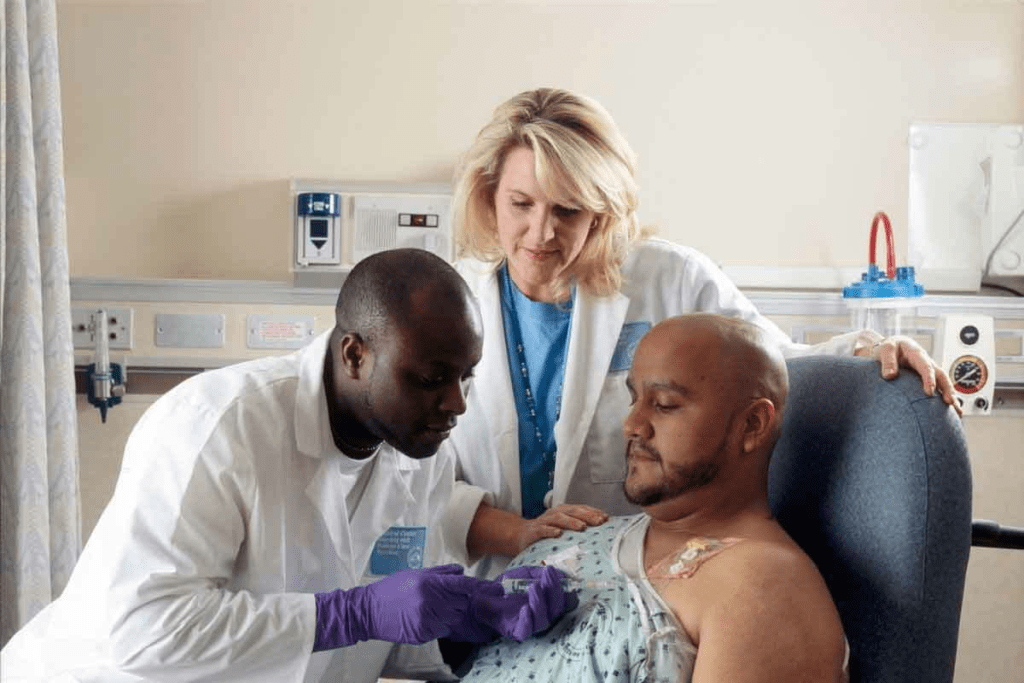
Brain cancer comes in many types, from slow-growing to aggressive. They are divided into benign and malignant tumors. Knowing the difference helps doctors choose the right treatment.
Benign vs. Malignant Brain Tumors
Benign tumors are not cancerous and grow slowly. They might cause problems because of where they are. But they don’t spread to other brain tissue.
Malignant tumors, on the other hand, are cancerous. They grow faster and can spread to other parts of the brain. This makes them harder to treat.
Experts say knowing if a tumor is benign or malignant is key. It affects how doctors treat the tumor and how well the patient will do. Brain Cancer Awareness offers more details on this.
Common Types of Brain Cancer
There are many types of brain cancer, like gliomas, meningiomas, and acoustic neuromas. Gliomas are common and can be low-grade or high-grade. Meningiomas are usually benign and grow in the meninges, which protect the brain and spinal cord.
Grading System for Brain Tumors
The grading system for brain tumors looks at how much the tumor cells look like normal cells. The World Health Organization (WHO) uses a system from Grade I (benign) to Grade IV (highly malignant). Higher grades mean the tumor is more aggressive and needs stronger treatment.
| WHO Grade | Tumor Characteristics | Typical Behavior |
| Grade I | Cells appear nearly normal | Slow-growing, often curable with surgery |
| Grade II | Cells are slightly abnormal | May grow more quickly, sometimes recur |
| Grade III | Cells are more abnormal | More aggressive, often require additional treatment |
| Grade IV | Cells are highly abnormal | Most aggressive, often associated with poor prognosis |
Knowing the type and grade of a brain tumor is key for treatment. Doctors use this information to tailor treatment to each patient’s needs.
Is Brain Cancer Curable? Examining the Reality
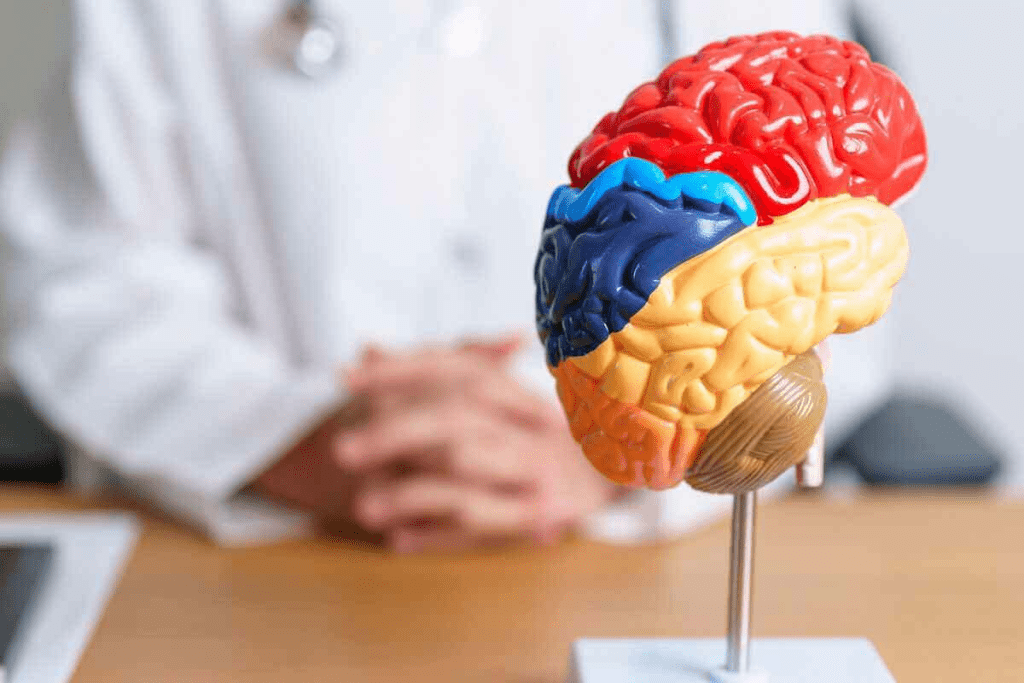
To know if brain cancer can be cured, we must look at several important factors. The chance of curing brain cancer depends on the tumor type and grade, and the patient’s health.
Factors That Affect Curability
Many factors play a role in whether brain cancer can be cured. The type of tumor, its grade, and the patient’s health are key. Benign tumors are usually easier to cure than malignant ones, if they can be removed surgically.
The tumor’s grade is also very important. Low-grade tumors grow slower and are less aggressive, making them more likely to be cured. High-grade tumors, on the other hand, are aggressive and harder to treat.
Difference Between Cure and Remission
It’s important to know the difference between a cure and remission in brain cancer. A cure means the cancer is completely gone and won’t come back. Remission means the cancer is controlled but could come back.
For some, remission is a big win, helping them manage their condition and live better. But, because it could come back, they need to keep being checked.
Success Rates by Cancer Type
Success rates for treating brain cancer vary a lot depending on the type. For example, meningiomas, which are usually benign, have a high cure rate if removed surgically. But, glioblastomas, a malignant tumor, are harder to treat and have a worse outlook.
Knowing the specific type of brain cancer and its characteristics is key. It helps doctors choose the best treatment and estimate the chances of success.
Survival Statistics and Prognosis
Brain cancer survival rates change a lot. They depend on the tumor type, grade, patient’s age, and health. Knowing these stats helps patients and families plan and make treatment choices.
Five-Year Survival Rates Across Different Tumor Types
The five-year survival rate for all malignant brain tumors is about 33“36%. But, this number changes a lot based on the brain cancer type. For example, people with low-grade gliomas usually do better than those with high-grade glioblastomas.
Survival rates for different types of brain cancer:
- Glioblastoma: 5-10% five-year survival rate
- Anaplastic astrocytoma: 20-30% five-year survival rate
- Low-grade glioma: 50-70% five-year survival rate
- Meningioma (benign): 80-90% five-year survival rate
Glioblastoma Survival Outlook
Glioblastoma is a very aggressive brain cancer. It usually has a poor outlook. Patients with glioblastoma typically live about 12-18 months after being diagnosed. The five-year survival rate is often less than 10%. But, some patients might live longer if they respond well to treatment.
Factors That Influence Survival Timelines
Many things can affect how long brain cancer patients live. These include:
- Tumor type and grade: Higher-grade tumors are more aggressive and have a poorer prognosis.
- Patient’s age: Younger patients tend to have better survival rates than older patients.
- Overall health: Patients with fewer comorbidities and better overall health tend to have better outcomes.
- Extent of surgical resection: The ability to surgically remove the tumor significantly impacts survival.
- Response to treatment: Patients who respond well to radiation and chemotherapy tend to have better survival rates.
Understanding these factors is key to creating a treatment plan that improves survival chances for brain cancer patients.
What Makes a Brain Tumor Inoperable?
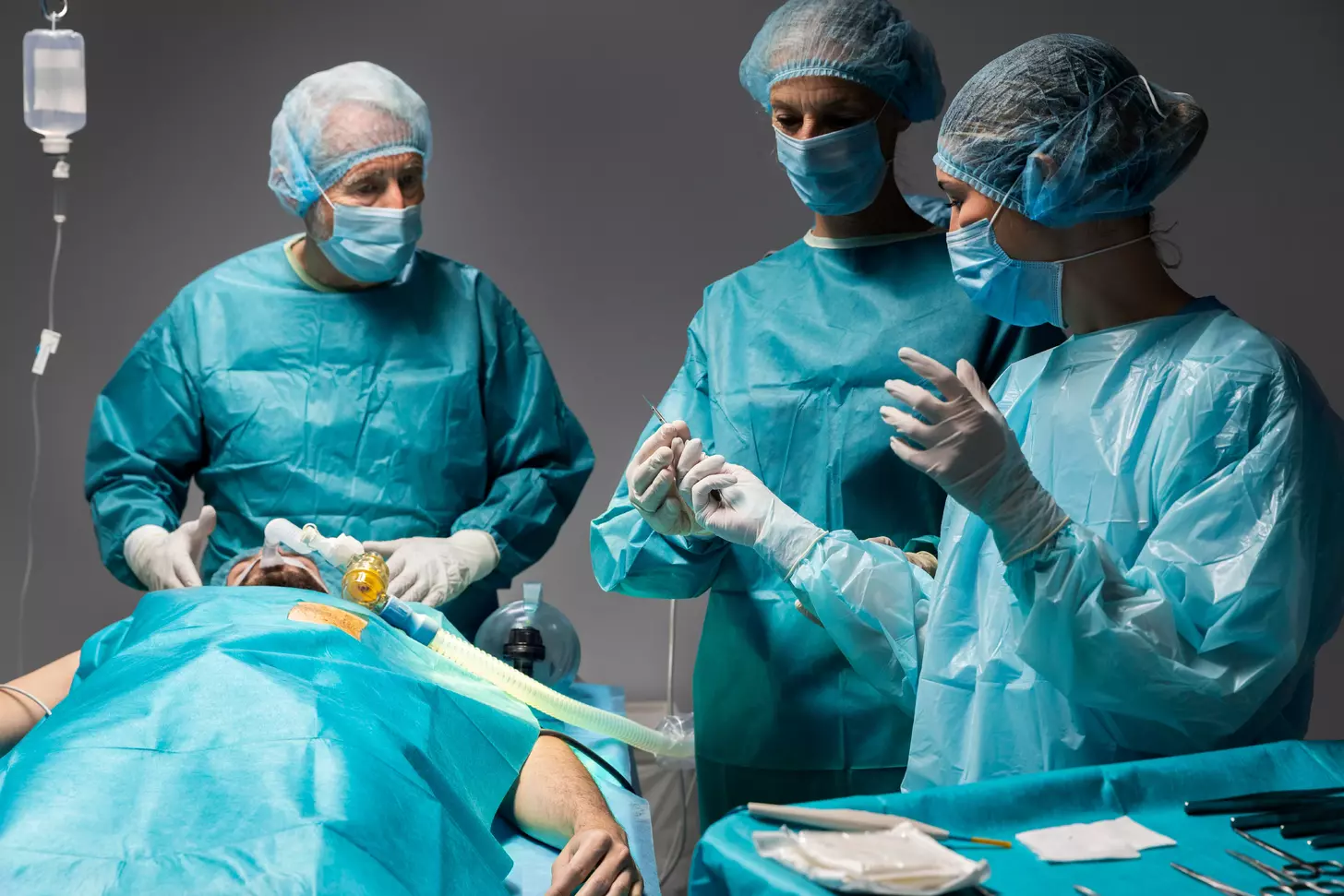
An inoperable brain tumor is one that can’t be safely removed by surgery. This news can be tough for patients and their families. It’s important to know why a tumor is labeled as inoperable.
Definition of Inoperable Brain Tumors
Inoperable brain tumors can’t be removed because of their location, size, or other reasons. Doctors, like neurosurgeons and oncologists, decide this based on the risks and benefits of surgery.
Location and Accessibility Challenges
Where a brain tumor is located is a big factor in whether it’s inoperable. Tumors in hard-to-reach or critical areas are often too risky to operate on. For example:
- Tumors near important brain parts, like the brainstem or major blood vessels, are too risky.
- Deep or surrounded by sensitive brain tissue, tumors are hard to get to without causing harm.
Risk Assessment for Brain Surgery
Deciding if brain surgery is safe is complex. It looks at the tumor, the patient’s health, and if surgery will help. Age, medical history, and other health issues are also checked. The goal is to see if surgery’s benefits are worth the risks.
Some risks of brain surgery include:
- Infection and bleeding
- Damage to brain tissue
- Stroke or injury to blood vessels
- Seizures or other brain problems
Doctors carefully look at these factors. They help patients understand their options and what might happen.
Living with Brain Tumors: Can You Survive with an Inoperable Mass?
When faced with an inoperable brain mass, patients and their families look for answers. They want to know what to expect and how to move forward. It’s important to understand the prognosis and care options to make informed decisions.
Long-term Outlook for Different Types of Inoperable Tumors
The outlook for patients with inoperable brain tumors depends on the tumor type, location, and health. For example, glioblastoma is aggressive, while low-grade gliomas are not. Some tumors grow slowly, while others grow fast, affecting survival time.
It’s key for patients to talk to their doctors about their situation. This way, they can understand their prognosis and the benefits of treatments like radiation therapy, chemotherapy, and targeted therapy.
Quality of Life Considerations
Quality of life is a big concern for those with inoperable brain tumors. It’s about managing symptoms, reducing side effects, and keeping the patient comfortable. Support from loved ones and healthcare teams is vital.
Supportive care, like palliative care, can help. It aims to ease symptoms and stress, improving life for patients and their families.
Managing Symptoms and Side Effects
Managing symptoms and side effects is key for patients with inoperable brain tumors. This might include medications, therapies, and lifestyle changes. For instance, seizure management is important for those at risk, and cognitive rehabilitation helps with cognitive issues.
Regular check-ups with doctors are important. They help monitor the tumor and adjust treatments as needed. By managing their condition, patients can improve their quality of life despite the challenges.
Treatment Options for Inoperable Brain Cancer
Inoperable brain cancer is tough to deal with, but there are treatments to help manage it. Surgery might not be an option, but other therapies can ease symptoms and slow the disease’s growth.
Radiation Therapy Approaches
Radiation therapy is a key treatment for inoperable brain cancer. It uses high-energy beams to kill cancer cells. There are different types, including:
- External beam radiation therapy (EBRT), which delivers radiation from outside the body.
- Stereotactic radiosurgery (SRS), a precise form of radiation therapy that targets small tumors.
- Fractionated radiation therapy, which delivers radiation in multiple sessions to minimize damage to surrounding healthy tissue.
These methods can effectively manage inoperable brain cancer. The right therapy depends on the tumor’s size, location, and the patient’s health.
Chemotherapy and Drug Treatments
Chemotherapy is another option for inoperable brain cancer. It uses drugs to kill cancer cells. The drugs can be taken orally or given through an IV, based on the cancer type and patient history.
Temozolomide is a common chemotherapy drug for brain cancer, like glioblastoma. It stops cancer cells from reproducing by messing with their DNA.
Targeted Therapies
Targeted therapies are newer treatments that focus on cancer cells while protecting healthy ones. They target specific molecular issues that cause cancer to grow.
For example, bevacizumab stops tumors from making new blood vessels. This slows tumor growth and eases symptoms.
Choosing a treatment for inoperable brain cancer depends on many factors. These include the tumor’s type, size, and location, and the patient’s health and history. A team of healthcare experts will decide the best treatment plan for each patient.
Can You Beat Brain Cancer When Surgery Isn’t an Option?
Beating brain cancer without surgery is tough, but new medical tech makes it possible for some. Surgery is key for many, but other treatments work for those with tumors that can’t be removed.
Success Stories and Case Studies
Many patients have overcome brain cancer, even when surgery isn’t an option. Some have seen great results from radiation therapy and chemotherapy. This helps them manage their cancer well.
One case involved a patient with glioblastoma, a fast-growing cancer. They used radiation and targeted therapy. This led to a big drop in tumor size and better life quality.
Factors That Improve Outcomes
Several things help patients with inoperable brain cancer do better. These include:
- Early diagnosis and action
- Treatment plans made just for them
- New radiation and chemotherapy methods
- Trying new treatments in clinical trials
Realistic Expectations for Different Tumor Types
Knowing the tumor type is key for the best treatment. The table below shows survival rates for different tumors.
| Tumor Type | Five-Year Survival Rate | Typical Treatment Approaches |
| Glioblastoma | 6.8% | Radiation therapy, chemotherapy, targeted therapy |
| Meningioma | 84.2% | Surgery (when possible), radiation therapy |
| Medulloblastoma | 70.2% | Surgery (when possible), radiation therapy, chemotherapy |
These numbers give a general idea, but results can vary a lot. This depends on the patient’s health and how they react to treatment.
How Brain Cancer Progresses and Causes Death
It’s important to know how brain cancer grows. This knowledge helps patients and their families. Brain cancer can harm the brain, leading to serious problems. We’ll look at what causes brain cancer to spread and how it leads to death.
Neurological Decline and Complications
Brain cancer can damage brain tissue. This damage causes symptoms like memory loss, seizures, and trouble moving. As the tumor grows, these symptoms get worse, affecting the patient’s life quality.
Increased Intracranial Pressure
Brain cancer can also cause increased intracranial pressure (ICP). The tumor takes up more space in the skull, pressing on the brain. This can lead to headaches, nausea, vomiting, and serious problems like brain herniation.
Loss of Critical Brain Functions
As brain cancer grows, it can harm important brain areas. These areas control breathing, heart rate, and blood pressure. When damaged, patients face severe and life-threatening issues.
The table below summarizes the key factors involved in brain cancer progression and their effects:
| Factor | Description | Potential Consequences |
| Neurological Decline | Damage to surrounding brain tissue | Cognitive impairment, seizures, motor dysfunction |
| Increased Intracranial Pressure | Tumor expansion occupying more space within the skull | Headaches, nausea, vomiting, brain herniation |
| Loss of Critical Brain Functions | Damage to vital brain areas | Respiratory failure, cardiac issues, death |
Knowing these factors helps patients and families deal with the disease. It helps them make better care decisions.
Breakthrough Research and Future Treatments
The future of brain cancer treatment is looking bright. Researchers are working hard to find new ways to fight this disease. Several areas are showing great promise.
Immunotherapy Advancements
Immunotherapy uses the body’s immune system to fight cancer. It has shown a lot of promise in treating brain cancer. This method targets cancer cells while protecting healthy tissue.
Recent studies have shown that checkpoint inhibitors are very effective. These are a type of immunotherapy that helps the immune system attack cancer cells better.
CAR-T Cell Therapy for Brain Cancer
CAR-T cell therapy is a form of immunotherapy. It involves changing a patient’s T cells to recognize and attack cancer cells. This treatment has worked well for some blood cancers and is being tested for brain cancer too.
Early trials have shown that CAR-T cell therapy can help with glioblastoma. This is a very aggressive form of brain cancer.
AI-Driven Diagnostics and Treatment Planning
Artificial intelligence (AI) is being used more in brain cancer treatment. AI can look at lots of data, like imaging studies, to find patterns and predict outcomes. This helps doctors make better treatment plans.
AI can make diagnoses more accurate and treatments more personalized. This could lead to better results for patients.
Novel Drug Delivery Methods
Researchers are also looking into new ways to deliver drugs for brain cancer. One idea is using nanoparticles to get drugs directly to tumors. This could avoid the blood-brain barrier.
| Treatment Approach | Description | Potential Benefits |
| Immunotherapy | Harnesses the immune system to fight cancer | Targeted treatment with fewer side effects |
| CAR-T Cell Therapy | Genetically modifies T cells to attack cancer cells | Potential for significant tumor reduction |
| AI-Driven Diagnostics | Uses AI to improve diagnostic accuracy and treatment planning | Enhanced personalization and improved outcomes |
| Novel Drug Delivery | Uses nanoparticles to deliver drugs directly to tumors | Increased effectiveness with reduced side effects |
These breakthroughs in brain cancer research give us hope. They could lead to better treatments and a better quality of life for patients. As research keeps moving forward, we can expect even more innovative ways to fight this disease.
Coping Strategies for Patients with Incurable Brain Cancer
When someone gets a diagnosis of incurable brain cancer, it’s tough. Patients and their families face a lot of challenges. They need to find ways to deal with both the physical and emotional sides of the disease.
Emotional and Psychological Support
Getting emotional and psychological support is key for those with incurable brain cancer. This support can come from many places, like family, friends, support groups, and mental health experts. It’s important to talk about the emotional impact of the diagnosis and seek help when needed. Counseling or therapy can help manage feelings of anxiety, depression, and other emotional challenges.
One patient shared,
“The emotional support I got from my support group was priceless. It helped me deal with the feelings of loneliness and fear that came with my diagnosis.”
This shows how vital it is to connect with others who know what it’s like to live with incurable brain cancer.
Palliative Care Options
Palliative care is a big part of managing incurable brain cancer. It aims to ease symptoms, pain, and stress, not cure the cancer. Palliative care teams work with patients and families to create care plans that meet their needs. This care can include managing pain, controlling symptoms, and helping with daily tasks.
- Pain management through medication and other methods
- Symptom control to improve quality of life
- Help with daily activities and mobility issues
End-of-Life Planning and Considerations
Planning for the end of life is a sensitive but vital part of caring for those with incurable brain cancer. It’s about talking about and planning for the patient’s wishes as the disease gets worse. Advance care planning ensures the patient’s wishes are respected and loved ones aren’t left with tough decisions.
We encourage patients and their families to talk openly about their wishes, values, and goals. This can include discussing hospice care, life-sustaining treatments, and other end-of-life care options.
Support Resources for Families
Families of patients with incurable brain cancer also need support and resources. We offer counseling, support groups, and educational materials to help them. It’s important for families to take care of themselves and seek help to avoid burnout and keep supporting their loved one.
By providing full support and resources, we help patients with incurable brain cancer and their families face this tough journey with dignity and compassion.
Conclusion: Navigating the Brain Cancer Journey
Dealing with brain cancer is tough for patients and their families. At Liv Hospital, we get how important support and guidance are. We’re here to help every step of the way.
We aim to give top-notch healthcare and support to patients from all over. Our team helps patients and families make smart choices about their care. This includes from the first diagnosis to treatment and after.
Knowing about brain cancer types, what affects treatment, and options available helps. We want to support patients so they can live better lives. Our goal is to help patients get the best care possible.
As research grows and new treatments come, we stay committed to personalized care. We believe teamwork can change lives for those facing brain cancer.
FAQ
Can brain tumors be cured?
Whether a brain tumor can be cured depends on several factors. These include the tumor’s type, grade, and where it is located. Some tumors, like benign ones, can be cured with surgery or other treatments. But, malignant tumors are harder to cure.
What does it mean when a brain tumor is inoperable?
An inoperable brain tumor can’t be safely removed with surgery. This might be because of its location, size, or other reasons. Instead, treatments like radiation, chemotherapy, or targeted therapies are used to manage it.
How does brain cancer progress and cause death?
Brain cancer can worsen by causing a decline in brain function. It can also increase pressure inside the skull. As it grows, it can press on or invade nearby brain tissue. This leads to symptoms and complications.
Can you live with a brain tumor?
Yes, many people can live with brain tumors, like benign or slow-growing ones. But, how long you can live and the quality of life depend on the tumor type, grade, and treatment success.
What are the treatment options for inoperable brain cancer?
For inoperable brain cancer, treatments include radiation, chemotherapy, targeted therapies, or a mix of these. The choice depends on the tumor type, grade, and the patient’s health.
Is brain cancer curable?
Brain cancer’s curability varies based on several factors. These include the tumor type, grade, and the patient’s health. While some can be cured, others need ongoing management.
How does the grading system work for brain tumors?
The grading system for brain tumors looks at how aggressive the tumor is. The World Health Organization (WHO) grading system is often used. Higher grades mean more aggressive tumors.
What are the common types of brain cancer?
Common brain cancers include glioblastoma, meningioma, astrocytoma, and oligodendroglioma. Each type has its own characteristics and treatment methods.
Can you beat brain cancer when surgery isn’t an option?
Even without surgery, some patients can have positive outcomes. This is through treatments like radiation, chemotherapy, or targeted therapies, even when surgery is not possible.
What are the survival statistics for brain cancer?
Brain cancer survival rates vary a lot. They depend on the tumor type, grade, and patient factors. The five-year survival rate for all brain cancers is about 35-40%. But, it can be less than 10% for glioblastoma or over 90% for some benign tumors.
How can patients cope with incurable brain cancer?
Patients with incurable brain cancer can get emotional and psychological support. They can also get palliative care, plan for the end of life, and find support for their families.
References
- Beauchesne, P. (2010). Prolonged survival for patients with newly diagnosed glioblastoma multiforme. PMC. https://pmc.ncbi.nlm.nih.gov/articles/PMC2940649/
- Frontiers in Neurology. (2025). Editorial: Clinical therapy of brain tumors. Frontiers in Neurology. https://www.frontiersin.org/journals/neurology/articles/10.3389/fneur.2025.1610463/full