Last Updated on November 25, 2025 by Ugurkan Demir
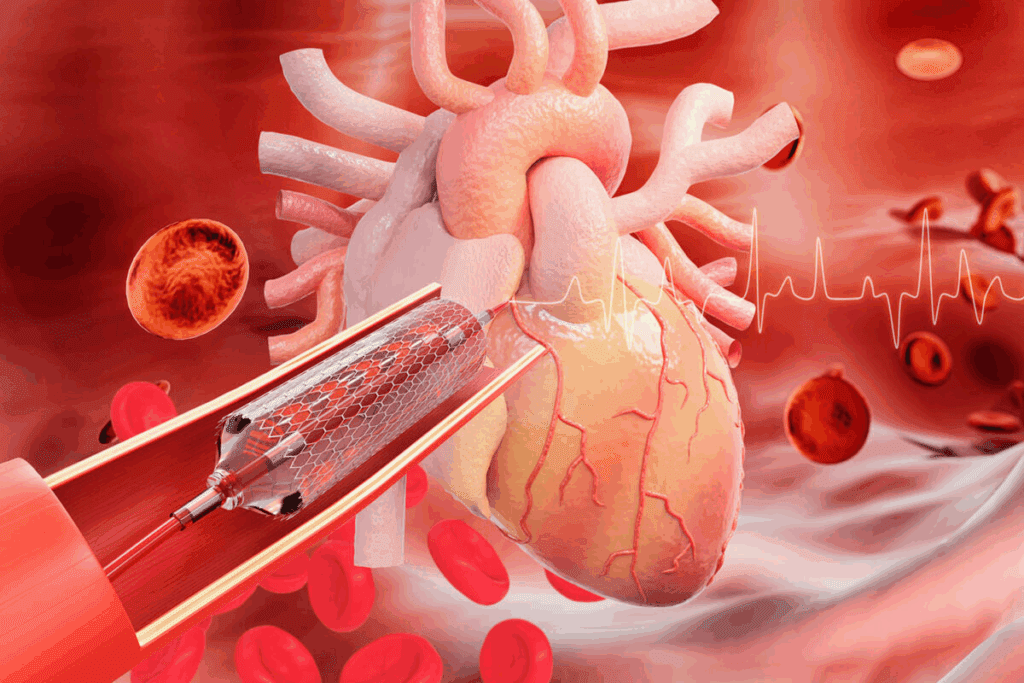
It’s important to know the differences between coronary artery disease (CAD), atherosclerosis, and arteriosclerosis. This knowledge helps in preventing and treating these conditions. At Liv Hospital, we focus on top-notch healthcare that puts our patients first.Understand if is cad the same as atherosclerosis and learn the major differences between these heart conditions.
Atherosclerosis is a specific arteriosclerosis type. It’s marked by plaque buildup in the arteries. CAD, on the other hand, is caused by atherosclerosis in the coronary arteries. Knowing these details is key to understanding their effects on heart health.
Key Takeaways
- Atherosclerosis is a type of arteriosclerosis involving plaque buildup.
- CAD is caused by atherosclerosis affecting the coronary arteries.
- Liv Hospital provides evidence-based, patient-centered care for these conditions.
- Understanding these differences is key to effective prevention and treatment.
- Our commitment is to deliver world-class medical outcomes.
Cardiovascular Disease: Understanding the Arterial Conditions
Arterial conditions are key parts of heart disease. They need a detailed look to diagnose and treat them right. We know how complex these issues are and how important clear terms are for good care.
The Spectrum of Arterial Diseases
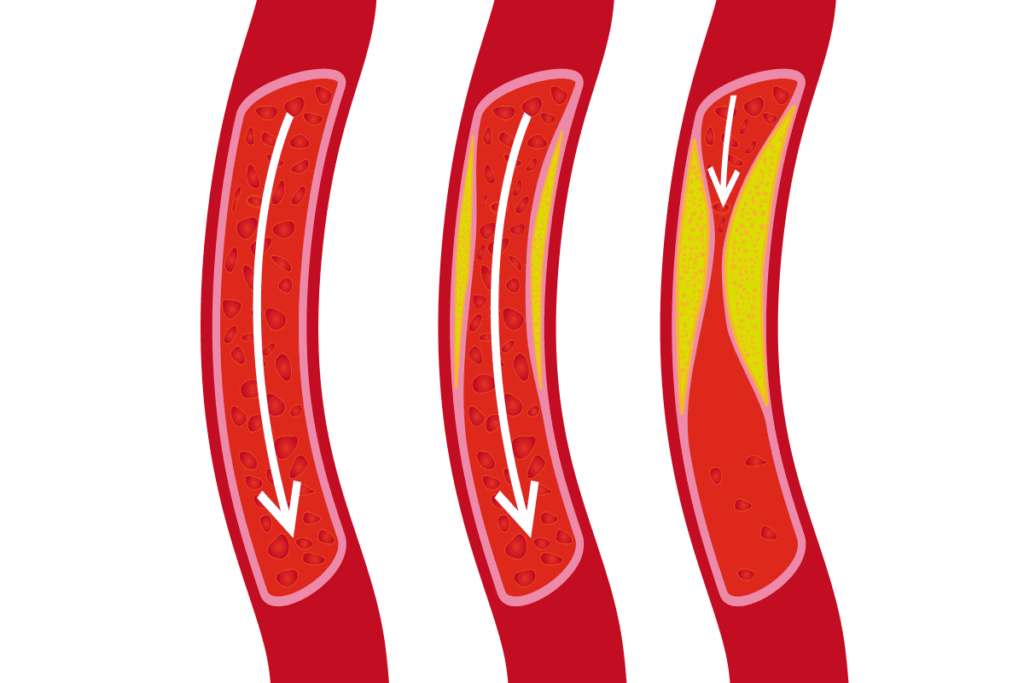
Arterial diseases include atherosclerosis and arteriosclerosis. Atherosclerosis is when plaque builds up in artery walls, making them hard and narrow. Arteriosclerosis is when arteries get hard, due to aging or high blood pressure.
Knowing the difference between these is key for the right treatment. For example, treating atherosclerosis means fixing the plaque buildup, like with high cholesterol or smoking.
Why Terminology Matters in Diagnosis and Treatment
Getting a diagnosis right depends on using the right medical words. Atherosclerosis and arteriosclerosis might sound similar, but they mean different things for treatment.
| Condition | Description | Common Causes |
| Atherosclerosis | Buildup of plaque within arterial walls | High cholesterol, smoking |
| Arteriosclerosis | Hardening of arteries | Aging, hypertension |
Knowing these differences helps doctors create better treatment plans. This leads to better health for patients. We stress the need for clear terms in heart care.
What Is Arteriosclerosis?
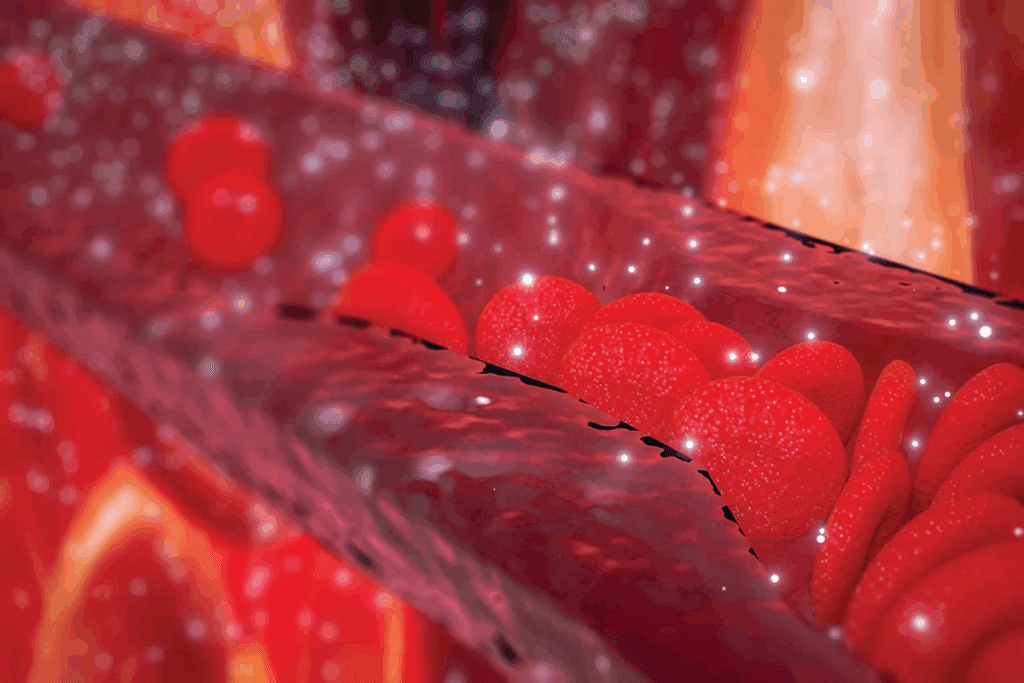
Arteriosclerosis is a condition where arteries become thick and hard. This can block blood flow, leading to heart attacks and strokes. We’ll look at what it is, its types, and risk factors to understand it better.
Definition and Basic Pathophysiology
Arteriosclerosis makes arteries hard and thick. This can happen in the inner or middle layers of the artery. It makes arteries less flexible, raising the risk of heart problems.
The process involves many cellular and molecular interactions. Lipids, inflammatory cells, and fibrous elements build up in arteries. Knowing this helps us find ways to prevent and treat it.
Types of Arteriosclerosis
There are different types of arteriosclerosis. The most common is atherosclerosis, where plaques build up. Other types include arteriolosclerosis and medial arterial calcification.
- Atherosclerosis: The most prevalent form, characterized by the accumulation of lipid-rich plaques.
- Arteriolosclerosis: Affects the small arteries and arterioles, often associated with hypertension.
- Medial arterial calcification: Involves the calcification of the medial layer, commonly seen in diabetes and aging.
Risk Factors and Prevalence
Factors that increase the risk of arteriosclerosis include age, high blood pressure, diabetes, high cholesterol, and smoking. It’s more common in men and gets worse with age. Changing your lifestyle and managing risk factors can help prevent it.
Knowing the risk factors and how common arteriosclerosis is helps us find ways to prevent it. Early detection and managing risk factors are key to fighting heart disease.
What Is Atherosclerosis?
Atherosclerosis is a condition where plaque builds up in the arteries. This can lead to heart diseases, like coronary artery disease (CAD). When it affects the coronary arteries, it’s called coronary atherosclerosis. This can really harm your heart health.
The buildup in arteries includes fatty deposits and cholesterol. Over time, this can make the arteries narrow and harden. This restricts blood flow. Knowing how atherosclerosis forms is key to preventing and managing it.
If not treated, atherosclerosis can cause serious problems. These include heart attacks, strokes, and peripheral artery disease. It’s important to know the risks and symptoms early to get treatment.
An atherosclerosis diagram shows how plaque builds up and affects arteries. Seeing this can help people understand why a healthy lifestyle is important. It shows how to manage risks to prevent atherosclerosis.
FAQ
What is the difference between atherosclerosis and arteriosclerosis?
Atherosclerosis is a specific condition where plaque builds up in artery walls. Arteriosclerosis is when arteries harden or stiffen. Atherosclerosis can lead to arteriosclerosis.
What is atherosclerosis of the coronary arteries?
Atherosclerosis of the coronary arteries is when plaque builds up in heart arteries. This can cause heart disease. It may lead to chest pain and heart attacks.
What are the risk factors for developing atherosclerosis?
High blood pressure, high cholesterol, and smoking are risk factors. Diabetes, obesity, and family history also play a role.
How is atherosclerosis diagnosed?
Doctors use tests like angiography and ultrasound to diagnose atherosclerosis. Blood tests also check for high cholesterol.
What are the symptoms of atherosclerosis?
Symptoms vary but can include chest pain and shortness of breath. Leg pain and fatigue are also common.
Can atherosclerosis be treated?
Yes, treatment includes lifestyle changes and medications. Options include statins and beta blockers. Surgery like angioplasty may also be used.
What is the definition of atherosclerotic disease?
Atherosclerotic disease is when plaque builds up in arteries. This leads to artery hardening.
How does atherosclerosis affect overall health?
It increases the risk of heart disease and strokes. It can lead to serious health issues.
What is the difference between atherosclerosis and CAD?
Atherosclerosis can cause CAD. CAD is when coronary arteries narrow or block. This can lead to heart attacks.
Can atherosclerosis be prevented?
Yes, prevention is possible. Healthy lifestyle choices are key. This includes a good diet, exercise, and not smoking.
References:
Beta-blockers in Atrial Flutter – Slows heart rate and controls ventricular response in atrial flutter.