Last Updated on November 26, 2025 by Bilal Hasdemir
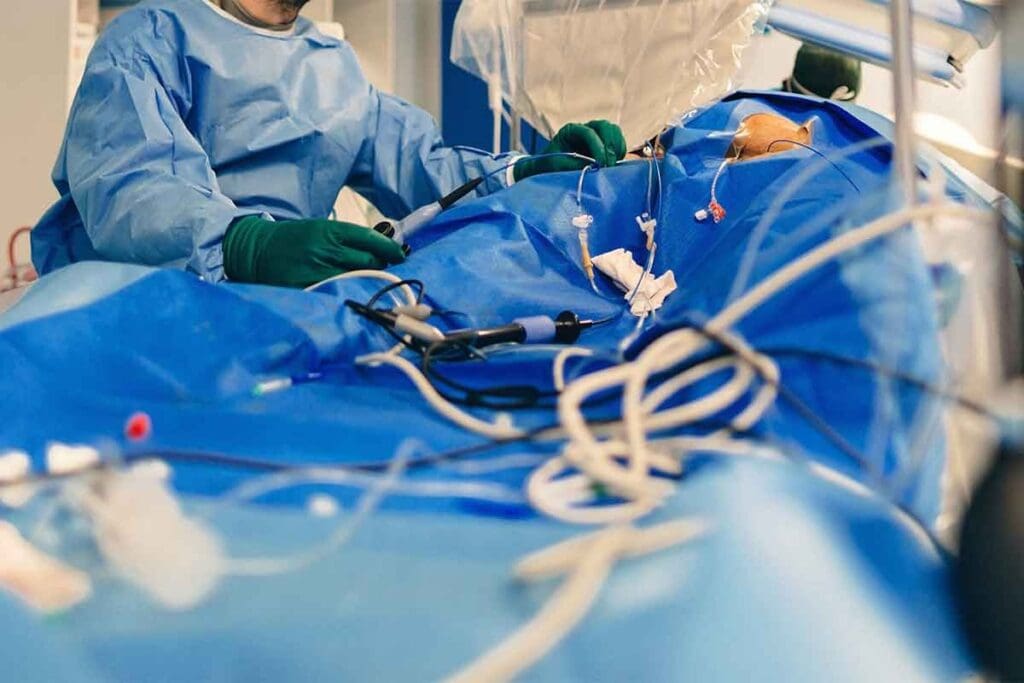
Catheter ablation is a minimally invasive procedure used to treat arrhythmias by targeting and scarring small areas of heart tissue that trigger abnormal electrical signals, and many patients ask, “is catheter ablation safe” before deciding on treatment. For most people, it’s considered safe and effective when performed by experienced teams, with benefits including symptom relief, fewer hospital visits, and reduced reliance on medications. As with any procedure, risks exist—such as bleeding at the catheter site, cardiac tamponade, stroke, or rare damage to surrounding structures—so careful pre‑procedure assessment, imaging, and anticoagulation management are essential. At Liv Hospital, care pathways emphasize international best practices, advanced mapping technologies, and dedicated recovery protocols to enhance safety and outcomes. Patients can prepare by reviewing medications, arranging a ride home, and following fasting instructions; after ablation, expect same‑day or next‑day discharge, short‑term activity limits, and a follow‑up plan to monitor rhythm stability. If symptoms persist or recur, options may include medication adjustment, repeat ablation, or alternative strategies guided by an electrophysiologist.
Key Takeaways
- Catheter ablation is a minimally invasive procedure to treat arrhythmias.
- The procedure involves creating scars to stop irregular heart rhythms.
- Liv Hospital provides patient-centered care for individuals undergoing cardiac ablation.
- While generally safe, cardiac ablation carries certain risks.
- Understanding these risks is key for patients considering this treatment.
Understanding Catheter Ablation of the Heart
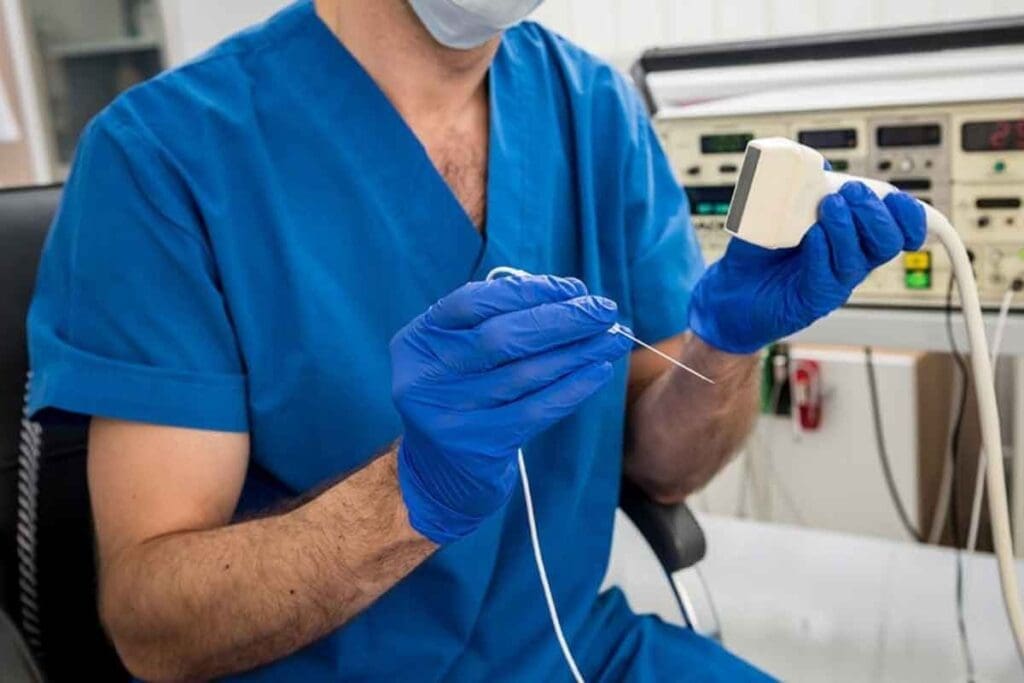
Learning about catheter ablation is key for those facing heart rhythm problems. This medical procedure aims to fix irregular heartbeats by destroying the bad electrical paths in the heart.
The method uses thin, flexible tubes called catheters to send energy to the heart. This energy, like heat or cold, makes lesions that stop the bad signals.
What Is Catheter Ablation?
Catheter ablation is a minimally invasive procedure for heart rhythm issues. A skilled cardiologist performs it in an electrophysiology lab. The process starts with catheters inserted through a leg vein, guided by X-rays to the heart.
With the catheters in place, the doctor finds the arrhythmia source. Then, they use energy to make the needed lesions.
Common Types of Arrhythmias Treated with Ablation
Catheter ablation treats several arrhythmias, including:
- Supraventricular Tachycardia (SVT): A fast heartbeat starting above the ventricles.
- Atrial Flutter: A fast atrial beat.
- Atrial Fibrillation: The most common serious arrhythmia, with fast and irregular heartbeats.
These conditions can really affect a person’s life, causing symptoms like palpitations, shortness of breath, and fatigue. Catheter ablation can be a cure for many.
Is Catheter Ablation Safe? Examining the Evidence
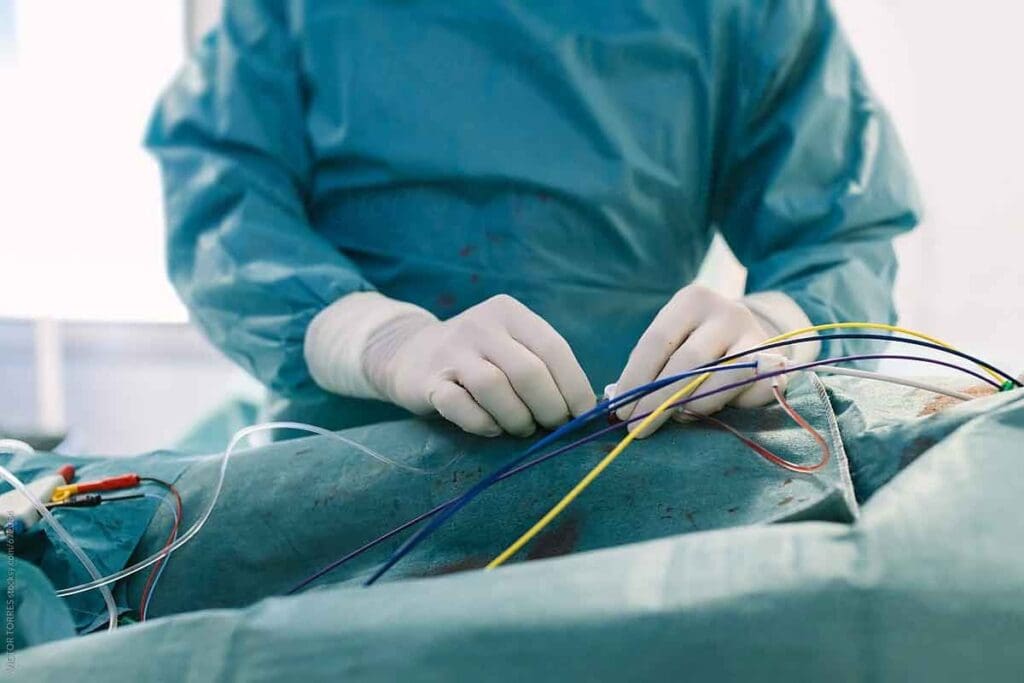
Catheter ablation’s safety and success have been well-studied. Clinical trials offer insights into their effectiveness and risks.
Success Rates of Catheter Ablation
The success of catheter ablation depends on the arrhythmia type. For example, atrial fibrillation ablation often keeps the heart in rhythm 60% to 80% of the time after one treatment.
More procedures can lead to even better results. A study in a top cardiology journal found success rates up to 90% after multiple treatments for some arrhythmias.
Overall Safety Profile Based on Clinical Studies
Many studies show that catheter ablation is safe in skilled hands. The major complication rate is about 4-6%, studies agree.
| Study | Major Complication Rate | Success Rate |
| Study A | 4.2% | 75% |
| Study B | 5.5% | 80% |
| Study C | 4.8% | 70% |
These findings suggest that catheter ablation is mostly safe. Its benefits in treating hard-to-treat arrhythmias outweigh the risks.
Major Complication Rates and Statistics
Major complications from catheter ablation are rare but serious. Capitol Cardiology Associates says complications include bleeding, infection, and damage to blood vessels or the heart. It’s key for patients and doctors to know these risks.
Understanding the 4-6% Complication Rate
The major complication rate for catheter ablation is about 4-6%. This means 4 to 6 out of 100 patients might face a major issue. A study shows that better technology and techniques have lowered these rates.
“The improvement in catheter technology and the increasing experience of operators have contributed to a reduction in complication rates.”
This 4-6% rate includes serious problems like cardiac tamponade, stroke, and pulmonary vein stenosis. These issues can greatly affect a patient’s health and recovery.
Factors That Influence Complication Rates
Several things can change the risk of complications with catheter ablation. The skill and experience of the practitioner doing the procedure are very important. Places that do more procedures tend to have fewer complications because the team is more skilled.
Also, patient factors like underlying health conditions and age can affect the risk. People with severe heart disease or other health issues might face higher risks during or after the procedure.
Knowing these factors and the overall complication rate helps patients make better choices. Patients need to talk about their specific risks with their doctor.
Catheter Ablation Death Rate: What the Data Shows
Looking into catheter ablation’s mortality statistics is key to understanding its risks. This procedure treats heart rhythm disorders. Knowing its safety is vital for both patients and doctors.
Mortality Statistics from Large-Scale Studies
Many studies have looked into catheter ablation’s death rate. They all agree it’s very low, under 1%. A big study in a top cardiology journal found a 0.2% death rate in over 10,000 patients.
Comparing Risks to Other Cardiac Procedures
To understand catheter ablation’s risks better, let’s compare them to other heart procedures. Here’s a table showing mortality rates for different cardiac interventions:
| Procedure | Mortality Rate (%) |
| Catheter Ablation | 0.1-0.5 |
| Coronary Artery Bypass Grafting (CABG) | 1-3 |
| Percutaneous Coronary Intervention (PCI) | 0.5-1.5 |
| Heart Transplant | 5-10 (1-year survival) |
The table shows that catheter ablation has a low death rate. This makes it a safe option when done by skilled doctors on the right patients.
Key Takeaway: The death rate for catheter ablation is usually under 1%. This makes it safer than many other heart procedures.
Potential Serious Complications of Heart Ablation
Heart ablation is usually safe but can have serious risks. Patients need to know these risks to make good treatment choices.
Cardiac Tamponade: Causes and Management
Cardiac tamponade is a serious issue with heart ablation. It happens when fluid builds up around the heart, which can be dangerous. To fix it, doctors often do a procedure called pericardiocentesis to remove the fluid.
Stroke Risk During and After Ablation
The risk of stroke is another concern with heart ablation. This can happen because of blood clots. To lower this risk, doctors may give blood thinners before and after the procedure. For more info, visit StopAfib.org.
Pulmonary Vein Stenosis
Pulmonary vein stenosis is another possible problem. It’s when the veins leading to the lungs get too narrow. This can cause breathing issues and coughing. Doctors might use angioplasty or stenting to widen these veins again.
Knowing about these serious complications is key for patients thinking about heart ablation. Being informed helps them make the best choices for their treatment.
Minor Risks and Common Side Effects
Knowing about minor risks and common side effects of catheter ablation helps patients get ready. This procedure is safe and effective for many heart rhythm disorders. But, like any medical treatment, there are possible complications.
Minor complications might include bruising and discomfort at the catheter site. These issues are usually temporary and manageable.
Infection and Bleeding Complications
Infection and bleeding are possible minor complications. Infection is rare but can happen with any invasive procedure. Bleeding can range from minor bruising to serious bleeding, but serious cases are rare.
To lower these risks, patients often get antibiotic prophylaxis and close monitoring during and after the procedure.
Vascular Access Complications
Vascular access complications, like hematoma or pseudoaneurysm, can happen but are rare. These issues are linked to the site where the catheter is inserted.
Good post-procedure care and monitoring can quickly spot and manage these problems. This helps reduce their impact.
Understanding these minor risks and common side effects helps patients navigate their catheter ablation experience better.
How Long Is an Ablation Procedure? Timeline Expectations
Many patients ask how long a catheter ablation procedure takes. The answer varies based on several factors. Most procedures last between 2-4 hours. But some complex cases might take longer, up to four hours.
Factors Affecting Procedure Duration
Several things can change how long a procedure lasts. These include:
- The type and complexity of the arrhythmia being treated
- The patient’s overall health and medical history
- The experience and skill level of the electrophysiologist performing the procedure
- The need for additional diagnostic tests during the procedure
The complexity of the arrhythmia is a big factor. More complex cases need more time and care to treat right.
Pre-Procedure Preparation Time
Before the procedure, there’s also prep time to consider. This includes:
- Initial consultation and evaluation
- Pre-procedure testing, such as blood work and imaging studies
- Medication adjustments as necessary
- Pre-procedure instructions, such as fasting requirements
Following your doctor’s instructions is key to a smooth procedure. Knowing what affects procedure time and prep helps patients prepare well for treatment and recovery.
After Effects of Catheter Ablation: Recovery Process
The recovery from catheter ablation varies, but most find it smooth. This procedure treats heart rhythm disorders. Knowing the recovery helps manage expectations and ensures success.
Immediate Post-Procedure Experience
Right after the procedure, patients are watched for hours in a recovery area. This is to catch any immediate issues and manage pain. Most can go home the same day, but some might need to stay overnight.
The first hours after the procedure may include:
- Discomfort or pain at the catheter site
- Fatigue or feeling tired
- Mild chest discomfort
These symptoms are usually mild and short-lived. They often go away within a few days. Rest and avoiding hard activities are key during this time.
Long-Term Recovery Timeline
The recovery time after catheter ablation varies. Most can get back to normal in a few days to a week. But, it’s important to follow the doctor’s specific advice, as it can vary based on the case.
A study found mostthat patients get back to normal in 7-10 days. Some might feel heart issues like palpitations or irregular beats as the heart heals. These usually go away over time.
To recover well, patients should:
- Follow the post-procedure instructions from their healthcare team
- Go to all follow-up appointments
- Tell their healthcare team about any concerning symptoms or issues
Understanding the recovery from catheter ablation helps prepare for the procedure and healing. This leads to a better outcome.
What Is an Ablation Catheter? Technology and Advances
Ablation catheters are advanced medical tools. They treat irregular heartbeats by sending energy to specific heart areas.
Types of Ablation Energy Sources
Ablation catheters use different energy types to fix heart issues. The main ones are:
- Radiofrequency (RF) Ablation: It heats and scars the heart tissue with high-frequency energy.
- Cryotherapy: It freezes and stops the bad electrical paths with extreme cold.
- Laser Ablation: It uses laser energy to make precise lesions in the heart tissue.
Each energy type works best for certain heart problems and patient needs.
Recent Technological Improvements in Catheter Design
Recent years have brought big changes to ablation catheter tech. These changes make them work better and safer. Some key updates are:
- Enhanced Navigation Systems: New mapping tech helps find and target heart issues more accurately.
- Improved Catheter Flexibility: Today’s catheters are more flexible. This makes them easier to move inside the heart.
- Contact Force Sensing: This feature makes sure the catheter tip touches the heart correctly. It makes the treatment more effective.
These new features have led to better results and fewer problems in ablation procedures.
The Importance of Physician Experience and Hospital Volume
Physician experience and hospital volume are key to safe and effective catheter ablation. This complex procedure needs a skilled and precise approach. Choosing the right healthcare provider is very important.
How Provider Experience Affects Outcomes
Research shows that more experienced operators get better results. Experienced doctors are better at dealing with problems and have honed their skills. This leads to better success rates and fewer risks.
A study in a respected medical journal found that hospitals doing more catheter ablations have fewer complications. This shows why it’s important to choose experienced doctors.
Questions to Ask Your Potential Provider
When picking a healthcare provider for catheter ablation, ask about their experience and the hospital’s volume. Important questions include:
- How many catheter ablation procedures has the physician performed?
- What is the hospital’s annual volume of catheter ablations?
- What are the complication rates for the procedure at the hospital?
- What measures are in place for handling possible complications?
By asking these questions, patients can make smart choices about their care. They ensure they get treatment from experienced professionals in a good setting.
Choosing a skilled provider is key to reducing risks and getting a good outcome. So, patients should focus on their healthcare provider’s experience and the hospital’s volume when planning for catheter ablation.
Preparing for a Catheter Ablation Procedure
Getting ready for a catheter ablation is important. It includes tests and adjusting medications. This helps make the procedure go smoothly and lowers risks.
Before the procedure, patients must go through some evaluations. These checks make sure they’re good candidates for catheter ablation.
Pre-Procedure Testing and Evaluation
Testing before the procedure is key. It checks the heart’s health and looks for risks. Tests might include:
- Electrocardiogram (ECG) to check heart rhythm
- An echocardiogram to see how the heart works
- Blood tests for underlying conditions
- Imaging tests like MRI or CT scans to see the heart
These tests help the doctor understand the patient’s heart better. This way, they can plan the procedure well.
| Test | Purpose |
| Electrocardiogram (ECG) | Check heart rhythm and find arrhythmias |
| Echocardiogram | Look at the heart structure and function |
| Blood Tests | Find underlying conditions like infections or imbalances |
Medication Adjustments Before Ablation
Changing medications is often needed before catheter ablation. Some drugs might need to be stopped or changed to lower risks during and after the procedure.
For example, blood thinners might be adjusted or stopped to prevent bleeding. It’s important to follow the doctor’s advice on medication changes.
Patients should tell their doctor about all medications they take. This includes over-the-counter drugs and supplements. This helps avoid any bad interactions or problems.
Conclusion: Weighing the Benefits Against the Risks
Catheter ablation is a top choice for treating heart arrhythmias. It offers many benefits for patients. Yet, it also comes with some risks. But for many, the good outweighs the bad.
Research shows that combining hybrid ablation with catheter ablation can boost success rates. Bu, it might also raise the chance of complications. It’s important to weigh both sides before making a choice.
Having a skilled doctor is key to reducing risks and getting good results. Patients should talk openly with their doctors about the risks and benefits. This way, they can make a well-informed decision about catheter ablation.
FAQ
How long is an ablation procedure?
An ablation procedure usually lasts between 2 to 4 hours. This time can vary based on the arrhythmia’s complexity and the patient’s condition.
Is cardiac ablation dangerous?
Cardiac ablation is mostly safe but comes with some risks. Serious complications like cardiac tamponade, stroke, and pulmonary vein stenosis can happen in about 4-6% of cases.
What are the chances of dying from an ablation?
The death rate from catheter ablation is very low. Studies show it’s less than 1%. This shows the procedure is safe when done by experts.
How safe is catheter ablation?
Catheter ablation is considered safe. It has a high success rate for treating certain arrhythmias. Serious complications are rare when done by skilled doctors.
What is an ablation catheter?
An ablation catheter is a special device used to treat arrhythmias. It delivers energy to the heart to destroy abnormal pathways. It has seen a lot of technological improvements recently.
How long is the ablation procedure time?
The actual procedure time is 1 to 3 hours. But patients should plan to spend several hours at the hospital for preparation and recovery.
What are the risks of cardiac ablation?
Cardiac ablation’s risks include serious complications like cardiac tamponade, stroke, and pulmonary vein stenosis. Minor risks include infection, bleeding, and vascular access issues.
Is catheter ablation safe?
Yes, catheter ablation is safe. It has a strong safety record from clinical studies. But, like any medical procedure, there are risks and complications.
How dangerous is heart ablation?
Heart ablation, or catheter ablation, has some risks. But the danger is low when done by experienced doctors in a proper setting.
What are the aafter-effectsof catheter ablation?
After catheter ablation, patients might feel some discomfort, bruising, or swelling. They need to rest for a few days. Most can get back to normal activities in a week or two.
What should I expect during the recovery process after catheter ablation?
During recovery, patients are monitored for hours after the procedure. They might feel some discomfort or soreness. They should follow their doctor’s instructions on medication, activity level, and follow-up care.
Reference
- Cheng, R. (2012). Risks from catheter ablation of atrial fibrillation: Impact of technique, patient selection, and operator experience. PMC, https://pmc.ncbi.nlm.nih.gov/articles/PMC5153199/