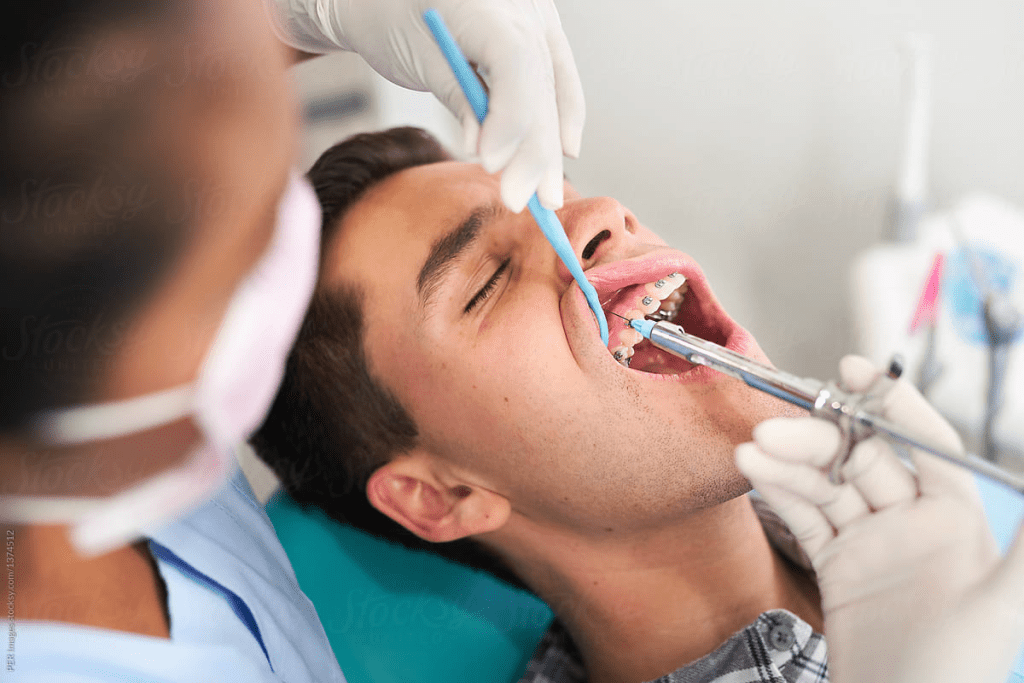
Dental work for toddlers often uses general anesthesia. Parents worry about the safety of this. It’s important to look at the latest research and expert advice to ease these worries.
Recent guidelines from the American Academy of Pediatrics (AAP) and the American Academy of Pediatric Dentistry (AAPD) have been updated. They ensure safety during deep sedation or general anesthesia for kids. Top hospitals like Liv Hospital focus on safety and quality for young patients.
Key Takeaways
- General anesthesia for dental work in 2-year-olds can be safe in a hospital setting with proper monitoring.
- The American Academy of Pediatrics and the American Academy of Pediatric Dentistry have updated guidelines to ensure safety during deep sedation or general anesthesia.
- Top-tier hospitals prioritize safety and quality for young children undergoing dental procedures.
- Understanding the risks and benefits is key for parents considering dental work for their toddlers.
- Pediatric sedation dentistry is a specialized field that requires expertise and proper facilities.
The Safety Profile of Dental Sedation for Toddlers
Parents need to know about dental sedation safety for their toddlers. Dental sedation, like general anesthesia, helps young kids stay calm and pain-free during dental visits.
Why Dental Anesthesia Might Be Necessary for a 2-Year-Old
Dental anesthesia is used when routine dental care isn’t enough for young children. For a 2-year-old, extensive dental work might be necessary to address issues such as early childhood caries, which can be painful and potentially lead to more serious complications if not treated properly.
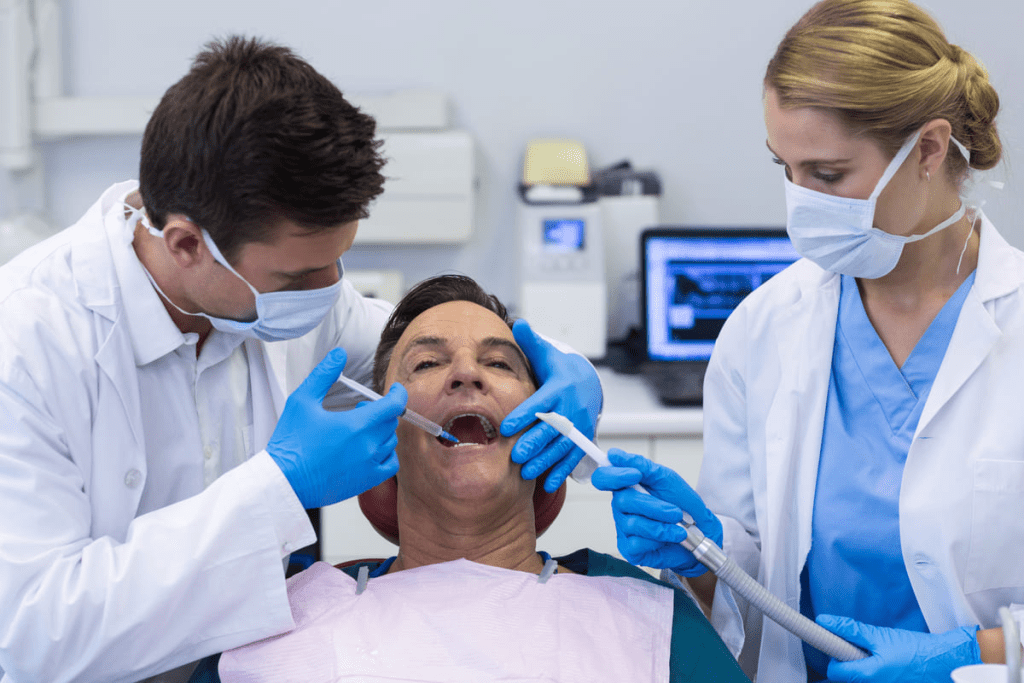
The idea of anesthesia for a child can worry parents. But advances in pediatric anesthesia and sedation have significantly improved safety profiles. The American Academy of Pediatrics (AAP) and the American Academy of Pediatric Dentistry (AAPD) have guidelines. These require at least two people trained in advanced life support measures to be present during the procedure, ensuring a high level of safety.
General Safety Overview Based on Current Research
Studies on dental sedation for toddlers show promising results. A major study looked at 22,615 dental cases in children ages 1“6 who received general anesthesia in hospitals. It found no deaths. This study highlights the safety of dental anesthesia when given in a controlled setting with proper monitoring and care.
The safety of dental sedation is also boosted by strict guidelines and protocols. These include careful patient selection, monitoring during the procedure, and post-anesthesia care. By sticking to these guidelines, dental professionals can reduce risks linked to sedation and anesthesia.
In summary, the safety of dental sedation for toddlers is a key concern. But current research and guidelines offer a solid foundation for safe practices. Understanding the need and safety steps for dental anesthesia helps parents make better choices for their child’s dental care.
7 Key Safety Statistics Parents Should Know
It’s important for parents to know about dental anesthesia safety for toddlers. You might worry about anesthesia safety for your child. Here are some key stats to help you understand the risks and benefits of dental sedation for young kids.
Hospital Setting Success Rates
A big study with 22,615 cases showed dental sedation is safe and works well in hospitals. Success rates in these controlled places are very high. This gives parents peace of mind when thinking about dental procedures for their toddlers under anesthesia.
Outpatient Dental Center Risk Percentages
But, in outpatient dental centers, about 1 in 12 cases have bad outcomes with deep sedation. More than 47% of these problems are because of sedation quality. And 37% are because of airway and breathing issues. These numbers show how important the place and the team giving the sedation are.
Age-Related Risk Factors for 2-Year-Olds
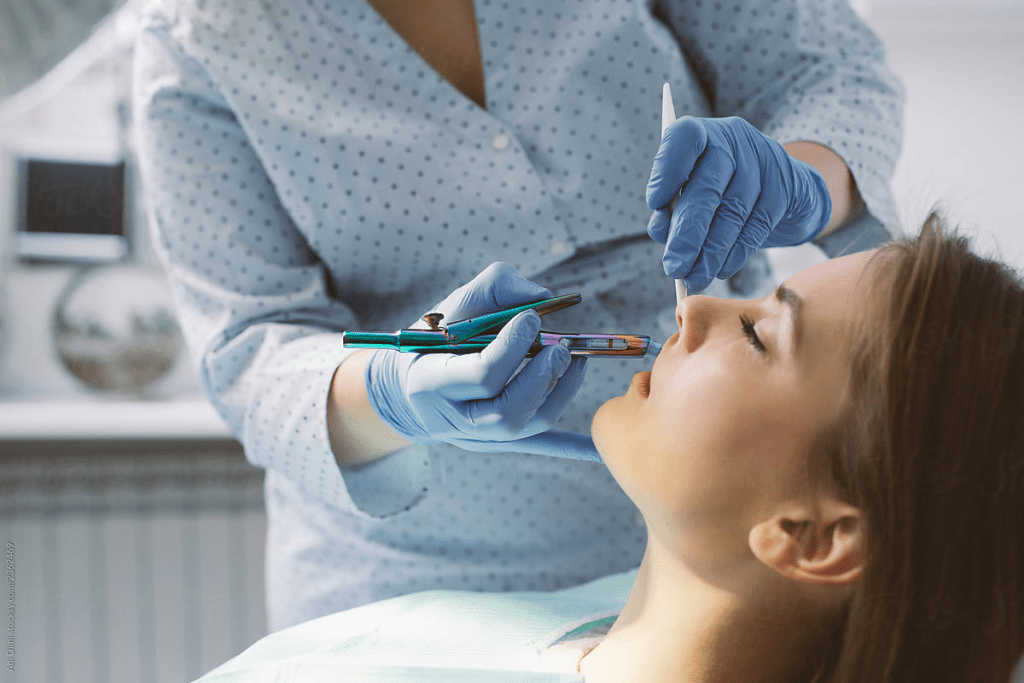
Children under 2 face a higher risk of problems during sedation because their bodies are not fully grown. Knowing these age-related risk factors is key for parents and doctors to choose the safest dental care.
Choosing between sedation vs general anesthesia and IV sedation vs general anesthesia depends on many things. These include the child’s health, how complex the procedure is, and what the anesthesiologist suggests. Making sure anesthesia is safe means looking at these factors closely and watching the child during the procedure.
5 Most Common Adverse Events During Pediatric Dental Sedation
Pediatric dental sedation is generally safe but can have some risks. Knowing these can help parents prepare and understand what to expect.
Breathing and Airway Complications
Breathing and airway issues are big concerns, making up 37% of problems. These can be mild, like oxygen desaturation, or serious, like airway blockage. The risk of oxygen desaturation is between 1.8% and 13.7%, showing the need for close monitoring.
Dental and anesthesia teams use pulse oximetry to monitor oxygen levels. They also make sure the child’s airway is clear. This might mean adjusting the sedation or using special devices.
Sedation Quality Issues
Sedation quality problems are common, making up 47% of issues. These can be too much sedation or too little. Too much can cause breathing problems, while too little can make the child uncomfortable or need more help.
To fix these problems, the team carefully adjusts the sedative dose. They might use different sedatives or change the sedation level during the procedure.
Post-Procedure Complications
After the procedure, issues like nausea and vomiting are big worries. About 20% of kids get these symptoms, which can upset both the child and parents. It’s important to manage these symptoms well for a smooth recovery.
To reduce nausea and vomiting, doctors use antiemetic meds and make sure the child drinks enough before leaving. Parents should know how to handle these symptoms at home and when to get help if they don’t get better.
By knowing about these risks and how they are handled, parents can feel more ready for their child’s dental sedation.
Hospital vs. Outpatient Settings: Where Is Anesthesia Safest?
The place where a toddler gets anesthesia for dental work is very important for their safety. The setting can greatly affect a young child’s well-being during medical procedures.
Why Hospital Settings Show Better Safety Outcomes
Hospitals are safer for giving anesthesia to toddlers for several reasons. They have the latest life-saving tools and emergency gear. They also have a team of experts, including pediatric anesthesiologists, ready to handle emergencies.
Key advantages of hospital settings include:
- Immediate access to emergency services and equipment
- A team of specialists experienced in pediatric care
- Adherence to rigorous safety protocols and guidelines
Liv Hospital, for example, focuses on the highest safety standards. They follow the latest academic guidelines to ensure top care for young patients.
Risk Factors in Office-Based Dental Procedures
Office dental procedures are convenient but risky for young children. A big worry is the chance of serious problems because of the lack of full emergency care. Studies show that most deaths in young children happen in offices, not hospitals.
Notable risk factors include:
- Limited availability of emergency equipment and personnel
- Variability in the training and experience of the dental team with pediatric anesthesia
- Inadequate pre-procedure assessment and monitoring
Questions to Ask About the Facility
When thinking about anesthesia for your child’s dental work, ask about safety and the team’s qualifications. Parents should ask:
- What emergency equipment is available on site?
- What is the qualification and experience level of the anesthesia team?
- Are there protocols in place for handling emergencies, and are they regularly updated and practiced?
Understanding the differences between hospital and outpatient settings helps parents make better choices. Asking the right questions ensures the safest care for their child.
The Critical Difference Between General Anesthesia and Sedation
It’s important for parents to know the difference between general anesthesia and sedation for their kids. Both help manage pain and anxiety during dental procedures. But they work in different ways and have different effects on the body.
Types of Dental Sedation Available for Young Children
Dental sedation for kids includes options like minimal sedation and general anesthesia. Nitrous oxide, or ‘laughing gas,’ is a mild sedative. It helps kids relax. Other sedation types include oral and intravenous sedation, each with its own use and safety.
The right sedation depends on the child’s age, health, and the dental procedure’s complexity. Parents should talk to their dentist or pediatrician to choose the best option.
When General Anesthesia Is Recommended Over Sedation
General anesthesia is best for complex dental work or when kids can’t cooperate. It makes the child completely unconscious and pain-free. Doctors say it’s good for certain dental procedures.
“The decision to use general anesthesia should be based on a thorough assessment of the child’s needs and the specific requirements of the dental procedure.”
Safety Profiles of Different Sedation Methods
The safety of sedation methods depends on several factors. These include the child’s health, the procedure’s complexity, and the anesthesiologist’s skill. Nitrous oxide is usually safe, but other sedations and general anesthesia have risks. It’s key to have a pediatric anesthesiologist to watch the child’s vital signs and adjust sedation as needed.
- Nitrous oxide: mild sedative, commonly used for its relaxing effects.
- Oral sedation: used for children who need a deeper level of sedation but may not require general anesthesia.
- Intravenous sedation: allows for a more controlled level of sedation, often used in more complex procedures.
- General anesthesia: used for extensive procedures or when other forms of sedation are not suitable.
Knowing the differences helps parents make informed choices for their child’s dental care. This ensures the safest and most effective treatment for their needs.
6 Essential Qualifications Your Child’s Anesthesia Team Should Have
The qualifications of the anesthesia team are key when your child has dental work under anesthesia. Making sure the team is well-qualified can greatly affect your child’s safety and the success of the procedure.
Pediatric Anesthesiology Specialization Requirements
A pediatric anesthesiologist is a doctor with special training in anesthesia for kids. This training is vital because kids are different from adults and need special care. It’s important for parents to check the team’s credentials to make sure they have the right training.
Monitoring Protocols Specific to Toddlers
Monitoring during anesthesia is very important for toddlers because of their small size and growing bodies. The team should use advanced equipment and follow special pediatric care protocols. This includes keeping a close eye on vital signs like heart rate and blood pressure to catch any problems early.
Emergency Preparedness Indicators
Being ready for emergencies is a key skill for the anesthesia team. They should have the right equipment, trained staff, and plans for handling problems. It’s a good idea to ask about their emergency plan, including how they handle allergic reactions or breathing issues.
Choosing the right anesthesia team for your child’s dental work is critical. Look at their qualifications, experience, and readiness for emergencies. This way, you can be sure your child gets the best care and is safe during the procedure.
4 Safer Alternatives to General Anesthesia for Dental Work
Dental work for 2-year-olds often needs some kind of anesthesia or sedation. But general anesthesia isn’t the only choice. Many parents worry about their child getting general anesthesia. So, it’s important to look at safer sedation options for their dental needs.
Minimal and Moderate Sedation Options
Minimal sedation keeps patients awake and able to follow commands. For toddlers, conscious sedation with laughing gas or oral sedation is common. Moderate sedation, or IV sedation, is used for more complex procedures. It helps the child stay relaxed and might not remember the procedure.
Non-Pharmacological Approaches for Minor Procedures
For simple dental work, there are non-medical ways to help. Using toys or videos to distract the child, slowly getting them used to the dentist, and praising them for being brave can make things easier. These methods can make dental visits less scary for young kids.
- Distraction techniques
- Desensitization
- Positive reinforcement
When Alternatives Are Not Appropriate
While there are safer options than general anesthesia, sometimes it’s the only safe choice. For big dental surgeries or when a child can’t cooperate, general anesthesia might be needed. It’s key for parents to talk to their dentist and the anesthesia team to figure out the best plan.
The choice between general anesthesia and other sedation methods depends on the child’s health, the dental procedure’s complexity, and the dental and anesthesia team’s skills.
8 Critical Steps to Prepare Your 2-Year-Old for Dental Sedation
Preparing your child for dental sedation is a big step. It’s important to make sure your child is ready. This can help lower their anxiety and make the visit easier for both of you.
Pre-Procedure Instructions and Fasting Requirements
Following the dentist’s pre-procedure instructions is key. For kids over one, no solid food or non-clear liquids after midnight the night before. This rule helps keep your child safe during the sedation.
- Make sure your child only has clear liquids as told by the doctor.
- Clear liquids include water, clear broth, and Pedialyte.
- It’s very important to stick to these rules to keep your child safe.
Essential Questions to Ask the Dental and Anesthesia Team
Knowing what to expect is important. Ask the dental and anesthesia team lots of questions. This will help you understand their methods and safety plans.
- What kind of sedation will be used, and why?
- What experience does the team have with sedation?
- How will they watch your child’s health during the procedure?
- What are the possible risks, and how will they be handled?
Documentation and Consent Considerations
You’ll need to sign a consent form before the procedure. It’s important to read it carefully and ask questions if you’re not sure.
Make sure you understand the sedation, the procedure, and any risks. If you have worries, talk to your child’s healthcare team.
By following these steps and talking with your child’s dental and anesthesia team, you can make sure your 2-year-old has a safe and successful visit.
Post-Anesthesia Recovery: What to Expect and When to Worry
Knowing what to expect during post-anesthesia recovery can ease your worries as a parent. General anesthesia’s effects can last for hours. Being ready for the recovery process is key.
Typical Recovery Timeline for Toddlers
Your child will be watched closely in a recovery area after the procedure. Recovery times vary, but usually, kids start to feel better in 30 minutes to an hour. But, anesthesia can make them feel sleepy and nauseous.
It’s important to keep your child comfortable and hydrated. Let them rest in a quiet, cozy spot to aid in their recovery.
5 Warning Signs That Require Immediate Medical Attention
While most kids recover well from anesthesia, some signs need quick medical help. These include:
- Severe trouble breathing or fast breathing
- Unusual or ongoing vomiting
- Fever over 100.4 °F (38 °C)
- Signs of an allergic reaction, like rash or swelling
- Being unresponsive or very tired
If you see any of these signs, seek immediate medical help.
Long-Term Monitoring Considerations
Even after the first recovery, keep a close eye on your child. Watch their mood, appetite, and any signs of pain or discomfort. If you’re worried, reach out to your healthcare provider.
Knowing the difference between sedation and general anesthesia helps you make better choices for your child. Always follow the advice from your dental and anesthesia teams for a safe recovery.
Conclusion: Balancing Dental Needs with Anesthesia Safety for Your Toddler
When thinking about sedation dentistry for your toddler, it’s important to balance dental needs with safety. We’ve looked at how safe dental sedation is and the different levels of sedation. Knowing this helps parents make good choices for their child’s dental care.
Sedation dentistry can start as early as 2 years old. There are various levels of sedation, from light to deep anesthesia. This shows that dental care for kids can be safe and effective.
Liv Hospital is a great example of focusing on safety. They follow the latest guidelines to ensure patient safety.
The success of pediatric sedation dentistry depends on careful planning and teamwork. A skilled dental and anesthesia team is essential for a safe and effective procedure.
FAQ’s:
Is dental sedation safe for toddlers?
As a parent, you want to keep your child safe. Dental sedation is safe for toddlers when done by experts in a safe place. It’s important to know the risks and benefits and talk to your dentist or anesthesiologist.
What is the difference between general anesthesia and sedation?
General anesthesia makes a patient completely asleep. Sedation makes a patient relax but stay awake or semi-awake. We use sedation for simple procedures and general anesthesia for more complex ones.
What are the risks associated with dental sedation for toddlers?
Risks include breathing problems, issues with sedation, and nausea after the procedure. But serious problems are rare if done by experienced professionals.
Are there safer alternatives to general anesthesia for dental work?
Yes, there are safer options like minimal and moderate sedation, and non-pharmacological methods for simple procedures. We can find the best option for your child together.
How can I prepare my 2-year-old for dental sedation?
Follow your dentist’s or anesthesiologist’s pre-procedure instructions. Ask questions about the procedure and the team. Make sure you understand the consent and documentation needed.
What should I expect during post-anesthesia recovery?
Your child will be watched closely after the procedure. They might be sleepy at first. Watch for signs of trouble like breathing problems or severe pain.
Is anesthesia safer in a hospital or outpatient setting?
Hospitals are safer because they have more emergency care and monitoring. But many outpatient centers also offer safe anesthesia care. The choice depends on the procedure’s complexity and your child’s health.
What qualifications should the anesthesia team have for my child?
The team should specialize in pediatric anesthesia, follow strict monitoring protocols, and be ready for emergencies. Their qualifications can make you feel more confident in your child’s care.
Can laughing gas (nitrous oxide) knock my child out?
Laughing gas is a mild sedative that relaxes children. It’s not meant to knock them out but to make them more comfortable. Its effects are mild and short-lived.
How do I know if my child is at risk for anesthesia complications?
Age, medical conditions, and the procedure type can affect risk. Your anesthesiologist will check these factors and talk about the risks with you before the procedure.
References
- American Academy of Pediatrics & American Academy of Pediatric Dentistry. (2019). Guidelines for monitoring and management of pediatric patients during and after sedation for diagnostic and therapeutic procedures: An update. Pediatrics, 143(1), e20183422.https://doi.org/10.1542/peds.2018-3422
- Kussick, J., et al. (2014). Anesthesia for pediatric dentistry: An evaluation of mortality risk in outpatient settings. Journal of the American Dental Association, 145(3), 268-275.https://doi.org/10.14219/jada.2013.116



 Departments
 Related Videos
 Our Doctors
 News
News