Last Updated on November 26, 2025 by Bilal Hasdemir
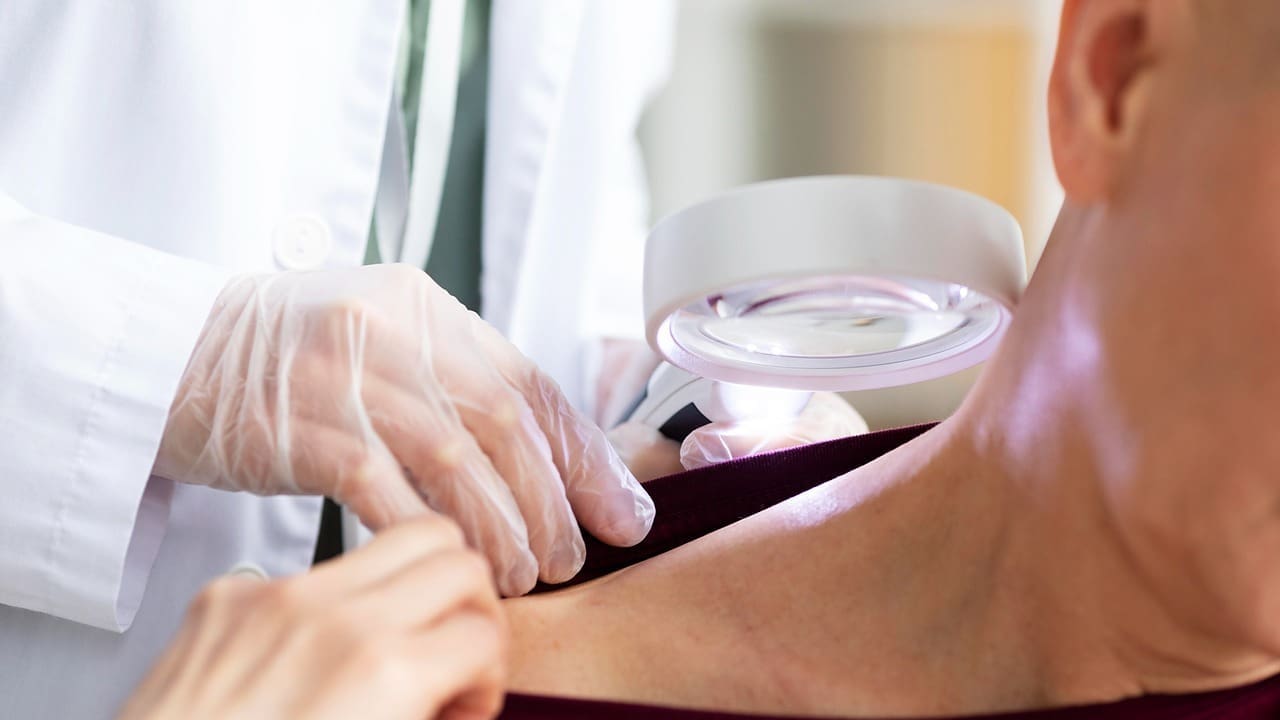
When it comes to treating skin cancer, the choice between Mohs surgery and new options like image-guided SRT is key. This is true, more so for tumors on the face. At Liv Hospital, we know how vital it is to pick the right treatment for each person.
Mohs surgery is a trusted method for treating basal cell carcinoma (BCC). It has a high success rate. Yet, some patients might not be good candidates for surgery or might want other options. That’s where image-guided SRT comes in. It’s a non-invasive choice that could be as effective as Mohs surgery.
We are all about top-notch healthcare and support for our international patients. Our team works hard to find the best treatments. This includes comparing Mohs surgery and image-guided SRT.
Key Takeaways
- Mohs surgery is a standard treatment for basal cell carcinoma (BCC) with high cure rates.
- Image-guided SRT offers a non-invasive alternative for patients not suited for Mohs surgery.
- The choice between Mohs surgery and image-guided SRT depends on individual patient needs.
- Liv Hospital is committed to providing personalized, world-class healthcare.
- Our team explores the best treatment options, including Mohs surgery and image-guided SRT.
Understanding Skin Cancer Treatment Options
Skin cancer rates are rising fast, making it key to know about good treatments. Skin cancer is a big health issue, with more cases happening all over the world. Studies show that new cases are going up, so we need to look at different ways to treat it.
The Rising Incidence of Skin Cancer
Skin cancer cases are growing everywhere, with basal cell carcinoma being the most common. This increase is due to more UV radiation exposure and more older people. So, we need better treatments to fight this health problem.
Importance of Effective Treatment Selection
Choosing the right treatment for skin cancer is very important. Different options, like alternatives to Mohs surgery, have their own benefits and risks. The best treatment depends on the cancer type, stage, patient health, and what the patient wants.
Factors Influencing Treatment Decisions
Many things affect how we choose to treat skin cancer. These include the cancer type and stage, the patient’s health, and what they prefer. Also, where and how big the tumor is matters a lot. Experts say, “the right therapy is key to success.”
“The choice of treatment depends on various factors, including the cancer type, stage, and patient preferences.”
Mohs Surgery: The Gold Standard Treatment
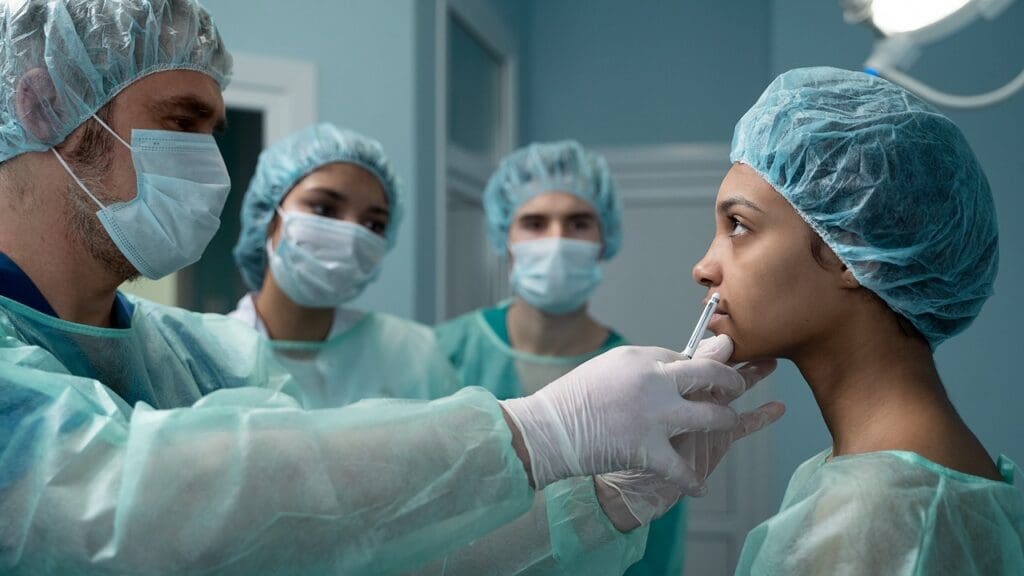
Mohs surgery is seen as the top choice for treating some skin cancers. It’s known for its high success rate and ability to save tissue.
What is Mohs Micrographic Surgery?
Mohs micrographic surgery is a detailed method for removing skin cancer. It involves removing thin layers of skin with cancer and checking them under a microscope. This way, all cancer is removed while keeping healthy tissue.
The Mohs Procedure Step-by-Step
The Mohs procedure has several steps. First, the tumor is removed and a map is made. Then, the tissue is checked for cancer cells. If cancer is found, more tissue is removed and checked again. This keeps going until no cancer is left.
Success Rates and Clinical Outcomes
Mohs surgery has high success rates. It can cure 97% to 99% of certain skin cancers. Its success comes from removing cancer carefully and checking the tissue right away.
Ideal Candidates for Mohs Surgery
People with skin cancers in sensitive areas or where saving tissue is key are good candidates. Those with aggressive or recurring cancers also do well with Mohs surgery.
Limitations and Drawbacks of Mohs Surgery
Mohs surgery is a top choice for treating skin cancer. Yet, it has its downsides. We need to look at the risks and complications that come with it.
Surgical Risks and Complications
Mohs surgery, like any surgery, has risks. These include bleeding, infection, and scarring. Though rare, these issues can affect the outcome and recovery.
Recovery Time and Post-Operative Care
The time it takes to recover from Mohs surgery varies. It depends on the area’s size and location. Patients must follow care instructions closely to avoid problems and ensure healing.
Cosmetic Considerations
Cosmetic results are a big worry for those having Mohs surgery, like on the face. Mohs tries to save healthy tissue. But, it can lead to scarring in some cases.
Patient Populations Where Mohs May Be Contraindicated
Some people might not be good candidates for Mohs surgery. This could be because of their age, health, or certain medical conditions. For them, other treatments might be better.
Image-Guided Superficial Radiation Therapy (IG-SRT) Explained
Image-Guided Superficial Radiation Therapy (IG-SRT) is a new way to treat skin cancer. It’s a non-invasive method that’s different from old surgical ways. IG-SRT is leading the change in treating skin cancer.
Technology Behind Image-Guided SRT
The tech behind IG-SRT uses advanced imaging. This lets doctors target cancer cells precisely. High-resolution imaging helps see the tumor clearly. This way, radiation only hits the tumor, not healthy tissue.
The IG-SRT Treatment Process
The IG-SRT treatment is designed to be easy and quick for patients. It usually takes several sessions over weeks. In each session, the patient lies under the IG-SRT device. Advanced imaging finds and targets the tumor.
Advancements in Precision and Targeting
IG-SRT’s big plus is its precision targeting. Real-time imaging lets doctors fine-tune the treatment. This ensures the tumor gets the right amount of radiation, without harming nearby tissue.
Treatment Duration and Sessions
The number of sessions needed varies by the tumor’s size, type, and location. Most patients need 3 to 5 sessions, each lasting just a few minutes. IG-SRT’s quick and non-invasive nature makes it appealing to those who want to avoid surgery.
| Treatment Aspect | Description | Benefit |
|---|---|---|
| Precision Targeting | Advanced imaging for accurate tumor targeting | Minimizes damage to healthy tissue |
| Treatment Sessions | Multiple sessions over several weeks | Flexible treatment scheduling |
| Session Duration | A few minutes per session | Quick and efficient treatment |
Comparing Cure Rates: IG-SRT vs. Mohs Surgery
Cure rates are key when comparing IG-SRT and Mohs surgery for skin cancer. Both are effective, but results depend on tumor type and location.
Clinical Studies on IG-SRT Efficacy
Many studies have looked into IG-SRT’s effectiveness against skin cancer. They show IG-SRT has high cure rates, mainly for specific skin cancers.
- A study in the Journal of Clinical Oncology found a 95% cure rate for basal cell carcinoma with IG-SRT.
- The Journal of Dermatological Treatment reported a 92% cure rate for squamous cell carcinoma with IG-SRT.
Long-Term Recurrence Data
Long-term data on recurrence is important. For IG-SRT, studies show low recurrence rates over time.
Key findings include:
- A 5-year study found less than 5% recurrence rate for IG-SRT patients.
- Studies suggest IG-SRT and Mohs surgery have similar long-term recurrence rates for some tumors.
Factors Affecting Treatment Success
Success of IG-SRT and Mohs surgery depends on tumor size, location, and type.
Tumors in sensitive areas might do better with IG-SRT. It’s non-invasive and helps keep more tissue.
Tumor Types and Location Considerations
The type and location of the tumor are critical in choosing a treatment.
- IG-SRT is good for face tumors, like those near the eyes, nose, and mouth, because of its precision and cosmetic benefits.
- Mohs surgery is better for big or aggressive tumors. It removes the tumor in one piece.
Healthcare providers can make better choices by understanding these factors and each treatment’s benefits.
Cosmetic Outcomes and Patient Satisfaction
When choosing skin cancer treatment, cosmetic results matter a lot. Image-Guided Superficial Radiation Therapy (IG-SRT) is getting more attention. It’s known for its good looks, perfect for facial treatments.
Aesthetic Results of IG-SRT
IG-SRT gives precise radiation to tumors, leaving healthy tissue alone. This care for detail leads to great looks after treatment. It’s a big plus for those worried about how they’ll look later.
Cosmetic Advantages for Facial Treatments
IG-SRT on the face has big beauty benefits. It’s gentle and keeps skin looking natural. This means less scarring and better looks than surgery.
Patient-Reported Outcomes
People are very happy with IG-SRT, thanks to its looks. They say it’s not painful and they love how they look afterward. It meets their beauty standards.
Before and After Comparisons
Looking at before-and-after photos shows IG-SRT’s success. These pictures are key to seeing if treatment worked well. They show the treatment’s success in looks and health.
In short, IG-SRT is a top choice for skin cancer treatment. It’s great for those with facial lesions because of its beauty benefits and patient happiness.
Exploring Other Mohs Alternatives for Basal Cell Carcinoma
When looking at treatments for basal cell carcinoma, there are options beyond Mohs surgery. Mohs is very effective, but other treatments might be better for some people. This depends on the patient’s condition and what they prefer.
Curettage and Electrodesiccation
This method removes the tumor with a curette and then kills any left-over cancer cells with electrodesiccation. It works well for some basal cell carcinomas, mainly those that aren’t too deep or aggressive.
Cryosurgery
Cryosurgery freezes the cancer cells, causing them to die. It’s less invasive and good for shallow basal cell carcinomas. But, it might not work for deeper tumors.
Photodynamic Therapy (PDT)
PDT uses a light-sensitive drug and light to kill cancer cells. It’s great for treating shallow basal cell carcinomas and looks good afterward.
Topical Medications
Topical treatments like imiquimod cream or 5-fluorouracil are used for shallow basal cell carcinomas. They’re easy to use and can work well for early cancers.
Brachytherapy Options
Brachytherapy puts a small radioactive source close to the tumor. It delivers a lot of radiation to the tumor while protecting healthy tissue.
Hedgehog Pathway Inhibitors
Hedgehog pathway inhibitors, like vismodegib and sonidegib, are pills for advanced basal cell carcinoma. They block the Hedgehog signaling pathway, which is often faulty in basal cell carcinoma.
| Treatment | Effectiveness | Cosmetic Outcome |
|---|---|---|
| Curettage and Electrodesiccation | High for superficial BCC | Variable, possible scarring |
| Cryosurgery | Effective for superficial BCC | Generally good, little scarring |
| Photodynamic Therapy | Effective for superficial BCC | Excellent, little damage to skin |
| Topical Medications | Effective for very superficial BCC | Excellent, non-invasive |
| Brachytherapy | High for localized tumors | Good, precise targeting |
| Hedgehog Pathway Inhibitors | Effective for advanced BCC | Variable, depends on tumor location and size |
Each alternative has its own benefits and drawbacks. The right treatment depends on the basal cell carcinoma’s type and stage, the patient’s health, and their preferences.
Patient Selection: Who Benefits Most from Each Treatment?
Choosing the right treatment for skin cancer depends on many factors. When looking at options like Mohs surgery or Image-Guided Superficial Radiation Therapy (IG-SRT), several important things are considered.
Medical Considerations
Medical factors are key in picking the best treatment. Things like the type and stage of skin cancer, the patient’s health, and any other health issues are looked at. For example, some medical conditions might make surgical options like Mohs surgery not suitable.
Anatomical Location Factors
The spot where the tumor is also matters a lot. Tumors in areas that are important for looks or function might need treatments that work better for these areas, like IG-SRT.
Patient Lifestyle and Preferences
What the patient likes and their lifestyle also affects their treatment choice. For example, someone with a lot going on might choose treatments that are quicker or need fewer visits.
Making the Decision: Questions to Ask Your Dermatologist
When you get a skin cancer diagnosis, it’s key to ask the right questions. This helps you understand your treatment options. You can then choose what’s best for you.
Understanding Your Specific Diagnosis
It’s important to know the type and stage of your skin cancer. Ask your dermatologist to explain it in detail. They should tell you the type and how serious it is.
Evaluating Treatment Success Rates for Your Case
Find out the success rates of the treatments suggested for you. Knowing how likely they are to work helps you make a better choice.
Discussing Possible Side Effects and Complications
Talk about the side effects and complications of each treatment. Knowing what to expect is important. It helps you choose based on what you can handle.
Considering Your Personal Priorities
Think about what matters most to you, like how you look, recovery time, and your overall well-being. Ask your dermatologist how each treatment affects these areas.
By asking the right questions, you can make a choice that fits your needs and values.
Conclusion: Is IG-SRT a True Mohs Alternative?
After comparing IG-SRT and Mohs surgery, we see both have good points and bad. IG-SRT stands out as a good choice for some, being less invasive and effective.
Our study found IG-SRT works as well as Mohs for some skin cancers. It also means less downtime and better looks. Mohs is top for many, but IG-SRT is great for those who don’t want surgery or want something less invasive.
Choosing between IG-SRT and Mohs depends on what each patient needs. IG-SRT is a solid option for some, giving good results and looking great. It gives patients more choices, making care more personal.
In short, IG-SRT is a big step forward in skin cancer treatment. It’s a great choice for patients and doctors
FAQ
What is Mohs surgery, and how does it compare to Image-Guided SRT?
Mohs surgery is a precise way to treat skin cancer. It’s often used for basal cell carcinoma and squamous cell carcinoma. Image-Guided SRT is a non-surgical radiation therapy. It’s an alternative to Mohs surgery for some patients, treating skin cancer in a different way.
Is Image-Guided SRT as effective as Mohs surgery for treating skin cancer?
Studies show Image-Guided SRT can be as effective as Mohs surgery for early-stage basal cell carcinoma. But, the success depends on the tumor’s type, size, and location.
What are the advantages of Image-Guided SRT over Mohs surgery?
Image-Guided SRT is non-invasive, meaning no surgery is needed. This reduces the risk of complications and scarring. It’s great for tumors in sensitive areas or for those who can’t have surgery.
Are there any alternatives to Mohs surgery beside Image-Guided SRT?
Yes, there are many alternatives. These include curettage and electrodesiccation, cryosurgery, photodynamic therapy, topical medications, brachytherapy, and hedgehog pathway inhibitors. The right choice depends on the cancer type, stage, and your health.
How do I choose between Mohs surgery and Image-Guided SRT for my skin cancer treatment?
Choose based on the tumor’s type, size, and location, and your health. Also, consider your personal preferences. Talking to a dermatologist or skin cancer specialist is key to picking the best treatment for you.
What are the cosmetic outcomes of Image-Guided SRT compared to Mohs surgery?
Image-Guided SRT often has better cosmetic results, like for facial treatments. It’s non-invasive, so it doesn’t cause much scarring. Mohs surgery is very effective but can leave scars, depending on the tumor’s location and size.
What should I ask my dermatologist when considering skin cancer treatment options?
Ask about your diagnosis, treatment success rates, side effects, and how each treatment fits your lifestyle. This helps you make an informed choice.
Can Image-Guided SRT be used for all types of skin cancer?
Image-Guided SRT is mainly for basal cell carcinoma. Its use for other cancers depends on the tumor and your health. A dermatologist can tell you if it’s right for you.
What are the long-term recurrence rates for Image-Guided SRT compared to Mohs surgery?
Recurrence rates vary by tumor type and other factors. Mohs surgery is known for high cure rates. But, Image-Guided SRT has shown good results in studies. Your dermatologist can give more specific info based on your case.
References
- National Center for Biotechnology Information (NCBI) / PMC: https://pmc.ncbi.nlm.nih.gov/articles/PMC10539860/
- Schlessinger MD: https://www.schlessingermd.com/mohs-vs-srt-and-ig-srt/