Last Updated on December 2, 2025 by Bilal Hasdemir

Donating bone marrow is a big step that can save lives. But, many worry about the pain it might cause. Over 40,000 bone marrow transplants are performed worldwide each year, showing its importance. Identifying optimal candidates and explaining whether Is it painful to donate bone marrow (under anesthesia).
Donors get general or spinal anesthesia to reduce pain. This means the actual donation procedure is not painful. But, some pain or discomfort might happen after, which can be eased with medicine and rest.
Thinking about a medical procedure can be scary. We aim to give a clear view of what happens during and after bone marrow donation. This should help ease worries and make the process less scary.
Key Takeaways
- Bone marrow donation involves collecting cells from a donor for a transplant.
- Donors receive anesthesia to minimize pain during the procedure.
- Post-procedure discomfort can be managed with medication.
- Understanding the process can help alleviate donor concerns.
- Donors typically require rest after the procedure.
Understanding Bone Marrow Donation

Bone marrow donation is a way to save lives by giving stem cells to those with blood diseases. It’s a big decision, and knowing the process and its benefits is key.
What is Bone Marrow Donation?
Bone marrow donation is when stem cells are taken for a transplant. It starts when someone decides to donate. This process doesn’t hurt and can cure blood cancers or disorders.
Why is it Needed?
It’s needed for patients with blood diseases like leukemia and lymphoma. A transplant can save their lives. Experts say it’s a vital treatment for many blood disorders.
Bone marrow transplantation has become a critical treatment for many blood diseases.
Medical Expert
The Process Explained
To donate, needles are used to take marrow from the hips. The steps include:
- Donor registration and initial screening
- Tissue typing and compatibility testing
- Pre-donation preparation, including medical evaluation and medication
- The actual donation procedure, which may involve general or local anesthesia
- Post-donation care and recovery
Anyone can donate, but donors must be healthy. The process is safe for both the donor and the recipient.
| Donation Process Step | Description |
| Donor Registration | Initial screening and registration of possible donors |
| Tissue Typing | Testing to see if donor and recipient are compatible |
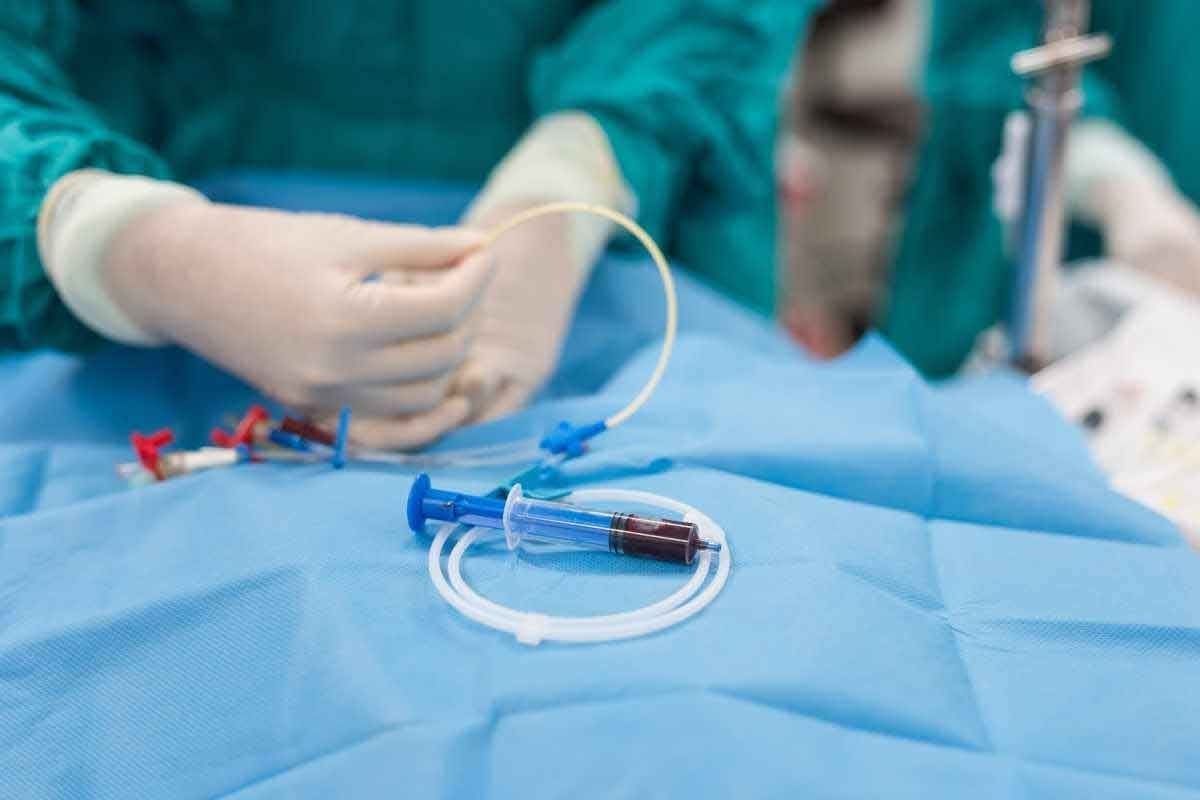
| Donation Procedure | Actual donation of bone marrow using hollow needles |
Types of Bone Marrow Donation

There are different ways to donate bone marrow, each with its own benefits. These methods help patients get the stem cells they need for a transplant. Let’s look at Peripheral Blood Stem Cell Donation, Bone Marrow Harvesting, and Cord Blood Donation.
Peripheral Blood Stem Cell Donation
Peripheral Blood Stem Cell (PBSC) donation is the most common method. It makes the donor’s bone marrow produce more stem cells. Then, these cells are collected from the blood through a process called apheresis. This method is simpler and less invasive than traditional bone marrow harvesting.
Key aspects of PBSC donation include:
- Donors get injections to make their bone marrow release stem cells into the bloodstream.
- Their blood is drawn and passed through a machine to separate the stem cells.
- The rest of the blood is returned to the donor.
Bone Marrow Harvesting
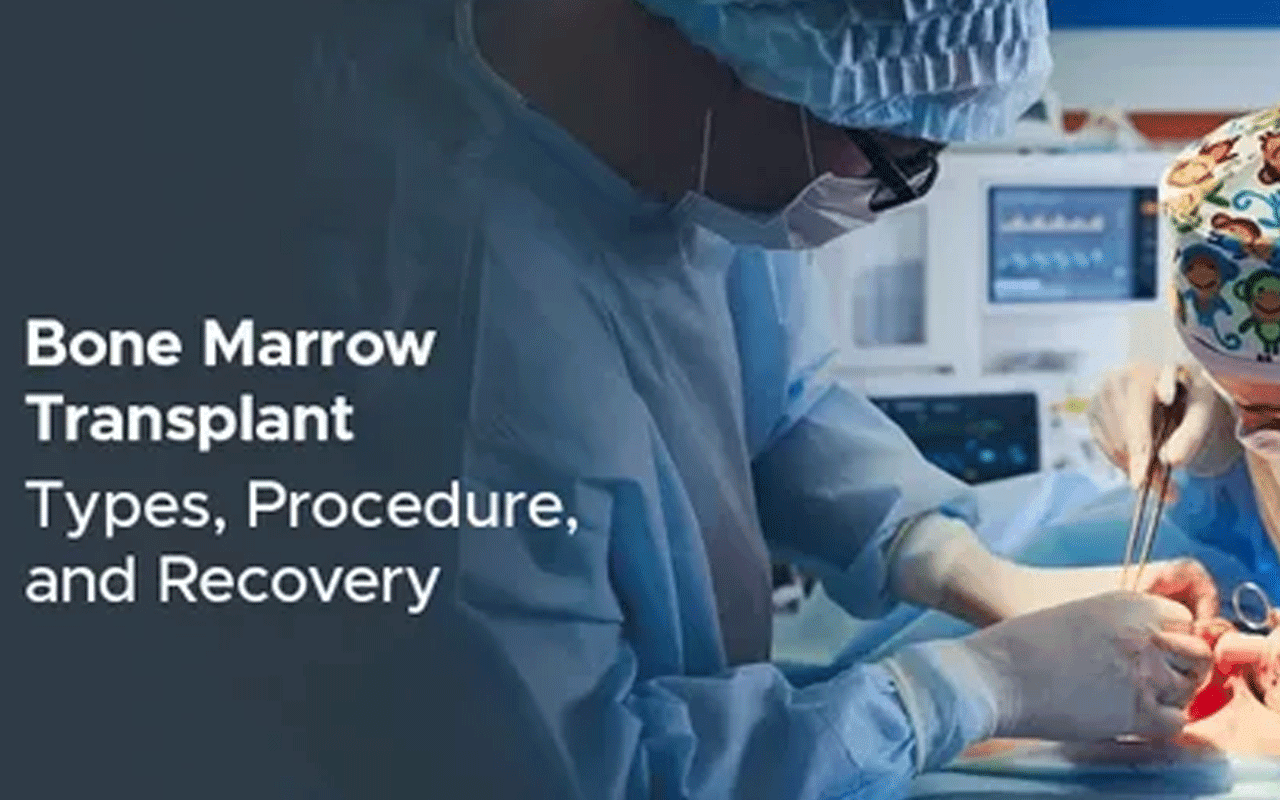
Bone marrow harvesting is a surgical procedure. It takes bone marrow from the donor’s hip bones. This method is more invasive and requires anesthesia. The marrow has the stem cells needed for a transplant.
Notable points about bone marrow harvesting:
- The procedure is done in an operating room under general or regional anesthesia.
- Small incisions are made to get to the hip bones, and marrow is extracted with special needles.
- Donors might feel pain and have bruises after the procedure.
Cord Blood Donation
Cord blood donation collects blood from the umbilical cord after a baby is born. This blood is full of stem cells and can be used for transplants. It’s a chance for new parents to help patients in need.
Important facts about cord blood donation:
| Aspect | Description |
| Donation Process | Cord blood is collected after birth, and the umbilical cord is clamped and cut. |
| Storage | Cord blood is frozen and stored in a cord blood bank for future use. |
| Usage | Cord blood stem cells are used for transplants, giving a potentially life-saving treatment. |
A medical expert says, “Cord blood donation is a valuable source of stem cells for patients needing a transplant. It’s a decision expectant parents can make as they plan for their baby’s birth.”
“The decision to donate cord blood is a generous act that can have a significant impact on the life of a patient in need of a transplant.”
In conclusion, Peripheral Blood Stem Cell Donation, Bone Marrow Harvesting, and Cord Blood Donation are all important for providing stem cells for transplants. Knowing about these methods helps donors make informed choices about their contribution.
What to Expect During the Donation Process
Before donating bone marrow, it’s important to know what to expect. We want to help ease any worries and make the process smoother for you.
Pre-Donation Preparation
We start by checking if you’re healthy enough for the donation. This includes a medical exam and blood tests to find your HLA type. You must also meet certain health standards to qualify.
After finding a match, you’ll need to sign a consent form. This is important. It makes sure you understand the procedure, its risks, and what to expect during recovery.
The Donation Procedure
The bone marrow donation is done under general or spinal anesthesia. This means you won’t feel any pain during the process. We focus on keeping you comfortable and safe.
The procedure takes bone marrow from your hip area. It might sound scary, but it’s common and safe. Our team is skilled in performing this procedure, ensuring the best results for both you and the recipient.
Post-Donation Care
After the procedure, you might feel some aches or pains in your lower back or hip. But these side effects are temporary and will go away soon. We provide detailed post-donation care to help manage any discomfort and support your recovery.
It’s important to follow our post-donation instructions carefully to recover quickly. This includes resting, using pain medication as directed, and attending follow-up appointments.
Understanding what to expect during the bone marrow donation process can make you feel more confident and prepared. We’re here to support you every step of the way, from preparation to recovery.
Pain Levels and Discomfort
It’s important to know about the pain from bone marrow donation. Many people worry about pain when thinking about donating. This worry is a big part of their decision.
Pain Expectations During Donation
Donors get a general or spinal anesthetic during the procedure. This means they won’t feel pain. It’s a key part of the process, making it pain-free for donors.
Managing Pain Post-Donation
After the donation, some may feel pain in their lower back or hip. But these feelings usually go away in a few days or weeks. To help with pain, donors can take over-the-counter meds. They should also rest a lot after the procedure, as they might feel tired or weak.
| Post-Donation Symptom | Management Strategy |
| Lower back or hip pain | Over-the-counter pain medications |
| Fatigue | Rest and relaxation |
| Weakness | Gradual return to normal activities |
Knowing what to expect and how to handle pain after donation helps donors make good choices. We stress the need to follow care instructions after donation. This helps reduce discomfort and ensures a quick recovery.
Pain Management Techniques
There are many ways to manage pain after bone marrow donation. It’s key to have a good pain management plan for a smooth recovery. We suggest using both medical treatments and natural remedies to ease pain.
Medications for Pain Relief
Donors can take acetaminophen or any pain medication their doctor prescribes. Sometimes, doctors may also suggest iron supplements for recovery. Always follow the instructions from your healthcare team.
- Take pain medication as directed by your doctor.
- Monitor your body’s response to the medication.
- Report any side effects to your healthcare provider.
Natural Remedies for Discomfort
Along with medications, natural remedies can also help. Using a warm compress or taking a warm bath can offer relief. Donors should also rest well and follow their healthcare team’s post-donation care instructions.
- Apply a warm compress to the affected area.
- Take warm baths to relax your muscles.
- Rest adequately to allow your body to recover.
By using these pain management techniques, donors can lessen their discomfort and improve their recovery. It’s important to work with your healthcare provider to find the best pain management plan for you.
Risks Associated with Bone Marrow Donation
It’s key to know the risks of bone marrow donation. While it’s mostly safe, there are some dangers. We’ll talk about the usual side effects and serious issues that can happen.
Common Side Effects
Donors might face some common side effects after donating. These include:
- Bruising and soreness at the needle site
- Tiredness and weakness
- Aching or tenderness
- Headache
- Difficulty walking for a few days post-procedure
- Sore throat or nausea due to the anesthetic
These side effects usually go away in a few days to a week. Following the care instructions after donation can help lessen these effects.
Serious Complications
Though rare, serious problems can happen. These might be:
- Reaction to the anesthetic
- Infection at the needle site
- Damage to nerves or muscles near the needle insertion site
- Injury at the site of needle insertion
It’s good to know serious complications are rare. Medical teams do everything to avoid risks. They watch donors closely before and after the procedure to handle any problems fast.
Talking to healthcare professionals about worries or questions is vital. Knowing the risks and taking steps to avoid them makes the donation process safer and more positive.
Emotional Aspects of Bone Marrow Donation
The emotional journey of bone marrow donation is complex. It includes stress, anxiety, and a deep sense of fulfillment. Donors go through many emotions during the donation process.
The Mental Health Perspective
Donating bone marrow is a deeply emotional experience. Donors may feel anxious at first but also feel proud and fulfilled. It’s common for donors to feel proud and fulfilled after making this choice.
The emotional impact of bone marrow donation is significant. It’s important for donors to have support resources. These resources help them deal with their feelings and concerns.
Support Resources Available
There are many resources to help donors emotionally. These include counseling services and online forums. Donors can share their experiences and get support from others who have gone through the same thing.
Support Resources for Donors:
| Resource | Description | Availability |
| Counseling Services | Professional counseling to address emotional concerns | Available pre- and post-donation |
| Online Forums | Community support from experienced donors | 24/7 Access |
| Donor Support Groups | Group meetings for donors to share experiences | Regular Meetings |
We provide these support resources to help donors. We want to ensure they feel supported throughout their journey. This includes both the physical and emotional aspects of the process.
Recovery After Bone Marrow Donation
Knowing how long it takes to recover after bone marrow donation is key. It’s a time that needs your full attention and care. This phase is critical for your health.
Timeline for Recovery
Most donors can get back to normal in 2-3 days after the procedure. But, it might take 2-3 weeks to feel completely back. The time it takes can vary based on your health and the donation method.
Following the care instructions from your healthcare team is vital. This means resting when needed and taking pain meds as directed.
When to Resume Normal Activities
Don’t do heavy lifting or bending for at least one week after donating. Slowly getting back to normal activities is best. It helps avoid problems and aids in a healthy recovery.
- Start with light activities, like walking, right away to avoid blood clots.
- Don’t drive for at least 24 hours after the procedure or while on pain meds.
- Eat well and drink plenty of water to help your body heal.
By knowing the recovery process and following care tips, donors can reduce discomfort. This ensures a successful recovery.
Real-Life Experiences
Donors and recipients share their stories about bone marrow donation. These personal tales give us a glimpse into the ups and downs of the process.
Testimonials from Donors
Donors talk about the side effects and pain management. For example, one donor said, “The donation wasn’t as painful as I thought, but recovery took time.” These stories stress the need to be ready for the donation.
Many donors feel proud and fulfilled after donating. One donor mentioned, “Donating bone marrow was incredibly rewarding.” This feeling of fulfillment is common among donors.
Insights from Recipients
Recipients offer a unique view on bone marrow donation’s importance. For instance, a recipient said, “A bone marrow transplant gave me a second chance at life.”
“The transplant was a turning point in my recovery. I am forever grateful to my donor.”
Recipients are often thankful to their donors. One recipient said, “The gift of bone marrow is a gift of life, and I’m deeply thankful.” This shows the life-saving impact of bone marrow donation.
Donors and recipients’ stories help others understand bone marrow donation. Their experiences highlight the power of this donation to change lives.
Conclusion: The Importance of Donation
Bone marrow donation is a big decision that can change lives. It gives patients a second chance at life. We see how important bone marrow donation is and how it can change lives.
Why Donating Matters
Your bone marrow donation can be a patient’s key to recovery. Donating is a generous act that requires thought. But the benefits are huge. We urge you to think about the good you can do for someone.
Take the First Step
We encourage you to join the bone marrow registry and donate. Your choice can greatly impact patients and their families. By doing this, you join a community that cares and can change lives.
FAQ
How do I donate bone marrow?
To donate bone marrow, first register with a bone marrow registry. If you match a patient, you’ll get more tests. Then, you’ll donate either blood stem cells or bone marrow.
Is donating bone marrow painful?
The pain level depends on the donation type. Blood stem cell donation might cause some discomfort. Bone marrow harvesting is painless under anesthesia. After, you might feel some pain, but it’s usually manageable.
Can females donate bone marrow?
Yes, females can donate bone marrow. It’s not about gender but health, age, and genetic match.
What are the risks associated with bone marrow donation?
Risks include pain, fatigue, and bruising. Serious issues like infection or nerve damage are rare but possible.
How long does it take to recover from bone marrow donation?
Recovery time varies. Most can get back to normal in days to weeks. Full recovery might take months.
Are there any long-term effects of donating bone marrow?
Usually, there are no long-term health effects. The body replaces the donated marrow, and most donors recover fully.
How often can you donate bone marrow?
Donation frequency depends on the type and your health. You can donate blood stem cells more than once. Bone marrow harvesting has a longer wait time.
Is bone marrow donation safe?
Yes, it’s safe with proper medical care. While risks exist, serious problems are rare.
References
World Health Organization. Outpatient Chemotherapy Services for Global Cancer Treatment. Retrieved from https://www.who.int/publications/i/item/9789241511940
ScienceDirect. Evidence-Based Medical Insight. Retrieved from https://www.sciencedirect.com/science/article/pii/S1083879119309957