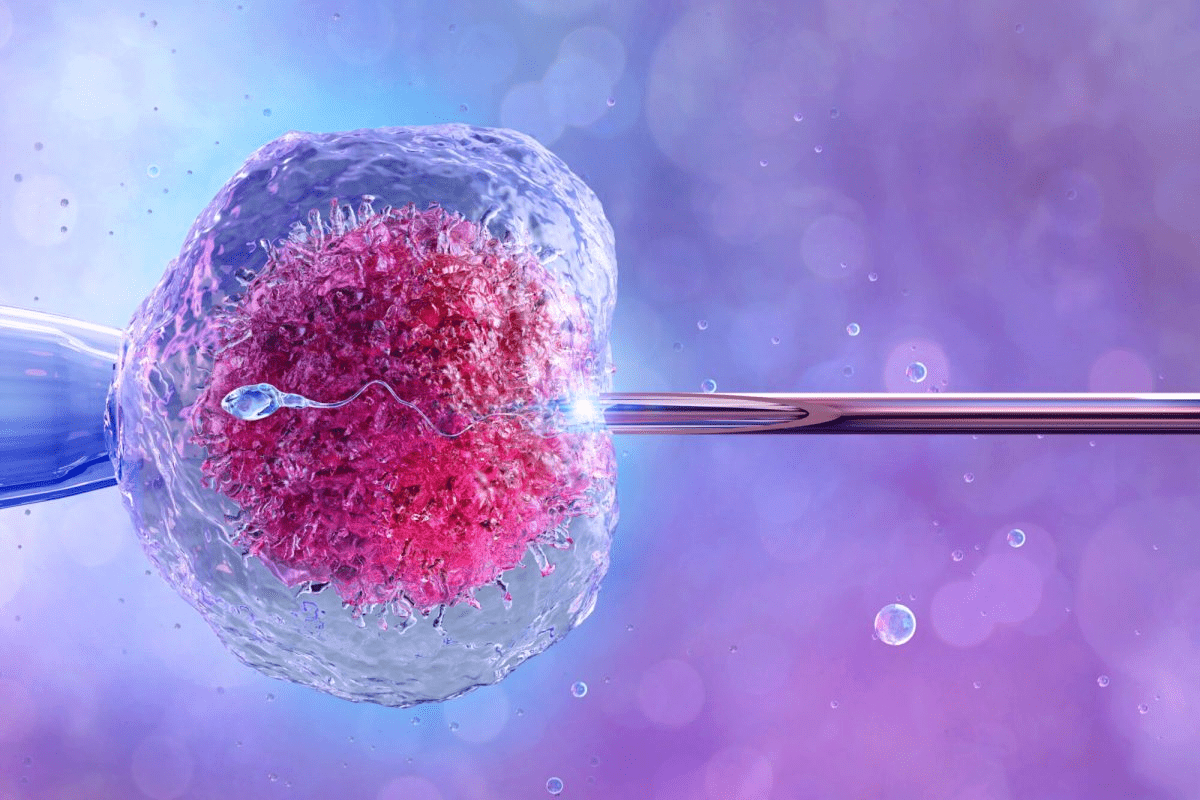
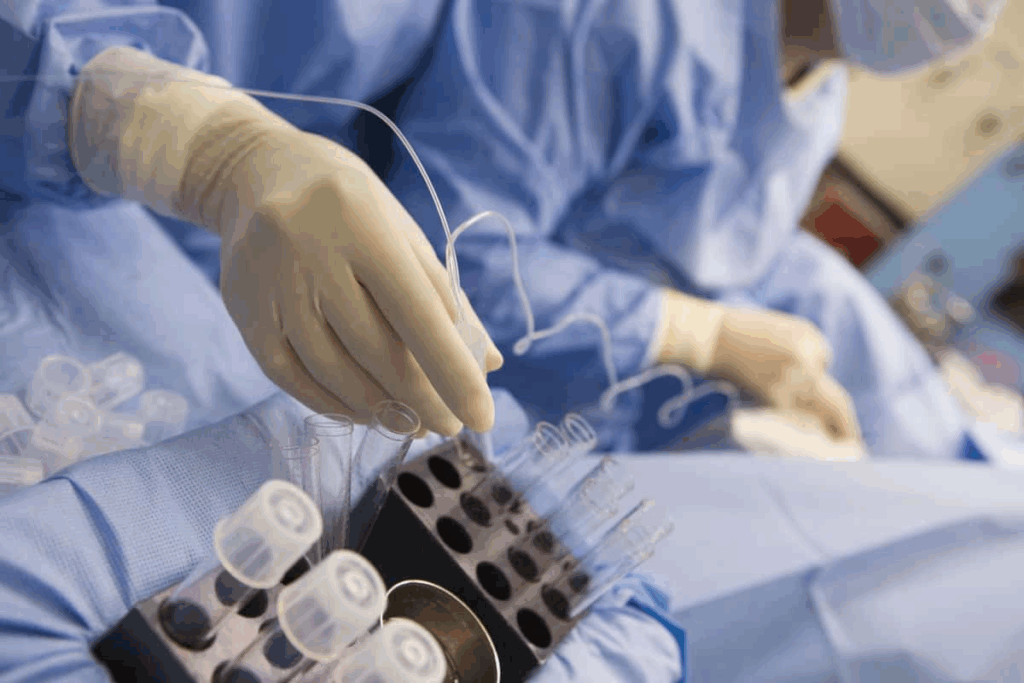
Many patients worry about pain when thinking about in vitro fertilization (IVF). At our fertility center, we get these worries and aim to make the process easy for you.
IVF includes several steps, like ovarian stimulation, egg retrieval, fertilization, and embryo transfer. Some parts might feel a bit uncomfortable. But, thanks to better pain management and sedation, the experience is much better now.
We want to help you know what to expect at each step. This way, you can feel ready and comfortable. We focus on your care and use top-notch anesthesia to reduce pain and worry.
Key Takeaways
- IVF involves multiple steps, some of which may cause mild discomfort.
- Modern pain management techniques have improved the IVF experience.
- Fertility centers prioritize patient comfort and employ advanced anesthesia protocols.
- Understanding the process can help alleviate concerns about pain.
- Personalized care approaches are used to minimize anxiety and discomfort.
Understanding the IVF Process: A Brief Overview

Starting the IVF journey means understanding the steps and what to expect. The IVF process is complex, involving careful planning and patience. We guide our patients through each step, making sure they are informed and comfortable.
The Stages of IVF Treatment
The first step is a personalized consultation. We check the patient’s ovarian reserve and reproductive health. This stage is key for tailoring the treatment to the individual.
The next step is ovarian stimulation. Patients take hormone injections to stimulate egg production. This can cause mild discomfort like bloating and cramping. But, it’s manageable with the right support and medication.
| Stage | Description | Common Experiences |
|---|---|---|
| Initial Consultation | Assessment of ovarian reserve and reproductive health | Minimal discomfort |
| Ovarian Stimulation | Hormone injections to stimulate egg production | Mild bloating and cramping |
| Egg Retrieval | Procedure to collect eggs from the ovaries | Managed with sedation or anesthesia |
| Embryo Transfer | Transferring the embryo into the uterus | Generally less uncomfortable than egg retrieval |
Why Pain Concerns Are Common
Pain concerns are common in IVF due to procedures like egg retrieval. We take precautions to reduce discomfort and prepare patients well.
Effective pain management is a top priority. We work with patients to address concerns and adjust plans for their comfort.
Understanding IVF stages and discomfort helps patients prepare. Our team offers full support and care throughout the journey.
Is IVF a Painful Procedure? The Truth About Discomfort Levels

Many people wonder if IVF is painful. It’s a big step for those wanting to start a family. They naturally have questions about what to expect.
IVF includes steps like ovarian stimulation, egg retrieval, and embryo transfer. These steps can cause some discomfort. But it’s important to know the difference between discomfort and pain.
Distinguishing Between Pain and Discomfort
Discomfort is an unpleasant feeling that’s easy to manage. Pain, on the other hand, is more severe and can really affect your day. During IVF, some people might feel uncomfortable. But this is usually not the same as pain.
Sedation and anesthesia are key in making IVF less painful. For example, egg retrieval is done under sedation and anesthesia. This means patients don’t feel sharp pain during the procedure.
Factors That Influence Pain Perception During IVF
Several things can change how someone feels pain during IVF. These include how sensitive they are to pain, the specific steps of IVF, and the use of sedation or anesthesia. We listen to our patients’ concerns and tailor a plan to manage any discomfort they might feel.
- Individual pain tolerance
- Specific procedures involved in IVF
- Use of sedation or anesthesia
Research on Patient Experiences
Studies and feedback from patients show that IVF is not usually painful. It might cause some discomfort, but it’s not the same as pain. Research also shows that sedation and anesthesia work well to reduce pain during steps like egg retrieval. We always look at patient experiences to improve our care and pain management.
By knowing what affects pain perception and using the right pain management, we help our patients have a smooth IVF experience.
Ovarian Stimulation: What to Expect
The IVF journey starts with ovarian stimulation. Here, patients give themselves daily hormone shots to grow eggs. This first step is key for IVF success.
Ovarian stimulation lasts 7-14 days. During this time, some side effects may occur. We want to make sure you know what to expect.
Self-Administered Injections: Pain Level and Management
The hormone shots can cause a bit of discomfort. But most find it bearable. To ease the pain, try rotating injection spots and using a thin needle.
It’s important to inject correctly to avoid pain or bruising. Our team is here to help you with this.
Common Side Effects: Bloating and Cramping
Bloating and mild cramps are common. These symptoms are like menstrual cramps and usually go away quickly. To help with bloating, try over-the-counter pain meds and eat well.
Duration of Discomfort During the 7-14 Day Stimulation Phase
The first few days are usually the worst. As your body gets used to the shots, the pain will lessen.
| Day | Common Symptoms | Management Tips |
|---|---|---|
| 1-3 | Bloating, mild cramping | Over-the-counter pain relief, healthy diet |
| 4-7 | Increased bloating, possible mood swings | Continue pain relief, stay hydrated |
| 7-14 | Symptoms may subside or remain mild | Monitor symptoms, adjust management as needed |
Knowing what to expect during ovarian stimulation can make IVF less scary. We’re here to support you every step of the way.
Egg Retrieval Procedure: Pain Management Approaches
Getting ready for the egg retrieval procedure might make you wonder about what to expect and how we’ll handle any pain. This process is key in IVF treatment, and we aim to make it as comfortable for you as possible.
Anesthesia Options During Retrieval
Thinking about a medical procedure can be scary. But, the egg retrieval is done under sedation and anesthesia to lessen any pain. Our team watches over you during the procedure to keep you safe and comfy. The anesthesia used is usually a type of conscious sedation that keeps you relaxed and pain-free.
Conscious sedation makes you feel relaxed but awake enough to follow commands. You won’t feel pain or remember much of the procedure. This method is popular in fertility treatments because it helps reduce anxiety and discomfort.
The Actual Procedure: What Happens While You’re Sedated
During the egg retrieval, you lie on an operating table. A speculum is used to see the cervix. Then, a needle is guided by ultrasound to get the eggs from the ovarian follicles. This whole process takes about 15-30 minutes. While you’re sedated, you won’t feel anything, and our team makes sure you’re comfortable.
Sedation and anesthesia have made egg retrieval much more comfortable for patients. It turns a potentially uncomfortable procedure into a more bearable one.
Immediate Post-Retrieval Sensations
After the procedure, you might feel some mild cramping or bloating, like menstrual cramps. These feelings usually go away within a few hours to a couple of days. We help you manage any discomfort and are here to answer any questions. Our goal is to make your recovery as comfortable as possible.
We’ll give you all the details on how to care for yourself after the procedure. This includes tips on managing any pain, resting, and when to come back for follow-up appointments. We want to make sure your recovery is smooth.
Is Egg Retrieval for IVF Painful? Post-Procedure Recovery
The egg retrieval procedure is a key part of IVF. Knowing what to expect during recovery can ease worries about pain. After the procedure, patients might feel some discomfort. But, how much can vary from person to person.
Typical Discomfort in the Hours Following Retrieval
Right after egg retrieval, patients might feel mild to moderate discomfort. This can include cramping, bloating, and a feeling of fullness or pressure in the pelvic area. These symptoms are similar to those during a menstrual period.
Managing immediate post-retrieval discomfort involves a combination of rest, hydration, and over-the-counter pain relief medication as recommended by your healthcare provider.
Managing Cramping and Bloating
Cramping and bloating are common after egg retrieval. This is because of the stimulation of the ovaries and the retrieval process itself. To manage these symptoms, patients can:
- Use warm compresses to help alleviate cramping
- Take prescribed or over-the-counter pain medication as directed
- Stay hydrated to help flush out any medications and reduce bloating
- Rest and avoid strenuous activities
Recovery Timeline: What to Expect in the 1-2 Weeks After
Most patients see a big improvement in symptoms within a week or two after the procedure. The recovery timeline can vary. But generally, patients can expect the following:
| Time Frame | Expected Symptoms | Recovery Actions |
|---|---|---|
| 1-3 Days Post-Retrieval | Mild cramping, bloating, spotting | Rest, hydration, pain management |
| 3-7 Days Post-Retrieval | Gradual improvement of symptoms, possible emotional fluctuations | Continue rest, return to light activities |
| 1-2 Weeks Post-Retrieval | Significant reduction in discomfort, return to normal activities | Resume normal routine, follow-up with healthcare provider |
It’s key to follow the specific guidance from your healthcare team. They can offer personalized advice based on your individual response to the treatment.
Embryo Transfer: Procedure and Sensation
Embryo transfer is the final step in IVF. It’s quick and usually painless. A thin catheter is used to place the embryo in the uterus. This is done without sedation.
Why Sedation Is Not Typically Used
Sedation isn’t needed for embryo transfer because it’s simple and not invasive. The thin catheter makes it comfortable. Patients can go back to their usual activities soon after.
A study in the Journal of Assisted Reproduction and Genetics found most patients feel little discomfort. They say it’s like a routine Pap smear.
“The embryo transfer procedure is well-tolerated by most patients, with minimal need for analgesia or sedation.”
Fertility and Sterility Journal
Comparing the Sensation to a Pap Smear
Many patients say embryo transfer feels like a Pap smear. They might feel some mild cramping or pressure. This helps them know what to expect and feel less anxious.
| Sensation | Comparison | Duration |
|---|---|---|
| Mild Cramping | Pap Smear | Few Minutes |
| Pressure | Mild Menstrual Cramps | Short-Lived |
Duration and Intensity of Any Discomfort
The embryo transfer takes just a few minutes. Any discomfort is mild and doesn’t last long. Patients often feel relieved and calm right after.
Key Points to Remember:
- Embryo transfer is generally painless.
- The procedure is quick, usually taking only a few minutes.
- Discomfort, when experienced, is typically mild and comparable to a Pap smear.
Is Embryo Transfer Painful? Patient Experiences
Embryo transfer is a key part of IVF treatment. It’s usually not very painful. Patients often wonder what it will feel like.
Common Sensations During Transfer
Patients might feel different things during the transfer. Some common feelings are:
- Mild cramping
- A feeling of pressure
- A slight pinch
These feelings are usually mild and don’t last long. They’re similar to what you might feel during a Pap smear.
Post-Transfer Feelings and Recovery
After the transfer, patients often feel relieved. They might feel a bit of discomfort or cramping. This usually goes away soon after.
“The embryo transfer was surprisingly comfortable. I felt a bit of pressure, but it was over quickly.” – A patient
Emotional Aspects and Their Impact on Physical Sensations
Feeling stressed or anxious can make physical sensations worse. We help our patients by listening and supporting them emotionally.
Key Takeaways:
- Embryo transfer is generally not painful.
- Mild cramping or pressure may be experienced during the procedure.
- Emotional support is key in managing IVF.
Pain Management Strategies Throughout the IVF Journey
Managing pain during IVF is a top priority for us. We’re committed to providing you with the support you need. Our goal is to make sure you’re as comfortable as possible during the treatment.
Approved Medication Options
During IVF treatment, there are many medication options for pain management. Over-the-counter pain relievers are often recommended. They help with discomfort from ovarian stimulation and egg retrieval. We work with you to find the best medication for your needs.
Non-Pharmaceutical Approaches
There are also non-pharmaceutical methods to manage pain. Relaxation techniques like deep breathing, meditation, and yoga can help. They reduce stress and physical discomfort. We also suggest making lifestyle adjustments, like eating well and staying hydrated, to support your well-being.
Communicating with Your Healthcare Team
It’s important to talk openly with your healthcare team about pain. We encourage you to share your experiences and concerns. By working together, we can adjust your treatment plan to meet your needs and reduce pain.
By using these strategies, we aim to make your IVF journey more comfortable. Our commitment is to support and care for you throughout this process.
Special Considerations: When IVF Might Be More Uncomfortable
IVF is usually not too painful, but some things can make it more uncomfortable. Everyone’s experience with IVF is different. It’s important to know what might make it harder.
Pre-existing Conditions That May Increase Discomfort
Medical conditions before starting IVF can affect how much pain you feel. For example, endometriosis, PCOS, or past surgeries in the pelvic area can make some parts of IVF more painful.
Table: Pre-existing Conditions and Possible Discomfort During IVF
| Pre-existing Condition | Potential Discomfort |
|---|---|
| Endometriosis | More cramping during the stimulation phase |
| PCOS | Feeling bloated and uncomfortable because of enlarged ovaries |
| Previous Pelvic Surgeries | Discomfort from adhesions during egg retrieval |
Complications That Can Cause Additional Pain
Even though it’s rare, complications can happen during IVF. These might include OHSS, infection, or bleeding during egg retrieval. These can cause more pain or discomfort.
It’s very important to listen to your fertility specialist’s advice to avoid complications. If you have severe pain, heavy bleeding, or a fever, call your doctor right away.
Individual Variations in Pain Response
How much pain you feel during IVF can vary a lot. Things like how anxious you are, past experiences with medical procedures, and your overall health can affect your pain level.
We try to understand each patient’s unique needs and worries. We tailor our care to make IVF as comfortable as possible for you.
Conclusion: Preparing Mentally and Physically for Your IVF Journey
Understanding IVF is key to managing pain. It’s a complex and emotional journey. But being prepared can make a big difference.
Many wonder if IVF is painful. While experiences vary, knowing what to expect helps reduce anxiety. Emotional support and education are also important.
Knowing what to expect during IVF can help you cope with discomfort. Studies show that well-prepared patients feel less stress and discomfort.
At our institution, we support you every step of the way. We guide you on managing pain and discomfort during IVF. Our aim is to make your IVF journey as comfortable as possible.
By preparing mentally and physically, you can face your IVF journey with confidence. This way, you can minimize discomfort and focus on becoming a parent.
FAQ
Is IVF a painful process?
IVF has steps that might cause some discomfort. But, we aim to keep you comfortable. Your pain tolerance, the procedures, and sedation or anesthesia all play a part in your experience.
Does in vitro fertilization hurt during ovarian stimulation?
Ovarian stimulation might cause some mild discomfort. This can feel like menstrual cramps. These symptoms are usually short-lived and go away once the stimulation is over.
Is egg retrieval for IVF painful?
Egg retrieval is done under sedation, so you won’t feel pain during it. Afterward, you might feel some mild cramping or bloating. But, these symptoms usually go away within a few hours or days.
Is the embryo transfer painful?
Embryo transfer is usually done without sedation. It’s quick and painless. Some might feel mild cramping or pressure, like a Pap smear. The whole process is short, and any discomfort is brief.
How painful is IVF overall?
Most people find IVF to be minimally uncomfortable. We use various pain management strategies to help you stay comfortable.
What pain management options are available during IVF?
We provide approved medications and non-pharmaceutical options like relaxation techniques. These help manage pain and discomfort during your IVF journey.
Can pre-existing medical conditions affect IVF pain levels?
Yes, pre-existing conditions can affect how much discomfort you feel during IVF. We work to identify these early and tailor our care to your needs.
How long does discomfort last after egg retrieval?
After egg retrieval, you might feel some mild cramping or bloating. But, these symptoms usually go away within a few hours to a couple of days. Most find them manageable and short-lived.
Are there any emotional aspects to consider during IVF?
Yes, the emotional side of IVF can also affect how you feel physical sensations. We encourage you to share your feelings and concerns. We provide emotional support along with medical care.
References
National Center for Biotechnology Information. Evidence-Based Medical Guidance. Retrieved from https://pmc.ncbi.nlm.nih.gov/articles/PMC8868119/
National Center for Biotechnology Information. Evidence-Based Medical Guidance. Retrieved from https://pmc.ncbi.nlm.nih.gov/articles/PMC8868119/