
Many people wonder if in vitro fertilization hurts. This is a common question for fertility specialists.
Thinking about IVF treatment can be scary. But, modern methods and sedation make it much less painful than expected.
At Liv Hospital, we focus on your comfort and pain control. We want to make your IVF journey as easy as possible.
Key Takeaways
- IVF includes steps like ovarian stimulation, egg retrieval, fertilization, and embryo transfer.
- Modern techniques and sedation reduce discomfort.
- We prioritize pain management for a comfortable experience.
- Putting you first is key to reducing anxiety and discomfort.
- Liv Hospital offers top-notch healthcare with full support.
Understanding the IVF Process: An Overview

Starting the IVF journey is a big step, filled with challenges and rewards. IVF, or In Vitro Fertilization, is a detailed process with many stages. Each stage is important for a successful pregnancy.
What is In Vitro Fertilization?
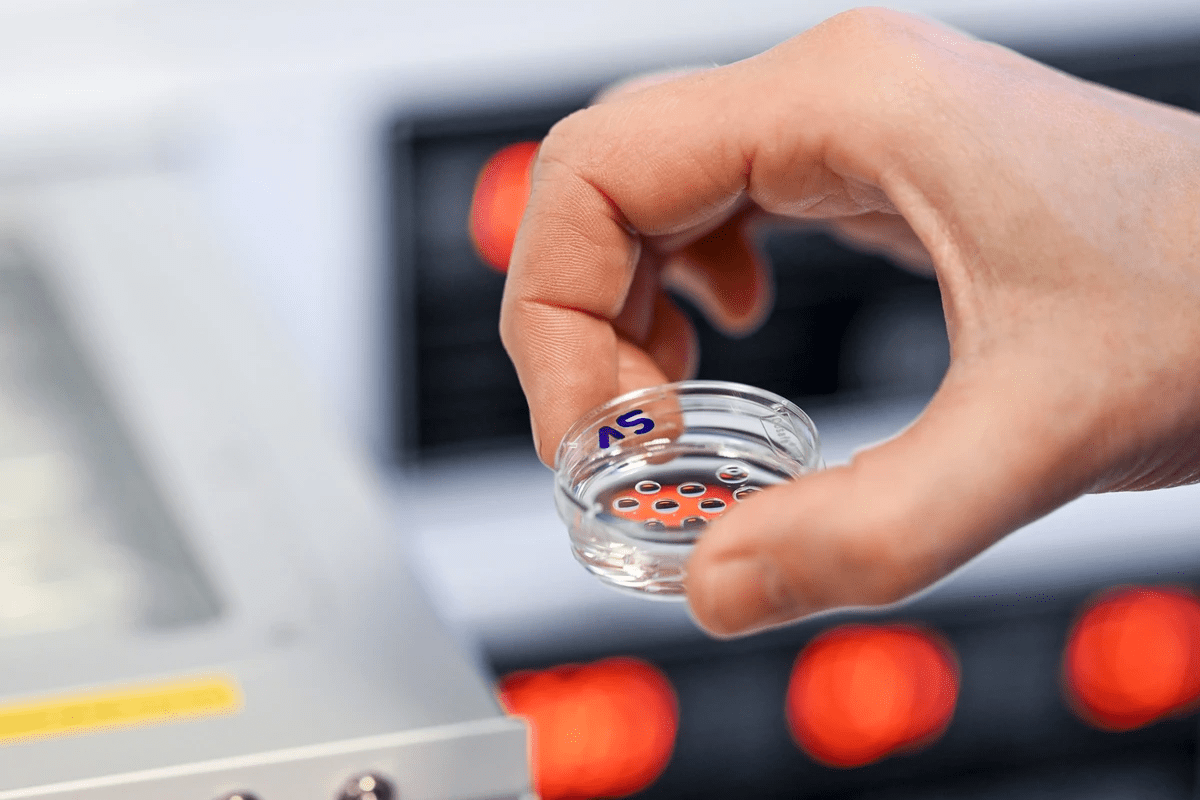
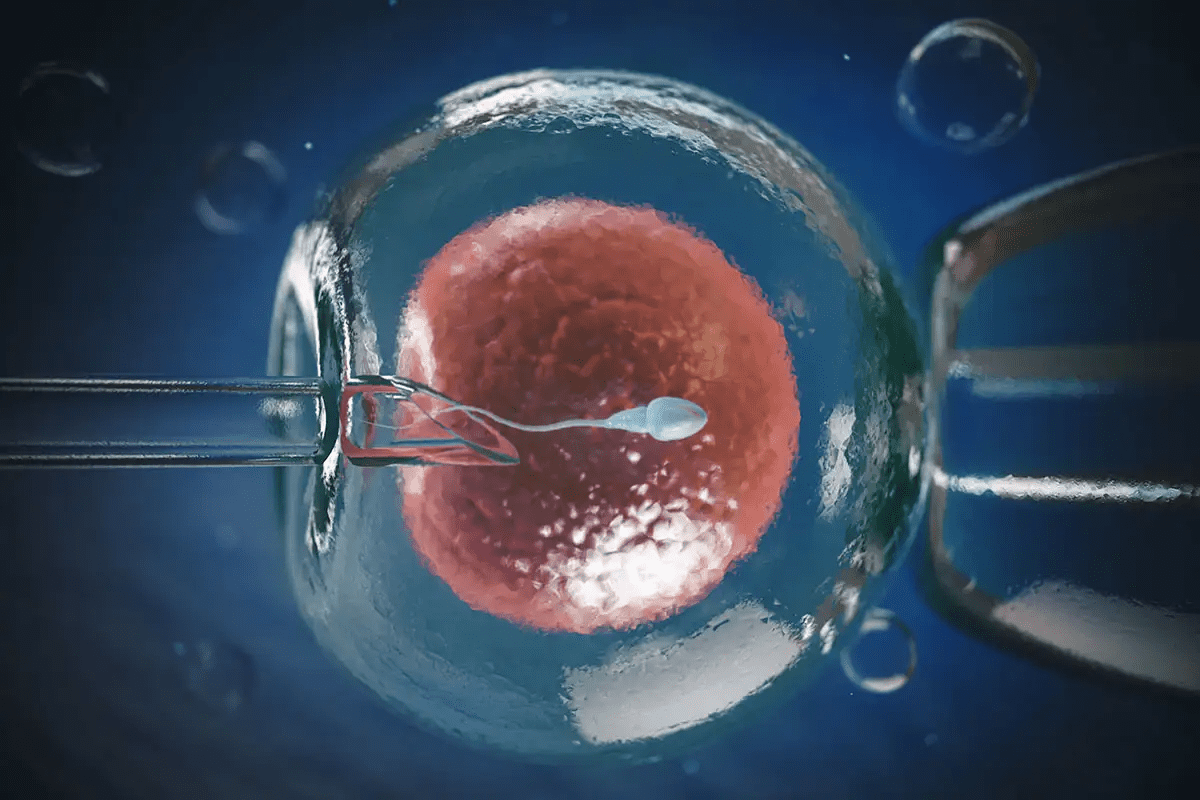
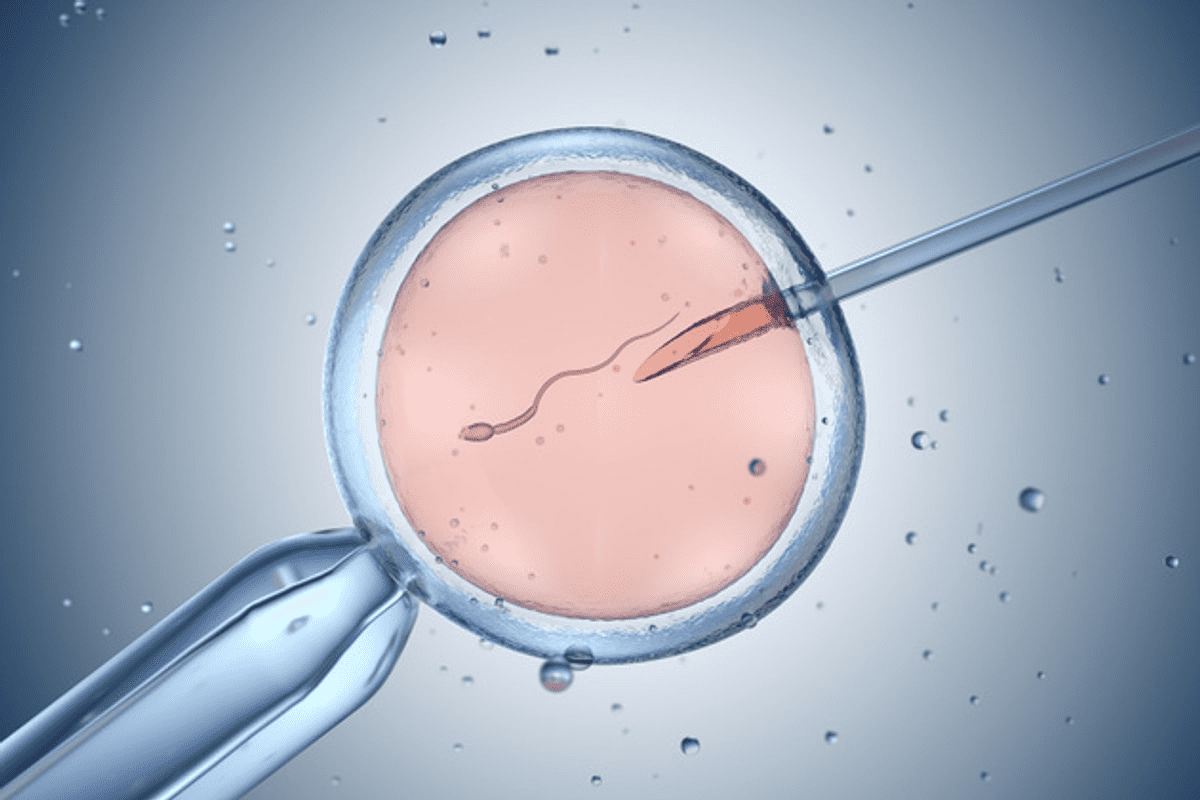
In Vitro Fertilization is a way to help people have a baby. It happens outside the body. In a lab, eggs and sperm are mixed together. Then, the early embryo is moved to the uterus.
The Stages of IVF Treatment
The IVF process has several key steps:
- Ovarian Stimulation: Medications help the ovaries make more eggs.
- Monitoring: Ultrasounds and blood tests check the eggs’ growth.
- Egg Retrieval: A small surgery gets the eggs.
- Fertilization: Eggs meet sperm in the lab.
- Embryo Culture: The fertilized eggs grow for 3-5 days.
- Embryo Transfer: The embryos are placed in the uterus.
Success Rates and Realistic Expectations
IVF success rates depend on age, infertility reasons, and egg and sperm quality. Women under 35 have about a 40% chance of a live birth per cycle. Success rates drop with age. It’s key to talk to a fertility expert about your chances.
Knowing about IVF’s stages helps prepare for the journey. It’s important for emotional and physical readiness.
Is the IVF Process Painful? The Truth About Discomfort Levels

Many people wonder if IVF is painful. While it does involve some discomfort, it’s not usually described as painful. Most say it’s mildly uncomfortable, with some parts being more uncomfortable than others.
Pain vs. Discomfort: Setting Realistic Expectations
It’s important to know the difference between pain and discomfort. Pain is a sharp, distressing feeling. Discomfort is feeling uneasy or not fully comfortable. During IVF, patients might feel uncomfortable due to injections, procedures, and medication side effects.
The IVF process has several stages, each with its own level of discomfort:
- Ovarian stimulation: Some women feel bloated or have mild pelvic discomfort.
- Egg retrieval: Though done under sedation, some women feel cramping afterward.
- Embryo transfer: This is often like a Pap smear, with little discomfort.
Factors That Influence Pain Perception During IVF
Several things can affect how people feel pain or discomfort during IVF:
- Individual pain threshold: People’s pain sensitivity varies a lot.
- Anxiety and stress levels: High anxiety can make discomfort feel worse.
- The specific IVF protocol used: Different protocols use different medications and procedures.
How Clinics Work to Minimize Patient Discomfort
Fertility clinics are always trying to reduce patient discomfort:
- Pain management options: Many clinics offer ways to manage pain, like medication and relaxation techniques.
- Ultrasound-guided procedures: Using ultrasound for egg retrieval can make it less uncomfortable.
- Personalized care plans: Treatment is tailored to each person’s needs and comfort level.
By knowing about the possible discomfort and how clinics try to reduce it, patients can better prepare for IVF.
Preparing Mentally and Physically for IVF Treatment
Starting your IVF journey? Knowing how to prepare mentally and physically is key. It’s about making lifestyle changes, getting emotionally ready, and understanding what’s ahead.
Lifestyle Adjustments Before Starting IVF
Before IVF, making some lifestyle changes can boost your health and treatment success. Key adjustments include:
- Eating a healthy diet full of nutrients
- Doing regular, moderate exercise
- Stopping smoking and drinking less alcohol
- Using stress-reducing activities like meditation or yoga
These steps prepare your body and mind for treatment. They give you a feeling of control over your journey.
Building Your Support System
A strong support system is vital during IVF. Family, friends, and support groups offer emotional support and practical help. We suggest:
- Telling loved ones about your decision to get their support
- Joining IVF support groups to connect with others
- Considering counseling for emotional support
Having a support network can ease feelings of loneliness and worry.
Questions to Ask Your Doctor About Pain Management
Understanding pain management options is key for IVF prep. We recommend asking your doctor about:
- The pain levels during different IVF stages, like egg retrieval and embryo transfer
- Pain management methods, including medication and other options
- What to expect during recovery after procedures
Knowing about pain management can lower your anxiety and make the process easier.
Initial Consultation and Testing: The First Steps
Before starting IVF, patients go through an initial consultation and testing. This is key to figuring out their fertility status. It helps decide the best treatment plan for them.
Physical Examinations and Blood Tests
The first step is a physical exam and blood tests. The physical exam looks for any fertility issues. Blood tests check hormone levels like FSH and AMH, showing how well the ovaries are doing.
Blood tests are a critical component of the initial assessment. They give important info on hormonal balance and fertility health.
Ultrasounds and Other Diagnostic Procedures
Ultrasounds and other tests are also part of the initial testing. Ultrasounds check the ovaries and uterus for any problems like cysts or fibroids.
Discomfort Levels During Initial Testing
The initial testing is not very painful. Blood tests are just a small pinch, and ultrasounds are non-invasive. Some might feel a bit uncomfortable, but it’s usually short-lived.
| Procedure | Discomfort Level | Duration |
|---|---|---|
| Physical Examination | Minimal | 15-30 minutes |
| Blood Tests | Mild | 5-10 minutes |
| Ultrasounds | None | 30-60 minutes |
The initial consultation and testing are essential in the IVF process. They provide vital info for a tailored treatment plan. While some discomfort might be felt, it’s usually manageable for patients.
Ovarian Stimulation: Managing Daily Injections
Daily injections are a key part of IVF treatment. Patients give themselves fertility meds through injections. This helps the ovaries produce many eggs.
Types of Fertility Medications Used
Medications for ovarian stimulation include hormones like FSH (Follicle-Stimulating Hormone) and LH (Luteinizing Hormone). Sometimes, a mix of both is used. The exact treatment plan depends on the patient and the clinic.
“The goal is to get many eggs,” says Medical Expert, a fertility expert. “While daily injections are needed, most find it doable with the right help.”
Self-Administration Techniques to Minimize Discomfort
Getting used to injections can be tough, but clinics offer lots of help. To make it less painful, you can:
- Use a thin needle
- Inject at room temperature
- Change where you inject to avoid bruises
It’s also good to talk to your healthcare team for more tips and support.
Hormonal Side Effects: Bloating, Tenderness, and Mood Changes
The meds used in ovarian stimulation can cause side effects. These include bloating, tender breasts, and mood swings. But these usually go away after treatment ends.
“It’s key to know about these side effects and talk to your healthcare team,” Medical Expert. He stresses the need for support during IVF.
Knowing what to expect and how to handle injections and side effects helps patients through the ovarian stimulation phase of IVF.
Monitoring Phase: Frequent Clinic Visits
As we move through the IVF journey, the monitoring phase is key. It requires many visits to the clinic. This phase is vital for tracking how well the ovaries are responding and adjusting the treatment plan if needed.
Blood Tests and Ultrasounds: Frequency and Discomfort
Patients have regular blood tests and ultrasounds during this phase. These tests are important for checking how well the ovaries are responding. They are not usually painful but can be a bit uncomfortable. They are done several times during the treatment cycle.
| Procedure | Frequency | Discomfort Level |
|---|---|---|
| Blood Tests | Every 2-3 days | Mild |
| Ultrasounds | Every 2-3 days | Minimal |
Medical Expert, a fertility specialist, says, “The monitoring phase is a time of close watch. It helps us adjust the treatment plan to increase success chances.”
“The key to a successful IVF cycle lies in careful monitoring and timely adjustments,” says Medical Expert.
Physical and Emotional Challenges During Monitoring
The monitoring phase can be tough both physically and emotionally. Patients might feel bloated, have mood swings, and feel tired because of the hormones. Going to the clinic often can also be stressful and mess up daily plans.
The emotional rollercoaster of IVF is common. Patients often worry about the outcome. Having a strong support system is very important during this time.
Balancing Treatment with Daily Life
It’s hard to balance IVF treatment with daily life. Patients must plan their days around clinic visits and take care of their physical and emotional health. Effective time management and a supportive network are key during this phase.
Knowing what to expect in the monitoring phase helps patients prepare for the challenges. It makes their IVF journey better.
Egg Retrieval Procedure: What to Expect
Egg retrieval is a key part of IVF treatment. It’s a moment many people are curious and worried about. This step is where eggs are taken from the ovaries to be fertilized outside the body.
Preparation for the Procedure
Before egg retrieval, we make sure you’re ready. This includes:
- Following a special medication to help eggs grow and get ready for retrieval.
- Doing tests to check the eggs’ maturity and the ovaries’ health.
- Getting clear instructions on what to do before the procedure, like diet and medication.
It’s very important to follow these steps to make the procedure work well and feel less uncomfortable.
The Role of IV Sedation in Eliminating Pain
IV sedation is a big part of egg retrieval. It makes sure you’re comfortable during the procedure, so you can relax.
A thin needle is used through the vaginal wall, guided by ultrasound, to get the eggs. Thanks to IV sedation, you won’t feel any pain during this.
Post-Retrieval Recovery and Managing Cramping
After egg retrieval, you might feel some cramping. This is usually mild and short-lived. We suggest:
- Resting for a few hours after the procedure to recover.
- Using over-the-counter pain relievers as needed to ease any discomfort or cramping.
- Following the care instructions from your healthcare team to recover smoothly.
While cramping is common, it’s usually not bad and goes away in a few days. Our team is here to help with any worries or questions during your recovery.
Sperm Collection: The Male Partner’s Experience
Sperm collection is key in IVF and needs careful thought and support for the male partner. It’s often simple but can cause worry or discomfort for some. We aim to ease these worries to help couples through IVF smoothly.
Standard Collection Methods
The usual way to collect sperm is through masturbation in a private clinic room. This method is simple but can make some men feel stressed or shy. Our clinics offer a cozy and private space to reduce any discomfort.
At times, men can collect their sample at home. But it must reach the clinic quickly to be good for IVF. We give clear instructions to keep the sample safe and the IVF process going well.
Alternative Collection Methods When Needed
Some men can’t use the usual methods because of issues like erectile dysfunction or mental barriers. For them, we have sperm retrieval techniques done under medical watch. These might include surgery to get sperm from the testes or epididymis.
Men might worry about pain or discomfort with these methods. But sperm retrieval is usually done with local anesthesia or sedation. We do our best to keep any pain to a minimum, making the process as easy as possible.
Supporting the Male Partner Through the Process
The IVF journey, including sperm collection, can be tough for both partners. Our support team is ready to offer counseling and advice. We encourage talking openly about any fears or worries, making sure the male partner feels supported.
By creating a supportive space and talking about options, we aim to lessen the stress of IVF. This includes worries about pain. Our goal is to make the IVF experience as comfortable and stress-free as possible for both partners.
Embryo Transfer: A Minimally Invasive Procedure
The embryo transfer stage is a key part of IVF. It’s known for being simple and low-risk for pain. This step is where the embryo is placed into the uterus with care.
The Transfer Process Explained
The embryo transfer uses a thin catheter to place the embryo in the uterus. It’s done under ultrasound to ensure it’s in the right spot.
The use of ultrasound guidance helps the fertility specialist see the catheter. This makes sure it’s placed correctly in the uterine cavity. This increases the chances of a successful implantation.
Sensations During Transfer: Similar to a Pap Test
Many wonder if embryo transfer hurts. Most say it’s painless, feeling a bit like a Pap smear.
The sensation can vary slightly from person to person. But, most feel little to no pain. The whole process takes just a few minutes.
Post-Transfer Care and Activity Restrictions
After the transfer, you’ll get advice on what to do next. Some clinics say to rest, but there’s not much science backing this up.
Usually, you can start doing normal things again slowly. But, avoid hard exercise or heavy lifting for a bit. Always follow what your fertility clinic tells you.
The Two-Week Wait: Emotional and Physical Challenges
After the embryo transfer, patients face a two-week wait filled with hope and doubt. This time is key to knowing if IVF worked. Patients may feel emotional and physical changes that affect their daily life.
Managing Progesterone Supplementation and Side Effects
Doctors often give progesterone to help the embryo stick. But, it can cause bloating, mood swings, and tiredness. It’s important to manage these side effects to stay comfortable.
To handle these side effects, patients can try a few things:
- Eat healthy foods like fruits, veggies, and whole grains.
- Drink lots of water to stay hydrated.
- Do light exercises like walking or yoga.
- Try relaxation methods like meditation or deep breathing.
| Side Effect | Management Strategy |
|---|---|
| Bloating | Avoid carbonated drinks and high-sodium foods |
| Mood Swings | Practice stress-reducing activities like meditation or yoga |
| Fatigue | Ensure adequate rest and maintain a balanced diet |
Coping with Anxiety and Uncertainty
The two-week wait can be tough, with anxiety and uncertainty common. It’s important to recognize these feelings and get help when needed.
To deal with anxiety, patients can:
- Join support groups or online forums.
- Do things that make them happy and take their mind off things.
- See a therapist or counselor.
- Try mindfulness and relaxation techniques.
Self-Care Strategies During the Waiting Period
Self-care is key during the two-week wait. Patients should focus on things that make them feel good physically and emotionally. Doing simple things like taking a warm bath, reading, or spending time with family can help.
By using these strategies, patients can handle the two-week wait better. They can stay positive and hopeful during their IVF journey.
Conclusion: Balancing Discomfort with Hope in the IVF Journey
When we think about IVF, we often wonder if it hurts. While it does involve some pain, many people find it worth it. The hope of having a baby makes the process rewarding.
The IVF process includes steps like ovarian stimulation and egg retrieval. These can be uncomfortable. But, clinics use pain management to help. Knowing what to expect can make things easier.
Many ask if IVF is painful. While some pain is unavoidable, it’s usually manageable. Being informed helps people deal with the challenges of IVF. This makes the journey more manageable as they aim for parenthood.
Choosing to do IVF is a personal decision. It’s about wanting to start a family. While IVF can be uncomfortable, its benefits are often greater. With the right support, many find the rewards of IVF to be worth the temporary pain.
FAQ
Is in vitro fertilization painful?
IVF might cause some discomfort, but it’s not usually painful. Minor to moderate discomfort can happen, but clinics aim to keep it low.
Does IVF hurt?
IVF is designed to be as comfortable as possible. While some discomfort is possible, it’s usually manageable.
Is the IVF process painful?
The IVF process can be a bit uncomfortable, but it’s not painful. Knowing what to expect can make it easier.
How painful is IVF?
IVF is not usually painful, but some stages might be a bit uncomfortable. How you feel pain and what the clinic does can affect your experience.
Is egg retrieval for IVF painful?
Egg retrieval is done under sedation, so you won’t feel pain during it. You might feel some cramping later, but it’s usually short-lived.
Is embryo transfer painful?
Embryo transfer is very minimally invasive and barely uncomfortable. It’s like a Pap test, and you don’t need sedation. You can go back to normal activities quickly.
Does egg retrieval hurt?
Egg retrieval is painless because of the sedation. You might feel some cramping or discomfort later, but it’s brief.
Is IVF treatment painful?
IVF treatment can be a bit uncomfortable, mainly during ovarian stimulation and egg retrieval. But clinics work hard to make it as comfortable as possible.
What can I do to minimize discomfort during IVF?
To reduce discomfort, prepare mentally and physically. Make lifestyle changes and have a support system. Also, talk to your doctor about pain management.
How can I manage anxiety during the two-week wait after embryo transfer?
To manage anxiety, try self-care, get support from loved ones, and follow your clinic’s advice. This includes managing progesterone and side effects.
References
National Center for Biotechnology Information. Evidence-Based Medical Guidance. Retrieved from https://pubmed.ncbi.nlm.nih.gov/37748370/
National Center for Biotechnology Information. Evidence-Based Medical Guidance. Retrieved from https://pubmed.ncbi.nlm.nih.gov/37748370/