Last Updated on November 13, 2025 by
Is leukemia genetic? Understand the role of heredity in blood cancer. This crucial guide provides powerful and definitive facts about the genetic risk.
Leukemia is a complex cancer that starts in the bone marrow and blood. It raises many questions about its causes and genetic factors. We look into how inherited genetics, new mutations, and environmental factors affect leukemia risk.
As a leading healthcare provider, we know leukemia is a blood cancer. It affects the bone marrow and blood cells. This leads to the creation of abnormal cells, as a Medical expert explains.

Recent studies show that many factors are involved in leukemia. These include genetic predisposition and environmental influences.
Key Takeaways
- Leukemia is a complex cancer with both genetic and environmental risk factors.
- Genetic predisposition plays a significant role in leukemia development.
- Acquired mutations and environmental exposures contribute to leukemia risk.
- Leukemia affects the bone marrow and blood cells, leading to abnormal cell production.
- Understanding the causes of leukemia is key to effective treatment and support.
Understanding Leukemia: A Blood and Bone Marrow Cancer
Leukemia is a complex cancer that affects the blood and bone marrow. It’s important to know the basics. We will look at what makes leukemia a cancer and the different types.
What Defines Leukemia as a Cancer
Leukemia is marked by the uncontrolled growth of abnormal white blood cells in the bone marrow. These cells disrupt the production of normal blood cells, causing health problems. The National Center for Biotechnology Information says leukemia is classified by the type of blood cell affected and how fast it grows.
The Four Main Types of Leukemia
There are four main types of leukemia: Acute Lymphocytic Leukemia (ALL), Acute Myelogenous Leukemia (AML), Chronic Lymphocytic Leukemia (CLL), and Chronic Myelogenous Leukemia (CML).
- ALL is the most common type in children, characterized by the rapid production of immature lymphocytes.
- AML is more common in adults and involves the rapid growth of myeloid cells.
- CLL is typically diagnosed in adults and involves the gradual accumulation of mature lymphocytes.
- CML is also more common in adults and is characterized by the uncontrolled growth of myeloid cells.
Knowing the different types of leukemia is key to diagnosis and treatment. Each type has its own traits and needs a specific care plan.

Is Leukemia Genetic? The Truth About Hereditary Factors
Most leukemia cases aren’t passed down through genes. But having certain genetic conditions or a family history can raise your risk. We’ll look into how family history affects leukemia risk.
Family History and Leukemia Risk
Having a family member with leukemia can increase your risk. Studies show that people with a first-degree relative (like a parent or sibling) with leukemia are at higher risk. Identical twins are at even higher risk if one twin has leukemia.
Some genetic disorders raise leukemia risk. For example, Down syndrome increases the risk of acute leukemia. Medical News Today reports that people with Down syndrome are more likely to get leukemia because of their genes.
Genetic predisposition plays a big role in leukemia. It’s a mix of inherited genetic mutations and environmental factors. Key genetic conditions that increase leukemia risk include:
- Down syndrome
- Fanconi anemia
- Bloom syndrome
- Ataxia-telangiectasia
Knowing these risk factors helps you understand your leukemia risk. If you have a family history or certain genetic conditions, talk to your doctor. They can help assess your risk and suggest preventive steps.
Leukemia, a cancer that affects the blood and bone marrow, is a complex disease with both genetic and environmental factors playing roles. However, one crucial fact is that leukemia is largely not hereditary in the traditional sense. Most cases of leukemia arise from genetic mutations acquired during a person’s lifetime rather than inherited from their parents.
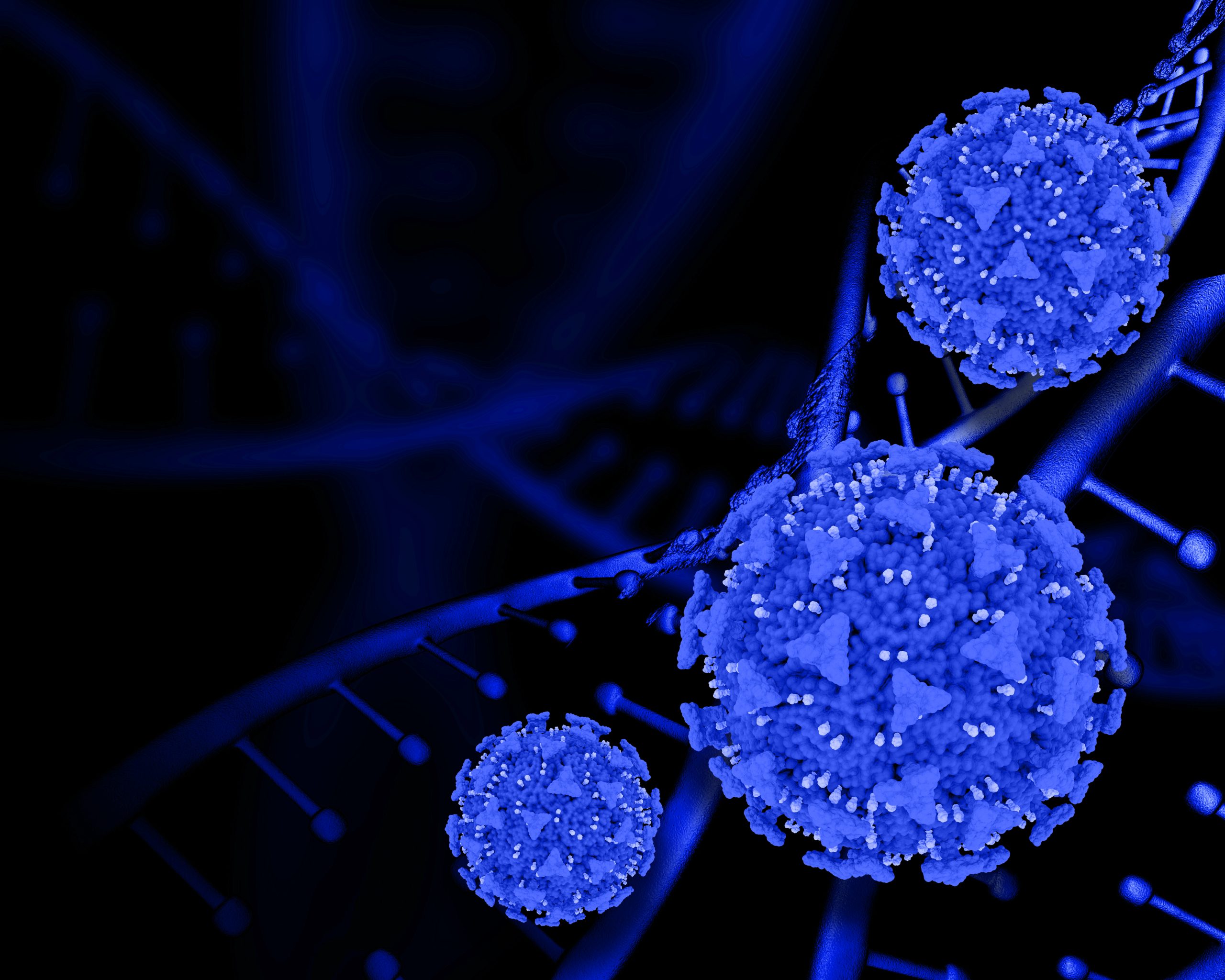
The distinction between “genetic” and “hereditary” is important. Leukemia is a genetic disease because it involves mutations or changes in the DNA of bone marrow cells that lead to abnormal growth of blood cells. These mutations can occur spontaneously or due to environmental exposures, such as radiation or certain chemicals. These acquired mutations trigger the uncontrolled proliferation characteristic of leukemia.
5 Genetic Conditions That Increase Leukemia Risk
We’ve found five genetic conditions linked to a higher risk of leukemia. These conditions show how genetics can play a big role in leukemia development.
Down Syndrome and Leukemia Connection
People with Down syndrome face a higher chance of getting leukemia. This includes acute lymphocytic leukemia (ALL) and acute myeloid leukemia (AML). The National Cancer Institute says Down syndrome raises the risk of these leukemias.
The exact reasons are not fully known. But research points to the extra chromosome 21 in Down syndrome as a possible cause.
Fanconi Anemia
Fanconi anemia is a rare genetic disorder. It leads to bone marrow failure and a higher risk of cancer, including leukemia. The disorder’s DNA repair problem makes it hard for the body to fix genetic mistakes that can cause leukemia.
Bloom Syndrome
Bloom syndrome is a rare genetic disorder that raises cancer risk, including leukemia. It’s caused by a problem with the BLM gene, which helps keep the genome stable. People with Bloom syndrome often have unstable chromosomes, which can lead to leukemia.
Ataxia-Telangiectasia
Ataxia-telangiectasia is a genetic disorder that affects the nervous system and raises cancer risk, including leukemia. It’s marked by a weak immune system and increased sensitivity to radiation. Both factors increase the risk of leukemia.
Knowing about these genetic conditions helps us spot people at higher leukemia risk. For more on leukemia and its risks, check out Medical News Today.
- Down syndrome: Associated with an increased risk of ALL and AML.
- Fanconi anemia: Characterized by bone marrow failure and increased cancer risk.
- Bloom syndrome: Increases the risk of various cancers due to chromosomal instability.
- Ataxia-telangiectasia: Impaired immune response and increased radiation sensitivity.
These genetic conditions highlight the need for genetic screening and monitoring. This is true for those with a family history or known genetic predispositions.
Environmental Triggers for Leukemia-Causing Mutations
Some environmental elements can raise the risk of getting leukemia by causing genetic changes. While genes play a big part, the environment also has a key role in leukemia.
On the other hand, hereditary leukemia refers to the rare cases where gene mutations predisposing a person to leukemia are passed down from parent to child. Certain inherited genetic syndromes increase the risk of developing leukemia. For example, familial platelet disorder linked to mutations in the RUNX1 gene and Li-Fraumeni syndrome caused by TP53 gene mutations are hereditary predispositions that heighten leukemia risk. Other conditions such as Down syndrome and Fanconi anemia also increase susceptibility.
Overall, hereditary leukemia is rare, and in most cases, leukemia patients have no family history of the disease. Yet, siblings of leukemia patients and identical twins do have a slightly higher risk, indicating some genetic susceptibility.
Research shows that childhood leukemia, especially acute lymphoblastic leukemia (ALL), often develops due to a two-step process. First, a genetic mutation occurs before or shortly after birth, and second, an abnormal immune response to infections triggers leukemia development. This suggests a mix of inherited genetic vulnerability and external factors.
In summary, leukemia is primarily driven by acquired genetic mutations. Hereditary factors contribute in a small number of cases but understanding them helps identify high-risk individuals who benefit from early surveillance and intervention. This knowledge is crucial for improving leukemia prevention, diagnosis, and treatment strategies.
Radiation Exposure: A Significant Risk Factor
Radiation is a known environmental trigger for leukemia. High doses of ionizing radiation, like from radiation therapy or nuclear accidents, can harm DNA. This can lead to mutations that cause leukemia.
People who survived the atomic bombings in Hiroshima and Nagasaki faced a higher risk of leukemia because of radiation.
Medical radiation, used in high doses or in kids, also raises leukemia risk. We need to think about the benefits and risks of radiation therapy. Sometimes, there are safer alternatives.
The Interplay Between Environmental Factors and Genetic Predisposition
Environmental factors can work with genetic predisposition to increase leukemia risk. People with certain genetic conditions are more at risk from environmental exposures. For example, radiation can make genetic instability worse in those with Ataxia-Telangiectasia, raising leukemia risk.
It’s important to understand how the environment and genes interact. We suggest that people with genetic risks avoid harmful environmental exposures.
By recognizing the environmental triggers for leukemia, we can reduce harmful exposures. This might help lower leukemia cases.
Leukemia Demographics: Global Statistics and Risk Patterns
Leukemia shows big differences in who gets it and when. Knowing these patterns helps us find ways to prevent and treat it better.
Leukemia affects people in different ways around the world. We’ll look at how age and gender play a role in who gets it.
Age-Related Risk: Children vs. Adults
Who gets leukemia changes with age. It can happen at any time, but some types are more common in certain ages.
For kids, acute lymphoblastic leukemia (ALL) is the top type, making up 80% of cases. Adults are more likely to get acute myeloid leukemia (AML) and chronic lymphocytic leukemia (CLL).
Most leukemia cases happen in people over 50. The American Cancer Society says the average age at diagnosis is about 65.
Gender Disparities: Why Males Have a Higher Risk
Studies show men are a bit more likely to get leukemia than women. This is true for CLL and AML.
Why this happens isn’t clear yet. It might be because of genetic or environmental differences between men and women. More research is needed.
Knowing who is at risk helps doctors treat better. By understanding age and gender factors, they can focus on helping those most in need.
Genetic Testing and Prevention Strategies
Genetic testing is key in finding people at high risk of leukemia. It helps us spot genetic mutations linked to leukemia risk early. This way, we can start early detection and prevention.
When Genetic Testing Is Recommended
Genetic testing is a must for those with a family history of leukemia. It’s also for people with certain genetic syndromes that raise leukemia risk. For example, those with Down syndrome, Fanconi anemia, Bloom syndrome, or ataxia-telangiectasia should get tested.
Talking to a healthcare professional is wise. They can decide if genetic testing is right for you based on your risk and medical history.
Understanding Your Genetic Test Results
Getting genetic test results can be tough to understand. But knowing what they mean is vital. A positive result means you might be at higher risk for leukemia. It doesn’t mean you’ll definitely get it, but you should watch your health closely.
Key things to know about your genetic test results include:
- Whether you have genetic mutations linked to leukemia
- What these mutations mean for your health and your family’s
- What extra tests or checks might you need
Preventive Measures for High-Risk Individuals
If you’re at high risk of leukemia, there are steps you can take. You might need regular health checks, make lifestyle changes to lower cancer risk, or join clinical trials. These can help catch leukemia early.
Working with your healthcare team is key to a good prevention plan. Your plan should fit your unique risk, health, and wishes.
Genetic testing and the right preventive steps can greatly improve outcomes for those at high risk of leukemia.
Conclusion: Navigating Leukemia Risk in the Age of Genetic Medicine
Understanding leukemia risk is complex. It involves knowing how genetics and environment interact. Thanks to genetic medicine, we can spot and prevent leukemia early, as The Leukemia & Lymphoma Society points out.
Genetic conditions like Down Syndrome and Fanconi Anemia raise leukemia risk. Knowing this lets people take steps to lower their risk. Also, knowing about environmental dangers like radiation helps in prevention.
We at our institution aim to give top-notch healthcare. We support patients from around the world. By using genetic medicine, we offer care tailored to each patient. This helps improve their lives and outcomes in dealing with leukemia.
FAQ’s:
Is leukemia a genetic disease?
Leukemia can come from genetics and the environment. Some cases are due to genetic changes. Others might be caused by radiation or chemicals.
Is leukemia hereditary?
Leukemia might run in families, but it’s not always passed down. Certain conditions, like Down syndrome, can raise the risk.
What are the risk factors for leukemia?
Risk factors include genetics, radiation, chemicals, and viruses. Family history, age, and gender also matter.
How does radiation exposure contribute to leukemia risk?
Radiation can lead to genetic changes that raise leukemia risk. This can happen through medical tests, nuclear accidents, or other radiation sources.
Can genetic testing identify individuals at high risk of leukemia?
Genetic tests can spot genetic changes that increase leukemia risk. But it’s key to understand the results and talk to a doctor about prevention.
What are the preventive measures for high-risk individuals?
High-risk people should get regular check-ups and avoid radiation and chemicals. A healthy lifestyle is also important. Doctors might suggest medication or other steps.
Is CLL hereditary?
CLL can have a family link, but it’s not always passed down. Family history of CLL increases risk. Genetic tests and regular check-ups are key.
Is AML genetic?
AML can stem from genetic mutations, which can be inherited or happen later. Down syndrome, for example, can increase AML risk.
What type of mutation causes leukemia?
Leukemia can result from different genetic changes. These include chromosomal shifts, gene mutations, and epigenetic changes. These can happen on their own or be triggered by the environment.
References
- U.S. National Library of Medicine. (2022). Environmental and Inherited Factors in Pediatric Leukemia. Current Opinion in Pediatrics, 34(1), 123-130. https://pubmed.ncbi.nlm.nih.gov/34686566/