Last Updated on October 22, 2025 by mcelik
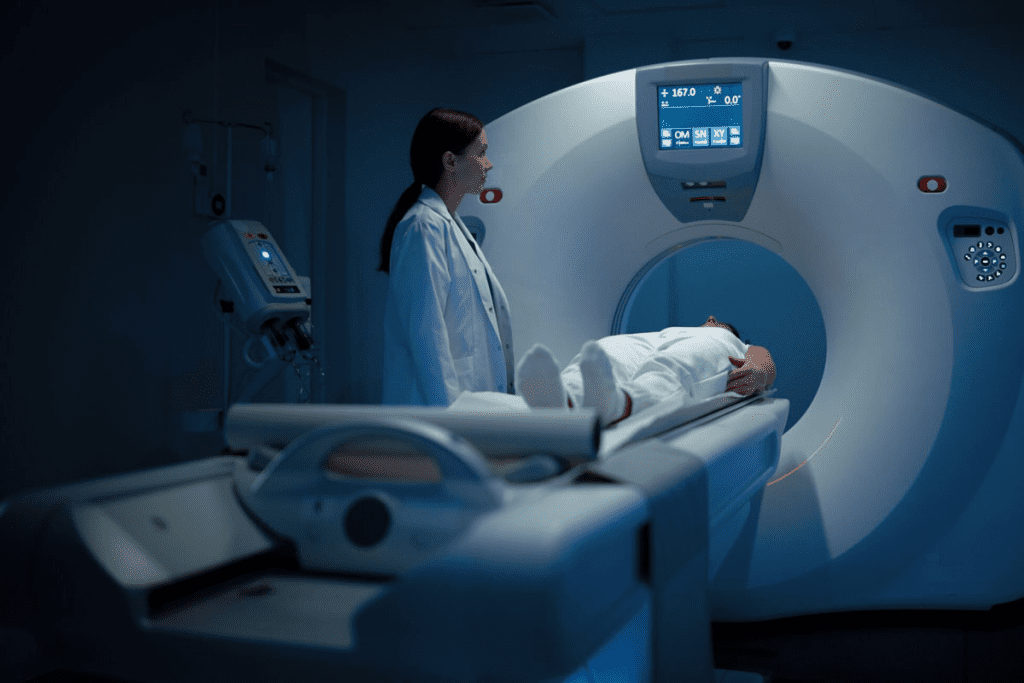
The pet insurance market is booming, valued at $20 billion a year. It’s expected to hit $50 billion in five years, as News12’s Walt Kane reported. This growth shows how much we rely on advanced medical tests, like PET scans, for better care.
Medical technology keeps getting better. Tools like PET scans are key in healthcare now. We look into if these scans are worth it, given their growing importance in medical tests.
We dive into the value of PET scans and how they help patients. This helps you decide if a PET scan is worth the investment.
Key Takeaways
- Understanding the role of PET scans in modern healthcare.
- The benefits of PET scans in diagnosing and treating medical conditions.
- Evaluating the cost-effectiveness of PET scans.
- The growing importance of PET scans in patient care.
- Assessing whether the benefits of PET scans justify the investment.
Understanding PET Scans: What They Are and How They Work
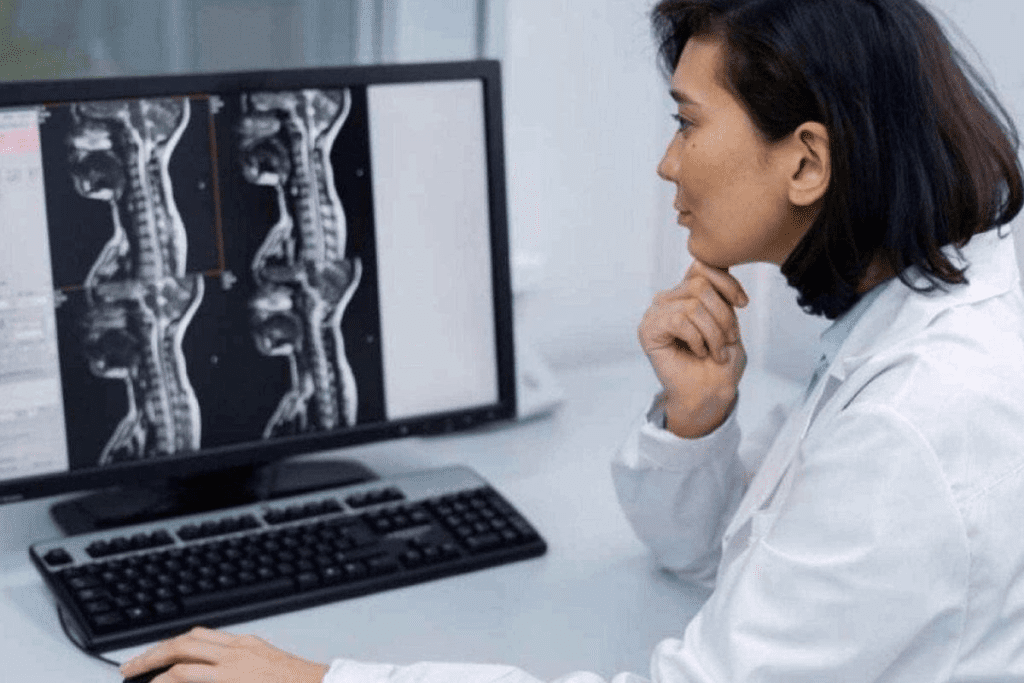
PET scans are key in modern medicine. They help doctors see how different body parts work. This is done through imaging tests.
A small amount of radioactive tracer is injected into the body. It helps us see metabolic processes. The tracer goes to areas with high activity, like growing cancer cells.
The Science Behind PET Imaging Technology
PET imaging uses the idea that body tissues have different metabolic levels. Radioactive tracers help highlight these differences. This is very useful for diagnosing and managing health issues.
The process involves several steps:
- A radioactive tracer is injected into the bloodstream.
- The tracer accumulates in areas of the body with high metabolic activity.
- The PET scanner detects the signals emitted by the tracer.
- A computer reconstructs the signals into detailed images.
Different Types of PET Scans Available
There are many types of PET scans. Each uses a different tracer for specific conditions. The FDG-PET scan is common. It uses Fluorodeoxyglucose (FDG) to find areas with high glucose uptake, like cancer.
Other PET scans focus on heart function, neurological disorders, or tissue viability. The right PET PET Scan vs CT Scan: What’s the Difference?scan depends on the condition and the information needed by doctors.
Is PET Scan Worth Getting: Evaluating the Value
The worth of a PET scan changes with each medical condition. It’s key to look at its value in specific health situations.
Medical Scenarios Where PET Scans Provide Unique Value
PET scans shine in certain health cases. For example, in cancer diagnosis and staging, they show how far cancer has spread. This helps doctors plan treatments.
They also help in neurological disorders, like Alzheimer’s disease. This is because they check brain activity.
In cardiac care, PET scans check the heart’s function and health. This guides doctors in treating heart diseases.
PET scans give detailed info about organs and tissues. This makes them very useful in these areas.
When Alternative Tests Might Be Preferable
Even though PET scans are very useful, sometimes other tests are better. For example, X-rays or CT scans might be quicker and cheaper for initial checks or some conditions.
For soft tissue details and no radiation, MRI might be better. This is true for younger patients or when you need to check again.
Whether a PET scan is needed depends on the health situation and what’s needed for diagnosis and treatment. Always talk to healthcare experts to find the best test.
Key Benefits of PET Scans in Modern Medicine
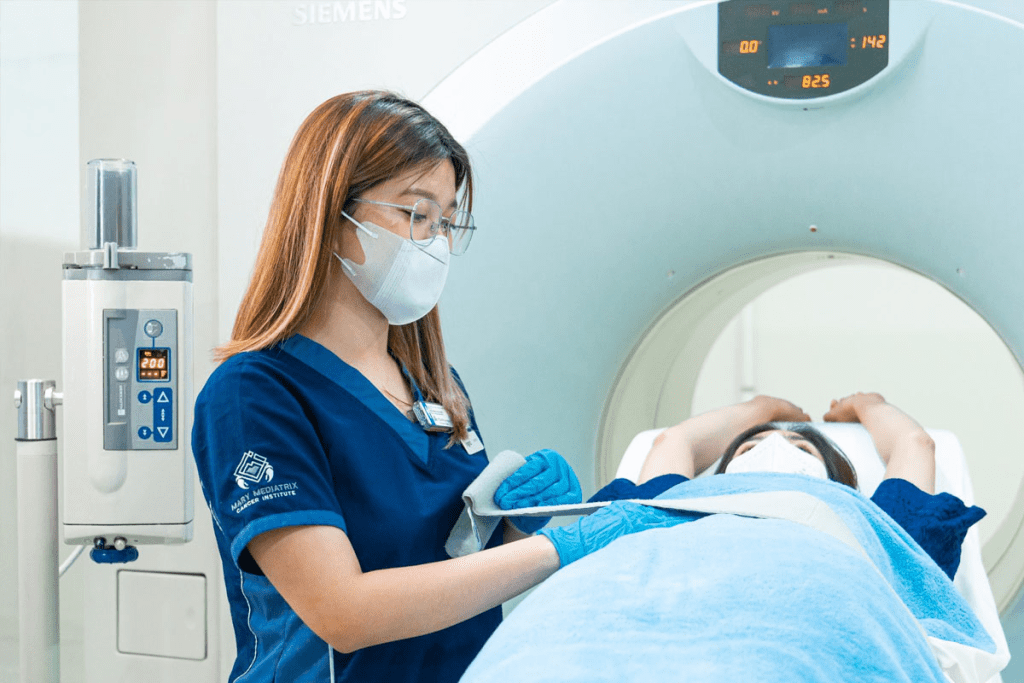
PET scans are special because they show how the body works. They help doctors find problems early and plan better treatments. This makes them very useful in modern medicine.
Diagnostic Advantages Over Other Imaging Methods
PET scans have big diagnostic advantages. They can spot diseases early, even before symptoms show. This means doctors can act fast. PET scans also show how tissues work, which is key for many health issues.
One big plus of PET scans is they show how the body works and its structure. This is super helpful in fighting cancer. They can find cancer cells and see how far the disease has spread.
Impact on Treatment Planning and Patient Outcomes
PET scans really help with treatment planning. They help doctors know how serious a disease is and how much it has spread. This leads to better patient outcomes. Treatments are more likely to work because they’re made just for the patient.
| Condition | Diagnostic Advantage | Impact on Treatment |
| Cancer | Early detection and staging | Targeted therapy and improved survival rates |
| Neurological Disorders | Assessment of brain activity | Personalized treatment plans |
| Cardiac Diseases | Evaluation of heart function | Guided cardiac interventions |
In short, PET scans are very helpful in medicine. They help doctors diagnose and treat diseases better. As technology gets better, PET scans will likely help even more in fighting diseases.
PET Scans for Cancer Detection and Management
PET scans are key in cancer care, helping detect, stage, and check how well treatments work. They give us important info on how tumors behave. This helps us manage cancer better.
Early Detection Capabilities
PET scans have changed how we find cancer early. They spot changes in cells before they turn cancerous. This means doctors can act fast, which can lead to better results for patients.
Key benefits of early detection with PET scans include:
- Identifying cancer at its most treatable stage
- Reducing the risk of cancer progression
- Enabling personalized treatment plans based on the cancer’s characteristics
Staging and Monitoring Cancer Progression
Knowing how far cancer has spread is key for treatment planning. PET scans show us tumor size, location, and spread. This helps us stage cancer accurately.
Keeping an eye on how cancer grows is also important. PET scans let us see how tumors change over time. This helps us adjust treatments as needed.
Evaluating Treatment Response
Seeing how well treatments work is a big part of cancer care. PET scans measure changes in tumor activity. This tells us if treatments are working.
By using PET scans to assess treatment response, we can:
- Identify non-responsive tumors early, allowing for timely adjustments to treatment
- Reduce unnecessary side effects by avoiding ineffective treatments
- Improve patient outcomes by tailoring treatment to individual needs
In conclusion, PET scans are essential in cancer care. They give us insights that help make treatment decisions. This improves patient care.
PET Scans in Neurological Disorders
Neurological disorders are tough to diagnose, but PET scans help a lot. They let us see how the brain works and what it looks like. This helps us understand and treat complex brain conditions.
Alzheimer’s Disease and Dementia Diagnosis
PET scans are key in finding Alzheimer’s and other dementias. They check how the brain uses energy and spot where it’s breaking down. This helps us tell different types of dementia apart.
Key benefits of PET scans in Alzheimer’s diagnosis include:
- Early detection of Alzheimer’s disease
- Distinguishing Alzheimer’s from other dementias
- Monitoring disease progression
Epilepsy, Parkinson’s, and Other Neurological Applications
PET scans are also great for managing epilepsy and Parkinson’s. For epilepsy, they find where seizures start. For Parkinson’s, they check dopamine levels and how severe the disease is.
The versatility of PET scans in neurology is significant. They give us functional info that MRI and CT scans can’t. This helps us understand the brain better.
Some other uses of PET scans in neurology include:
- Diagnosing and monitoring brain tumors
- Assessing inflammatory and infectious brain diseases
- Evaluating brain function after injury or stroke
PET Scans in Cardiac Care
PET scans have changed how we care for the heart. They give detailed pictures of the heart. This helps doctors diagnose and treat heart disease better.
Assessing Heart Function and Damage
PET scans are great for checking if heart tissue is alive and how much damage there is after a heart attack. Knowing this helps doctors decide the best treatment.
We use PET scans to see how well the heart is working and if it’s damaged. This helps us plan treatments more accurately.
Guiding Cardiac Treatment Decisions
PET scans give doctors important information for making treatment choices. They help understand the extent and type of heart disease. This lets doctors pick the best treatments.
For example, PET scans help decide if a patient needs surgery or a less invasive procedure. They also check if these treatments are working.
We also use PET scans to see who might have another heart problem. This lets us take steps to prevent it. It helps us protect patients at high risk.
Accuracy and Limitations of PET Scans
It’s important to know how accurate PET scans are. They are a key tool in diagnosing diseases. But, like all medical tests, they have their limits.
False Positives and False Negatives
Understanding false positives and negatives is key to PET scan accuracy. A false positive means a scan shows disease when there isn’t any. A false negative means it misses disease that’s there. Both can affect patient care a lot.
False positives can cause unnecessary worry and extra tests. They might even lead to wrong treatments. False negatives can delay treatment, which can make things worse for the patient.
Key points to consider regarding false positives and false negatives:
- The rate of false positives and negatives can vary. This depends on the disease and the PET scan technology.
- Good patient preparation and scanning protocols can lower the chance of wrong results.
- It’s important to compare PET scan results with other tests and symptoms for accurate diagnosis.
Factors Affecting Scan Accuracy
Many things can affect how accurate PET scans are. Knowing these is important for both doctors and patients.
- Patient Preparation: Getting ready for the scan, like fasting and avoiding certain meds, is key for good results.
- Scanner Technology: The quality of the PET scanner used can change how clear and accurate the images are.
- Image Interpretation: The skill of the radiologist reading the scan is very important for making the right diagnosis.
- Patient Factors: Things like blood sugar levels, body size, and certain health conditions can also affect the scan’s accuracy.
By knowing these factors and working to improve PET scan accuracy, we can make this imaging tool even more useful.
PET Scan Risks and Safety Considerations
It’s important to know the risks of PET scans before making healthcare choices. These scans are useful for diagnosis but have risks to consider.
Radiation Exposure Concerns
PET scans use a radioactive tracer, which means some radiation exposure. This is something to think about, mainly for certain patients.
Key Points About Radiation Exposure:
- The dose from a PET scan is low, like other imaging tests.
- Long-term radiation can raise cancer risk.
- Pregnant women and kids are more vulnerable to radiation.
| Patient Group | Radiation Exposure Considerations |
| Adults | Low to moderate risk; benefits often outweigh risks. |
| Pregnant Women | High risk; PET scans are generally avoided unless absolutely necessary. |
| Children | Higher risk due to developing tissues; used cautiously. |
Other Possible Side Effects
Other side effects of PET scans are rare but can happen. These include allergic reactions, discomfort, and fasting issues.
Common Side Effects:
- Allergic reactions to the radioactive tracer.
- Discomfort or claustrophobia during the scan.
- Nausea or dizziness due to fasting or the tracer.
It’s key to balance the benefits of PET scans with their risks. For many, the benefits are worth it, as long as they’re used carefully and safely.
Comparing PET Scans to Other Imaging Tests
PET scans are key in modern medicine. But how do they stack up against CT scans and MRI? We’ll look at the differences and benefits of each. This will help patients and doctors make better choices.
PET vs. CT Scans
PET and CT scans are both used for imaging. But they do different things. CT scans show the body’s structure. PET scans show how tissues work.
This is important for finding and treating cancer.
Key differences between PET and CT scans:
- PET scans look at how tissues work, while CT scans show their structure.
- PET scans are better at finding cancer early.
- CT scans give more detailed pictures of organs.
| Characteristics | PET Scan | CT Scan |
| Primary Use | Metabolic activity | Anatomical structure |
| Cancer Detection | High sensitivity | Detailed anatomy |
| Radiation Exposure | Moderate | Moderate to High |
PET vs. MRI
MRI gives detailed images of soft tissues. When comparing PET scans to MRI, we think about what information we need. And what disease we’re looking at.
Advantages of PET scans over MRI:
- PET scans are better at finding metabolic changes in cancer.
- PET scans can check the whole body at once.
Advantages of MRI over PET scans:
- MRI shows soft tissues more clearly.
- MRI doesn’t use radiation.
PET/CT and PET/MRI Hybrid Technologies
Hybrid imaging like PET/CT and PET/MRI combines different strengths. PET/CT, for example, mixes PET’s metabolic info with CT’s detailed images.
“The integration of PET and CT or MRI in hybrid systems has revolutionized diagnostic imaging, giving a fuller picture of disease.” – Expert Opinion
Benefits of hybrid technologies:
- They improve how well we can diagnose.
- They help plan treatments better.
- They show how well treatments are working.
As medical imaging gets better, PET scans and their rivals will keep being important. Knowing the differences helps doctors pick the best tools for patients.
Cost-Effectiveness Analysis: Are PET Scans Worth the Investment?
PET scans are becoming more common, with the market expected to hit $50 billion in five years. This raises the question of their value. We must look at both their cost and their health benefits.
Short-term vs. Long-term Financial Considerations
PET scans can cost between $1,000 and $5,000 or more. This is a big expense for patients and healthcare systems in the short term. But, over time, PET scans can save money. They help find the right treatments early, avoiding unnecessary procedures.
Key financial benefits of PET scans include:
- Reduced need for exploratory surgeries
- Avoidance of ineffective treatments
- Earlier detection and treatment of diseases, potentially reducing long-term healthcare costs
Value in Terms of Health Outcomes
PET scans offer more than just financial benefits. They help doctors diagnose diseases early and track how they progress. This information is key for making better treatment plans and improving patient care.
The impact of PET scans on health outcomes is multifaceted:
- Improved diagnostic accuracy
- Enhanced treatment planning
- Better patient stratification for clinical trials
In cancer care, PET scans help find the best treatments and avoid unnecessary steps. They show how tumors work, helping doctors make smart choices.
In summary, while PET scans are expensive upfront, their long-term benefits are clear. They improve health outcomes and are worth the investment. As healthcare changes, we must weigh their financial and health benefits.
When to Request a PET Scan: Guidelines for Patients
Knowing when to ask for a PET scan is key for good diagnosis and treatment. As a patient, being informed and proactive in your healthcare is important.
Discussing PET Scans with Your Doctor
Before asking for a PET scan, talk openly with your doctor. Make a list of questions and concerns to cover all important points.
Your doctor can tell you if a PET scan is right for you. They can also explain how it fits into your treatment plan.
Questions to Ask Before Scheduling
When thinking about a PET scan, ask your healthcare provider these questions:
- What are the specific reasons for recommending a PET scan in my case?
- How will the PET scan results influence my treatment plan?
- Are there any alternative diagnostic tests that could be used instead?
- What are the possible risks or side effects of the PET scan?
- How should I prepare for the PET scan to get accurate results?
By asking these questions, you can make a better decision about getting a PET scan. Being an active participant in your healthcare can lead to better results and a treatment plan that’s more tailored to you.
Requesting a PET scan should be a team effort between you and your healthcare provider. Understanding when to ask for a PET scan and being ready for it can help you take a more active role in your diagnosis and treatment.
Future Developments in PET Scanning Technology
PET scanning is on the verge of a big change. This change will make it even better at finding health problems. New applications and techniques are coming that will change how we use PET scans in medicine.
Emerging Applications and Techniques
New things are happening in PET scanning. For example, oncology is getting a lot from PET scans. They help find cancer and check how treatments are working. New methods, like quantitative PET imaging, will make diagnoses even more accurate.
- Improved image resolution through advanced detector technologies
- Integration of artificial intelligence for enhanced image analysis
- Expansion of PET scanning applications in neurological disorders
A study says AI in PET imaging will change how we diagnose diseases. It will give us more precise results and help doctors make better decisions.
“AI-assisted PET imaging will become a cornerstone in the diagnosis and treatment of complex diseases.” “ A nuclear medicine specialist
Potential Improvements in Accessibility and Cost
PET scans are expensive and not everyone can get them. But, new tech is coming that will change this. It will make PET scans cheaper and more available.
- Development of more affordable PET scanner models
- Increased adoption of PET scanning in emerging markets
- Improved insurance coverage for PET scans
We think these changes will help more people get PET scans. This will lead to better health care for everyone. A top expert in nuclear medicine, says, “The future of PET scanning is in making it a common tool in medicine.”
By making the tech better and cheaper, PET scans will keep being a key part of medical care.
Conclusion: Making an Informed Decision About PET Scans
PET scans are a key tool in modern medicine. They give deep insights into many health issues, like cancer, brain disorders, and heart problems.
Thinking about getting a PET scan? It’s important to look at the good and bad sides. PET scans can spot diseases early and check how treatments work. This helps doctors plan better care for you.
But, there are downsides too. PET scans use radiation and might show false results. Talking to your doctor about these risks helps you decide wisely.
Choosing to get a PET scan depends on your health situation. Weighing the benefits and risks helps you use PET scans to better your health.
FAQ
What is a PET scan, and how does it work?
A PET (Positron Emission Tomography) scan is a medical test. It uses a radioactive tracer to see how the body works. The tracer is injected into the body and absorbed by cells.
The PET scanner picks up the radiation from the tracer. This creates detailed images of the body’s internal structures and functions.
Is a PET scan worth getting for cancer detection?
Yes, PET scans are very useful for finding and tracking cancer. They help doctors see where cancer is and how far it has spread. This information helps in planning the best treatment.
What are the benefits of PET scans in neurological disorders?
PET scans are great for diagnosing and managing brain diseases. They help doctors understand brain function and metabolism. This information is key for making treatment plans.
How accurate are PET scans?
PET scans are usually accurate, but they’re not 100% reliable. The type of tracer, scanner quality, and patient prep can affect results. While rare, false positives and negatives can happen.
What are the risks associated with PET scans?
The main risk is radiation from the tracer. But the amount is small, and the scan’s benefits often outweigh the risks. Rarely, other side effects may occur, but they are usually mild.
How do PET scans compare to other imaging tests like CT scans and MRI?
PET scans focus on metabolic processes, while CT scans and MRI look at structures. They are often used together for a full picture of the body’s internal workings.
Are PET scans cost-effective?
PET scans can save money in the long run. They can help avoid unnecessary surgeries and guide effective treatments. But, they can be expensive, and insurance coverage varies.
When should I request a PET scan?
Talk to your doctor about a PET scan if you have symptoms or conditions that might benefit from it. Your doctor will decide if a PET scan is right for you.
What should I ask my doctor before scheduling a PET scan?
Before a PET scan, ask your doctor about the scan’s purpose, the tracer used, and what to do before the scan. Also, ask about risks, benefits, cost, insurance, and what to expect during and after.
What are the future developments in PET scanning technology?
New tracers and technologies like PET/CT and PET/MRI are improving PET scans. These advancements will make scans more accurate and accessible, and could lower costs.
Can PET scans be used for heart disease diagnosis and management?
Yes, PET scans can check heart function and damage. They help doctors decide on heart treatments. They can also diagnose and manage heart conditions like coronary artery disease.
How do PET scans contribute to treatment planning?
PET scans show how tissues work, helping doctors plan treatments. They help check if treatments are working and make changes if needed.
References
- Buck, A. K., Herrmann, K., Stargardt, T., Dechow, C., & Werner, R. A. (2010). Economic evaluation of PET and PET/CT in oncology. Journal of Nuclear Medicine Technology, 38(1), 6-16. https://tech.snmjournals.org/content/38/1/6
- Langer, A. (2010). A systematic review of PET and PET/CT in oncology: cost-effectiveness and clinical impact. BMC Health Services Research, 10, 283. https://bmchealthservres.biomedcentral.com/articles/10.1186/1472-6963-10-283
- Naghavi-Behzad, M., Gerke, O., Kodahl, A. R., Vogsen, M., Asmussen, J. T., Weber, W., & Hildebrandt, M. G. (2023). Cost-effectiveness of 2-[^18F]FDG-PET/CT versus CE-CT for response monitoring in patients with metastatic breast cancer: A register-based comparative study. Scientific Reports, 13, 16315. https://www.nature.com/articles/s41598-023-43446-7
- Sammartino, A. M., Bonfioli, G. B., Dondi, F., Riccardi, M., Bertagna, F., Metra, M., & Vizzardi, E. (2024). Contemporary role of positron emission tomography (PET) in endocarditis: A narrative review. Journal of Clinical Medicine, 13(14), 4124. https://doi.org/10.3390/jcm13144124
- Albano, D., Rizzo, A., Guarneri, A., Leccisotti, L., Rodella, C., & Treglia, G. (2025). Emerging PET radiotracers in cardiovascular, neuro-inflammation, lung and rheumatological diseases: A narrative review. EJNMMI Reports, 9, 28. https://ejhi.springeropen.com/articles/10.1186/s41824-025-00263-7