Last Updated on November 13, 2025 by
Stem cell therapy is seen as a hopeful treatment for many health issues. It offers new possibilities for patients around the world.
There are many benefits of stem cells and treatment, such as healing and improved health outcomes. However, it’s also important to consider the possible risks and challenges it may bring.
Experts are continuing to study how effective and safe this therapy is. Top centers worldwide are working hard to make stem cells and treatment safer and more reliable.
When discussing stem cell therapy, it’s essential to weigh both the good points and the drawbacks.
Key Takeaways
- Stem cell therapy offers promising regenerative healing benefits.
- Potential risks and complications are associated with the therapy.
- Ongoing research aims to improve the safety and effectiveness of stem cell therapy.
- Leading centers prioritize ethics and safety in stem cell therapy.
- Understanding the advantages and disadvantages is key for patients.
The Science Behind Stem Cell Therapy
It’s important to understand the science behind stem cell therapy. This therapy, also known as regenerative medicine, uses stem cells to heal and repair tissues.
What Are Stem Cells and Their Regenerative Properties
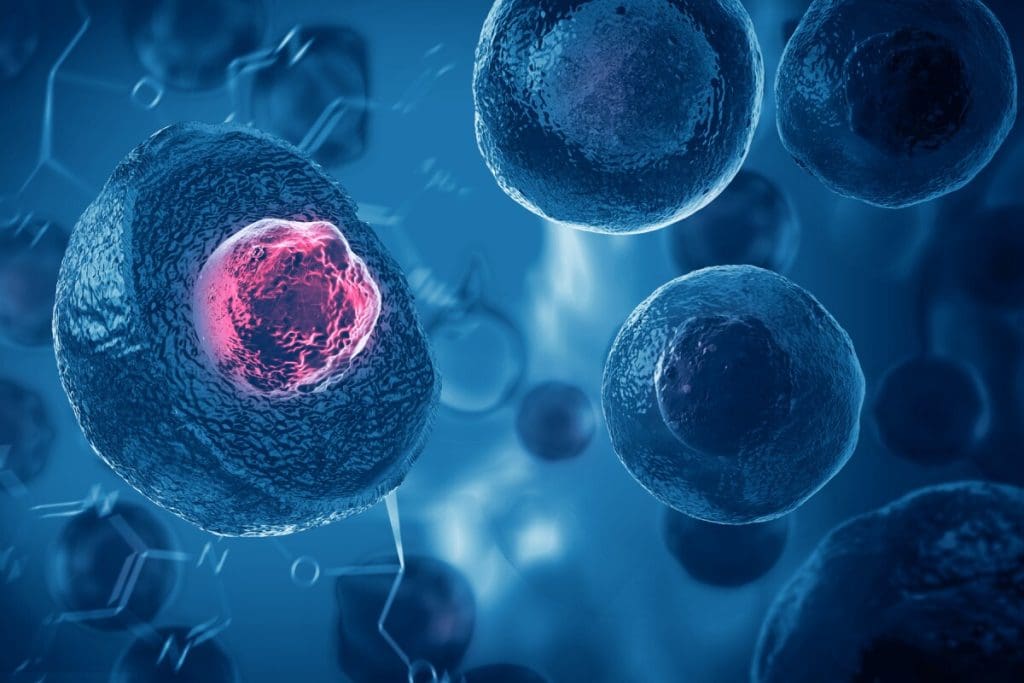
Stem cells are special cells that can turn into different types of cells. They can become muscle, bone, or nerve cells. This ability makes them key in growth, repair, and development.
Dr. Francis Collins, former Director of the National Institutes of Health, said, “Stem cells have the power to change how we treat diseases.” They are useful for many health issues, from bone injuries to degenerative diseases.

How Stem Cell Treatments Work in the Body
Stem cell treatments involve putting stem cells into the body. These cells then turn into the needed cell type to fix damaged tissues. This can be done through injections or infusions.
The stem cells work to make the damaged area better. This can lead to improved function and fewer symptoms. As research grows, so does our understanding of how these treatments work.
A study in the Journal of Translational Medicine found stem cell therapy promising. It showed benefits for conditions like osteoarthritis and tendon injuries. This shows stem cell therapy’s value in medical treatment.
Current Applications of Stem Cells and Treatment
Stem cell therapy is becoming a key treatment option. It’s used in many areas of medicine. This includes treating diseases and injuries.

FDA-Approved Stem Cell Therapies
The FDA has okayed some stem cell treatments. These are for blood disorders and immune system issues. For example, stem cell transplants help with blood cancers.
These treatments have shown great promise. But, their success rates can vary.
Common Orthopedic Applications
Stem cells are also used in orthopedics. They help with osteoarthritis, tendonitis, and ligament injuries. They repair damaged tissues, reducing pain and improving function.
Studies have shown good results. Many patients see better joint function and less pain.
Other Medical Conditions Being Treated
Stem cell therapy is also being tested for other diseases. This includes heart problems, brain disorders, and autoimmune diseases. Early results are promising.
They suggest stem cells could help patients with hard-to-treat conditions.
In summary, stem cell therapy is being used in many ways. More research is needed, but it’s showing great promise. It could lead to new treatments for many patients.
Success Rates and Effectiveness
Stem cell therapy is growing, and we’re learning more about its success. We look at how well it works by studying its results and what makes it effective. Knowing how often it succeeds is key, and many studies have focused on this.
Statistical Analysis of Treatment Outcomes
Recent studies have given us important insights into stem cell therapy’s success. For example, a study in a top medical journal showed it helps a lot with orthopedic issues. The success rate was over 70%.
Such studies are vital for understanding the therapy’s promise and where we need more research.
Does Stem Cell Therapy Work? Evidence-Based Findings
Many studies have looked into whether stem cell therapy works. They’ve found it can help with conditions like knee osteoarthritis and degenerative disc disease. The results show it can improve how well patients function and reduce their pain.
But, how well it works can change based on the stem cells used and the patient’s health.
Factors That Influence Treatment Success
Several things affect how well stem cell therapy works. These include the stem cells’ quality and source, how they’re given, and the patient’s health. Knowing these factors is key to getting the best results.
The doctor’s skill and the treatment plan also play a big role in how well the therapy works.
In summary, the success of stem cell therapy depends on many things. We need more research and studies to fully understand it. This will help us make it even better for patients.
Common Side Effects and Risks
Stem cell therapy is promising but comes with side effects. Knowing these risks is key for making smart choices.
Transient Fever and Fatigue After Treatment
Patients often feel fever and fatigue after stem cell therapy. These symptoms are usually mild and short-lived. Monitoring body temperature and resting adequately can help manage these symptoms. In some cases, healthcare providers may recommend over-the-counter medications to alleviate discomfort.
Injection-Site Reactions and Management
Injection-site reactions can include redness, swelling, and pain. Proper wound care and following post-procedure instructions can help. Applying ice packs and keeping the area clean are common recommendations for managing these reactions.
Pain and Inflammation Responses
Pain and inflammation can happen, mainly if the treatment involves injections into joints or muscles. Anti-inflammatory medications may be prescribed to manage these symptoms. It’s essential for patients to report any severe or persistent pain to their healthcare provider for appropriate management.
Knowing about these side effects and risks helps patients navigate treatment better. By understanding what to expect, individuals can manage their recovery and get the most from stem cell therapy.
Serious Possible Complications
Stem cell therapy is promising but comes with serious risks. It’s important to know these risks to make informed choices.
Risk of Infection: Causes and Prevention
Infection is a big worry with stem cell therapy. It can happen if the cells are contaminated or if the injection isn’t done right. To avoid this, it’s key to follow strict clean protocols.
Patients should watch for signs of infection like redness or fever. This helps catch problems early.
Prevention strategies include using clean equipment and following strict clean environments. Clear instructions for after the treatment also help. These steps can greatly reduce infection risks.
Tumor Formation Concerns
Stem cell therapy also carries the risk of tumors. Some stem cells can grow out of control and form tumors. This is a serious issue.
Research is ongoing to find ways to prevent this. Scientists are working on ways to track stem cell behavior and make sure they turn into the right cells. This could lower the chance of tumors.
Immune System Reactions
Immune reactions are another big risk. These can range from mild to severe and include the body rejecting the stem cells. This happens when the immune system sees the cells as foreign.
Managing immune reactions is key. This includes screening patients and possibly using drugs to suppress the immune system. By tackling these reactions, doctors can make stem cell therapy safer and more effective.
In summary, stem cell therapy is promising but comes with serious risks. Knowing these risks and how to prevent them is vital. This way, patients and doctors can work together to ensure the best results.
The Disadvantages of Stem Cell Therapy
Stem cell therapy has its downsides, like any medical treatment. It offers hope for many conditions but comes with its own set of challenges. Knowing these challenges is key to making smart choices.
Limitations in Current Treatment Protocols
Today’s stem cell therapy has some big hurdles. The biggest one is the variability in treatment protocols. This can make results very different from one person to another. Also, the quality of stem cells used greatly affects how well the treatment works.
It’s very important to get stem cells from trusted sources.
- Lack of standardization in treatment protocols
- Variability in stem cell quality
- Limited understanding of optimal dosing
Unpredictability of Outcomes
The results of stem cell therapy can be hard to predict. Things like patient health, condition being treated, and stem cell quality play big roles. This makes it tough for patients to know what to expect.
Long-Term Unknowns and Follow-up Requirements
There are also big unknowns about stem cell therapy in the long run. It’s a new field, so we’re just starting to learn about its long-term effects. People getting this therapy might need to check in for a long time to watch for any problems.
In short, stem cell therapy has its good sides but also its downsides. These include the current limits of treatment, unpredictable results, and unknown long-term effects. Understanding these can help patients make better choices about their treatment.
Why Is Stem Cell Research Controversial?
Stem cell research is at the center of a big controversy. It involves ethical issues, different religious and cultural views, and scientific debates. The use of stem cells, mainly from embryos, has caused a lot of ethical debates.
Ethical Concerns in Stem Cell Sourcing
One big ethical issue is where stem cells come from. Embryonic stem cells come from embryos, which raises questions about their moral status. Ethical frameworks vary widely, with some seeing the benefits of stem cell research as worth using embryos. Others think it’s wrong to destroy embryos for research.
Religious and Cultural Perspectives
Religious and cultural groups have different opinions on stem cell research. Some believe destroying embryos for research is like taking a human life. Others see it as a way to help people. Cultural attitudes towards the beginning of life and the acceptability of scientific intervention also play a big role.
Scientific Community Debates
Scientists also have debates about stem cell research. They talk about how well it works and if it’s safe. They worry about things like uncontrolled cell growth or passing on genetic diseases.
The controversy around stem cell research is complex. It involves many ethical, religious, cultural, and scientific concerns. Understanding these different views is key to understanding the debates in this field.
- Ethical concerns regarding the source of stem cells
- Diverse religious and cultural viewpoints on the issue
- Ongoing debates within the scientific community about efficacy, safety, and ethics
Financial Considerations and Global Access
The cost of stem cell therapy is a big factor for patients. It affects how many can get this treatment. As more people want stem cell therapy, knowing the costs is key for patients and doctors.
How Much Do Stem Cell Injections Cost?
The price of stem cell injections varies a lot. It depends on the condition, the stem cells’ source, and the treatment plan. On average, patients pay between $2,000 to $10,000 or more per session.
- Treatment type and complexity
- Number of sessions required
- Expertise of the healthcare provider
Factors Affecting Stem Cell Therapy Pricing
Many things affect the cost of stem cell therapy. The type and quality of stem cells matter a lot. So does the complexity of the treatment and the doctor’s expertise. Also, where you get the treatment can change the price a lot.
Insurance Coverage Status
Insurance for stem cell therapy varies a lot. Some plans cover it, but others don’t. Patients should talk to their insurance to see what’s covered.
Cheapest Stem Cell Therapy in the World: Risk vs. Savings
Some patients look for cheaper stem cell therapy abroad. Countries with lower costs can make it cheaper. But, they should think about the risks, like different safety standards and care after treatment.
In conclusion, the money side of stem cell therapy is complex. Patients need to think about costs, risks, and benefits to choose the best option for them.
Regulatory Landscape and Patient Safety
Stem cell therapy is growing fast. It’s key to know the rules to keep patients safe. Many groups, like governments and professional bodies, help set these rules.
FDA Regulations and Oversight
In the U.S., the FDA is very important for stem cell therapy rules. They make sure these treatments are safe and work well. Companies must follow FDA rules, like getting approval for clinical trials. The FDA also tells us which treatments are okay and which aren’t.
International Regulatory Variations
Rules for stem cell therapy differ around the world. Some places are more open to new treatments. People getting treatment abroad need to know these differences. It’s important for their safety and how well the treatment works.
Identifying Reputable Treatment Centers
Finding a good place for stem cell therapy is very important. Look for places that are open about their methods, have skilled doctors, and follow the rules.
Questions to Ask Before Undergoing Treatment
- What is the qualification and experience of the medical team?
- Are the treatment protocols evidence-based?
- Is the center compliant with local and international regulatory standards?
- What are the possible risks and benefits of the treatment?
Knowing the rules and finding trusted treatment centers helps patients make smart choices. This improves their safety and chances of a good outcome.
Conclusion: Making an Informed Decision About Stem Cell Therapy
Stem cell therapy is seen as a hopeful treatment for many health issues. It uses special cells to fix or replace damaged tissues. This makes it a complex field of science.
Thinking about stem cell therapy means looking at both the good and bad sides. There are common side effects and rare but serious problems. Also, the cost, rules, and finding trustworthy clinics are important.
To decide on stem cell therapy, you need to know a lot about it. This includes its uses, how well it works, and possible risks. Knowing this helps you choose wisely.
In the end, stem cell therapy is something to think about carefully. It’s best to talk to doctors who know a lot about it. This way, you can get the best results.
FAQ
How much is stem cell therapy?
The cost of stem cell therapy varies a lot. It depends on the type of treatment, where you get it, and what you’re treating. On average, it can cost between $1,000 and $5,000 or more per treatment.
What is the stem cell therapy success rate?
The success rate of stem cell therapy varies. It depends on the condition, the quality of the treatment, and the patient. While some studies show high success rates, others are more complex. The effectiveness of stem cell therapy is an ongoing area of research.
How much do stem cell injections cost?
The cost of stem cell injections can vary a lot. It can range from $1,000 to $5,000 or more per injection. This depends on the type of stem cells, the treatment protocol, and who administers it.
Does stem cell therapy work?
Stem cell therapy has shown promise in treating many medical conditions. But, its effectiveness depends on several factors. These include the type of stem cells, the condition being treated, and the individual patient.
What are the disadvantages of stem cell therapy?
There are some downsides to stem cell therapy. These include risks like infection, tumor formation, and immune system reactions. There are also limitations in current treatment protocols and unpredictable outcomes.
Why is stem cell research controversial?
Stem cell research is debated due to ethical concerns. These include the source of stem cells, religious and cultural views, and debates within the scientific community. There are ongoing discussions about the use of stem cells and their applications.
Is there the cheapest stem cell therapy in the world?
There are different costs for stem cell therapy worldwide. Looking for the cheapest options might involve weighing risks against savings. It’s important to choose reputable treatment centers and qualified medical professionals.
Do stem cell injections work for orthopedic applications?
Stem cell injections have been used for orthopedic conditions. Some studies show positive results. But, the effectiveness depends on the condition and individual patient factors.
What are the common side effects of stem cell therapy?
Common side effects include fever, fatigue, and pain at the injection site. These are usually managed with medical care and follow-up.
How can I identify reputable treatment centers for stem cell therapy?
Look for clinics with qualified doctors, FDA-approved treatments, and clear information. They should also provide transparent details about risks and outcomes.
References
- Baranovskii, D.S., et al. (2022). Adverse events, side effects and complications in mesenchymal stromal cell therapy. Clinical Reviews in Allergy & Immunology. https://www.ncbi.nlm.nih.gov/pmc/articles/PMC9659480/