Last Updated on December 1, 2025 by Bilal Hasdemir

Multiple sclerosis (MS) is a chronic autoimmune disease that affects the central nervous system. Recent studies have shown that stem cell therapy can be an effective treatment for MS, giving patients new hope. A surprising fact is that nearly 70% of MS patients who undergo stem cell therapy experience significant improvement in their condition.
The success rate of stem cell therapy for MS is closely related to the patient’s immune system. In some cases, patients with leukemia may require isolation to protect their compromised immune systems. Understanding the connection between stem cell therapy and immune system isolation is key for leukemia patients considering this treatment.
Key Takeaways
- Stem cell therapy is a promising treatment for MS.
- The success rate of stem cell therapy for MS is around 70%.
- Leukemia patients may require isolation due to compromised immune systems.
- Understanding the connection between stem cell therapy and immune system isolation is key.
- Stem cell therapy can offer new hope to MS patients.
Understanding Leukemia And The Need for Isolation
Leukemia is a cancer that affects the blood and bone marrow. It weakens the immune system, making it vital to keep patients isolated. People with leukemia are more likely to get sick because their immune systems are not strong enough.
Types Of Leukemia And Their Impact On The Immune System
There are different types of leukemia, like acute lymphoblastic leukemia (ALL), acute myeloid leukemia (AML), chronic lymphocytic leukemia (CLL), and chronic myeloid leukemia (CML). Each type affects the immune system in its own way. But all increase the risk of getting infections.
- ALL and AML are acute leukemias that grow fast. They need quick treatment and isolation to avoid serious infections.
- CLL and CML are chronic leukemias that grow slower. But they also need precautions to avoid infections.
Why Isolation Is Critical For Leukemia Patients
Keeping leukemia patients isolated is very important. It helps lower the chance of getting infections. Social distancing for leukemia patients is a big part of their care. It helps keep them safe from serious illnesses.
- Isolation helps control the patient’s environment. It reduces their exposure to harmful germs.
- It lets healthcare providers take isolation precautions for leukemia patients. They use personal protective equipment (PPE) and keep things clean.
Healthcare providers can make leukemia treatment isolation protocols specific to each patient. This improves their care and lowers the risk of problems.
The Science Behind Isolation With Leukemia Isolation
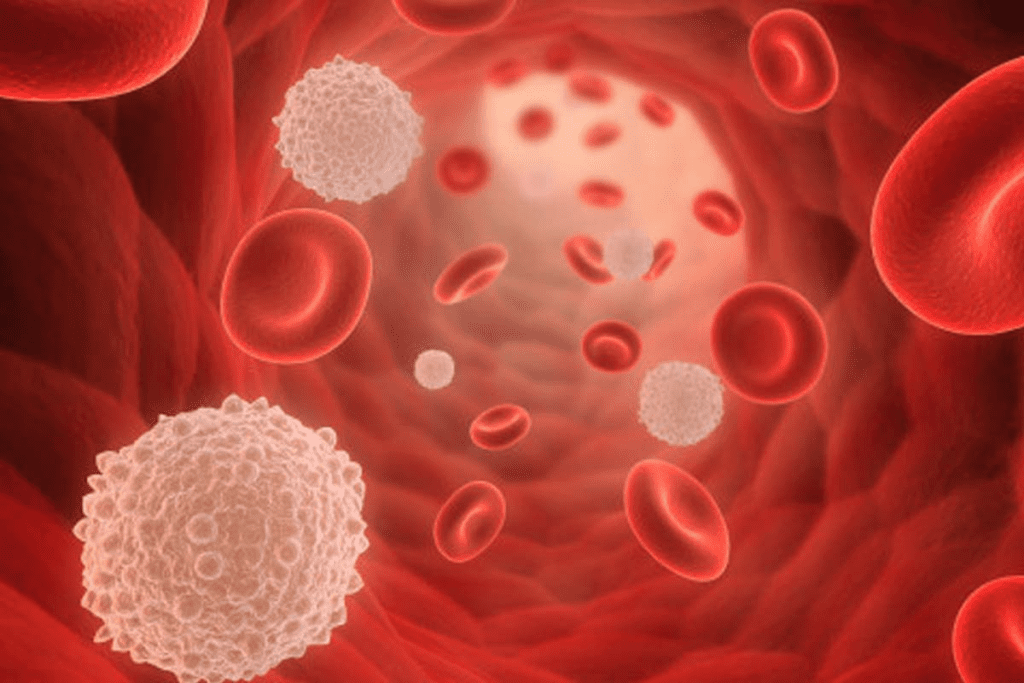
It’s important to know about leukemia to understand why isolation is needed during treatment. Leukemia is a cancer that affects the blood and bone marrow. It causes an abnormal increase in white blood cells.
These cancerous cells take over, leaving less room for healthy cells. This makes it harder for the body to fight off infections.
Leukemia’s Impact on the Immune System
The disease messes with blood cell production. It reduces the number of healthy white blood cells, red blood cells, and platelets. This makes patients more likely to get sick.
How Leukemia Affects White Blood Cell Production
Leukemia harms white blood cell production. The bone marrow makes abnormal white blood cells instead of healthy ones. These abnormal cells take over, leaving less room for normal cells.
This weakens the immune system. Patients with leukemia are more likely to get infections.
Infection prevention in leukemia patients is key. Isolation helps keep them away from harmful germs.
Infection Risks During Treatment
Patients with leukemia face a higher risk of infections during treatment. Chemotherapy, a common treatment, lowers white blood cell counts even more. This increases the risk of infections.
So, managing isolation with leukemia is vital. It helps prevent serious complications.
Understanding these risks and adhering to leukemia isolation guidelines can lead to better patient outcomes. By reducing exposure to infections, patients can better handle leukemia treatment.
Medical Guidelines For Leukemia Patients Isolation
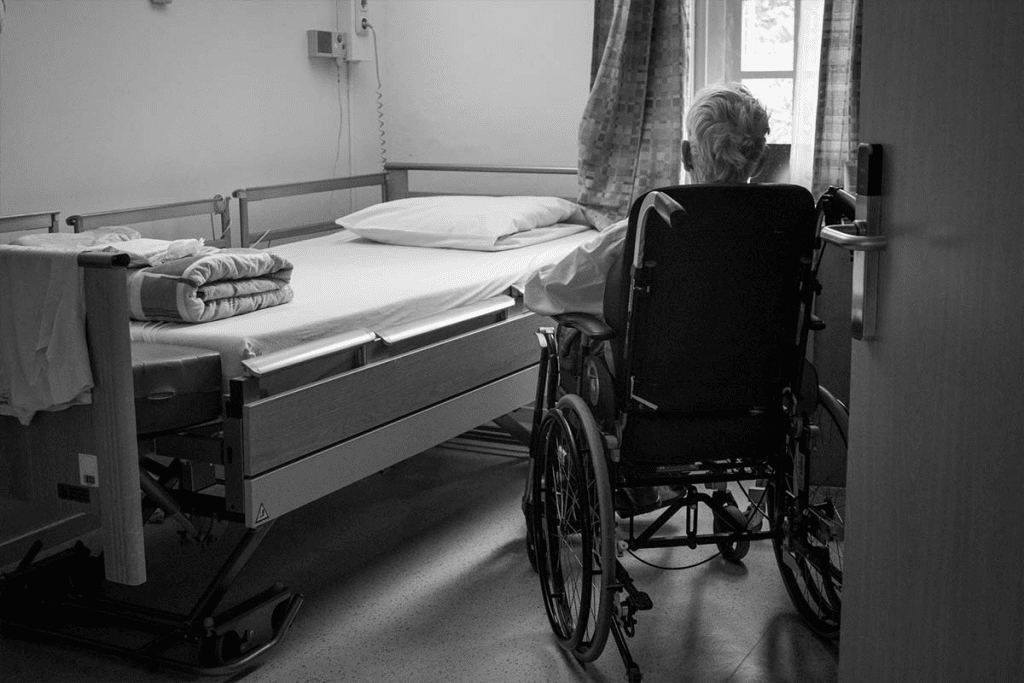
Isolation is key during leukemia treatment to protect patients from infections. Leukemia weakens the immune system, making patients more prone to infections. So, keeping them isolated is a vital part of their care.
Medical guidelines for isolating leukemia patients aim to lower infection risks. These rules apply in hospitals and at home. They ensure patients get the care they need.
Hospital Isolation Protocols
Hospitals have strict rules for isolating leukemia patients. These include:
- Putting patients in single rooms or isolation units to cut down on infection risks.
- Sticking to strict hygiene, like handwashing and wearing PPE.
- Limiting who can visit and making sure visitors follow hygiene rules.
The Centers for Disease Control and Prevention (CDC) says, “Patients with leukemia are at high risk for infections. Isolation can help lower this risk.”
Home Isolation Requirements
For those treating at home, isolation rules are just as important. Key points include:
- Keeping a clean, safe space by disinfecting surfaces and avoiding infection sources.
- Following social distancing to reduce contact with others.
- Practicing good hygiene, like washing hands often.
By following these guidelines, leukemia patients can lower their infection risk at home and in hospitals. Good isolation practices are a key part of caring for leukemia patients.
Setting Up A Safe Environment At Home
For leukemia patients, making a safe home is key. It helps them manage their care while they’re isolated. This means creating a space that lowers infection risks and keeps them well.
Creating a Clean Space
Keeping a clean space is vital for managing isolation with leukemia. Make sure the patient’s area is tidy, well-ventilated, and cleaned often. Disinfect high-touch spots like door handles and countertops regularly.
Regular cleaning cuts down infection risks and makes living easier. Use a cleaning schedule to keep things consistent.
Essential Supplies For Home Isolation
Having the right stuff is important for a safe home. You’ll need:
- Personal protective equipment (PPE) like masks and gloves
- Disinfectants and cleaning products
- A thermometer for checking body temperature
- Any needed medications and medical gear
Following leukemia care isolation guidelines helps prepare a safe space. It’s smart to have a plan for supplies in case of shortages or emergencies.
By focusing on these steps, leukemia patients can lower infection risks and live better during isolation.
Infection Prevention Strategies For Leukemia Patients
Leukemia patients face a higher risk of getting infections. It’s vital to prevent infections, as treatments can weaken their immune system. This is why keeping infections at bay is key during treatment.
Hygiene Practices
Good hygiene is the first step in preventing infections. Leukemia patients should:
- Wash their hands often with soap and water, after using the bathroom and before eating.
- Use hand sanitizer when soap and water are not around.
- Keep their living space clean and disinfected, focusing on areas like doorknobs and light switches.
Personal hygiene items should not be shared. Patients should be reminded to practice good hygiene every day.
Visitor Protocols
Visitors can unknowingly bring infections to leukemia patients. It’s important to have clear rules for visitors:
- Visitors should be healthy and show no signs of illness.
- They should wash their hands when entering and leaving the patient’s room.
- Choose non-contact greetings instead of hugging or kissing.
Limiting visitors during high-risk times, like flu season, can help prevent infections.
Following these infection prevention tips can greatly lower the risk of infections for leukemia patients. This can improve their health outcomes during treatment.
Nutrition And Diet During Isolation With Leukemia
Leukemia patients in isolation need a balanced diet for their health. A nutritious diet helps manage treatment side effects and boosts the immune system. It’s key to eat a variety of nutrient-rich foods.
Food Safety Guidelines
Leukemia patients must be careful with food to avoid infections. Handling and preparing food safely is very important. This means:
- Washing hands thoroughly before handling food
- Cooking food to the recommended internal temperature
- Avoiding raw or undercooked foods, like meats and eggs
- Storing food properly to prevent contamination
By following these steps, patients can lower their risk of getting sick from food.
Immune-Boosting Nutrition
Consuming foods rich in antioxidants, vitamins, and minerals can boost the immune system. Good foods include:
- Fruits and vegetables, full of antioxidants
- Lean proteins like chicken and fish, which support immune function
- Whole grains, providing essential fiber and nutrients
- Nuts and seeds, rich in healthy fats and antioxidants
It’s also important to drink plenty of water all day.
Dealing with leukemia and isolation is tough, but the right nutrition can help. By focusing on food safety and immune-boosting foods, patients can take steps towards recovery.
Physical Activity While In Isolation
Physical activity is key for leukemia patients during treatment. It helps keep strength up, boosts mood, and improves health. This is important when they are isolated.
It’s important to choose safe and effective physical activities while isolated. Make sure to balance activity with rest to avoid getting too tired.
Safe Exercise Options
Leukemia patients can do low-intensity exercises like yoga, stretching, and short walks. These keep muscles flexible and strong without overdoing it.
Recommended exercises include:
- Gentle yoga poses
- Short walks around the house
- Seated stretching exercises
Maintaining Strength During Treatment
Keeping muscle mass and strength up is vital during treatment. Simple exercises like chair squats, arm raises, and leg lifts can help. Drinking plenty of water and eating a balanced diet also supports muscle health.
Tips for maintaining strength:
- Start with short exercise sessions and gradually increase duration
- Focus on exercises that work multiple muscle groups
- Listen to your body and rest when needed
By adding safe physical activities to their daily routine, leukemia patients can handle isolation and treatment better. This supports their overall well-being and recovery.
Mental Health Challenges of Isolation with Leukemia
Being isolated can be tough for leukemia patients. It affects their physical and mental health. This time is key for treatment but brings big mental health hurdles.
Patients in isolation may feel scared, anxious, or depressed. It’s important to notice these feelings to start managing them.
Recognizing Depression and Anxiety
Depression and anxiety are common in isolation. Symptoms include feeling sad all the time, losing interest in things, and changes in eating or sleeping. Anxiety shows as fear, restlessness, or trouble focusing. It’s key for patients and caregivers to know these signs.
Spotting these symptoms early can help get the right help. This can improve mental health and the treatment experience.
Coping Strategies for Emotional Well-being
There are ways to deal with mental health issues in isolation. Staying in touch with loved ones through calls or video chats can fight loneliness. Doing things that make you happy, like reading or watching movies, helps too.
- Meditation and relaxation can ease stress and anxiety.
- Writing in a journal can help express feelings.
- Getting help from mental health experts is also an option.
Support groups, online or in-person, offer a sense of community. Sharing stories with others facing similar issues can be very comforting and supportive.
Staying Connected During Leukemia Treatment
Leukemia patients often feel isolated. But technology can help bridge this gap. Connecting with loved ones and support groups is key to coping with treatment’s emotional challenges.
Digital Communication for Leukemia Patients
Technology is essential for keeping patients connected. There are many digital tools to help:
- Video conferencing apps like Zoom or Skype for face-to-face talks
- Social media platforms to keep up with family and friends
- Messaging apps for quick updates and support
These tools help maintain relationships and fight loneliness.
Building a Support System
A strong support network is vital for emotional health during treatment. This network can include:
- Family and friends who offer emotional support
- Support groups, online or in-person, for sharing experiences
- Healthcare professionals who guide and care
Having such a network can greatly impact a patient’s journey.
In conclusion, staying connected is critical during leukemia treatment. Using technology and building a strong support network helps patients cope better with their condition.
Support Groups and Resources for Leukemia Patients
Dealing with leukemia treatment gets easier with support groups and resources. These groups offer emotional support, advice, and a community feeling to those in treatment.
Leukemia patients find strength in connecting with others facing the same challenges. This connection helps a lot in dealing with the disease.
Online Communities
Online communities are key for leukemia patients, even when they’re isolated. They let patients share their stories, ask questions, and get support from those who get it.
- Social media groups focused on leukemia support
- Forums on health websites
- Special online groups for cancer patients
Some top online resources include:
- The Leukemia & Lymphoma Society, with online support groups and resources
- CancerCare, giving free support services like online counseling
National Organizations and Their Services
Many national groups help leukemia patients with support and resources. They offer financial help, emotional support, and more.
- The Leukemia & Lymphoma Society (LLS) – Provides patient services like financial help and education.
- CancerCare – Offers free support services, including counseling and financial help.
- Blood Cancer Foundation – Gives patient support and financial help.
These groups are vital in making life better for leukemia patients and their families.
Family Dynamics During Leukemia Isolation
Coping with leukemia in isolation is a challenge for the whole family. It’s not just about the patient. When someone in the family gets leukemia, the whole house feels the impact. Isolation is a big part of their treatment.
Supporting the Patient While Maintaining Family Life
Helping a loved one in isolation can be tough. But, there are ways to keep family life normal. It’s important to find a balance between caring for the patient and taking care of others. Open communication is key to finding this balance.
Family members can take turns visiting and helping out. They can also provide emotional support. This way, everyone helps out and feels connected.
Explaining Isolation to Children
Talking to kids about isolation can be hard. But, it’s important to be honest and reassuring. Parents should explain why isolation is needed in simple terms. Reassurance and comfort are important for kids.
Keeping routines and activities can help kids feel better. Things like drawing or writing letters can keep them close to their loved ones. This helps them feel less isolated.
Working together, families can get through the tough times of leukemia isolation. Using leukemia quarantine tips like staying clean and connected through tech helps a lot.
The main goal is to support the patient and keep the family strong. With the right approach, families can come out stronger and more united.
Working and Managing Responsibilities During Isolation
Managing work and leukemia treatment needs careful planning and support. As a leukemia patient, you might need to take medical leave or work from home. Knowing your legal rights and looking into remote work can help you handle your duties well.
Legal Rights and Medical Leave
Leukemia patients have legal protections. The Family and Medical Leave Act (FMLA) lets eligible employees take up to 12 weeks off for serious health issues, like leukemia. It’s key to know your rights and talk about your options with your employer.
“Employees with serious health conditions like leukemia have the right to take leave without fear of losing their job,” say employment law experts. Understanding your rights can give you peace of mind during tough times.
- Review your company’s leave policies
- Discuss your needs with HR or management
- Understand the FMLA and other relevant laws
Remote Work Options
Thanks to technology, remote work is now an option for many leukemia patients. Talking to your employer about remote work can let you keep working while reducing infection risk.
“Remote work allows leukemia patients to stay connected with their team while protecting their health,” says a remote work advocate. “It’s a win-win for both employees and employers.”
Remote work has benefits for leukemia patients, such as:
- Less chance of getting sick
- More flexibility in managing treatment
- Keeping up with work duties
By knowing your legal rights and looking into remote work, you can manage your work duties during leukemia treatment. It’s important to stay in touch with your employer and colleagues. Using technology can make this easier.
Financial Considerations During Leukemia Treatment
Handling the costs of leukemia treatment is a big challenge. It needs careful planning and knowing about insurance and financial aid. The cost of treatment can be very high, affecting the patient and their family.
Leukemia treatment includes many expenses like hospital stays, medicines, and follow-up care. Knowing these costs is key to managing them well. Insurance navigation is very important in this process.
Insurance Navigation
Insurance can be hard to understand, but it’s vital for getting the most coverage. Patients should check their insurance to see what’s covered and what’s not. Pre-authorization is often needed for some treatments and medicines.
- Know the details of your insurance plan, including deductibles and co-payments.
- Keep records of all medical costs and talks with your insurance company.
- Ask for help from a patient advocate if you need to with insurance claims.
Financial Assistance Programs
There are many financial assistance programs for leukemia patients. These programs help with medication, travel, and other treatment costs.
Patients can look into government programs, non-profit groups, and help from drug companies. Applying for disability benefits might also be an option if leukemia makes it hard to work.
Dealing with leukemia in isolation means managing the disease and its financial impact. By understanding insurance and using financial aid, patients can focus on getting better. They won’t have to worry as much about money.
Support during isolation is key, and financial help is a big part of that. Patients should talk to their healthcare team for resources and help with these financial challenges.
Transitioning Between Hospital and Home Isolation
Going from the hospital to home isolation is a big step in leukemia care. It’s not just about moving places. It’s about keeping care going and staying safe.
Preparing for Hospital Discharge
Getting ready to leave the hospital takes a few important steps. Patients should work closely with their healthcare team to get ready for home. This includes:
- Learning about infection prevention at home.
- Making sure the home is safe and clean.
- Having a plan for symptoms and side effects.
Having a support system is also key. Family or caregivers need to know leukemia care isolation guidelines to help.
Adjusting to Different Isolation Settings
Going from the hospital to home isolation can be tough. Patients must get used to a new place while keeping to strict rules. Key considerations include:
- Setting up a special isolation area at home.
- Handling visitor rules to avoid infections.
- Keeping a routine that includes staying active and supporting mental health.
Managing isolation with leukemia well needs flexibility and strength. Knowing the rules and having support helps patients get through this tough time.
Long-term Management Strategies for Leukemia Patients
Recovery from leukemia is not just about treatment. It also means adopting long-term strategies. These strategies are key to keeping the patient’s quality of life high and treatment successful.
Creating Sustainable Routines
For leukemia patients, creating routines is essential. A daily schedule that includes rest, nutrition, and activity is important. Staying positive in isolation with leukemia is tough, but a good routine can help patients feel more in charge.
Keeping a healthy diet is also critical. Patients should eat foods that boost their immune system. This means eating lots of fruits, vegetables, whole grains, and lean proteins.
Celebrating Milestones During Treatment
Celebrating milestones is a big part of the leukemia treatment journey. It keeps patients motivated and positive, even when things get tough. Support for leukemia patients in isolation comes from family, friends, and support groups. Celebrating together strengthens these bonds.
Milestones can be big, like finishing a treatment round, or small, like reaching a personal goal. Acknowledging these achievements gives emotional support and encouragement. It helps patients stay positive while going through treatment.
- Marking the end of a treatment cycle
- Achieving personal goals, like reading a certain number of books
- Celebrating time spent with loved ones
Conclusion
Understanding leukemia and the need for isolation is key for patients. Isolation helps keep leukemia patients safe from deadly infections. This is because their immune system is weak.
We’ve looked at many parts of leukemia and isolation in this article. We’ve covered the science and how to manage daily life during treatment. By following medical advice and creating a safe space, patients can reduce risks and heal.
It’s important for patients, families, and caregivers to support each other. This support helps with emotional health and dealing with treatment challenges. Together, they can face isolation and come out stronger on the road to recovery.
FAQ
What is leukemia and how does it affect the immune system?
Leukemia is a cancer that affects the blood and bone marrow. It impacts the production of white blood cells, which fight infections. This makes leukemia patients more likely to get sick and need to stay isolated to avoid germs.
Why is isolation critical for leukemia patients?
Isolation is key for leukemia patients to avoid getting sick. Their weakened immune systems make them more prone to illnesses. By staying away from germs, they can lower their risk of getting sicker during treatment.
How can I create a safe environment at home for a leukemia patient?
To make a safe space, keep it clean and free from germs. You’ll need masks, gloves, and disinfectants. Also, washing hands often and avoiding sick people can help keep the patient safe.
What are some infection prevention strategies for leukemia patients?
Preventing infections means washing hands a lot, staying away from sick people, and wearing masks when needed. Limiting visitors and making sure they’re healthy can also help prevent germs.
How can leukemia patients stay connected with loved ones during isolation?
Use technology like video calls and messaging apps to stay in touch. Joining online support groups can also offer emotional support during treatment.
What are some tips for managing mental health during leukemia treatment?
It’s important to recognize and manage depression and anxiety. Activities like meditation and therapy can help. Staying connected and doing things that bring joy can also help with mental health.
How can family members support a leukemia patient during isolation?
Family members can help by keeping the environment safe and providing emotional support. They can also help with daily tasks. Explaining the situation to kids and involving them in care can help them understand.
What are the legal rights and medical leave options for leukemia patients?
Leukemia patients have legal rights, like medical leave under FMLA. They can also explore remote work options to fit their treatment schedule.
How can leukemia patients navigate financial considerations during treatment?
Understanding insurance and looking for financial help can ease the financial burden. Working with the healthcare team can help clarify insurance and find resources.
What are some long-term management strategies for leukemia patients?
Keeping a healthy routine, like eating well and exercising, can help manage the condition. Celebrating treatment milestones can also boost motivation and sense of achievement.
How can leukemia patients transition smoothly between hospital and home isolation?
Planning and communication with the healthcare team are key for a smooth transition. Understanding the treatment plan and following home isolation guidelines can help.
What are some tips for staying positive during leukemia treatment?
Staying connected, doing joyful activities, and celebrating milestones can keep patients positive. Focusing on the present and taking things one step at a time can also help with emotional challenges.
References
- American Cancer Society. (2023). What is leukemia?. Retrieved from https://www.cancer.org/cancer/leukemia/about.html
- Leukemia & Lymphoma Society. (2023). Infection prevention. Retrieved from https://www.lls.org/ living-with-blood-cancer/managing-your-life/infection-prevention
- National Cancer Institute. (2023). Leukemia. Retrieved from https://www.cancer.gov/types/leukemia
- U.S. Centers for Disease Control and Prevention. (2023). Guidance for healthcare providers. Retrieved from https://www.cdc.gov/coronavirus/2019-ncov/hcp/guidance-for-leukemia-patients.html