Many women wonder if they can have biological children after their tubes are removed. The answer is yes, thanks to in vitro fertilization (IVF). IVF is a way to get pregnant even without fallopian tubes.Guide to the procedure and success rates of ivf after tube removal for hydro-/sactosalpinx.
At top fertility centers, women learn that losing their tubes doesn’t end their dream of being parents. IVF success rates are similar to those with intact tubes. This gives them hope and power.
This journey might seem complicated, but with the right care and support, women can have a biological child. IVF works well without fallopian tubes. It’s a good choice for those who have had their tubes removed.
Key Takeaways
- IVF is a viable option for women who have undergone tubal removal.
- IVF success rates remain comparable to those of women with intact fallopian tubes.
- Leading fertility centers offer extensive care and support for women undergoing IVF.
- IVF bypasses the need for fallopian tubes, making it a highly effective method.
- Women can achieve their goal of having a biological child with the right medical care.
Understanding Fallopian Tube Removal
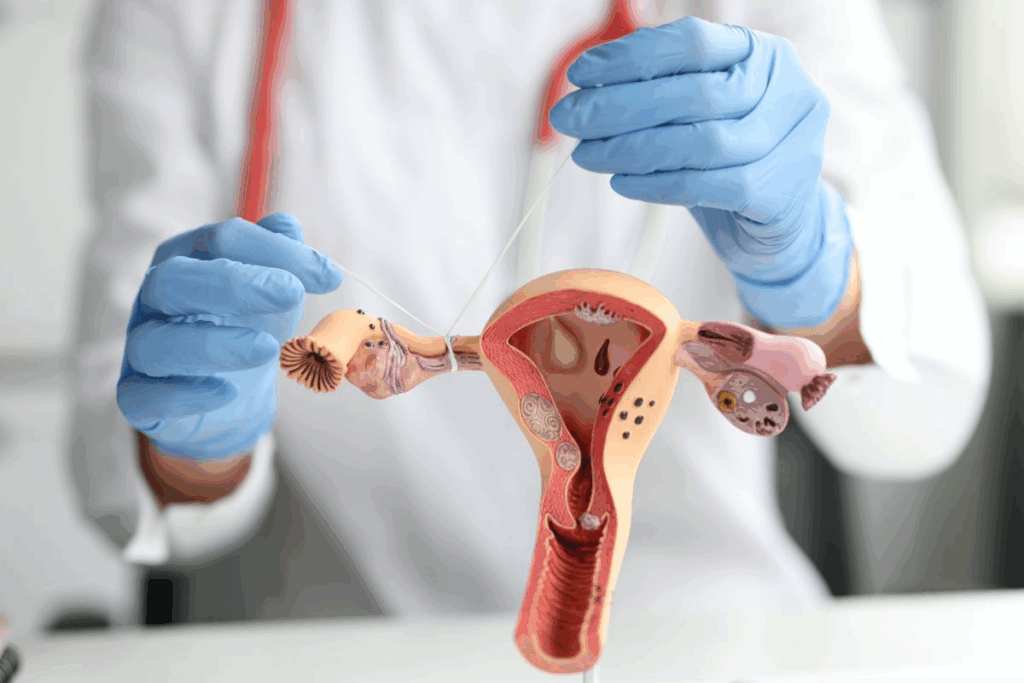
Removing fallopian tubes, or salpingectomy, raises questions about future fertility. This surgery is done for many medical reasons. It’s key for women thinking about their reproductive choices.
What is Salpingectomy?
Salpingectomy is a surgery that removes one or both fallopian tubes. Fallopian tubes are important for getting pregnant naturally. They help the egg move from the ovary to the uterus. If these tubes are gone or damaged, it can make it hard to get pregnant.
Reasons for Fallopian Tube Removal
There are several reasons for salpingectomy. These include:
- Ectopic pregnancy: This is when the embryo grows outside the uterus, often in a fallopian tube. It’s very dangerous if not treated quickly.
- Tubal damage or blockage: Damage or blockage in the fallopian tubes can stop natural conception. It can also lead to ectopic pregnancy.
- Pelvic inflammatory disease (PID): This is a serious infection of the female reproductive organs. It can badly damage the fallopian tubes.
- Genetic predisposition or cancer risk: Some women with a high risk of ovarian or fallopian tube cancer may choose to have their tubes removed as a preventive measure.
Types: Bilateral vs. Unilateral Salpingectomy
The extent of salpingectomy can vary. There are two main types: bilateral salpingectomy and unilateral salpingectomy. Bilateral salpingectomy removes both tubes, making natural conception impossible. Unilateral salpingectomy removes just one tube, which might keep some fertility if the other tube is okay.
It’s important to know the difference between these two types. This helps women and their doctors when thinking about future fertility and planning for IVF.
How Fallopian Tubes Affect Fertility
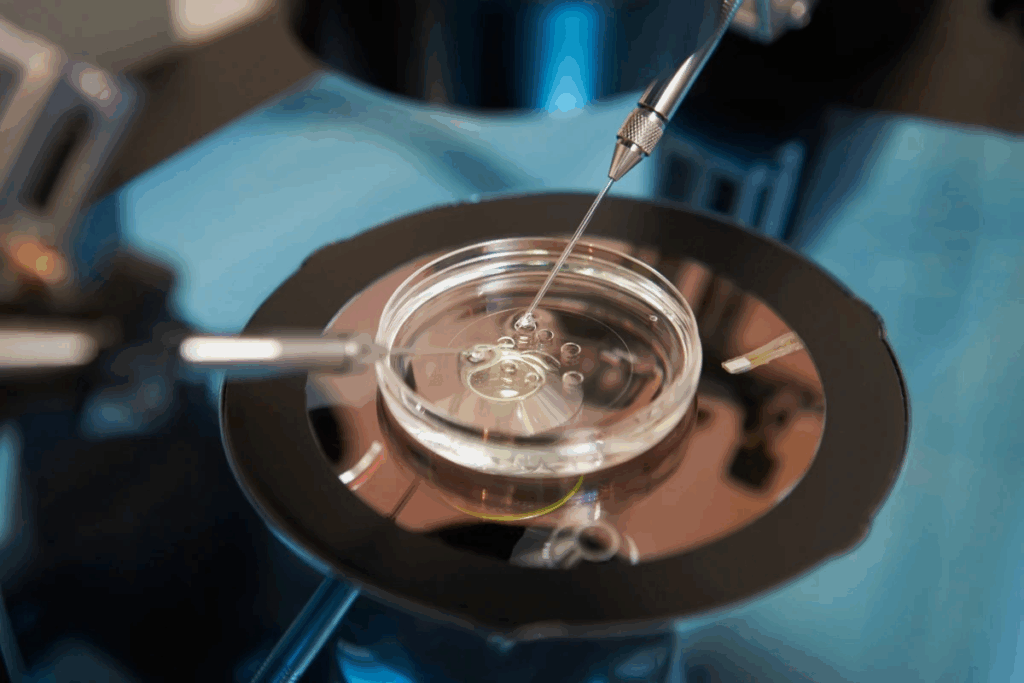
Fallopian tubes are key for getting pregnant naturally. Their removal can greatly affect fertility. They help the sperm meet the egg and move the embryo to the uterus. Knowing their role is important for women thinking about their fertility, after a salpingectomy.
The Role of Fallopian Tubes in Natural Conception
The fallopian tubes are not just simple passageways. They actively help in fertilization and early embryo growth. As Medical Expert, a fertility specialist, notes, “The fallopian tubes provide the best place for sperm to meet the egg. Their removal can change the natural conception process a lot.”
When an egg is released, the fimbriae at the fallopian tube’s end catch it. The egg then moves through the tube, where it can be fertilized. The fertilized embryo then goes to the uterus, where it implants. This whole process depends on the fallopian tubes being healthy and working right.
Impact of Tube Removal on Natural Pregnancy
Removing the fallopian tubes, or salpingectomy, can make it hard to get pregnant naturally. If both tubes are removed, natural conception is not possible. But, the effect of removing one tube is not as clear-cut. It depends on the health of the remaining tube and overall reproductive health.
As Medical Expert, an obstetrician-gynecologist, says, “Removing one fallopian tube can lower fertility, but it doesn’t stop natural conception. The other tube can help with pregnancy, though the chances might be lower.”
If both tubes are gone, IVF is the main way to get pregnant. IVF doesn’t need fallopian tubes. It takes eggs from the ovaries and puts the embryo in the uterus.
“IVF has changed how we treat infertility, for women who have had salpingectomy. It gives a way to have children, even when natural conception is not possible.” –
Medical Expert, Fertility Specialist
It’s key to understand how fallopian tubes affect fertility and what happens when they’re removed. Losing fallopian tubes can be tough, but IVF has helped many women get pregnant. It shows that even with challenges, there are ways to have a family.
IVF After Tube Removal: The Complete Process
After removing the fallopian tubes, IVF offers a clear path to pregnancy. IVF, or In Vitro Fertilization, lets couples conceive without fallopian tubes.
How IVF Bypasses the Need for Fallopian Tubes
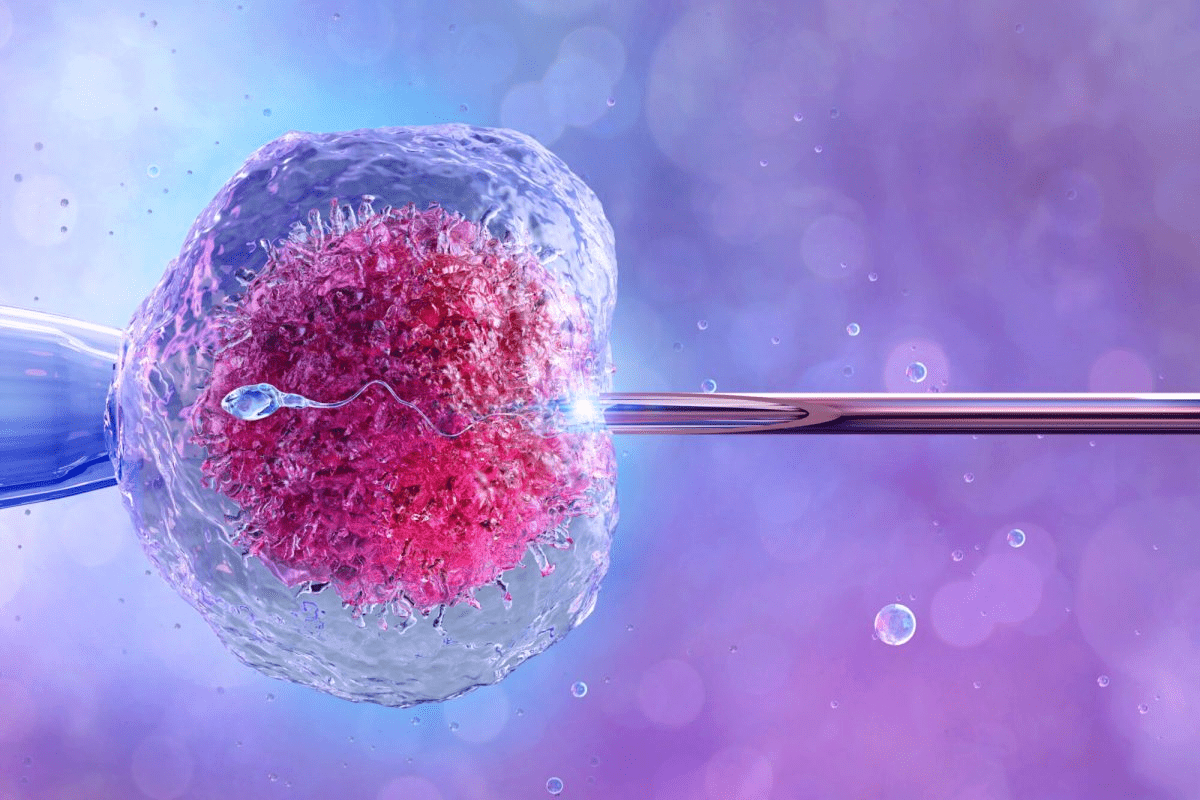
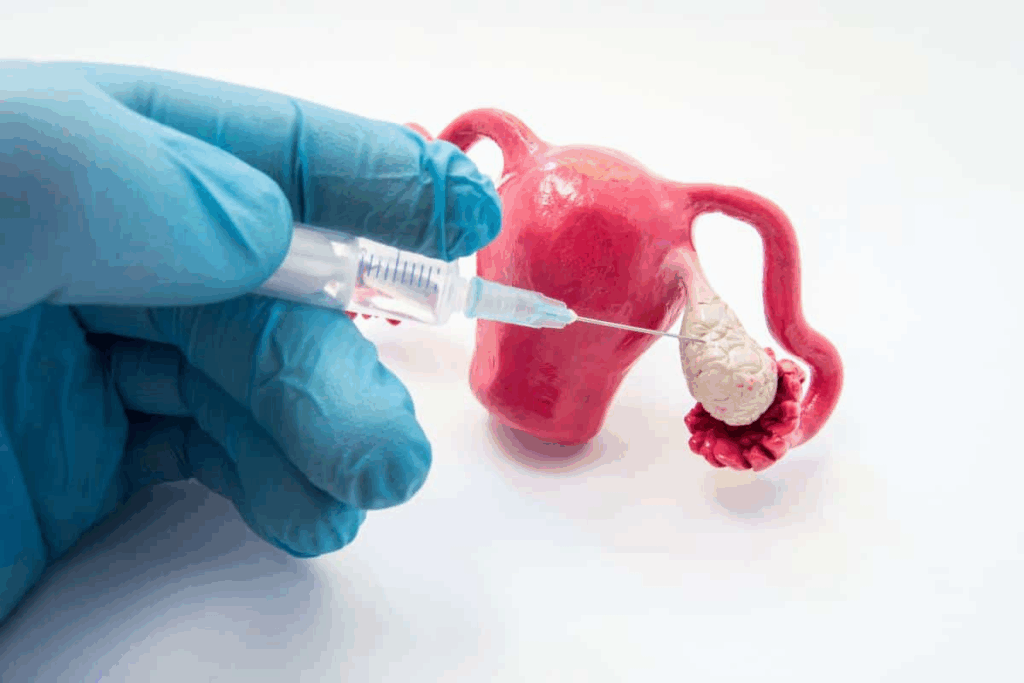
IVF skips the fallopian tubes by taking eggs directly from the ovaries. It then fertilizes them with sperm in a lab. This way, the egg doesn’t need to travel through the fallopian tubes to be fertilized.
The main steps to bypass fallopian tubes are ovarian stimulation, egg retrieval, and embryo transfer. IVF goes straight to the eggs and puts the embryos in the uterus. This skips the natural fallopian tube path.
Step-by-Step IVF Procedure
The IVF process has key steps:
- Ovarian Stimulation: Medications help the ovaries make many eggs.
- Egg Retrieval: A minor surgery gets the eggs.
- Fertilization: Eggs meet sperm in the lab.
- Embryo Culture: The fertilized eggs grow for 3-5 days.
- Embryo Transfer: One or more embryos go into the uterus.
Timeline from Surgery to IVF Treatment
The time from surgery to starting IVF varies. It’s best to wait until the body heals well before starting IVF.
This healing time can be a few weeks to months. Your doctor will check your recovery. They’ll tell you when to start IVF based on your health and fertility.
Success Rates of IVF After Tube Removal
Understanding IVF success after tube removal is key for those facing fertility issues. IVF has changed reproductive medicine, giving hope to those who’ve had salpingectomy.
Research on IVF Outcomes After Salpingectomy
Many studies have looked into IVF success in women who’ve had salpingectomy. They found that IVF success rates are similar to those without tube removal. For example, a study in the Journal of Assisted Reproduction and Genetics showed no big difference in pregnancy rates between the two groups.
Key findings from recent research include:
- Embryo quality and uterine receptiveness matter more than having fallopian tubes for IVF success.
- Age and ovarian reserve are key factors in IVF success, even after salpingectomy.
Comparing Success Rates With and Without Tubes
Comparing IVF success rates between women with and without tubes offers insights. The absence of fallopian tubes might seem to affect IVF outcomes. But, research shows it’s not the case.
“The presence or absence of fallopian tubes does not directly impact IVF success rates; it’s the underlying fertility factors and overall health that play a more significant role.” – Medical Expert, Fertility Specialist
Statistical Evidence and Recent Studies
Recent studies have dug deeper into IVF success after salpingectomy. A meta-analysis in Human Reproduction Update found IVF outcomes are similar for women with and without tubes. This shows IVF is a good option for those who’ve had tube removal.
Statistical evidence backs up IVF as a top fertility treatment, even without fallopian tubes. Age, ovarian reserve, and health are the main factors in success.
Summary of key statistics:
- IVF success rates after salpingectomy are similar to those without tube removal.
- The average success rate of IVF in women under 35 is around 40-50% per cycle.
- Age is a big factor, with success rates dropping a lot after 40.
Fertility Options After Bilateral Salpingectomy
When both fallopian tubes are removed, finding new ways to get pregnant is key. The tubes are important for moving the egg to the uterus. But, there are ways to get pregnant with the help of technology.
Why IVF is the Primary Option
IVF (In Vitro Fertilization) is the main choice after removing both fallopian tubes. It doesn’t need the tubes to work. Eggs are taken from the ovaries and mixed with sperm in a lab.
Then, the fertilized eggs are put into the uterus. This can lead to pregnancy. IVF is great for those who can’t use their tubes because of damage or other issues.
Other Assisted Reproductive Technologies to Consider
While IVF is the main choice, other options might be good too. These include:
- ICSI (Intracytoplasmic Sperm Injection): This is a special IVF that injects a sperm into an egg.
- Donor Eggs or Sperm: Using eggs or sperm from donors is an option for those with low egg count or male fertility issues.
- Surrogacy: If carrying a baby is not possible, surrogacy is an option. A woman carries the embryo for you.
Each option has its own success rates and things to think about. Talking to a fertility expert is important to find the best choice.
Facing fertility challenges after removing both fallopian tubes can be tough. But, thanks to new technologies, there are many ways to get pregnant. With the help of a healthcare provider, women can make smart choices about their fertility journey.
Fertility Options After Unilateral Salpingectomy
Removing one fallopian tube can make you wonder about your fertility. But, there are ways to consider. Women with one tube removed might conceive naturally, though the odds and what to think about can differ.
Chances of Natural Conception With One Tube
Having one tube removed doesn’t mean you can’t conceive naturally. Research shows women with one tube can get pregnant on their own. But, the success depends on the health of the tube left, age, and overall health.
Key Factors Influencing Natural Conception:
- The health and patency of the remaining fallopian tube
- The woman’s age and ovarian reserve
- Overall reproductive health
Factor | Impact on Natural Conception |
Health of Remaining Tube | A healthy tube increases chances |
Age | Younger age improves fertility |
Ovarian Reserve | Higher reserve enhances fertility |
When to Consider IVF With One Remaining Tube
Even with one tube, IVF might be suggested in some cases. This is true if the tube is damaged, there’s endometriosis, or other fertility problems. IVF doesn’t need tubes, making it a good option.
Monitoring Ovulation With One Fallopian Tube
Tracking ovulation is key when trying to conceive with one tube. Knowing your cycle and timing sex can boost your chances. Tools like basal body temperature tracking, ovulation predictor kits, and apps can help.
Tips for Monitoring Ovulation:
- Track basal body temperature daily
- Use ovulation predictor kits to detect LH surge
- Utilize fertility apps to track cycle and predict ovulation
In summary, losing one fallopian tube doesn’t mean you can’t get pregnant. Knowing about your tube’s health, tracking ovulation, and thinking about IVF can help you reach your fertility goals.
Factors Affecting IVF Success After Tube Removal
IVF success after removing the tubes depends on many important factors. These factors can greatly affect the treatment’s outcome. It’s key to know these factors for those thinking about IVF after salpingectomy.
Age and Ovarian Reserve
Age is a big deal in IVF success. As women get older, their eggs get worse and fewer in number. This makes it harder to get pregnant with IVF. Ovarian reserve testing helps check how many eggs are left.
Experts say women with low ovarian reserve might have lower IVF success rates. It’s wise for women to get their ovarian reserve tested before starting IVF.
Uterine Health and Receptivity
The uterus’s health and how ready it is for implantation are key to IVF success. Problems like fibroids or polyps can stop implantation. It’s important to make sure the uterus is healthy and ready for a successful IVF.
Sperm Quality and Male Factor Considerations
Sperm quality is also very important for IVF success. Bad sperm quality, like low count or poor movement, can stop fertilization. Sometimes, ICSI (Intracytoplasmic Sperm Injection) is suggested to help with male infertility.
“ICSI has changed the game for treating male infertility, giving hope to couples with few options before.”
Overall Health and Lifestyle Factors
One’s overall health and lifestyle can also affect IVF success. Things like diet, exercise, smoking, and drinking can change treatment results. Staying healthy is key for the best IVF success.
- Eat a balanced diet full of nutrients
- Stay active with regular exercise
- Stay away from harmful things like tobacco and too much alcohol
- Manage stress with relaxation techniques
By knowing and tackling these factors, people can get ready better for IVF after tube removal. This can help increase their chances of success.
Preparing for IVF After Salpingectomy
Getting ready for IVF after having your fallopian tubes removed is a big step. It’s important to know what to do to increase your chances of success. We’ll walk you through the steps to prepare for IVF after fallopian tube removal.
Medical Evaluations and Testing
Before starting IVF, we must go through detailed medical checks. These include looking at our ovarian reserve, uterine health, and overall fertility. Key tests may involve:
- Ultrasound to check the uterus and ovaries
- Blood tests for hormone levels and ovarian reserve
- Hysteroscopy to look at the uterine cavity
These tests help find any problems that could affect IVF success.
Lifestyle Adjustments to Improve Success
Making healthy lifestyle choices is key to improving IVF success. Eating well, exercising, and avoiding harmful substances like tobacco and too much alcohol are important. Stress management techniques, like meditation or yoga, can also help. By making these changes, we can improve our overall health and fertility.
Emotional and Financial Preparation
IVF can be tough emotionally and financially. It’s important to get ready for the emotional ups and downs and understand the costs. Support systems, like counseling or support groups, can offer emotional support. Financially, we need to be ready for the costs of IVF, including medications and possible extra procedures.
By carefully preparing for IVF after salpingectomy, we can greatly improve our chances of success. This includes thorough medical checks, healthy lifestyle choices, and emotional and financial preparation for the journey ahead.
Conclusion
IVF after tube removal is a good choice for women wanting to have a baby. We’ve looked at how removing fallopian tubes affects fertility. We also talked about the IVF process and what can make it successful.
Knowing what to expect is key for a successful IVF journey. Understanding age, ovarian reserve, uterine health, and sperm quality is important. With the right help, women who had their tubes removed can have a baby through IVF.
In conclusion, IVF after tube removal is a hopeful option for getting pregnant. We suggest talking to fertility experts. They can help create a plan that’s right for you.
FAQ
Can I do IVF if my tubes are removed?
Yes, you can do IVF even without fallopian tubes. IVF works by fertilizing the egg in a lab. Then, the embryo is placed in the uterus.
Can you do IVF without tubes?
Yes, you can do IVF without fallopian tubes. It involves getting eggs, fertilizing them in a lab, and then transferring the embryo to the uterus.
What are my fertility options after bilateral salpingectomy?
After removing both fallopian tubes, IVF is your main option. Other treatments might also be considered based on your situation.
Can I get pregnant naturally with one fallopian tube?
Yes, getting pregnant naturally with one tube is possible. Many women have done it after losing one tube. But, it might be a bit harder, and tracking ovulation can help.
When should I consider IVF with one remaining tube?
If you’re having trouble getting pregnant with one tube, or if there are other fertility issues, think about IVF. The decision to try IVF depends on your age, fertility health, and other factors.
How do factors like age and ovarian reserve affect IVF success after tube removal?
Age and how well your ovaries work are key to IVF success. Women under 35 with good ovaries tend to do better. But, as you get older, your eggs may not be as good, which can lower your chances of success.
What lifestyle adjustments can improve IVF success?
Eating well, staying healthy, reducing stress, and avoiding bad habits can help with IVF. These habits are good for your reproductive health.
How long after salpingectomy can I start IVF treatment?
How long to wait after tube removal surgery for IVF varies. It’s best to wait until you’ve fully recovered and had a check-up. This can take a few months, but your doctor will guide you.
Are IVF success rates different after tube removal?
Studies show IVF success rates are similar for women with and without tube removal. This gives hope to those considering IVF after surgery.
What medical evaluations are necessary before starting IVF after salpingectomy?
Before starting IVF, you’ll need to check your ovarian reserve, uterine health, and fertility. This includes blood tests, ultrasound, and other tests to see if IVF is right for you.
References
National Health Service (NHS). IVF Pregnancy After Salpingectomy: Options and Considerations. Retrieved from https://www.nhs.uk/conditions/ectopic-pregnancy/