Knowing the right ivf blood testIn Vitro Fertilization (IVF) is key when thinking about IVF. At Liv Hospital, we know that detailed baseline blood work is the first step in making your fertility treatment personal.
Many diagnostic tests find health problems that might make it hard to get pregnant. We use this info to make a plan for your fertility treatment. This way, you get tests that are reliable and show how well you might do with IVF.
With fertility blood tests, we can make a plan just for you. This helps make your IVF journey smoother.
Key Takeaways
- Comprehensive blood work is essential for IVF fertility evaluation.
- Fertility blood tests help identify underlying health issues.
- Personalized treatment plans are created based on diagnostic test results.
- Baseline blood work evaluates reproductive health.
- Evidence-based testing guides the IVF treatment process.
Understanding the Role of Blood Tests in IVF
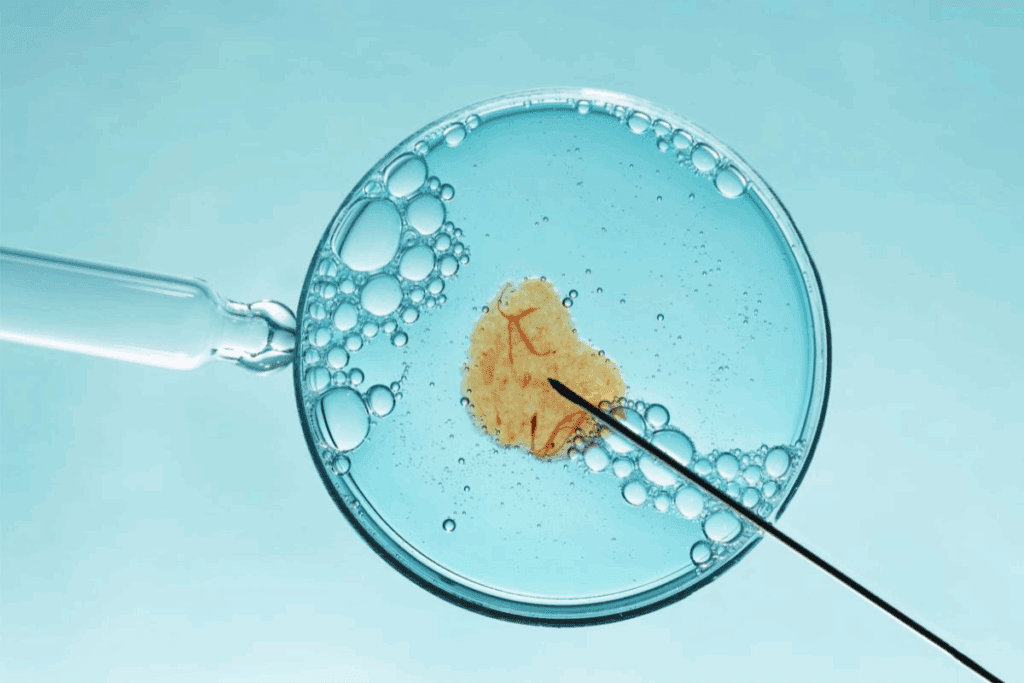
Blood tests are very important in IVF. They show important information about how well the ovaries are working and the balance of hormones. These tests are key for doctors to check on many things that can affect fertility.
Why Blood Tests Are Critical for Fertility Assessment
Blood tests are key for checking fertility. They look at important hormones that control the reproductive cycle. Tests measure hormones like Follicle-Stimulating Hormone (FSH), Estradiol (E2), Luteinizing Hormone (LH), and Anti-Mullerian Hormone (AMH). These tests give clues about how well the ovaries are working and the balance of hormones.
Progyny says blood tests are vital for checking how well the ovaries are working and the balance of hormones. Doctors use these tests to find any problems that might affect IVF success.
How Blood Work Guides Personalized IVF Treatment
The results of blood tests help doctors make IVF treatment plans that fit each person. They look at how well the ovaries are working, the balance of hormones, and other things. This way, they can make a personalized treatment plan that helps increase the chances of success.
| Hormone | Role in Fertility | Impact on IVF Treatment |
|---|---|---|
| FSH | Stimulates follicle growth | High levels may indicate low ovarian reserve |
| Estradiol (E2) | Influences follicle development | Elevated levels may affect egg quality |
| LH | Regulates ovulation | Imbalances can impact ovulation timing |
| AMH | Indicates ovarian reserve | Low levels may indicate reduced egg count |
Doctors use the results of these tests to adjust treatment plans. They can change how much medicine is given and when. This personalized approach helps make IVF more likely to be successful.
Baseline Blood Work: The Foundation of IVF Evaluation
Baseline blood work is a key first step in the IVF process. It shows a woman’s hormone levels and how her ovaries are working. This helps doctors create the best treatment plan for each person.
What Is Baseline Blood Work?
Baseline blood work includes a series of tests done during a specific time in the menstrual cycle. These tests check hormone levels like FSH (Follicle-Stimulating Hormone) and Estradiol. These hormones are important for knowing how well the ovaries are working and if hormone levels are balanced.
- FSH testing helps assess ovarian reserve
- Estradiol levels provide insight into ovarian function
- Other hormone tests may be included based on individual needs
Why Days 2-5 of Your Cycle Matter
The timing of baseline blood work is very important. It’s usually done on days 2-5 of the menstrual cycle. At this time, hormone levels are steady and show how well the ovaries are working.
During these days, FSH and Estradiol levels are very telling. High FSH levels might mean the ovaries are not working as well. Abnormal Estradiol levels could point to problems with the ovaries or other hormone issues.
What to Expect During Collection
When getting blood drawn, a healthcare professional will use a needle to take a blood sample. This is usually from a vein in the arm. The whole process is quick and might feel a bit uncomfortable.
To get accurate results, it’s important to follow any instructions from your healthcare provider. This might include fasting or timing the blood draw just right based on your menstrual cycle.
Follicle-Stimulating Hormone (FSH) Testing
Follicle-Stimulating Hormone (FSH) testing is key to IVF success. FSH helps grow follicles in the ovaries. It tells us about a woman’s chances of responding well to IVF.
The Role of FSH in Fertility
FSH comes from the pituitary gland. It’s vital for growing and maturing follicles in the ovaries. In women, FSH levels spike early in the menstrual cycle. This helps eggs develop.
Interpreting FSH Levels
It’s important to understand FSH levels to know about ovarian reserve. FSH is tested on the second or third day of the cycle. Normal FSH levels are between 1.4 and 9.5 IU/L. But, this can vary slightly.
High FSH levels, over 10 IU/L, suggest a lower ovarian response. This means the ovaries might not react well to fertility drugs.
Knowing about FSH levels helps us tailor IVF treatment. It also sets realistic expectations for treatment results.
Estradiol (E2) Blood Testing
Knowing about estradiol levels is key to checking how ovaries work and fertility. Estradiol, a type of estrogen, is very important in the reproductive cycle. We will look at how estradiol impacts fertility, its importance, and its link with other fertility hormones.
How Estradiol Affects Fertility
Estradiol is essential for egg maturation in ovaries and uterine lining thickening. It’s vital for successful IVF treatment, showing a good ovarian reserve and uterine readiness for embryo implantation.
In IVF, estradiol levels are watched to see how ovaries react to stimulation meds. This helps doctors tweak treatment plans for better egg and embryo transfer chances.
Normal vs. Elevated Estradiol Levels
Normal estradiol levels change throughout the menstrual cycle, usually from 15 to 350 pg/mL. High basal estradiol, over 60-80 pg/mL, might mean lower ovarian reserve, even with normal FSH. High estradiol levels can hint at ovarian function problems, needing more checks.
It’s important to look at estradiol levels with a woman’s fertility profile and other hormone tests. We look at many factors to fully understand a woman’s fertility.
The Relationship Between Estradiol and FSH
The connection between estradiol and FSH is complex and key for fertility checks. FSH tells ovaries to make eggs, and estradiol tells the pituitary gland to control FSH. An imbalance in this feedback loop can harm fertility, making it critical to check both hormones.
Understanding how estradiol and FSH work together helps us customize IVF treatments. By closely examining these hormone levels, we can spot problems early and adjust treatments as needed.
Luteinizing Hormone (LH) Assessment
Luteinizing Hormone (LH) is key in the reproductive cycle. It helps with egg development and ovulation. Knowing LH levels is important for checking fertility and getting ready for IVF.
Function of LH in the Reproductive Cycle
LH comes from the pituitary gland and is vital for ovulation. It spikes mid-cycle, making the egg ready to be released. Knowing how LH works is key for checking fertility and planning IVF.
LH controls egg growth and is key for ovulation. If LH levels are off, it can mean hormonal issues that affect fertility.
Optimal LH Levels for IVF Success
For IVF to work, the right LH levels are needed. Too little or too much LH can hurt fertility. Progyny says LH tests can spot issues like PCOS, helping tailor IVF plans.
The table below shows what LH levels should be at different times in the cycle:
| Menstrual Cycle Phase | Typical LH Level Range (IU/L) |
|---|---|
| Follicular Phase | 1.9-12.5 |
| LH Surge | 14.0-95.6 |
| Luteal Phase | 0.5-14.6 |
LH Testing for PCOS Diagnosis
LH tests are also used to find PCOS. Women with PCOS often have too much LH, which can stop ovulation. Testing LH helps find hormonal problems in PCOS, so doctors can make better treatment plans.
Understanding LH and its role in fertility helps make IVF plans more effective. This increases the chances of success.
Anti-Mullerian Hormone (AMH) Testing
Knowing how many eggs you have is key for IVF success. AMH testing helps figure this out. It gives insights that make IVF treatment fit better for each person.
Predicting Ovarian Reserve with AMH
AMH is a good way to guess how many eggs you have left. It’s made by cells in small follicles in your ovaries. The amount of AMH shows how many eggs you might have.
Key benefits of AMH testing include:
- Convenience: AMH levels can be measured on any day of the menstrual cycle.
- Predictive value: AMH levels correlate with the number of antral follicles and oocytes.
- Early insight: AMH testing provides early information about ovarian reserve, helping guide IVF treatment decisions.
Advantages of AMH Testing
AMH testing is flexible. It can be done at any time, unlike some other tests that need to be done at specific times. This makes it easier to fit into your schedule.
Also, AMH testing gives a predictive value that’s very important. It helps doctors and patients understand the chances of success with IVF. This way, treatment can be planned better.
Influencing IVF Protocol with AMH Results
AMH results change how IVF is done. Women with low AMH levels might need special treatment to get more eggs. Women with high AMH levels might need to avoid too much stimulation to avoid OHSS.
Our healthcare providers use AMH results to:
- Customize stimulation protocols based on ovarian reserve.
- Counsel patients on their likelihood of IVF success.
- Plan for possible complications like OHSS.
By using AMH testing in IVF planning, we offer more personalized care. This makes treatment better and more successful for our patients.
Comprehensive IVF Blood Test Panel Explained
A detailed IVF blood test panel is key in checking fertility. It shows how hormones are balanced and if reproductive health is good. We know IVF is complex and emotional. A thorough blood test helps us tailor treatment to each person’s needs.
Standard Tests in an IVF Blood Panel
A standard IVF blood panel checks hormonal balance. It looks at Follicle-Stimulating Hormone (FSH), Luteinizing Hormone (LH), Estradiol (E2), and Anti-Mullerian Hormone (AMH). These tests help us see how well ovaries are working, find hormonal issues, and plan the best IVF treatment.
Here’s an overview of the standard tests included in an IVF blood panel:
| Test | Purpose |
|---|---|
| FSH | Assesses ovarian reserve and follicular development |
| LH | Evaluates ovulation and hormonal balance |
| E2 | Measures estrogen levels and follicular development |
| AMH | Predicts ovarian reserve and response to stimulation |
Specialized Tests Based on Individual Factors
We might suggest extra tests based on your medical history, age, and past IVF results. These could check thyroid function, prolactin levels, and genetic factors that might affect fertility.
Specialized tests may be necessary for:
- Patients with a history of thyroid disorders or other endocrine issues
- Women over 35 years old or with a history of poor ovarian response
- Individuals with a family history of genetic disorders
Frequency of Testing Throughout IVF
How often we test blood during IVF changes based on your situation. We usually test at the start, during stimulation, and after embryo transfer. This helps us track progress and adjust treatment as needed.
Understanding the IVF blood test panel helps us guide the IVF process. Our aim is to offer personalized care. We want to help each patient succeed in their fertility journey.
Progesterone Testing for Luteal Phase Evaluation
Checking progesterone levels is key to understanding the luteal phase in IVF. Testing 7-9 days after ovulation shows if the corpus luteum works well. This is important for getting the uterus ready for the embryo.
The Importance of Post-Ovulation Testing
Testing progesterone after ovulation is critical. It shows if the corpus luteum makes enough progesterone for the embryo. Progesterone gets the uterus ready for implantation, as Progyny explains.
Optimal Timing: 7-9 Days After Ovulation
The best time for progesterone tests is 7-9 days after ovulation. At this point, progesterone levels are usually high. This shows if the corpus luteum works well. It helps find problems that could affect IVF success.
How Progesterone Supports Embryo Implantation
Progesterone is vital for embryo implantation. It makes the uterine lining thick and ready for the embryo. Having enough progesterone increases the chance of successful implantation.
| Progesterone Level (ng/mL) | Interpretation | Implication for IVF |
|---|---|---|
| <10 | Low Progesterone | Potential issue with corpus luteum function; may require supplementation |
| 10-20 | Normal Progesterone | Favorable for implantation; continue monitoring |
| >20 | High Progesterone | May indicate premature luteinization; adjust treatment protocol as needed |
Knowing about progesterone levels helps doctors make IVF plans better. This can improve the chances of successful embryo implantation.
Thyroid Function and Prolactin Testing
Thyroid problems and imbalances in prolactin can really affect your chances of getting pregnant. Testing your thyroid and prolactin levels is a big part of checking your fertility. It helps find any issues that might make IVF harder.
Impact of Thyroid Disorders on Fertility
Thyroid issues, like hypothyroidism and hyperthyroidism, can mess with your menstrual cycle and ovulation. This makes it tough to get pregnant. Keeping your thyroid in check is key for your reproductive health. Studies show that untreated thyroid problems can lower your fertility and increase miscarriage risks.
When you’re getting ready for IVF, your thyroid is checked through blood tests. These tests look at Thyroid-Stimulating Hormone (TSH) levels. Good TSH levels are between 0.5 and 2.5 mIU/L. But, what’s best can change based on your situation and the IVF plan.
Optimal TSH Levels for IVF
Getting your TSH levels just right is super important for IVF success. Research shows that women with the right TSH levels have better chances of getting pregnant. It’s important to keep an eye on and adjust your thyroid hormone levels as you prepare for IVF.
Prolactin’s Role in Reproductive Health
Prolactin is a hormone from the pituitary gland that’s important for reproductive health. Too much or too little prolactin can mess with your ovulation and menstrual cycle, hurting your fertility. Testing your prolactin levels is a big part of checking your fertility. It helps find any problems that could affect your IVF success.
Understanding how thyroid function and prolactin levels affect fertility helps doctors create better treatment plans. Doing thorough testing and keeping an eye on these levels is essential for the best IVF results.
Blood Tests for Male Fertility Evaluation
Blood tests for male fertility give important insights into reproductive health. They help find issues early. These tests are key for couples trying IVF, guiding the best treatment.
Hormone Testing for Male Partners
Hormone testing is key for male fertility. It checks levels of hormones that control sperm production and reproductive health. Testosterone is a main hormone tested, as it’s vital for sperm making. Hormones like follicle-stimulating hormone (FSH) and luteinizing hormone (LH) are also checked to see their fertility impact.
Abnormal hormone levels can show fertility issues. For example, low testosterone might mean hypogonadism, affecting sperm making. Imbalances in FSH and LH can also harm spermatogenesis, the sperm-making process.
Genetic Testing Considerations
Genetic testing is also vital for male fertility. It finds genetic problems that might cause infertility. Chromosomal analysis and genetic screening for specific mutations are common tests.
- Chromosomal analysis can spot issues like Klinefelter syndrome, linked to infertility.
- Genetic screening can find mutations in genes linked to cystic fibrosis. This can cause infertility due to missing vas deferens.
How Male Blood Work Complements Semen Analysis
Male blood work adds to semen analysis by giving a fuller view of fertility. Semen analysis looks at sperm quality and quantity. Blood tests check hormonal and genetic factors affecting fertility.
These tests help fertility experts create a tailored treatment plan. For instance, if hormone tests show low testosterone, hormone therapy might be suggested to boost sperm production.
Post-Embryo Transfer Blood Tests
After IVF, several blood tests are key to confirming pregnancy. These tests help track the pregnancy’s progress and ensure it’s developing well.
Beta-hCG Testing: Confirming Pregnancy
Beta-hCG testing is a major blood test after embryo transfer. It checks human chorionic gonadotropin (hCG) levels in the blood. Beta-hCG testing is vital for confirming pregnancy and is done around 9-14 days after the transfer.
We watch hCG levels to see if the pregnancy is viable. Rising hCG levels usually mean a healthy pregnancy. But, abnormal levels might point to issues that need more checking.
Progesterone Monitoring After Transfer
Progesterone monitoring is also key after embryo transfer. Progesterone helps the embryo implant and keeps early pregnancy going. We check progesterone levels to make sure they’re right for the pregnancy.
If progesterone is too low, we might give supplements to help the pregnancy. This is a common step in IVF to lower the risk of miscarriage and improve chances of success.
Understanding hCG Progression
It’s important to understand hCG progression to check the pregnancy’s health. After the first Beta-hCG test, we do more tests to see how hCG levels are changing. A steady increase in hCG levels is a good sign of a healthy pregnancy.
Recent studies show that watching hCG levels after IVF is critical. It helps doctors spot problems early and act quickly to support the pregnancy.
By keeping an eye on both hCG and progesterone levels after the transfer, we can track the pregnancy’s progress. This helps us give the right support to our patients for the best outcome.
Conclusion
IVF blood tests are key in checking fertility, giving important info on reproductive health. They help decide the best treatment. By knowing about these tests, people can better understand the IVF process and improve their chances of success.
Progyny stresses the need for detailed blood tests in IVF. Tests like FSH, estradiol, and AMH are important. They help figure out how well the ovaries are working and what treatment might work best.
IVF blood tests are essential for checking fertility. They help doctors make smart choices and people take care of their reproductive health. With these tests, we can help achieve successful IVF outcomes and support those on their path to becoming parents.
FAQ
What blood tests are required for IVF fertility evaluation?
For IVF, you’ll need several blood tests. These include baseline blood work, FSH, estradiol, and LH tests. You’ll also have AMH, progesterone, thyroid, and prolactin tests.
When is the best time to do baseline blood work for IVF?
Baseline blood work is best done on days 2-5 of your cycle. This helps check your ovarian function and hormone balance.
What does FSH testing indicate in IVF evaluation?
FSH testing shows how well your ovaries are working. High FSH levels might mean your ovaries aren’t responding well to stimulation. This can affect IVF success.
How does estradiol affect fertility, and what are normal levels?
Estradiol is important for fertility. High levels might mean your ovaries are not as active. Normal levels vary, but knowing how estradiol and FSH relate is key.
What is the role of LH in the reproductive cycle, and why is it important for IVF?
LH helps control egg development and ovulation. For IVF to work, LH levels need to be just right. Testing LH can also help diagnose issues like PCOS.
What is AMH testing, and how does it influence IVF protocol?
AMH testing shows how many eggs you might have. It can be done at any time in your cycle. The results help tailor your IVF treatment to fit your needs.
Why is progesterone testing essential for IVF evaluation?
Progesterone testing checks the luteal phase and helps embryos implant. Testing progesterone 7-9 days after ovulation checks the corpus luteum. This ensures the best conditions for implantation.
How do thyroid disorders impact fertility, and what are optimal TSH levels for IVF?
Thyroid issues can hurt fertility. Keeping TSH levels between 0.5-5 mIU/L is important for IVF success. This range varies, but it’s generally the goal.
What blood tests are required for male fertility evaluation?
Male fertility tests include hormone and genetic tests. These tests, like testosterone and FSH, give insights into male fertility. They work with semen analysis to understand fertility better.
What is the significance of post-embryo transfer blood tests?
Blood tests after embryo transfer confirm pregnancy. They include beta-hCG and progesterone tests. These tests help doctors check the pregnancy’s health.
Can I get blood work done during my period?
Yes, some tests, like baseline blood work, can be done during your period. This is usually on days 2-5 of your cycle.
How long does it take to get the results of pregnancy blood work?
Results for pregnancy blood work vary. It depends on the lab and the tests. Usually, you’ll get them in a few days.
References
National Center for Biotechnology Information. IVF Evaluation: Essential Blood Tests for Personalized Fertility Treatment. Retrieved from https://www.ncbi.nlm.nih.gov/books/NBK554709/
https://www.pacificfertilitycenter.com/fertility-care/ivf-process/precycle-prep?utm_source