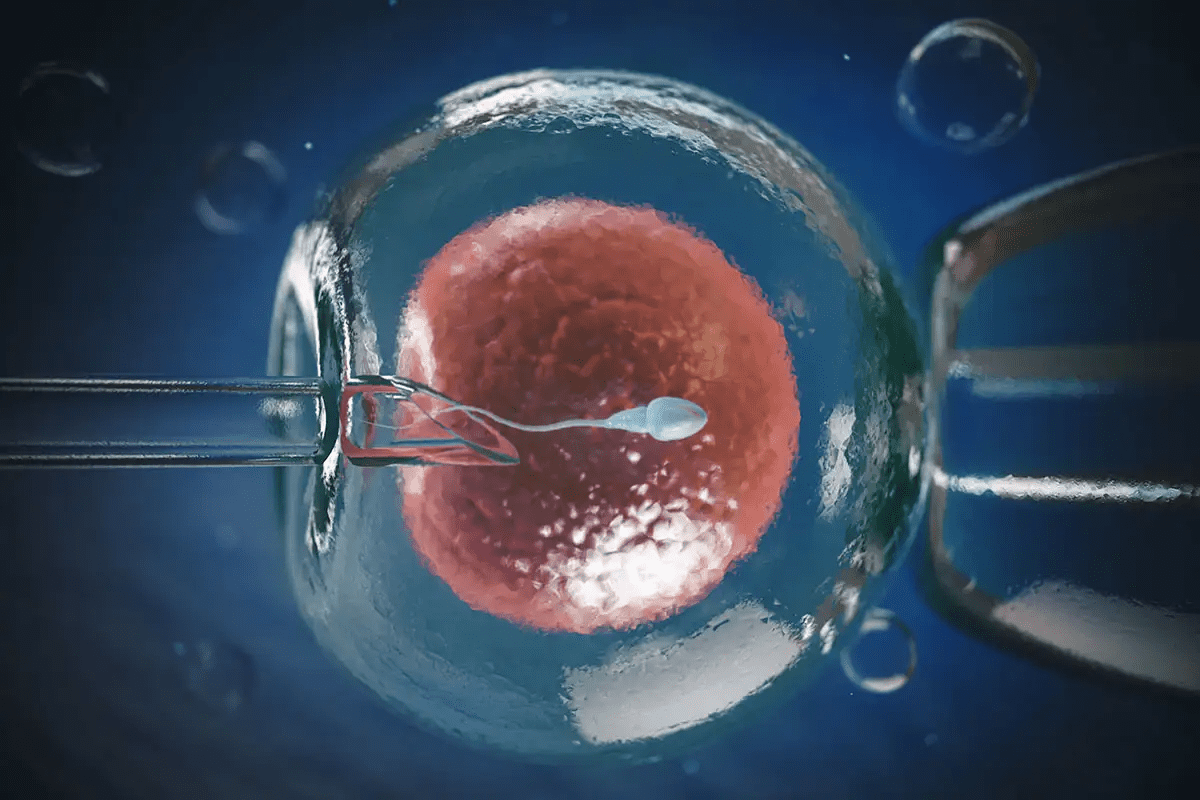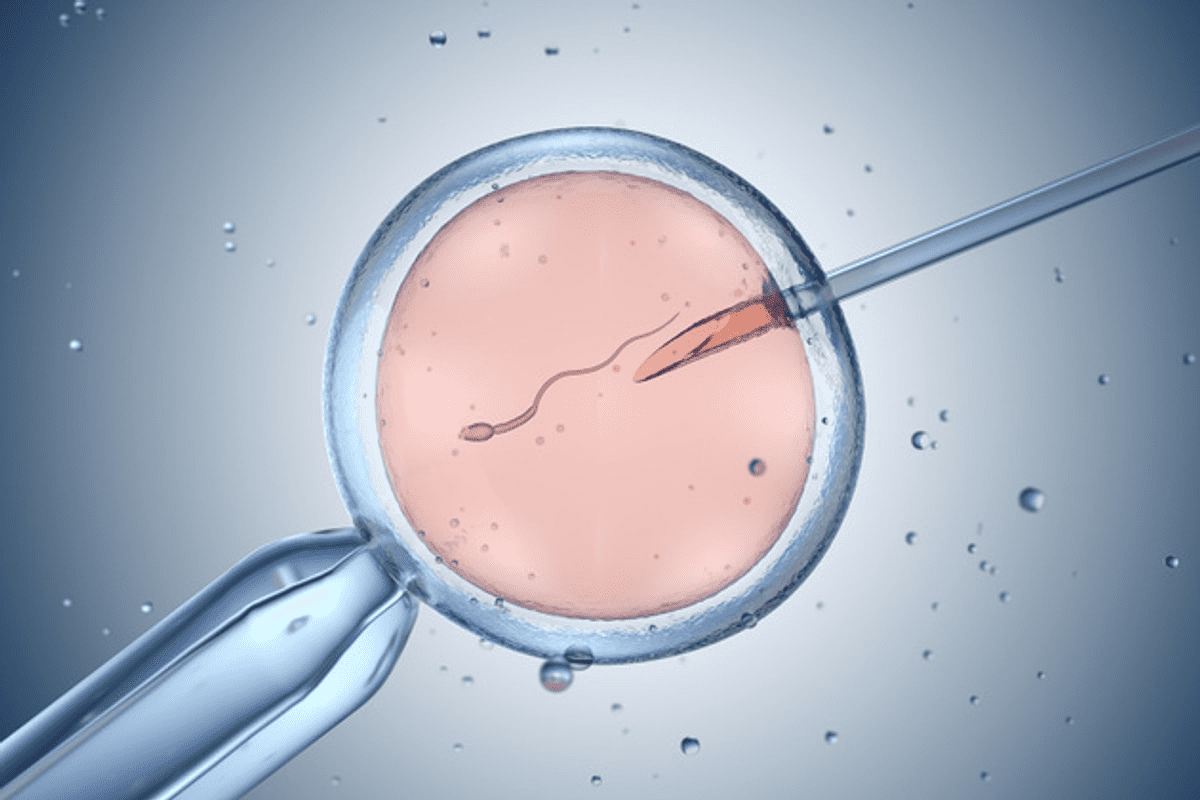

Figuring out your baby’s due date after IVF is more exact than guessing after natural conception. This is because we know exactly when the embryo develops. This knowledge lets us make a more precise calculation.
What to Expect says, “An IVF pregnancy due date is an estimated due date for your baby’s arrival if you conceived via in vitro fertilization (IVF).” It’s based on your IVF embryo transfer date. Knowing this date, along with your embryo’s age, helps you figure out a reliable due date using the 266-day gestational formula.
We’ll show you how to calculate your IVF due date. This is true whether you’re planning for fresh or frozen embryo transfer.
Key Takeaways
- IVF due date calculations are more accurate than natural conception estimates.
- The 266-day gestational formula is used to calculate the due date.
- Understanding your embryo transfer date and embryo age is key.
- Different embryo transfer scenarios need adjusted calculations.
- Using the right tools and formulas ensures a reliable due date.
The Unique Nature of IVF Pregnancy Dating
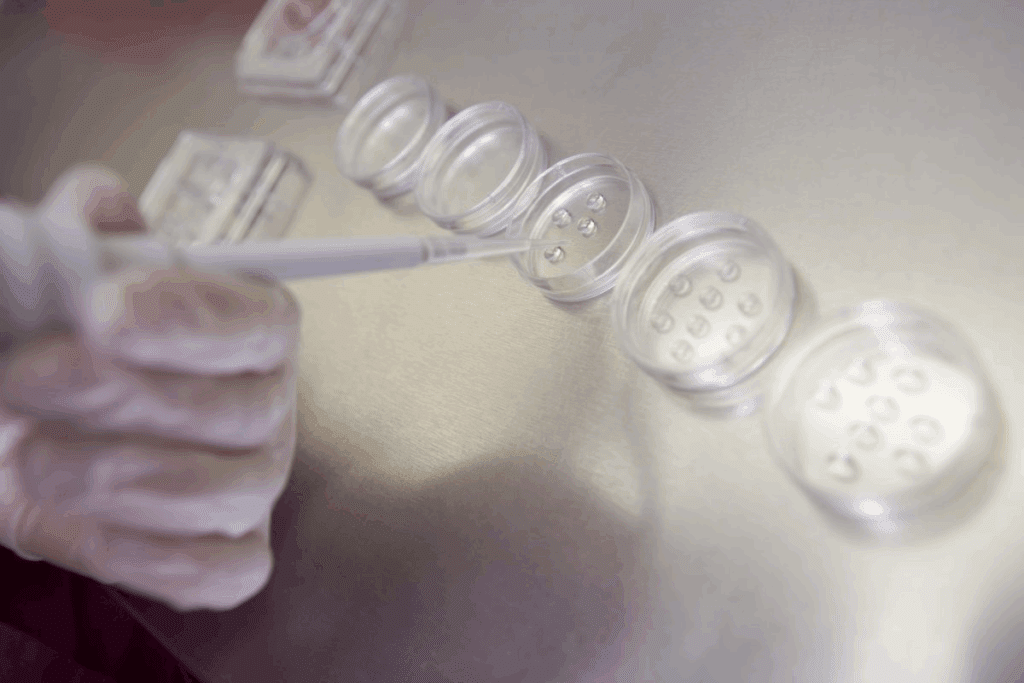
IVF makes it easier to know when you’re pregnant. This is because you know exactly when the embryo was transferred. This is a big plus for parents-to-be who are going through IVF.
Why IVF Due Dates Are More Precise Than Natural Conception
IVF due dates are more precise because they’re based on the exact date of embryo transfer. This is different from guessing when you got pregnant. Knowing this exact date helps doctors track how the baby is growing and plan for prenatal care.
The main reasons IVF due dates are so precise include:
- The known date of embryo transfer
- The age of the embryo at transfer
- Using formulas to calculate due dates based on these factors
The Importance of Accurate Due Date Calculation in IVF Pregnancies
Getting the due date right is very important in IVF pregnancies. It helps doctors:
- Keep track of how the baby is growing
- Plan the right prenatal care and tests
- Prepare for the baby’s arrival, which can help avoid problems
Understanding how IVF pregnancy dating works helps parents-to-be. They can prepare for their pregnancy journey, knowing when to expect important milestones.
The Standard Formula for IVF Due Date Calculation

Figuring out your IVF due date is key to knowing your pregnancy path. The formula for IVF due date takes into account when the embryo was transferred and its age at that time.
Understanding the 266-Day Human Gestation Period
The average time of human gestation is about 266 days from when it starts. This time is important for figuring out the due date for IVF babies. With IVF, we know exactly when the embryo was transferred.
Key factors influencing IVF due date calculation include:
- The date of embryo transfer
- The stage of embryo development at transfer (e.g., Day 3, Day 5)
The Basic Formula: Transfer Date + 266 Days – Embryo Age
The formula used by IVF experts is simple: add 266 days to the transfer date and subtract the embryo’s age. This formula helps adjust for embryos at different stages.
For instance, if a Day 3 embryo is transferred on January 1st, the math is: January 1st + 266 days – 3 days. This gives a due date of September 29th (in a non-leap year).
| Embryo Age at Transfer | Days to Subtract | Example Transfer Date | Calculated Due Date |
|---|---|---|---|
| Day 3 | 3 | January 1st | September 29th |
| Day 5 | 5 | January 1st | September 27th |
Knowing and using this formula right is vital for accurate IVF due date calculation. It helps parents-to-be plan their pregnancy journey.
Calculating Due Dates for Day 3 Embryo Transfers
To figure out your IVF due date after a Day 3 embryo transfer, you need a special formula. This formula considers the embryo’s age. It’s different from other embryo stages.
Step-by-Step: Adding 263 Days to Your Transfer Date
To find your due date after a Day 3 embryo transfer, just follow these steps:
- Write down the date of your embryo transfer.
- Add 263 days to that date.
This method uses the average time of human pregnancy. It also accounts for the embryo’s age at transfer.
Practical Examples of Day 3 Transfer Calculations
Here’s a simple example to show how it works:
- If your Day 3 embryo transfer was on January 1st, add 263 days to it.
- January 1st + 263 days.
- This makes your due date September 21st.
Knowing this helps you get ready for your baby’s arrival. It’s good for planning.
Key Points to Remember:
- To find your due date after a Day 3 embryo transfer, add 263 days to the transfer date.
- This method takes into account the embryo’s age at transfer. It gives a more accurate due date.
By using this guide, you can accurately figure out your due date after a Day 3 embryo transfer. This is important for tracking your pregnancy and getting ready for your baby’s arrival.
Calculating Due Dates for Day 5 Blastocyst Transfers
Day 5 blastocyst transfers are a key part of IVF. Knowing how to figure out your due date is important for parents-to-be. This stage is chosen because it has a high chance of implanting well.
Step-by-Step: Adding 261 Days to Your Transfer Date
To find your due date after a Day 5 blastocyst transfer, add 261 days to your transfer date. This method uses the average pregnancy length and the embryo’s age at transfer.
Here’s how to do it:
- Write down the date of your Day 5 blastocyst transfer.
- Add 261 days to that date.
- The new date is your estimated due date.
This method works because the embryo is 5 days old when transferred. So, it’s adjusted from the usual 266-day pregnancy length.
Why Day 5 Blastocyst Transfers Are Most Common in IVF
Day 5 blastocyst transfers are often chosen in IVF clinics for good reasons:
| Advantages | Description |
|---|---|
| Higher Implantation Rates | Blastocysts have a better chance of implanting than earlier embryos. |
| Better Embryo Selection | Waiting until Day 5 lets for picking the best embryos. |
| Reduced Risk of Multiple Pregnancies | Choosing the best embryo lowers the risk of having twins or more. |
Experts say, “The move to blastocyst transfer has greatly improved IVF results.” This boost is mainly because of better embryo selection.
“Blastocyst culture and transfer are key in modern IVF. They increase the chance of a successful pregnancy while reducing risks.”
Knowing how to calculate your due date after a Day 5 blastocyst transfer is vital. It helps parents-to-be plan for their future. It’s a key part of the IVF journey, giving a clear timeline for pregnancy and birth.
IVF Embryo Transfer Due Date for Frozen Embryo Transfers
Calculating the due date for frozen embryo transfers is a bit different than for fresh ones. It’s important to know these differences to get your due date right.
How FET Due Date Calculations Differ from Fresh Transfers
Frozen embryo transfers (FET) have a unique way of figuring out your due date. This method considers the embryo’s age when it was frozen and when it’s transferred. This allows for a more accurate calculation.
Key differences in FET due date calculations include:
- The age of the embryo at freezing
- The date of the embryo transfer
- The specific protocol used for embryo freezing and thawing
Step-by-Step FET Due Date Calculation Based on Embryo Age
To figure out your due date after a frozen embryo transfer, follow these steps:
- Determine the date of your embryo transfer.
- Know the age of your embryo at the time of transfer (e.g., Day 3, Day 5).
- Add 266 days (or 38 weeks) to the transfer date.
- Subtract the age of the embryo in days from the result.
For example, if you had a Day 5 blastocyst transfer on January 1st:
- January 1st + 266 days = September 24th (initial due date)
- September 24th – 5 days = September 19th (adjusted due date)
Using this method, you can accurately determine your due date after a frozen embryo transfer. It’s essential to consult with your fertility specialist to confirm the calculation and ensure the best possible outcome for your pregnancy.
By understanding how to calculate your due date after a frozen embryo transfer, you can better track your pregnancy and prepare for the arrival of your baby.
Understanding Your Pregnancy Timeline After Transfer
Embryo transfer starts a new chapter in your IVF journey. Knowing your pregnancy timeline is key. As you go through IVF, knowing the stages and timelines helps you prepare.
Gestational Age vs. Embryonic Age: What’s the Difference?
It’s important to know the difference between gestational and embryonic age in pregnancy, mainly with IVF. Gestational age is the pregnancy’s age, counted from the first day of your last period. But with IVF, it starts from the embryo transfer date. Embryonic age is the embryo’s real age, from fertilization or egg retrieval.
For example, a Day 3 embryo transfer means your embryo is 3 days old, but your pregnancy is 3 weeks old. This difference is key to understanding your pregnancy timeline.
How Many Weeks Pregnant You Are at Different Transfer Points
The weeks you’re pregnant after transfer depend on the embryo’s stage. “A Day 3 transfer means you are approximately 3 days pregnant on transfer day, while a Day 5 transfer means you are 5 days pregnant.” Here’s how it works:
- At a Day 3 transfer, you’re 3 weeks and 3 days pregnant.
- At a Day 5 transfer, you’re 3 weeks and 5 days pregnant.
Let’s look at some examples:
| Transfer Day | Embryo Age at Transfer | Gestational Age at Transfer |
|---|---|---|
| Day 3 | 3 days | 3 weeks + 3 days |
| Day 5 | 5 days | 3 weeks + 5 days |
Knowing these timelines helps you track your pregnancy. Your healthcare provider will keep an eye on your progress and offer personalized advice.
Special Scenarios in IVF Due Date Calculations
Calculating due dates in IVF gets tricky with special cases like Day 6 embryo transfers. The usual formula is a good start, but some situations need tweaks for better accuracy.
Day 6 embryo transfers are one such case. The formula for these transfers is different from Day 3 or Day 5. The basic idea is to subtract the number of days from 266 and then add that number to the transfer date.
Calculating Due Dates for Day 6 Transfers
For Day 6 transfers, we subtract 6 from 266. Then, we add the result to the transfer date. This means we add 260 days to the transfer date. So, the formula is: Transfer Date + 260 Days.
Let’s look at an example:
| Transfer Date | Calculation | Due Date |
|---|---|---|
| January 1, 2024 | January 1, 2024 + 260 Days | September 18, 2024 |
Adjustments for Assisted Hatching and Other Special Procedures
Assisted hatching can affect implantation success, but not the due date. The due date mainly depends on the embryo’s age at transfer.
“The key to accurate IVF due date calculation lies in understanding the embryo’s developmental stage at the time of transfer.”
Other special procedures, like different culturing techniques or embryo freezing, can impact the IVF process. Yet, the basic due date calculation focuses on the embryo’s age and transfer date.
For frozen embryos, the calculation is the same as for fresh ones. It’s based on the embryo’s age at freezing and transfer.
In summary, while standard IVF due date calculations are a good start, special cases like Day 6 transfers need specific adjustments. Knowing these details is key for accurate due date predictions and a smoother IVF journey.
Digital Tools to Calculate Your IVF Due Date
Now, we have many digital tools to find your IVF due date. These tools change how we track pregnancy milestones. They help those going through IVF to stay informed and ready.
Recommended Online IVF Due Date Calculators
Online IVF due date calculators are very helpful for those starting IVF. They make it easy by using the date of embryo transfer and the embryo’s age. Just enter this info to get an estimated due date.
Using online IVF due date calculators has many benefits:
- They are accurate, using exact formulas.
- They are easy to use from anywhere with internet.
- They have simple interfaces for easy input and results.
IVF Schedule and Calendar Apps for Pregnancy Tracking
IVF schedule and calendar apps do more than just calculate due dates. They track your pregnancy week by week. They give insights into fetal growth, upcoming doctor visits, and key milestones.
Some top features of IVF schedule and calendar apps are:
- Customized pregnancy timelines.
- Reminders for prenatal visits.
- Details on fetal development stages.
With these digital tools, people going through IVF can understand their pregnancy better. They can follow their journey from embryo transfer to their due date and beyond.
Key Milestones in Your IVF Pregnancy Journey
Knowing the key milestones in your IVF journey can ease your worries. After a successful embryo transfer, the wait for a positive pregnancy test is both thrilling and stressful. Knowing what to expect can make a big difference.
Important Checkpoints After Successful Embryo Transfer
After a successful embryo transfer, there are key milestones to watch for. These include:
- The two-week wait before taking a pregnancy test
- The initial ultrasound to confirm pregnancy
- The first prenatal appointment to assess overall health
- Subsequent ultrasounds and check-ups to monitor fetal development
Medical experts stress the importance of regular prenatal check-ups. These visits are key for checking the health of both mom and baby. They help spot any problems early, so they can be dealt with quickly.
When to Expect Critical Prenatal Appointments
Important prenatal appointments are a big part of your IVF journey. The first prenatal visit usually happens 6-8 weeks after the embryo transfer. At this time, your doctor will check your health, confirm the pregnancy, and plan out future visits.
A fertility specialist notes, “The first trimester is vital for the baby’s growth, and regular checks are a must.” These early weeks set the stage for a healthy pregnancy. It’s important to follow your doctor’s advice closely during this time.
Key prenatal appointments include:
- The initial visit to confirm pregnancy and assess overall health
- Ultrasounds to monitor fetal development
- Regular check-ups to monitor the health of both mother and fetus
- Genetic counseling to discuss any genetic concerns
By understanding these milestones, you can move through your IVF pregnancy journey with confidence and clarity.
How Medical Professionals Verify and Adjust IVF Due Dates
Healthcare providers use many methods to check and change IVF due dates. This is key for tracking how a baby grows and planning for prenatal care.
The Role of Early Ultrasounds in Confirming Due Dates
Early ultrasounds are very important for setting IVF due dates. Studies show that doctors now have more ways to figure out due dates, like early ultrasounds. These scans measure how big the fetus is and help doctors adjust the due date if needed.
In the first three months, ultrasounds are very good at setting due dates. We use these scans to make sure the due date is right. They give us a clear picture of how big the embryo or fetus is.
Common Reasons Why Your Due Date Might Change
There are a few reasons why your IVF due date might change. These include:
- Discrepancies between embryo age and fetal size: If the ultrasound shows a different size than expected, the due date might be changed.
- Multiple pregnancies: Carrying twins or more can make due dates tricky because each baby grows differently.
- Irregular fetal development: If the baby isn’t growing as expected, doctors might change the due date to match the baby’s real age.
Even with IVF, due dates can vary. Our doctors keep a close eye on how the baby is growing. They adjust the due date as needed to give the best care.
“Accurate dating of pregnancy is key for good prenatal care and timely interventions.”
We use the first IVF due date, early ultrasound results, and ongoing checks to get the most accurate due date. This helps us give the best prenatal care.
Conclusion
Figuring out your IVF due date is key in your pregnancy journey. We’ve talked about how IVF pregnancy dating works. We also covered the standard formula for calculating your due date.
There are many factors that can change your due date. These include the type of embryo transfer and the age of the embryo.
Even though IVF due dates are just estimates, knowing your due date is important. It helps you get ready for your baby’s arrival. Using online IVF due date calculators and pregnancy apps can keep you updated.
It’s vital to work closely with your healthcare provider during your IVF journey. Understanding your due date and the factors that can change it helps. This way, you can better prepare for a healthy and successful pregnancy.
FAQ
How do I calculate my IVF due date after embryo transfer?
To find your IVF due date, we use the transfer date and the embryo’s age. For a Day 3 transfer, add 263 days to the transfer date. For a Day 5 transfer, add 261 days.
Why are IVF due dates more accurate than natural conception estimates?
IVF due dates are more accurate because we know the exact transfer date and embryo age. Natural conception’s exact conception date is often unknown.
How do I calculate my due date for a frozen embryo transfer (FET)?
For FET, the due date calculation is similar to fresh transfers. We add 266 days to the transfer date and subtract the embryo age to find the due date.
What’s the difference between gestational age and embryonic age?
Gestational age starts from your last menstrual period. Embryonic age is the actual embryo age. IVF often uses embryonic age for due dates.
How many weeks pregnant am I after a Day 3 embryo transfer?
After a Day 3 transfer, you’re considered 3 weeks pregnant. This is because embryonic age counts from fertilization.
Can I use online IVF due date calculators for my calculation?
Yes, many online IVF due date calculators can estimate your due date. They use your transfer date and embryo age.
How do medical professionals verify IVF due dates?
Medical professionals verify IVF due dates with early ultrasounds. They confirm the gestational age and adjust the due date if needed.
Why might my IVF due date change?
Your due date might change due to various factors. This includes discrepancies between initial calculations and ultrasound measurements. Adjustments may also be made for special procedures like assisted hatching.
What’s the standard human gestation period used in IVF due date calculations?
The standard human gestation period is 266 days from fertilization. We adjust this based on the embryo age at transfer.
Are Day 5 blastocyst transfers more common in IVF?
Yes, Day 5 blastocyst transfers are more common in IVF. They have higher success rates than earlier stage transfers.
How do I track my pregnancy after IVF?
You can track your pregnancy with IVF schedule and calendar apps. Online due date calculators for IVF pregnancies are also helpful.
References
National Center for Biotechnology Information. Evidence-Based Medical Guidance. Retrieved from https://pmc.ncbi.nlm.nih.gov/articles/PMC9758343/
National Center for Biotechnology Information. Evidence-Based Medical Guidance. Retrieved from https://www.ncbi.nlm.nih.gov/pmc/articles/PMC9758343/