Nutrition is critical for IVF success. Studies show that what we eat can greatly affect our chances of getting pregnant. Eating well helps our eggs and sperm be healthier and improves the uterine environment ivf food to avoid.
At Liv Hospital, we know how important food is for fertility. We give our patients dietary advice based on the latest research. Some foods can help or hurt the chances of a successful pregnancy. Knowing which foods to avoid is key for those trying IVF.
Key Takeaways
- A healthy diet is key for IVF success.
- Some foods can affect fertility.
- Eating well boosts egg and sperm quality.
- Nutrition impacts the uterine environment.
- Liv Hospital offers tailored dietary advice.
The Critical Role of Nutrition in IVF Success

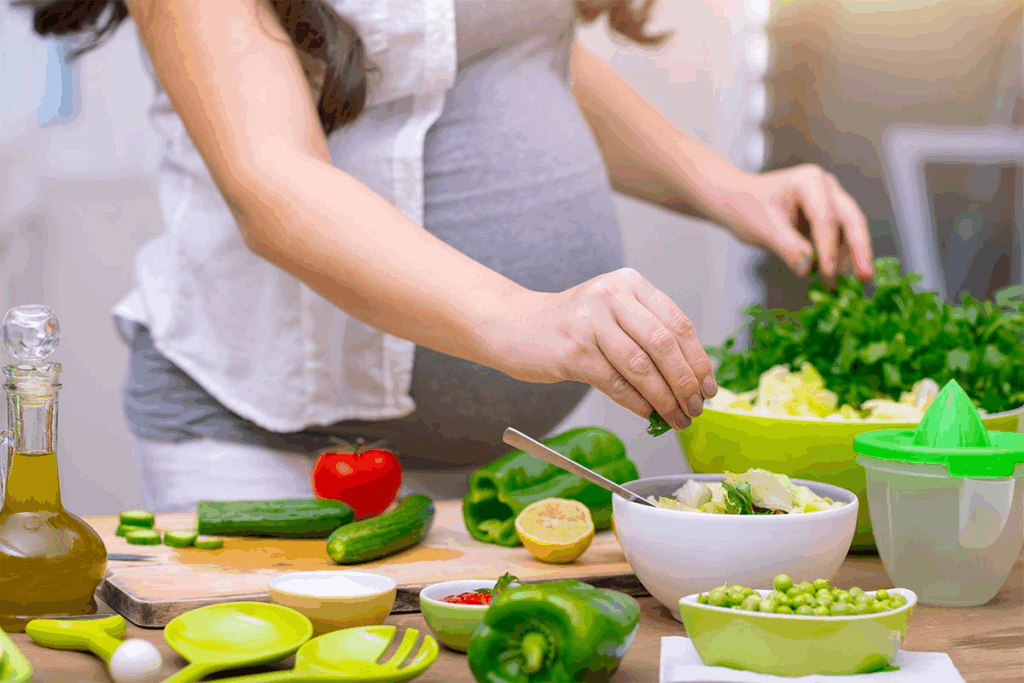
Nutrition is key to IVF success. Studies show that what we eat can greatly affect our fertility. Eating well can boost reproductive health, while bad nutrition can harm IVF chances.
Nourishing the Body for IVF
Eating right is essential for health, even more so during IVF. Our diet gives our bodies the nutrients needed for good reproductive health.
How Diet Impacts Fertility Outcomes
Eating foods full of antioxidants, vitamins, and healthy fats helps reproductive health. Women who eat well tend to do better with IVF. Important nutrients for fertility include:
- Omega-3 fatty acids found in fish and nuts
- Folate from leafy greens and legumes
- Antioxidants from a variety of fruits and vegetables
These nutrients help keep hormones balanced, improve egg quality, and support reproductive health.
Research on Mediterranean Diet and IVF Success Rates
The Mediterranean diet, rich in fruits, veggies, whole grains, and healthy fats, boosts IVF success. Studies show women eating this way during IVF see pregnancy rates up to 50% higher.
“Adherence to a Mediterranean diet has been linked to improved fertility outcomes, likely due to its anti-inflammatory effects and nutrient-dense profile.”
By eating whole, nutrient-rich foods, those trying IVF can improve their success chances. We suggest adding Mediterranean diet foods to your meals to support your fertility journey.
Understanding Why Certain Foods Impact IVF Treatment

Foods are very important in IVF treatment. Some foods can mess with hormonal balance and cause inflammation. The link between diet and IVF success is complex. It involves many body processes that food choices can affect.
Hormonal Balance and Food Consumption
Keeping hormonal balance right is key for IVF success. Some foods can change hormone levels. For example, foods with lots of refined carbs can cause insulin resistance. This can mess with hormone balance.
Here are some foods that can affect hormone balance:
- Foods high in refined sugars and processed carbohydrates
- Processed meats with preservatives and additives
- Foods with lots of advanced glycation end (AGE) products
Inflammation and Reproductive Health
Inflammation is also very important for IVF success. It can hurt ovulation, fertilization, and implantation. Some foods can make inflammation worse, while others can help reduce it. Choosing the right foods is key during IVF treatment.
Here are some foods that can cause inflammation:
- Processed foods with trans fats and refined carbohydrates
- Sugary drinks and foods with a lot of sugar
- Foods cooked at high heat, making them high in AGE products
Knowing how foods affect hormonal balance and inflammation helps those going through IVF. By avoiding bad foods, you can help your treatment succeed better.
Refined Carbohydrates: The Hidden Fertility Disruptors
Refined carbohydrates can greatly affect fertility. They are low in fiber and nutrients, causing blood sugar to spike. This can lead to insulin resistance, affecting reproductive hormones and egg quality.
Studies link high refined carbohydrate intake to lower fertility. These carbs can cause inflammation and upset the body’s hormonal balance.
White Bread and Pasta
White bread and pasta are common refined carbs. They lack nutrients, leading to quick blood sugar spikes. Regularly eating these can harm your health.
Choosing whole grain alternatives is better. Foods like brown rice, quinoa, and whole wheat bread offer sustained energy and are full of fiber and nutrients.
Processed Breakfast Cereals
Many breakfast cereals are processed and high in refined carbs. They often have added sugars and lack important nutrients. Starting your day with these can harm your metabolism.
Opting for oatmeal or whole grain cereals with nuts and fruits is better. They help control blood sugar and provide essential nutrients.
Impact on Blood Sugar and Egg Quality
Refined carbs’ effect on blood sugar is clear. They can cause insulin resistance, which is linked to poor egg quality and fertility.
“A diet high in refined carbohydrates can negatively affect reproductive health by causing insulin resistance and disrupting hormonal balance.”
Eating whole, nutrient-rich foods supports reproductive health. Limiting refined carbs can help improve fertility, even during IVF treatment.
Caffeine During IVF: Finding the Right Balance
Many people worry about caffeine when they’re trying to get pregnant through IVF. It’s important to know how caffeine might affect their chances of success. We need to look closely at how much caffeine is okay and its effects on fertility.
Coffee and Tea Limitations
Coffee and tea are big sources of caffeine for many. While a little is okay, too much can be bad. It’s best to cut down on these drinks while trying to conceive.
But, you don’t have to give up coffee completely. Just be careful about how much you drink. A normal cup of coffee has 60 to 200mg of caffeine. So, keeping track of how much you have is key.
Hidden Sources of Caffeine
Caffeine isn’t only in coffee and tea. It’s also in chocolate, some medicines, and energy drinks. Knowing where else caffeine is can help you figure out how much you’re really getting.
- Chocolate products: Some dark chocolates and cocoa-based drinks
- Energy drinks and certain sodas
- Some over-the-counter medications like certain pain relievers
Recommended 200mg Daily Limit
Studies say that 200mg of caffeine a day is safe while trying to get pregnant. That’s about one 12-ounce cup of coffee or two cups of tea.
Beverage | Average Caffeine Content |
12 oz Coffee | 200mg |
8 oz Tea | 40-80mg |
1 oz Dark Chocolate | 20-30mg |
Too much caffeine can hurt blood flow to your reproductive organs and harm egg health. So, sticking to the daily limit is important for the best chance of success with IVF.
By watching your caffeine intake and knowing where it comes from, you can make choices that help your fertility journey.
Alcohol and IVF: Why Complete Avoidance Is Recommended
When you’re going through IVF, knowing how alcohol affects your fertility is key. We’ll explore how alcohol impacts your chances of success in IVF.
Research on Alcohol’s Impact on Fertility
Research shows alcohol can harm fertility in both men and women. Even a little alcohol can lower egg and sperm quality. This might make IVF less likely to work.
Key findings from recent studies include:
- Alcohol can mess with hormones, affecting ovulation and egg quality.
- Too much alcohol can make it harder to get pregnant for both partners.
- Even a bit of alcohol can be risky during IVF.
Effects on Egg Quality and Implantation
Drinking alcohol during IVF can harm egg quality and implantation. It can make embryos grow poorly. This makes it harder for them to stick in the uterus.
The risks are:
- Drinking can lower egg quality due to oxidative stress.
- It can mess up embryo growth, making implantation harder.
- It can change the uterus, making it harder for embryos to attach.
Partner Considerations for Alcohol Consumption
It’s not just the woman who should worry about drinking during IVF. Men should also think about how alcohol affects sperm quality and fertility.
Things to consider for both partners are:
Factor | Impact on Fertility |
Alcohol Consumption | Can affect sperm quality and egg development |
Lifestyle Changes | Both partners should consider reducing or eliminating alcohol intake |
Support System | Mutual support can help both partners stick to lifestyle changes |
Knowing the risks of drinking during IVF helps couples make better choices. We suggest avoiding alcohol during IVF to increase your chances of success.
High-Mercury Fish and Seafood Concerns
Eating high-mercury fish during IVF can harm the embryo’s growth. Mercury is toxic and can damage the nervous system and brain. So, it’s key for those trying IVF to avoid mercury in their seafood.
Swordfish, Shark, King Mackerel, and Tilefish
Some fish and seafood have a lot of mercury. These include:
- Swordfish: Often caught for its meat, swordfish can contain mercury levels that are harmful during IVF.
- Shark: As an apex predator, shark tends to accumulate high levels of mercury, making it a fish to avoid.
- King Mackerel: This fish is another high-mercury species that individuals undergoing IVF should limit or avoid.
- Tilefish: Particular those from the Gulf of Mexico, tilefish are known to have high mercury levels.
Safer Seafood Alternatives
It’s important to avoid high-mercury fish, but there are safer options. These include:
- Salmon: Rich in omega-3 fatty acids and low in mercury, salmon is an excellent choice.
- Sardines: These small fish are not only low in mercury but also rich in nutrients.
- Anchovies: Another low-mercury option, anchovies can be a healthy addition to meals.
- Pollock: A mild-flavored fish that is low in mercury and can be a good alternative.
Choosing these safer seafood options helps reduce mercury intake. This way, those trying IVF can enjoy fish and seafood’s nutritional benefits without the mercury risk.
Processed Meats and Their Effect on Fertility
Processed meats, like deli meats and sausages, have preservatives that harm fertility. These foods are common in many diets but their impact on reproductive health is often ignored.
Deli Meats, Sausages, and Hot Dogs
Deli meats, sausages, and hot dogs are full of preservatives like nitrates and nitrites. These preservatives help these foods last longer and look better, but they can harm health, including fertility. Studies show that eating these meats often can make it harder to get pregnant.
“Eating a lot of processed meats can mess with hormones and hurt reproductive health,” studies say. It’s not fully understood how, but cutting down on these foods can help those trying to conceive.
Preservatives and Their Impact on Reproductive Health
Preservatives in processed meats, like nitrates and nitrites, are linked to health problems. Nitrates can make it hard for the body to carry oxygen, which can harm reproductive organs. Also, these preservatives can cause inflammation, which hurts fertility.
A study in a fertility journal found that women eating more processed meats had lower IVF success rates.
“Eating more processed meats was linked to lower fertility, showing how important diet is during IVF,” the study said
To help reproductive health, it’s best to eat less or no processed meats. Choose fresh, nutrient-rich foods instead. These foods are better for overall health and fertility.
Complete List of IVF Foods to Avoid for Optimal Results
Certain foods can impact IVF outcomes. Knowing what to avoid is key. Dietary choices play a big role in IVF success. We’ll list foods to limit or avoid for the best results.
Full-Fat Dairy Products
Full-fat dairy can affect IVF outcomes. It has saturated fats that can mess with hormonal balance and reproductive health. Studies show it may lower fertility by altering hormone levels.
- Limit whole milk and full-fat cheese
- Go for low-fat or fat-free alternatives
- Watch portion sizes for a balanced diet
Soy Products and Phytoestrogens
Soy products have phytoestrogens, which mimic estrogen. High levels can upset hormonal balance, impacting IVF success. Knowing your soy intake is key.
Common soy products to consider:
- Tofu and soy-based meat alternatives
- Soy milk and other soy beverages
- Edamame and soy-based snacks
Artificial Sweeteners and Food Additives
Artificial sweeteners and some additives might harm fertility. The science is growing, but it’s wise to cut back on them during IVF.
- Check food labels for artificial sweeteners
- Use natural sweeteners like honey or maple syrup sparingly
- Steer clear of foods with artificial preservatives and colors
Being aware of these dietary factors can help improve IVF success. Always talk to a healthcare provider or nutritionist for tailored advice during IVF.
High-Fat Foods and Trans Fats
Eating too much fat and trans fats can hurt your fertility. This is why changing your diet is important when you’re trying IVF. Foods high in fat, like trans fats, can cause inflammation and harm your chances of getting pregnant.
Fast Food and Fried Items
Fast food and fried foods are full of unhealthy fats, including trans fats. Eating them a lot can make it harder to get pregnant. This is because they:
- Make your body more inflamed
- Can mess with your hormones
- Can hurt the quality of your eggs and how well they implant
Here are some fast food and fried items to cut down on or avoid:
- French fries
- Fried chicken
- Burgers
- Fried doughnuts
Baked Goods and Hidden Trans Fats
Baked goods like pastries, cakes, and cookies often have trans fats. This is because they use partially hydrogenated oils. These hidden fats can harm your fertility just as much as obvious ones.
To avoid these fats:
- Read labels for partially hydrogenated oils
- Choose baked goods with healthier fats
- Try baking at home with better fats
Margarine and Vegetable Shortening
Margarine and vegetable shortening also have trans fats. Even though some brands have changed, it’s key to stay alert.
When you shop, look for products without trans fats. Or switch to:
- Butter in small amounts
- Coconut oil
- Avocado oil
By watching what fats you eat, you can help your fertility during IVF. Making smart food choices is important for your journey.
Foods That Increase Inflammation During IVF
Knowing which foods cause inflammation is key for those going through IVF. Inflammation can hurt IVF success. So, it’s important to know and avoid foods that cause it.
Refined Sugars and Sweets
Eating too much sugar and sweets can make your body more inflamed. These foods raise blood sugar, which triggers inflammation. Try to cut down on sugary drinks, baked goods, and candy.
Lowering sugar intake helps keep inflammation down. This supports your reproductive health.
Vegetable Oils High in Omega-6
While some Omega-6 fats are good, too much can cause inflammation. Oils like corn, soybean, and sunflower oil have too much Omega-6. Use them less. Choose oils like olive oil, which has a better balance.
It’s important to balance fatty acids to reduce inflammation. This helps IVF success.
Gluten for Sensitive Individuals
If you’re sensitive to gluten or have celiac disease, gluten can cause inflammation. This can harm your reproductive health and IVF chances. People with gluten issues should eat gluten-free to reduce inflammation.
Choosing gluten-free foods and watching for hidden gluten in processed foods helps. It supports your IVF journey.
Restrictions During Different IVF Phases
The IVF process has many stages, each with special diet tips to boost success. As we move through IVF, changing our diet is key to helping the treatment work well.
What to Avoid During IVF Stimulation
In the IVF stimulation phase, it’s important to skip foods that can harm egg quality and hormonal balance. High-mercury fish and processed meats are bad because they can mess with hormones and reproductive health.
We should eat foods full of antioxidants, folate, and omega-3 fatty acids to help eggs. Leafy greens, berries, and salmon are great options.
Foods to Avoid After Egg Retrieval
After egg retrieval, we need to help our body heal. Stay away from caffeine and alcohol because they can dry out the body and slow healing. Drink electrolyte-rich beverages and broths to keep the body hydrated.
Also, avoid heavy or greasy foods that can upset your stomach after the procedure. Go for light, nutrient-dense meals that are easy to digest.
Foods to Avoid After Embryo Transfer
After embryo transfer, we focus on helping the embryo implant and grow. Avoid foods high in sugar and refined carbohydrates because they can cause inflammation and hurt implantation.
It’s good to eat foods rich in fiber, vitamins, and minerals to support a healthy pregnancy. A diet full of vegetables, fruits, whole grains, and lean proteins helps with implantation.
By paying attention to what we eat during IVF’s different stages, we can increase our chances of success. Making smart food choices supports our reproductive health and the treatment’s success.
Conclusion: Building Your Fertility-Friendly Diet Plan
A well-planned diet is key for IVF success. Eating a balanced diet helps avoid foods that harm fertility. Knowing how nutrition affects IVF helps us make better choices.
A diet friendly for fertility means avoiding certain foods. These foods can upset hormonal balance and harm reproductive health. We’ve listed foods to limit, like refined carbs, high-mercury fish, processed meats, and high-fat foods.
Our diet should include nutrient-rich foods that boost health. A balanced diet supports our IVF journey. This, along with medical care, can greatly improve our chances of success.
By choosing wisely about what we eat, we support our IVF journey. We suggest working with your healthcare provider to create a diet plan. This plan should fit your needs and help you achieve IVF success.
FAQ
What foods should be avoided during IVF treatment?
Avoid foods that harm hormonal balance and fertility. Stay away from refined carbs, high-mercury fish, and processed meats. Also, limit full-fat dairy, soy, artificial sweeteners, and trans fats.
Is caffeine allowed during IVF?
Caffeine is okay in small amounts. Stick to 200mg a day, like in one 12-ounce coffee. Watch out for caffeine in tea, chocolate, and some meds too.
Can I consume alcohol while undergoing IVF?
No alcohol during IVF. It can hurt egg quality and implantation. Partners should also cut down or stop drinking.
Are there specific dietary restrictions during different phases of IVF?
Yes, diet changes with IVF phases. In stimulation, avoid foods that cause inflammation or mess with hormones. After egg retrieval and transfer, eat nutrient-rich foods to support fertility.
What are some safer seafood alternatives to high-mercury fish?
Choose fatty fish like salmon, sardines, and anchovies. They’re good for omega-3s and low in mercury.
How do processed meats affect fertility?
Processed meats have preservatives bad for reproductive health. Try to limit or avoid deli meats, sausages, and hot dogs.
What is the impact of refined carbohydrates on fertility?
Refined carbs raise blood sugar, harming egg quality and fertility. Cut down on white bread, pasta, and processed cereals.
Are there specific foods that can increase inflammation during IVF?
Yes, foods like refined sugars, omega-6 oils, and gluten can cause inflammation. Limit or avoid these to reduce inflammation.
How can I build a fertility-friendly diet plan?
Eat nutrient-rich foods and avoid those that harm fertility. Stay hydrated. A balanced diet supports IVF success.
What is the role of nutrition in IVF success?
Nutrition is key for IVF success. A balanced diet supports hormonal balance, reduces inflammation, and boosts fertility.
Are there any specific foods to avoid after embryo transfer?
After transfer, avoid foods that harm fertility like refined carbs, high-mercury fish, and processed meats. Focus on nutrient-rich foods for implantation support.
Can diet impact IVF outcomes?
Yes, diet greatly affects IVF success. A fertility-friendly diet supports hormonal balance, reduces inflammation, and boosts fertility, increasing IVF success chances.
References
National Center for Biotechnology Information. Evidence-Based Medical Guidance. Retrieved from https://www.ncbi.nlm.nih.gov/pmc/articles/PMC8634384/