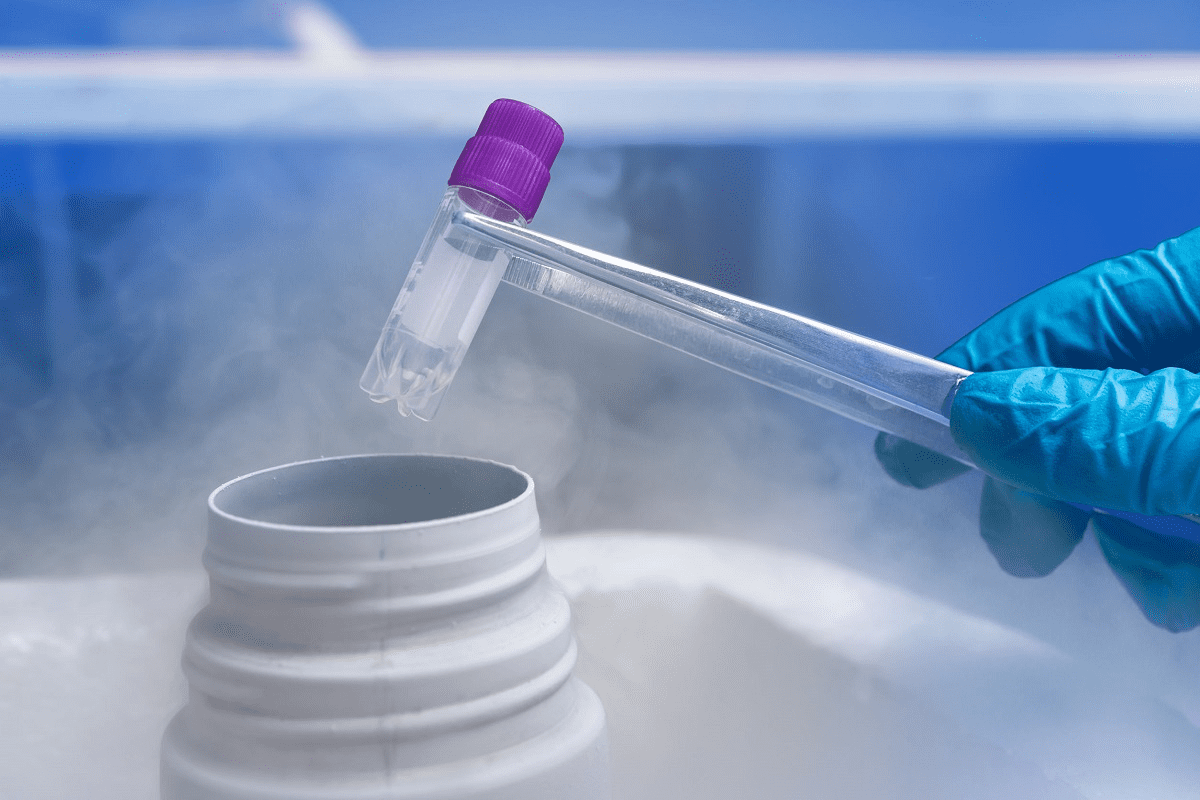
For couples trying to have a baby, the cost of fertility meds can be a big worry. These drugs can make up 20-30% of the total cost of IVF, which is between $2,000 to $5,000 per cycle. Many people don’t have enough insurance to cover these costs, so finding ways to save money is key.Tips and resources for finding discounts and affordable ivf prescriptions online.
At IVFPharmacy, we’ve been helping US customers for over 15 years. We offer up to 80% discount on US prices for fertility meds. We know how important it is to get affordable meds, and we’re here to help you find discount IVF meds online.
Key Takeaways
- IVF medications account for a significant portion of fertility treatment costs.
- Fertility medications can cost between $2,000 to $5,000 per cycle.
- Many patients lack sufficient insurance coverage for fertility treatments.
- Discounts of up to 80% are available on US prices for fertility medications.
- Exploring cost-saving strategies for affordable fertility medications is critical.
The Rising Cost of Fertility Medications

Fertility medications are key in IVF treatment but are getting more expensive. This is making it hard for people to afford IVF. Medications are a big part of the cost.
Understanding the Financial Burden of IVF Treatment
The cost of fertility meds can be very high for many. These meds help with egg production and embryo growth. But, they can be very expensive, making it hard for patients to decide how to pay.
Studies show that fertility meds can cost between $2,000 to $5,000 per cycle. This cost varies based on the type of medication and how much is needed. For many, this is a big part of the total IVF cost, making it hard to get the treatment they need.
50% Price Increase Between 2014-2020
There’s been a big jump in IVF medication prices, up 50% from 2014 to 2020. This has made it even harder for people to afford fertility treatment.
Let’s look at the average costs of some common fertility meds:
Medication | Average Cost in 2014 | Average Cost in 2020 |
FSH (Follitropin) | $1,500 | $2,250 |
GnRH-Antagonists | $300 | $450 |
Trigger Injections (hCG) | $200 | $300 |
The prices of these important meds have gone up a lot. This increase is a big financial problem for patients who need these meds for IVF.
“The rising costs of fertility medications are not just a financial issue; they have a direct impact on the ability of patients to access and complete their IVF treatment.”
Some companies are trying to help by lowering prices. For example, EMD Serono has discounts through TrumpRx. Some patients can get up to 84% off. This is good news for making fertility treatments more affordable.
As we deal with the costs of IVF, finding ways to save is key. Next, we’ll look at how to find cheaper IVF prescriptions and fertility meds online.
Understanding IVF Prescriptions and Their Average Costs

IVF treatment uses many medications, each important for the process. The cost of these medications can be between $2000 and $5000. It’s key for patients to understand these costs to manage their expenses well.
Injectable Hormones: FSH and Menotropins
Injectable hormones are vital in IVF. FSH (Follicle-Stimulating Hormone) and menotropins help produce eggs. The cost varies based on brand, dosage, and patient needs. Patients usually spend $1000 to $3000 on these hormones.
Menotropins, which include FSH and LH, are also key. They are given by injection and need close monitoring. Their cost is high, adding a lot to the IVF cost.
GnRH-Antagonists and Trigger Injections
GnRH-antagonists stop early ovulation in IVF cycles. Given by injection, they are vital for treatment success. Their cost is $200 to $500 per cycle.
Trigger injections, with hCG, help eggs mature before retrieval. Their cost is $100 to $300 per injection.
Additional Medications in IVF Protocols
Other medications are used in IVF protocols. These include progesterone for the uterine lining and antibiotics for infection. These add hundreds of dollars to the total cost.
Programs like the Compassionate Care Program and the IVF Green Light program at The Fertility Center of San Antonio offer cost savings. These programs help make IVF more affordable.
Patients can also look for discount IVF drugs and fertility medicine online at IVF pharmacies. Comparing prices and services can help find the best deals for medication needs.
The Financial Impact of Fertility Medication Costs
For those thinking about IVF, knowing the cost of fertility meds is key. These meds make up 20-30 percent of IVF costs. This big chunk can change how patients plan their finances and treatment choices.
Fertility meds can be a big financial weight for many. It’s not just about money; it also affects who can get treatment. High costs might make some choose less effective options or skip treatment altogether.
How Medication Expenses Affect Treatment Accessibility
High costs of fertility meds can block access to IVF for many. Struggling to pay for meds can lead to delays or skipping treatment. This can hurt emotionally and might harm fertility in the long run.
To help, some clinics and pharmacies offer financial aid or discounts. For example, IVFPharmacy has a money-back guarantee and fast delivery for fertility meds. This makes treatment more reachable.
Long-term Financial Planning for Multiple IVF Cycles
Many need more than one IVF cycle to get pregnant. So, planning for the long haul is key. Patients should think about the costs of not just one cycle, but possibly many.
IVF Cycle Component | Average Cost | Percentage of Total Cost |
Fertility Medications | $2,000 – $5,000 | 20-30% |
Ultrasound and Monitoring | $1,000 – $2,000 | 10-15% |
IVF Procedure | $10,000 – $15,000 | 50-60% |
Knowing these costs and looking for ways to cut them is smart. Finding cheap fertility drugs online or using low cost fertility drugs can help plan treatment and finances better.
Method 1: Specialized Online Fertility Pharmacies
Online fertility pharmacies are key for those dealing with fertility issues. They offer medications for IVF and other treatments at good prices. This makes it easier to manage the costs of fertility treatments.
Top-Rated Online Pharmacies for Fertility Medications
Some online pharmacies stand out for their quality and prices. For example, IVFPharmacy has a 4.9/5 rating and sells brand-name meds at lower prices. When picking a pharmacy, look at:
- Licensure and accreditation
- Customer reviews and ratings
- Range of available medications
- Price competitiveness
- Customer support services
Potential Savings and Benefits
Online pharmacies can save you a lot of money. They offer discounts on brand-name meds and sometimes generic options. The benefits include:
- Easy ordering online
- Big savings on medication costs
- Wide selection of fertility meds
- Helpful customer support
For example, you can save up to 50% on some fertility meds online. This can really help with the cost of IVF treatments.
Verification and Safety Protocols
It’s important to be safe and sure when using online pharmacies. Make sure to:
- Check if the pharmacy is licensed and accredited
- Look at customer reviews and ratings
- Make sure the payment system is secure
- Watch out for very low prices that might mean fake products
Talk to your fertility specialist before buying meds online. This ensures they fit your treatment plan.
Method 2: Prescription Discount Cards and Programs
Prescription discount cards and programs can help lower the cost of IVF medication. They make fertility drugs more affordable for many patients. This makes IVF treatment available to more people.
How Discount Programs Work for IVF Medications
Discount programs for IVF medications negotiate lower prices with drug companies. They also offer co-pay assistance to eligible patients. For example, EMD Serono’s Co-Pay Savings Program can save up to $250 per prescription for those who qualify.
These programs are great for patients with high deductible plans or limited fertility coverage. They help reduce the cost of IVF medications. This way, patients can start their treatment sooner without financial worries.
Best Discount Cards for Fertility Drugs
There are many discount cards and programs for fertility drugs. Each has its own rules and benefits. Here are some of the most popular ones:
Program Name | Eligibility Criteria | Potential Savings |
EMD Serono Co-Pay Savings Program | Commercially insured patients | Up to $250 per prescription |
GoodRx Fertility Drug Discounts | No eligibility requirements | Up to 80% off retail prices |
Manufacturer Patient Assistance Programs | Varies by manufacturer | Free or discounted medications for eligible patients |
Looking into these discount programs is a key step in managing IVF costs. Patients should talk to their healthcare provider. This helps find the best option for their situation.
Method 3: Patient Assistance Programs from Pharmaceutical Companies
Patient Assistance Programs (PAPs) from pharmaceutical companies can greatly help with the cost of fertility meds. These programs are made to help those who need fertility drugs at a lower cost or even for free.
Manufacturer Programs for Fertility Drug Assistance
Many companies that make fertility meds have patient assistance programs. For example, the maker of Menopur (menotropins) has a program that can lower the cost for those who qualify. Other drugs like Follistim and Gonal-F also have similar programs.
These programs can save a lot of money, sometimes up to 75% off the usual price. The Fertility Center of San Antonio has a Compassionate Care Program that can save up to 75% on meds for those who qualify.
Eligibility Requirements and Application Process
To get into these programs, you need to meet certain rules. This includes income limits, insurance status, and if you really need the meds. You’ll need to send in financial info, insurance details, and a doctor’s note explaining why you need the meds.
It’s best to ask your fertility clinic or doctor for help with the application. They have staff who can help with the paperwork and make sure everything is right.
Documentation Needed and Approval Timelines
The documents needed for these programs can differ, but usually include income proof, tax returns, insurance info, and a doctor’s prescription. You’ll need to show your financial situation clearly to prove you need help.
How long it takes to get approved can vary, but most aim to do it in 1-2 weeks. Once you’re approved, you can get your meds at a lower cost or even for free. It’s important to apply early in your treatment cycle so you get your meds on time.
Looking into patient assistance programs can save IVF patients a lot of money. This makes treatment more affordable and helps reduce stress during a tough time.
Method 4: Fertility Clinic Medication Programs and Bundles
Fertility clinics are now helping with the cost of IVF by creating special programs. These programs aim to make fertility treatments more affordable for those going through IVF.
In-House Pharmacy Options at Fertility Clinics
Many fertility clinics have their own pharmacies. This makes it easier and cheaper for patients to get their IVF meds. “Having an in-house pharmacy allows us to have more control over the quality and cost of medications,” says Medical Expert, a fertility specialist. “It’s a significant advantage for our patients.”
- Convenience: Patients can fill their prescriptions immediately after consultation.
- Cost savings: Clinics can negotiate better prices with suppliers due to bulk purchasing.
- Quality control: Clinics have more control over the medications they dispense.
Multi-Cycle Discount Programs
Some clinics offer discounts for patients needing more than one IVF cycle. These programs bundle medication costs with other treatment expenses, saving money. For example, Ferring Pharmaceuticals has the IVF Green Light program, which gives discounts on certain fertility meds for multiple cycle patients.
These multi-cycle programs can save a lot of money. They help reduce the cost of trying IVF again and again. Patients should talk to their fertility specialist about these programs to see if they qualify and what savings they can get.
Looking into fertility clinic medication programs and bundles can help patients save on IVF meds. It’s important to talk to a fertility specialist to find the best option for your situation.
Method 5: International Options for IVF Prescriptions
Online pharmacies worldwide offer IVF meds at lower prices. This is a big help for those facing high fertility treatment costs. It’s important to buy these meds safely and wisely.
Understanding Legality and Safety Considerations
Looking into international IVF meds, patients need to know the legal and safety sides. Make sure the online pharmacy is licensed and follows international rules. Look for certifications from known groups.
Also, beware of fake meds risks. Check if the pharmacy checks prescriptions well and keeps meds at the right temperature.
Countries Known for Lower-Cost Fertility Medications
Some countries offer cheaper IVF meds than others. For example, European countries have lower prices due to government help. India and some Eastern European countries also have affordable options.
But, cost isn’t everything. Look at the meds’ quality and the pharmacy’s reliability too.
Shipping, Customs, and Quality Assurance
When buying IVF meds abroad, know how they ship. Choose pharmacies with safe, trackable shipping and clear customs policies. IVFPharmacy, for instance, ships worldwide and offers a guarantee.
Quality is key. Make sure the pharmacy follows GMP standards and gives full info on the meds.
By looking into international options carefully, patients can make smart choices. Consider legality, safety, cost, and quality. Talk to your doctor before starting your fertility journey.
Method 6: Generic Alternatives and Medication Substitutions
Looking for ways to make IVF treatment more affordable, we explore generic alternatives and medication substitutions. The high cost of fertility drugs is a big worry for many. Knowing about these options is key.
Available Generic Options for Common Fertility Drugs
There are now generic fertility medications that are cheaper for patients. For example, EMD Serono offers both brand-name and generic versions of some drugs. Here are some common generic options:
- Generic versions of FSH: Follicle-stimulating hormone (FSH) is vital for ovarian stimulation. Generic FSH products work just as well as the brand-name ones.
- Menotropins: These are mixes of FSH and LH (luteinizing hormone) used in IVF. The generic versions are cheaper.
- GnRH-antagonists: Now, there are generic versions of gonadotropin-releasing hormone antagonists. They help prevent premature ovulation during IVF cycles and are more affordable.
Efficacy Comparisons Between Brand-Name and Generic Medications
Many studies have looked at how well brand-name and generic fertility medications work. They found that generics are just as good and safe, as long as they’re approved by the FDA.
Important points to remember:
- Bioequivalence: Generic meds must show they’re as effective as the brand-name drug. This means they have the same active ingredients and effects.
- Clinical outcomes: Research shows that using generic fertility meds in IVF gives the same results as brand-name drugs.
- Regulatory approval: Before they can be sold, generics go through strict testing and get approval from regulatory bodies.
Discussing Cost-Saving Alternatives with Your Fertility Specialist
Talking to your fertility specialist about medication options is important. This way, you can:
- Understand your treatment plan: Knowing your IVF protocol helps you find ways to save money.
- Explore generic options: Your specialist can tell you about generic alternatives and if they’re right for your treatment.
- Make informed decisions: You can compare the benefits and cost savings of generics to your treatment needs.
Considering generic alternatives and medication substitutions can help lower IVF medication costs. But always talk to a healthcare provider before changing your medication.
Method 7: Fertility Medication Donation Programs
For those facing infertility, fertility medication donation programs are a beacon of hope. They offer vital medications at low or no cost. This helps ease the financial stress of IVF treatments.
How Medication Donation Networks Function
These programs work through networks of non-profits and pharmaceutical companies. They collect unused or expired fertility meds from donors. Then, they give them to those who need them.
“The LIVESTRONG Fertility Program is a great example,” it offers discounted services and free meds to those who qualify. This shows the positive effect of such efforts.
Finding Legitimate Medication Donation Programs
To find real programs, start by asking your fertility doctor for advice. Look into well-known non-profits and pharmaceutical programs too. They can be a big help.
- Check the program’s background and trustworthiness
- Know what you need to apply and qualify
- See what kinds of meds they offer
Safety and Legal Considerations for Donated Medications
Donated meds can be a big help, but safety and legality are key. Make sure the meds are stored right, handled well, and are real.
Important safety points include:
- Check the meds’ expiration and storage
- Make sure they’re not fake or altered
- Look for any safety warnings or recalls
Knowing the pros and cons of these programs helps patients make smart choices for their IVF journey. As we look for ways to make fertility care more affordable, these programs are a key part of helping people become parents.
Safety Guidelines When Purchasing Discount IVF Meds Online
Buying IVF meds online needs careful steps to keep you safe and the treatment working well. Looking for cheaper fertility meds is smart, but knowing the risks is key. This way, you can avoid problems.
Red Flags to Watch For When Buying Fertility Medications
When shopping for fertility meds online, watch out for certain signs. Be wary of sites that don’t ask for a prescription or charge way less than others. Always check if the pharmacy is licensed and accredited to get real and safe meds.
Other signs to avoid include bad website design, no clear contact info, and no security for your info. If a site seems too good or rushes you to buy, stay away.
Verifying Pharmacy Legitimacy
To make sure you’re buying from a real pharmacy, look for licenses and accreditations. Good pharmacies show their credentials on their site. You can check these with the right authorities or groups.
Make sure the pharmacy is certified by trusted groups that check pharmacy standards in your area. For example, IVFPharmacy is licensed and focuses on keeping patients safe and happy.
Proper Storage and Handling of Fertility Medications
After buying your meds online, it’s important to store and handle them right. Always follow the storage tips given with the meds. Keep them out of reach of kids and pets.
Most meds need to be kept cold, so make sure you have a good place for them. Never use meds that have been stored wrong or are expired. If you’re unsure, ask your fertility doctor or pharmacist for advice.
Conclusion: Balancing Cost and Quality in Your Fertility Journey
IVF treatments are complex, and finding the right balance is key. The Fertility Center of San Antonio shows how to save money without losing quality. They offer cost-saving programs that keep care top-notch.
We’ve looked at ways to get affordable IVF meds, like online pharmacies and discount cards. These options help patients get the meds they need at lower prices. This makes getting IVF treatments more affordable.
When looking for ivf prescriptions online, it’s important to think about both cost and quality. Make sure the pharmacy is real and the meds are safe and effective.
By using these strategies, patients can choose the best fertility treatment. They can find a balance between cost and quality. This helps them move forward in their fertility journey with confidence and without worrying about money.
FAQ
What are the most common fertility medications used in IVF treatments?
In IVF, you’ll often use injectable hormones like FSH and menotropins. GnRH-antagonists help prevent early ovulation. Trigger injections are used to mature eggs fully.
How can I find discount IVF prescriptions online?
Look for online fertility pharmacies and discount cards online. Also, check out patient assistance programs and fertility clinic bundles.
Are generic alternatives available for fertility medications?
Yes, generic options exist for some fertility meds. Talk to your fertility specialist about these to see if they’re right for you.
How do patient assistance programs for fertility drugs work?
These programs offer discounted or free meds to eligible patients. Each program has its own rules and application process.
Can I purchase fertility medications internationally?
Yes, but be careful. Check the legality, safety, and quality of the meds. Make sure the pharmacy is legit and follow shipping rules.
What are the benefits of using specialized online fertility pharmacies?
Online pharmacies can save you money and are convenient. They also ensure the meds you get are safe and genuine.
How can I verify the legitimacy of an online pharmacy selling fertility medications?
Look for licenses, certifications, and reviews. Make sure they need a valid prescription and have clear shipping policies.
Are fertility medication donation programs a viable option?
Donation programs can be helpful, but be cautious. Make sure the program is safe and legal, and follow their guidelines.
How do I properly store and handle fertility medications?
Follow the manufacturer’s instructions. Store them in a fridge at the right temperature. Keep them away from light and extreme temperatures.
Can fertility clinics offer discounts on IVF medications?
Yes, some clinics have pharmacy options, discounts for multiple cycles, or bundles. Ask your specialist about these.
What are the risks associated with buying discount IVF meds online?
Buying online can lead to fake or low-quality meds. There’s also a risk of improper storage and interactions with other meds. Always check the pharmacy’s legitimacy and follow safety tips.
References
- Callander, E. J., et al. (2025). Cost-effectiveness of interventions related to the treatment of women with PCOS. Pharmacoeconomics, 43(5), 423-435. https://pmc.ncbi.nlm.nih.gov/articles/PMC12068392/