
Urinary incontinence is a big problem for millions of women around the world. It affects their daily lives and health. Exercises for bladder control can really help reduce leaks how to stop female urine leakage.
At Liv Hospital, we know how important it is to tackle urinary incontinence. We offer a patient-focused approach. This combines new solutions with the latest medical methods for urinary incontinence management.
Simple exercises can be done at home to manage urinary incontinence. We will look at 7 effective exercises. They can help you feel more confident and in control of your bladder.
Key Takeaways
- Urinary incontinence affects millions of women globally.
- Exercises can significantly reduce involuntary leakage.
- Liv Hospital offers a full range of care for urinary incontinence.
- Simple home exercises can help manage the condition.
- Regaining bladder control can improve overall well-being.
Understanding Female Urinary Incontinence
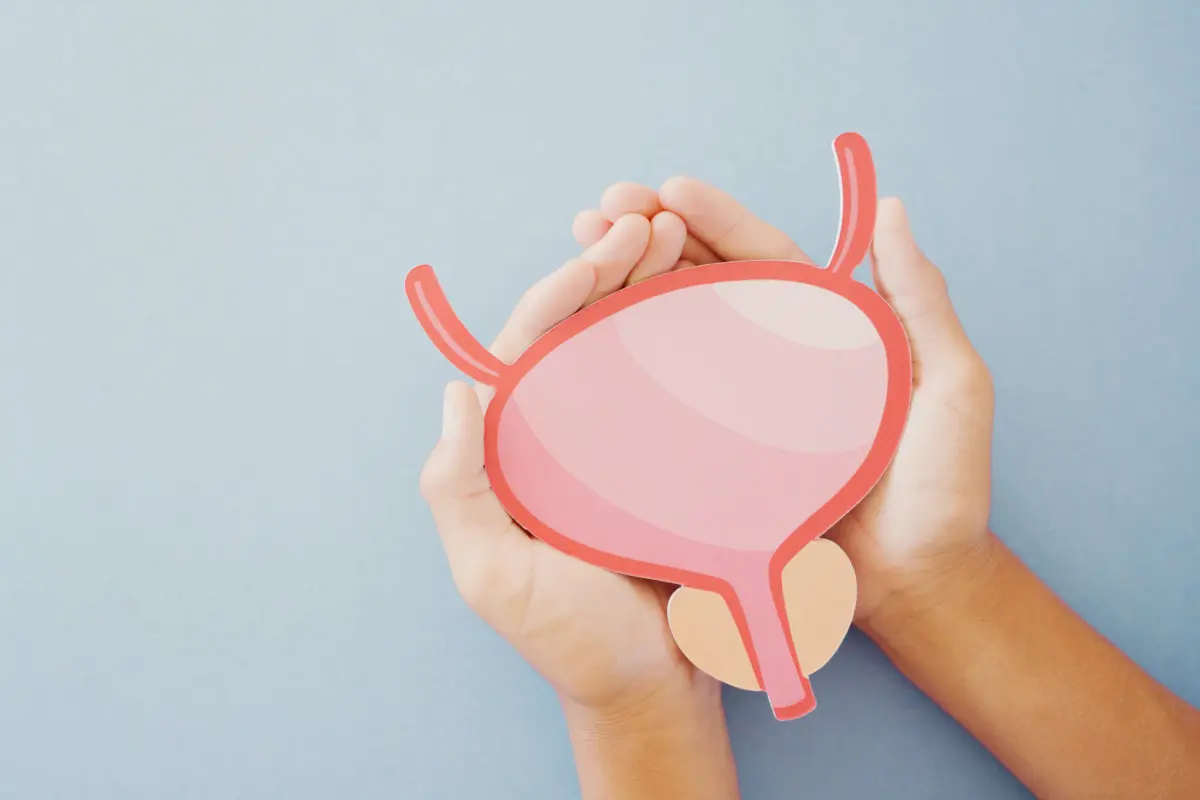
Urinary incontinence is not just a natural part of aging. It’s a condition that can be managed and treated. We will explore its definition, prevalence, and impact on women’s lives.
What is Urinary Incontinence?
Urinary incontinence is when you leak urine without meaning to. It’s a symptom, not a condition itself. Bladder control issues can range from mild leakage to complete loss of bladder control.
Recent studies show urinary incontinence affects many women. It’s not just about age. Lifestyle, medical history, and physical changes also play a role.
Prevalence and Impact on Quality of Life
Urinary incontinence affects over 60% of women at some point. It can deeply affect a woman’s quality of life. It impacts daily activities, social interactions, and overall well-being.
Aspect of Life | Impact of Urinary Incontinence |
Social Interactions | Women may avoid social gatherings due to fear of leakage. |
Physical Activities | Exercise and other physical activities may be limited due to incontinence. |
Emotional Well-being | Feelings of embarrassment and low self-esteem are common. |
Understanding urinary incontinence’s prevalence and impact is key. It helps us develop effective strategies to manage and treat it. By acknowledging its effects, we can better support those affected.
Types of Female Urinary Incontinence
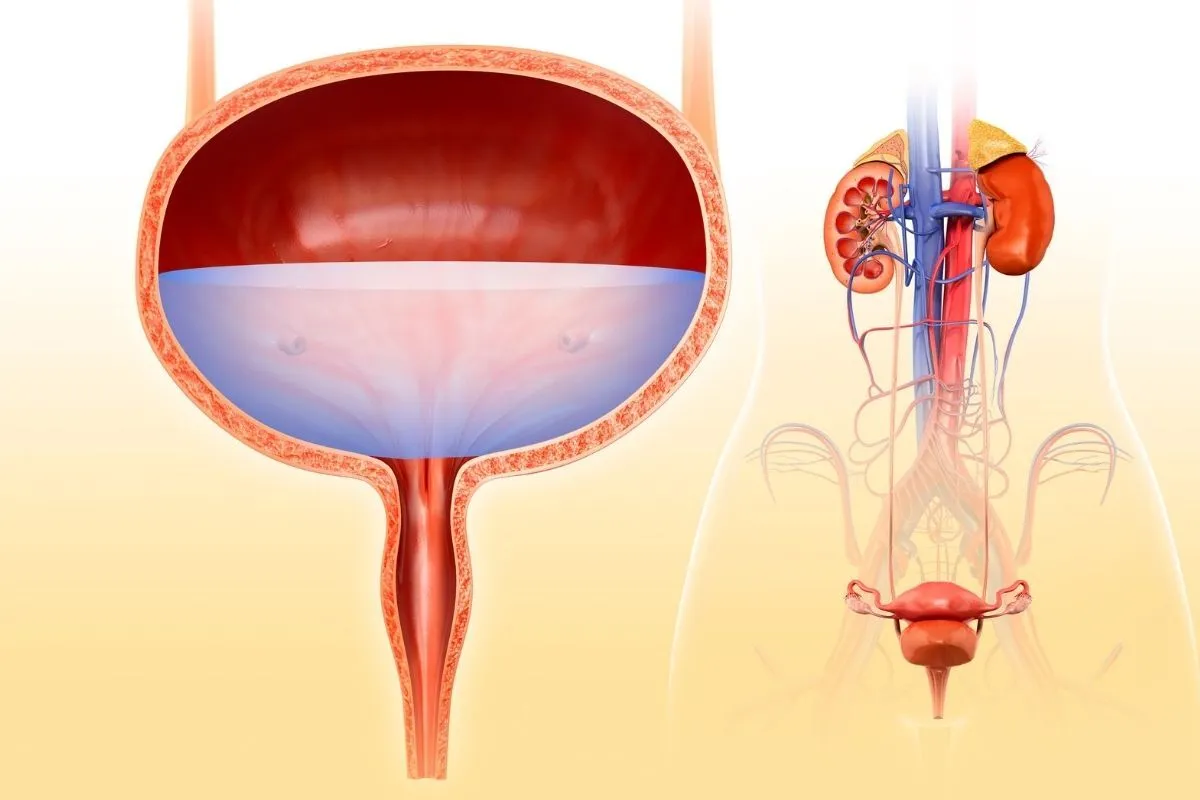
Urinary incontinence in women is not just one issue. It’s a range of problems, like stress, urge, and mixed incontinence. Knowing these types is key to managing and treating them well.
Stress Incontinence
Stress urinary incontinence is the most common, making up about 37.5 percent of cases. It happens when movement or pressure on the bladder makes urine leak. Things like coughing, laughing, sneezing, or lifting heavy can trigger it. It’s often due to weak pelvic floor muscles or urethral sphincter issues.
Urge Incontinence
Urge incontinence, or overactive bladder, is when you suddenly need to pee and can’t hold it. It’s linked to an overactive detrusor muscle. This muscle contracts too much or at the wrong times. Women with this may pee a lot and wake up to pee many times at night.
Mixed Incontinence
Mixed incontinence is a mix of stress and urge incontinence. It’s a tough one to diagnose and treat. Women with it leak during physical activities and also have sudden urges to pee. Treating it needs a plan that tackles both issues.
Knowing the exact type of incontinence is vital for a good treatment plan. We’ll look at what causes these problems next.
Common Causes and Risk Factors
It’s important to know why women get urinary incontinence. We’ll look at the main reasons. This helps women and doctors deal with it better.
Age-Related Changes
Women’s bodies change as they get older. Lower estrogen levels can weaken muscles and affect bladder control. Older age also means a smaller bladder and more trips to the bathroom.
Pregnancy and Childbirth
Pregnancy and childbirth can lead to incontinence. The growing baby puts pressure on the bladder. Childbirth can also harm the muscles and nerves in the pelvic area. Having multiple babies raises this risk even more.
Menopause
Menopause brings big changes for bladder control. The drop in estrogen causes tissues to shrink. This can lead to leaks and an overactive bladder.
Other Contributing Factors
Other things can also cause incontinence. Lifestyle, health issues, and physical problems play a part. For example, being overweight puts more pressure on the bladder. Chronic coughing can also strain these muscles.
The table below shows key risk factors and how they affect incontinence:
Risk Factor | Impact on Urinary Incontinence |
Advancing Age | Increased risk due to weakened pelvic floor muscles and decreased bladder capacity |
Pregnancy and Vaginal Childbirth | Damage to pelvic floor muscles and nerves |
Menopause | Decline in estrogen leading to atrophy of urethral and vaginal tissues |
Obesity | Increased pressure on bladder and pelvic floor muscles |
Knowing the causes and risks helps women and doctors fight incontinence. This improves life quality.
How to Stop Female Urine Leakage Through Exercise
Exercising to strengthen pelvic floor muscles is a proven way to stop urine leakage in women. This method boosts bladder control and improves pelvic health.
The Role of Pelvic Floor Muscles
The pelvic floor muscles are key in supporting the bladder, uterus, and bowel. Weakness in these muscles can cause urinary incontinence, affecting millions of women. Exercises that strengthen these muscles can greatly improve bladder control.
Pelvic floor exercises focus on the muscles that hold the pelvic organs in place. They help prevent urine leakage. Doing these exercises regularly can make the muscles stronger and improve bladder control.
Benefits of Regular Exercise for Bladder Control
Regular exercise, focusing on the pelvic floor, has many benefits for bladder control. Improved muscle strength and enhanced neuromuscular coordination are key advantages. These benefits help reduce urinary incontinence symptoms and improve life quality.
Women who add exercises to strengthen the pelvic floor to their daily routine see a big drop in urine leakage. This approach not only boosts physical health but also confidence and overall well-being.
7 Effective Exercises to Prevent Urine Leakage
Exercises that target the pelvic floor muscles can help prevent urinary incontinence. By adding these exercises to your daily routine, you strengthen the muscles around the bladder and urethra. This improves bladder control and reduces leakage.
Kegel Exercises
Kegel exercises are known for strengthening the pelvic floor muscles. Start by identifying the muscles you use to stop the flow of urine. Contract these muscles for 5-10 seconds, then release for the same amount of time. Repeat for 10-15 repetitions, doing 3 sets a day.
Avoid contracting other muscles, like your abdomen or buttocks, when doing Kegel exercises. Focus on the pelvic floor muscles for the best results.
Bridge Exercise
The bridge exercise also strengthens the pelvic floor muscles and improves bladder control. Lie on your back with your knees bent and feet flat on the floor. Lift your hips towards the ceiling, squeezing your pelvic floor muscles as you lift. Hold for 2-3 seconds, then lower your hips back down. Repeat for 10-15 repetitions.
Squats
Squats strengthen multiple muscle groups, including the pelvic floor muscles. Stand with your feet shoulder-width apart and your hands by your sides. Lower your body down into a squat, keeping your back straight and knees behind your toes. Push back up to the starting position and repeat for 10-15 repetitions.
Bird Dog Exercise
The bird dog exercise engages your core and pelvic floor muscles. Start on your hands and knees. Lift your right arm and left leg off the ground, holding for 2-3 seconds. Lower back down and repeat with your left arm and right leg. Continue alternating for 10-15 repetitions on each side.
By adding these 4 exercises to your daily routine, you can prevent urine leakage and improve bladder control. We will discuss the remaining 3 exercises in the following sections.
Creating an Effective Exercise Routine
Being consistent is key for exercising to control the bladder. A routine can make a big difference. It can improve bladder control and lower the chance of urine leakage.
Frequency of Exercise
Regular exercise is vital for better bladder control. Do pelvic floor exercises, like Kegels, at least three times a day. Those who do Kegels often see improvements in four to six weeks.
Exercise Frequency | Expected Improvement Timeline |
3 times a day | 4-6 weeks |
2 times a day | 6-8 weeks |
1 time a day | 8-12 weeks |
Tracking Progress and Results
It’s important to track your progress. Keep a bladder diary to note urine leakage and any improvements. This helps see how well your routine is working.
Tips for Tracking Progress:
- Record the date and time of each exercise session
- Note the severity of urine leakage (if any)
- Track any changes in your overall bladder control
Common Mistakes to Avoid
When starting an exercise routine for bladder control, watch out for common mistakes. These include:
- Not exercising regularly enough
- Not engaging the correct muscles (e.g., pelvic floor muscles)
- Not being patient with progress
Avoid these mistakes and stick to a routine. Women can greatly improve their bladder control and reduce urine leakage.
Lifestyle Modifications to Support Bladder Health
Making lifestyle changes can help improve bladder health and reduce urine leakage. These changes, along with exercises, can greatly improve well-being for those with urinary incontinence.
Dietary Changes
Changing what you eat can help with urinary incontinence. Avoiding caffeine and alcohol can lessen bladder irritation. Eating foods high in fiber can also help manage constipation, which affects the bladder.
Food Item | Effect on Bladder |
Caffeine | Irritates bladder, increases urgency |
Alcohol | Can increase urine production, irritate bladder |
Fiber-rich foods | Helps manage constipation, reduces pressure on bladder |
Fluid Management
Drinking enough water is key for bladder health. Yet, drinking too much can irritate the bladder. Instead, focus on when and what you drink. For example, drinking less before bed can help avoid waking up to use the bathroom.
- Drink adequate water throughout the day
- Limit fluids before bedtime
- Avoid irritants like caffeine and alcohol
Weight Management
Keeping a healthy weight can ease pressure on the bladder. A balanced diet and regular exercise can help you stay at a healthy weight.
By making these lifestyle changes, you can manage urinary incontinence better. It’s about making lasting changes for better bladder health.
When to Consult a Healthcare Professional
If you’re dealing with ongoing or severe urinary incontinence, it’s important to get medical advice. Exercises and lifestyle changes can help a lot. But, there are times when you need a doctor’s help.
Urinary incontinence might be a sign of something bigger that needs a doctor’s attention. We’ll show you when you should see a doctor and what to expect.
Signs Your Condition Needs Medical Attention
Some symptoms and situations mean you should see a doctor. These include:
- Persistent or Severe Symptoms: If your incontinence doesn’t get better or gets worse, see a doctor.
- Pain or Discomfort: Pain while urinating or discomfort in the pelvic area means you should get checked out.
- Blood in Urine: Seeing blood in your urine is a big sign you need to see a doctor right away.
- Frequent Urinary Tract Infections (UTIs): If you keep getting UTIs, it could be linked to incontinence and you might need to see a doctor.
- Sudden Onset: If incontinence starts suddenly, it’s important to find out why.
What to Expect at Your Appointment
When you see a doctor for incontinence, you’ll get a full check-up. Here’s what usually happens:
- Medical History: Your doctor will talk about your medical history, including past surgeries, pregnancies, and conditions that might be causing your incontinence.
- Physical Examination: A physical exam will be done to check your overall health and look for any physical issues that might be causing your incontinence.
- Diagnostic Tests: You might have tests like urine analysis, ultrasound, or urodynamic tests to find out why you have incontinence.
- Treatment Options: Based on what they find, your doctor will talk about treatment options with you. This could include medicine, more exercises, or other treatments.
Seeing a healthcare professional is key to managing urinary incontinence well. Knowing when to ask for help and what to expect can help you take charge of your condition and improve your life.
Conclusion
We’ve looked into female urinary incontinence, its types, causes, and risk factors. Knowing about it is the first step to managing it well.
Exercises like Kegels, bridges, squats, and bird dogs help strengthen pelvic muscles. This can lessen urinary incontinence. Regular exercise and lifestyle changes can greatly help bladder control.
Adding these exercises to your daily routine and making lifestyle changes can improve bladder health. Start your journey to a healthier, more confident you.
Managing female urinary incontinence needs a full approach. This includes exercises, diet changes, fluid management, and weight control. Adopting these habits can reduce symptoms and enhance your life quality.
FAQ
What are the best exercises to stop female urine leakage?
Kegel exercises, bridge exercise, squats, and bird dog exercise are top choices. They strengthen the pelvic floor muscles. These muscles are key for bladder control.
How often should I perform exercises to prevent urine leakage?
Aim to exercise at least three times a week. Gradually increase how often and how hard you work out as your muscles get stronger.
Can lifestyle modifications help manage urinary incontinence?
Yes, making lifestyle changes can help a lot. Changes like what you eat, how much you drink, and your weight can reduce bladder pressure. This improves bladder health.
What are the common causes of female urinary incontinence?
Age, pregnancy, childbirth, and menopause are common causes. Obesity and certain medical conditions can also play a role. Knowing these causes helps in finding the right treatment.
When should I consult a healthcare professional for urinary incontinence?
See a doctor if your incontinence is ongoing or severe. Also, if you notice blood in your urine, pain while urinating, or sudden symptoms.
What can I expect during a healthcare appointment for urinary incontinence?
Your doctor will do a physical exam and ask about your medical history. They might also do tests to find out why you have incontinence.
Are there any natural remedies for managing urinary incontinence?
There are no surefire natural remedies. But, making lifestyle changes and doing exercises can help. Always talk to a doctor before starting any new routine.
How can I track my progress with exercises for bladder control?
Keep a bladder diary to track your incontinence. Note how often and how bad it is. Also, watch how your exercises affect your symptoms.
References
National Health Service (NHS). Evidence-Based Medical Guidance. Retrieved from https://www.nhs.uk/conditions/urinary-incontinence/