
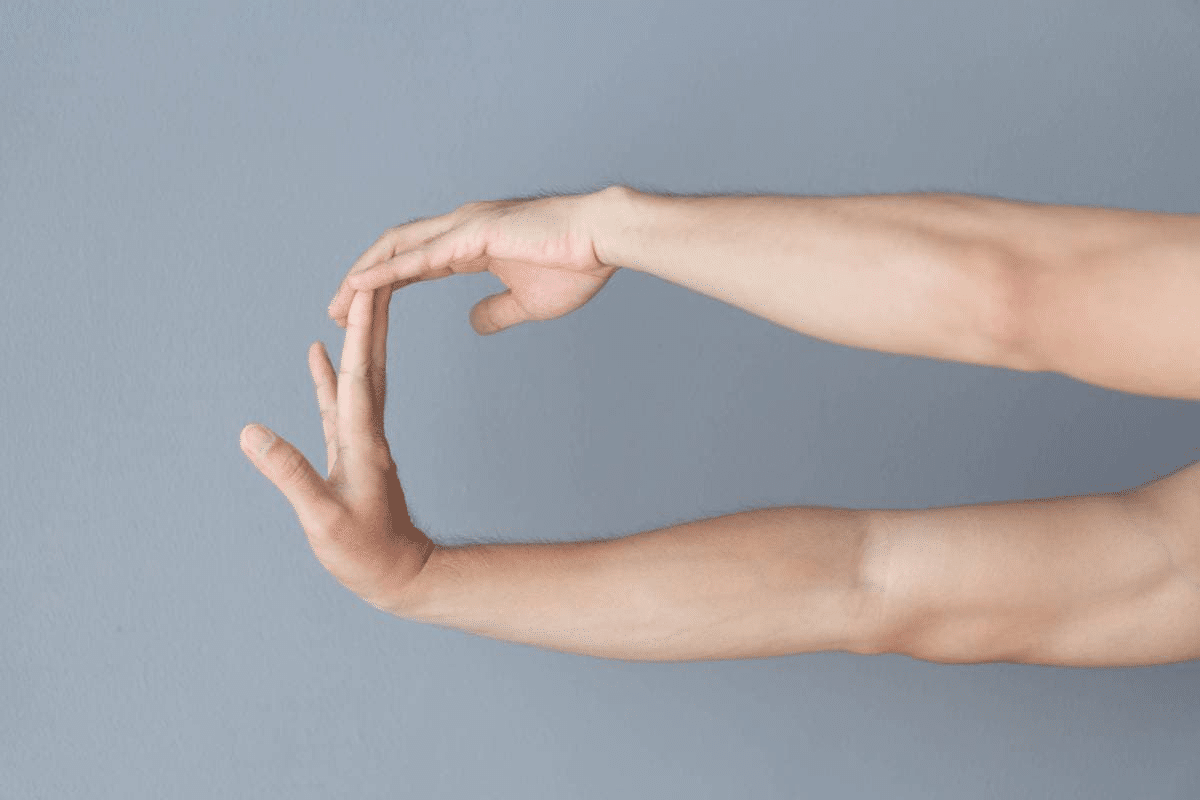
Thumb arthritis, also known as carpometacarpal (CMC) joint osteoarthritis, affects the joint at the base of the thumb. It can cause a lot of pain and make everyday tasks hard. Even simple things like gripping or texting can be tough therapy for thumb arthritisConditions Confused with bursitis vs arthritis.
But, there’s good news. Studies show that exercise-based interventions can help with thumb arthritis. By doing specific exercises every day, you can lessen pain, get stronger grip, and move your thumb better.
We’ll show you how to do these exercises step by step. This way, you can handle your symptoms and live better.
Key Takeaways
- Understanding thumb arthritis and its symptoms.
- The benefits of exercises in managing thumb arthritis.
- A step-by-step guide to performing thumb arthritis exercises.
- Tips for incorporating exercises into your daily routine.
- Expected outcomes from regular exercise.
Understanding Thumb Arthritis and Its Impact
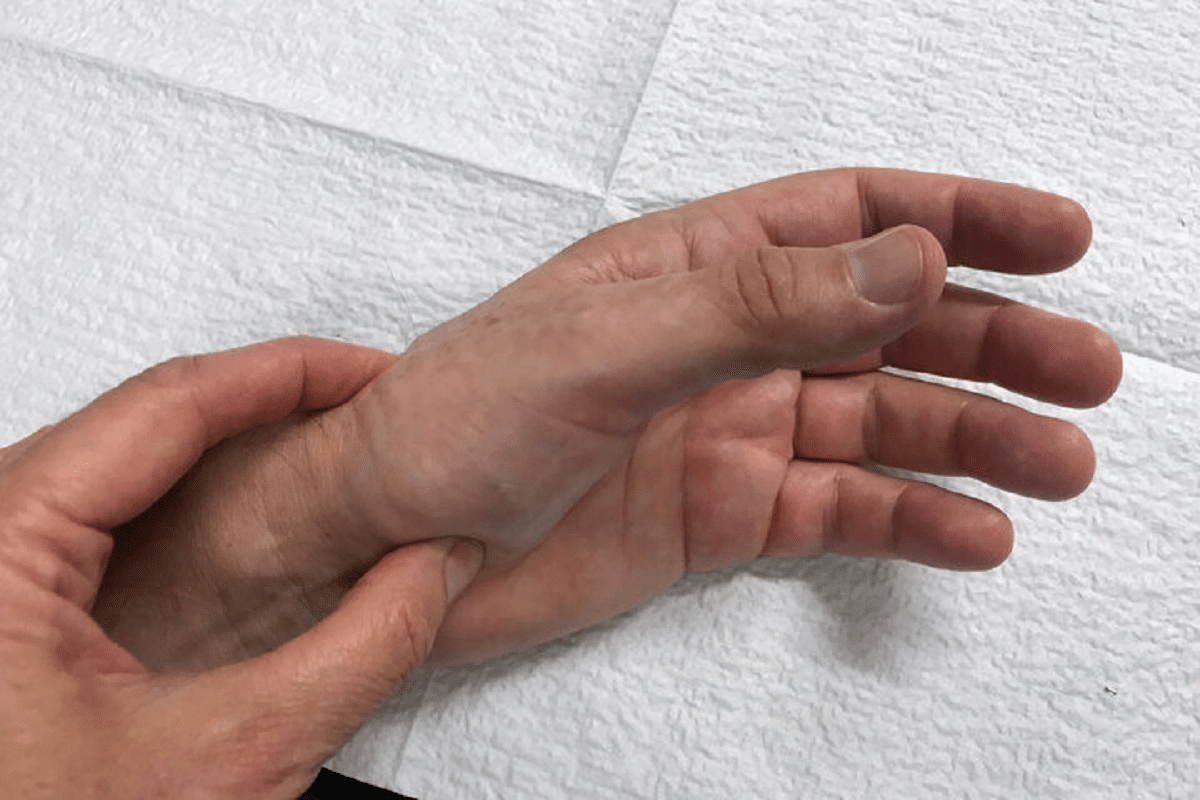
It’s important to know about thumb arthritis to manage its symptoms and improve life quality. Thumb arthritis, mainly carpometacarpal (CMC) joint osteoarthritis, is a degenerative condition. It affects the joint at the base of the thumb.
What Is Carpometacarpal (CMC) Joint Osteoarthritis?
Carpometacarpal (CMC) joint osteoarthritis is when the cartilage in the CMC joint wears out. This joint is at the base of the thumb. It can cause pain, swelling, and less mobility in the thumb, making daily tasks hard.
Common Symptoms and Progression
The symptoms of thumb arthritis vary but often include pain at the base of the thumb, swelling, and less strength and motion. As it gets worse, these symptoms can get even worse. This might lead to deformity and more loss of function.
Early signs may include:
- Pain when gripping or pinching
- Swelling or deformity at the base of the thumb
- Reduced range of motion or stiffness
Prevalence and Risk Factors
Thumb arthritis is a big public health issue, mainly for older adults. Women aged 50 and older have a 33% to 40% chance of having CMC-1 osteoarthritis. Several factors increase the risk of getting thumb arthritis, like age, gender, genetics, and past thumb injuries.
|
Risk Factor |
Description |
|---|---|
|
Age |
The risk goes up with age, after 50 |
|
Gender |
More common in women, after menopause |
|
Genetics |
Family history is a big factor |
|
Previous Injuries |
Thumb trauma or repetitive strain |
Knowing these risk factors and what thumb arthritis is can help manage it better. This way, people can find the right treatment.
The Science Behind Effective Therapy for Thumb Arthritis
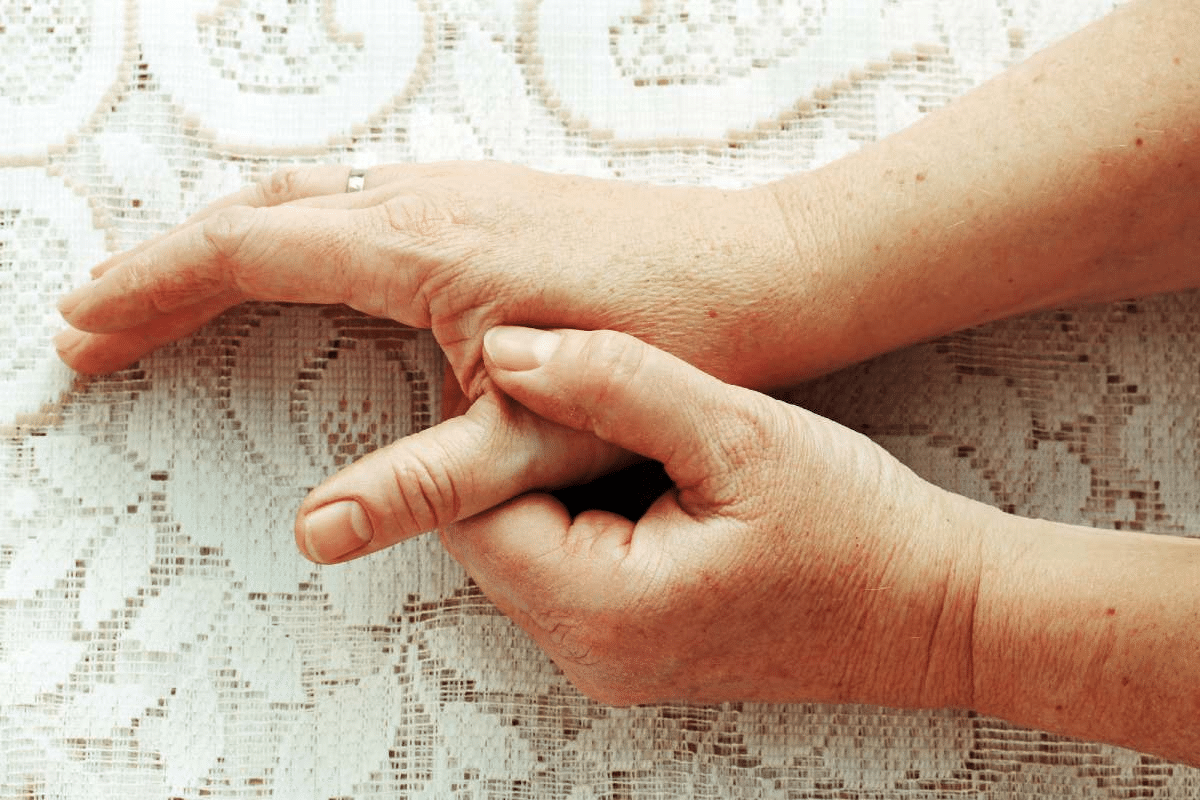
Research shows that exercise therapy for thumb arthritis really works. It can make symptoms better, improving how well you can use your thumb and your overall life quality.
Research Supporting Exercise Interventions
Many studies have looked into how exercise helps with thumb arthritis. They found that it can reduce pain and make joints work better. For example, exercise therapy with orthotics is better than just using orthotics alone for pain relief. This shows that a mix of treatments is best for thumb arthritis.
How Exercises Benefit Joint Health
Exercises for thumb arthritis do a lot. They keep or improve thumb movement, make thumb muscles stronger, and help hands work better. They also make joints move better and stay stable, which can lessen pain and help with daily tasks. Plus, strengthening thumb muscles can help slow down arthritis.
Exercise vs. Other Treatment Options
Looking at treatment options for thumb arthritis, exercise is a standout. It’s safe and works well. Other treatments like medicine and surgery have their uses, but exercise is a gentle way to manage symptoms. It can also work with other treatments, making them more effective. For example, exercises can help with orthotics or pain meds, creating a full treatment plan.
Preparing for Your Thumb Exercise Routine
Before starting your thumb exercise routine, it’s important to prepare well. This ensures you get the most benefits and avoid risks. We’ll cover the key steps to prepare in this section.
Consulting Healthcare Professionals
It’s vital to talk to healthcare professionals before starting any exercise program. This is even more important if you have health issues or thumb arthritis. They can give you advice that fits your needs.
Benefits of Consulting Healthcare Professionals:
- Personalized exercise plans
- Risk assessment and mitigation
- Monitoring progress and adjusting the routine as needed
|
Healthcare Professional |
Role in Thumb Exercise Routine |
|---|---|
|
Rheumatologist |
Diagnoses and manages arthritis, provides guidance on exercise |
|
Physical Therapist |
Designs and supervises exercise programs, monitors progress |
|
Occupational Therapist |
Helps with adapting daily activities, recommends assistive devices |
Essential Equipment and Setup
Having the right equipment and setup is key for a good thumb exercise routine. While some exercises need little equipment, the right tools can make a big difference.
Recommended Equipment:
- Therapy putty or hand exercise balls
- Resistance bands
- Thumb splints or orthotics (if recommended by a healthcare professional)
Creating an Optimal Exercise Environment
Choosing the right place for your exercises is important. Look for a quiet, comfortable spot with good lighting.
Tips for an Optimal Exercise Environment:
- Choose a quiet, comfortable space
- Ensure good lighting
- Minimize distractions
By following these steps and getting advice from healthcare professionals, you can set up a safe and effective thumb exercise routine. This routine will meet your needs and improve your thumb health.
Warm-Up Techniques to Prepare Arthritic Thumbs
To get the most out of your thumb arthritis exercise routine, start with proper warm-up techniques. Warming up before exercising can significantly reduce stiffness and improve flexibility in arthritic thumbs. “A good warm-up is essential for maximizing the benefits of exercise and minimizing the risk of injury,” as it prepares the joints and surrounding muscles for more strenuous activities.
Gentle Thumb Rotations
Gentle thumb rotations are a simple yet effective way to warm up your thumbs. Start by moving your thumb in a circular motion, first clockwise and then counterclockwise. Repeat this motion 5-10 times in each direction. This helps to loosen the carpometacarpal (CMC) joint and prepares it for more intensive exercises.
Wrist Flexion and Extension
Wrist flexion and extension exercises are key for improving wrist mobility, which supports thumb health. Hold your arm straight out in front of you with your palm facing down. Then, gently tilt your wrist up and down, holding each position for a few seconds. Repeat this motion 10-15 times. This exercise helps to reduce stiffness and improve the overall range of motion.
Heat Application Methods
Applying heat is a highly effective method for warming up arthritic thumbs. Heat therapy increases blood flow to the area, reduces stiffness, and relaxes the muscles. You can use a warm washcloth, a heating pad, or even a paraffin wax bath to apply heat to your thumbs and wrists. Apply heat for 10-15 minutes before starting your exercises. As one study suggests, “Heat therapy can be a valuable adjunct to exercise programs for patients with osteoarthritis.”
Range of Motion Exercises for Thumb Flexibility
Improving thumb flexibility is key to managing thumb arthritis. These exercises help make your thumb more mobile. This reduces stiffness and pain from thumb arthritis.
Thumb Opposition Stretch
The thumb opposition stretch is a simple yet effective exercise for improving thumb flexibility. To perform this exercise:
- Touch the tip of your thumb to the tip of your index finger, forming an “O” shape.
- Slowly move your thumb across your palm to touch the base of your little finger.
- Return your thumb to the starting position.
- Repeat this motion 10-15 times.
This exercise helps to maintain the range of motion in your thumb. It can be performed several times a day.
Thumb Abduction and Adduction
Thumb abduction and adduction exercises target the movements of the thumb away from and towards the hand.
- Start with your hand flat on a table, palm down.
- Slowly lift your thumb away from your hand (abduction).
- Then, bring your thumb back down towards your index finger (adduction).
- Repeat this motion 10-15 times.
Benefits: These exercises help to strengthen the muscles around the thumb joint. They improve its range of motion.
Thumb Flexion and Extension
Thumb flexion and extension exercises are vital for thumb mobility.
- Hold your hand out with your palm facing upwards.
- Bend your thumb down toward your palm (flexion).
- Then, straighten your thumb as much as possible (extension).
- Repeat this motion 10-15 times.
Regularly performing these exercises can significantly improve thumb flexibility. It also reduces discomfort from thumb arthritis.
Strengthening Exercises for Improved Grip and Pinch
Strengthening the thumb is key for those with thumb arthritis. It boosts grip and pinch strength. Adding specific exercises to your daily routine can help improve thumb function and hand strength.
Isometric Thumb Presses
Isometric thumb presses are a simple yet effective exercise. Place your thumb against your index finger and press without moving. Hold for 5-10 seconds, then release. Do this 10-15 times.
Benefits: This exercise improves thumb strength without strain.
Putty or Therapy Ball Exercises
Using putty or a therapy ball is fun and effective. Squeeze it between your thumb and fingers for a few seconds, then release. Repeat 10-15 times.
Tips: Start with soft putty or a less firm ball. As you get stronger, use harder materials.
Resistance Band Techniques
Resistance bands are great for thumb strengthening. Loop a band around your thumb and the object, then pull away. This strengthens your thumb in different ways.
|
Exercise |
Repetitions |
Benefits |
|---|---|---|
|
Isometric Thumb Presses |
10-15 |
Improves thumb strength |
|
Putty or Therapy Ball Squeeze |
10-15 |
Enhances grip and thumb strength |
|
Resistance Band Techniques |
10-15 |
Strengthens thumb in multiple directions |
A study on hand therapy shows the importance of strengthening exercises for thumb arthritis. Adding these exercises to your routine can greatly improve grip and pinch strength. This can greatly enhance your quality of life.
“Regular exercise can help alleviate the symptoms of thumb arthritis and improve hand functionality.”
– Hand Therapy Study
Dexterity Exercises for Enhanced Thumb Function
If you have thumb arthritis, doing dexterity exercises can help. These exercises make your thumb more flexible and precise. This is great for better hand function.
Finger-to-Thumb Touches
Try touching your thumb to each finger tip. Start with your index finger and go down to your pinky. Do this several times, touching each finger tip gently but firmly.
Benefits: This improves thumb opposition and hand dexterity.
Object Manipulation Exercises
Object manipulation exercises are also helpful. They involve picking up small items like coins or beads with your thumb and fingers. For example, you can rotate a coin or pick up beads with your thumb and index finger.
Tip: Begin with bigger objects and then move to smaller ones as you get better.
Fine Motor Skill Activities
Doing fine motor skill activities can also boost thumb function. Activities like buttoning a shirt or playing a musical instrument need precise thumb movements. Adding these to your daily routine can help keep and improve your thumb dexterity.
- Buttoning and unbuttoning clothing
- Using small utensils or tools
- Playing musical instruments that require thumb dexterity
By adding these exercises to your daily life, you can make your thumb function better. This makes everyday tasks easier and less painful.
Pain Management Strategies During Exercise Sessions
Managing pain is key when doing thumb arthritis exercises. It helps keep the experience safe and helpful. We know that controlling pain is vital for a consistent and effective routine.
Recognizing Good vs. Bad Pain
Distinguishing between good and bad pain is important. Good pain is a mild discomfort from stretching or strengthening. Bad pain is sharp, stabbing, or lasts too long, showing injury or too much effort.
Here’s how to tell the difference:
|
Pain Characteristics |
Good Pain |
Bad Pain |
|---|---|---|
|
Intensity |
Mild to moderate |
Sharp or severe |
|
Duration |
Temporary, subsides after exercise |
Persists or worsens after exercise |
|
Nature |
Aching or stretching sensation |
Stabbing, burning, or radiating |
Ice Application After Exercise
Using ice after exercises can help manage pain and reduce swelling. Ice the affected area for 10-15 minutes. Use a cloth or towel to protect your skin from the ice.
Benefits of Ice Application:
- Reduces inflammation and swelling
- Numbness helps alleviate pain
- Can be used with other pain management strategies
Modifying Exercises When Experiencing Discomfort
If you feel pain during exercises, adjust them to feel better. You might lower the intensity, change the motion, or take breaks.
Tips for Modifying Exercises:
- Start with lower intensity and gradually increase as your thumb becomes more comfortable.
- Adjust your grip or position to reduce strain on your thumb.
- If pain persists, consider alternative exercises that are less strenuous.
By using these strategies, you can reduce discomfort and get the most from your exercises.
Implementing a Progressive Exercise Schedule
Creating a progressive exercise schedule is key for thumb arthritis management. A good plan boosts thumb function, cuts pain, and improves hand mobility.
Recommended Frequency and Duration
Begin by exercising your thumbs 3-4 times a week, for 10-15 minutes each time. Start slow to avoid overdoing it and let your thumbs get used to the exercises.
As you get better, you can do more exercises and for longer. You might aim for 5-6 times a week, with sessions up to 20-30 minutes. But always listen to your body and don’t do too much.
Gradually Increasing Exercise Intensity
It’s important to make your exercises harder as you get stronger. Start with low-intensity exercises and then move to tougher ones. For example, start with simple thumb rotations and then add thumb opposition stretches.
Watch your pain levels and adjust the intensity if needed. If pain gets too much, cut back or talk to a healthcare expert.
Tracking Your Progress and Adjusting
Keeping track of your progress is vital. Use a exercise journal or a mobile app to log your exercises and note any changes. This helps you adjust your routine as needed.
Regularly check your progress to see what’s working and what’s not. This info helps you make smart changes to your exercise plan, keeping it effective and safe.
Combining Exercises with Supportive Treatments
Managing thumb arthritis well means using exercises and supportive treatments together. Exercises help keep the thumb flexible and strong. Supportive treatments protect the joint, lessen pain, and boost function.
Orthotic Devices and Splints
Orthotic devices and splints are key in thumb arthritis care. They support and protect the thumb joint, easing pain and improving function.
- Thumb Splints: You can wear custom or off-the-shelf splints to keep the thumb stable, reducing joint strain.
- Orthotic Devices: Custom orthotics support the thumb and wrist, helping maintain proper alignment and lessening stress on the CMC joint.
Using orthotics and splints with exercises can make them work better. For example, wearing a splint during activities that stress the thumb can prevent more irritation.
Complementary Therapies
Complementary therapies are also important for thumb arthritis management. They can lessen pain, improve joint mobility, and boost overall health.
- Acupuncture: This traditional Chinese medicine involves inserting thin needles into certain body points to stimulate healing and pain relief.
- Physical Therapy Modalities: Ultrasound, electrical stimulation, and heat or cold therapy can reduce pain and swelling.
Always talk to healthcare professionals before trying any complementary therapy to make sure it’s right for you.
Lifestyle Modifications for Joint Protection
Changing your lifestyle can also protect your thumb joint and lower the risk of damage.
- Ergonomic Adjustments: Adjusting your workspace and daily activities to reduce thumb strain is important.
- Activity Modification: Avoiding or changing activities that worsen thumb arthritis can help manage symptoms.
- Assistive Devices: Using tools like jar openers or adaptive utensils can lessen thumb strain during daily tasks.
By mixing exercises with these supportive treatments, people with thumb arthritis can see better joint function, less pain, and a better quality of life.
Conclusion: Maintaining Long-Term Thumb Joint Health
To keep your thumb joints healthy for the long term, you need to exercise regularly and use supportive treatments. Adding the thumb arthritis exercises from this guide to your daily routine can improve joint mobility and reduce pain.
Managing thumb arthritis well means doing range of motion, strengthening, and dexterity exercises. Doing these exercises often helps keep your thumb joints healthy and boosts hand function.
Keep challenging your thumb with new exercises and use supportive treatments like orthotics and lifestyle changes. By doing this every day, you can see better thumb function and less pain over time.
FAQ
What are the best exercises for arthritic thumbs?
The top exercises for arthritic thumbs include stretching and strengthening. Try thumb opposition stretch, thumb abduction and adduction, and thumb flexion and extension. Also, isometric thumb presses and exercises with putty or therapy balls are great.
How often should I do thumb arthritis exercises?
Aim to do thumb arthritis exercises 3-4 times a week. Gradually increase how often and how hard you do them as your thumb gets stronger and more flexible.
Can exercises really help alleviate thumb arthritis pain?
Yes, exercises can help with thumb arthritis pain. They improve joint movement, strengthen muscles, and boost dexterity. This reduces pain and improves how well you can use your thumb.
What are some warm-up techniques to prepare my thumbs for exercise?
Start with gentle thumb rotations and wrist movements. Applying heat can also help. These steps reduce stiffness and make your thumbs more flexible for exercise.
How can I manage pain during thumb arthritis exercises?
To handle pain, know the difference between good and bad pain. Use ice after exercising if needed. Adjust your exercises if you feel too much pain to avoid making it worse.
Are there any supportive treatments that can be used alongside exercises for thumb arthritis?
Yes, you can use supportive treatments like orthotics and splints. Complementary therapies and lifestyle changes also help. They protect the joint, ease symptoms, and improve thumb health.
How long does it take to see improvements in thumb arthritis symptoms with exercise?
Seeing improvements in thumb arthritis symptoms with exercise varies. It depends on the person, how severe the condition is, and how regularly you exercise. Most people notice improvements in a few weeks to a few months.
Can I do thumb exercises if I have severe thumb arthritis?
If you have severe thumb arthritis, talk to a healthcare professional before starting exercises. They can help tailor a treatment plan that fits your needs and abilities.
Reference
National Center for Biotechnology Information. Evidence-Based Medical Guidance. Retrieved from https://pmc.ncbi.nlm.nih.gov/articles/PMC11049805/