Find out what part of the brain regulates temperature. Learn the crucial role of the hypothalamus as the body’s thermostat clearly. The human body keeps its internal temperature steady, even when the outside temperature changes. This is thanks to a special part of the brain called the hypothalamus. It acts like a control center, always checking the body’s temperature.
The hypothalamus is found in the brain’s preoptic area. It works like a thermostat for the body. It gets temperature info from sensors all over and makes the body warm up or cool down as needed.
Key Takeaways
- The hypothalamus is the primary thermoregulatory center in the brain.
- It receives temperature information from thermoreceptors throughout the body.
- The hypothalamus activates physiological responses to maintain normal body temperature.
- Thermoregulation is key for keeping the body’s internal environment stable.
- The hypothalamus functions like a thermostat, regulating temperature within a narrow range.
The Brain’s Thermoregulatory System
Our body’s ability to control temperature is key for good health. The brain’s thermoregulatory system is vital. It keeps our body temperature steady, even when the environment changes.
The Importance of Temperature Homeostasis
Keeping our core body temperature between 37 ± 0.5°C (98.6 ± 0.9°F) is essential. The hypothalamus is the main controller of body temperature. It makes sure our body works well.
The hypothalamus controls the anterior pituitary, which in turn manages other glands and organs. This shows how important keeping our body temperature stable is for our health.
“The regulation of body temperature is a critical aspect of maintaining homeostasis, and the hypothalamus is at the forefront of this regulatory process,” highlighting its significance in our bodily functions.
Overview of Neural Control Mechanisms
The brain’s thermoregulatory system uses many neural control mechanisms. The hypothalamus gets signals from thermoreceptors all over the body. It then sends signals to keep our body temperature stable.
This complex process involves the hypothalamus, spinal cord, and other neural structures. The hypothalamus acts as the primary temperature regulator, integrating information from thermoreceptors and initiating responses to maintain optimal body temperature. Knowing how this works helps us understand how our body keeps its temperature.
By controlling body temperature, the hypothalamus is key to our health. As we learn more about thermoregulation, it’s clear how important it is for our well-being.
What Part of the Brain Regulates Body Temperature: The Hypothalamus
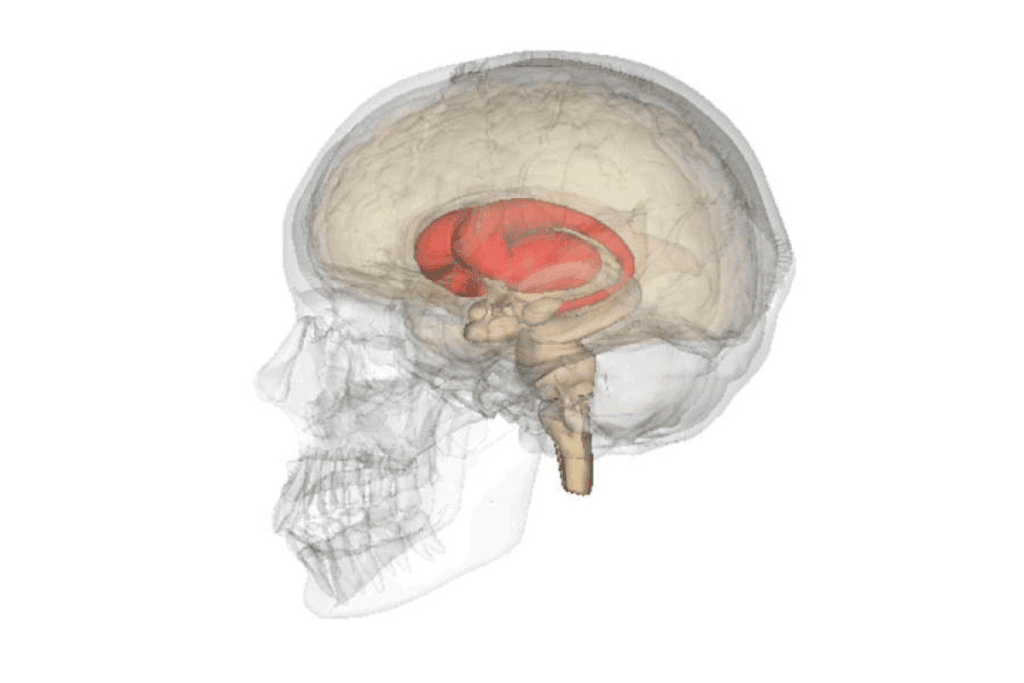
Our body’s thermostat is the hypothalamus, a small but vital part of the brain. It keeps our body temperature stable, along with hunger, thirst, and other important functions.
Anatomical Location and Structure
The hypothalamus sits below the thalamus and is part of the limbic system. It’s the basal part of the diencephalon. It’s made up of several nuclei, each with its own job. Despite its size, it controls many autonomic functions, like keeping us warm or cool.
“The hypothalamus is a master control center,” neurophysiologists say. It integrates signals to keep our body’s internal environment stable. This is key for handling changes in temperature and keeping our body temperature steady.
The Preoptic Area: The Body’s Thermostat
The preoptic area of the hypothalamus is key for keeping us at the right temperature. It has warm-sensitive neurons that notice changes in blood temperature. This triggers actions to cool down or warm up our body.
When blood temperature goes up, it starts sweating to cool us down. If it goes down, it makes us shiver to warm up. This fine-tuned control is vital for our body to work right.
The hypothalamus’ role in thermoregulation shows how important it is for our health. By controlling body temperature, it helps our body functions work well. This supports our daily life and overall health.
How Temperature Information Reaches the Brain
Thermoreceptors are key in keeping our body temperature stable. They send temperature info to the brain. This lets our body adjust to temperature changes.
There are two main types of thermoreceptors: peripheral and central. Peripheral ones are in the skin, detecting external temperature changes.
Peripheral Thermoreceptors in the Skin
Peripheral thermoreceptors in the skin notice changes in temperature. They can feel both hot and cold. When it’s cold, they send a signal to the brain to help keep warm.
Central Thermoreceptors in the Spinal Cord and Viscera
Central thermoreceptors are in the spinal cord and viscera. They watch the body’s internal temperature. They help keep the body’s core temperature stable.
Neural Pathways for Temperature Signaling
Thermoreceptors send temperature info to the brain through complex paths. Signals go from thermoreceptors to the spinal cord and then to the brain. The hypothalamus uses this info to control body temperature.
In summary, keeping our body temperature right is a team effort. Peripheral and central thermoreceptors, along with neural paths, play a big role. Knowing how temperature info gets to the brain helps us understand how we stay warm or cool.
The Narrow Range of Optimal Body Temperature
The body tightly controls its temperature within a specific range for optimal health. This narrow range is key for the body’s proper functioning.
Core Temperature Maintenance at 37°C (98.6°F)
The hypothalamus keeps the core body temperature at about 37°C (98.6°F). This range is vital for the body’s metabolic function. A leading medical expert notes:
“The maintenance of a stable core temperature is vital for the proper functioning of enzymes and metabolic pathways.”
Medical Expert, Thermoregulation Expert
Keeping this temperature is essential. The hypothalamus does this through various physiological processes.
Daily Fluctuations and Normal Variations
Body temperature can vary slightly from person to person. It also changes throughout the day. These changes are normal and usually range from 36.5°C to 37.5°C (97.7°F to 99.5°F).
Time of Day | Average Body Temperature |
Morning | 36.5°C (97.7°F) |
Afternoon | 37.2°C (98.9°F) |
Evening | 37.0°C (98.6°F) |
Metabolic Requirements for Temperature Stability
Metabolic processes are key in keeping the body’s temperature stable. The hypothalamus controls the metabolic rate to keep the body at its optimal temperature. Metabolic adjustments are important for handling changes in external temperature.
We’ve seen how the body keeps its temperature in a narrow range. This is a complex process. It involves many physiological mechanisms, all controlled by the hypothalamus.
Physiological Responses to Cold Exposure
Cold stress makes the body react in complex ways. The hypothalamus, a part of the brain, controls body temperature. When it gets cold, the body uses several methods to keep its core warm.
Shivering Thermogenesis Mechanism
One quick way the body responds to cold is through shivering thermogenesis. This is when muscles contract to make heat. It’s a fast way to fight off the cold.
Brown Adipose Tissue Activation
The body also uses brown adipose tissue to stay warm. This special fat burns energy to make heat. It’s key for keeping warm, mainly in babies and people who are lean.
Peripheral Vasoconstriction
Another important response is peripheral vasoconstriction. Blood vessels near the skin get smaller. This cuts off blood flow to the skin and keeps the body’s core warm.
These responses help protect the body from cold. Knowing how the body keeps warm can help us understand health and well-being.
Heat Dissipation Mechanisms in the Body
Keeping our body temperature just right is key. The hypothalamus helps us lose heat through several ways. When we get too hot, it starts these cooling processes.
Sweating Process and Control
Sweating helps us cool down. The hypothalamus tells our sweat glands to work when we’re hot. As sweat dries, it takes heat away from us.
We have millions of sweat glands all over our body. They’re most active in places like our palms and forehead. How much sweat we make depends on how hot we need to get cooler.
Cutaneous Vasodilation
Cutaneous vasodilation is another way we cool down. Blood vessels near the skin get wider. This lets more blood flow to the skin, releasing heat.
The hypothalamus controls this process too. It sends signals to widen blood vessels when we’re too hot. This helps us stay cool, whether we’re active or in a hot place.
Behavioral Thermoregulation
Behavioral thermoregulation is about the actions we take to stay cool. We might seek shade, take off clothes, or use coolers. These actions help us avoid getting too hot.
Being able to control our temperature through actions is very powerful. By choosing to stay cool, we help our body stay at its best temperature.
Mechanism | Description | Control |
Sweating | Evaporation of sweat cools the body surface | Hypothalamus triggers sweat glands |
Cutaneous Vasodilation | Dilation of blood vessels near the skin releases heat | Hypothalamus signals vasodilation |
Behavioral Thermoregulation | Actions taken to maintain normal body temperature | Conscious decisions based on environmental conditions |
Other Organs and Glands That Support Temperature Regulation
Many organs and glands help keep our body temperature stable. The brain’s thermoregulatory centers are key, but others play important roles too. Together, they work to keep our body temperature just right.
Thyroid Gland and Metabolic Rate
The thyroid gland is vital for temperature control. It affects our metabolic rate through hormones like T4 and T3. When these hormones are balanced, our body temperature stays steady.
But, if the thyroid gland doesn’t work right, problems can happen. Too little thyroid hormone can make our body temperature drop. Too much can make it rise.
Adrenal Glands and Stress Response
The adrenal glands sit on top of each kidney. They make hormones that help us deal with stress, including cold. Adrenaline, made by the adrenal medulla, boosts our heart rate and metabolism, helping us stay warm.
The adrenal cortex makes cortisol, which helps us handle stress. It also affects how fast we metabolize. When we’re stressed, cortisol levels go up, which can change our body temperature.
The Skin as a Thermoregulatory Organ
The skin is our biggest organ and key to temperature control. It connects our body to the outside world. It helps us cool down by sweating and widening blood vessels.
When it’s cold, the skin helps keep us warm by narrowing blood vessels and reducing sweat. This makes it a key part of our body’s temperature control system.
In summary, while the hypothalamus is the main temperature controller, the thyroid gland, adrenal glands, and skin are also important. They all work together to keep our body temperature stable. Understanding their roles helps us see how complex and balanced our body’s temperature control is.
Disorders Related to Temperature Regulation Dysfunction
The human body has a complex system to keep its temperature stable. When this system fails, several health problems can occur. These include hypothermia and hyperthermia.
Dysregulation Due to Hypothalamic Damage
Hypothalamic damage can mess up the body’s temperature control. The hypothalamus is key in keeping the body’s temperature right. Damage here can cause big problems.
Effects of Hypothalamic Damage
- Disrupted temperature regulation
- Increased risk of hypothermia or hyperthermia
- Impaired sweating and shivering responses
Fever: The Resetting of the Thermostat
Fever is a body’s way to fight off infections or inflammation. It raises the body’s temperature. This helps the body fight off invaders.
Causes of Fever | Effects on the Body |
Infection | Increased body temperature |
Inflammation | Activation of immune response |
Other medical conditions | Various systemic effects |
Hypothermia and Hyperthermia Pathophysiology
Hypothermia happens when the body’s temperature falls below 35°C (95°F). Hyperthermia occurs when it goes above 37.5°C (99.5°F). Both can be deadly if not treated fast.
Knowing how these conditions work is key to treating them. We’ll keep looking into temperature regulation and its disorders in the next parts.
Neurotransmitters and Hormones in the Thermoregulatory Circuit
Chemical messengers like neurotransmitters and hormones play a big role in keeping our body temperature stable. They help us stay comfortable, even when it’s hot or cold outside.
Serotonin and Norepinephrine Signaling
Serotonin and norepinephrine are two important neurotransmitters. Serotonin helps control our body temperature, mainly when it’s cold. Norepinephrine, on the other hand, makes us warmer by working on brown fat.
Prostaglandins and Fever Induction
Prostaglandins are key players in making us feel feverish. When we get sick or inflamed, they send a signal to our brain. This helps our body fight off infections by making it harder for germs to grow.
Thyroid Hormones and Basal Metabolic Rate
Thyroid hormones, like T4 and T3, are vital for our metabolism. When they increase, so does our metabolism, making us warmer. This is important for keeping us cozy, even in chilly weather.
The way these chemicals work together is amazing. It shows how our body can keep a steady temperature, no matter what’s happening outside. Knowing how they work helps us understand how our body stays comfortable.
Neurotransmitter/Hormone | Function in Thermoregulation |
Serotonin | Regulates body temperature, mainly in cold |
Norepinephrine | Makes us warmer by working on brown fat |
Prostaglandins | Makes us feel feverish when sick or inflamed |
Thyroid Hormones (T4, T3) | Controls our metabolism, keeping us warm |
Recent Advances in Thermoregulation Research
Our understanding of how our body temperature is regulated has grown a lot. This is thanks to new discoveries in medicine and technology. Now, we know more about how our body keeps its temperature stable.
Neuroimaging Studies of the Hypothalamus
Tools like functional magnetic resonance imaging (fMRI) have helped us study the hypothalamus. This part of the brain is key in controlling our body temperature. We’ve learned how it works with other brain parts to keep us at the right temperature.
Studies have found that the hypothalamus works hard when we’re cold or hot. It’s important for starting actions like shivering or sweating. These actions help keep our body’s core temperature stable.
Molecular Mechanisms of Thermosensation
Scientists have found out how our body senses temperature changes. Transient receptor protein (TRP) channels are key in this process. They help us feel temperature changes.
These channels are found in our skin and brain. They react to different temperatures. Knowing how they work could help us find new ways to treat temperature problems.
Therapeutic Applications for Temperature Control
New research on thermoregulation is leading to better treatments for temperature issues. For example, we might find new ways to control fever or hypothermia. This is thanks to our growing understanding of how the brain controls body temperature.
Therapeutic Application | Description | Potential Benefits |
Targeted Temperature Management | Techniques to control body temperature precisely | Improved outcomes in critical care, reduced risk of temperature-related complications |
Pharmacological Interventions | Drugs targeting TRP channels or other thermoregulatory pathways | Treatment of temperature-related disorders, such as fever or hypothermia |
Personalized Thermoregulation | Tailoring thermoregulatory treatments to individual needs | Enhanced efficacy, reduced side effects |
As we learn more about thermoregulation, we’ll see new ways to treat temperature problems. This will help us manage these issues better.
Conclusion
The hypothalamus is key in keeping our body temperature stable. It acts as the main control center for body temperature. This helps keep our core body temperature in a safe range.
This tiny part of the brain is in charge of many body functions. It makes sure our body temperature stays just right. This is vital for our health and well-being.
So, what part of the brain controls body temperature? It’s the hypothalamus. It gets info from all over the body. Then, it uses this info to keep our body temperature perfect.
This process is complex. It involves many neural pathways working together. This teamwork helps us stay at the right temperature.
What body organ regulates body temperature? It’s the hypothalamus, along with other important organs. The thyroid and adrenal glands also play a big role. Together, they help control our body temperature.
In short, the hypothalamus is the main controller of body temperature. Its role is essential for keeping our body in balance. By understanding how it works, we can appreciate the amazing process of thermoregulation.
FAQ
What part of the brain regulates body temperature?
The hypothalamus is the main controller of body temperature. It gets information from thermoreceptors. Then, it sends signals to effectors to keep the body at a stable temperature.
What is the role of the preoptic area in thermoregulation?
The preoptic area in the hypothalamus has warm-sensitive neurons. These neurons detect blood temperature changes. They play a key role in keeping the body temperature stable.
How does the body respond to cold exposure?
When it’s cold, the body starts shivering to generate heat. It also activates brown fat and constricts blood vessels in the skin. These actions help keep the core warm.
What mechanisms help to dissipate heat when body temperature rises?
Sweating and vasodilation in the skin are key to cooling down. Behavioral changes also help in regulating body temperature.
Which organs and glands contribute to temperature regulation beside the hypothalamus?
The thyroid gland, adrenal glands, and skin all help regulate body temperature. They do this by controlling metabolic rate, responding to stress, and helping with heat loss or gain.
What are some disorders related to temperature regulation dysfunction?
Problems like hypothalamic damage, fever, hypothermia, and hyperthermia can occur. These issues arise from disruptions in thermoregulation.
What neurotransmitters and hormones are involved in the thermoregulatory circuit?
Serotonin, norepinephrine, prostaglandins, and thyroid hormones are involved. They signal between neurons and affect metabolic rate to regulate body temperature.
What is the optimal range for body temperature?
The ideal body temperature is about 37°C (98.6°F). It can vary slightly throughout the day.
How does the brain receive temperature information?
The brain gets temperature info through thermoreceptors and neural pathways. These include skin and spinal cord thermoreceptors.
What are some recent advances in thermoregulation research?
Recent research includes studying the hypothalamus with neuroimaging. It also explores molecular thermosensation and finding new ways to control temperature.
References:
National Center for Biotechnology Information. Evidence-Based Medical Guidance. Retrieved from https://www.ncbi.nlm.nih.gov/books/NBK507838/