Last Updated on November 26, 2025 by Bilal Hasdemir

Renal artery stenosis can harm kidney function, leading to serious health issues. Kidney bypass surgery is a special treatment. It makes a new path to get blood to the kidney.
At Liv Hospital, we know how vital it is to get blood to the kidney. Our skilled team uses the latest treatments, including kidney bypass surgery, to improve patient outcomes and overall results.
By tackling renal artery stenosis, we help patients get their kidneys working better. This also lowers the chance of more problems.
Key Takeaways
- Renal artery stenosis can significantly impact kidney function.
- Kidney bypass surgery is a viable treatment option.
- Advanced treatment options are available at Liv Hospital.
- Restoring blood flow can improve kidney function.
- Expert care is key for the best patient outcomes.
Understanding Renal Artery Stenosis and Its Impact on Kidney Health
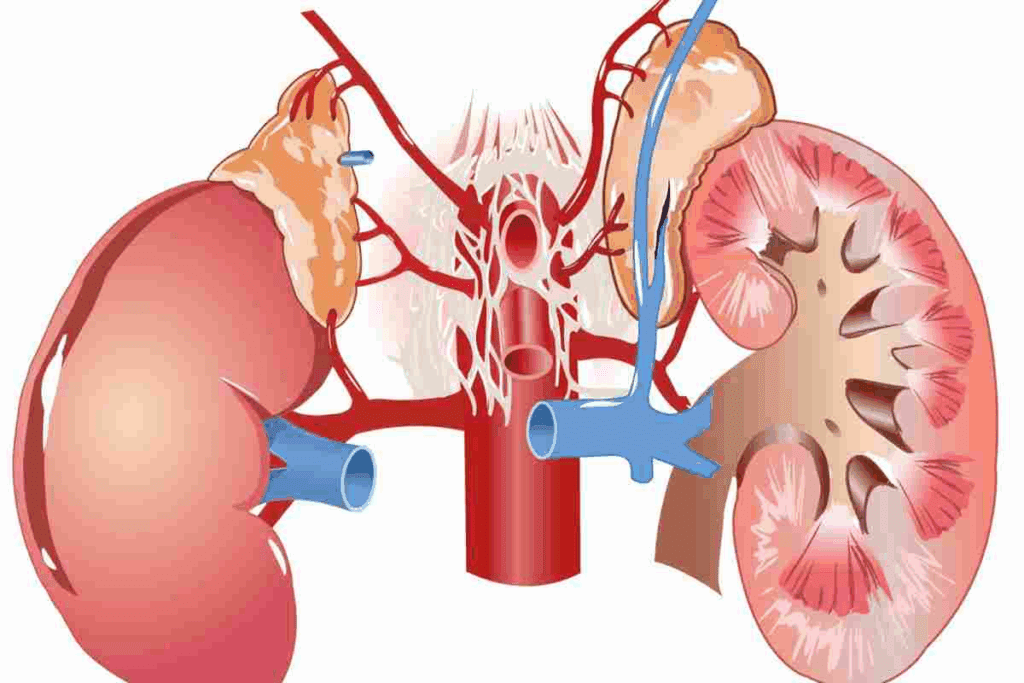
It’s important to know about renal artery stenosis to treat kidney problems well. This condition happens when the renal arteries narrow. These arteries carry blood to the kidneys. If not treated, it can harm kidney function a lot.
What Causes Narrowing of the Renal Arteries
The main cause is atherosclerosis, where plaque builds up in arteries. Another cause is fibromuscular dysplasia, affecting arteries like the renal and carotid arteries.
Atherosclerotic renal artery stenosis often affects older adults with heart disease risk factors. Fibromuscular dysplasia usually hits younger people, mostly women.
How Stenosis Affects Kidney Function
Renal artery stenosis can cut down blood flow to the kidneys. This can cause:
- Less kidney function
- High blood pressure
- Potential kidney damage or failure if untreated
The kidneys help control blood pressure. Stenosis can mess with this, causing high blood pressure.
“Renal artery stenosis is a big reason for high blood pressure and can cause kidney failure if not managed.” –
A leading nephrologist
Risk Factors for Developing Renal Artery Stenosis
Some factors make you more likely to get renal artery stenosis. These include:
| Risk Factor | Description |
| Age | Risk goes up after 50 |
| Smoking | It’s bad for blood vessels |
| High Blood Pressure | It can cause or be caused by stenosis |
| Diabetes | It raises the risk of vascular diseases |
Kidney Bypass Surgery: Definition and Medical Necessity

Renal bypass surgery is needed when other treatments fail. It aims to fix blood flow to the kidneys by avoiding blocked areas.
The Purpose of Renal Bypass Procedures
The main goal of renal bypass is to boost kidney function. A blocked renal artery can lead to high blood pressure, kidney damage, or failure. By bypassing the block, we ensure the kidney gets enough blood.
Keeping the kidneys working right is key for health. They help remove waste, control blood pressure, and balance electrolytes.
When Doctors Recommend Kidney Bypass Surgery
Doctors suggest surgery for severe renal artery stenosis that doesn’t respond to other treatments. They consider many factors, like imaging results and kidney health, before making a decision.
Things like how severe the blockage is, symptoms like high blood pressure, and kidney damage play a role. These help decide if surgery is the best option.
Types of Bypass Grafts Used in Renal Procedures
There are various grafts for renal bypass surgery. The choice depends on the patient’s anatomy, the blockage’s location and size, and the surgeon’s choice.
- Autologous grafts (using the patient’s own vessels) are often preferred due to their higher patency rates and lower risk of complications.
- Synthetic grafts may be used in certain cases, when autologous grafts are not available or suitable.
Choosing the right graft is vital for the surgery’s success and long-term results.
The Complete Kidney Bypass Surgery Procedure
For those with renal artery stenosis, kidney bypass surgery is a good option. It helps restore blood flow to the kidney. The surgery creates a bypass graft to bypass the narrowed or blocked part of the artery.
Pre-Surgical Evaluation and Preparation
Before surgery, patients get a full check-up. This includes looking at their medical history, doing a physical exam, and running tests like angiography. We also check their overall health, including any other health issues.
To get ready for surgery, we work on improving the patient’s health. This might mean managing high blood pressure, controlling diabetes, and stopping certain medications. We also tell patients to quit smoking and avoid medications that could cause bleeding.
Step-by-Step Surgical Process
The surgery starts with general anesthesia to keep the patient comfortable. The surgeon then makes an incision in the abdomen or flank to reach the renal artery. They find the narrowed part and create a bypass graft from a vein or synthetic material.
The graft is attached above and below the narrowed area. This lets blood flow around the blockage. The surgeon makes sure the graft is secure and blood flow is back to the kidney. The exact steps can vary based on the patient’s specific situation.
Immediate Post-Operative Care
After surgery, patients are watched closely in the ICU. We focus on managing pain and keeping an eye on kidney function and blood pressure. We also encourage patients to move around to prevent blood clots.
The time spent in the hospital varies based on how quickly the patient recovers and if there are any complications. Before leaving, patients get detailed instructions on caring for their wound, managing medications, and when to come back for check-ups.
Renal Artery Angioplasty: A Minimally Invasive Alternative
Renal artery angioplasty is a top choice for treating renal artery stenosis. It’s known for its success and quick recovery. This method is great for those who want to avoid the bigger risks of traditional surgery.
How Renal Balloon Angioplasty Works
Renal balloon angioplasty uses a small balloon to open up the narrowed artery. A catheter is first inserted into the femoral artery. It’s then guided by imaging to the narrowed area. The balloon is then inflated to push the plaque against the artery walls. This improves blood flow to the kidney.
The main goal is to get blood flowing right to the kidney again. This can help improve kidney function and control high blood pressure. It’s a precise procedure that needs skill to work well.
Ideal Candidates for Kidney Angioplasty
Not everyone with renal artery stenosis is right for angioplasty. The choice depends on how bad the stenosis is, the patient’s health, and symptoms. Those with severe stenosis who haven’t gotten better with medicine or have high blood pressure might benefit.
| Criteria | Ideal Candidates | Not Ideal Candidates |
| Severity of Stenosis | Significant narrowing (>70%) | Mild narrowing ( |
| Response to Medical Therapy | Poor response or uncontrolled hypertension | Good response with controlled hypertension |
| Overall Health | Stable with minimal comorbidities | Unstable with significant comorbidities |
Advantages Over Traditional Surgery
Angioplasty has big advantages over traditional surgery. It has less recovery time, fewer risks, and no need for general anesthesia. These benefits make it a good choice for those at high risk for surgery or who prefer a less invasive method.
Knowing the benefits and who’s a good candidate for renal artery angioplasty helps both patients and doctors make the best choice for treating renal artery stenosis.
Renal Artery Stenting: Modern Treatment for Stenosis
Renal artery stenting is a new way to treat stenosis. It involves putting a stent in the narrowed artery. This helps restore blood flow to the kidney. It’s a good option for those with severe stenosis.
Procedure and Outcomes
The procedure is done under local anesthesia. A stent is placed through a catheter in the groin or arm. Studies show it improves blood flow and kidney function for many patients.
Treatment Options Compared
There are several ways to treat renal artery stenosis. These include bypass surgery, angioplasty, stenting, and managing it medically. Each has its own benefits and risks. Choosing between stenting and medical management is key.
After surgery or stenting, patients need to rest and follow a diet. It’s important to know the possible complications and long-term risks. This helps make informed choices.
Recent Advances
New treatments for stenosis are getting better. Research is ongoing to see if kidney damage can be reversed. Different treatments are being tested for their effectiveness.
FAQ
What is renal artery stenosis and how does it affect kidney function?
Renal artery stenosis is when the renal arteries narrow. These arteries carry blood to the kidneys. This narrowing can reduce blood flow, harming the kidneys and affecting their function.
What are the treatment options for renal artery stenosis?
Treatments for renal artery stenosis include kidney bypass surgery, angioplasty, and stenting. The right treatment depends on the stenosis’s severity, the patient’s health, and other factors.
What is kidney bypass surgery and when is it necessary?
Kidney bypass surgery helps restore blood flow to the kidney by bypassing the narrowed artery. It’s often needed for severe stenosis cases or when other treatments fail.
How is renal artery angioplasty performed?
In renal artery angioplasty, a balloon is used to widen the narrowed artery. A stent might also be placed to keep it open. This procedure is less invasive than traditional surgery.
What are the benefits and risks of renal artery stenting?
Stenting keeps the renal artery open, improving blood flow to the kidney. This can enhance kidney function and lower blood pressure. But, there are risks like stent failure or kidney damage.
How do I prepare for kidney bypass surgery?
Preparing for kidney bypass surgery includes a detailed medical check-up. Tests assess kidney function and overall health. You might need to stop certain medications and follow a diet.
What is the recovery process like after kidney artery procedures?
Recovery from kidney artery procedures involves a hospital stay and follow-up care. You’ll be advised on physical activity, diet, and medication to aid in your recovery.
Can renal artery stenosis be reversed?
Whether renal artery stenosis can be reversed depends on its severity and treatment success. Early treatment with angioplasty or stenting can help restore blood flow and potentially reverse kidney damage.
What are the long-term outcomes of renal artery stenting?
Long-term results of renal artery stenting vary. They depend on the stenosis’s severity and the patient’s health. Regular follow-ups are key to monitor the stent’s success and address any issues.
How do surgeons minimize risks during renal bypass surgery?
Surgeons reduce risks by carefully evaluating patients and using advanced techniques. They also provide detailed post-operative care. This approach helps minimize complications and ensures the best outcomes.