Last Updated on November 25, 2025 by Ugurkan Demir

Ever thought about how big kidney stones can get or why they’re different colors? Most are small and pass on their own. But, some can be as big as a golf ball, causing a lot of pain and needing doctor help.
At Liv Hospital, we focus on you. We use the latest tools and care with kindness. We’ll dive into the world of kidney stones. You’ll learn about their sizes and interesting facts about their growth and colors.
Key Takeaways
- Kidney stones vary significantly in size, ranging from tiny grains to rare cases as large as golf balls.
- The largest recorded kidney stone measured just over 5 inches at its widest point.
- Kidney stones are hard mineral and salt deposits that form when urine becomes concentrated with waste and minerals.
- They can cause severe pain, nausea, and vomiting.
- Understanding kidney stone size and growth is key for effective treatment and prevention.
The Reality of Kidney Stones

Understanding kidney stones is key for those who deal with them. These are hard deposits made of minerals and salts in the kidneys. We’ll look at what they are and how they form.
What Are Kidney Stones?
Kidney stones, or renal calculi, are solid masses in urine. They usually range from 2 millimeters to 10 millimeters in size. But, some can get much bigger.
They’re often made of minerals like calcium oxalate, uric acid, or cystine. The type of mineral affects how they look and how they’re treated.
How They Form in Your Body
Kidney stones form when urine has too many minerals. Several things can lead to their formation, including:
- Dehydration
- Diet
- Family history
- Certain medical conditions
When urine is too concentrated, crystals can form. These can grow into stones. Knowing these factors helps prevent stones.
Some interesting facts about kidney stones include their sizes and types. While some are small and pass easily, others can be big and painful. They might need medical help.
The question of whether kidney stones grow in size is important. Yes, they can grow if the conditions that caused them aren’t managed. It’s vital to handle these conditions to stop stones from getting bigger.
Understanding Kidney Stone Size: From Tiny to Massive
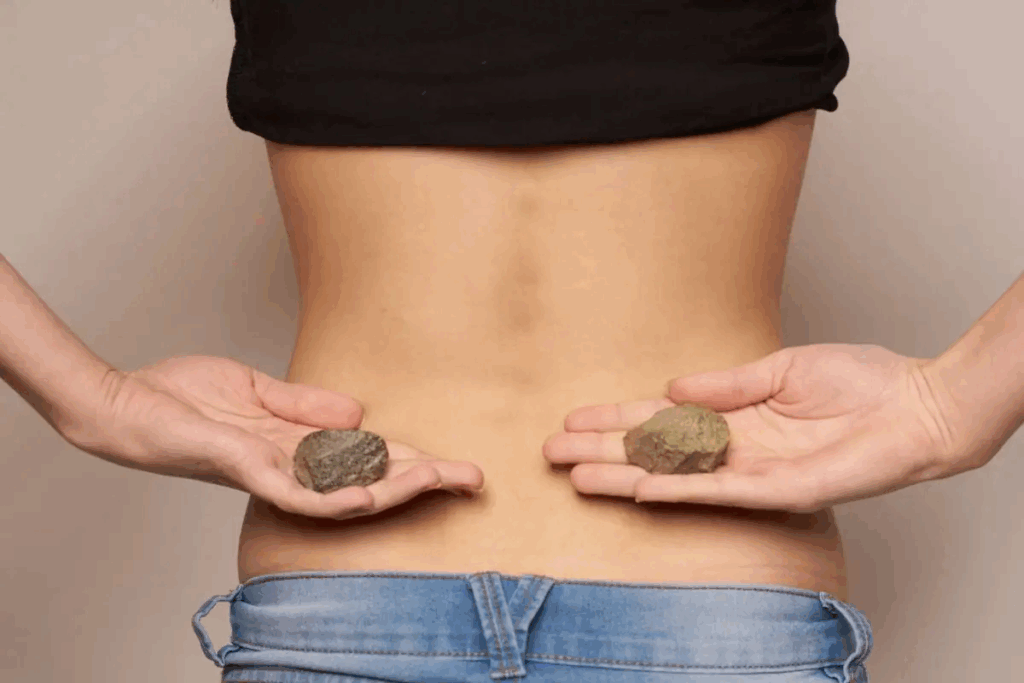
Kidney stones come in all sizes, from a few millimeters to several centimeters. This wide range affects symptoms, treatment, and how patients feel.
We’ll look at the different sizes of kidney stones. We’ll see how big they can get and how their size impacts treatment and care.
The Smallest Kidney Stones
The smallest kidney stones are just a few millimeters. These tiny stones might not cause any symptoms or problems. But, if they get stuck, they can be very painful.
Characteristics of Small Kidney Stones:
- Size: Usually less than 5mm
- Symptoms: Often asymptomatic, but can cause pain if lodged
- Treatment: Typically, watchful waiting or medication
Record-Breaking Large Stones
Large kidney stones can be a big health problem. Stones over 20 millimeters might need surgery to treat.
Characteristics of Large Kidney Stones:
- Size: Typically larger than 20mm
- Symptoms: Severe pain, obstruction, and potentially infection
- Treatment: Often requires surgical intervention
The 5-Inch Wonder: Largest Documented Case
The biggest kidney stone ever recorded was over 5 inches wide. Such huge stones are very rare but show the wide range of sizes kidney stones can have.
To understand the range of kidney stone sizes, let’s look at a table:
| Stone Size (mm) | Comparative Object | Typical Symptoms | Common Treatment |
| 1-5 | Grain of sand | Often asymptomatic | Watchful waiting |
| 5-10 | Pea | Mild to moderate pain | Medication |
| 10-20 | Golf ball | Severe pain, obstruction | Minimally invasive procedures |
| >20 | Tennis ball or larger | Severe pain, obstruction, infection | Surgical intervention |
Knowing the size of kidney stones is key to choosing the right treatment. As we’ve seen, sizes can vary greatly. This affects how they’re treated and how patients feel.
Average Kidney Stone Size and Medical Significance
Kidney stone size affects how severe symptoms are and if you need to see a doctor. Knowing the average size and its importance is key for both patients and doctors.
Typical Size Ranges (2-10mm)
Kidney stones usually range from 2 to 10 millimeters in size. Stones in this range often pass without needing medical help. But, the stone’s size plays a big role in whether it can pass on its own.
A top urologist says, “The stone’s size is key in choosing treatment. Stones under 5mm usually pass naturally. But, bigger stones might need more serious treatments.”
When Size Determines Treatment Approach
The size of a kidney stone helps decide how to treat it. For stones under 5mm, doctors often suggest waiting and drinking lots of water. Stones between 5mm and 10mm might need medical help if they don’t pass.
For bigger stones, treatments like lithotripsy or surgery are often needed. Doctors choose the best treatment based on the stone’s size, where it is, and the patient’s health.
The 20mm Threshold for Surgery
Stones over 20mm are usually too big and need surgery. These stones won’t pass on their own and can cause serious problems if not treated quickly.
“Stones bigger than 20mm are a big worry and usually need a strong treatment plan,” says a medical expert. “Surgery, like PCNL, is often the best choice for these big stones.”
Can Kidney Stones Grow in Size?
Kidney stones can grow over time, thanks to several factors. We’ll look into how this happens and its impact on patients.
The Growth Process Explained
The growth of kidney stones is complex. It’s influenced by diet, how much you drink, and health conditions. High mineral levels in urine can cause stones to form and grow.
Dehydration, certain diets, and health issues like hyperparathyroidism can make stones grow faster. Knowing these factors helps in managing and preventing stone growth.
How Quickly Stones Can Enlarge
The speed at which kidney stones grow varies. Some stay small for years, while others grow quickly.
Studies show that stone growth rates differ based on their type and the urinary tract’s conditions. For example, calcium oxalate stones can grow faster under certain conditions.
Warning Signs of Growing Stones
It’s important to know the signs of growing kidney stones. Look out for severe pain, nausea, and trouble urinating.
As stones grow, they can block more and harm the urinary tract. Spotting these signs early helps patients get medical help before things get worse.
| Warning Signs | Description |
| Severe Pain | Pain in the side or back, below the ribs |
| Nausea and Vomiting | Feeling queasy or vomiting |
| Difficulty Urinating | Pain or burning during urination |
Understanding what makes kidney stones grow and knowing the warning signs helps patients manage their condition. It also ensures they get the right medical care when needed.
Medical Conditions That Accelerate Kidney Stone Growth
Medical issues can greatly affect how big and fast kidney stones grow. Some health problems can make stones bigger and faster.
Diabetes and Blood Glucose Connection
Diabetes can make you more likely to get kidney stones. Studies show that people with diabetes are at higher risk. This might be because of insulin resistance and high blood sugar affecting urine.
High blood sugar can make urine hold more substances that form stones. Keeping blood sugar in check is key for those with diabetes to lower their stone risk.
Other Health Factors That Influence Stone Size
Other health issues can also affect kidney stone growth. For example, hyperparathyroidism makes blood calcium levels go up. This can raise the chance of getting calcium stones.
- Gastric bypass surgery or other gut problems can change how calcium and other minerals are absorbed. This can increase stone risk.
- Genetic disorders like cystinuria can mess with the kidneys’ ability to handle certain amino acids. This leads to cystine stones.
- Urinary tract infections (UTIs) can cause struvite stones.
Managing Conditions to Slow Stone Growth
Managing health conditions is key to slowing down stone growth. For diabetes, keeping blood sugar in check helps prevent stones. This can be done through diet, exercise, and medicine.
For hyperparathyroidism, treatments like surgery or medicine can help control hormone levels. This reduces stone risk. Gastrointestinal disorders might need dietary changes and supplements for proper nutrient absorption.
Knowing how medical conditions affect kidney stones helps people take action. They can manage their health to lower their stone risk.
How Many People Get Kidney Stones?
It’s important to know how many people get kidney stones. This knowledge helps in preventing and treating the condition. Kidney stones are a big health problem, affecting many people around the world.
In the United States, about 11 percent of men and 6 percent of women will get kidney stones at some point. This shows that gender differences in kidney stone formation exist, with men more likely to get stones than women.
Gender Differences in Kidney Stone Formation
There are many reasons for the gender gap in kidney stone cases. Hormonal differences, diet, and genetics all play a part. For example, men are more likely to get calcium oxalate stones because of higher urine calcium levels.
Age-Related Risk Factors
Kidney stones usually happen to adults between 20 and 50. This age group is important because it includes people in their prime years. Their quality of life and work could be affected.
As people get older, their risk factors and stone types can change. This is due to diet, how much they drink, and other health issues.
The “1 in 11” Reality
About 1 in 11 people in the United States will get a kidney stone at some point. This “1 in 11” fact highlights the prevalence of this condition. It shows how vital awareness and prevention are.
By knowing the risks and taking steps to prevent them, people can lower their chance of getting kidney stones.
In summary, kidney stones are a common problem with big differences based on gender and age. Understanding these facts helps us develop better prevention and treatment plans for each person’s risk.
Changing Demographics of Kidney Stone Sufferers
The people getting kidney stones are changing. Recent data shows a rise to 8.8% overall. This is true for some groups more than others.
Rising Overall Prevalence
Kidney stones are becoming more common. They affect more people now. This is due to diet, lifestyle, and health changes.
Studies show the prevalence in different groups:
| Population Group | Prevalence Rate |
| Overall | 8.8% |
| Hispanic | Increasing |
| Black Non-Hispanic | Increasing |
Increasing Rates Among Hispanic and Black Non-Hispanic Populations
Hispanic and Black non-Hispanic groups are seeing more kidney stones. This is a big change. It shows who is getting stones is different now.
“The changing demographics of kidney stone sufferers underscore the need for targeted prevention and treatment strategies.”
— Medical Expert
Theories Behind Demographic Shifts
There are theories on why more people are getting kidney stones. Diet, obesity, diabetes, and lifestyle are thought to play a role.
Many factors are causing more kidney stones in different groups. It’s important to understand these changes. This will help us prevent and treat kidney stones better.
Kidney Stone Colors and What They Reveal
Kidney stones come in many colors, and knowing these colors helps doctors treat patients better. The color of a stone tells doctors a lot about its makeup and why it formed.
Yellow and Brown: The Most Common Colors
Most kidney stones are yellow or brown. These colors usually mean the stone is made of calcium oxalate. The exact shade can vary, depending on what else is in the stone.
Other Color Variations and Their Meaning
While yellow and brown are common, stones can also be other colors:
- White or Gray: These colors often mean the stone has calcium phosphate. Such stones might be linked to certain health issues.
- Red or Pink: Stones with a reddish tint might have blood or uroepithelial cells in them.
- Black: Black stones are rare. They might be related to specific health conditions or melanin.
How Doctors Use Color for Diagnosis
When a stone is passed or removed, its color is very important. Doctors use this color to:
- Figure out what the stone is made of, which helps them understand why it formed.
- Spot any health issues that might have led to the stone.
- Plan a treatment that will help prevent more stones from forming.
Knowing the color of a kidney stone is just one part of treating kidney stone disease. Doctors use this info along with other tools and patient history to give better care.
How Many Kidney Stones Can You Have at Once?
It’s important to know how many kidney stones you can have at once. This knowledge helps in managing and treating the condition. Some people might have just one stone, while others might have many at the same time.
Single vs. Multiple Stone Formation
Kidney stone formation varies from person to person. Single stone formation is common, causing symptoms. But, some people might have multiple stones, making treatment harder. Factors like genetics, diet, and health conditions play a role in this.
Record Number of Simultaneous Stones
There are cases where people have had a lot of kidney stones at once. While most have just a few, some have dozens or even hundreds. These cases are rare and often linked to health issues or genetics.
Managing Multiple Kidney Stones
Dealing with multiple kidney stones needs a detailed plan. This includes accurate diagnosis with scans or ultrasounds. Then, a treatment plan is made. Treatments can be simple, like medication and drinking more water, or more complex, like surgery.
People with multiple stones should work closely with their doctor. They need a treatment plan that helps now and prevents future stones. This includes diet changes, drinking more water, and managing health conditions.
Kidney Stone Appearance and Composition Types
Kidney stones come in different types, each with its own look and treatment. Knowing about these types is key for diagnosis and treatment.
These stones can be made of calcium oxalate, uric acid, struvite, or cystine. Each type affects treatment differently.
Calcium Oxalate Stones (Most Common)
Calcium oxalate stones are the most common. They’re linked to diet and health conditions. The amount of oxalate in your diet matters.
Here are some key facts about calcium oxalate stones:
- They are hard and dense.
- They can be yellow or brown.
- Changing your diet can help prevent them.
Uric Acid, Struvite, and Cystine Stones
Other types of stones include:
- Uric Acid Stones: Linked to gout or too much uric acid. Diet changes and meds can help.
- Struvite Stones: Often from urinary tract infections (UTIs). They grow fast and can get big.
- Cystine Stones: Rare, linked to cystinuria, a genetic disorder. It causes cystine to leak into urine.
How Composition Affects Treatment
The type of stone affects treatment. For example:
- Calcium Oxalate Stones: Treatment might include diet changes, more water, and meds to prevent more.
- Uric Acid Stones: Treatment often involves meds to make urine less acidic and reduce uric acid.
- Struvite Stones: Needing to manage UTIs and sometimes surgery.
- Cystine Stones: Treatment focuses on managing cystinuria with water and meds to lower cystine levels.
Knowing what your stone is made of is key to treating it right. We work with patients to find the best treatment for them.
Treatment Options Based on Kidney Stone Size
Kidney stone treatment depends on the stone’s size and other factors. The size, location, type, and health of the patient guide doctors. We’ll look at the treatment options for kidney stones, based on their size.
Small Stones: Watchful Waiting and Medication
For stones less than 5mm, doctors often start with watchful waiting. This means keeping an eye on the stone and symptoms. They might give pain medicine to help the stone move.
Medium Stones: Minimally Invasive Procedures
Stones between 5mm and 10mm need more action. Doctors might use ESWL or Ureteroscopy. ESWL breaks the stone into smaller pieces for easier passing.
Large Stones: Surgical Interventions
Stones over 10mm usually need surgery. PCNL is a common method. It involves a small incision in the back to remove the stone.
| Stone Size | Treatment Options | Description |
| Small (<5mm) | Watchful Waiting, Medication | Monitoring and pain management |
| Medium (5-10mm) | ESWL, Ureteroscopy | Breaking stones into smaller pieces or removal |
| Large (>10mm) | PCNL, Surgery | Direct removal through a small incision |
Conclusion: Taking Control of Your Kidney Stone Health
Knowing about kidney stone size, growth, and color helps us manage our kidney health better. By understanding kidney stones, we can improve our overall health. This reduces the chance of getting these painful stones.
Preventing kidney stones means making smart lifestyle choices. This includes changing our diet and drinking plenty of water. It’s also important to manage any health conditions we have. By using what we learn about kidney stones, we can keep our kidneys healthy.
Being aware of the risks and taking steps to prevent them can lower our chance of getting kidney stones. We suggest talking to doctors to create a plan for keeping our kidneys healthy.
FAQ
What are kidney stones and how do they form?
Kidney stones are hard deposits made of minerals and salts. They form inside the kidneys. This happens when there’s an imbalance in substances like calcium, oxalate, and uric acid in the urine.
How big can kidney stones get?
Kidney stones can be as small as a grain of sand or as big as several centimeters. The largest recorded stone was about 5 inches in diameter.
Can kidney stones grow in size?
Yes, they can grow if not treated or if conditions aren’t managed. Diet, hydration, and medical conditions can affect their size.
What are the different colors of kidney stones and what do they mean?
Kidney stones come in colors like yellow, brown, white, and black. The color hints at the stone’s makeup and causes. For example, yellow and brown stones are often calcium oxalate. Uric acid stones are usually yellow or reddish-brown.
How many kidney stones can you have at once?
You can have more than one kidney stone at a time. The number depends on various factors. Having multiple stones can make treatment harder.
What are the treatment options for kidney stones based on their size?
Treatment varies with the stone’s size, makeup, and location. Small stones might pass on their own. Larger ones might need procedures or surgery.
How common are kidney stones?
Kidney stones are common, affecting about 1 in 11 people. Their prevalence changes based on age, sex, and ethnicity.
Are there any medical conditions that can accelerate kidney stone growth?
Yes, conditions like diabetes can increase the risk and speed of stone growth. Managing these conditions is key to slowing growth.
What are the different types of kidney stones based on their composition?
Main types include calcium oxalate, uric acid, struvite, and cystine stones. Each type needs a specific treatment approach.
How do doctors use the color of kidney stones for diagnosis?
The stone’s color helps doctors understand its makeup and causes. This information guides further testing and treatment.
References
National Center for Biotechnology Information. (2025). How Big Can Kidney Stones Get Size Growth. Retrieved from https://www.ncbi.nlm.nih.gov/pmc/articles/PMC4317621/